


Updated on: 2026-10-22
Antioxidant-rich tea is a simple way to support your daily wellness routine with plant compounds known for fighting oxidative stress. When prepared well, it can also fit easily into a balanced lifestyle that values steady energy and focused work. This guide explains how antioxidants work, which tea styles offer the highest polyphenol content, and how to brew for best taste. You will also find a buying checklist, a practical step-by-step method, and common questions to help you choose confidently.
- Buyer’s Checklist
- Step-by-Step Guide
- How to Choose the Right Antioxidant Profile
- Brewing Technique for Better Antioxidant Extraction
- FAQ
Buyer’s Checklist
Choosing an antioxidant-rich tea should be based on more than label claims. Use this checklist to evaluate quality, freshness, and ingredient transparency.
- Look for whole-leaf or minimally processed tea. Whole leaves often release a broader range of polyphenols than heavily broken grades.
- Check for origin details. A clear farm or region description usually signals better traceability and steadier flavor.
- Prefer reputable packaging. Resealable bags or opaque tins help reduce light and oxygen exposure.
- Choose tea types known for polyphenols. Green tea, oolong, and some black tea styles are commonly rich in catechins and related compounds.
- Confirm freshness. Tea is at its best when it is not old. If the brand provides harvest or packaging dates, use them.
- Avoid unnecessary additives. Flavored versions can be fine, but prioritize tea that lists tea ingredients first and uses natural flavoring.
- Consider your sensitivity. Match caffeine level to your needs, especially if you want calm focus rather than stimulation.

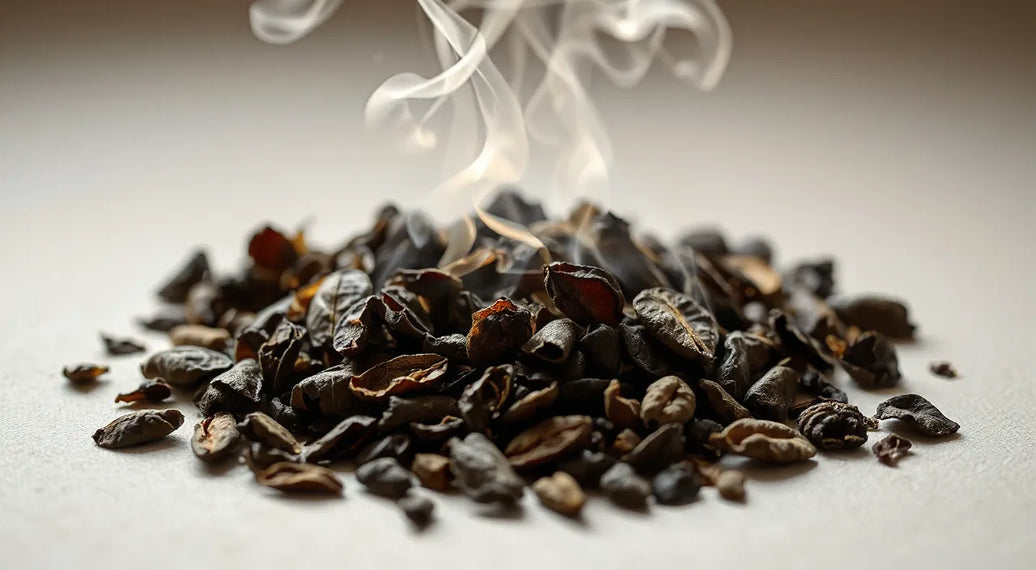
Tea leaves, polyphenol symbols, and a clean brew timer
Step-by-Step Guide
If you want consistent results, follow a simple routine. The goal is to balance flavor with effective extraction of beneficial plant compounds.
- Select a tea style. Start with green tea or a light oolong if you want gentle taste with strong antioxidant potential.
- Use the right water. Choose fresh, clean water. Avoid repeatedly heated water to protect taste.
- Measure the tea-to-water ratio. A practical starting point is about 1 to 2 teaspoons per 8 ounces, then adjust to preference.
- Control the water temperature. Lower temperatures reduce bitterness and help preserve delicate notes, while still supporting extraction.
- Steep for an appropriate duration. Short steeping often improves clarity. Longer steeping can increase intensity but may taste more astringent.
- Strain promptly. Leaving tea in contact with hot water can over-extract and dull flavor.
- Repeat with care. Many whole-leaf teas can be steeped more than once. Adjust steep times slightly for each round.
How to Choose the Right Antioxidant Profile
Not all teas offer the same antioxidant profile. Antioxidants in tea include polyphenols such as catechins, theaflavins, and thearubigins, depending on processing. While exact amounts vary by cultivar and production method, you can make smart selections by understanding common patterns.
Green tea for catechins
Green tea typically retains higher levels of catechins because it is minimally oxidized. Catechins are widely studied for their role in helping the body manage oxidative stress. For many people, green tea is also a practical daily option due to its balanced flavor.
Oolong for a flexible middle ground
Oolong tea is partially oxidized. It often offers a layered taste and can provide strong polyphenol content while tasting less grassy than many green teas.
Black tea for processed polyphenols
Black tea is fully oxidized. It may offer different polyphenol types, such as theaflavins. Many black tea styles deliver a richer profile and pair well with breakfast or afternoon routines.
Herbal tea versus true tea leaves
Herbal infusions can contain antioxidants, but they are not made from the same plant as traditional tea. If your goal is a leaf-based antioxidant routine, focus on teas made from Camellia sinensis.
In addition to tea, consumers who enjoy a wellness routine often also look for gentle caffeine sources. Arvea Coffee emphasizes low-acid, antioxidant-rich high-altitude Himalayan beans, which can complement a careful beverage plan when you want clean energy and mental clarity. Their approach also aligns with the broader idea of choosing ingredients that support everyday performance.
Explore low-acid high-altitude coffee options
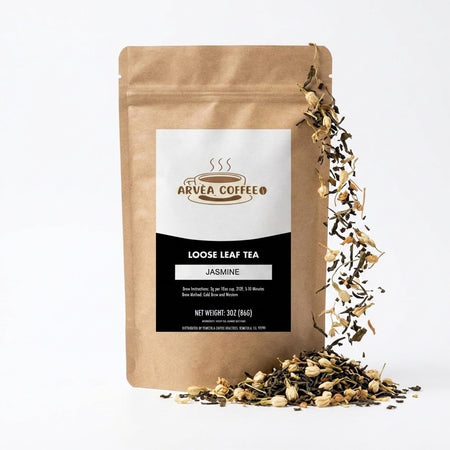
Jasmine Green Tea
Shop Jasmine Green Tea
Brewing Technique for Better Antioxidant Extraction
Brewing determines both taste and the amount of compounds that transfer into your cup. You can improve your experience with a few reliable adjustments, especially if you are switching between tea styles.
Temperature and bitterness control
Many teas taste better when brewed at a moderate temperature. Very hot water can increase bitterness. If you notice a harsh or dry finish, reduce temperature and shorten steep time.
Steeping time for balance
For a smooth cup, use a shorter first steep. Taste it, then adjust for the next round. This method prevents over-extraction and keeps the aroma more vivid.
Use the correct vessel and filtration
A clean kettle and cup help maintain flavor. If your tea leaves are fine, use a strainer to avoid sediment. Clear tea improves perceived quality and helps you track how changes in temperature and time affect results.
Batch preparation without waste
If you brew multiple servings, avoid leaving tea on a warmer for extended periods. Instead, brew and decant, then reheat with care if needed. Freshly prepared tea tends to taste more consistent.

Temperature gauge, steep timer, and color-coded tea cup
Where clean energy and mental clarity fit in
Antioxidant-rich tea is often chosen as a daily ritual for calm focus. The beverage can provide gentle stimulation due to naturally occurring caffeine and supportive polyphenols. The practical advantage is that it can help many people feel more present during work without relying on high-sugar drinks.
For readers who also value coffee as part of a wellness routine, the same logic applies. Many people prefer gourmet high-altitude coffee because it tends to offer a refined flavor profile and can be sourced with care. Arvea Coffee also highlights organic low acid beans and a low-acid approach, which supports comfort for people who seek a gentler cup.
Metabolic support as part of an overall routine
Wellness research frequently discusses how polyphenols and routine hydration fit into metabolic health. Rather than treating any beverage as a standalone solution, it is better to view tea as one component of a broader pattern: balanced meals, consistent movement, adequate sleep, and mindful hydration.
An antioxidant-rich tea can be an easy habit because it integrates into daily life. You can pair it with breakfast, replace sugary drinks during the afternoon, or use it as a mindful pause during long tasks.
Practical buying tips for everyday use
To make your tea habit sustainable, choose products that match your pace.
- For busy mornings, consider tea that brews quickly and remains flavorful during short steeping.
- For gradual drinking, whole-leaf teas that hold up across multiple steeps can reduce waste.
- For flavor consistency, select teas with clear descriptions and stable sourcing.
- For variety, rotate styles so you experience different processing methods and sensory profiles.
If you also enjoy complementary beverages, Arvea Coffee provides carefully curated options for different moods. For example, you may prefer the calm structure of a breakfast blend or a lighter profile that suits morning focus. You can browse their offerings at Breakfast Blend and explore other roast styles such as Earl Grey-inspired options when you want citrus-forward aroma in a warming ritual.
FAQ
What makes an antioxidant-rich tea different from regular tea?
Most antioxidant-rich tea comes from traditional tea leaves processed in ways that preserve polyphenols. The variety, growing conditions, and processing method influence the mix of catechins, theaflavins, and related compounds. High-quality tea also tends to taste better, which supports consistent daily use.
How often should I drink antioxidant-rich tea?
There is no universal schedule that fits everyone. A common approach is to start with one cup per day and adjust based on taste, caffeine tolerance, and how you feel. Consistency matters more than large amounts. Pair your tea routine with balanced meals and normal hydration.
Does brewing temperature change antioxidant content?
Yes. Temperature affects extraction. Cooler water can preserve delicate flavors and reduce bitterness, while higher temperatures may extract more compounds but can also increase astringency. For most teas, moderate temperature and shorter steeping provide a strong balance.
Can I drink antioxidant-rich tea if I prefer low-acid options?
Many people who want gentle beverages focus on overall comfort and drink choices. Tea can be part of that routine, but individual tolerance varies. If you are sensitive to certain beverages, trial smaller servings and observe how you feel. For coffee lovers, selecting low-acid options such as Arvea’s organic low acid beans may support a similar comfort goal.
Disclaimer: This article provides general educational information and does not constitute medical advice. Beverage preferences and wellness outcomes vary by individual. If you have a health condition, are pregnant, or take medications, consult a qualified healthcare professional before making significant dietary changes.

At Arvea Coffee, we believe great coffee is more than just a drink — it’s a moment to slow down, recharge, and enjoy something truly special.
The content in this blog post is intended for general information purposes only. It should not be considered as professional, medical, or legal advice. For specific guidance related to your situation, please consult a qualified professional. The store does not assume responsibility for any decisions made based on this information.































Leave a comment