

Cold Brew vs Iced Coffee: What's the Difference?
If you've ever looked at a coffee menu and wondered whether you should order cold brew or iced coffee, you're not alone.
Both drinks are served cold, but they are made using very different brewing methods.
The simplest way to remember the difference is:
Cold brew is brewed cold. Iced coffee is usually brewed hot and then cooled with ice.
The Specialty Coffee Association describes cold brew as a long, slow immersion-style brewing method using room-temperature or chilled water, while iced coffee can be brewed using a hot brewing method before being chilled.
So which one is better?
That depends on what you like.
Cold Brew vs Iced Coffee at a Glance
| Feature | Cold Brew | Iced Coffee |
|---|---|---|
| Brewing water | Cold or room temperature | Hot |
| Brewing time | Several hours | Usually minutes |
| Served cold | Yes | Yes |
| Typical method | Immersion | Hot brewing |
| Grind | Coarse | Medium or method-specific |
| Flavor | Often smooth and full-bodied | Often brighter and more similar to hot coffee |
| Preparation | Requires planning | Faster |
| Ice | Optional | Common |
| Concentrate | Often used | Less common |
The biggest difference is how the coffee is brewed.
What Is Cold Brew Coffee?
Cold brew coffee is made by steeping coffee grounds in cool or room-temperature water for an extended period.
Instead of using heat to extract coffee quickly, cold brew relies on time.
A typical cold brew can take many hours to brew. The SCA notes that cold brew commonly uses a long immersion process lasting roughly 4–24 hours, depending on the recipe and brewing conditions.
A basic process looks like this:
Coarse coffee + cold water + several hours = cold brew
After brewing, the coffee is filtered and served cold.
What Is Iced Coffee?
Iced coffee is generally coffee that has been brewed hot and then cooled, often by pouring it over ice.
For example:
-
Brew coffee with hot water.
-
Allow the coffee to brew normally.
-
Pour it over ice.
-
Serve cold.
This means you can make iced coffee relatively quickly compared with cold brew.
The brewing method remains essentially the same as the hot coffee method; the major difference is that the finished drink is chilled.
Why Does Cold Brew Take So Long?
Hot water extracts coffee compounds much more quickly than cold water.
Cold brewing compensates for the lower temperature by allowing the coffee grounds to remain in contact with water for much longer.
That's why cold brew can take hours while traditional hot coffee can be ready within minutes.
The SCA's research on cold brewing found that brew temperature, brewing time, extraction, roast level, and coffee origin can all influence the resulting coffee.
Does Cold Brew Taste Different From Iced Coffee?
Yes, they can taste different.
Cold brew is often associated with a smooth, full-bodied profile, while iced coffee can retain more of the characteristics you would experience from the same coffee brewed hot.
However, there is no universal rule that every cold brew will taste smoother or sweeter than every iced coffee.
Research summarized by the SCA found that cold-brewed samples were perceived as somewhat more floral and somewhat less bitter, sour, and rubbery than hot-brewed samples under the study conditions. The researchers also found that coffee origin and roast level can have a larger impact on flavor than brew temperature alone.
That means the coffee you choose matters.
Is Cold Brew Less Acidic Than Iced Coffee?
This is a little more complicated than many coffee websites suggest.
Research has found differences in pH and sensory perception between cold-brewed and hot-brewed coffee. In the SCA-reviewed study, cold-brewed samples had a somewhat higher pH than hot-brewed samples under the tested conditions.
But that doesn't mean cold brew is automatically "low acid" or that everyone will experience it the same way.
Coffee variety, roast level, brewing conditions, extraction, and serving temperature all affect the final drink.
So it's better to say:
Cold brew can have a different acidity profile from hot-brewed iced coffee, but the difference depends on how the coffee is made.
Which Has More Caffeine: Cold Brew or Iced Coffee?
There isn't a simple answer.
Caffeine depends on factors such as:
-
Amount of coffee used
-
Coffee-to-water ratio
-
Brewing method
-
Serving size
-
Brew concentration
-
Dilution
Cold brew is sometimes served as a concentrate, which can make the drink appear much stronger.
But if you compare two drinks with different recipes and serving sizes, you can't determine caffeine content simply from the words "cold brew" or "iced coffee."
The important takeaway:
Cold brew isn't automatically higher in caffeine.
The recipe determines a lot.
Cold Brew vs Iced Coffee: Which Is Stronger?
This depends on what you mean by "strong."
If you're talking about flavor concentration, cold brew concentrate can be very strong because it uses a high coffee-to-water ratio.
If you're talking about caffeine, the answer depends on the recipe and serving size.
For example, a concentrated cold brew can be diluted with water or milk before drinking.
So don't judge strength based only on the name.
What Grind Size Should You Use?
The two methods usually call for different grind sizes.
Cold Brew Grind Size
Start with:
Coarse to extra-coarse
The long brewing time makes a coarse grind a practical choice, and it can make filtering easier.
Iced Coffee Grind Size
Because iced coffee is generally brewed using a hot brewing method, use the grind size appropriate for that brewer.
For example:
-
Drip coffee → medium
-
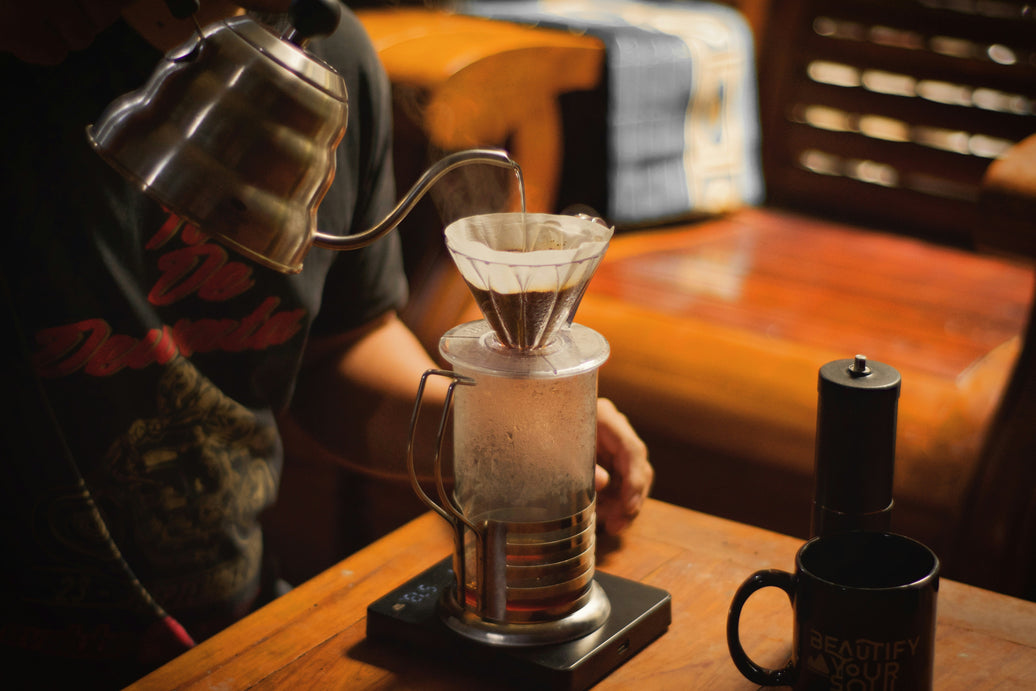
Pour over → medium to medium-fine
-
Espresso → fine
-
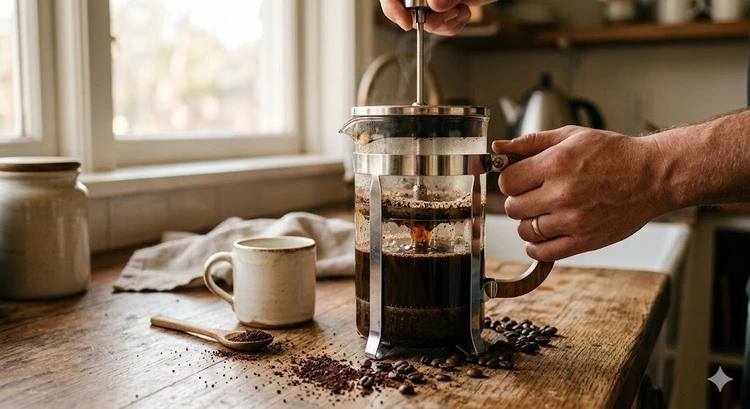
French press → coarse
The brewing equipment determines the grind more than the fact that the final drink is served cold.
Cold Brew vs Iced Coffee Brewing Time
This is one of the biggest practical differences.
Cold Brew
Several hours
You need to plan ahead.
Iced Coffee
Several minutes
You can generally make it much faster.
If you wake up and want cold coffee immediately, iced coffee is usually more convenient.
If you prepare your coffee the night before, cold brew is extremely convenient the next morning.
How to Make Cold Brew Coffee
A simple cold brew recipe:
Ingredients
-
100g coffee
-
600g water
-
Ice
-
Optional milk or sweetener
Instructions
-
Grind the coffee coarse.
-
Add coffee to a jar or pitcher.
-
Add 600g water.
-
Stir gently.
-
Cover the container.
-
Steep for approximately 12–24 hours.
-
Strain the coffee.
-
Refrigerate.
-
Serve over ice.
-
Dilute with water or milk if necessary.
For a deeper guide, see our article:
How to Make Cold Brew Coffee at Home
How to Make Iced Coffee
Iced coffee is even simpler.
Ingredients
-
Fresh coffee
-
Hot water
-
Ice
-
Optional milk or sweetener
Instructions
-
Brew your coffee normally.
-
Fill a glass with ice.
-
Pour the hot coffee over the ice.
-
Add milk or sweetener if desired.
-
Stir.
-
Enjoy.
For a stronger iced coffee, you can brew the coffee slightly more concentrated so the ice doesn't dilute the flavor as much.
Can You Make Iced Coffee With Espresso?
Absolutely.
Espresso is an excellent base for cold coffee drinks.
You can make:
-
Iced Americano
-
Iced latte
-
Iced mocha
-
Iced macchiato
Simple Iced Americano
-
Fill a glass with ice.
-
Pull one or two espresso shots.
-
Add cold water.
-
Stir.
-
Enjoy.
Can You Make Cold Brew With Any Coffee?
Yes.
You don't have to buy coffee specifically labeled "cold brew."
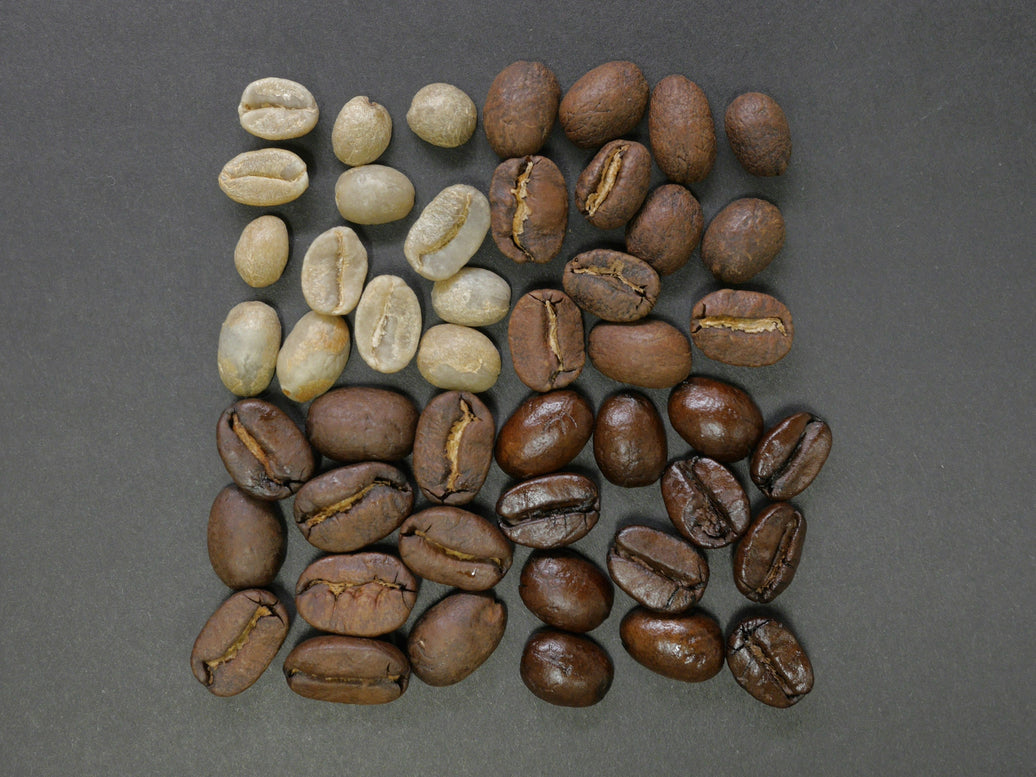
You can experiment with different coffees and roast levels.
Dark roast
Can provide deeper, roasted, chocolate-like flavors.
Medium roast
Can provide a balanced starting point.
Light roast
Can produce brighter, fruitier, or more delicate characteristics.
The best choice depends on your personal preference.
Which Is Better for Beginners?
Both are beginner-friendly.
Choose cold brew if:
-
You like smooth cold coffee.
-
You want to prepare coffee ahead of time.
-
You don't mind waiting several hours.
-
You enjoy experimenting with coffee ratios.
-
You want to make a batch at once.
Choose iced coffee if:
-
You want coffee quickly.
-
You already have a drip coffee maker or pour-over setup.
-
You like the flavor of traditional brewed coffee.
-
You don't want to wait overnight.
Which Is Better for Summer?
Both are excellent.
Cold brew is particularly convenient for hot weather because you can make a batch ahead of time and keep it refrigerated.
Iced coffee is ideal when you want something quickly.
And according to the 2026 National Coffee Data Trends Specialty Coffee Report, cold coffee remains popular among specialty coffee drinkers, with 60% reporting cold coffee consumption in the past day.
Cold Brew vs Iced Coffee for Milk Drinks
If you enjoy adding milk, both work well.
Cold Brew
Try:
Cold brew + milk + ice
You can also add vanilla or another flavor.
Iced Coffee
Try:
Iced coffee + milk + ice
Because iced coffee begins as hot brewed coffee, it can retain a flavor profile closer to your normal morning coffee.
Which One Should You Choose?
Here's an easy decision guide.
Choose Cold Brew If You Want:
Smooth → Cold Brew
Make-ahead coffee → Cold Brew
Large batch → Cold Brew
Long, slow brewing → Cold Brew
Cold coffee concentrate → Cold Brew
Choose Iced Coffee If You Want:
Fast preparation → Iced Coffee
Traditional coffee flavor → Iced Coffee
Coffee ready in minutes → Iced Coffee
Pour-over or drip coffee over ice → Iced Coffee
Espresso-based iced drinks → Iced Coffee
7 Tips for Better Cold Coffee
1. Start With Good Coffee
The quality and characteristics of the coffee itself matter.
The SCA's research emphasizes that origin and roast level can significantly influence the final sensory profile.
2. Use the Correct Grind
Cold brew generally works well with a coarse grind.
For iced coffee, use the grind appropriate for your brewing method.
3. Don't Over-Dilute
Ice can quickly weaken a drink.
If necessary, brew your iced coffee slightly stronger.
4. Experiment With Ratios
Small changes in coffee-to-water ratio can dramatically change the strength.
5. Use Fresh Water
Water is a major part of every coffee drink.
6. Keep Cold Coffee Refrigerated
Store prepared cold coffee in a clean, sealed container.
7. Taste and Adjust
There isn't one perfect recipe for everyone.
Experiment until you find what you enjoy.
Cold Brew vs Iced Coffee: Quick Cheat Sheet
| If You Want... | Choose |
|---|---|
| Coffee in minutes | Iced Coffee |
| Coffee prepared overnight | Cold Brew |
| Smooth, cold beverage | Cold Brew |
| Traditional brewed flavor | Iced Coffee |
| Concentrate | Cold Brew |
| Espresso-based iced drink | Iced Coffee |
| Large batch | Cold Brew |
| Simple preparation | Iced Coffee |
Frequently Asked Questions
Is cold brew the same as iced coffee?
No. Cold brew is brewed slowly using cool or room-temperature water, while iced coffee is generally hot-brewed and then chilled.
Is cold brew stronger than iced coffee?
It can be, especially when served as a concentrate, but strength depends on the recipe, coffee-to-water ratio, serving size, and dilution.
Does cold brew have more caffeine?
Not necessarily. Caffeine depends on the amount of coffee, brewing recipe, serving size, and dilution.
Is cold brew sweeter than iced coffee?
Cold brew can taste smoother or have different perceived flavor characteristics, but it isn't automatically sweeter than every iced coffee. Sensory research has found differences between cold- and hot-brewed coffee, but coffee choice and roast also matter significantly.
Which has more acidity?
Cold brewing can produce a different acidity profile from hot brewing, but the exact result depends on the coffee and brewing conditions.
What grind should I use for cold brew?
Start with a coarse or extra-coarse grind.
Can I make cold brew with regular coffee beans?
Yes. You can use many different coffees for cold brew.
Can I make iced coffee with espresso?
Yes. Espresso is commonly used to make iced Americanos, iced lattes, and other cold coffee drinks.
Final Thoughts
The difference between cold brew vs iced coffee comes down primarily to the brewing process.
Cold brew:
Cold or room-temperature water + long brewing time.
Iced coffee:
Hot brewing + cooling with ice.
Neither is automatically better.
If you want a coffee you can prepare ahead of time, try cold brew.
If you want something fast and familiar, try iced coffee.
The fun part is experimenting with different coffees, roast levels, grind sizes, and recipes until you discover your favorite.
Ready to explore coffee for your next cold brew or iced coffee?



























Leave a comment