

The Best Water Temperature for Brewing Coffee
What Is the Best Water Temperature for Brewing Coffee?
Water temperature is one of the most important variables when brewing coffee.
A good starting point for many hot-brewed coffee methods is around 195–205°F (90–96°C).
But there isn't one magic temperature that makes every coffee taste perfect.
The right temperature depends on:
-
Coffee roast
-
Grind size
-
Brewing method
-
Brewing time
-
Coffee-to-water ratio
-
Desired flavor
-
Extraction
Recent research discussed by the Specialty Coffee Association found that when brewed coffee had the same final strength and extraction, changing brew temperature alone had relatively little effect on sensory differences. In other words, temperature matters because it affects how quickly coffee extracts, but the final extraction and strength are also extremely important.
Why Does Water Temperature Matter?
Hot water extracts compounds from coffee grounds more quickly than cooler water.
When you brew coffee, water interacts with the ground coffee and extracts soluble compounds that contribute to:
-
Flavor
-
Aroma
-
Acidity
-
Bitterness
-
Sweetness
-
Body
Changing the water temperature changes how quickly this extraction happens.
That's why temperature is closely connected with grind size and brewing time.
The Ideal Coffee Brewing Temperature
For many hot brewing methods, a practical starting range is:
195–205°F (90–96°C)
If you're not sure where to begin, try:
200°F (93°C)
This is a simple starting point for many home brewers.
SCA materials and traditional brewing standards commonly use temperatures around this range, while recent research shows that temperature should be considered alongside extraction and final brew strength rather than treated as an isolated "perfect number."
Coffee Water Temperature Chart
| Brewing Method | Starting Temperature |
|---|---|
| Pour Over | 195–205°F |
| Drip Coffee | Around 195–205°F |
| French Press | Around 195–205°F |
| AeroPress | Often around 185–205°F |
| Espresso | Around 195–205°F |
| Cold Brew | Cold or room temperature |
| Iced Coffee | Hot-brew temperature |
These are starting ranges rather than strict rules.
Different coffees may taste better with different brewing temperatures.
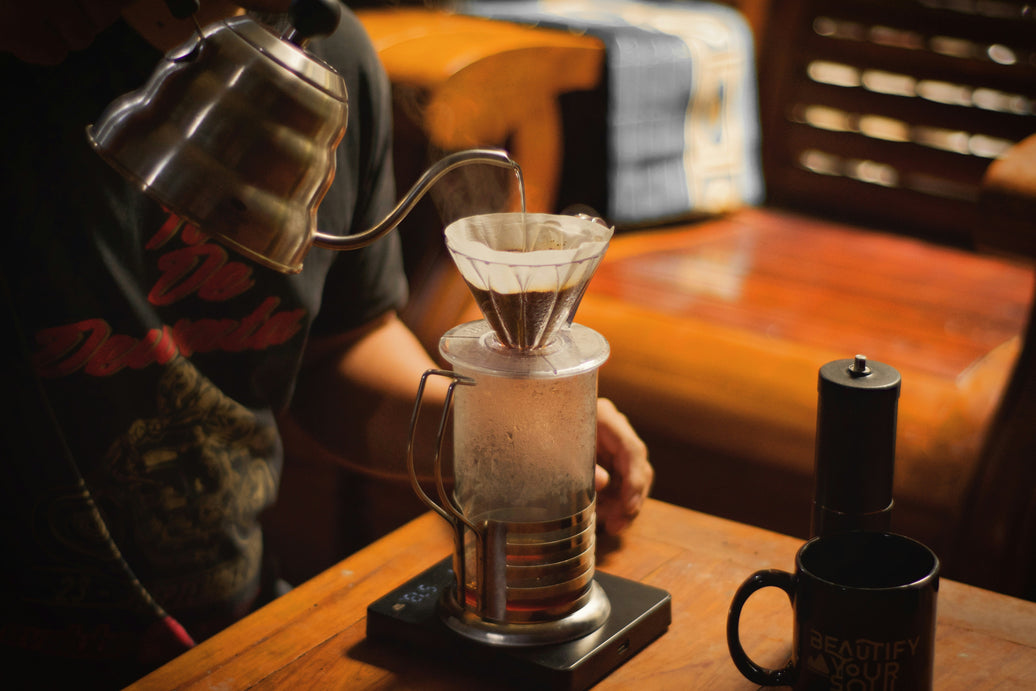
What Temperature Should Water Be for Pour Over?
Start around:
200°F (93°C)
Pour-over coffee gives you a lot of control over extraction, so temperature can be adjusted along with grind size and brewing time.
If your coffee tastes sour or under-extracted, you might try:
-
Slightly hotter water
-
A finer grind
-
Longer brewing time
If it tastes bitter or overly dry, you might try:
-
Slightly cooler water
-
A coarser grind
-
Shorter brewing time
Don't change everything at once.
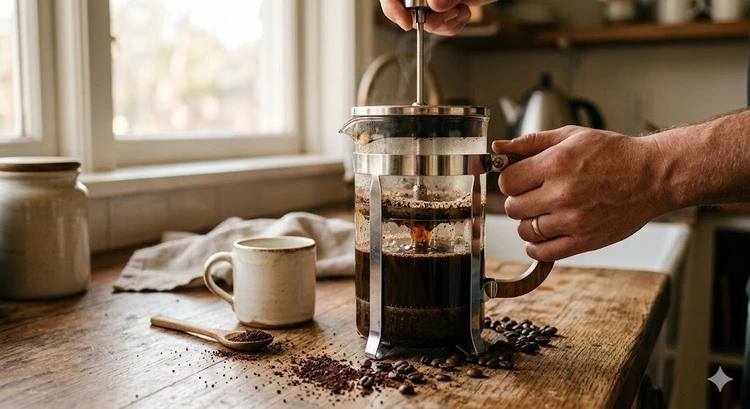
What Temperature Should Water Be for French Press?
A good starting point is approximately:
195–205°F
French press uses immersion brewing, so the coffee grounds remain in contact with the water for several minutes.
A typical beginner setup could be:
20g coffee + 300g water + coarse grind
Then adjust your temperature, grind, or brewing time according to taste.
For a deeper guide, see:
How to Make French Press Coffee at Home
What Temperature Should Water Be for Drip Coffee?
For drip coffee, start around:
195–205°F
Many modern coffee makers automatically control brewing temperature.
The SCA's Certified Home Brewers program evaluates factors including brewing temperature, time, extraction quality, and consistency. Some certified home brewers are designed to operate within the 195–205°F range.
If your coffee machine doesn't allow temperature adjustment, focus on other variables such as:
-
Coffee dose
-
Grind size
-
Freshness
-
Water quality
What Temperature Should Water Be for Espresso?
Espresso is generally brewed with water around:
195–205°F (90–96°C)
The Specialty Coffee Association's traditional espresso reference uses this temperature range, and its survey of working baristas found an average espresso brewing temperature close to 200°F.
Your espresso machine usually controls this automatically.
If your machine allows temperature adjustments, make small changes and taste the result.
What Temperature Should Water Be for Cold Brew?
Cold brew is completely different.
Instead of using hot water, cold brew uses:
Cold or room-temperature water
The coffee grounds remain immersed for many hours.
This long brewing time compensates for the lower water temperature.
For example:
Coarse coffee + cold water + overnight steep
can produce a concentrated cold brew.
For a complete recipe, see:
How to Make Cold Brew Coffee at Home
Does Boiling Water Burn Coffee?
You may have heard:
"Never use boiling water because it burns the coffee."
That's an oversimplification.
Water temperature affects extraction, but coffee grounds aren't literally being "burned" simply because hot water touches them.
For many hot brewing methods, water just below boiling is a practical starting point.
Instead of worrying about whether boiling water "burns" your coffee, focus on how the finished cup tastes.
How to Get the Right Temperature Without a Thermometer
You have several options.
Option 1: Use a Temperature-Controlled Kettle
This is the easiest way to choose a specific temperature.
Set it to approximately:
200°F
and brew.
Option 2: Use a Regular Kettle
Bring the water close to boiling and let it sit briefly before brewing.
The exact temperature will vary, so this method is less precise.
Option 3: Use Your Coffee Maker
Many modern coffee makers automatically control brewing temperature.
If you don't have manual temperature control, focus on your grind, dose, and brewing time.
Should You Use Boiling Water for Coffee?
For most standard hot-brewing methods, you don't need to pour aggressively boiling water directly onto your coffee.
Instead, start around:
195–205°F
If your water reaches a full boil, allow it to cool briefly before brewing.
The exact cooling time depends on:
-
Kettle
-
Amount of water
-
Room temperature
-
Altitude
-
Container
So using an actual thermometer is more reliable than guessing how long to wait.
How Temperature Affects Coffee Extraction
Think of brewing like a balance.
Too little extraction
Coffee may taste:
-
Sour
-
Sharp
-
Thin
-
Underdeveloped
Too much extraction
Coffee may taste:
-
Bitter
-
Dry
-
Harsh
-
Astringent
Water temperature is one way to influence extraction.
But grind size and brewing time matter too.
Recent SCA-covered research found that when extraction and brew strength were held constant, temperature itself had relatively little impact on the sensory profile of drip coffee.
That means you shouldn't chase a temperature number while ignoring everything else.
What Temperature Should You Use for Light Roast Coffee?
Light-roasted coffee can often benefit from a hotter brewing temperature because it may be more challenging to extract fully.
Try starting around:
200–205°F
Then adjust according to taste.
If the coffee tastes sour or underdeveloped, a slightly hotter temperature or finer grind may help.
However, temperature isn't the only variable.
What Temperature Should You Use for Dark Roast Coffee?
Dark-roasted coffee can be easier to extract and may taste harsh if pushed too far.
Try starting around:
195–200°F
If the coffee tastes bitter or dry, consider:
-
Slightly cooler water
-
Coarser grind
-
Shorter brewing time
Again, taste is the final guide.
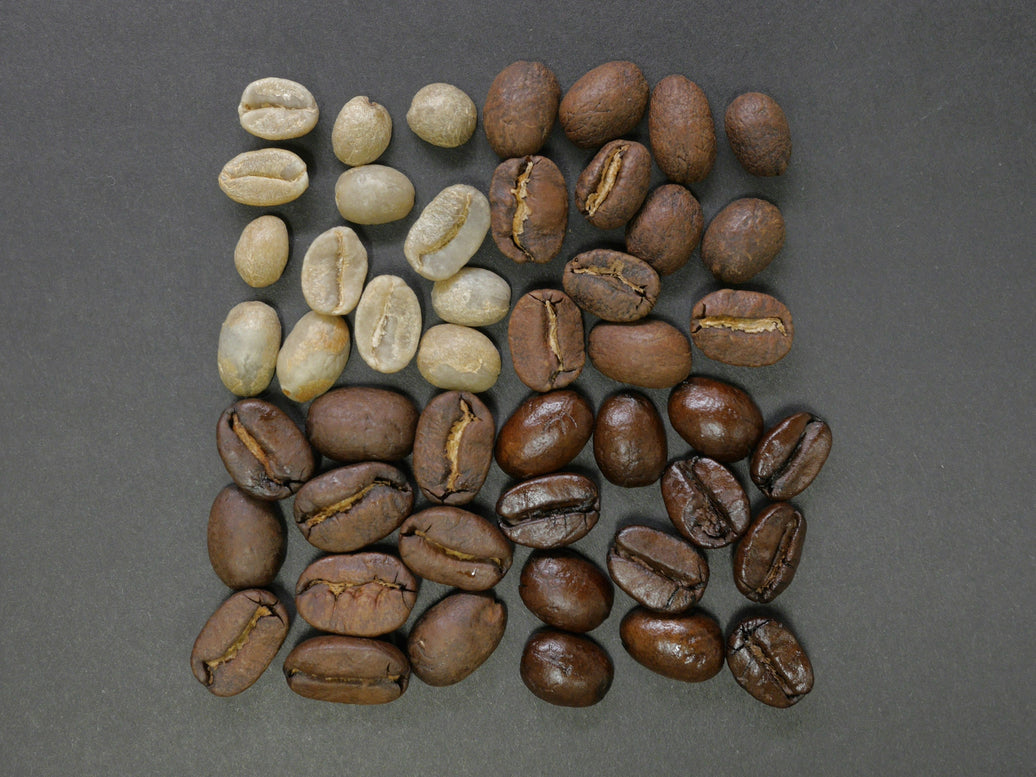
Does Coffee Roast Change the Best Temperature?
Yes, roast level can influence how you approach brewing.
A useful starting point:
Light Roast
200–205°F
Medium Roast
195–205°F
Dark Roast
195–200°F
But don't treat these numbers as rules.
The same coffee can taste different depending on your grinder, water, brewing method, and recipe.
Does Grind Size Matter More Than Water Temperature?
It's not really an either/or question.
Temperature and grind size interact.
For example:
Finer grind + hot water + long brew time
can produce substantially more extraction than:
Coarse grind + cooler water + short brew time
That's why experienced brewers adjust several variables when dialing in coffee.
If your coffee tastes wrong, don't automatically change the temperature first.
Try identifying whether your brewing time or grind size is also contributing.
What Happens If Coffee Water Is Too Hot?
Very hot water can accelerate extraction.
If your coffee becomes unpleasantly bitter, dry, or harsh, try:
-
Slightly cooler water
-
Coarser grind
-
Shorter brewing time
-
Lower agitation
But remember that bitterness isn't automatically caused by temperature alone.
What Happens If Coffee Water Is Too Cool?
Cooler water extracts coffee more slowly.
If your brew tastes weak, sour, or under-extracted, you can experiment with:
-
Slightly hotter water
-
Finer grind
-
Longer brew time
-
Improved saturation
The goal is balanced extraction.
The Importance of Water Quality
Temperature isn't the only thing that matters about your water.
Water itself is an ingredient in coffee.
The minerals and alkalinity in water can affect extraction and taste. The SCA notes that water chemistry influences how water interacts with coffee during extraction.
If your coffee suddenly tastes different even though you're using the same beans and recipe, your water could be part of the reason.
Filtered Water vs Tap Water for Coffee
You don't necessarily need expensive specialty coffee water.
For many people, filtered water can be a useful starting point if their tap water has a strong taste or unusual mineral content.
Avoid assuming that completely mineral-free water is automatically best.
Water chemistry affects extraction, so the goal is balanced, clean-tasting water rather than simply "the purest possible" water.
Best Water Temperature for Different Coffee Methods
Here's an easy cheat sheet:
Pour Over
Start around 200°F
Drip
Around 195–205°F
French Press
Around 195–205°F
Espresso
Around 195–205°F
Cold Brew
Cold or room temperature
Iced Coffee
Use the temperature appropriate for the hot brewing method
A Simple Coffee Temperature Experiment
Want to discover what temperature works best for your coffee?
Try this experiment.
Use the same:
-
Coffee
-
Grind
-
Dose
-
Water amount
-
Brewing method
-
Brewing time
Then brew three cups at different temperatures.
For example:
195°F
200°F
205°F
Taste them side by side.
Look for differences in:
-
Acidity
-
Sweetness
-
Bitterness
-
Body
-
Aroma
-
Overall balance
This is a much better way to learn your coffee than simply assuming one temperature is always perfect.
Beginner Coffee Recipe
If you want one simple starting recipe, try:
Coffee: 20g
Water: 320g
Ratio: 1:16
Grind: Medium
Water: Around 200°F
Method: Pour over or drip
Then taste.
If it tastes sour or weak, adjust extraction.
If it tastes bitter or dry, reduce extraction.
Change one variable at a time.
7 Tips for Better Coffee Brewing
1. Start Around 200°F
It's an easy starting point for many hot brewing methods.
2. Use a Scale
Measure both coffee and water.
3. Grind Fresh
Grinding immediately before brewing gives you more control.
4. Use Consistent Water
Use the same water when testing recipes.
5. Adjust Grind Before Chasing Temperature
Grind size has a major influence on extraction.
6. Taste Your Coffee
Numbers are useful, but taste matters.
7. Keep Notes
Write down your:
-
Coffee
-
Grind
-
Dose
-
Water
-
Temperature
-
Brew time
You'll quickly learn what works for you.
Does Temperature Affect Espresso Differently?
Espresso is more sensitive to brewing variables because water passes through a relatively small coffee bed under pressure.
Small changes in:
-
Grind
-
Dose
-
Yield
-
Time
-
Temperature
can change the shot.
The SCA's espresso survey found that many professional baristas operate near the classic 195–205°F range, but actual espresso recipes vary.
If your espresso tastes sour or bitter, don't change temperature alone.
Consider the entire recipe.
Frequently Asked Questions
What is the best water temperature for coffee?
For many hot-brewed coffee methods, 195–205°F (90–96°C) is a practical starting range.
Is 200°F good for coffee?
Yes. 200°F (93°C) is an excellent starting temperature for many hot-brewed coffees.
Should coffee water be boiling?
You generally don't need to brew standard coffee with aggressively boiling water. Starting around 195–205°F is a practical approach.
What temperature should I use for pour over?
Start around 200°F, then adjust according to taste.
What temperature should I use for French press?
Start around 195–205°F.
What temperature should I use for espresso?
A traditional starting range is approximately 195–205°F.
Does hotter water make stronger coffee?
Not necessarily. Hotter water can increase the rate of extraction, but final beverage strength also depends on the coffee dose, water amount, grind, brewing time, and other variables.
Does cold brew use hot water?
No. Cold brew generally uses cold or room-temperature water and a much longer brewing time.
Does water quality affect coffee taste?
Yes. Minerals and alkalinity can affect how water extracts compounds from coffee and therefore influence flavor.
Final Thoughts
The best water temperature for brewing coffee isn't simply one magic number.
A great starting point for many hot brewing methods is:
195–205°F
If you're unsure, try:
200°F
Then pay attention to the entire brewing process.
Your coffee-to-water ratio, grind size, brewing time, water quality, and extraction all work together to determine the final cup.
So instead of obsessing over one temperature, use temperature as one tool for dialing in your coffee.
Once you find the combination you enjoy, save the recipe and repeat it.
Ready to experiment with your next cup?





















Leave a comment