

Best Coffee for Espresso: How to Choose the Right Beans
There is something special about a well-made espresso. A concentrated shot, rich aroma, and balanced flavor can turn an ordinary coffee break into an enjoyable experience.
But if you are making espresso at home, choosing the right coffee can be confusing. Should you buy dark roast beans? Is espresso coffee different from regular coffee? Does a more expensive bag guarantee a better shot?
The good news is that you do not need to be a professional barista to enjoy espresso. Understanding roast levels, flavor profiles, freshness, and grind size can help you choose coffee that suits your taste and equipment.
In this guide, we will explain how to choose the best coffee for espresso, whether you enjoy a straight shot, an Americano, a latte, or a cappuccino.
1. What Makes Coffee Suitable for Espresso?
Espresso is a brewing method that uses pressurized hot water to produce a concentrated coffee drink. Because the final drink is relatively small, its flavors can be intense and pronounced.
Espresso can highlight sweetness, acidity, bitterness, aroma, and body. That means the coffee you choose matters, but so do your grinder, machine, recipe, and technique.
There is no single coffee bean variety that is exclusively an espresso bean. Many coffees can be brewed as espresso, although some roast styles and blends may be easier to work with than others.
When shopping for espresso coffee, consider:
-
Flavor: Do you prefer chocolatey, nutty, fruity, or smoky notes?
-
Roast level: Do you enjoy lighter, balanced, or darker roasted flavors?
-
Freshness: Is a roast date available on the package?
-
Consistency: Would you prefer a blend designed for a familiar flavor profile?
-
Brewing equipment: Can your grinder produce a consistent, adjustable fine grind?
The best espresso coffee is the one that produces a cup you enjoy and works well with your equipment.
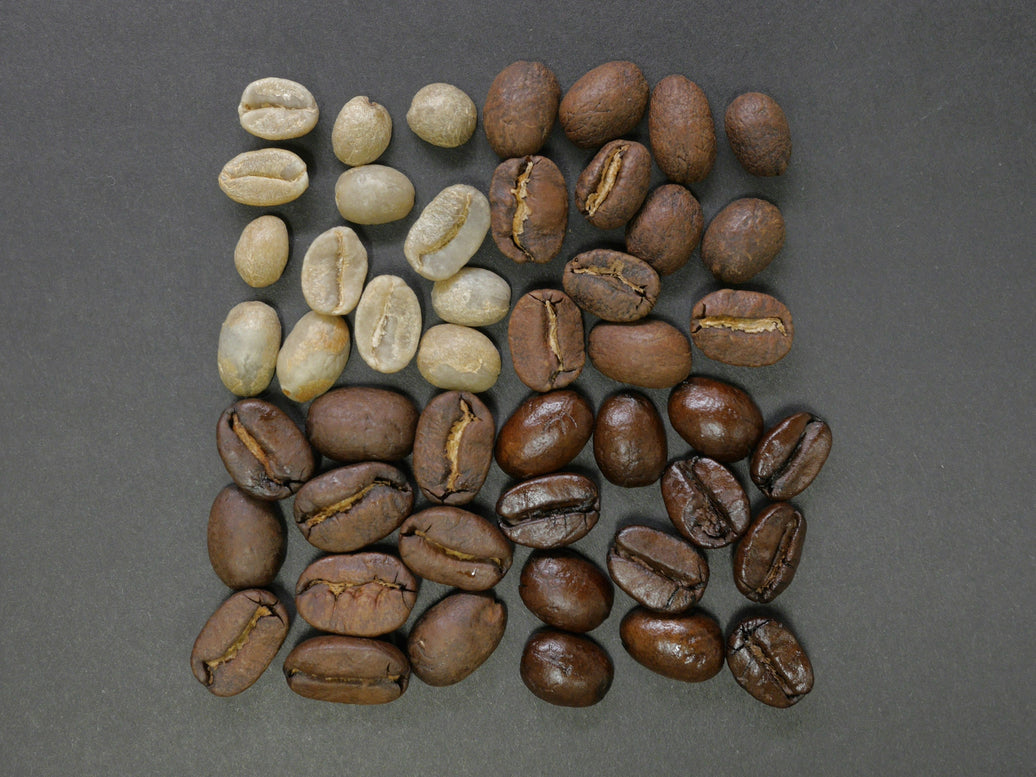
2. Choose the Right Roast Level for Espresso
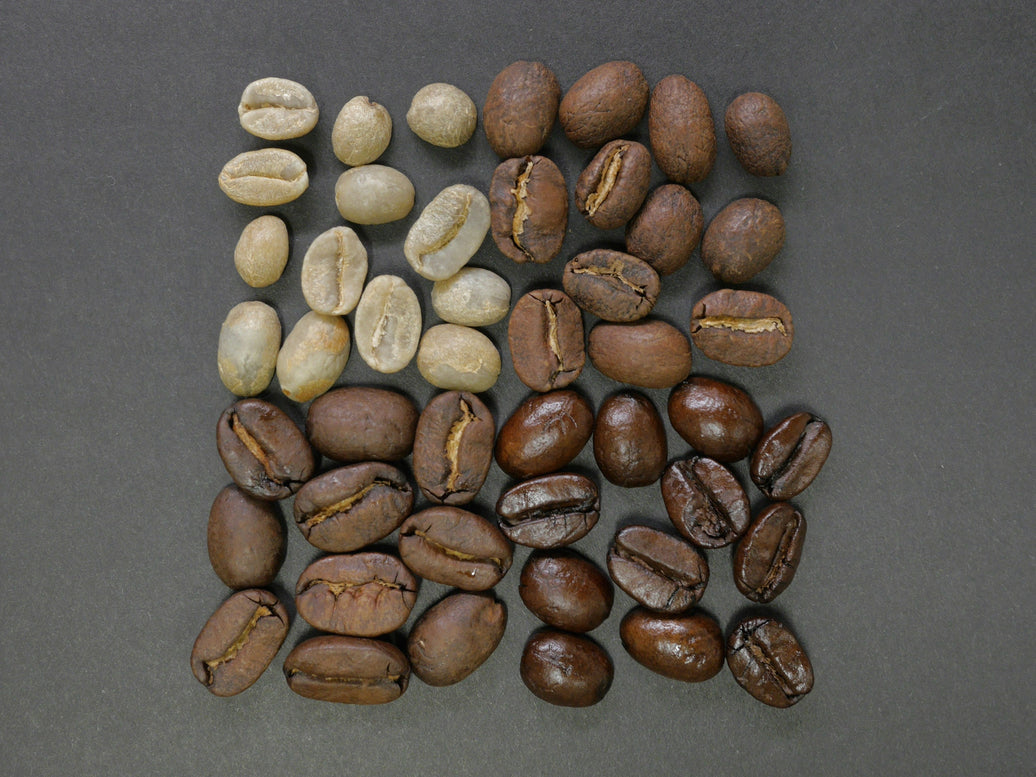
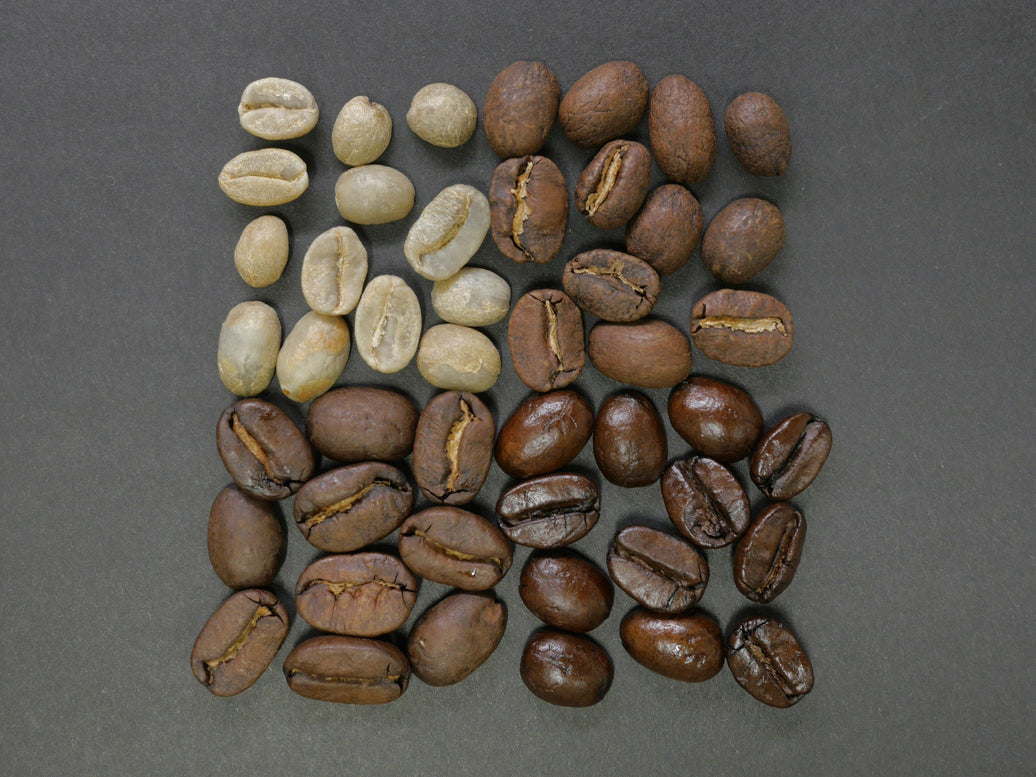
Roast level influences the flavor and aroma of your espresso. Here is how different styles may work for you.
Light Roast Espresso
Light-roasted coffee can preserve distinctive origin characteristics and may offer fruity, floral, or bright flavors.
However, light roasts can be more challenging to extract well with some espresso setups. They may require careful adjustments to grind size, water temperature, and brewing ratio.
Consider a light roast if you enjoy exploring complex flavors and are comfortable experimenting with your espresso recipe.
Medium Roast Espresso
Medium-roasted coffee often provides a useful balance between sweetness, acidity, and roasted flavor.
Depending on the beans, you might notice chocolate, caramel, nuts, or gentle fruit notes. Many people find medium roasts a practical starting point for home espresso.
Consider a medium roast if you want a versatile option for straight espresso, Americanos, or milk-based drinks.
Medium-Dark and Dark Roast Espresso
Medium-dark and dark roasts often emphasize deeper roasted flavors, bittersweet chocolate, caramelized notes, and sometimes smokiness.
These styles can work particularly well if you enjoy a bold espresso or want coffee flavors that remain noticeable in milk drinks.
However, a very dark roast can taste excessively bitter or smoky if it is not to your liking or is brewed poorly.
Our tip: If you are new to espresso, begin with a medium or medium-dark coffee that matches your preferred flavor profile. Adjust from there instead of assuming that the darkest roast is always the best.
3. Whole Beans or Pre-Ground Coffee: Which Is Better for Espresso?
Espresso is sensitive to grind size, so the form of coffee you purchase can make a difference.
Whole Bean Coffee
Whole beans allow you to grind your coffee immediately before brewing. This can help preserve aroma and gives you control over the grind size.
That control is particularly useful because small adjustments can noticeably change how quickly espresso extracts.
Whole beans are generally a strong choice if you own a quality espresso grinder.
Pre-Ground Coffee
Pre-ground coffee offers convenience, especially if you do not own a grinder. However, coffee ground for a drip machine may not be suitable for an espresso machine.
Some espresso machines require a very fine, consistent grind to work properly. Always check your machine's requirements and the grind description on the package.
If you are buying ground coffee, choose a grind compatible with your equipment rather than assuming that every ground coffee will work for espresso.
4. Why Espresso Grind Size Matters
Grind size affects how water flows through the coffee and how much flavor is extracted.
Espresso generally requires a fine grind, but the exact setting depends on the coffee, grinder, machine, and recipe.
Here is what you might notice when adjusting your grind:
-
Coffee tastes sour or underdeveloped: The espresso may be extracting too little flavor. A finer grind or another recipe adjustment may help.
-
Coffee tastes harsh or excessively bitter: Extraction may be too high, or the roast itself may be too intense for your preference. Try adjusting the grind, brew ratio, or time.
-
Espresso flows too quickly: The grind may be too coarse, although dose and puck preparation also matter.
-
Espresso barely flows: The grind may be too fine, or the coffee dose and preparation may be restricting water flow.
These are troubleshooting clues, not absolute rules. Taste the result and make one adjustment at a time.
If your machine uses pods or a pressurized basket, follow the manufacturer's instructions instead of applying traditional espresso-grinder advice automatically.
5. Should You Choose an Espresso Blend or Single-Origin Coffee?
Both blends and single-origin coffees can make excellent espresso.
Espresso Blends
A blend combines coffees from different sources to create a particular flavor profile.
Roasters may blend coffees to balance sweetness, body, acidity, and aroma. A well-designed blend can also provide a more consistent experience across different batches.
Blends are worth exploring if you want an everyday espresso, a familiar flavor, or coffee for lattes and cappuccinos.
Single-Origin Espresso
Single-origin coffee comes from a specified geographic source, such as a country, region, or farm.
These coffees can offer distinctive characteristics that reflect their origin, variety, processing, and roasting. They can be especially interesting if you enjoy tasting differences between coffees.
Single-origin espresso can be more demanding to dial in, depending on the coffee and roast.
Neither choice is automatically superior. Begin with the flavor profile you enjoy, then explore the other option when you want to experiment.
6. Choose Espresso Beans Based on Your Favorite Drink
The best coffee for espresso depends partly on how you plan to drink it.
For Straight Espresso
If you drink espresso without milk, look for a coffee with the balance and flavor you enjoy on its own. You might prefer chocolatey sweetness, gentle acidity, fruity notes, or a deeper roasted character.
A medium roast can be a useful starting point, but your personal taste should guide the choice.
For Americanos
An Americano combines espresso with hot water. Because the drink is diluted, consider a coffee whose flavor remains enjoyable after adding water.
Medium and medium-dark roasts are useful starting points, although lighter roasts can also work well.
For Lattes and Cappuccinos
Milk changes the taste and texture of espresso drinks. Chocolatey, nutty, caramel-like, and fuller-bodied coffees may remain noticeable in milk.
If you prefer a bold latte or cappuccino, experiment with medium-dark or dark roasts. If you prefer brighter, more distinctive flavors, try a medium roast instead.
For Iced Espresso Drinks
Cold milk, ice, and other ingredients can change how espresso tastes. Consider a coffee that provides the level of sweetness and intensity you enjoy in a cold drink.
Experiment with the amount of espresso, milk, and ice until you find a balance that works for you.
7. How Fresh Should Espresso Coffee Be?
Coffee gradually loses aromatic qualities after roasting, but espresso beans do not necessarily need to be used immediately after roasting.
Freshly roasted coffee releases carbon dioxide as it rests. Allowing an appropriate resting period can help espresso extract more consistently, although the ideal timing varies with the roast, bean, packaging, and brewing method.
When buying espresso coffee:
-
Look for a roast date when available.
-
Avoid assuming that a best-by date tells you exactly when the coffee was roasted.
-
Buy quantities you can use while the coffee still tastes fresh.
-
Store opened coffee in an airtight container away from heat, moisture, and direct sunlight.
-
Grind immediately before brewing when practical.
For many coffees, several days of resting after roasting can be useful, and some espresso coffees benefit from a longer period. Follow the roaster's guidance when available.
8. A Simple Starting Recipe for Home Espresso
If you have a traditional espresso machine and a suitable grinder, you can begin with a basic recipe and adjust it to your taste.
A common starting point is:
-
Ground coffee: 18 grams
-
Espresso yield: Approximately 36 grams of liquid espresso
-
Brew time: Around 25–30 seconds as an initial reference
This is a starting recipe, not a universal rule. Your basket size, coffee, machine, and taste preferences may call for different measurements and timing.
To get started:
-
Weigh your coffee dose if you have a suitable scale.
-
Grind the beans finely and consistently.
-
Distribute the grounds evenly in the basket.
-
Tamp according to your machine's instructions.
-
Start brewing and observe the espresso flow.
-
Taste the result before making adjustments.
If the shot tastes sour and thin, try a small grind or recipe adjustment. If it tastes overly bitter or dries out your mouth, experiment with a different grind, extraction time, or coffee.
Keep notes so you can repeat a recipe you enjoy.
9. Common Mistakes When Choosing Espresso Coffee
Even a good bag of coffee can disappoint if it does not match your preferences or equipment.
Choosing the darkest roast automatically. Dark roast is not always the best choice. Medium roasts and some lighter roasts can make excellent espresso.
Buying coffee without checking the grind. Coffee intended for drip brewing may not work well in a traditional espresso machine.
Ignoring freshness. Old coffee may have less aromatic complexity, while coffee used too soon after roasting may be difficult to extract consistently.
Assuming expensive coffee is always better. Price does not guarantee that you will enjoy a particular flavor.
Changing too many variables at once. If your espresso tastes wrong, adjust one factor at a time so you can identify what improves it.
Judging coffee by caffeine alone. Roast level, bitterness, and caffeine content are different things. Choose beans primarily for the flavor and experience you want.
10. Explore Espresso-Friendly Coffee With Arvea Coffee
Choosing coffee should be an enjoyable process, whether you are learning to use an espresso machine or refining your favorite recipe.
At Arvea Coffee, you can explore different coffee styles and find options that suit your taste.
Consider exploring these Arvea selections:
-
Arvea Italian Roast Coffee: A style to consider if you enjoy deeper, bold roasted flavors.
-
Arvea French Roast Coffee: An option for people who prefer an intense roasted profile.
-
Arvea House Blend: Worth exploring if you want an everyday coffee option.
-
Arvea Blonde Coffee: A choice to consider if you prefer a lighter roast profile.
Before ordering, check each product's description and available grind options. For a traditional espresso machine, choose whole beans if you have a grinder capable of producing a consistent fine grind, or select an appropriate espresso grind if the product offers one.
Remember that the ideal espresso is a matter of taste. You may enjoy a bold, traditional-style shot, or you might prefer a smoother, more balanced drink.
Explore the available selection at Arvea Coffee and find a coffee that fits your daily routine.
Frequently Asked Questions
1. What is the best coffee roast for espresso?
Medium to medium-dark roasts are useful starting points for many home espresso drinkers. However, light and dark roasts can also produce excellent results when they match your preferences and brewing setup.
2. Are espresso beans different from regular coffee beans?
Not necessarily. Espresso is a brewing method, not a separate species of coffee bean. Some beans are roasted or blended with espresso brewing in mind, but many coffees can be used for espresso.
3. Can I use regular coffee beans in an espresso machine?
Yes, provided your machine and grinder can prepare the coffee appropriately. You may need to adjust the grind, dose, and brewing recipe to get a balanced result.
4. Is whole bean coffee better for espresso?
Whole beans let you grind immediately before brewing and adjust the grind to your equipment. This is often beneficial for traditional espresso machines, although suitable pre-ground coffee can also be convenient.
5. What grind size should I use for espresso?
Traditional espresso generally requires a fine grind. The exact setting depends on the beans, grinder, machine, and recipe, so small adjustments may be necessary.
6. Why does my espresso taste bitter?
Possible causes include excessive extraction, a very dark roast, or a recipe that does not suit the coffee. Try adjusting one variable at a time and taste the difference.
7. Can I use espresso coffee for lattes and cappuccinos?
Yes. Espresso is the coffee base for both drinks. Medium-dark roasts and coffees with chocolatey or nutty notes are common starting points, but you can use other styles according to your preference.
8. Where can I find coffee for my espresso routine?
You can explore the available coffee selections at Arvea Coffee and review each product's flavor description and grind options before purchasing.
Final Thoughts
Choosing the best coffee for espresso comes down to flavor, freshness, roast level, grind size, and how you like to drink your coffee.
A medium or medium-dark roast is a practical starting point for many beginners, while more experienced coffee drinkers may enjoy experimenting with lighter roasts and distinctive single-origin coffees.
Take time to learn how your equipment works, adjust your recipe gradually, and choose beans that match your preferences.
Ready to explore your next favorite cup? Visit Arvea Coffee and discover a coffee style for your espresso routine.



















Leave a comment