

How to Choose Coffee Based on Your Favorite Flavor
Choosing coffee can feel overwhelming when every bag seems to promise a different experience. Some coffees are described as chocolatey and nutty, while others feature fruity, floral, caramel, or bold roasted notes. With so many options, how do you know which coffee is right for you?
The simplest approach is to begin with the flavors you already enjoy.
If you love dark chocolate, you might enjoy coffee with cocoa-like notes. If you prefer sweet, mellow flavors, caramel-like or nutty profiles may appeal to you. And if you enjoy refreshing fruit flavors, you might want to explore coffees with brighter, fruity characteristics.
You do not need to be a coffee expert to find your favorite. This guide will help you understand coffee flavor profiles, choose a roast that matches your preferences, and make your next coffee purchase with confidence.
1. Understand What Coffee Flavor Profiles Mean
A coffee flavor profile describes the combination of aromas, tastes, and sensations you may notice when drinking a particular coffee.
Common descriptions include:
-
Chocolatey: Reminiscent of cocoa or dark chocolate.
-
Nutty: Suggestive of almonds, hazelnuts, or roasted nuts.
-
Caramel-like: Reminiscent of caramel, toffee, or brown sugar.
-
Fruity: Suggestive of berries, citrus, apples, or other fruit.
-
Floral: Delicate aromas reminiscent of flowers or jasmine.
-
Roasted: Toasted, smoky, or bittersweet characteristics.
These descriptions usually refer to sensory similarities rather than added ingredients. A coffee described as chocolatey does not necessarily contain chocolate.
The Specialty Coffee Association's Coffee Taster's Flavor Wheel is a useful reference for understanding these descriptions. It starts with broad flavor categories and moves toward more specific characteristics, helping people put words to what they experience in a cup.
The important thing is to use flavor notes as a guide, not a guarantee. Your brewing method and personal preferences influence what you notice.
2. Choose Coffee Based on the Flavors You Already Love
One of the easiest ways to find your ideal coffee is to connect it with familiar foods and drinks.
If you love chocolate
Look for descriptions such as cocoa, dark chocolate, milk chocolate, or bittersweet.
These coffees may appeal to people who enjoy rich, familiar flavors. Medium and dark roasts can be good starting points, although chocolate-like notes can appear in coffees across different roast levels.
If you enjoy caramel and sweet flavors
Explore coffees described as caramel-like, brown sugar, honey, or toffee.
These notes can create an impression of sweetness without requiring added sugar. They may be especially appealing if you want a rounded, mellow cup.
If you enjoy nuts
Look for almond, hazelnut, peanut, or toasted-nut descriptions.
Nutty coffees can be a comfortable starting point for everyday drinking, especially if you prefer familiar roasted flavors rather than pronounced fruitiness.
If you love fruit
Look for berry, citrus, apple, peach, or tropical-fruit notes.
These coffees can have brighter and more distinctive flavor profiles. If you usually drink dark-roasted coffee, trying a coffee with fruity tasting notes may help you discover a different side of coffee.
If you prefer bold flavors
Explore coffees described as dark cocoa, smoky, roasted, or bittersweet.
Darker roasts often have more pronounced roast-derived flavors. However, bold taste does not automatically mean higher caffeine content or better quality.
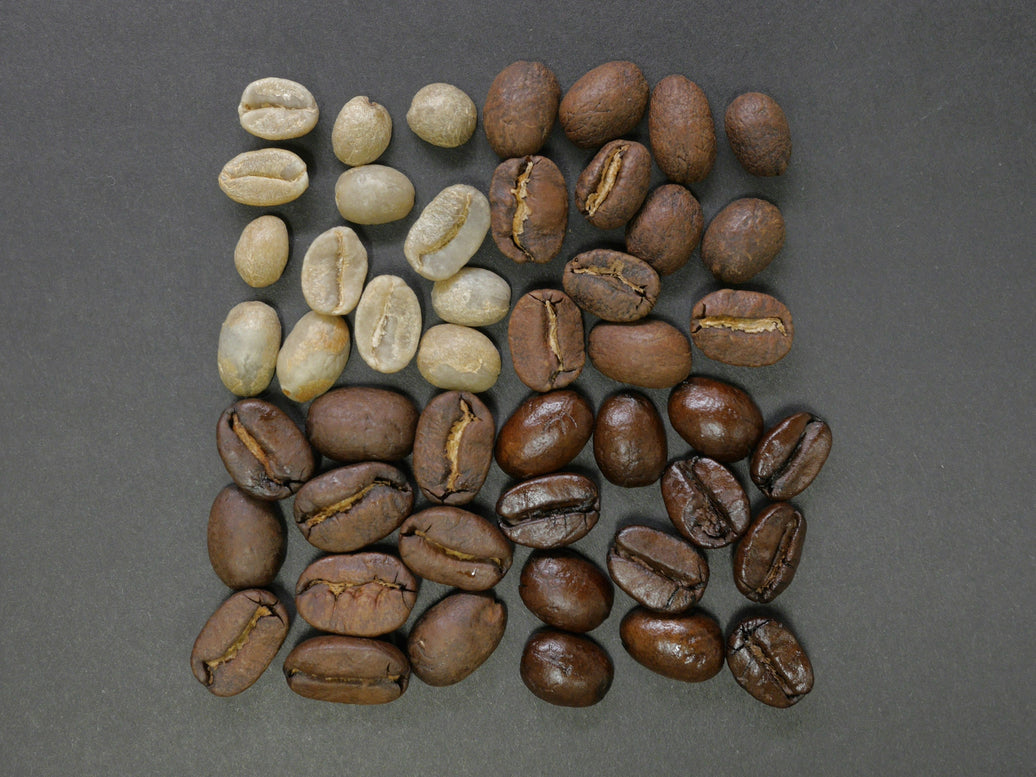
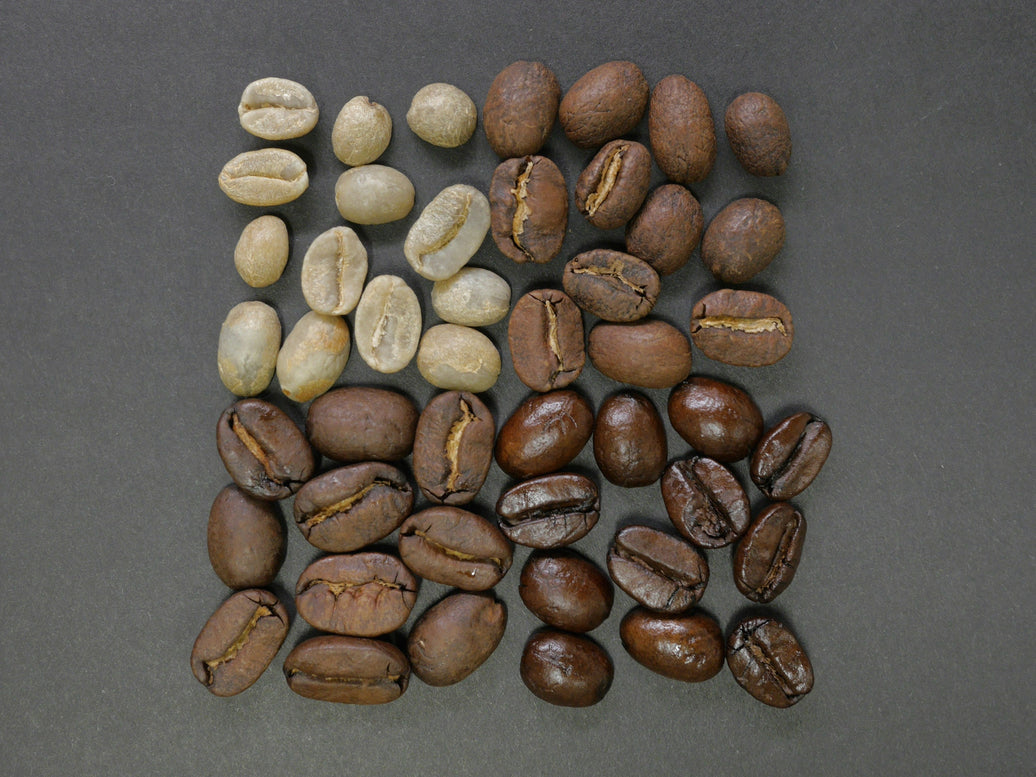
3. Select the Right Roast Level
After identifying your preferred flavors, consider the roast level. Roast level can influence the balance between a coffee's origin characteristics and flavors developed during roasting.
| Roast level | Common flavor tendencies | A good starting point if you enjoy… |
|---|---|---|
| Light | Bright, fruity, floral | Delicate or lively flavors |
| Medium | Balanced, sweet, nutty, cocoa-like | Versatile everyday coffee |
| Dark | Bold, roasted, bittersweet, smoky | Pronounced roasted flavors |
These are general tendencies, not strict rules. Two medium-roasted coffees can taste very different because their beans, processing, and roasting profiles differ.
If you are uncertain, begin with a medium roast. You can then try a lighter or darker option to discover which characteristics you prefer.
4. Consider How You Drink Your Coffee
Your favorite flavor profile should work with your usual coffee routine.
Black coffee
If you drink coffee black, you may notice more of its natural acidity, sweetness, bitterness, and aromatic characteristics.
Try comparing two coffees without milk or sugar first. This makes it easier to recognize differences between them.
Coffee with milk or cream
Milk can soften the perception of bitterness and change the texture of coffee. Medium and dark roasts can be appealing in milk-based drinks, especially if you enjoy chocolatey or roasted flavors.
However, lighter roasts can also work well in milk drinks when the coffee and recipe are balanced.
Coffee with sugar or flavored syrups
If you regularly add sweeteners, consider whether you want a coffee that complements those additions or one that provides a contrasting flavor.
For example, a cocoa-like coffee may pair nicely with milk, while a coffee with fruity notes may offer a different experience.
There is no single correct way to drink coffee. Choose the combination you genuinely enjoy.
5. Match Coffee to Your Brewing Method
The brewing method affects how the coffee's flavors are extracted and perceived.
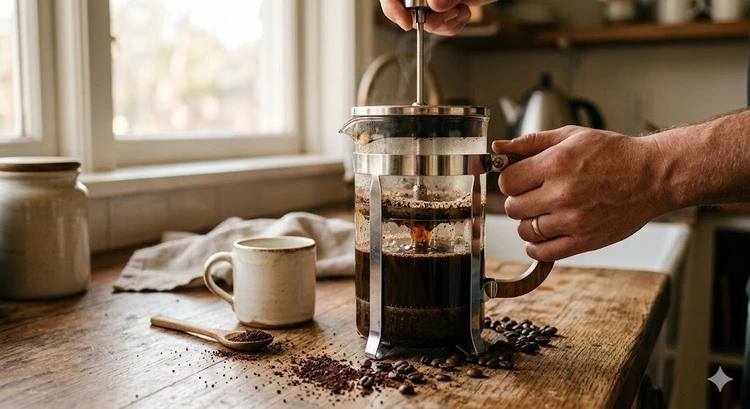
French press: This method uses immersion brewing and a metal filter. It can produce a cup with noticeable texture and body. Medium and dark roasts are popular starting points, but other roasts can work too.
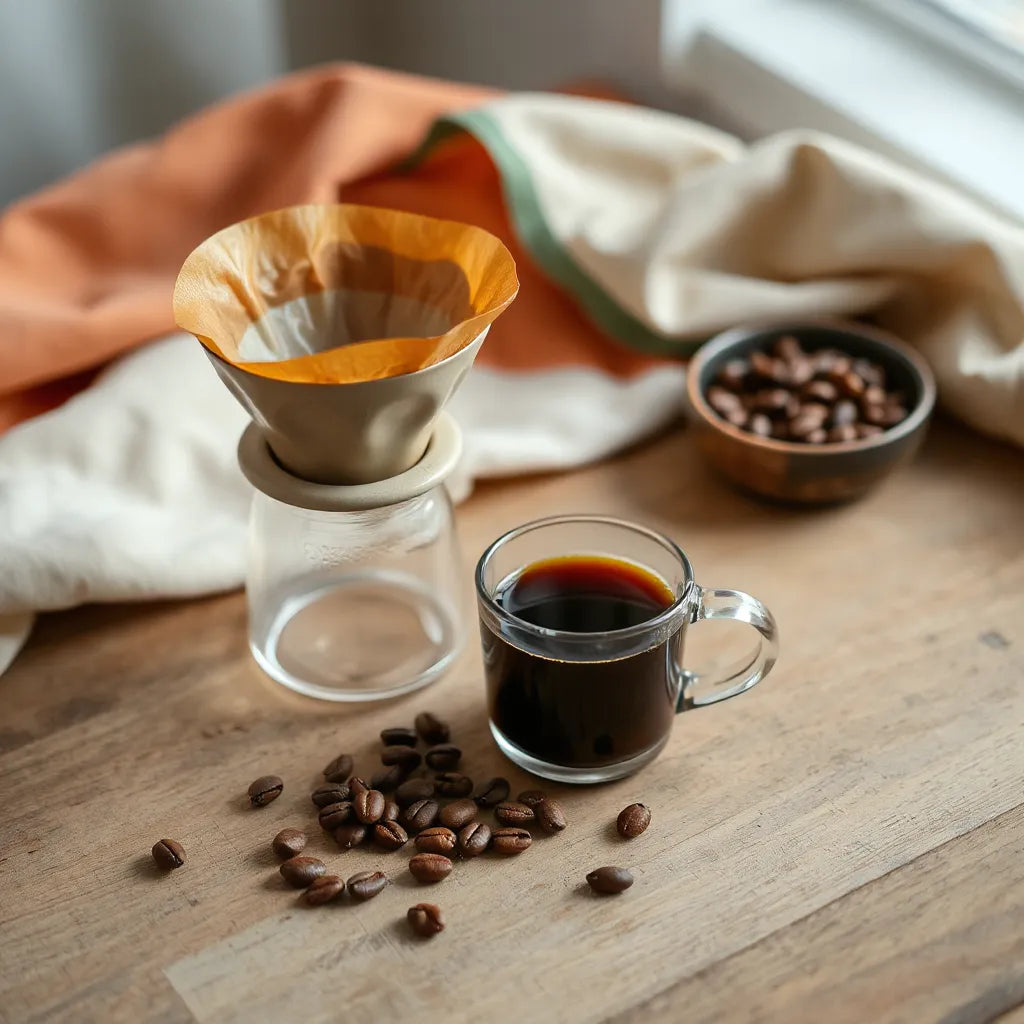
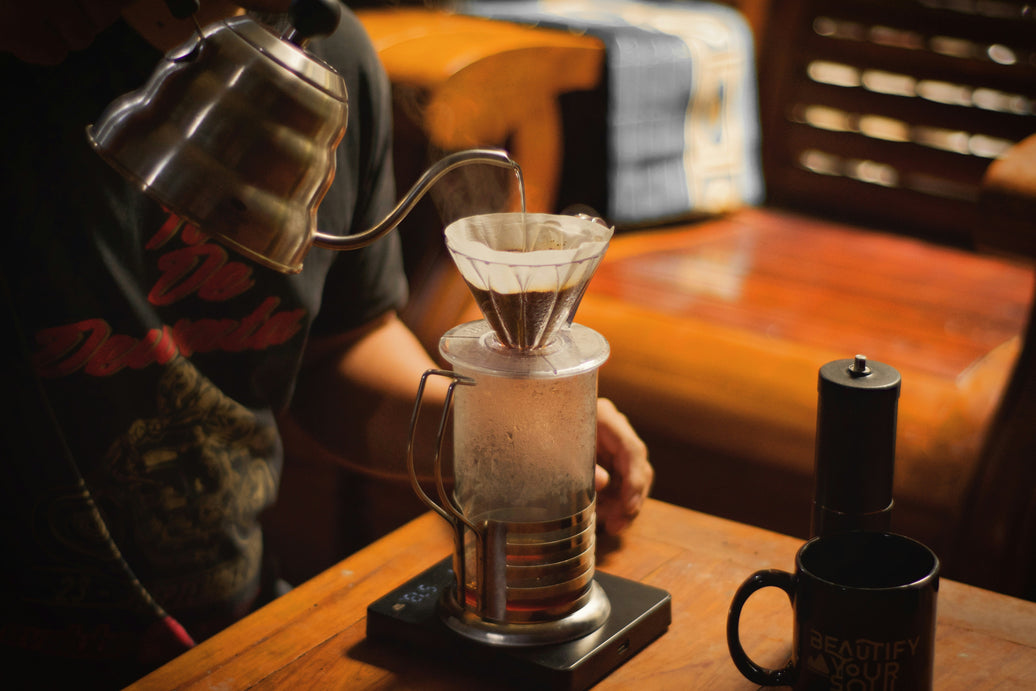
Pour-over: Pour-over brewing gives you control over water flow and brewing time. It can be a useful way to explore differences between coffees, including brighter and more delicate profiles.
Drip coffee maker: Drip brewing is convenient for everyday use and works with many roast levels and flavor profiles.
Espresso: Espresso produces a concentrated drink. Chocolatey, nutty, and roasted profiles are popular choices, but fruity and lighter-roasted coffees can also make enjoyable espresso with the right recipe.
Cold brew: Cold brew is made by steeping coffee in cool or room-temperature water for an extended period. Many people enjoy its smooth, concentrated character, although the flavor depends on the beans, grind, and brewing time.
Choose a grind size suitable for your equipment. A poor grind or unbalanced recipe can make even a coffee you would normally love taste disappointing.
6. Learn to Read Coffee Packaging
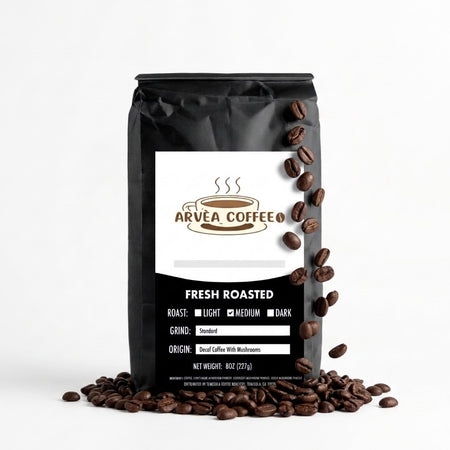
Coffee packaging often contains several clues that can help you choose.
Look for these details:
-
Roast level: Light, medium, dark, or a more specific roast description.
-
Flavor notes: Examples include cocoa, caramel, berries, or nuts.
-
Origin: The country or region where the coffee was grown, if provided.
-
Bean format: Whole bean or pre-ground coffee.
-
Grind options: If buying ground coffee, check whether the grind matches your brewer.
-
Ingredients: Especially important when distinguishing naturally occurring tasting notes from flavored coffee.
-
Roast date: When available, this helps you understand how recently the coffee was roasted.
Do not rely on a single label. Flavor notes provide a useful starting point, but the complete description gives you a better sense of what to expect.
7. Start With a Coffee Sample Pack
If you are not sure which flavor profile you prefer, buying several full-size bags can become expensive.
A sample pack lets you compare different coffees before deciding which one deserves a regular place in your kitchen.
For a useful comparison, choose coffees with noticeably different profiles. For example, you might compare a lighter roast, a balanced blend, and a darker roast.
Brew each coffee using the same method and a consistent coffee-to-water ratio. Write down which one tastes most enjoyable to you.
At Arvea Coffee, you can explore options such as the Flavored Coffees Sample Pack and Single Origin Favorites Sample Pack, alongside individual coffee selections. Check the current product descriptions to see which options best match your preferences.
Explore the collection: https://arveacoffee.com/
A sample pack is particularly helpful if you are still learning whether you prefer chocolatey, nutty, fruity, or more pronounced roasted flavors.
8. Explore Coffee Choices With Arvea Coffee
Once you have identified a few flavor preferences, it becomes easier to narrow down your options.
At Arvea Coffee, you can explore different roasts, blends, and flavored coffees according to the kind of cup you want to enjoy.
Here are a few options to consider:
-
Blonde Coffee: Worth exploring if you want to try a lighter roast style.
-
House Blend: An option to consider for your everyday coffee routine.
-
Breakfast Blend: Worth exploring if you are looking for a coffee to accompany your morning routine.
-
Italian Roast: A choice to consider if you enjoy a more pronounced roasted profile.
-
French Roast: Worth exploring if you prefer darker-roast characteristics.
-
Vanilla Hazelnut Coffee: An option for those who enjoy a flavored coffee experience.
These suggestions are starting points rather than promises of exact tasting notes. Review each product's current description and available grind and size options before purchasing.
Visit https://arveacoffee.com/ to explore the selection and find a coffee that fits your preferences.
9. A Simple At-Home Coffee Tasting Exercise
You can learn a lot about your preferences by comparing just three coffees.
Step 1: Pick three different profiles
Choose one coffee described as chocolatey or nutty, one with a balanced profile, and one with fruity or floral characteristics.
Step 2: Use the same brewing method
Prepare all three using the same equipment, similar water temperature, and consistent coffee-to-water ratios.
Step 3: Smell before tasting
Notice the aromas of each coffee. You might recognize roasted nuts, cocoa, fruit, or something else entirely.
Step 4: Taste slowly
Take a small sip and consider the flavor, acidity, bitterness, body, and finish. Let the coffee cool a little and taste it again.
Step 5: Record your favorites
Use simple notes such as:
-
Most enjoyable aroma
-
Favorite flavor
-
Preferred roast level
-
Best coffee with milk or black
-
Coffee you would buy again
You do not have to identify every tasting note correctly. The goal is to learn what you personally enjoy.
10. Common Mistakes When Choosing Coffee
Choosing only by roast color
A dark roast is not automatically better or stronger in caffeine than a light roast. Consider flavor, brewing method, and personal preference.
Assuming tasting notes are added ingredients
Chocolate, fruit, and caramel descriptions often refer to sensory similarities. Check the ingredients if you want to know whether a coffee has been flavored.
Buying too much before trying a new profile
If you are experimenting with a new roast or flavor, consider starting with a smaller size or sample pack when available.
Ignoring the grind
Whole beans need to be ground before brewing, and ground coffee should suit your equipment. The wrong grind can affect extraction and flavor.
Expecting everyone to taste the same thing
Taste is personal. One person may notice berries while another notices sweetness or cocoa in the same cup. Your preference matters more than matching someone else's description.
Frequently Asked Questions
What is the best coffee flavor for beginners?
A balanced medium roast is a reasonable starting point for many beginners because it can offer a middle ground between brighter characteristics and more pronounced roasted flavors. Your ideal choice depends on what you enjoy.
Which coffee is best if I do not like bitterness?
Consider trying a coffee with a balanced or sweeter-tasting profile and adjust your brewing recipe. Grind size, water temperature, and brewing time can all influence bitterness. A darker roast is not necessarily the best choice if you dislike bitter flavors.
How do I choose coffee if I drink it with milk?
Start with a medium or dark roast if you enjoy chocolatey, nutty, or roasted flavors in milk-based drinks. You can also experiment with lighter roasts to find a combination you like.
Are fruity coffees actually made with fruit?
Not necessarily. Fruity tasting notes often describe aromas and flavors that occur naturally in coffee. Some products are intentionally flavored, so check the product description and ingredients.
Is whole bean coffee better than ground coffee?
Whole beans generally retain aroma better because grinding exposes more surface area to air. Ground coffee is convenient, though, and can still make an enjoyable cup when stored properly and brewed well.
How can I discover my favorite coffee?
Try comparing a few different roast levels and flavor profiles using the same brewing method. Record what you enjoy, then use those observations to guide your next purchase.
Final Thoughts: Your Favorite Coffee Is the One You Enjoy
Choosing coffee becomes easier when you begin with flavors you already love. Chocolatey and nutty profiles can offer familiar comfort, caramel-like notes can suggest sweetness, fruity coffees can provide a brighter experience, and darker roasts can deliver more pronounced roasted flavors.
There is no universal best flavor profile. The best choice for you depends on your taste, brewing method, and daily routine.
Start with a profile that sounds appealing, try a few options, and give yourself permission to experiment.
Ready to find your next favorite cup? Explore the coffee selection at Arvea Coffee: https://arveacoffee.com/.























Leave a comment