

Best Coffee for Beginners: Where Should You Start?
Getting into coffee should be enjoyable, not confusing. But when you first start exploring coffee, you may encounter dozens of choices: light roast, medium roast, dark roast, whole beans, ground coffee, espresso, French press, and cold brew.
So, what is the best coffee for beginners?
A smooth, balanced medium roast is an excellent starting point for many new coffee drinkers. It can offer a balance of sweetness, body, and flavor without the pronounced roasted notes of some darker coffees or the brighter flavors of some lighter roasts.
However, there is no single coffee that everyone will love. The best choice depends on your taste preferences, how you prepare your coffee, and whether you enjoy it black or with milk and sweetener.
In this beginner-friendly guide, you will learn how to choose your first coffee, understand roast levels, select a brewing method, and discover the flavors you enjoy most.
What Is the Best Coffee for Beginners?
If you are not sure where to start, look for a medium roast with a balanced flavor profile. Coffees described with chocolate, caramel, or nutty notes can be approachable options for people who prefer familiar flavors.
Here are four useful starting points:
-
Medium roast: A versatile choice for balanced flavor and everyday drinking.
-
Breakfast blend: Worth exploring if you want an approachable coffee for your morning routine.
-
Dark roast: A good option if you enjoy bold, deep, roasted flavors.
-
Flavored coffee: Ideal for experimenting with flavors such as vanilla and hazelnut.
You do not need expensive equipment or advanced brewing skills to enjoy good coffee. Start with a style that sounds appealing, prepare it consistently, and adjust it to your taste.
Understanding the Different Coffee Roast Levels
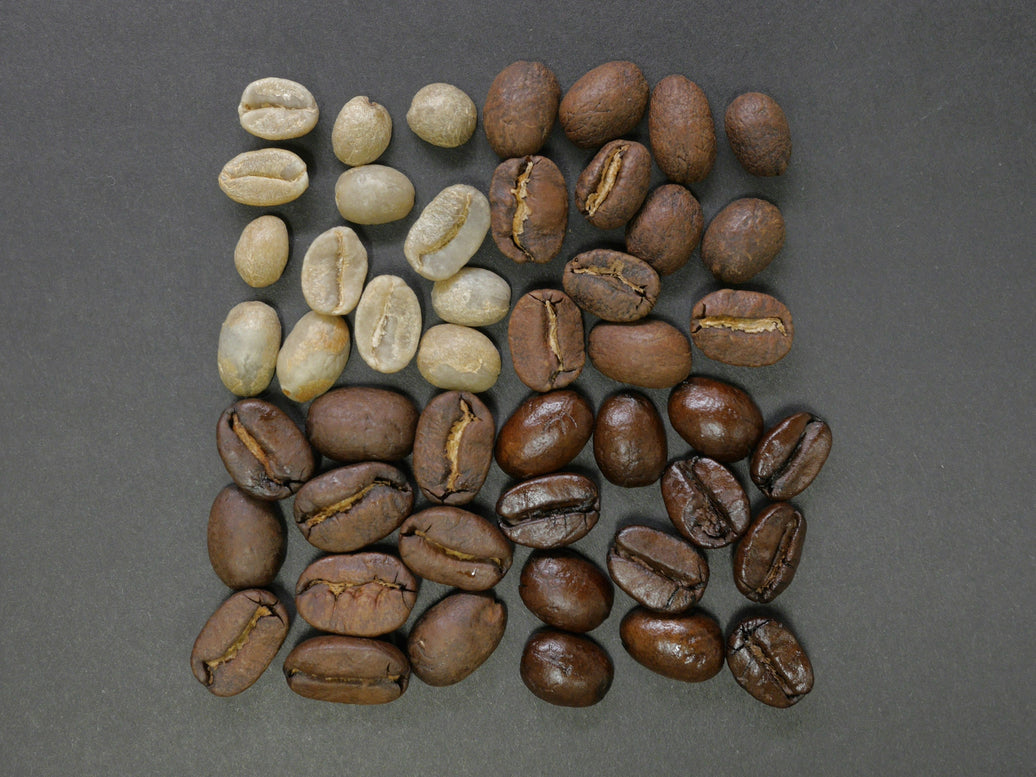
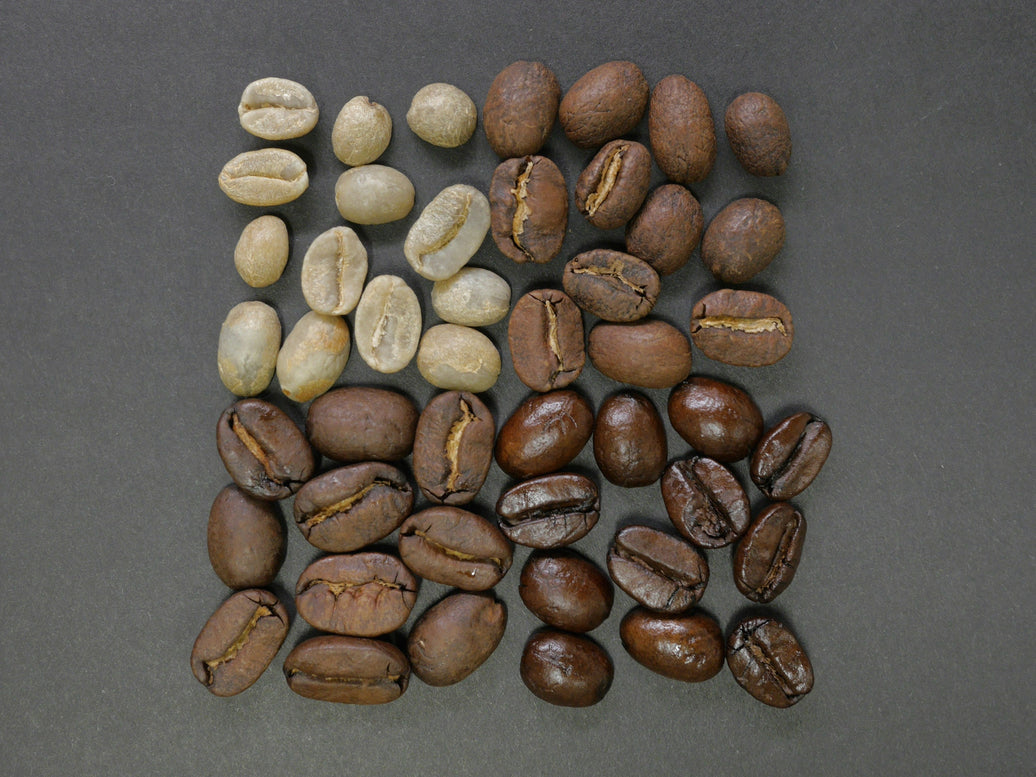
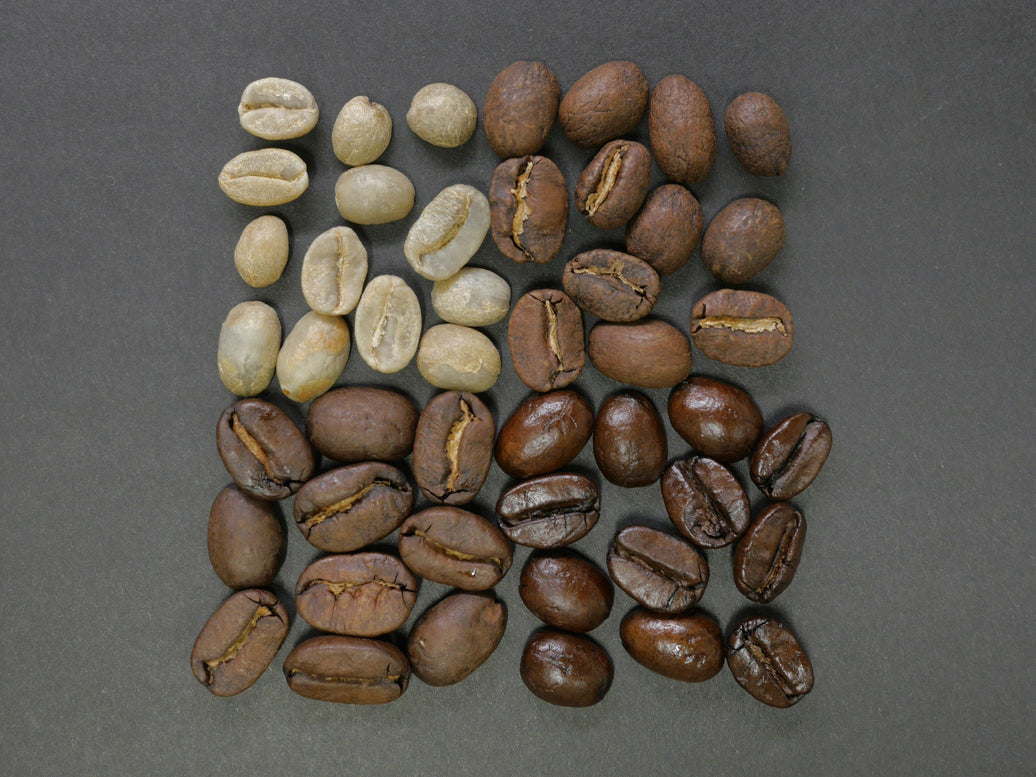
One of the easiest ways to choose coffee is to understand the three broad roast categories: light, medium, and dark.
Roasting changes the beans' color, aroma, and flavor. The exact taste depends on the beans, roasting process, and preparation method.
1. Light Roast Coffee
Light roast coffee is generally roasted for less time than medium and dark roasts. It can preserve more of the distinctive characteristics associated with the coffee's origin.
Depending on the beans, light roasts may taste fruity, floral, citrusy, or bright.
Choose light roast if you:
-
Enjoy bright, lively flavors.
-
Like exploring different coffee origins.
-
Prefer coffee with more delicate flavor characteristics.
If you are used to sweetened coffee, some light roasts may taste surprisingly different. Try one when you feel ready to explore more varied flavor profiles.
2. Medium Roast Coffee
Medium roast is an excellent starting point for many beginners because it offers a middle ground between brighter flavors and deeper roasted notes.
Depending on the coffee, you may notice chocolate, caramel, nuts, or a gentle sweetness.
Choose medium roast if you:
-
Want a versatile everyday coffee.
-
Are still discovering your preferred flavor.
-
Enjoy coffee black or with milk.
-
Prefer a balanced starting point rather than an especially light or dark roast.
Arvea Coffee offers several options worth exploring for your everyday routine, including House Blend Coffee and Breakfast Blend Coffee.
Explore the collection at Arvea Coffee to compare available coffee styles and find one that suits your preferences.
3. Dark Roast Coffee
Dark roast coffee is roasted further and often features deeper, more pronounced roasted flavors.
Depending on the beans, it may taste smoky, bittersweet, rich, or reminiscent of dark chocolate.
Choose dark roast if you:
-
Prefer bold roasted flavors.
-
Enjoy coffee with milk or cream.
-
Like a pronounced coffee taste in lattes or other milk-based drinks.
Arvea's French Roast Coffee and Italian Roast Coffee are options to explore if you enjoy darker roast styles. Check each product's description for its specific flavor characteristics and available formats.
One important point: a darker roast does not automatically mean more caffeine. Caffeine content depends on the coffee and how it is measured and brewed.
Whole Bean vs. Ground Coffee: Which Should Beginners Buy?
Both whole bean and ground coffee can make an enjoyable cup. The best choice depends on how much convenience and control you want.
Whole Bean Coffee
Whole bean coffee gives you control over grind size. You can grind it immediately before brewing, which helps preserve its aroma.
It is a useful option if you have a burr grinder and want to experiment with different brewing methods.
However, you do not need to purchase a grinder before you can begin enjoying coffee.
Ground Coffee
Ground coffee is convenient because it is ready to use. It can be a practical choice for beginners who want a simple morning routine.
The important thing is to match the grind to your coffee maker.
-
Drip coffee maker: Usually medium grind.
-
French press: Usually coarse grind.
-
Espresso machine: Usually fine grind, adjusted to the machine and beans.
-
Cold brew: Usually coarse grind.
These are starting points. The ideal grind can vary depending on the equipment and recipe.
If you are just starting, choose ground coffee that matches your brewer or buy whole beans and ask for an appropriate grind if the seller offers that option.
Which Coffee Brewing Method Is Best for Beginners?
You do not need to learn every brewing method at once. Choose one that fits your schedule and the kind of coffee you enjoy.
Drip Coffee Maker
A drip coffee maker is a straightforward option for preparing coffee at home. Add water and coffee, start the machine, and let it brew.
It is particularly convenient if you want several cups or a repeatable morning routine.
French Press
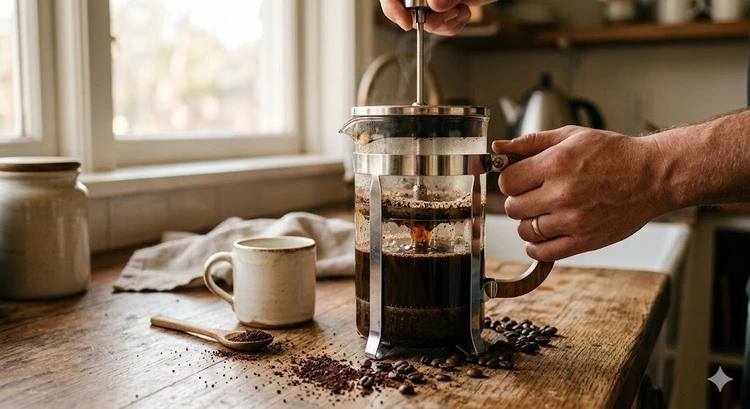
A French press uses immersion brewing: coffee grounds steep in hot water before a plunger separates the grounds from the drink.
It is simple to use and produces a coffee with a fuller texture than many paper-filtered methods.
Start with coarse grounds and steep for around four minutes, then adjust the recipe to your taste.
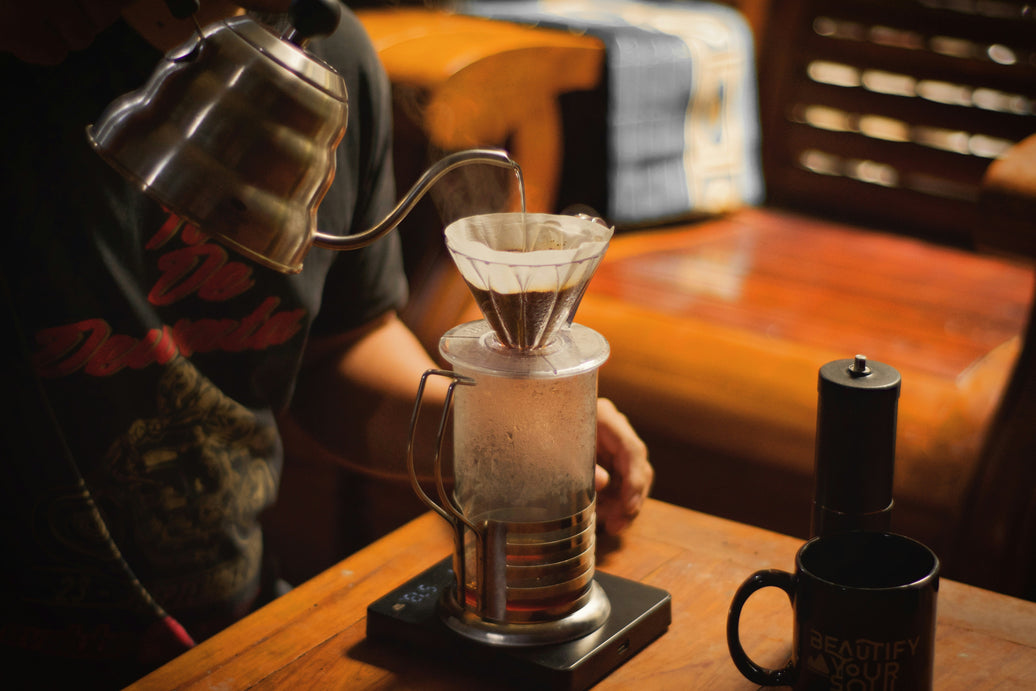
Pour-Over Coffee
Pour-over brewing involves slowly pouring hot water over coffee grounds in a filter.
It provides more control over the brewing process and can highlight different flavor characteristics, but it may take some practice to get consistent results.
Espresso
Espresso is made by forcing hot water through finely ground coffee under pressure.
It is the foundation for drinks such as lattes, cappuccinos, and Americanos. Espresso equipment requires more attention to grind size and preparation, so beginners may find it easier to start with a simpler brewing method.
Cold Brew
Cold brew is prepared by steeping coffee grounds in cool or room-temperature water over several hours.
It is a good option if you enjoy iced coffee and prefer preparing a batch in advance.
For a beginner, a drip coffee maker or French press is a practical place to start. You can explore other methods as your preferences develop.
How to Choose Coffee Based on Your Taste
You do not need to memorize coffee terminology. Start by thinking about the foods and drinks you already enjoy.
If You Like Chocolate and Nuts
Look for coffee described with chocolate, cocoa, nutty, or caramel notes. Medium and some dark roasts may be worth exploring.
If You Prefer Sweet, Flavored Drinks
Consider flavored coffee or try adding milk and a little sweetener to a coffee you already enjoy.
Arvea Vanilla Hazelnut Coffee may be worth exploring if you like these familiar flavor styles. Check the product description for details about the specific flavor and available options.
If You Like Strong, Bold Coffee
Try a darker roast or experiment with a slightly stronger coffee-to-water ratio. Remember that a stronger-tasting cup is not necessarily higher in caffeine.
If You Prefer Light, Fruity Flavors
Explore lighter roasts and single-origin coffees. Depending on the beans, they may feature fruity, floral, or citrus-like notes.
If You Are Not Sure What You Like
Try a few different styles rather than buying several bags of the same roast.
Arvea's Single Origin Favorites Sample Pack and Flavored Coffees Sample Pack may be useful options if they match your preferences and are available in the store. Sample packs can make it easier to compare flavors before settling on a regular coffee.
How to Make a Good Cup of Coffee at Home
Once you have chosen your coffee, a few simple habits can help you get more consistent results.
Step 1: Start With a Simple Recipe
For a standard cup, try approximately 15 grams of ground coffee for every 240 milliliters (about 8 ounces) of water.
This is a starting point. Use a little more coffee if you prefer a stronger flavor, or a little less if you want a lighter cup.
Step 2: Use Fresh, Clean Water
Water makes up most of your finished drink, so its taste matters. If your tap water has a strong chlorine or mineral flavor, filtered water may help improve the result.
Step 3: Use the Right Grind
Match your grind to your brewing method. Grounds that are too fine or too coarse can affect extraction and flavor.
Step 4: Pay Attention to Water Temperature
For many hot-brewing methods, water around 195–205°F (90–96°C) is a useful starting range.
You generally do not need a specialized kettle to begin. Let freshly boiled water cool briefly before brewing if necessary.
Step 5: Taste Before Making Big Changes
Try your coffee before adding milk, sugar, or syrup. You may discover flavors you enjoy on their own.
If the coffee is too bitter, too weak, or too intense, change one variable at a time so you can understand what improves it.
Common Mistakes New Coffee Drinkers Should Avoid
Learning to enjoy coffee is easier when you avoid a few common problems.
Buying coffee only because it is popular. A highly rated coffee may not match your personal taste. Choose based on the flavor profile you want.
Assuming dark roast always means stronger coffee. Roast level affects flavor, but it does not tell you everything about caffeine content or brewing strength.
Using the wrong grind size. Match the grind to your brewing method for a more balanced cup.
Adding too much coffee without measuring. A simple coffee-to-water ratio makes it easier to repeat a recipe you enjoy.
Buying too much coffee at once. If you are still exploring, a smaller bag or sample pack can help you try new styles without committing to a large quantity.
Expecting every coffee to taste the same. Beans, origins, roasting, and brewing methods all influence flavor. Part of the experience is discovering what you like.
How to Store Coffee to Keep It Fresh
Coffee gradually loses aroma and flavor when exposed to air, heat, light, and moisture.
To help maintain its quality:
-
Store coffee in an airtight container.
-
Keep it in a cool, dry cupboard away from direct sunlight.
-
Avoid leaving the package open for extended periods.
-
Buy quantities you can comfortably use while the coffee still tastes fresh.
-
Grind whole beans shortly before brewing when possible.
You do not need a complicated storage system. A clean, airtight container in a suitable cupboard is a good place to start.
Discover Your Coffee Style With Arvea Coffee
Choosing your first coffee does not need to be complicated. Start with a roast that sounds appealing, use a simple brewing method, and give yourself time to explore.
At Arvea Coffee, you can discover a range of options for different tastes and routines.
Consider these starting points:
-
House Blend Coffee: An option to explore for your everyday coffee routine.
-
Breakfast Blend Coffee: Worth considering if you want a coffee for your morning cup.
-
French Roast Coffee: An option if you enjoy deeper roasted flavors.
-
Vanilla Hazelnut Coffee: Worth exploring if you enjoy flavored coffee.
-
Single Origin Favorites Sample Pack: A way to compare different coffee styles, if available.
Check each product's description, roast information, and available grind and size options before purchasing.
Visit Arvea Coffee to explore the collection and find a coffee that fits your taste.
Frequently Asked Questions
What is the best coffee for a complete beginner?
A medium roast with a balanced flavor profile is an excellent starting point for many beginners. Look for flavors such as chocolate, caramel, or nuts if you prefer familiar, approachable tastes.
Is light or dark roast better for beginners?
Neither is universally better. Medium roast is a versatile starting point, light roast may appeal to people who enjoy brighter flavors, and dark roast may suit people who prefer bold, roasted notes.
Is Arabica coffee better for beginners?
Many beginners enjoy Arabica coffee because it can offer a wide range of flavors, from chocolate and nuts to fruit and flowers. However, quality and taste depend on the beans, processing, roasting, and preparation. The best choice is the one you enjoy.
Should beginners drink coffee black?
You can try coffee black to learn about its natural flavor, but there is no rule that says you must drink it that way. Milk, cream, and sweetener are all personal choices.
What is the easiest coffee to make at home?
A drip coffee maker is convenient for preparing coffee with minimal effort. A French press is another simple option that requires little equipment.
How much coffee should a beginner use per cup?
A useful starting point is 15 grams of coffee per 240 milliliters of water. Adjust the amount to suit your preferred strength and brewing method.
Should beginners buy whole beans or ground coffee?
Ground coffee is convenient and easy to use. Whole beans provide more control over grind size and allow you to grind just before brewing. Either is a reasonable place to start.
How can I find my favorite coffee flavor?
Try a few different roast levels and flavor profiles. Keep notes about what you like, including whether you prefer your coffee black, with milk, or sweetened. Sample packs can also help you compare different styles.
Final Thoughts
The best coffee for beginners is not necessarily the most expensive or the most popular. It is the coffee that fits your taste, your brewing method, and your daily routine.
Start with a balanced medium roast if you are unsure, choose a simple brewing method, and learn how small changes in grind size and coffee-to-water ratio affect the result.
As you explore different blends, roasts, and flavors, you will gradually discover what makes a cup of coffee special to you.
Ready to explore your first or next favorite coffee? Visit Arvea Coffee and discover a coffee style that suits you.



















Leave a comment