



Is Coffee Good for You? What Research Says
Coffee is one of the world's most popular beverages. For many people, it is an essential part of the morning routine, a companion during work, or a relaxing drink to enjoy throughout the day.
But an important question remains: Is coffee actually good for you?
Research suggests that moderate coffee consumption can fit into a healthy lifestyle for many adults. Coffee contains caffeine, antioxidants, and other naturally occurring compounds that researchers have studied for their potential effects on the body. At the same time, caffeine can cause unwanted effects, especially when consumed in excessive amounts or too close to bedtime.
In this guide, we will explore the potential benefits of coffee, the possible downsides, what scientific research says, and how to enjoy your daily cup responsibly.
1. Is Coffee Good for You?
For many healthy adults, coffee can be part of a balanced diet.
Research has linked regular coffee consumption with a lower risk of certain health conditions, including type 2 diabetes and some liver diseases. Some studies have also found associations between coffee consumption and better long-term health outcomes.
However, an important distinction matters: an association does not prove that coffee itself causes a health benefit.
Many studies follow people's habits over time rather than randomly assigning them to drink coffee. Researchers must account for other factors, such as diet, physical activity, smoking, sleep, and overall lifestyle.
Coffee also affects people differently. One person may enjoy several cups without noticeable problems, while another may experience anxiety, digestive discomfort, or difficulty sleeping after a single serving.
The practical takeaway is simple: If you enjoy coffee and tolerate caffeine well, moderate consumption may fit comfortably into your routine. You do not need to start drinking coffee for health reasons, and drinking more does not automatically mean receiving more benefits.
2. Coffee Contains Antioxidants and Other Natural Compounds
Coffee is more than caffeine and water. It contains a complex mixture of naturally occurring substances, including polyphenols and other bioactive compounds.
Some of these compounds demonstrate antioxidant activity in laboratory studies. Researchers continue to investigate how they interact with biological processes in the human body.
Important compounds include:
Chlorogenic acids
Chlorogenic acids are polyphenols naturally found in coffee beans. Their amounts change during roasting, and the amount in your cup depends on the coffee and brewing method.
Melanoidins
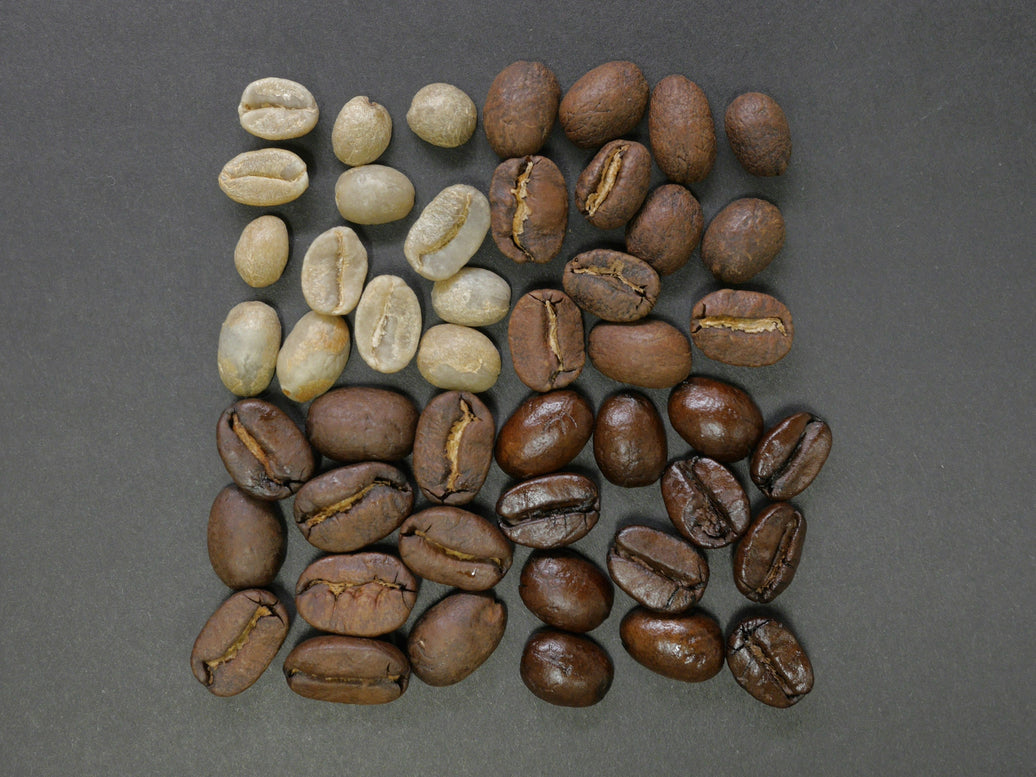
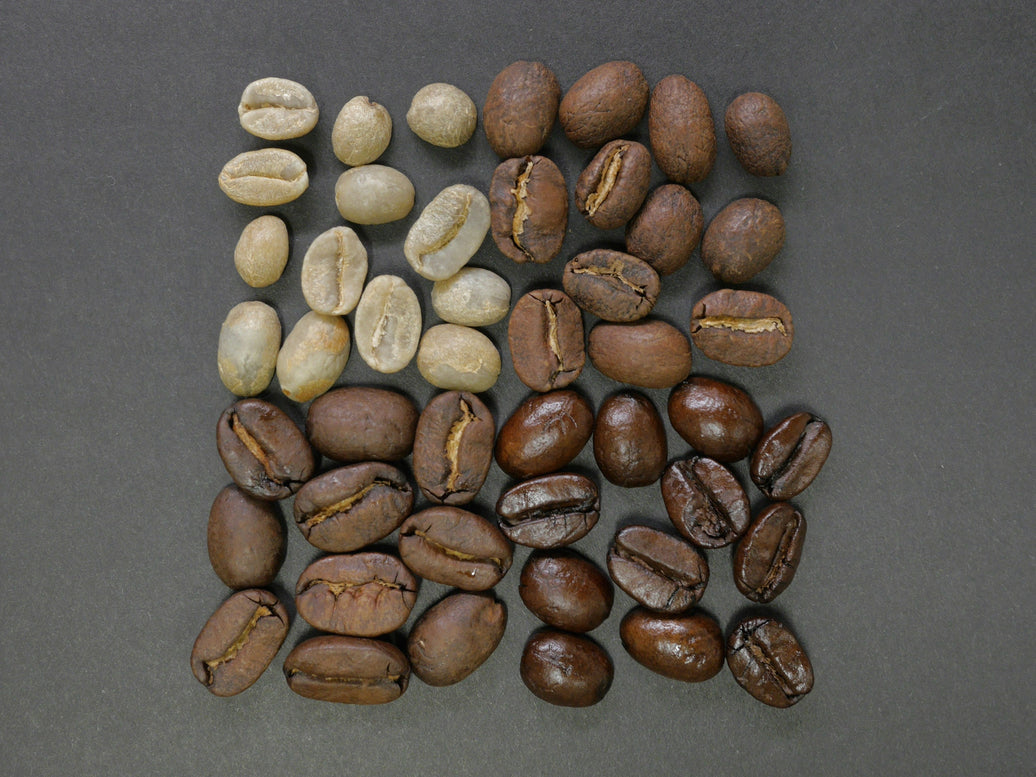
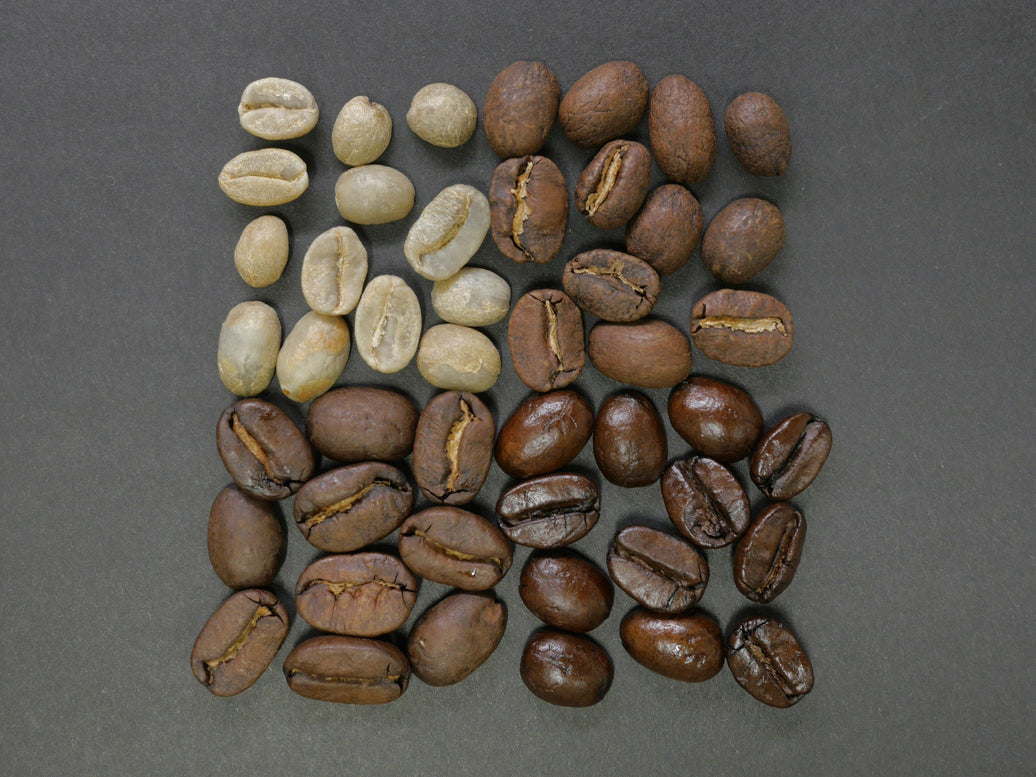
Melanoidins form during roasting and contribute to coffee's brown color and roasted characteristics. Some have also demonstrated antioxidant activity.
Caffeine
Caffeine is a stimulant that acts on the central nervous system. It can temporarily increase alertness and reduce the perception of tiredness.
Other bioactive compounds
Coffee contains additional substances that may influence biological processes. Their effects depend on their concentration, how the body absorbs and processes them, and other factors.
Although coffee provides these compounds, laboratory evidence does not automatically prove that drinking coffee prevents disease. It is best viewed as one part of your overall diet rather than a replacement for nutritious foods or medical care.
3. Potential Benefits of Drinking Coffee
Researchers have investigated several possible relationships between coffee consumption and health.
Alertness and concentration
One of coffee's best-established short-term effects comes from caffeine.
Caffeine blocks adenosine receptors in the brain. Adenosine is involved in signaling tiredness, so blocking its effects can make you feel more awake.
Depending on the person and dose, caffeine may help with alertness and concentration. However, it does not replace adequate sleep, and using it to compensate for chronic sleep deprivation can create problems.
Liver health
Studies have found associations between coffee consumption and a lower risk of certain liver conditions, including liver fibrosis and cirrhosis.
Researchers are still investigating the mechanisms behind these associations. Coffee should not be considered a treatment for liver disease, and people with liver conditions should follow their healthcare professional's advice.
Type 2 diabetes
Long-term observational research has linked coffee consumption, including decaffeinated coffee, with a lower risk of developing type 2 diabetes.
This does not establish that coffee prevents diabetes. Researchers continue to study the roles of coffee's different compounds, metabolism, and other lifestyle factors.
Cardiovascular health
Research on coffee and cardiovascular health has generally been reassuring for many adults who consume moderate amounts.
Some studies associate moderate coffee consumption with lower risks of certain cardiovascular outcomes. However, caffeine can temporarily raise blood pressure in some people, particularly those who do not consume it regularly or who are sensitive to it.
If you have concerns about blood pressure, palpitations, or a heart condition, discuss your caffeine intake with a qualified healthcare professional.
Brain health and mood
Caffeine can temporarily improve alertness and may influence how people feel during the day.
Observational studies have also explored associations between coffee consumption and conditions such as Parkinson's disease and depression. These findings do not prove that coffee prevents neurological or mental health conditions.
Coffee should not be used as a substitute for treatment or professional support for mental health concerns.
4. Can Coffee Help With Energy and Productivity?
Many people drink coffee because they feel more alert afterward.
Caffeine can temporarily reduce sleepiness and help some people focus on tasks. That can make a cup of coffee useful during a morning routine, a study session, or a demanding workday.
However, the effect depends on several factors:
-
Your usual caffeine intake and tolerance
-
The amount of caffeine in the serving
-
How much sleep you have had
-
Your individual sensitivity
-
The time of day you drink it
More caffeine does not necessarily produce better concentration. Excessive intake can cause restlessness, anxiety, headaches, or a racing heartbeat.
If coffee helps you feel more alert, use it as a supplement to healthy habits rather than a replacement for sleep, hydration, movement, or breaks.
5. Does Coffee Help With Weight Loss?
Coffee is sometimes promoted as a weight-loss drink, but the evidence needs careful interpretation.
Caffeine can temporarily influence energy expenditure and appetite, but this does not mean ordinary coffee produces substantial or lasting weight loss.
Plain black coffee is low in calories. However, adding large amounts of sugar, flavored syrup, cream, or whipped cream can significantly increase the calories in your drink.
If weight management is your goal, consider the complete beverage rather than focusing only on the coffee itself.
Helpful habits include:
-
Choosing a coffee preparation that fits your nutritional goals.
-
Paying attention to added sugar and high-calorie additions.
-
Eating balanced meals.
-
Getting regular physical activity.
-
Maintaining a sustainable sleep routine.
Coffee is not a substitute for a balanced eating pattern, and you should be cautious of products that promise rapid weight loss through caffeine.
6. What Are the Downsides of Drinking Coffee?
Although many adults tolerate coffee well, caffeine can produce unwanted effects.
Sleep disruption
Caffeine can remain in your body for several hours after consumption. Drinking coffee later in the day may make it harder to fall asleep or reduce sleep quality.
If you struggle with sleep, try drinking coffee earlier or reducing your intake.
Anxiety and nervousness
Some people are especially sensitive to caffeine. They may experience nervousness, restlessness, or increased anxiety even at relatively low doses.
If you notice these effects, reduce your intake or try decaffeinated coffee.
Increased heart rate or palpitations
Caffeine can cause a faster heartbeat or noticeable palpitations in some people. If these symptoms are persistent, severe, or accompanied by chest pain, fainting, or difficulty breathing, seek appropriate medical care.
Digestive discomfort
Coffee may trigger heartburn, stomach discomfort, or bowel urgency in some individuals. Sensitivity varies, and changing the amount, timing, or preparation method may help.
Dependence and withdrawal
Regular caffeine use can lead to physical dependence. Suddenly stopping may cause headaches, tiredness, irritability, or difficulty concentrating.
If you want to reduce your intake, gradually cutting back may make withdrawal symptoms easier to manage.
7. How Much Coffee Is Too Much?
The right amount varies by person.
The U.S. Food and Drug Administration cites 400 milligrams of caffeine per day as an amount not generally associated with negative effects for most healthy adults. This is a general reference point, not a target or a guarantee that everyone will tolerate that amount.
An eight-ounce brewed coffee often contains roughly 80–100 milligrams of caffeine, but actual levels vary considerably. A large café coffee or a strongly brewed serving may contain much more.
Remember to count caffeine from all sources, including tea, energy drinks, soda, chocolate, supplements, and certain medications.
Consider reducing your intake if you regularly experience:
-
Trouble falling asleep
-
Nervousness or jitteriness
-
Uncomfortable palpitations
-
Headaches related to caffeine use
-
Digestive discomfort
Pregnancy: The American College of Obstetricians and Gynecologists advises limiting caffeine to less than 200 milligrams per day during pregnancy. Ask your healthcare professional for advice tailored to your circumstances.
People with certain medical conditions, those taking medications that interact with caffeine, and people who are especially sensitive may need lower amounts.
8. Is Black Coffee Healthier Than Coffee With Milk and Sugar?
Black coffee is naturally low in calories, but coffee with milk is not automatically unhealthy.
The nutritional impact depends on the ingredients and amounts you add.
Black coffee: Usually contains very few calories when served without additions.
Coffee with milk: Provides additional nutrients, including protein and calcium, depending on the type of milk.
Coffee with sugar or syrup: Adds sugar and calories. Large amounts can turn a simple beverage into a high-calorie drink.
Flavored coffee: May mean coffee with natural tasting notes or coffee that has been intentionally flavored. Check the product's ingredient information.
If you enjoy sweet coffee, you can gradually adjust the amount of sugar or syrup you use. You do not need to eliminate every addition to make an informed choice.
9. Is Decaffeinated Coffee a Healthy Option?
Decaffeinated coffee is a useful alternative for people who enjoy coffee but want less caffeine.
Decaf is not necessarily caffeine-free; small amounts usually remain after processing. It also retains many of coffee's non-caffeine compounds, although the exact composition varies.
Some observational studies have found associations between decaffeinated coffee and certain health outcomes similar to those observed with regular coffee. These findings do not establish that decaf prevents disease.
Consider decaffeinated coffee if:
-
Caffeine makes you feel anxious or jittery.
-
You want to enjoy coffee later in the day.
-
You are reducing your total caffeine intake.
-
You enjoy the taste of coffee but are sensitive to its stimulant effects.
If caffeine affects your sleep, switching to decaf may help, though individual responses vary.
10. How to Make Coffee Part of a Healthy Daily Routine
Enjoying coffee responsibly does not require complicated rules.
Choose a coffee you enjoy
A coffee you genuinely like can make your daily routine more enjoyable. Explore different roast levels and flavor profiles rather than assuming that one style is best for everyone.
Pay attention to timing
If caffeine affects your sleep, drink coffee earlier in the day or switch to decaf later on.
Keep additions in perspective
Consider how much sugar, syrup, and cream you add, especially if you drink several cups a day.
Maintain a balanced diet
Coffee can provide bioactive compounds, but it does not replace the nutrients, fiber, and variety provided by a balanced diet.
Listen to your body
Your response to caffeine is an important guide. Reduce your intake if you experience unwanted effects, and seek professional advice when symptoms or medical concerns warrant it.
11. Explore Your Coffee Routine With Arvea Coffee
Coffee can be a small but enjoyable part of your daily routine. Finding a flavor you love can make that moment even better.
At Arvea Coffee, you can explore different coffee styles to suit your preferences.
-
Blonde Coffee: An option to explore if you prefer a lighter roast style.
-
House Blend: Worth considering for an everyday cup.
-
Breakfast Blend: An option for your morning routine.
-
Italian Roast: Worth exploring if you enjoy a more pronounced roasted flavor.
-
French Roast: An option if you prefer darker-roast characteristics.
-
Vanilla Hazelnut Coffee: A flavored option if you enjoy a different aromatic profile.
These are flavor-based suggestions, not claims that a particular Arvea product provides specific medical benefits. Choose according to your taste, brewing method, and caffeine preferences.
Explore the current selection at https://arveacoffee.com/ and find a coffee that fits your daily routine.
Frequently Asked Questions
Is coffee good for you every day?
For many healthy adults who tolerate caffeine, moderate daily coffee consumption can fit into a balanced diet. Individual responses vary, and excessive caffeine can cause unwanted effects.
How many cups of coffee should I drink per day?
There is no single ideal number for everyone. Consider your total caffeine intake, serving size, sleep, sensitivity, and health circumstances. The FDA's general reference point for most healthy adults is 400 milligrams of caffeine per day from all sources.
Is coffee good for your heart?
Research is generally reassuring for moderate coffee consumption in many adults, and some studies find associations with lower cardiovascular risk. Caffeine can temporarily raise blood pressure in some people, so individual circumstances matter.
Is coffee good for your liver?
Observational studies have linked coffee consumption with a lower risk of certain liver conditions. Coffee is not a treatment for liver disease, and research cannot establish that coffee alone causes these benefits.
Is coffee good for your stomach?
It depends on the person. Coffee can stimulate bowel activity, but it may also trigger heartburn or stomach discomfort in some people. Adjusting your intake or timing may help.
Is decaf coffee good for you?
Decaffeinated coffee contains less caffeine than regular coffee and retains many other coffee compounds. It can be a suitable choice if you are sensitive to caffeine.
Should I drink coffee for its health benefits?
You do not need to start drinking coffee for health reasons. If you enjoy it, tolerate it well, and keep your overall caffeine intake appropriate, it can be part of your routine.
Final Thoughts: Enjoy Coffee With Balance
So, is coffee good for you?
For many healthy adults, moderate coffee consumption can fit into a healthy lifestyle. Research has identified associations between coffee and several positive health outcomes, but it has not established that coffee prevents every disease or benefits everyone in the same way.
Coffee's effects depend on your caffeine sensitivity, how much you drink, when you drink it, and what you add to your cup.
Focus on a balanced diet, adequate sleep, regular physical activity, and a coffee routine that makes you feel good rather than relying on coffee as a health solution.
Ready to explore a new coffee for your daily ritual? Visit Arvea Coffee at https://arveacoffee.com/ and discover a style that suits your taste.




























Leave a comment