

How to Brew Coffee With Whole Beans: A Complete Beginner's Guide
Brewing coffee with whole beans is a simple way to enjoy fresh aroma and a flavorful cup at home. Whether you prefer a classic drip coffee maker, French press, pour-over, or espresso, understanding how to grind, measure, and brew your beans can help you get more consistent results.
The secret is not complicated equipment. It comes down to choosing the right grind size, using the correct coffee-to-water ratio, and adjusting your brewing method to match your taste.
In this beginner's guide, Arvea Coffee walks you through everything you need to know about brewing whole bean coffee, from grinding your beans to serving a balanced cup.
Why Brew Coffee With Whole Beans?
Whole bean coffee gives you control over when and how your coffee is ground. Once coffee is ground, more of its surface area is exposed to air, so its aroma can fade more quickly. Grinding shortly before brewing helps preserve more of the coffee's fresh aroma.
Other benefits include:
-
More control over flavor: Adjust the grind for different brewing methods.
-
A fresher aroma: Grind your beans just before making coffee.
-
Greater flexibility: Use the same beans for drip coffee, French press, pour-over, or espresso.
-
A repeatable routine: Measure your beans and water to make your favorite recipe consistently.
If you're still learning about measurements, our coffee-to-water ratio guide explains how much coffee to use for different cup sizes.
What You Need to Brew Whole Bean Coffee
You can start with a few basic items:
-
Whole bean coffee: Choose a coffee with a flavor profile you enjoy.
-
Coffee grinder: A burr grinder is a useful choice for consistent grind size.
-
Brewing equipment: Use a drip machine, French press, pour-over brewer, or another method you prefer.
-
Clean water: Good-tasting water helps produce better-tasting coffee.
-
Measuring scale: A kitchen scale helps you measure coffee and water accurately.
-
A cup or carafe: Choose a vessel that suits your serving size.
You don't need every item immediately. A grinder, whole beans, and your existing coffee maker are enough to get started.
Step 1: Choose Your Whole Bean Coffee
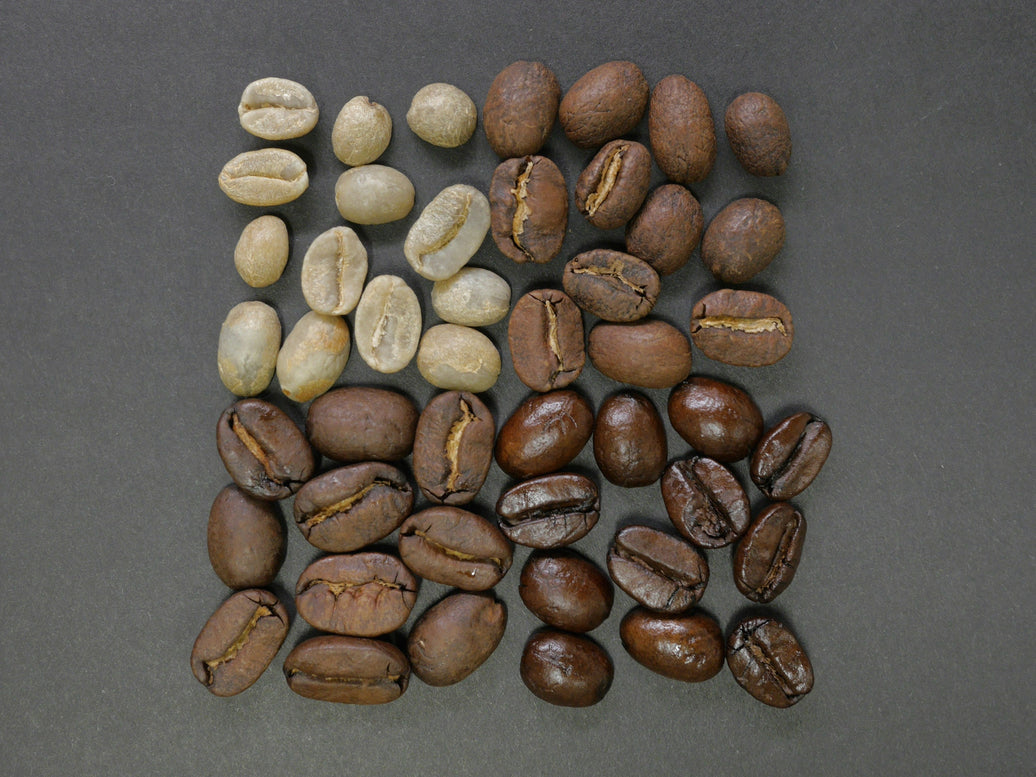
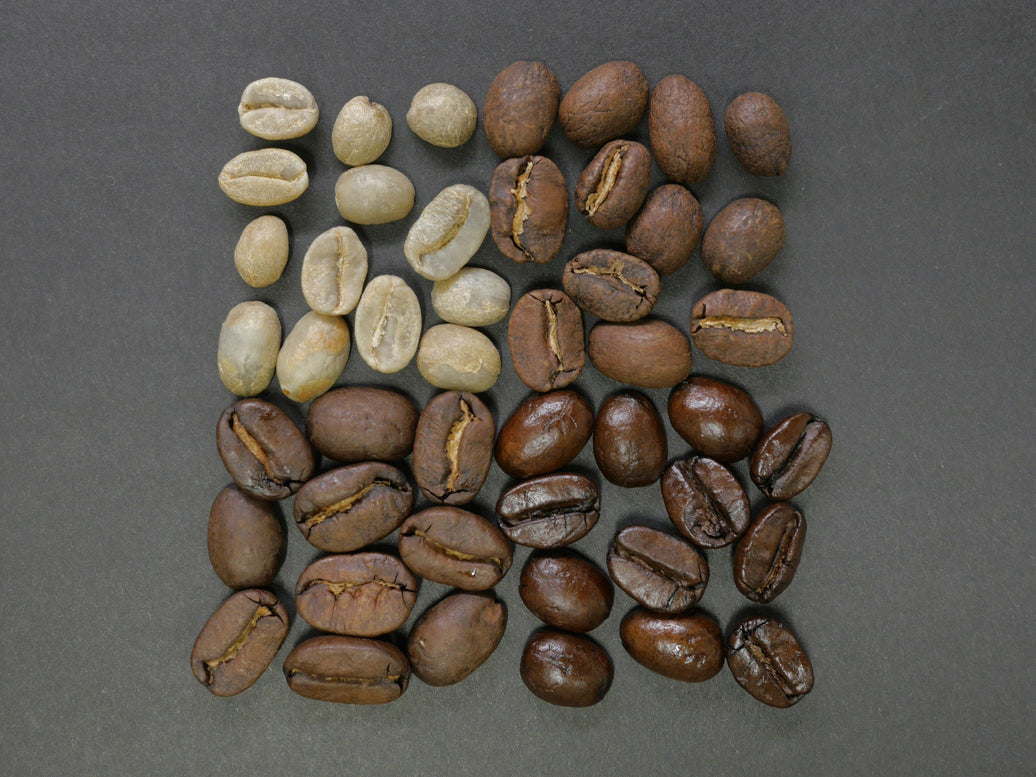
The coffee beans you choose have a major influence on your final cup. Roast level, origin, processing, and the characteristics of the beans can all contribute to flavor.
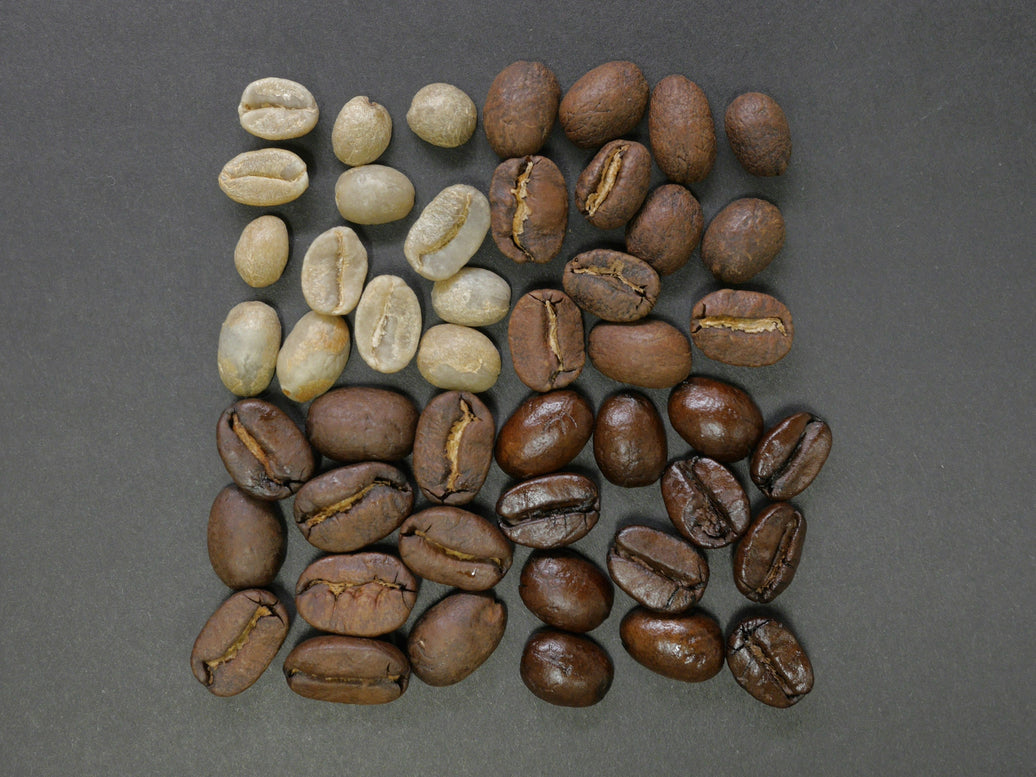
Here are some common roast profiles:
-
Light roast: Often features brighter, fruitier, or more delicate flavors.
-
Medium roast: Often offers a balanced profile with a combination of sweetness, aroma, and body.
-
Dark roast: Often has deeper roasted, smoky, or bittersweet notes.
These are general descriptions; actual flavors vary by coffee.
If you enjoy a darker roast, explore our guide to French roast coffee, including its flavor and brewing characteristics.
To find coffee for your own routine, browse the Arvea Coffee collection and choose an option that suits your preferred roast and brewing style.
Step 2: Measure Your Coffee and Water
One of the easiest ways to improve homemade coffee is to use a consistent coffee-to-water ratio.
For many standard brewing methods, 1 gram of coffee for every 15–17 grams of water is a useful starting range. A 1:16 ratio is a convenient place to begin.
| Water | Coffee at 1:16 |
|---|---|
| 6 oz (177 ml) | About 11 g |
| 8 oz (237 ml) | About 15 g |
| 10 oz (296 ml) | About 18–19 g |
| 12 oz (355 ml) | About 22 g |
| 16 oz (473 ml) | About 30 g |
For example, to brew approximately 12 fluid ounces of coffee, start with about 22 grams of whole beans and 355 grams of water.
Measure the beans before grinding. Using a scale is more reliable than counting beans or estimating by eye.
For more measurements in grams, milliliters, and tablespoons, see our detailed guide: How Much Coffee Should You Use Per Cup?.
Step 3: Grind Your Coffee Beans
Grind size affects how quickly water extracts flavor from coffee. The right setting depends on your brewing method.
| Brewing Method | Starting Grind Size |
|---|---|
| French press | Coarse |
| Drip coffee maker | Medium |
| Pour-over | Medium to medium-fine |
| AeroPress | Medium-fine to fine, depending on recipe |
| Espresso | Fine |
| Cold brew | Coarse for many long-steep recipes |
A grind that is too coarse may produce under-extracted, sour, or weak coffee. A grind that is too fine may slow water flow or contribute to harsh flavors, depending on the method.
For a visual reference, check our coffee grind size chart for coarse, medium, fine, and espresso.
Beginner tip: Start with the recommended grind for your brewing method. If the coffee tastes sour or underdeveloped, try a slightly finer grind. If it tastes harsh or overly bitter, try a slightly coarser grind or shorter brewing time.
Step 4: Choose Your Brewing Method
You can use whole bean coffee with several popular brewing methods. The key is to grind your beans immediately before preparing the drink.
Method 1: Drip Coffee Maker
A drip coffee maker is a convenient choice for everyday coffee.
-
Measure your whole beans.
-
Grind them to a medium consistency.
-
Add the grounds to a clean filter.
-
Fill the machine with the correct amount of water.
-
Start the brewing cycle.
-
Serve when brewing is complete.
Begin with a 1:16 coffee-to-water ratio and adjust according to taste.
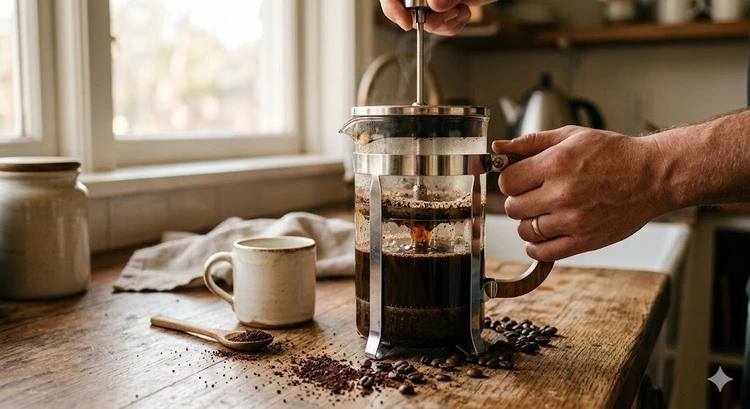
Method 2: French Press
French press coffee is known for its full-bodied texture.
-
Measure your beans and water.
-
Grind the beans coarsely.
-
Add the grounds to the French press.
-
Pour in hot water and ensure the grounds are wet.
-
Let the coffee steep for around four minutes as a starting point.
-
Press the plunger down slowly.
-
Pour the coffee into your cup rather than leaving it in contact with the grounds.
You can adjust the steeping time and grind size to find the flavor you prefer.
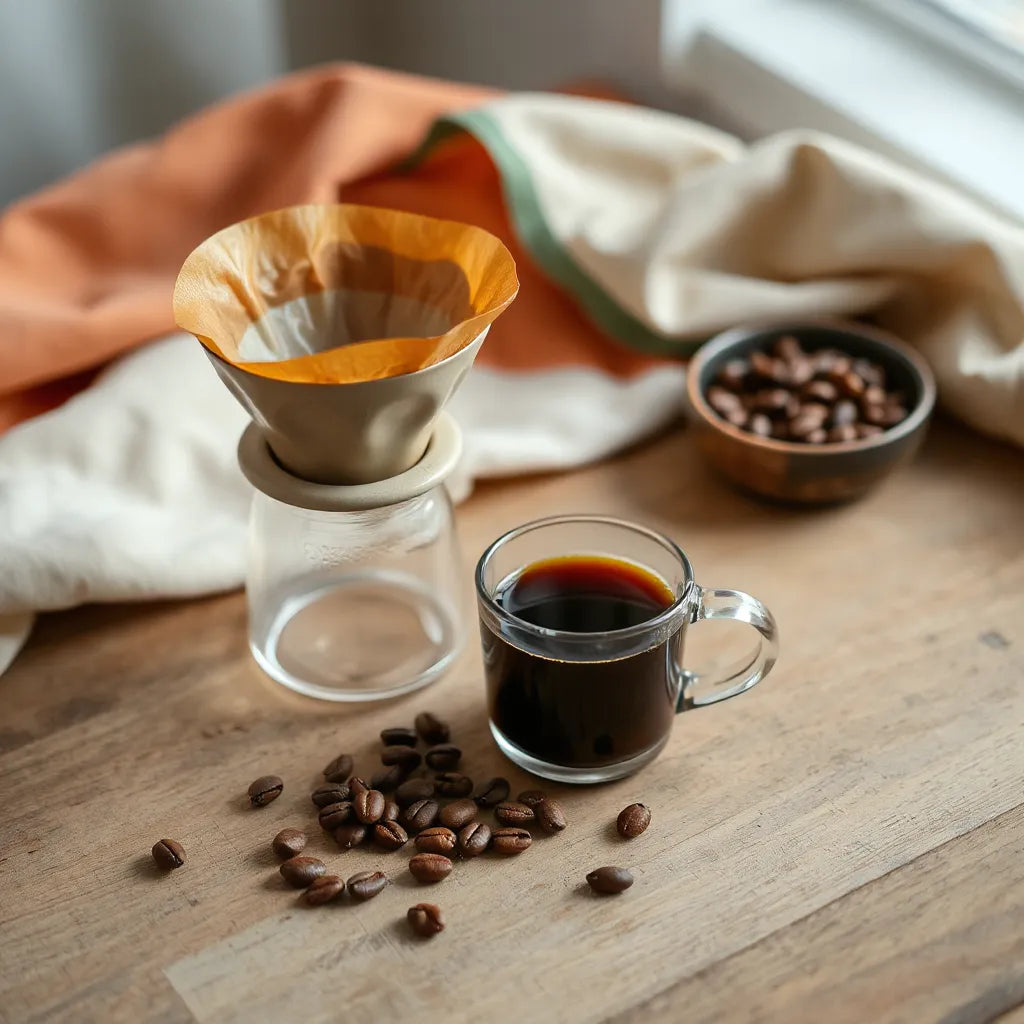
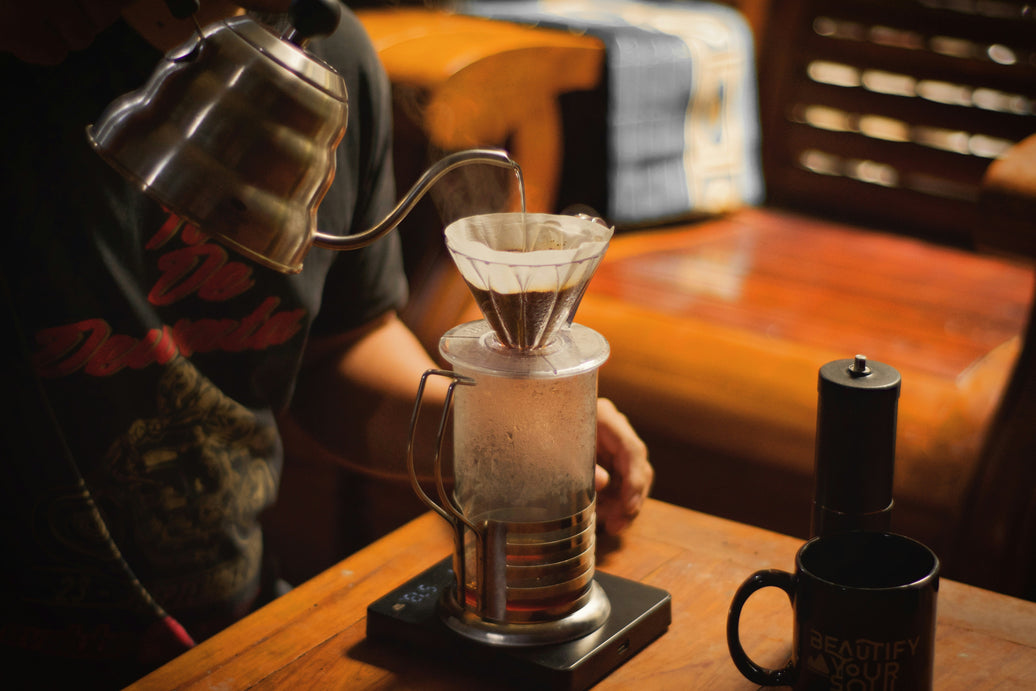
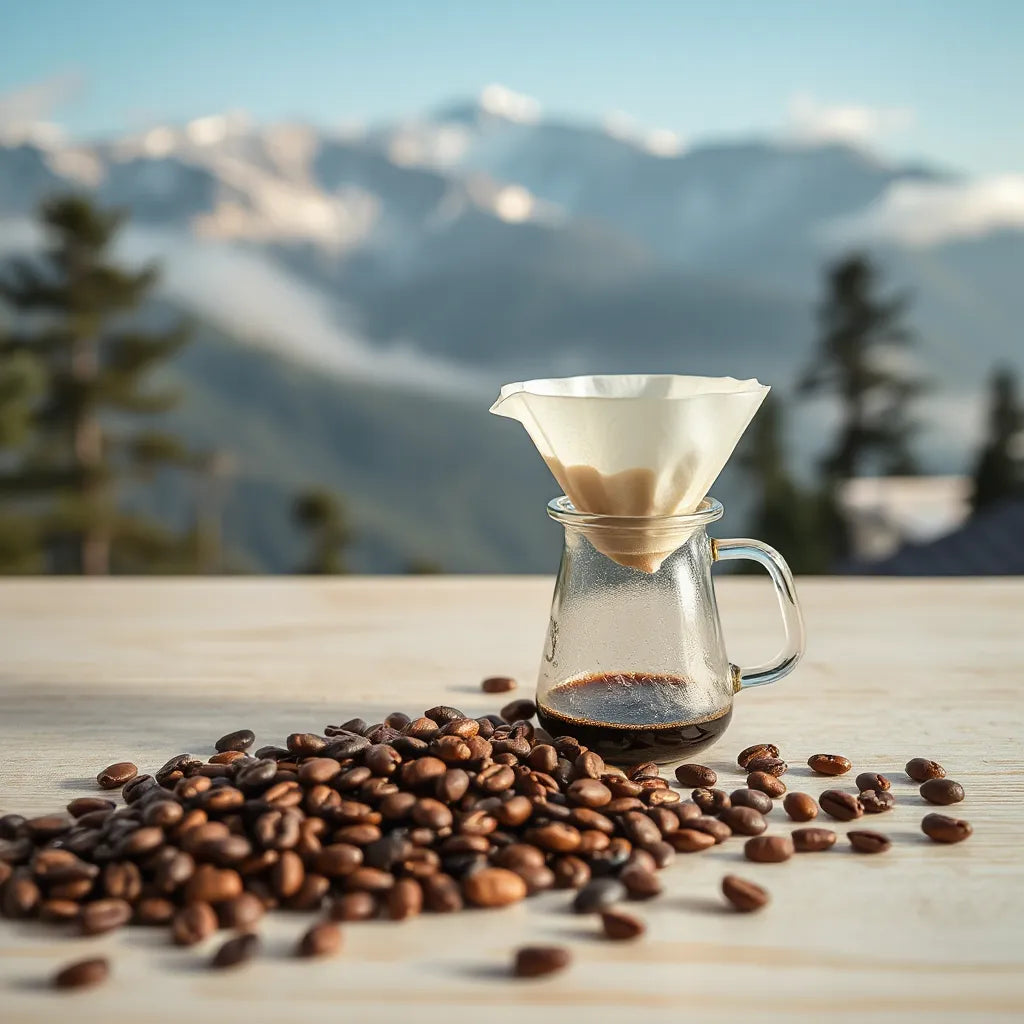
Method 3: Pour-Over
Pour-over brewing gives you control over the water flow and brewing process.
-
Place a filter in your brewer and rinse it if appropriate for the filter type.
-
Grind your beans to a medium or medium-fine consistency.
-
Add the coffee grounds.
-
Pour hot water slowly over the grounds, wetting them evenly.
-
Continue pouring in a steady, controlled manner.
-
Let the water drain through the coffee.
-
Serve once brewing is complete.
Use a scale to track the water you pour. Consistency makes it easier to improve your recipe over time.
Method 4: Espresso Machine
Espresso requires a finer grind and a machine that forces water through a compact bed of coffee.
-
Measure the beans for your basket.
-
Grind them finely.
-
Distribute the grounds evenly in the basket.
-
Tamp according to your equipment's instructions.
-
Brew using your machine's recommended procedure.
-
Adjust the grind and dose based on the flow and flavor.
Espresso recipes vary by machine, basket size, coffee, and personal preference. Follow your machine's instructions and use a consistent starting recipe.
Step 5: Use the Right Water Temperature
Water temperature affects extraction. For many hot-brewing methods, water around 195–205°F (90–96°C) is a useful general starting range.
You don't always need a thermometer. For manual brewing, bringing water to a boil and letting it rest briefly can be a practical approach, though the temperature will depend on the kettle and room conditions.
If your coffee tastes underdeveloped, check the temperature along with grind size and brewing time. If it tastes harsh, adjust the grind or brewing time before assuming the water temperature is the only problem.
Step 6: Taste and Adjust Your Coffee
Your first brew is a starting point, not a final verdict. Small adjustments can help you find your preferred flavor.
-
Too weak: Try using slightly more coffee or adjusting the grind for better extraction.
-
Too sour: Try a finer grind or a little more brewing time.
-
Too bitter or harsh: Try a coarser grind or shorter brewing time.
-
Too strong: Use a little less coffee relative to water.
-
Good balance: Record your measurements and repeat the same recipe.
Bitterness can also come from the coffee's roast profile and natural characteristics. If you prefer a smoother cup, read our guide to the best coffee for people who don't like bitter coffee.
Change one variable at a time so you can tell which adjustment makes the biggest difference.
How to Store Whole Bean Coffee
Proper storage helps protect coffee's aroma and flavor.
-
Keep beans in an airtight container.
-
Store them in a cool, dry place away from direct sunlight.
-
Avoid storing coffee near heat sources or moisture.
-
Grind only the amount you need for each brewing session.
-
Follow the package's storage guidance and use the coffee while it is fresh.
Avoid repeatedly exposing your beans to air, heat, or moisture. A simple airtight container in a cupboard is often sufficient for everyday home use.
Common Mistakes When Brewing Whole Bean Coffee
Grinding Too Far in Advance
Grinding beans long before brewing exposes more surface area to air. For better aroma, grind shortly before preparing your coffee.
Using the Wrong Grind Size
A grind suited to espresso may not work well in a French press. Match your grind to your equipment and adjust it based on flavor.
Guessing the Coffee-to-Water Ratio
Estimating can make one cup noticeably different from the next. Measuring with a scale helps you repeat your preferred recipe.
Using Dirty Equipment
Old coffee residue can affect the aroma and flavor of a fresh brew. Clean your grinder and brewing equipment regularly according to the manufacturer's instructions.
Changing Too Many Things at Once
If you change the grind, coffee amount, water temperature, and brewing time simultaneously, it becomes difficult to identify what helped. Adjust one factor at a time.
Frequently Asked Questions
Can you brew coffee directly from whole beans?
Whole beans generally need to be ground before brewing in standard coffee makers. Grinding helps expose the coffee's surface to water so flavor can be extracted efficiently.
Is freshly ground coffee better than pre-ground coffee?
Grinding shortly before brewing can preserve more aroma because the beans are exposed to less air before use. However, properly stored pre-ground coffee can still make an enjoyable cup.
How many whole beans do I need for one cup?
The number of beans varies with bean size and density. Measuring by weight is more reliable. For an 8-ounce cup, about 13–16 grams of beans is a useful starting range, depending on your preferred ratio.
What is the best grind size for whole bean coffee?
There is no single best grind size for all whole bean coffee. Use coarse grounds for French press, medium grounds for many drip machines, and fine grounds for espresso.
How long should I brew whole bean coffee?
Brewing time depends on the method. French press often starts around four minutes, while drip, pour-over, espresso, and cold brew follow different recipes. Use the recommended timing for your equipment and adjust according to taste.
Why does my freshly brewed coffee taste bitter?
Bitterness can come from roast level, over-extraction, grind size, brewing time, or other factors. Try a slightly coarser grind or shorter brewing time and see whether the taste improves.
Final Thoughts
Brewing coffee with whole beans is an easy way to take more control over your daily coffee routine. Choose beans you enjoy, grind them to suit your brewing method, measure your coffee and water, and adjust gradually until you find your ideal cup.
You don't need a complicated setup to get started. A grinder, fresh whole beans, clean water, and a consistent recipe can make home brewing more enjoyable.
Explore the Arvea Coffee collection to find coffee for your next brew, and enjoy creating a coffee ritual that fits your taste.





















Leave a comment