

How to Choose the Best Coffee Beans for Your Taste
Choosing coffee beans should be exciting, but with so many roasts, blends, origins, and flavor descriptions available, finding the right coffee can feel overwhelming.
Should you choose light roast or dark roast? Whole beans or ground coffee? A single-origin coffee or a blend? And what do descriptions like chocolatey, fruity, nutty, and smooth actually mean?
The good news is that you do not need to be a coffee expert to find a cup you love. You simply need to understand a few basics about flavor, roasting, freshness, and brewing.
In this guide, we will explain how to choose the best coffee beans for your taste, whether you are buying your first bag or looking for a new favorite for your daily routine.
1. Start With the Flavors You Enjoy
The easiest way to choose coffee is to think about the flavors you already like.
Coffee can have many different flavor characteristics depending on the beans, growing conditions, processing, roasting, and brewing method. These characteristics are often described using familiar foods and aromas.
Here are a few common flavor profiles:
-
Chocolatey: Often associated with cocoa, dark chocolate, or a rich roasted flavor.
-
Nutty: May remind you of almonds, hazelnuts, or roasted nuts.
-
Caramel-like: Can have a sweet aroma reminiscent of caramel or brown sugar.
-
Fruity: May include berry, citrus, or stone-fruit impressions.
-
Floral: Can have delicate aromas resembling flowers or tea.
-
Smoky and roasted: Often associated with darker roast styles.
Keep in mind that tasting notes describe perceived flavors and aromas. A coffee described as chocolatey does not necessarily contain chocolate, and a fruity coffee does not necessarily have fruit added.
If you enjoy chocolate and nuts, start by exploring balanced blends or coffees described with those notes. If you prefer brighter, fruitier flavors, consider exploring lighter roasts and different single-origin coffees.
Your personal preference is the most useful starting point.
2. Understand Light, Medium, and Dark Roast
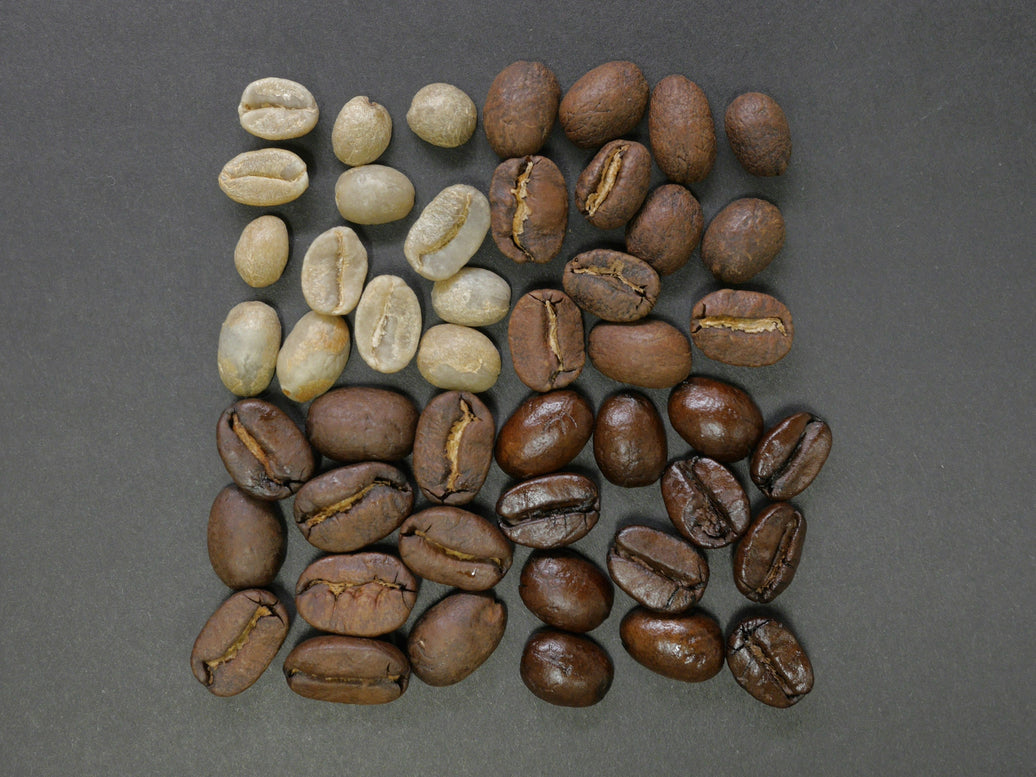
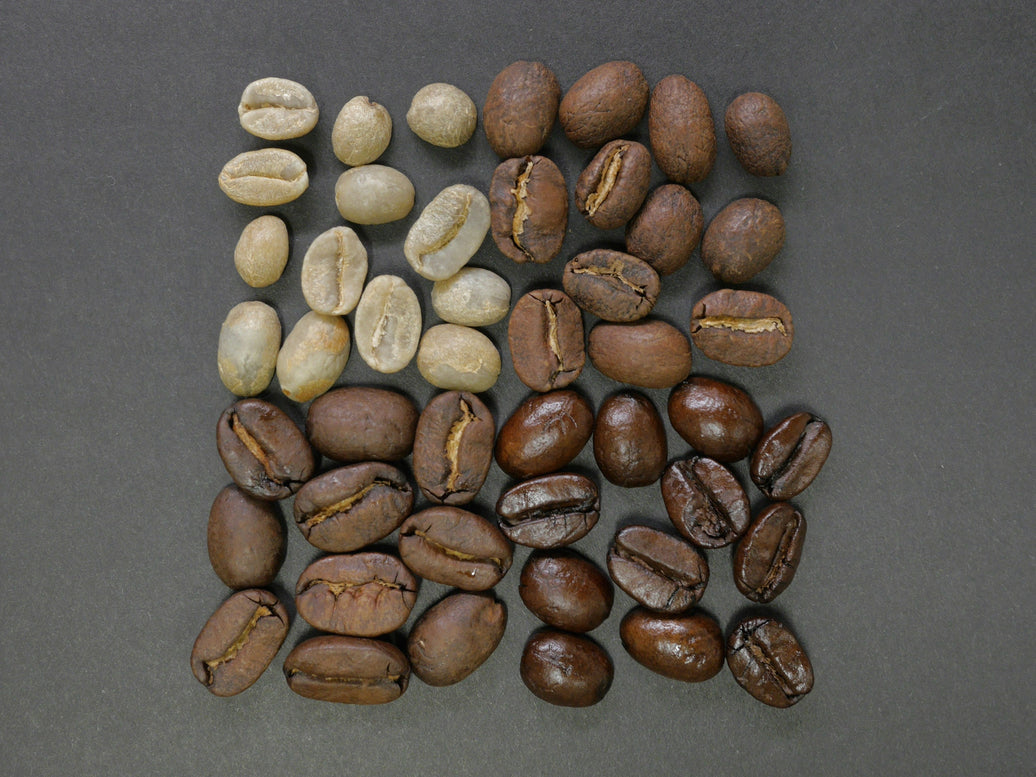
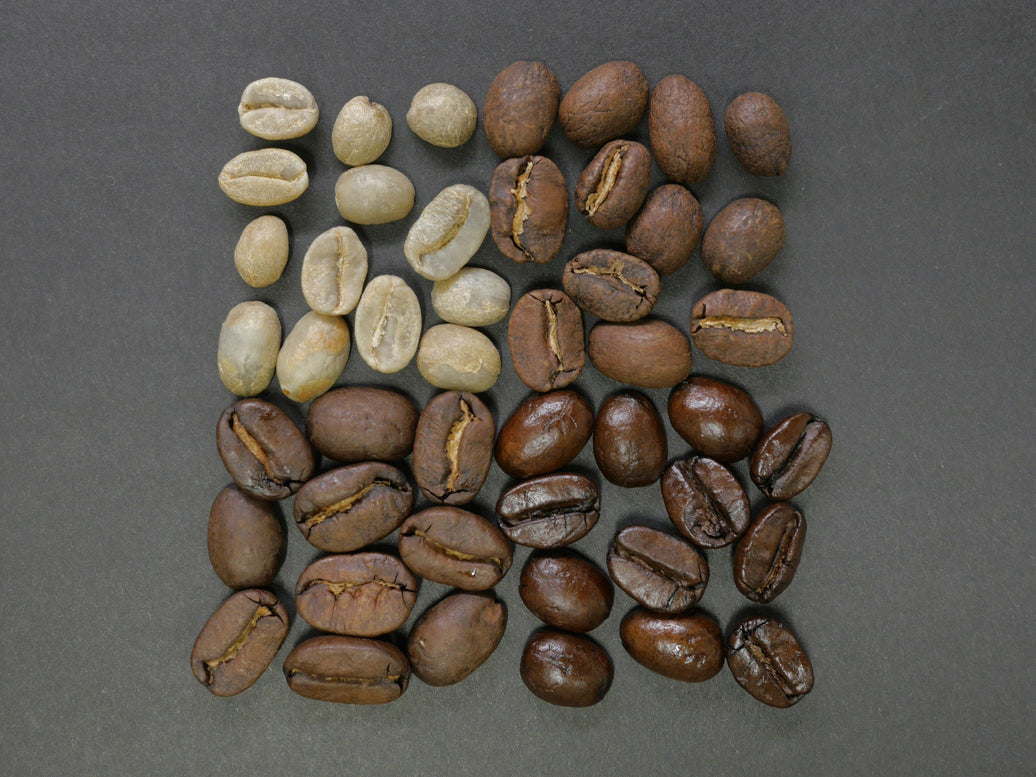
Roast level is one of the most recognizable differences between coffees. During roasting, green coffee beans undergo chemical and physical changes that influence their aroma, flavor, color, and texture.
Light Roast
Light-roasted coffee often preserves more of the bean's distinctive origin character. Depending on the coffee, you may notice bright acidity, delicate aromas, or fruity and floral notes.
Consider light roast if you enjoy exploring distinctive flavors and lighter-bodied cups.
Medium Roast
Medium roasts often offer a balanced combination of sweetness, aroma, acidity, and body. Depending on the beans, flavors may remind you of chocolate, caramel, or nuts.
Consider medium roast if you enjoy versatile everyday coffee and balanced flavor profiles.
Dark Roast
Darker roasts tend to emphasize roasted, bittersweet, smoky, and sometimes earthy flavors. They can have a fuller-feeling body and a more pronounced roast character.
Consider dark roast if you enjoy bold roasted flavors, espresso, or coffee served with milk.
There is no universally superior roast level. The best one is the roast that matches the taste you want in your cup.
3. Choose Between Whole Bean and Ground Coffee
Another important decision is whether to buy whole bean or pre-ground coffee.
Whole Bean Coffee
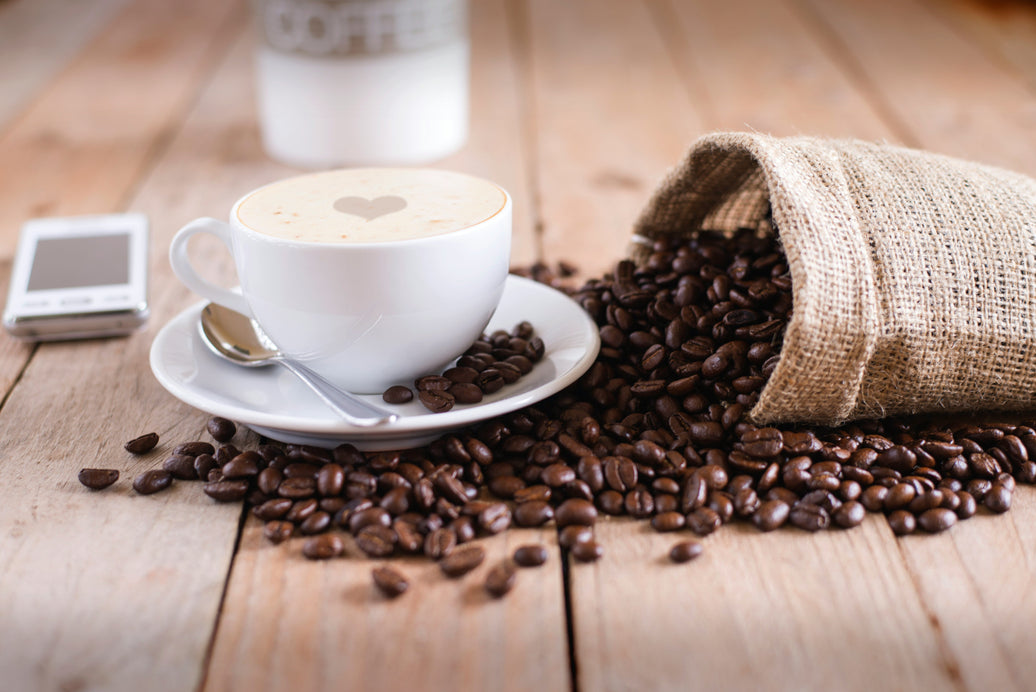
Whole beans generally retain their aroma better than ground coffee because less of the coffee is exposed to air before brewing.
Grinding your beans immediately before preparing coffee can help preserve more of their aromatic character. You can also adjust the grind to suit your brewing method.
Whole beans are a good choice if you own a grinder and enjoy experimenting with your coffee.
Ground Coffee
Ground coffee offers convenience. You can prepare your drink without buying a grinder or spending time grinding beans each morning.
The key is to choose a grind that suits your brewer and store the coffee properly after opening.
Which should you choose?
Choose whole beans if you want more control over freshness and grind size. Choose ground coffee if convenience is your priority. Both can produce an enjoyable cup when the coffee is suitable for your brewing method and stored well.
4. Match the Coffee Grind to Your Brewing Method
Even coffee you love can taste disappointing when the grind is unsuitable for your brewer.
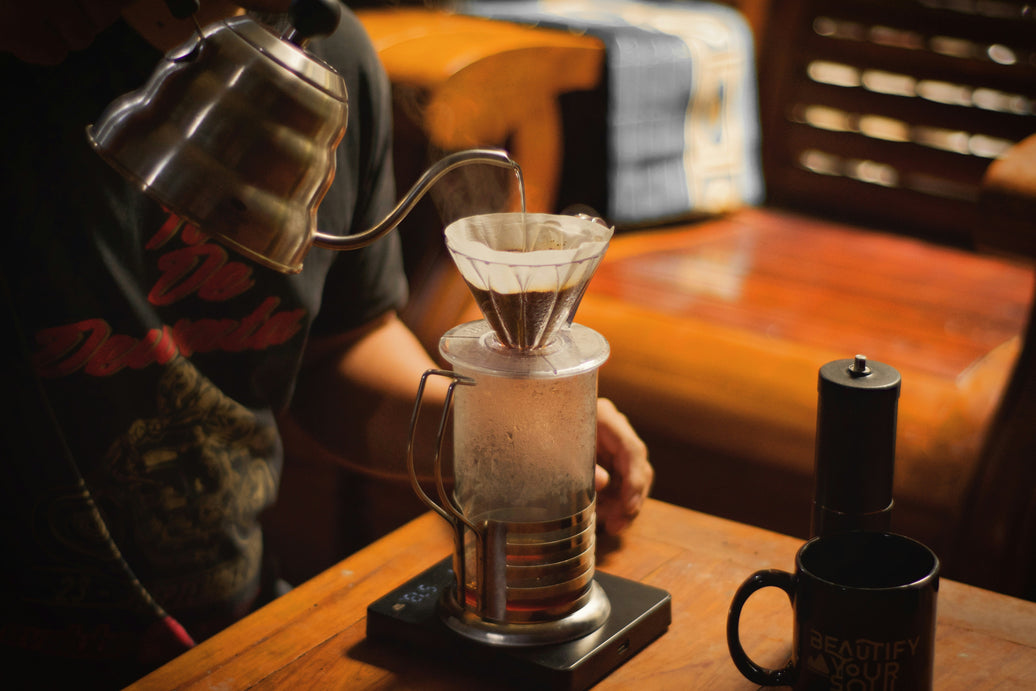
The grind affects how quickly water extracts flavor from the coffee. A grind that is too fine or too coarse for a particular method can make it harder to achieve a balanced result.
| Brewing method | Typical grind |
|---|---|
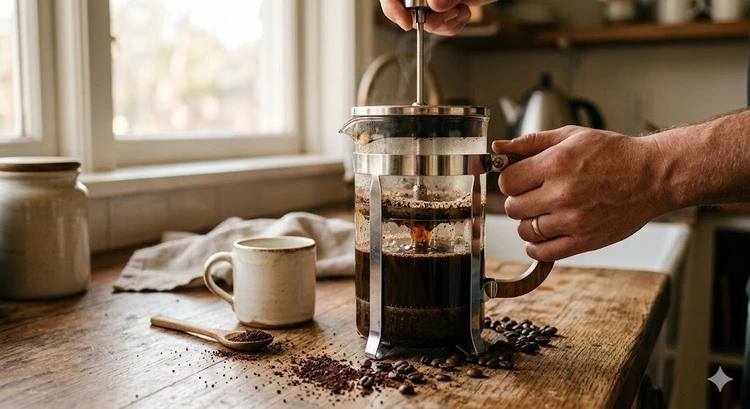
| French press | Coarse |
| Cold brew | Coarse |
| Pour-over | Medium to medium-fine, depending on the brewer |
| Drip coffee machine | Medium |
| Espresso machine | Fine |
These are starting points rather than strict rules. Your equipment, recipe, and personal taste may require adjustments.
For example, if your French press coffee tastes excessively bitter, try a slightly coarser grind or a shorter brewing time. If your espresso tastes sour or underdeveloped, you may need to adjust the grind finer, along with other brewing variables.
If you buy pre-ground coffee, check whether the grind is appropriate for your equipment.
5. Consider Coffee Origin and Flavor
Where coffee grows can influence its flavor. Climate, elevation, soil, coffee variety, processing, and roasting all contribute to the final cup.
Coffee from different regions can have distinctive characteristics, but origin alone does not guarantee a particular taste.
As a broad starting point:
-
African coffees: Some coffees from Ethiopia and Kenya are known for bright, fruity, or floral profiles.
-
Central American coffees: Depending on origin and processing, these can offer balanced flavors, sweetness, and nutty or chocolate-like notes.
-
South American coffees: Some coffees from Brazil and Colombia are known for chocolatey, nutty, caramel-like, or balanced profiles.
-
Asian coffees: Some coffees from Indonesia and other Asian growing regions offer earthy, spicy, herbal, or full-bodied characteristics.
These are general patterns, not rules. Two coffees from the same country can taste very different.
If you already know which flavors you enjoy, use tasting notes and origin information to narrow your options. If you are new to coffee, try a few different styles and compare them.
6. Decide Between Single-Origin Coffee and Blends
You may see the terms single-origin and blend on coffee packaging. Both can be excellent choices, but they serve different purposes.
Single-origin coffee comes from a specified geographic source, which may be a country, region, farm, or other defined production area. It can be an interesting choice if you want to explore how origin influences flavor.
Coffee blends combine coffees from multiple sources to create a particular flavor profile. Roasters may blend coffees to achieve a consistent taste, balance different characteristics, or create a profile suited to a specific brewing style.
Consider single-origin coffee if you enjoy discovering distinctive regional characteristics. Consider blends if you want a familiar flavor profile that suits your everyday routine.
Neither option is automatically better. Quality, freshness, roasting, and your personal taste matter more than the label alone.
7. Check Freshness Before Buying Coffee Beans
Coffee beans gradually lose aromatic qualities after roasting. Storage conditions and exposure to oxygen, heat, light, and moisture influence how quickly flavor changes.
When shopping for coffee, consider the following:
-
Look for a roast date: When available, it gives you more information than a best-by date alone.
-
Buy an amount you can use comfortably: A bag that sits open for months may lose aroma before you finish it.
-
Check the packaging: Resealable packaging or a suitable airtight container can help protect opened coffee.
-
Store coffee away from heat and sunlight: A cool, dry, dark place is generally a sensible choice.
-
Grind just before brewing when practical: This helps preserve more aroma than grinding far ahead of time.
Freshness does not mean coffee must be consumed immediately after roasting. Some coffees benefit from a resting period after roasting, especially before espresso preparation. The ideal timing depends on the coffee and brewing method.
8. Choose Coffee Based on How You Drink It
The coffee you enjoy black may not be the same one you prefer in a latte or cold brew.
| Your preference | What to explore |
|---|---|
| Coffee without milk or sugar | Try different roast levels and flavor profiles to find one you enjoy on its own |
| Coffee with milk or cream | Explore medium or darker roasts and blends that retain their character when diluted |
| Espresso | Look for coffee suited to espresso and experiment with grind and extraction |
| French press | Choose beans you enjoy in a fuller-bodied cup and use a coarse grind |
| Cold brew | Experiment with different coffees using a coarse grind and your preferred steeping recipe |
| Quick daily coffee | Choose a convenient format and flavor profile you enjoy consistently |
These suggestions are starting points. You can successfully brew many different coffees using the same method, provided you adjust the recipe as needed.
9. Do Not Choose Coffee Based on Strength Alone
The word strong can mean different things to different people.
Some coffee drinkers use it to describe a bold, dark-roasted flavor. Others mean a concentrated drink or a high caffeine content.
These are not the same thing.
-
Roast level influences flavor, aroma, and color.
-
Concentration describes how much dissolved coffee is present in your drink relative to water.
-
Caffeine content depends on several factors, including the beans, serving size, and brewing method.
A dark roast is not automatically higher in caffeine than a light roast. Likewise, a bitter coffee is not necessarily more caffeinated.
When choosing coffee, focus on the flavor and drinking experience you prefer. If caffeine is important to you, consider serving size and preparation rather than relying on roast color alone.
10. How to Find Your Favorite Coffee Without Guessing
If you are unsure where to begin, use a simple comparison method.
-
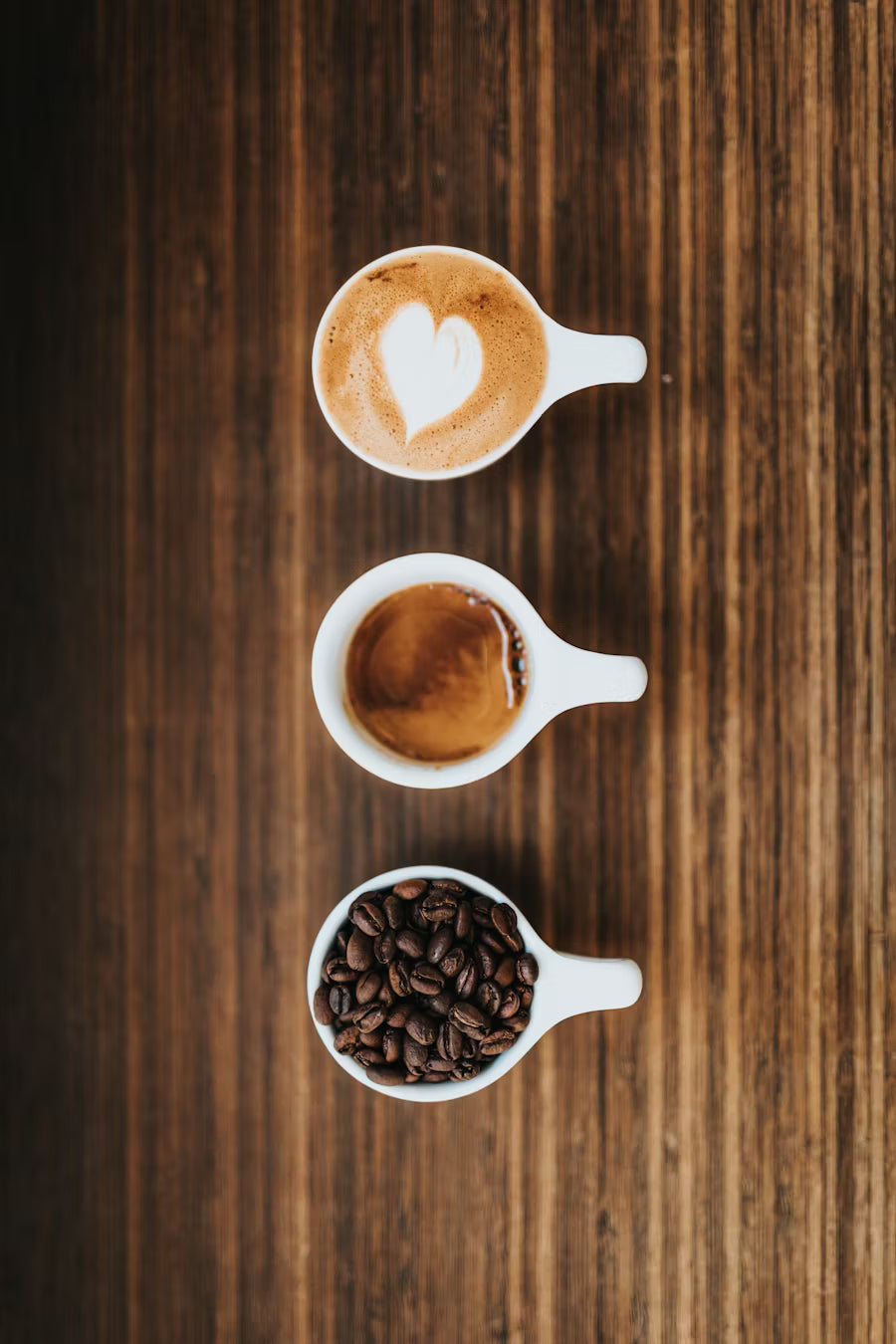
Choose two or three coffees with different roast levels or flavor descriptions.
-
Brew them using similar ratios and comparable methods where possible.
-
Taste each one without changing too many variables.
-
Write down which flavors you notice and which cup you prefer.
-
Repeat with another set when you are ready to explore.
You do not need professional tasting skills. Simple notes such as “too bitter,” “smooth,” “more chocolatey,” or “I prefer this with milk” are enough to help you understand your preferences.
If you enjoy trying different coffees, sample packs can be a practical way to explore several styles before committing to a larger bag.
11. Explore Your Coffee Preferences With Arvea Coffee
Finding the right coffee should be a personal experience. Some people prefer a lighter roast, others enjoy bold roasted flavors, and many like to keep an everyday blend on hand.
At Arvea Coffee, you can explore different coffee styles and choose an option that suits your taste and routine.
Here are a few options to consider:
-
Arvea Blonde Coffee: An option to explore if you enjoy a lighter roast profile. Check the available grind options to match your brewing equipment.
-
Arvea Breakfast Blend: Worth considering for a familiar coffee to enjoy as part of your morning routine.
-
Arvea House Blend: An option to explore if you want an everyday coffee.
-
Arvea French Roast: Consider this style if you enjoy a deeper, more intensely roasted flavor.
-
Arvea Italian Roast: Another option for those who prefer an intense roasted profile.
-
Arvea Vanilla Hazelnut Coffee: A flavored choice if you enjoy a different aroma and taste experience.
-
Arvea Single Origin Favorites Sample Pack: Explore this option if you want to compare different single-origin selections.
Availability, grind options, and package sizes can vary by product, so check the individual product pages before ordering.
Explore the available selection at Arvea Coffee and discover which style best suits your preferences.
Frequently Asked Questions
1. What are the best coffee beans for beginners?
A balanced medium-roast coffee can be a useful starting point because it offers a middle ground between brighter flavors and darker roasted notes. However, beginners who already enjoy bold or fruity flavors can start there instead.
2. Are whole coffee beans better than ground coffee?
Whole beans generally preserve aroma better before brewing and allow you to choose the grind size. Ground coffee offers convenience and can still make a great cup when stored properly.
3. Which coffee roast has the strongest flavor?
Dark roasts often have more pronounced smoky, roasted, or bittersweet flavors. However, perceived strength also depends on the coffee-to-water ratio, brewing method, and personal taste.
4. Does dark roast contain more caffeine?
Not necessarily. Caffeine content depends on the beans, serving size, and brewing method. Roast level alone is not a reliable way to determine how much caffeine is in your cup.
5. How can I tell if coffee beans are fresh?
Look for a roast date when available, check that the packaging is intact, and store opened coffee in an airtight container away from heat, moisture, and sunlight.
6. Should I buy single-origin coffee or a blend?
Choose single-origin coffee if you want to explore the characteristics of a particular source. Choose a blend if you prefer a flavor profile developed by combining coffees from different sources.
7. What grind should I use for my coffee maker?
French press and cold brew generally use coarse grounds, drip machines often use medium grounds, and espresso machines typically require fine grounds. Follow your brewer's instructions and adjust to taste.
8. Where can I find coffee that matches my taste?
Explore different roast levels, flavor descriptions, and coffee formats. You can browse the available selections at Arvea Coffee to find options that fit your routine.
Final Thoughts
Choosing the best coffee beans does not have to be complicated. Start with the flavors you enjoy, select a roast that appeals to you, match the grind to your brewing method, and pay attention to freshness.
You do not need the most expensive beans or the most complicated equipment to enjoy a satisfying cup. You need coffee that matches your taste and a brewing method that works for you.
Explore different styles, keep notes on what you like, and let your preferences guide your next purchase.
Ready to explore your next favorite coffee? Visit Arvea Coffee and find a coffee style that fits your day.



















Leave a comment