

What Is French Roast Coffee? Flavor, Roast Level & Brewing Guide
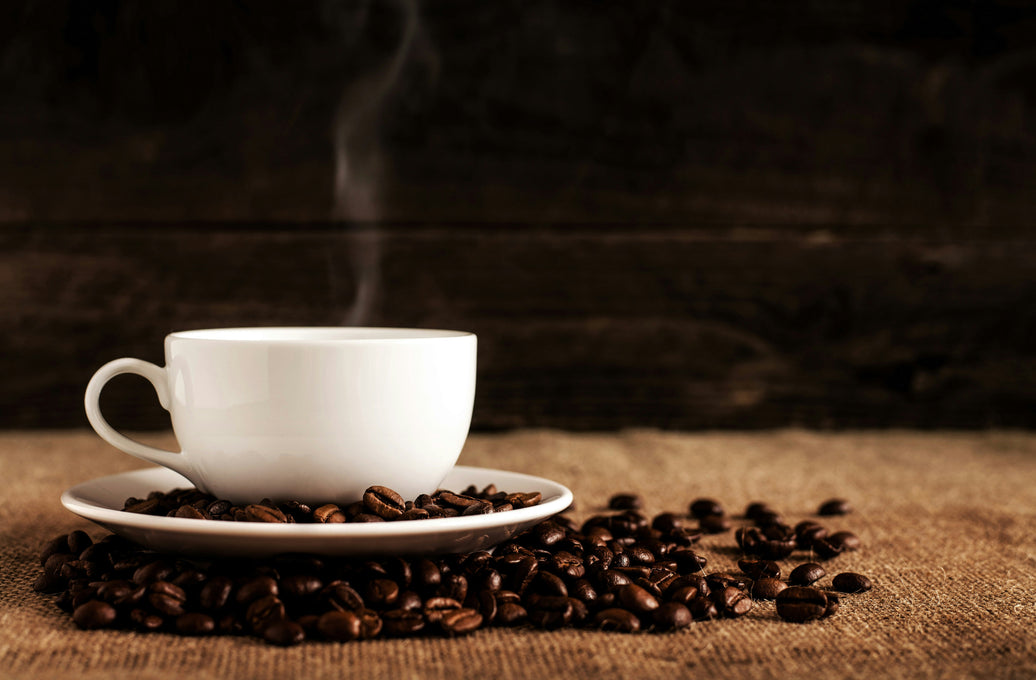
French roast coffee is a popular dark roast known for its bold roasted flavor, deep color, and distinctive aroma. If you enjoy a rich cup of coffee with smoky notes and a full-bodied character, French roast may be worth exploring.
But what exactly makes French roast different from other coffee roasts? Does it contain more caffeine? Is it more bitter? And what is the best way to brew it at home?
In this guide, Arvea Coffee explores French roast coffee, its flavor profile, how it compares with light and medium roasts, and how to brew a satisfying cup.
What Is French Roast Coffee?
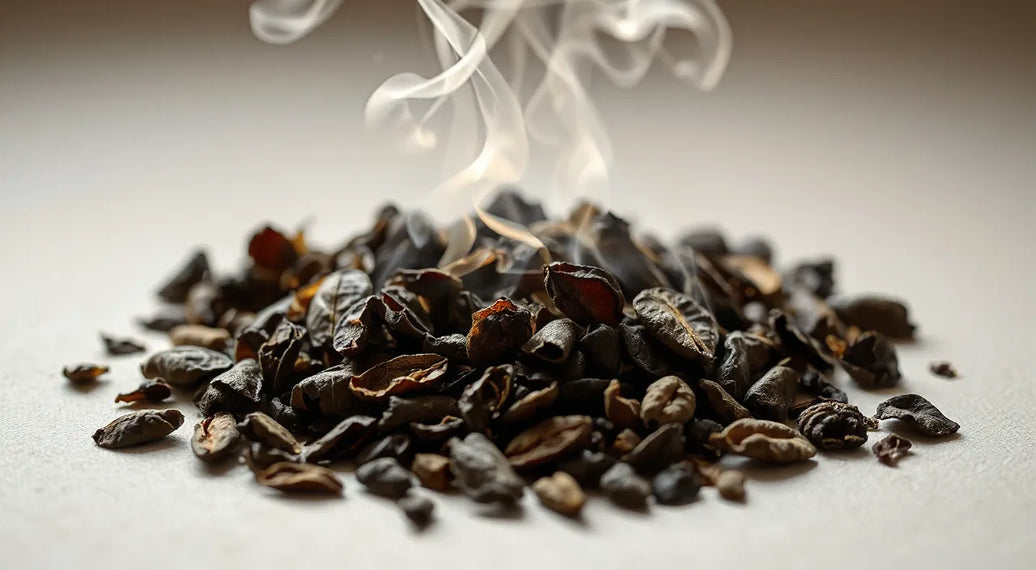
French roast coffee is a dark-roasted coffee. The beans are roasted until they develop a deep brown color, often with a shiny surface caused by oils coming to the surface during roasting.
The longer roasting process creates flavors associated with dark-roasted coffee, including toasted, smoky, and bittersweet notes. The original characteristics of the beans may become less prominent as the roast flavor becomes more pronounced.
French roast describes a roast style, not a specific country of origin or coffee bean variety. Coffee from different origins can be roasted to a French roast level, and the final taste will vary depending on the beans and roasting process.
What Does French Roast Coffee Taste Like?
French roast coffee is often described as bold, smoky, and intensely roasted. Depending on the beans and roasting technique, you may notice flavors such as:
-
Roasted notes: Deep flavors similar to toasted nuts or dark toast.
-
Smoky character: A pronounced roasted aroma.
-
Bittersweet flavor: A combination of roast-driven bitterness and lingering sweetness.
-
Full-bodied feel: A substantial mouthfeel, depending on the beans and brewing method.
-
Lower perceived acidity: Darker roasts often taste less bright or sharp than lighter roasts.
Not every French roast tastes exactly the same. The coffee's origin, processing, freshness, and brewing method all influence the final cup.
If you prefer a smoother, less bitter experience, explore our guide to the best coffee for people who don't like bitter coffee. It covers coffee choices and brewing adjustments that may help you find a flavor you enjoy.
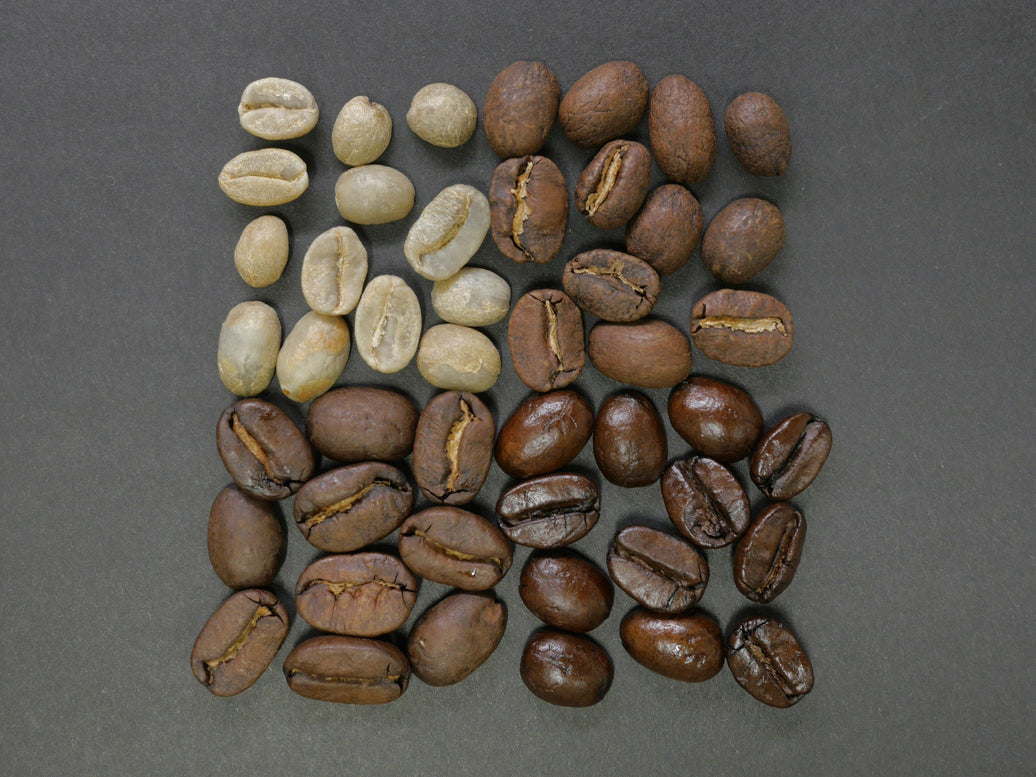
French Roast vs. Light Roast vs. Medium Roast
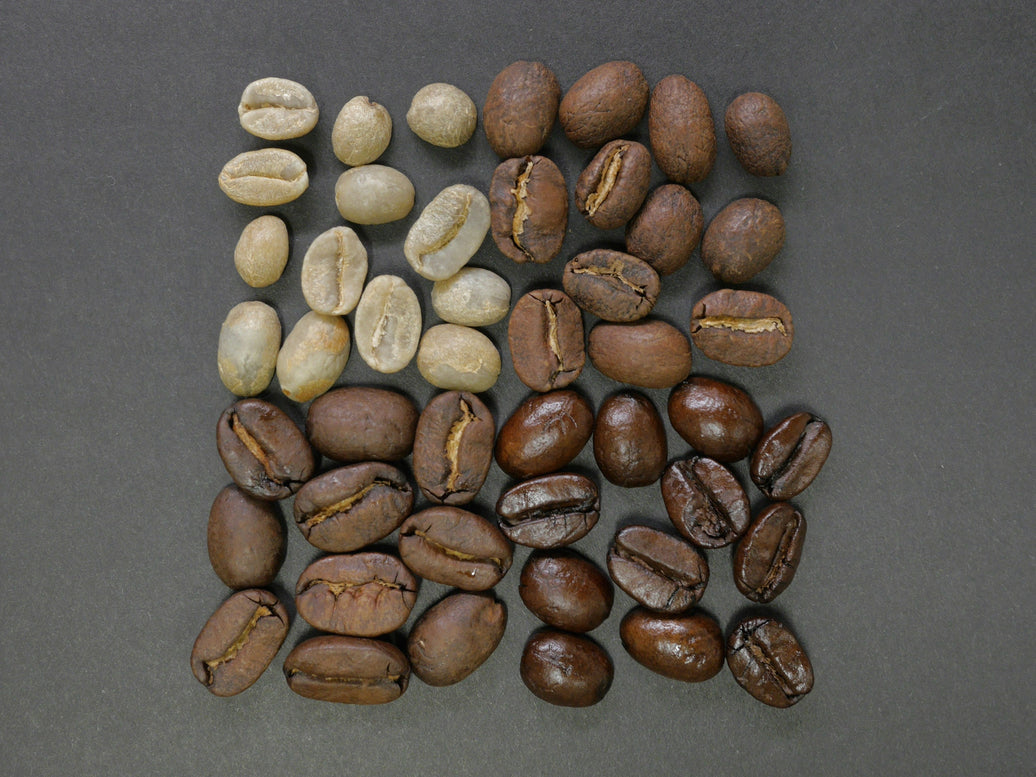
The main difference between these roast styles is how long and how intensely the coffee beans are roasted.
| Feature | Light Roast | Medium Roast | French Roast |
|---|---|---|---|
| Bean color | Light brown | Medium brown | Dark brown |
| Typical flavor | Bright, delicate, sometimes fruity | Balanced, often sweet and rounded | Bold, smoky, deeply roasted |
| Perceived acidity | Often brighter | Often moderate | Often lower |
| Roast character | Less pronounced | Balanced | Strongly pronounced |
| Best for | People who enjoy delicate flavors | Everyday versatility | People who enjoy dark, roasted flavors |
These are general tendencies, not absolute rules. Bean origin and roasting technique can create exceptions.
A light roast may highlight more of the coffee's origin characteristics, while a French roast often emphasizes the flavors developed during roasting.
Does French Roast Coffee Have More Caffeine?
Not necessarily. Roast level alone does not reliably determine how much caffeine ends up in your cup.
Roasting changes the beans' mass and density. As a result, a scoop of dark-roasted beans may contain a different amount of coffee by weight than the same scoop of lighter-roasted beans.
For a more consistent comparison, measure coffee by weight rather than volume. The final caffeine content also depends on the beans, serving size, and brewing method.
French roast should therefore be chosen primarily for its flavor profile rather than an assumption that it contains more caffeine.
Is French Roast Coffee Bitter?
French roast can taste more bitter or intensely roasted than lighter coffee, but bitterness is not the same as quality. Some people enjoy the bold, bittersweet taste of dark roasts, while others prefer a gentler flavor.
The brewing process can also affect bitterness. Coffee that is over-extracted may taste harsh, even when the beans themselves are well suited to your preferences.
To make French roast taste more balanced:
-
Start with a grind size suited to your brewing method.
-
Measure your coffee and water consistently.
-
Avoid unnecessarily long brewing times.
-
Adjust the grind slightly coarser if your brew tastes harsh.
-
Try changing one variable at a time.
Your coffee-to-water ratio matters, too. Read our guide to how much coffee to use per cup for practical measurements and brewing ratios.
What Is the Best Way to Brew French Roast Coffee?
French roast can be brewed using several methods. Your choice depends on whether you prefer a clean cup, a full-bodied texture, or a concentrated drink.
1. Drip Coffee Maker
A drip coffee maker is a simple option for everyday French roast.
-
Use a medium grind as your starting point.
-
Begin with a coffee-to-water ratio around 1:16.
-
Follow your machine's instructions.
-
Adjust the ratio and grind according to taste.
For example, try 20 grams of coffee with 320 grams of water, then adjust to suit your preferences.
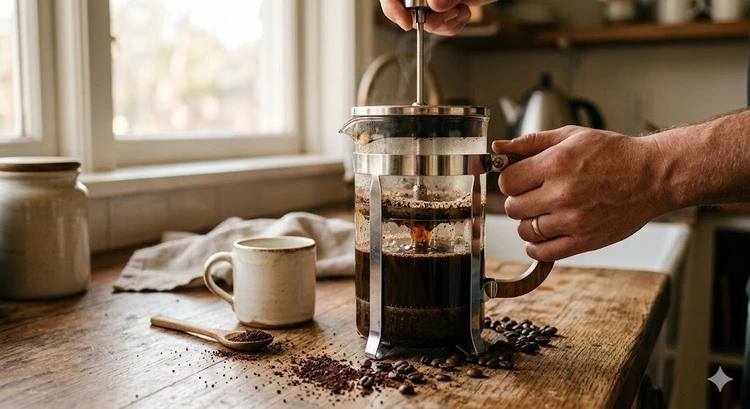
2. French Press
French press brewing can highlight the body and roasted character of dark coffee.
-
Start with coarse grounds.
-
Try a ratio between 1:15 and 1:17.
-
Steep for around four minutes as a starting point.
-
Press slowly and pour the coffee into your cup when ready.
Avoid leaving brewed coffee sitting on the grounds for an extended period, as the flavor can continue to change.
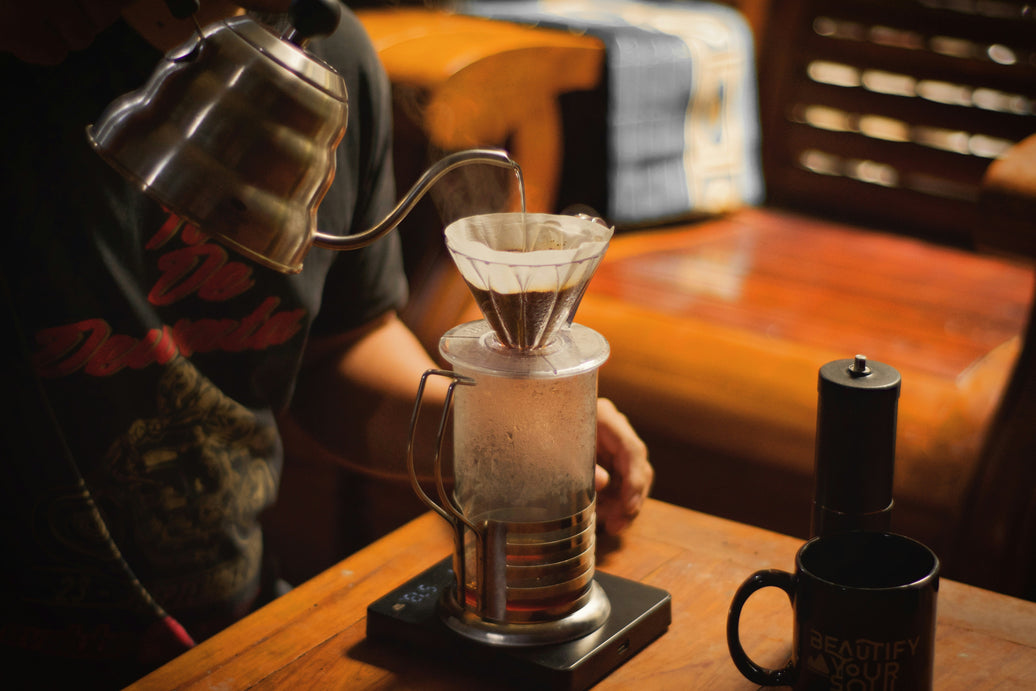
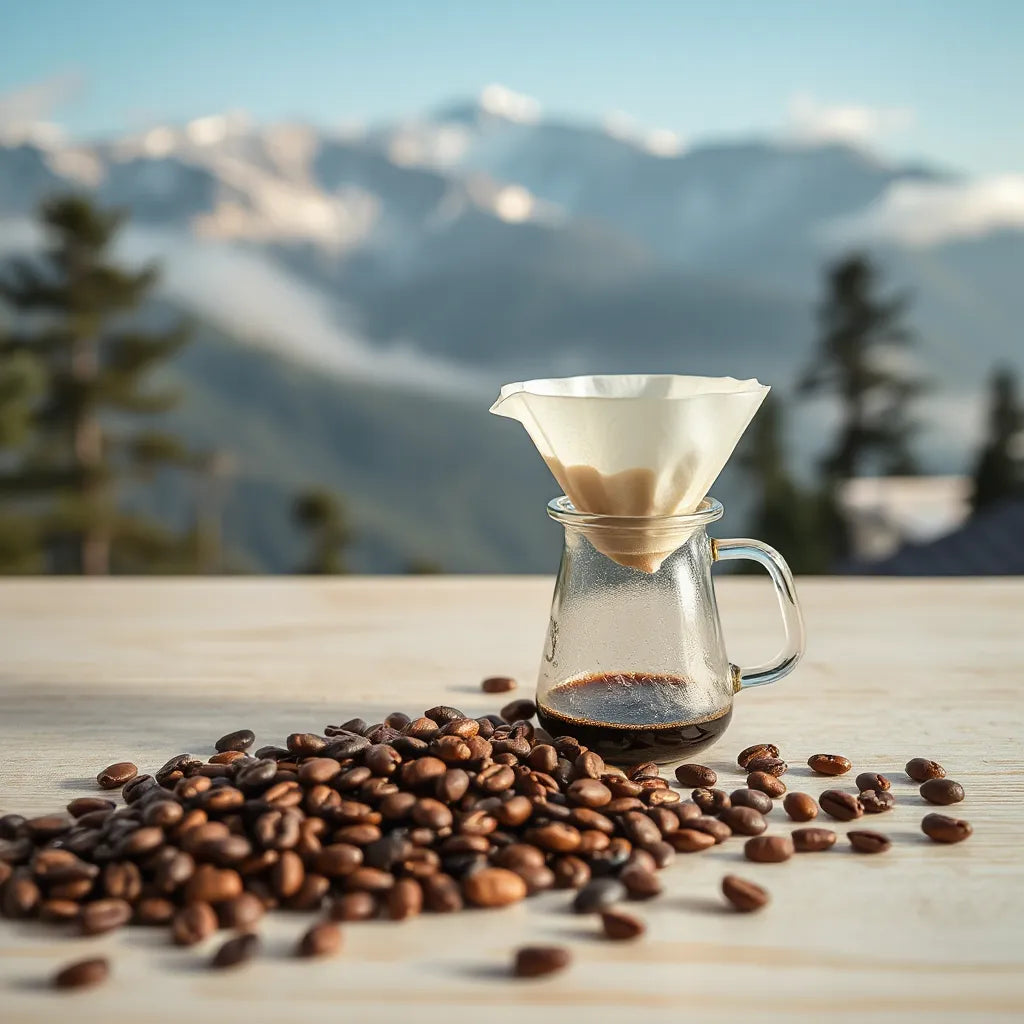
3. Pour-Over
Pour-over brewing offers control over water flow and extraction.
-
Start with a medium or medium-fine grind, depending on your brewer.
-
Wet the grounds evenly.
-
Pour water steadily.
-
Adjust the grind or brewing time if the coffee tastes weak or harsh.
For more detail about choosing the correct grind, see our coffee grind size chart: coarse, medium, fine, and espresso.
4. Espresso
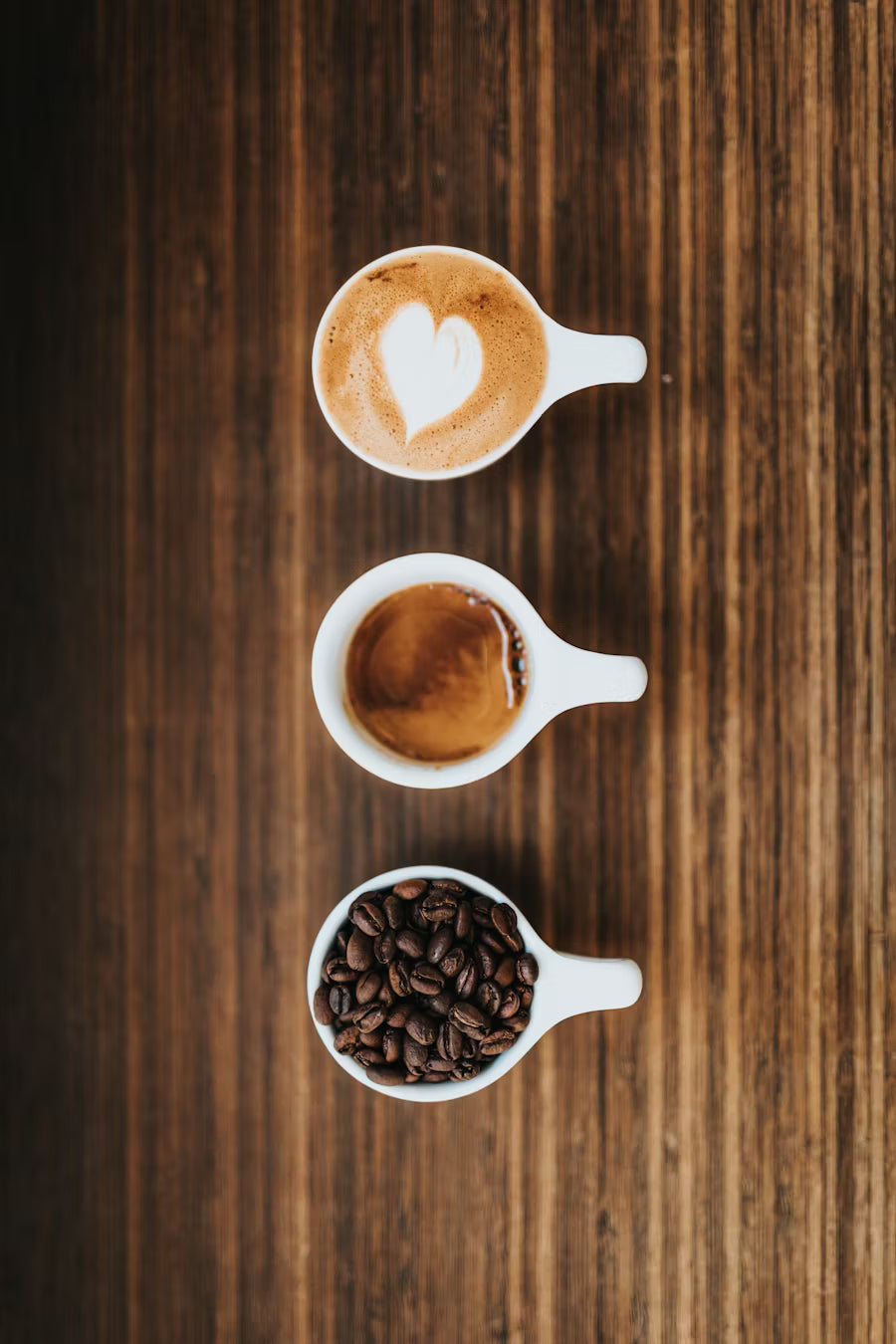
French roast can be used for espresso if the flavor profile suits your taste. Dark-roasted beans may produce a pronounced roasted character and can work well in espresso-based drinks.
Begin with a fine grind and follow your machine's recommended preparation method. Adjust the grind, dose, and extraction according to the flow and flavor.
Can You Brew French Roast With Whole Beans?
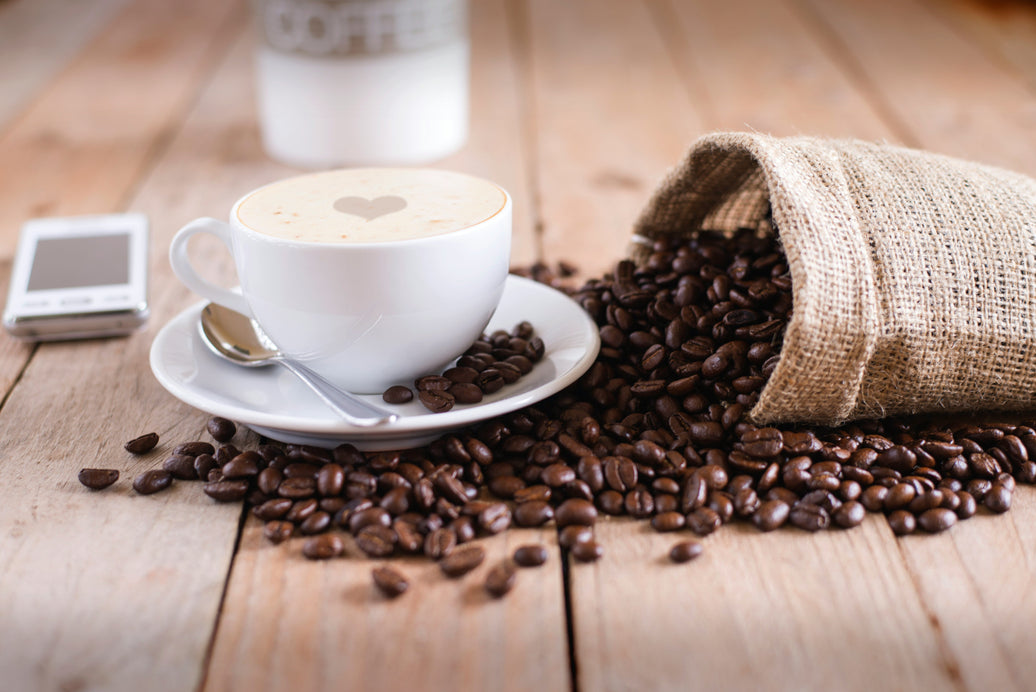
Absolutely. Whole bean French roast can be ground immediately before brewing, giving you control over the grind size for your equipment.
Grinding just before brewing can help preserve aroma. A burr grinder is a useful option because it generally offers more consistent grind control.
If you are new to grinding and brewing at home, read our complete beginner's guide to brewing coffee with whole beans. It explains how to measure beans, choose a grind, and prepare coffee using different methods.
How to Store French Roast Coffee
Proper storage helps preserve coffee's aroma and flavor.
-
Store coffee in an airtight container.
-
Keep it away from direct sunlight, heat, and moisture.
-
Avoid leaving the bag open between uses.
-
Grind only the amount you need for each brew.
-
Follow the package's storage recommendations.
Dark-roasted beans may have a visibly oily surface. This can be a normal result of roasting and does not, by itself, indicate that the coffee has gone bad.
Who Should Try French Roast Coffee?
French roast may be a good choice if you enjoy:
-
Bold, roasted flavors.
-
Smoky or bittersweet notes.
-
A darker coffee profile.
-
Coffee with milk or cream.
-
Espresso or other drinks where a pronounced roast flavor is welcome.
If you prefer delicate floral notes, fruit-forward flavors, or a brighter cup, you may prefer a lighter roast. There is no single roast level that is best for everyone; the right choice depends on your taste.
Explore Coffee With Arvea Coffee
Discovering your preferred roast is part of building a coffee routine that feels personal. Whether you enjoy a bold French roast or want to experiment with another flavor profile, start with coffee that matches your preferences and brew it consistently.
Explore the Arvea Coffee collection to discover available coffee options for your daily ritual.
Choose your preferred brewing method, measure your coffee and water, and adjust the recipe until you find a cup you love.
Frequently Asked Questions
Is French roast stronger than medium roast?
French roast often has a more pronounced roasted flavor, which can make it taste stronger. However, perceived strength depends on the coffee-to-water ratio, brewing method, and personal taste.
Is French roast coffee dark roast?
Yes. French roast is a style of dark roasting characterized by a deep bean color and prominent roasted flavors.
Is French roast good for espresso?
It can be. French roast may suit people who enjoy bold, deeply roasted espresso. The best result depends on the beans, grind, machine, and recipe.
Is French roast less acidic?
French roast often tastes less bright or acidic than lighter roasts. Perceived acidity varies with the coffee's origin, roast profile, and brewing method.
Should French roast coffee be ground fine or coarse?
The correct grind depends on the brewing method. Use a medium grind for many drip machines, coarse grounds for French press, and fine grounds for espresso as starting points.
Can I drink French roast coffee black?
Yes. French roast can be enjoyed black or with milk and other additions. Try it black first if you want to understand its natural roasted flavor, then customize it to your taste.
Is French roast the same as espresso roast?
No. French roast refers to a dark roast style, while espresso refers to a brewing method. French-roasted coffee can be used for espresso, but espresso can also be made with other roast levels.
Final Thoughts
French roast coffee offers a distinctive dark-roasted flavor for people who enjoy bold, smoky, and bittersweet notes. Understanding its roast profile and choosing a suitable brewing method can help you make a more balanced cup.
Experiment with your grind size, coffee-to-water ratio, and brewing time until you find what works for you.
Explore Arvea Coffee's collection to find coffee for your next cup and continue discovering the flavors you enjoy most.

















Leave a comment