


Coffee Flavor Notes Explained: Chocolate, Caramel, Fruit & More
Have you ever read a coffee description that mentions chocolate, caramel, berries, citrus, or even flowers and wondered how coffee can taste like all these different things?
Coffee is much more complex than a simple bitter or strong drink. Depending on the beans, growing conditions, processing, roasting, and brewing method, a cup can have aromas and flavors reminiscent of fruit, nuts, spices, chocolate, or sweet desserts.
The good news is that you do not need to be a professional coffee taster to understand these differences. With a little practice, you can learn to recognize the flavors you enjoy and choose coffee that suits your preferences.
In this guide, we'll explain the most common coffee flavor notes, how they develop, and how to use tasting descriptions when shopping for your next bag of coffee.
1. What Are Coffee Flavor Notes?
Coffee flavor notes are words used to describe the aromas, tastes, and sensations people notice when drinking coffee.
For example, one coffee might remind you of dark chocolate and toasted nuts, while another might bring to mind citrus fruit, berries, or flowers.
These descriptions generally refer to sensory similarities, not necessarily ingredients added to the coffee.
A coffee described as chocolatey does not automatically contain chocolate. Its naturally occurring compounds, together with roasting and brewing, can create an aroma or taste that reminds you of cocoa.
Similarly, a coffee with caramel notes does not necessarily contain caramel syrup.
Coffee professionals use tasting vocabulary to communicate these differences. The Specialty Coffee Association's Coffee Taster's Flavor Wheel, developed in collaboration with World Coffee Research, organizes many coffee aromas and flavors into groups that help tasters describe what they experience.
2. Chocolate and Cocoa Notes in Coffee
Chocolate-like flavors are among the most familiar descriptions in coffee.
Depending on the beans and roast, coffee may remind you of milk chocolate, dark chocolate, cocoa powder, or bittersweet chocolate.
What does chocolatey coffee taste like?
Chocolate notes may be associated with:
-
A rich, rounded flavor
-
Cocoa-like aromas
-
Bittersweet characteristics
-
A smooth impression on the palate
-
A finish that reminds you of dark chocolate
These qualities are often associated with certain medium and dark roasts, although the coffee's origin and processing also influence the result.
If you enjoy chocolatey coffee, look for product descriptions that mention cocoa, chocolate, or a similar flavor profile. Try drinking the coffee black first, then add milk if that is how you usually enjoy it.
3. Caramel, Brown Sugar, and Vanilla Notes
Some coffees have aromas that remind drinkers of caramel, brown sugar, honey, or vanilla.
These descriptions are useful because they help explain the impression of sweetness in a cup, even when no sugar has been added.
Caramel notes
Caramel-like aromas may remind you of melted sugar, toffee, or caramel candy. Roasting plays an important role in developing many of the compounds associated with these aromas.
Brown sugar notes
Brown sugar notes may suggest a warm, mellow sweetness. They can make a coffee seem balanced and rounded rather than sharply acidic or strongly bitter.
Vanilla notes
Vanilla-like aromas can create a soft, familiar impression. These notes may occur naturally in a coffee's sensory profile, but they can also be deliberately introduced in flavored coffee products.
Important distinction: A naturally occurring vanilla-like tasting note is different from coffee that has actually been flavored with vanilla.
If you prefer a sweeter-tasting cup without adding sugar, look for coffees whose descriptions emphasize sweetness, caramel, or brown sugar. Remember that a sweet aroma does not mean the coffee contains the same amount of sugar as a sweet dessert.
4. Fruity Coffee Flavors: Berries, Citrus, and Stone Fruit
Fruit notes can make coffee taste more lively and distinctive.
Depending on the coffee, the flavor may remind you of berries, oranges, lemons, apples, peaches, or dried fruit.
Berry notes
Berry-like descriptions may include strawberry, raspberry, blueberry, or blackberry. These aromas can be noticeable in some coffees, particularly those with pronounced fruity characteristics.
Citrus notes
Citrus-like coffee may remind you of orange peel, lemon, grapefruit, or lime. These coffees can seem bright, refreshing, or lively.
Stone-fruit notes
Some coffees have characteristics reminiscent of peach, plum, or apricot. These notes may be subtle, so it helps to let the coffee cool slightly as you taste it.
Dried-fruit notes
Raisin or prune-like descriptions can suggest a deeper fruit character, sometimes accompanied by a rich or sweet impression.
Fruity coffee does not necessarily taste like fruit juice. These terms describe similarities in aroma and flavor, and different people may perceive the same cup differently.
If you usually drink dark-roasted coffee, try a lighter or medium roast with clearly stated fruit notes to explore another side of coffee flavor.
5. Nutty Coffee Flavors: Almond, Hazelnut, and Peanut
Nutty notes are another common category in coffee tasting.
A cup may remind you of roasted almonds, hazelnuts, peanuts, or other toasted nuts. These impressions can make the coffee feel familiar and comforting.
Nutty characteristics are often described alongside cocoa, toasted grain, or caramel-like notes.
Who might enjoy nutty coffee?
Nutty coffee profiles may appeal to people who prefer:
-
Familiar, roasted flavors
-
A balanced everyday cup
-
Coffee without pronounced fruitiness
-
A flavor that pairs well with breakfast foods
-
Coffee served with milk or cream
If you enjoy these flavors, look for tasting descriptions that specifically mention nuts, cocoa, or toasted characteristics.
Do not assume that a coffee described as hazelnut-like contains hazelnut flavoring. Check the product description and ingredient information to distinguish naturally occurring tasting notes from flavored coffee.
6. Floral and Herbal Notes in Coffee
Some coffees have delicate aromas reminiscent of flowers, tea, herbs, or fresh plants.
Floral notes can include jasmine or rose-like aromas, while herbal descriptions may suggest fresh herbs or grassy characteristics.
These flavors can be less familiar to people who mainly drink heavily roasted coffee, but they are part of the wide range of sensory characteristics found in coffee.
Floral notes
Floral aromas can be delicate and fragrant. They may be easier to notice when the coffee is not overwhelmed by milk, sugar, or other ingredients.
Herbal notes
Herbal characteristics may suggest fresh green plants or certain herbs. Whether they are pleasant depends on the particular coffee and your preferences.
Tea-like notes
Some coffees have a light, delicate character reminiscent of brewed tea. They may feel less heavy than coffees with a fuller body.
If you want to explore these flavors, start with a simple brewing method and taste the coffee without additions before deciding whether to add milk or sweetener.
7. Spicy, Smoky, and Roasted Flavor Notes
Not all coffee flavors are fruity, sweet, or nutty. Some coffees have pronounced spicy or roasted characteristics.
Common descriptions include:
-
Cinnamon-like spice
-
Clove or nutmeg
-
Toasted grain
-
Smoky aromas
-
Dark cocoa
-
Bittersweet roasted flavors
Roasting has a major influence on these characteristics. Darker roasting often produces more pronounced roast-derived flavors, although the exact result depends on the beans and roasting profile.
A smoky coffee is not automatically better or stronger than a lighter one. These descriptions simply help you understand the type of flavor you might experience.
If you enjoy bold, roasted flavors, explore coffees labeled as Italian roast or French roast. If you prefer more delicate flavors, you may want to compare those with lighter roast options.
8. What Determines Coffee's Flavor Notes?
Coffee flavor is shaped by several factors working together.
Origin and growing conditions
Climate, altitude, soil, coffee variety, and growing conditions can influence the characteristics of the beans.
Different origins may develop different sensory profiles, but origin alone cannot guarantee a specific flavor.
Processing method
After coffee cherries are harvested, the beans undergo processing to remove the fruit and prepare them for drying and storage.
Processing methods can influence the aromas and flavors that develop in the finished coffee.
Roasting
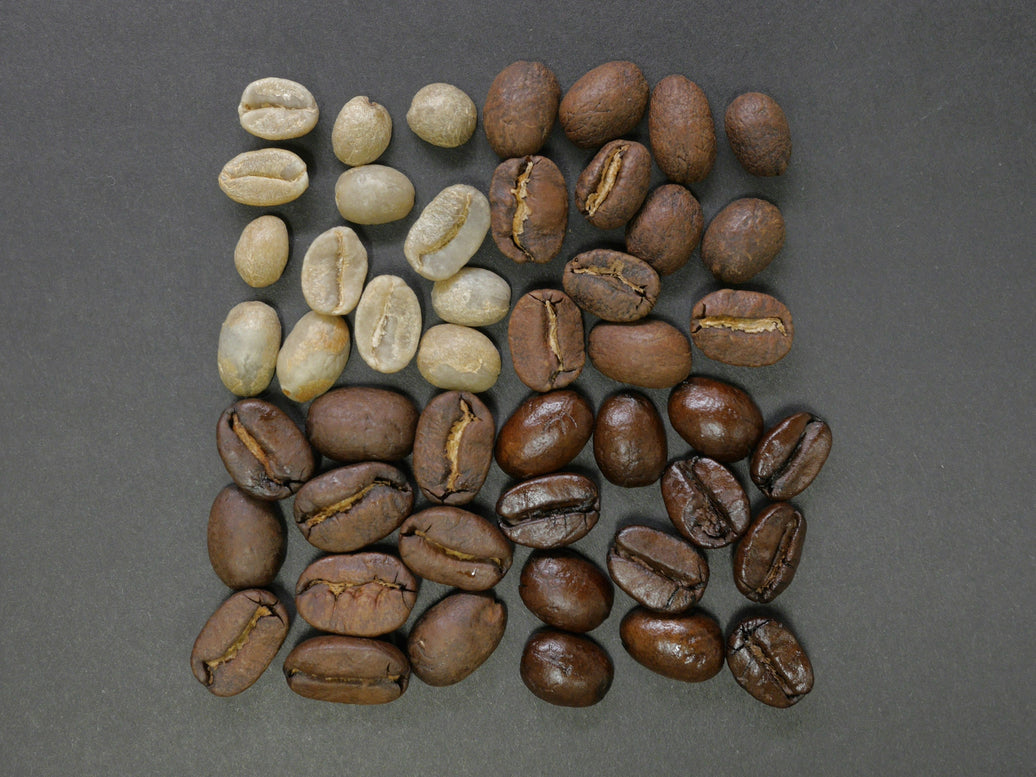
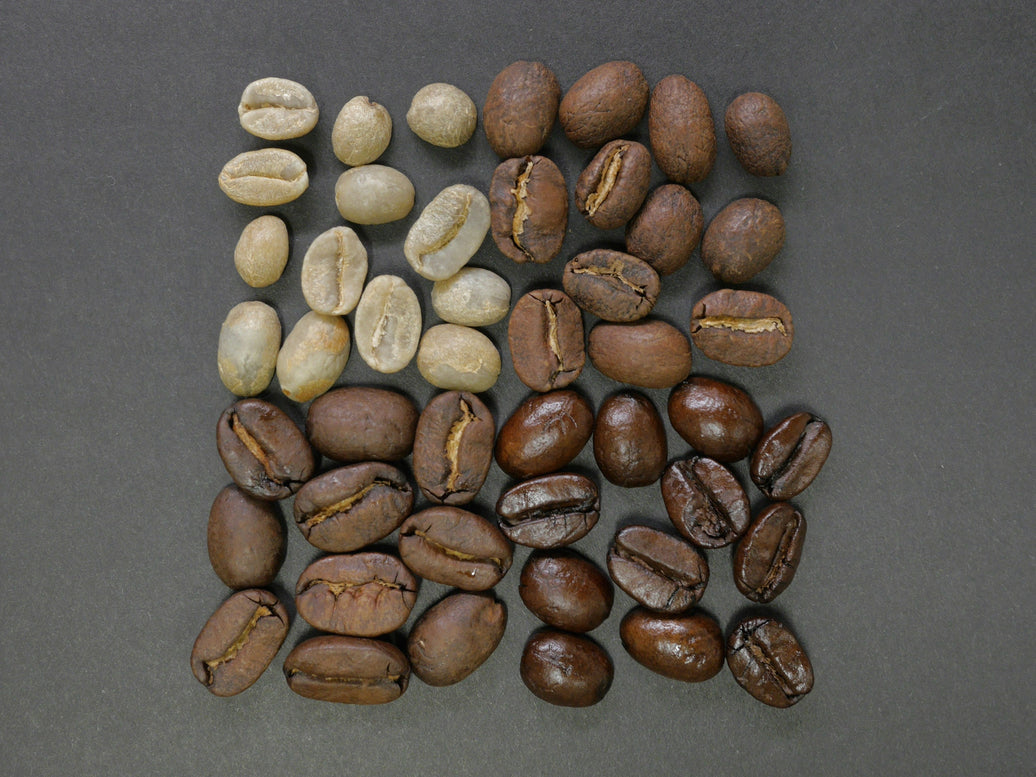
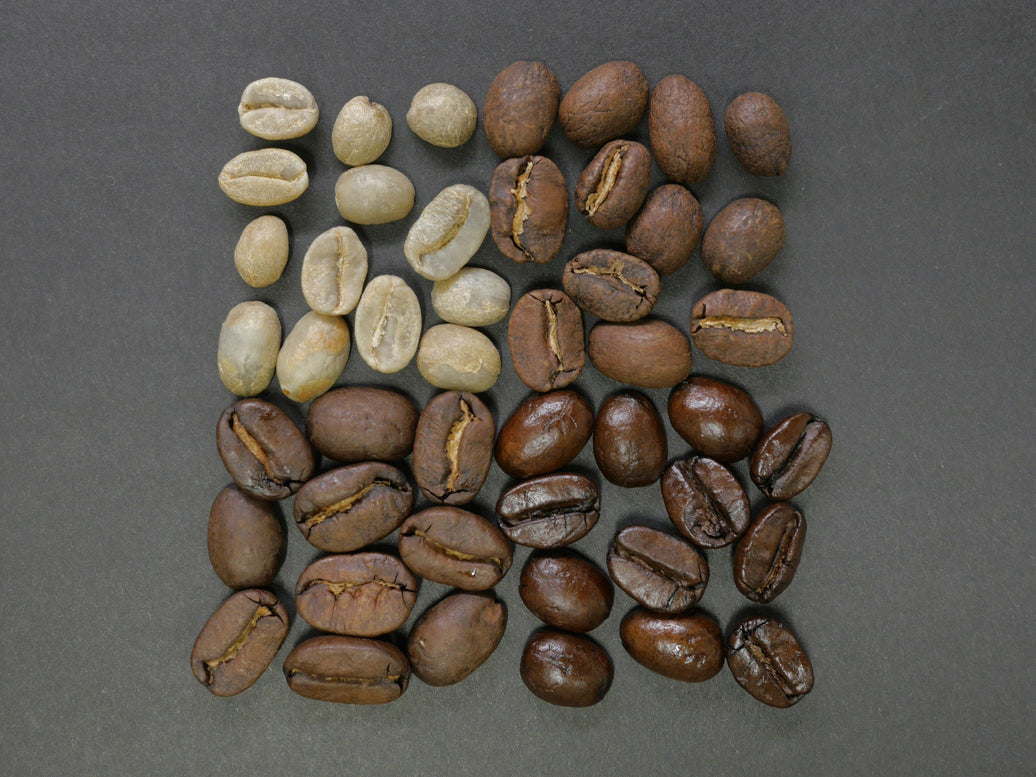
Roasting transforms green coffee beans and develops many of the aromas associated with brewed coffee. Roast degree and roasting technique can affect sweetness, acidity, bitterness, and roasted character.
Grinding and brewing
Grind size, water temperature, brewing time, water quality, and the coffee-to-water ratio all affect which compounds end up in your cup.
This means a coffee can taste different when prepared using espresso, a French press, a drip coffee maker, or a pour-over brewer.
Personal perception
Your own experiences influence what you notice. If you regularly eat dark chocolate, you might recognize a cocoa-like aroma more easily than someone who rarely eats it.
There is no requirement to identify every tasting note. Enjoying the coffee is more important than using the perfect vocabulary.
9. How to Taste Coffee and Identify Flavor Notes at Home
You can start exploring coffee flavor without expensive equipment.
Step 1: Brew your coffee consistently
Use the same coffee-to-water ratio and brewing method each time you compare coffees. This makes differences easier to notice.
Step 2: Smell the coffee
Notice the aroma of the ground beans before brewing, then smell the coffee after adding hot water.
You may notice roasted, nutty, chocolate-like, fruity, or floral aromas.
Step 3: Take a small sip
Pay attention to the first impression. Does the coffee seem bright, mellow, sweet, bitter, rich, or delicate?
You do not need to name an exact flavor immediately.
Step 4: Let the coffee cool slightly
As the temperature changes, some aromas and flavor differences may become easier to recognize. Try another sip and notice whether the coffee seems sweeter, more acidic, or more complex.
Step 5: Compare with familiar foods
Think about flavors you already know. Does the coffee remind you of cocoa powder, toasted almonds, citrus peel, or brown sugar?
These comparisons help you build your own flavor vocabulary.
Step 6: Write down what you notice
Keep simple notes such as:
-
Roast: light, medium, or dark
-
Aroma: chocolatey, nutty, fruity, or floral
-
Taste: sweet, bitter, bright, or balanced
-
Body: light, medium, or full
-
Overall preference: would you drink it again?
Over time, you may discover patterns in the coffees you enjoy most.
10. How to Choose Coffee Based on Your Favorite Flavors
Use your existing preferences as a starting point when shopping for coffee.
| Your preference | Flavor descriptions to explore |
|---|---|
| Chocolate and cocoa | Cocoa, dark chocolate, bittersweet |
| Sweet, mellow aromas | Caramel, brown sugar, honey |
| Fresh and lively flavors | Citrus, berries, fruity |
| Familiar roasted flavors | Nuts, toasted grain, cocoa |
| Delicate aromas | Floral, jasmine, tea-like |
| Bold roasted character | Smoky, roasted, dark cocoa |
| Balanced everyday coffee | Balanced, rounded, mild, medium roast |
These are starting points rather than strict rules. Roast level, brewing method, and the coffee itself can change how a flavor profile comes across.
11. Explore Different Coffee Styles With Arvea Coffee
Once you have a better understanding of tasting notes, it becomes easier to choose coffee that matches your preferences.
At Arvea Coffee, you can explore different roast styles, blends, and flavored coffee options.
For a lighter roast style, consider exploring Arvea Blonde Coffee. If you prefer a familiar everyday blend, take a look at House Blend or Breakfast Blend. If you enjoy a more pronounced roasted character, explore Italian Roast or French Roast.
For something different, Arvea also offers flavored coffee options such as Vanilla Hazelnut Coffee. This is a useful example of why it helps to distinguish a coffee's naturally occurring tasting notes from a product that is intentionally flavored.
Explore the available options and select a grind that works with your brewing equipment.
Discover your next cup: https://arveacoffee.com/
Rather than choosing coffee only because a description sounds impressive, use the flavor notes as a guide. Start with what you already enjoy, then try a different profile when you feel ready to explore.
Frequently Asked Questions About Coffee Flavor Notes
Do coffee flavor notes mean that ingredients have been added?
Not usually. Many tasting notes describe natural sensory similarities in coffee. However, some products are deliberately flavored with ingredients or flavorings. Read the product description and ingredient information to know which type you are buying.
Why does coffee taste like chocolate?
Roasting and the coffee's natural chemical composition can produce aromas that remind people of cocoa or chocolate. The coffee does not necessarily contain chocolate.
Why does my coffee taste fruity?
Certain beans and processing methods can contribute fruity aromas and flavors. Brewing conditions also affect how noticeable those characteristics become.
Can coffee taste sweet without sugar?
Yes. Coffee can have aromas and flavor characteristics reminiscent of caramel, honey, or fruit even when no sugar has been added. This sensory sweetness is different from the sweetness of adding sugar.
Does darker coffee have more flavor?
Darker roasting generally creates more pronounced roasted characteristics, but it does not necessarily produce more complexity or better flavor. Lighter roasts can also have distinctive and complex profiles.
How can I find my favorite coffee flavor?
Try two or three coffees with different roast levels or tasting descriptions. Brew them using the same method, taste them side by side, and record which aromas and flavors you enjoy.
Final Thoughts: Discover the Flavors Behind Every Cup
Coffee tasting notes can turn an ordinary cup into an opportunity to explore different aromas and flavors.
Chocolate, caramel, fruit, nuts, flowers, spices, and roasted notes all help describe the wide variety of experiences coffee can offer. These descriptions are guides, not rules, and you do not need professional tasting skills to enjoy them.
Start with flavors you already love, pay attention to what you notice, and experiment with different roast styles and brewing methods.
Ready to explore your next coffee? Visit Arvea Coffee at https://arveacoffee.com/ and discover options for your daily coffee routine.






























Leave a comment