

Best Coffee for People Who Don't Like Bitter Coffee
Do you love the smell of coffee but dislike its bitter taste? You are not alone. Many people want a delicious morning cup without the harsh, burnt, or overly bitter flavor that coffee can sometimes have.
The good news is that not all coffee tastes the same. Some coffees have chocolate-like, nutty, caramel-like, or gently sweet characteristics, while others have more pronounced roasted flavors. The roast you choose, the beans you buy, and the way you brew them can all influence the taste.
If you have tried coffee before and decided it was too bitter, you may not have found the right coffee for your preferences yet.
In this guide, you'll discover which coffee styles to try, how to choose a smoother-tasting roast, and simple ways to make your daily cup more enjoyable.
1. Why Does Coffee Taste Bitter?
Bitterness is a natural part of coffee's flavor. Some people enjoy a little bitterness because it adds depth, while others prefer a sweeter, milder taste.
According to the Specialty Coffee Association, several factors influence coffee bitterness, including the beans themselves, roasting, and brewing. That means you can often improve an unpleasantly bitter cup by changing your coffee or preparation method.
Here are some common reasons coffee tastes too bitter:
-
Dark roasting: More developed roasts often have more pronounced roasted and bitter characteristics.
-
Over-extraction: Brewing conditions can draw out an unbalanced combination of flavors.
-
Too much coffee: A concentrated brew may taste more intense and can make bitterness more noticeable.
-
Incorrect grind size: Grounds that are too fine for your brewing method can contribute to excessive extraction.
-
Coffee sitting too long: Coffee that is held for an extended period can develop less pleasant flavors.
-
Bean differences: Different coffee species, varieties, and growing conditions can influence bitterness.
The first step is to determine whether you dislike coffee's natural bitterness or whether your usual cup is simply being brewed in a way that makes it taste harsh.
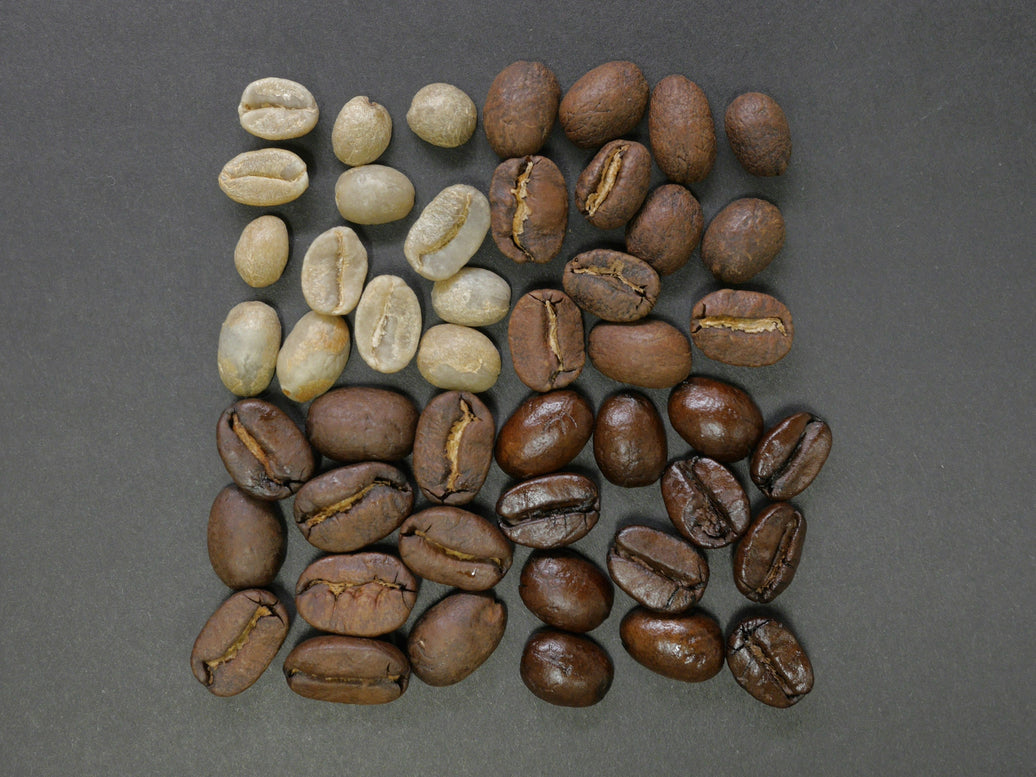
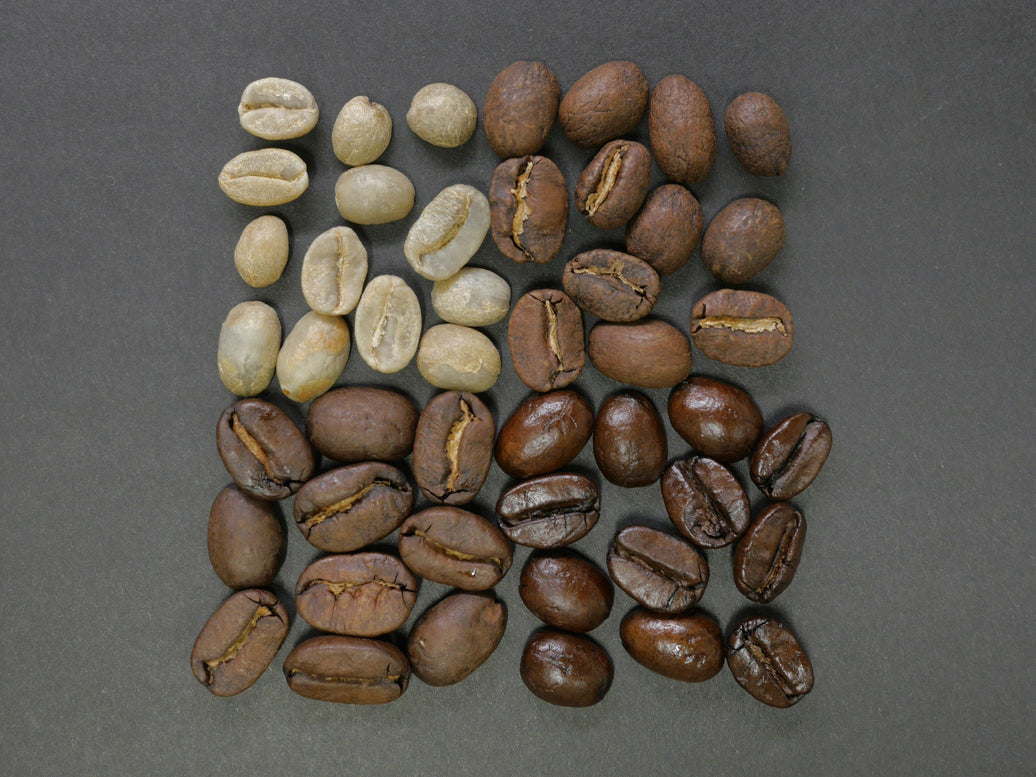
2. Which Coffee Roast Is Best for People Who Dislike Bitterness?
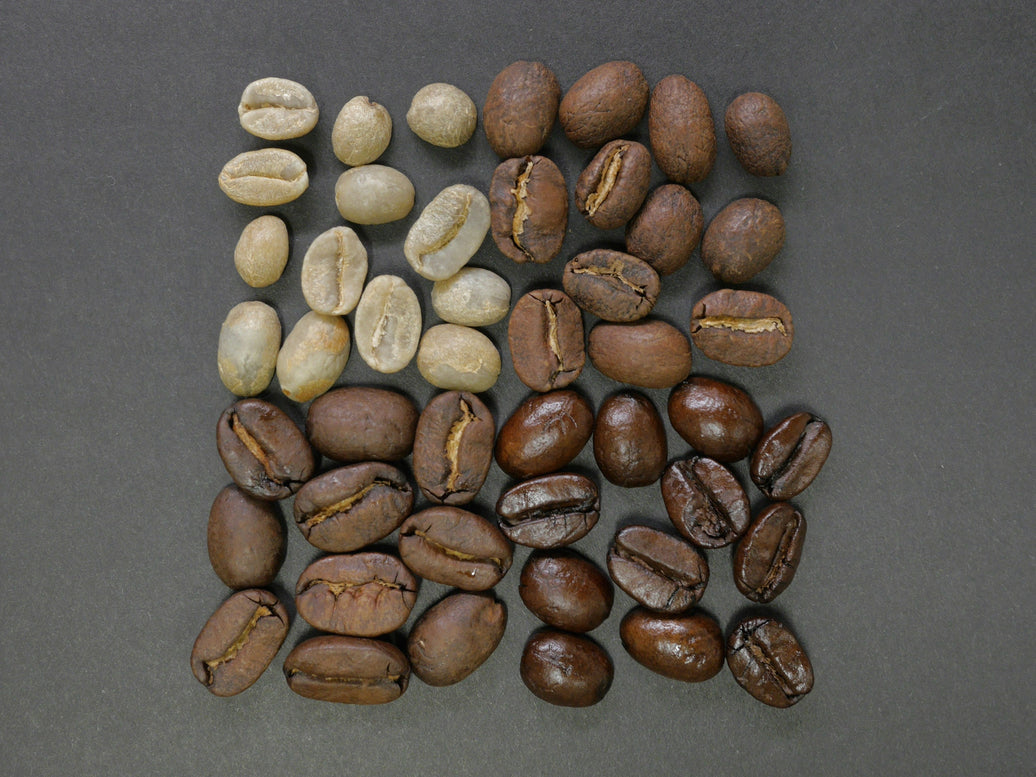
Roast level is a useful starting point when choosing coffee. However, the lightest roast is not automatically the smoothest, and the darkest roast is not always the strongest or most bitter.
Light roast coffee
Light roasts often preserve more noticeable acidity and the distinctive characteristics of the beans.
You may encounter fruity, floral, or delicate flavors. Some people enjoy these characteristics, while others find a bright or tangy coffee unpleasant.
Try a light roast if: You enjoy lively flavors and do not mind some noticeable acidity.
If you dislike both bitterness and sourness, pay attention to the coffee's tasting description and brewing recipe rather than choosing solely by roast color.
Medium roast coffee
Medium roasts can offer a balance between origin characteristics and flavors developed during roasting.
Depending on the beans, you may notice chocolate, nuts, caramel-like aromas, or a rounded flavor.
Try a medium roast if: You want a good starting point for a mellow, balanced everyday coffee.
For many people who find very dark roasts too harsh, a well-prepared medium roast is worth exploring first.
Dark roast coffee
Dark roasts typically have more pronounced roasted flavors, which may include smoky, bittersweet, or burnt characteristics depending on the roast.
Some coffee drinkers love this bold profile. Others find it too bitter.
Try a dark roast if: You enjoy deep roasted flavors and want a more pronounced coffee character.
If dark coffee has been unpleasant for you in the past, experiment with a medium roast before trying another dark one.
| Roast level | Common flavor tendencies | Consider it if you prefer… |
|---|---|---|
| Light | Fruity, floral, bright | Delicate or lively flavors |
| Medium | Balanced, nutty, cocoa-like | A rounded everyday cup |
| Dark | Bold, smoky, bittersweet | Pronounced roasted flavors |
These descriptions are general tendencies. The specific coffee and your brewing technique can make a significant difference.
3. Look for Chocolatey, Nutty, or Caramel-Like Flavor Notes
When shopping for coffee, read the tasting notes rather than relying only on the roast label.
If you dislike harsh bitterness, you might want to explore coffees described with the following characteristics.
Chocolate and cocoa
Chocolate-like notes can create a rich, familiar flavor. Depending on the coffee, they may resemble cocoa powder, milk chocolate, or dark chocolate.
These notes do not necessarily mean chocolate has been added to the beans.
Nutty flavors
Almond-like, hazelnut-like, or toasted-nut descriptions may appeal to people who enjoy familiar roasted flavors.
A nutty coffee can be a useful option to try if you find highly fruity or acidic coffees less appealing.
Caramel and brown sugar
Caramel-like notes can give a coffee an impression of sweetness, even without added sugar.
Remember that tasting notes describe sensory similarities. They do not necessarily indicate that the coffee contains caramel or brown sugar.
Smooth and balanced
Words such as balanced, rounded, or mellow may help you identify coffees worth trying. However, these terms are not standardized guarantees, so use them alongside the roast information and other product details.
4. How to Make Coffee Less Bitter at Home
Even if you buy coffee with a flavor profile you like, the brewing method can affect the final result.
Try these practical adjustments before giving up on your favorite beans.
Use the right grind size
Grind size affects how quickly water extracts compounds from coffee grounds.
For example:
-
French press generally uses a coarse grind.
-
Many drip coffee makers work well with a medium grind.
-
Espresso typically requires a fine grind.
If your coffee tastes harsh and you suspect over-extraction, try a slightly coarser grind and taste the difference.
Make one change at a time so you can identify what improves the cup.
Adjust your coffee-to-water ratio
Using more coffee relative to water produces a more concentrated beverage, which can make flavors more intense.
Try a consistent starting recipe of approximately 1 gram of coffee for every 16 grams of water. For example, 20 grams of coffee with 320 grams of water is a reasonable starting point for many filter-brewing methods.
If the result is too intense, adjust the amount of coffee gradually. A weaker cup is not necessarily better extracted, but changing the ratio can help you find a strength you enjoy.
Check your brewing temperature
Water temperature influences extraction. Very hot water is not automatically the cause of bitterness, but temperature interacts with grind size, brewing time, and the coffee itself.
If your coffee tastes harsh, try a modest temperature adjustment while keeping the other variables consistent.
Avoid brewing for too long
Extended contact between water and grounds can contribute to an unbalanced taste, depending on the method.
Follow a reliable recipe for your brewer and adjust the grind if the coffee consistently tastes harsh.
Drink freshly prepared coffee
Coffee that has been sitting on a hot plate for a long time can develop stale or unpleasant flavors.
If you make a large batch, consider brewing smaller amounts or transferring the coffee to an insulated container.
Keep your equipment clean
Old coffee oils and residue can affect flavor. Clean your brewer, carafe, and reusable filters regularly according to the manufacturer's instructions.
Sometimes the problem is not the beans at all—it is the equipment used to prepare them.
5. Should You Add Milk or Sugar?
Absolutely, if that is how you enjoy coffee.
Milk or cream changes the texture and flavor of coffee and can soften the perception of bitterness. Sugar adds sweetness and can make a bitter cup more palatable.
Here are a few ways to experiment:
-
Milk: Can soften the flavor and add creaminess.
-
Cream: Adds a richer texture and changes the balance of the cup.
-
Sugar: Adds sweetness that contrasts with bitterness.
-
Unsweetened plant-based milk: Can change texture and flavor without adding regular dairy milk.
If your goal is to enjoy coffee with less added sugar, start by choosing a roast and brewing method you like before gradually adjusting your additions.
There is no requirement to drink coffee black. The best preparation is the one you enjoy.
6. Which Brewing Method Should You Try?
Different brewing methods produce different flavor and texture experiences.
Drip coffee
A drip coffee maker is convenient for everyday coffee. With a suitable grind, clean equipment, and a balanced recipe, it can produce a pleasant cup without much effort.
Pour-over coffee
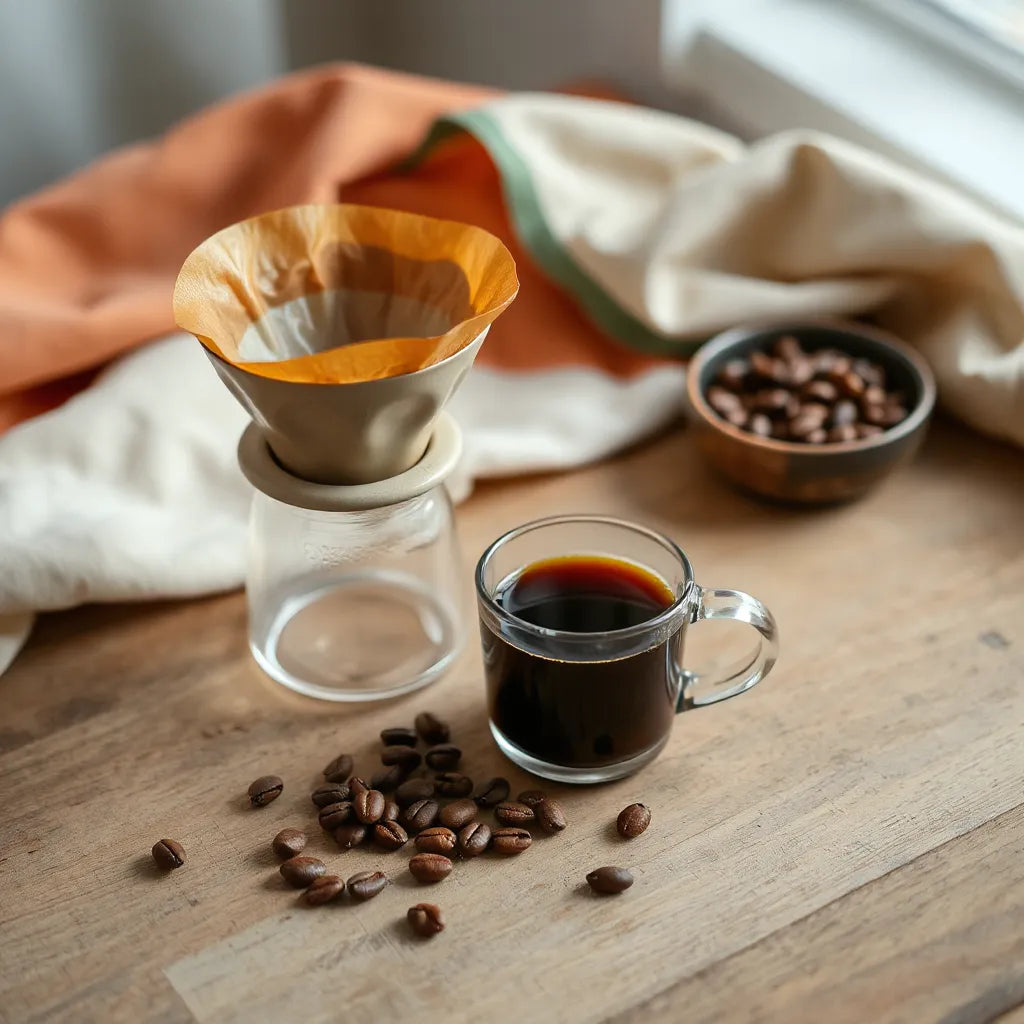
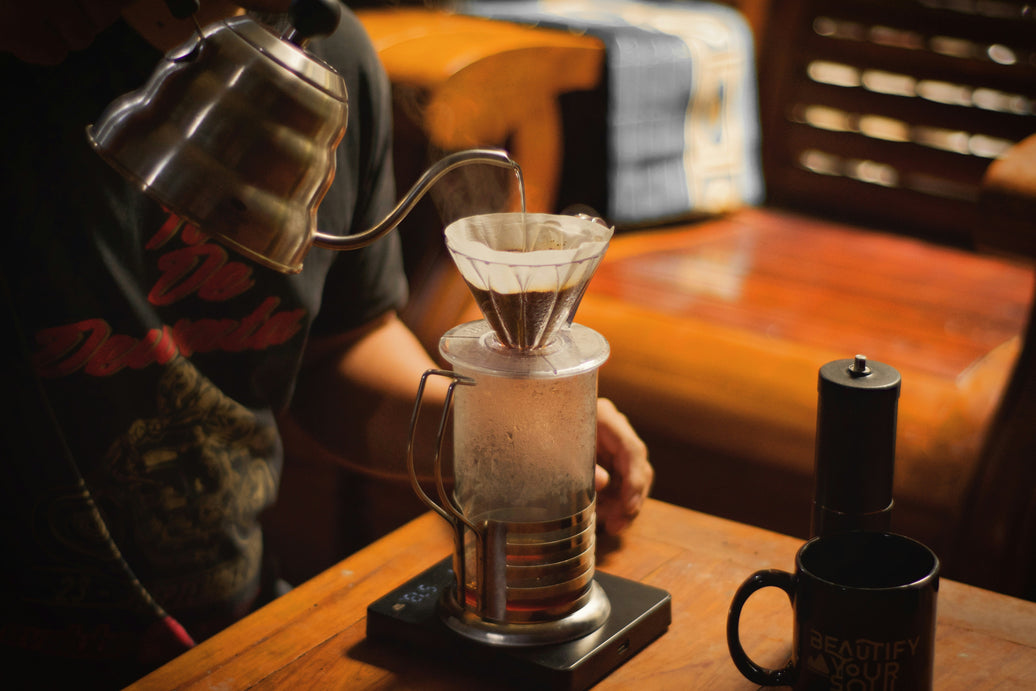
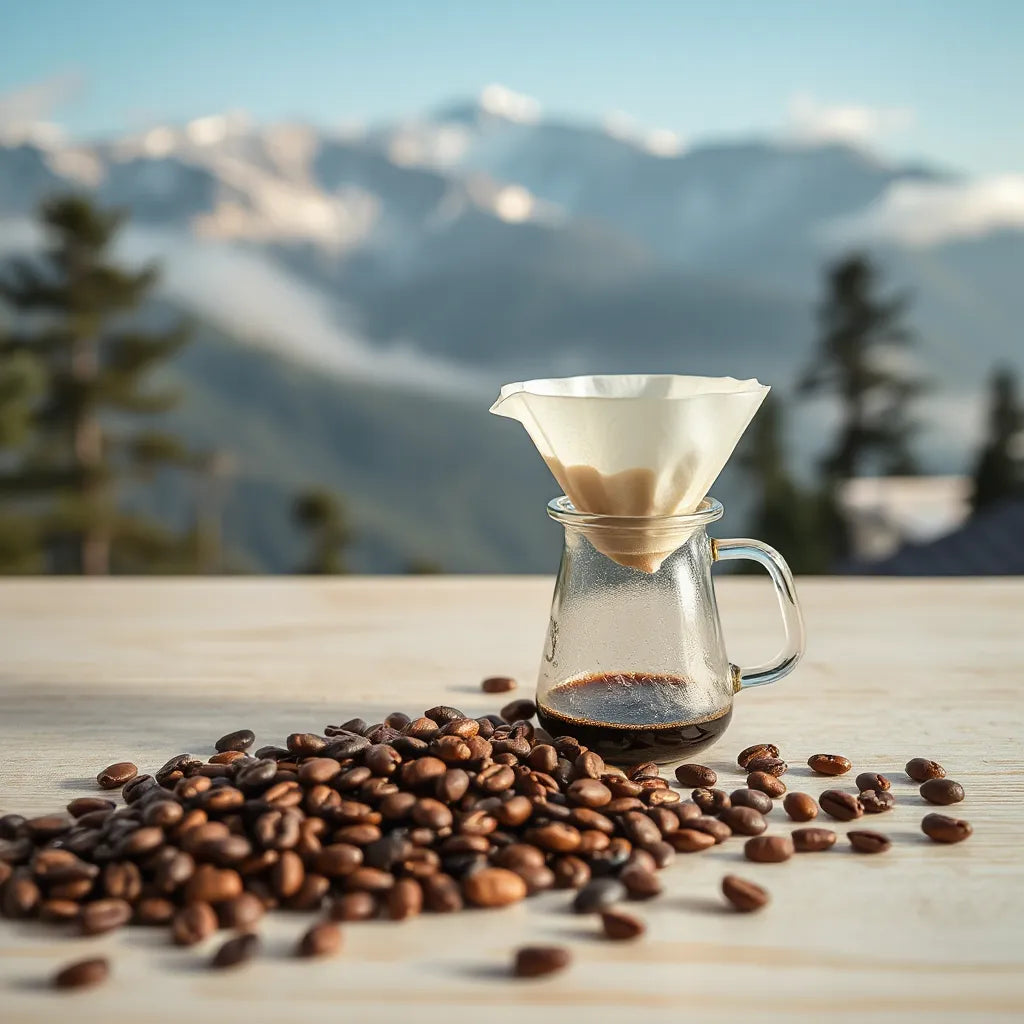
Pour-over brewing lets you control water flow and contact time. It can help you compare different coffees and adjust your recipe to improve balance.
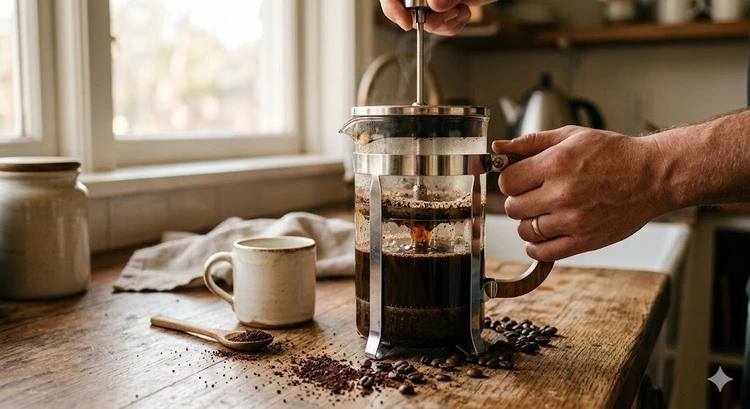
French press
French press uses immersion brewing and a metal filter, which allows more oils and fine particles into the cup. This can create a fuller texture.
Use a suitable coarse grind and avoid leaving the grounds immersed longer than your recipe calls for.
Cold brew
Cold brew is prepared by steeping coffee in cool or room-temperature water for an extended period.
Many people enjoy its mellow character, but cold brew is not guaranteed to be non-bitter. The coffee, grind, steeping time, and concentration still matter.
If you are sensitive to bitterness, try a small batch with a moderate coffee-to-water ratio and adjust according to taste.
7. How to Choose Coffee at the Store
You do not need to understand every technical detail on a coffee package. Focus on a few useful clues.
Look for:
-
A roast level that suits your preference, such as medium roast.
-
Flavor descriptions that sound appealing, such as chocolate, nuts, or caramel.
-
Whole beans if you want to grind immediately before brewing, or ground coffee suited to your brewer for convenience.
-
Clear ingredient information if you are deciding between regular and flavored coffee.
-
A package size that lets you try the coffee without buying more than you need.
If one coffee tastes too bitter, do not assume every coffee will taste the same. Different beans and roast profiles can produce very different cups.
8. Coffee Options to Explore at Arvea Coffee
If you're looking for coffee that suits your taste, Arvea Coffee offers several styles worth exploring.
Here are a few options to consider:
-
Blonde Coffee: A starting point if you want to explore a lighter roast style.
-
House Blend: Worth considering for a regular everyday coffee.
-
Breakfast Blend: An option to explore for your morning routine.
-
Vanilla Hazelnut Coffee: A flavored option if you enjoy a familiar, sweet-aromatic profile.
-
Single Origin Favorites Sample Pack: A way to explore different coffees, subject to the current products included in the pack.
These are suggestions for exploration, not guarantees that a specific product will be completely free of bitterness. Your grind size, brewing method, and personal preferences still matter.
Explore the available coffees, review their descriptions, and select the grind and size that suit your needs.
Discover your next cup at Arvea Coffee: https://arveacoffee.com/
If you are unsure where to start, try comparing a medium-roast option with a lighter roast and adjust your brewing recipe carefully. You may discover that a small change makes your daily coffee much more enjoyable.
9. Common Mistakes to Avoid When Choosing Less Bitter Coffee
Choosing the lightest roast automatically
Light roasts may have more noticeable acidity, which some people interpret as an unpleasant sharpness. The lightest roast is not necessarily the right choice for everyone.
Assuming darker coffee contains more caffeine
Roast color alone does not reliably determine the caffeine content of your cup. The amount of coffee used, the beans, and the brewing method all matter.
Using an extremely fine grind for every brewer
Different brewing methods require different grind sizes. Using a grind that is too fine can make it harder to achieve the flavor you want.
Changing several brewing variables at once
If you change the grind, water temperature, and coffee dose simultaneously, you will not know which change helped. Adjust one variable at a time.
Buying a large bag before testing a new coffee
When available, choose a smaller size or sample pack while exploring unfamiliar roasts. Once you find a coffee you enjoy, you can decide whether to buy a larger quantity.
Frequently Asked Questions
What is the least bitter type of coffee?
There is no single least-bitter coffee for everyone. Some people enjoy balanced medium roasts, while others prefer a lighter roast or cold brew. Bean characteristics and brewing technique also influence bitterness.
Is medium roast coffee less bitter than dark roast?
Medium roasts often have less pronounced roasted and smoky characteristics than very dark roasts. However, bitterness varies with the beans and brewing conditions, so the roast label alone cannot guarantee the result.
Is cold brew better for people who dislike bitter coffee?
Cold brew may be appealing if you prefer a mellow-tasting cup. However, it can still taste bitter if the coffee, concentration, or brewing time is unsuitable.
How can I make coffee less bitter without adding sugar?
Try a different roast, adjust your grind size and coffee-to-water ratio, keep your brewing equipment clean, and avoid leaving brewed coffee on a hot plate for too long.
Does expensive coffee taste less bitter?
Not necessarily. Price alone does not guarantee a particular flavor. Consider the coffee's description, roast level, freshness, and suitability for your brewing method.
Can I enjoy coffee if I do not like it black?
Yes. You can enjoy coffee with milk, cream, plant-based milk, or sweetener. You can also experiment with different beans and brewing methods until you find a cup you like.
Final Thoughts: Find a Coffee You Actually Enjoy
If you dislike bitter coffee, you do not have to force yourself to drink it. Start by exploring balanced roast profiles, reading flavor descriptions, and adjusting your brewing technique.
A medium roast with chocolatey or nutty characteristics may be a useful starting point. If you prefer something more delicate, try a lighter roast. If you enjoy a mellow cold drink, experiment with cold brew.
Most importantly, remember that coffee flavor is personal. The right beans and a good brewing recipe can make a meaningful difference.
Ready to explore a new coffee for your daily routine? Visit Arvea Coffee at https://arveacoffee.com/ and discover an option that matches your taste.




















Leave a comment