


Coffee Grind Size Chart: Coarse, Medium, Fine & Espresso
Choosing the right coffee grind size can make a remarkable difference in the flavor of your coffee. Grind size affects how quickly water extracts flavor from coffee grounds, influencing everything from aroma and strength to bitterness and balance.
Whether you enjoy French press, drip coffee, pour-over, or espresso, this coffee grind size chart will help you find the right grind for your brewing method.
At Arvea Coffee, we believe a better coffee experience begins with understanding the details behind every cup. With the right grind, fresh coffee, and a suitable brewing method, you can create a delicious cup that matches your personal taste.
Coffee Grind Size Chart
Different brewing methods work best with different grind sizes. Use this quick reference chart to get started.
| Brewing Method | Recommended Grind Size | Texture |
|---|---|---|
| Cold brew | Extra coarse to coarse | Large, chunky particles |
| French press | Coarse | Similar to sea salt |
| Percolator | Coarse | Rough, distinct particles |
| Drip coffee maker | Medium | Similar to regular sand |
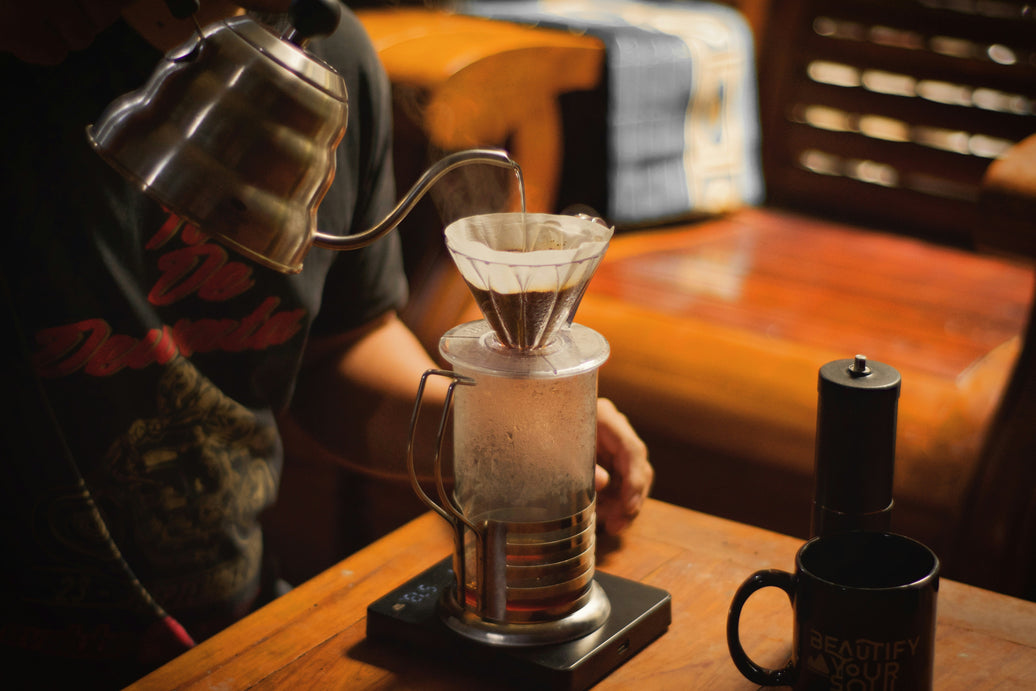
| Pour-over | Medium to medium-fine | Fine, even sand |
| AeroPress | Medium-fine to fine | Between sand and table salt |
| Moka pot | Fine to medium-fine | Fine, but not powdery |
| Espresso machine | Fine | Similar to table salt |
| Turkish coffee | Extra fine | Powder-like texture |
These are starting points rather than strict rules. Your coffee beans, equipment, brewing time, and personal taste can all affect which grind works best.
What Are the Different Coffee Grind Sizes?
1. Extra-Coarse Coffee Grind
Extra-coarse coffee grounds have large, chunky particles. This grind is often used for long-steep cold brew recipes.
Because the particles are large, extraction happens more slowly. Longer brewing times help water draw flavor from the coffee without requiring a fine grind.
Best for: Long-steep cold brew and certain specialized brewing methods.
2. Coarse Coffee Grind
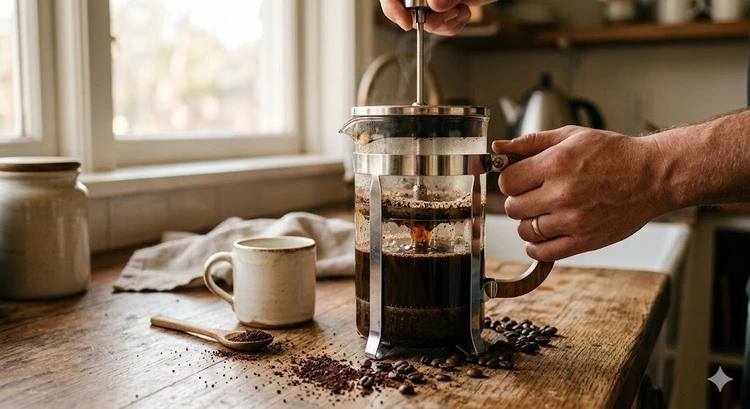
Coarse coffee grounds look similar to rough sea salt. They allow water to move through the grounds relatively easily, making them a popular choice for French press coffee.
A grind that is too fine in a French press can make filtering more difficult and may create a muddy or gritty texture.
Best for: French press, percolators, and many cold brew recipes.
3. Medium-Coarse Coffee Grind
Medium-coarse grounds are slightly smaller than coarse grounds but still visibly textured. This size can work well for some pour-over brewers, depending on the filter and brewing recipe.
If your coffee tastes weak or sour, you may need a finer grind or a longer extraction time. If it tastes harsh or overly bitter, try adjusting the grind and brewing time.
Best for: Certain pour-over recipes and brewing methods that benefit from a moderate extraction rate.
4. Medium Coffee Grind
Medium grounds have a texture similar to regular sand. This is a common starting point for automatic drip coffee makers.
A medium grind offers a useful balance between extraction and water flow. It is also a practical starting point for people who want a consistent everyday cup.
Best for: Automatic drip coffee makers and some flat-bottom pour-over brewers.
5. Medium-Fine Coffee Grind
Medium-fine grounds are finer than regular drip coffee grounds but not as fine as typical espresso grounds.
This size can be useful for cone-shaped pour-over brewers, some AeroPress recipes, and other methods where a little more extraction is needed.
Best for: Many cone-shaped pour-over brewers and selected AeroPress recipes.
6. Fine Coffee Grind
Fine coffee grounds have a texture similar to table salt. Espresso machines commonly use this grind because water passes through a compact bed of coffee under pressure.
The correct espresso grind depends on the machine, coffee beans, dose, and desired extraction. Small adjustments can noticeably change the taste and flow rate.
Best for: Espresso machines and some moka pot recipes, with adjustments depending on the equipment.
7. Extra-Fine Coffee Grind
Extra-fine coffee is ground into a powder-like texture. It is traditionally used for Turkish coffee, where the grounds are suspended in the drink rather than removed through a conventional paper filter.
Best for: Turkish coffee.
How to Choose the Right Coffee Grind Size
The easiest way to choose your grind is to start with your brewing method, then adjust according to the flavor.
-
French press: Begin with coarse grounds.
-
Drip coffee: Begin with medium grounds.
-
Pour-over: Begin with medium or medium-fine grounds, depending on your brewer.
-
Espresso: Begin with fine grounds and adjust for your machine and recipe.
-
Cold brew: Begin with coarse grounds for a long steep.
If you want to improve your measurements along with your grind, read our guide on how much coffee to use per cup. The right coffee-to-water ratio helps you get more consistent results from one brew to the next.
How Grind Size Changes Coffee Flavor
Grind size influences how quickly water extracts soluble compounds from coffee. A finer grind generally exposes more surface area, while a coarser grind exposes less.
When everything else stays the same, this is what you may notice:
Coffee Tastes Sour or Underdeveloped
Your coffee may be under-extracted. Try grinding a little finer, increasing the brewing time, or checking that your water is hot enough for your brewing method.
Coffee Tastes Bitter or Harsh
Your coffee may be over-extracted, although roast level and bean characteristics can also contribute to bitterness. Try grinding a little coarser, shortening the brewing time, or adjusting the water temperature.
If you prefer a smoother cup, explore our guide to the best coffee for people who don't like bitter coffee. It explains how coffee selection and brewing choices can help you find a flavor profile you enjoy.
Coffee Tastes Weak or Watery
Weak coffee does not always mean the grind is wrong. Check your coffee-to-water ratio first. You may need to use more coffee, adjust the grind, or improve extraction.
Coffee Tastes Balanced and Smooth
When grind size, water, coffee quantity, and brewing time work well together, your coffee is more likely to taste balanced. Keep notes on your measurements so you can repeat the results.
Whole Beans vs. Pre-Ground Coffee
Grinding coffee just before brewing can help preserve its aroma because ground coffee has more surface area exposed to air. Whole beans can also give you greater control over grind size for different brewing methods.
If you are new to whole beans, read our step-by-step guide on how to brew coffee with whole beans. It covers grinding, measuring, brewing, and storing coffee at home.
For the best results, use a grinder that produces reasonably consistent particles. A burr grinder is a popular choice because it generally provides more control over grind size than many blade grinders.
Does Roast Level Affect Grind Size?
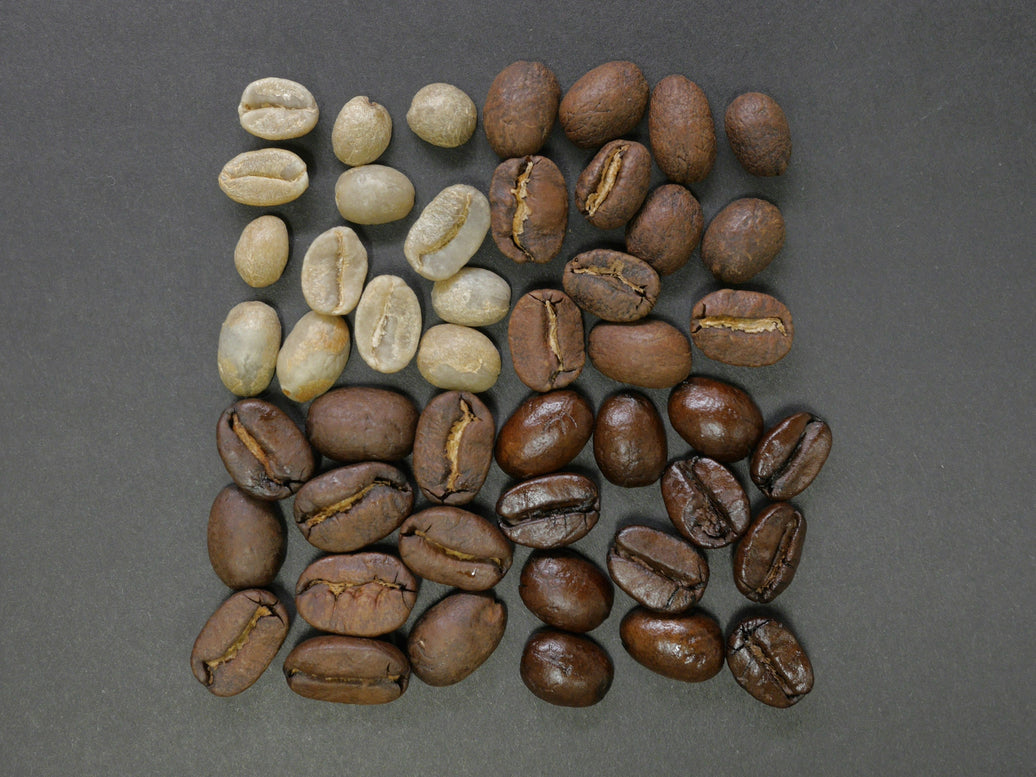
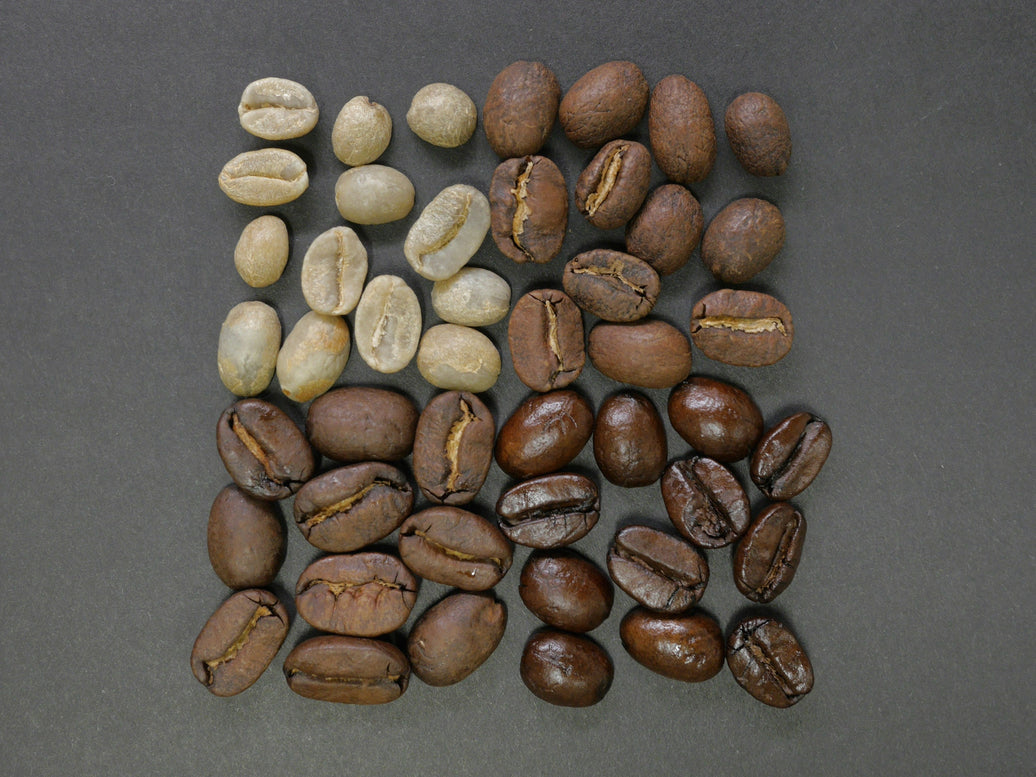
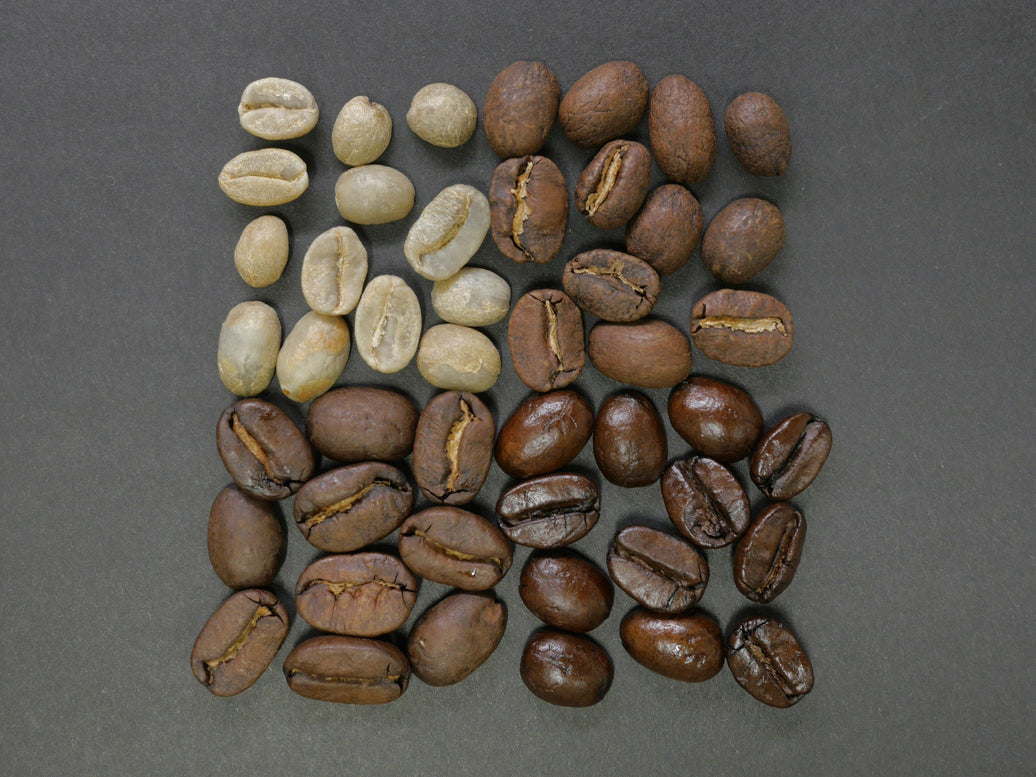
Roast level can influence how coffee behaves during grinding and brewing. Darker-roasted beans are often more brittle, while lighter-roasted beans can be harder to grind. However, grind size should primarily be adjusted to suit your brewing method and taste.
French roast, for example, is a dark roast style associated with a deep, roasted flavor. If you want to learn more about this profile, explore our article, what is French roast coffee?.
Remember that a dark roast does not automatically require a particular grind size. Start with the recommendation for your brewing method and adjust based on the flavor in your cup.
Tips for Getting a Consistent Coffee Grind
Follow these simple tips to improve your daily coffee routine:
-
Grind shortly before brewing. This helps preserve the coffee's fresh aroma.
-
Use a consistent grind setting. Keep your starting point the same when comparing results.
-
Measure your coffee and water. A scale can help you repeat a successful recipe.
-
Adjust one variable at a time. Change the grind, brewing time, or coffee ratio separately so you can identify what improves the flavor.
-
Keep your grinder clean. Old coffee residue can affect aroma and taste.
-
Store beans properly. Keep coffee in an airtight container away from heat, moisture, and direct sunlight.
Find Your Next Coffee from Arvea Coffee
The right grind size helps you get more from the coffee you already enjoy. Whether you prefer a smooth drip coffee, a rich French press, or a concentrated espresso, a few small adjustments can make your daily coffee ritual more satisfying.
Explore the Arvea Coffee collection to discover coffee options for your next brew. Choose the coffee that suits your preferences, select a brewing method, and experiment until you find the cup you love.
Frequently Asked Questions
What is the best grind size for regular coffee?
For most automatic drip coffee makers, medium-ground coffee is a good starting point. The ideal setting may vary depending on the machine, filter, and brewing time.
Is coarse or fine grind better for coffee?
Neither is universally better. Coarse grounds are suited to methods such as French press, while fine grounds are commonly used for espresso. The best grind depends on your brewing equipment.
Does a finer grind make coffee stronger?
A finer grind can increase extraction because more surface area is exposed to water. However, coffee strength also depends on the coffee-to-water ratio and brewing process.
Why does my coffee taste bitter?
Bitterness can come from the roast profile, over-extraction, brewing temperature, or other factors. Try a slightly coarser grind or shorter brewing time and see whether the flavor improves.
Can I use the same grind size for every brewing method?
You can experiment, but one grind size will not perform equally well in every method. Different equipment and brewing times generally benefit from different grind sizes.
Should I grind coffee immediately before brewing?
Grinding just before brewing is a useful way to retain more aroma. If you buy pre-ground coffee, store it in an airtight container and use it while it is fresh.
What grind size should I use for espresso?
A fine grind is the usual starting point for espresso. Adjust it according to how quickly the espresso flows and how the finished drink tastes.
Final Thoughts
Coffee grind size is one of the most useful variables you can control when brewing at home. Start with the recommended grind for your brewing method, measure your coffee and water, and make small adjustments until the flavor suits you.
A better cup does not have to be complicated. With a little practice and the right coffee, you can build a coffee ritual that feels distinctly your own.

























Leave a comment