


Updated on: 2026-10-10
This article explains what makes High Altitude Single Origin Coffee, Organic Himalayan Coffee Beans distinctive, from growing conditions to flavor clarity. You will learn how altitude and careful processing influence aroma, sweetness, and cup balance. It also covers practical brewing methods designed to highlight the coffee’s natural character. Finally, you will find preparation tips, common questions, and guidance for choosing organic, low-acid beans that support everyday routines.
1. What makes Himalayan single-origin coffee different
2. Flavor profile of high-altitude organic beans
3. Step-by-step brewing for a clean cup
4. Tips for better results with low-acid coffee
5. Pairing and serving ideas
6. How to store organic low acid beans
7. FAQs
High Altitude Single Origin Coffee, Organic Himalayan Coffee Beans: why altitude matters
High Altitude Single Origin Coffee, Organic Himalayan Coffee Beans combine three design elements that are difficult to replicate at scale: origin focus, altitude cultivation, and organic farming standards. The result is a gourmet high-altitude coffee that tends to feel clean in the cup, with a balanced sweetness and a composed finish. When the beans come from a defined region and are handled with care from harvest to roast, you notice it in consistency and clarity.
Altitude influences how the coffee develops. Cooler temperatures slow down bean growth, which can support denser development and more even flavor formation. That is one reason organic low acid beans from high elevations are often described as smooth, steady, and less harsh than aggressively roasted or mass-produced alternatives. Additionally, single-origin lots help preserve regional identity, so the cup communicates terroir rather than blended averages.
Clean energy and mental focus without harshness
Coffee is commonly chosen for its energizing effect and its ability to support mental clarity. With organic Himalayan beans, many drinkers prefer the experience of a low-acid cup that feels easier on the palate. This does not eliminate caffeine, and it does not replace sleep or healthy routines. However, a smoother cup can make it easier to enjoy coffee as part of an everyday workflow. For many people, that translates into more consistent attention and less of the “scratchy” sensation some coffees produce when acidity and bitterness are out of balance.
From a quality perspective, the goal is not to chase extreme stimulation. It is to seek a well-roasted profile that respects the bean’s natural structure. A low-acid style also pairs well with morning hydration, light breakfasts, and slower starts.

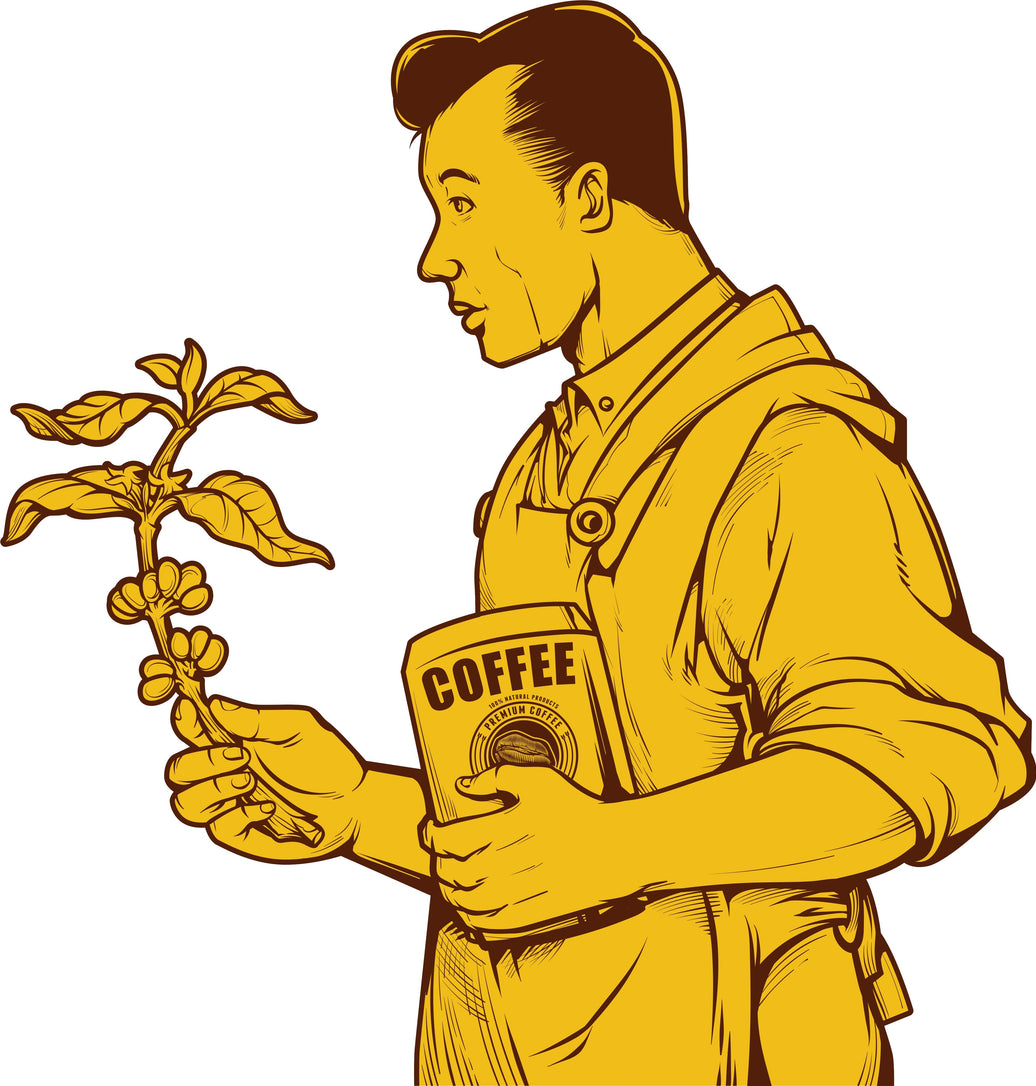
Altitude landscape, sun rays, and bean silhouette symbolism
What to expect from the flavor of organic Himalayan beans
The taste of High Altitude Single Origin Coffee often presents as clean and layered. Many drinkers encounter gentle fruit-like notes, subtle floral undertones, and a sweetness that builds rather than snaps. The finish is frequently described as balanced, with a lower tendency toward sharp acidity when the coffee is roasted to support the bean’s natural sweetness.
Because the beans are single origin, they can show more nuance than blends. You may notice that the cup changes slightly across brew time. Early sips can taste lighter and more aromatic. Later sips can feel deeper and more grounded, especially with slight adjustments in grind size and water temperature.
How organic practices support cup consistency
Organic farming standards focus on soil health, careful nutrient management, and reduced reliance on synthetic inputs. While farming cannot guarantee a specific flavor, organic handling and responsible growing practices can support more predictable lots. When combined with attentive roasting, you get a coffee that stays stable across cups, especially when you use consistent water and measurement.
Step-by-step brewing for a clean cup with low-acid character
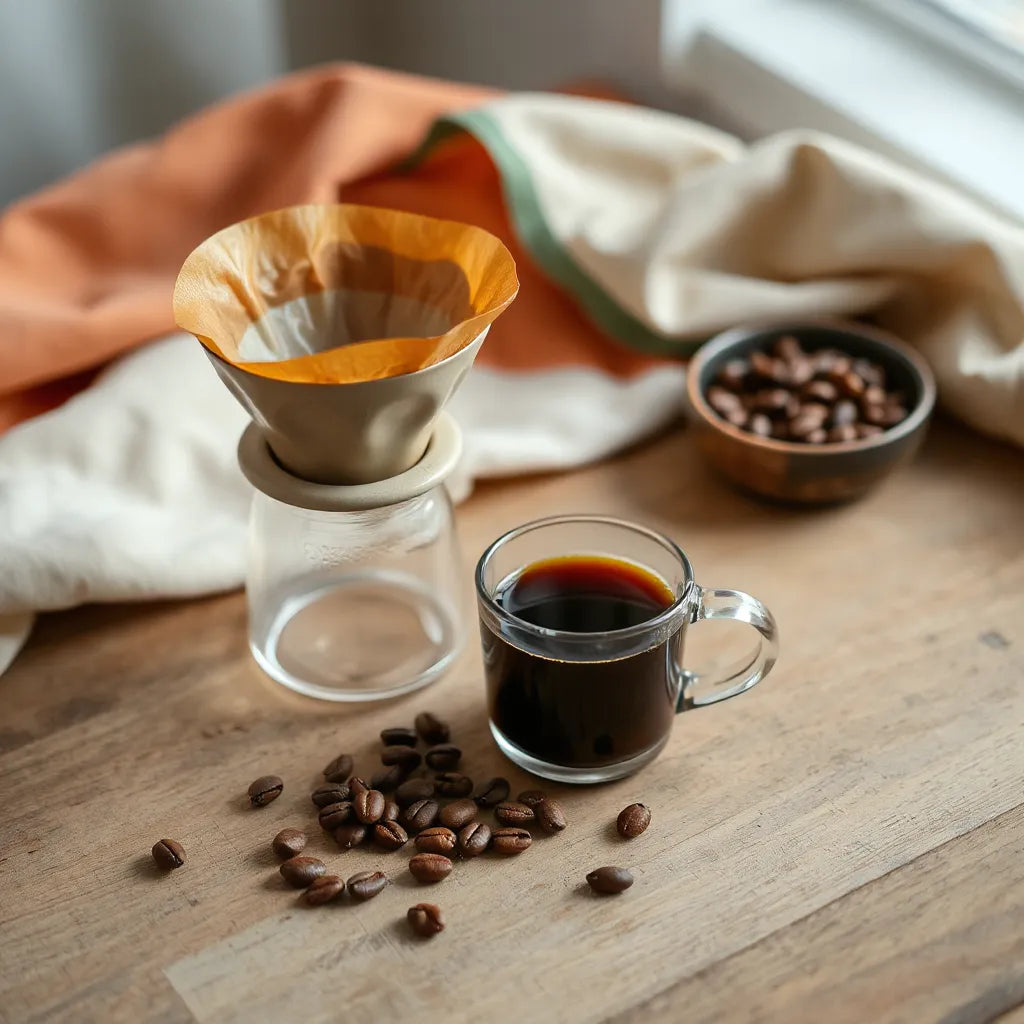
Brewing determines more than taste. It affects how the coffee’s sweetness and acidity feel. If your goal is a clean cup, use controlled extraction and avoid pushing bitterness. The steps below are designed to bring out gourmet high-altitude coffee characteristics while maintaining a smooth experience.
-
Start with freshly ground beans. Grind just before brewing to protect aroma and reduce stale notes.
-
Use filtered water. Water with strong mineral imbalance can distort perceived acidity and sweetness.
-
Choose the right ratio. A common starting point is 1:16 coffee to water, then adjust based on taste.
-
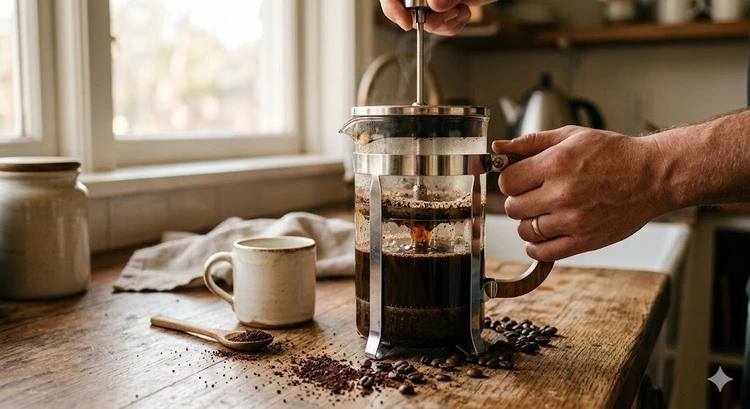
Set grind size for your method. For a paper filter brewer, aim for medium-fine. For immersion methods, use a slightly coarser grind to reduce sediment.
-
Control water temperature. Use hot water that is not aggressively boiling. Lower temperature can soften harshness.
-
Mind extraction time. Brew long enough for full flavor development, but avoid extended steeping that can increase bitterness.
-
Serve promptly. Coffee tastes best soon after brewing. If it cools too much, bitterness can feel more prominent.
Recommended roast approach for organic low acid beans
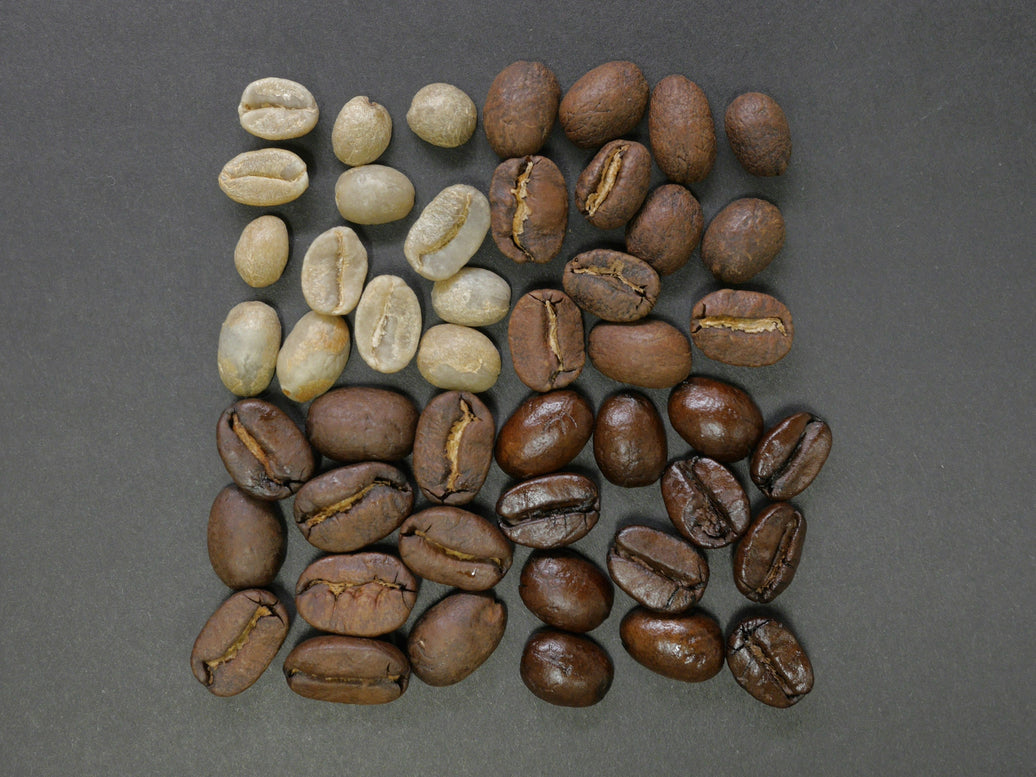
Even with the same bean, roasting level changes the balance between sweetness and bitterness. For a smooth, low-acid experience, a balanced roast profile is often more effective than a very dark roast. Dark roasts can mask origin character and can shift flavor toward smokiness and heavier bitterness. A medium roast or a carefully developed lighter profile often preserves the clarity that many people seek in high-altitude single origin cups.
Tips for better results with organic low acid coffee
Dial in grind size before changing anything else. Small adjustments can change extraction and sweetness significantly.
Measure consistently. Use a scale for coffee and water to maintain stable results across sessions.
Keep the coffee dose steady when you experiment with brew time. This helps you identify what actually improves clarity.
Rinse paper filters when applicable. This reduces papery notes and improves overall balance.
Consider pairing with lower-acid foods. Dairy, gentle grains, and mild fruits can complement a smooth cup.
When using espresso-style preparations, avoid over-extraction. Taste should remain sweet and aromatic rather than dry and bitter.
Choose a gentle, well-developed roast for day-to-day drinking. It supports mental clarity without overwhelming the palate.
Pairing ideas that highlight the cup’s natural sweetness
High-altitude coffee often rewards careful pairing. The goal is to let the cup show its aromatic identity. Instead of pairing with items that compete with the finish, select foods with gentle flavors, mild sweetness, or comforting textures.
Breakfast pairings
Consider pairing your cup with lightly sweet baked goods, simple oatmeal, or a breakfast that includes soft dairy or nuts. The coffee’s sweetness and aroma can enhance the overall experience without turning the meal into a competition of flavors. If you prefer a more savory start, choose herbs and grains with mild seasoning.
If you enjoy flavored options, select those that are designed to complement coffee rather than overpower it. For example, vanilla-based profiles often match well with smooth origin cups.
For an additional tasting perspective, you can explore complementary roasts or blends within the Arvea catalog. If you want a simple comparison point, you may also try a classic French roast for a more traditional profile and then return to your Himalayan single origin for clarity-focused sips.
Compare with French roast or Try single-origin variety

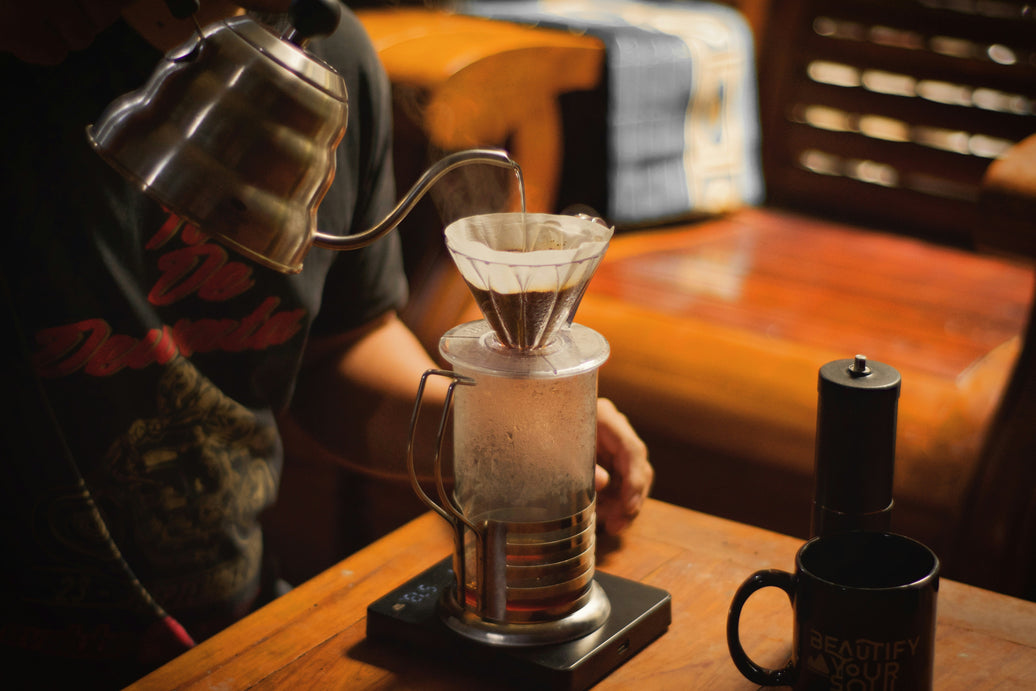
Pouring stream into cup with aroma swirls and timeline marks
How to store organic low acid beans to keep aroma intact
Storage affects freshness more than most drinkers expect. Even a high-quality lot can lose complexity when exposed to heat, humidity, and air. To preserve the clean flavor profile of organic Himalayan beans, store them correctly.
Practical storage guidelines
Keep beans in an airtight container to limit oxygen exposure.
Store away from direct sunlight. Light can degrade aroma compounds over time.
Choose a cool, dry place. Heat accelerates staling.
Avoid frequent opening. Each time you open the container, warm air can enter and affect freshness.
Grind only what you need. Whole beans retain quality longer than pre-ground coffee.
Freshness test for everyday drinkers
If the coffee aroma becomes muted or the cup tastes flat, it is often a sign that freshness has dropped. A simple check is aroma strength right after grinding. If the fragrance seems weaker than before, consider using the beans sooner or adjusting your purchase cadence.
FAQs about High Altitude Single Origin Coffee
Is organic Himalayan coffee beans the same as any high-altitude coffee?
Not necessarily. High altitude alone does not guarantee the same cup experience. The region, farming practices, harvest handling, and roasting development all matter. Organic standards focus on agricultural inputs and soil management, while single-origin sourcing preserves specific regional character. When these factors align, the result is often a cleaner, more balanced flavor profile.
Why do low-acid high-altitude coffees taste smoother?
Perceived smoothness is influenced by acidity balance, roast development, and extraction control. A well-developed roast can preserve sweetness while reducing harsh edge. Brewing technique also plays a role. If water temperature or extraction time is too aggressive, even naturally smooth coffees can taste more bitter or sharp.
What brewing method works best for a single-origin high-altitude cup?
Multiple methods can work well, including pour-over, drip with paper filters, AeroPress-style immersion, and careful immersion brews. The best method is the one where you can control grind size, dose, and extraction time. For clarity and sweetness, filtered methods are often a strong starting point because they reduce sediment and help maintain a clean finish.
How can I support metabolic and everyday routine goals with coffee?
Coffee should be treated as a complement to food, hydration, and consistent lifestyle habits. Choose a low-acid cup that you enjoy regularly, use it in moderate amounts, and pair it with balanced meals. A smooth tasting coffee encourages consistent enjoyment without turning your routine into an uncomfortable experience.
How to choose your next cup
If you want a gourmet high-altitude coffee that is built around clean flavor and a low-acid character, focus on origin clarity and roasting balance. High Altitude Single Origin Coffee, Organic Himalayan Coffee Beans are a strong choice when you seek aroma clarity, steady sweetness, and a cup that supports mental focus. The best results come from consistent brewing and correct storage.
If you are ready to explore, visit shop Arvea Coffee to find high-quality options designed for smooth, everyday enjoyment. You can also use sampler formats to compare flavor profiles and identify your preferred roast style.
Disclaimer: This article is for informational purposes only and does not provide medical advice. Statements about energy, clarity, and routine support are based on general consumer experience and food-and-beverage education, not diagnosis, treatment, or prevention of any disease.

At Arvea Coffee, we believe great coffee is more than just a drink — it’s a moment to slow down, recharge, and enjoy something truly special.
The content in this blog post is intended for general information purposes only. It should not be considered as professional, medical, or legal advice. For specific guidance related to your situation, please consult a qualified professional. The store does not assume responsibility for any decisions made based on this information.

























Leave a comment