

How to Make Cold Brew Coffee at Home: Easy Step-by-Step Guide
What Is Cold Brew Coffee?
Cold brew coffee is coffee made by steeping ground coffee in cool or room-temperature water for an extended period instead of brewing it with hot water.
Unlike iced coffee, which is normally brewed hot and then chilled, cold brew uses a long, slow brewing process. The Specialty Coffee Association describes cold brew as a long, usually immersion-style brew that can take roughly 4 to 24 hours depending on the method.
The process is surprisingly simple:
Coffee + cold water + time = cold brew.
You don't need an espresso machine, coffee maker, or kettle.
What Does Cold Brew Taste Like?
Cold brew is often described as smooth, sweet, and full-bodied.
However, flavor depends on many factors, including:
-
Coffee origin
-
Roast level
-
Grind size
-
Coffee-to-water ratio
-
Water quality
-
Steeping time
-
Brewing temperature
-
Filtration
It's also important not to assume that cold brew is automatically less acidic or sweeter than every hot-brewed coffee. Research from the Specialty Coffee Association found that the sensory differences depend on the coffee and brewing conditions.
What You Need to Make Cold Brew Coffee
You only need a few things:
-
Fresh coffee
-
Cold or room-temperature water
-
Large jar or pitcher
-
Coffee grinder
-
Digital scale
-
Spoon
-
Fine-mesh strainer
-
Paper filter, cheesecloth, or coffee filter
-
Storage container
A dedicated cold brew maker is convenient, but it isn't necessary.
A simple jar or pitcher works perfectly well for beginners.
What Is the Best Grind Size for Cold Brew?
Start with a coarse or extra-coarse grind.
Cold brew sits in water for many hours, so a fine grind can make filtration more difficult and may produce a muddy or overly extracted brew.
A coarse grind also makes it easier to separate the coffee grounds from the finished coffee.
Simple rule:
Cold Brew = Coarse Grind
If you're buying pre-ground coffee, look for a coarse grind intended for cold brew or French press-style brewing.
What Is the Best Cold Brew Ratio?
There isn't one universal cold brew ratio because you can make either a concentrate or a ready-to-drink brew.
For a cold brew concentrate, a useful starting range is approximately:
1 part coffee : 4–8 parts water
For example:
100g coffee + 600g water = 1:6 ratio
An SCA-based classic recipe uses a 1:6 ratio with a long cold immersion, while another SCA-based concentrate recipe uses approximately 1:8.
For beginners, 1:6 or 1:8 is an easy place to start.
Easy Cold Brew Recipe for Beginners
Try this simple recipe:
Coffee: 100g
Water: 600g
Ratio: 1:6
Grind: Coarse
Water: Cold
Steep: Approximately 18 hours
Serving: Dilute to taste
This produces a concentrated cold brew that you can dilute with water, milk, or ice.
How to Make Cold Brew Coffee Step by Step
Step 1: Choose Your Coffee
Start with coffee that you already enjoy.
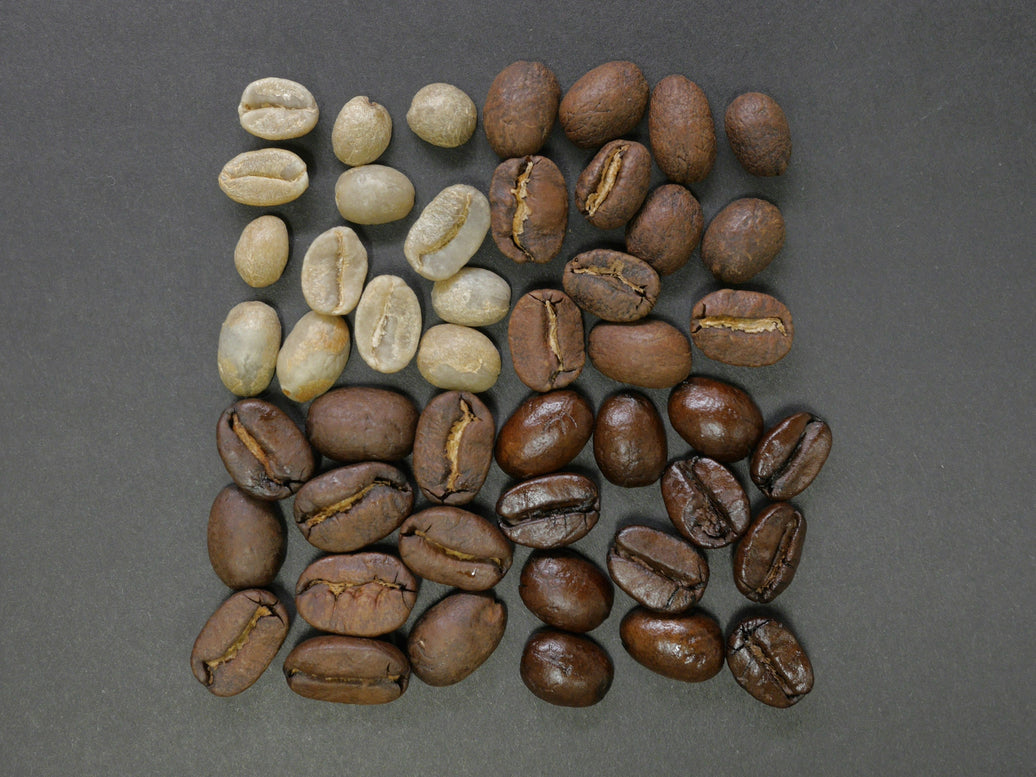
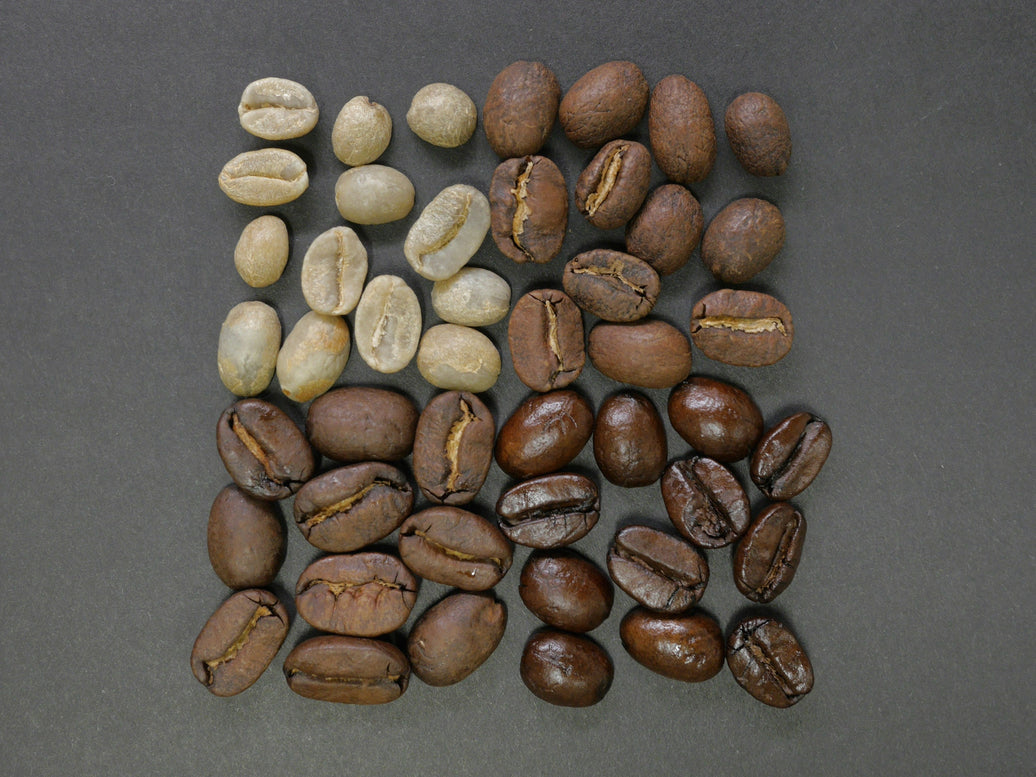
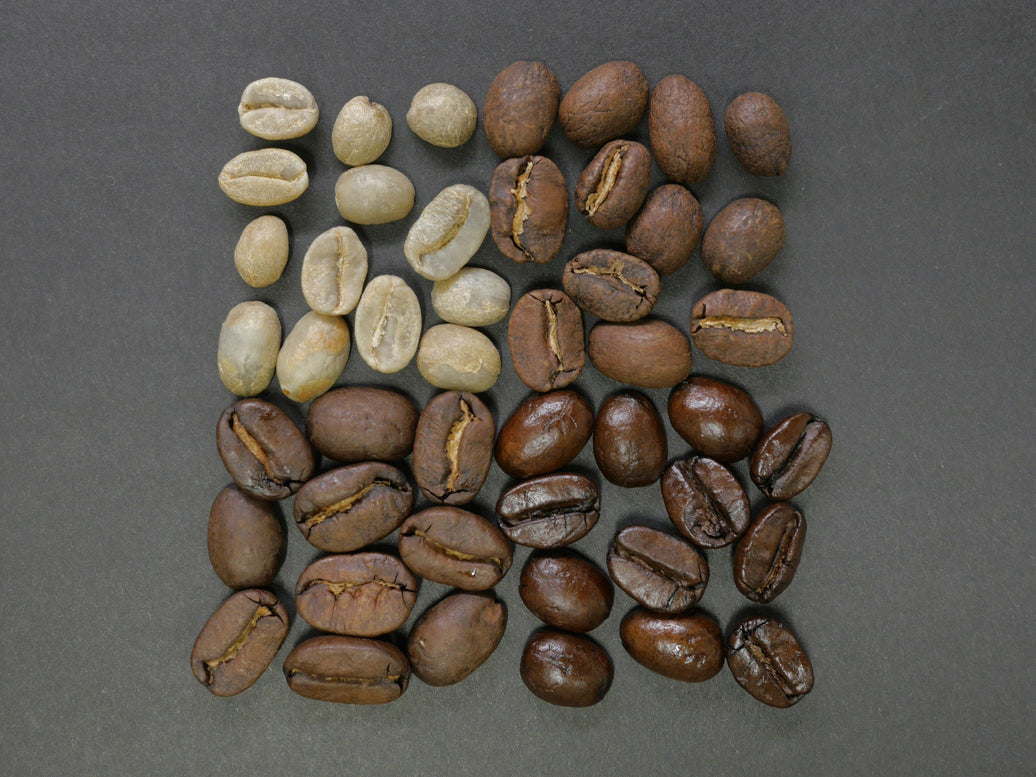
Medium and dark roasts are popular choices for cold brew because they can produce rich, chocolatey, nutty, or caramel-like flavors.
However, lighter roasts can also work beautifully if you prefer brighter or fruitier flavors.
There is no single roast that is automatically the best for cold brew.
Step 2: Grind the Coffee
Grind your coffee coarse to extra coarse.
The grounds should look noticeably larger than typical drip coffee grounds.
Avoid grinding too fine.
Fine coffee particles can make the brew muddy and make filtering more difficult.
Step 3: Measure Your Coffee
For the beginner recipe, measure:
100 grams of coffee
Using a digital scale is much more accurate than measuring by tablespoons or scoops.
Step 4: Add the Water
Place the coffee grounds into your jar or brewing container.
Add:
600 grams of cold water
Make sure all the grounds become saturated.
Give the mixture a gentle stir.
Don't aggressively agitate the coffee.
Step 5: Cover and Steep
Cover your container.
Place it in the refrigerator or another suitable cool environment.
Let the coffee steep for approximately 16–24 hours, depending on your preferred strength and brewing setup.
An SCA-based classic cold brew recipe uses approximately 18 hours of steeping.
Step 6: Strain the Coffee
After steeping, separate the coffee grounds from the liquid.
Start with a fine-mesh strainer.
For a cleaner cup, you can run the coffee through a paper coffee filter afterward.
Paper filtration removes additional fine particles and produces a cleaner final drink.
Step 7: Taste the Cold Brew
Before adding anything, taste the cold brew.
If it is too strong, add cold water.
If it is too weak, you can experiment with a stronger coffee-to-water ratio or a longer brew time next time.
Step 8: Serve Over Ice
Fill a glass with ice.
Add your cold brew.
Then customize it with:
-
Cold water
-
Milk
-
Cream
-
Oat milk
-
Almond milk
-
Sweetener
-
Vanilla
A simple starting point is 1 part cold brew concentrate to 1 part water or milk, then adjust according to taste. SCA-based cold brew recipes also use dilution before serving.
Cold Brew Concentrate vs Ready-to-Drink Cold Brew
This is an important distinction.
Cold Brew Concentrate
Concentrate uses more coffee relative to water.
For example:
1:4 to 1:8
It is usually diluted before drinking.
Advantages:
-
Strong flavor
-
Easy to customize
-
Great for iced lattes
-
Can be diluted with water or milk
Ready-to-Drink Cold Brew
This uses more water during brewing.
For example:
1:10 to 1:12
You can generally pour it over ice and drink it without much dilution.
Advantages:
-
Convenient
-
Less preparation after brewing
-
Easy for serving multiple people
How Long Should Cold Brew Steep?
A useful starting point is approximately 12–24 hours.
The exact time depends on:
-
Grind size
-
Coffee-to-water ratio
-
Water temperature
-
Coffee
-
Desired strength
-
Brewing method
The SCA notes that cold brew methods can range from several hours to as long as 24 hours.
If your cold brew tastes too weak, try a longer steep or stronger ratio next time.
If it tastes too strong or unpleasantly bitter, try reducing the steep time or changing the ratio.
Should You Make Cold Brew in the Refrigerator?
Yes, you can.
Refrigerated brewing is convenient and keeps the brewing environment cold.
You can also find cold brew methods that use room-temperature water.
The important thing is consistency.
If you're experimenting with recipes, keep your brewing conditions similar so you can understand how each change affects the final flavor.
What Is the Best Coffee for Cold Brew?
The best coffee for cold brew depends on your personal taste.
If you like chocolate and nutty flavors:
Try a medium or darker roast.
If you like bold coffee:
Try a darker roast.
If you like fruity or bright flavors:
Experiment with lighter roasted coffees.
If you're a beginner:
Start with a balanced coffee that you already enjoy drinking hot.
You can then experiment with different roasts and origins.
Can You Use Whole Bean Coffee for Cold Brew?
Absolutely.
Whole bean coffee gives you control over the grind size.
For cold brew, grind the beans shortly before brewing and use a coarse setting.
If you don't have a grinder, pre-ground coffee can also work.
The most important thing is choosing an appropriate coarse grind.
Cold Brew vs Iced Coffee
These two drinks are often confused.
| Feature | Cold Brew | Iced Coffee |
|---|---|---|
| Brewing method | Cold/room-temperature immersion | Hot brewing |
| Water temperature | Cool or room temperature | Hot |
| Brewing time | Hours | Minutes |
| Served cold | Yes | Yes |
| Ice | Optional | Common |
| Equipment | Jar/pitcher | Coffee maker or brewer |
The biggest difference is how the coffee is brewed.
Cold brew is brewed slowly with cool or room-temperature water, while iced coffee is generally brewed hot and then chilled.
Why Is My Cold Brew Bitter?
If your cold brew tastes excessively bitter, consider:
-
Steeping for less time
-
Using a coarser grind
-
Adjusting your coffee-to-water ratio
-
Using a different coffee
-
Reducing excessive agitation
Don't automatically assume you need less coffee.
The grind and steeping time can be just as important.
Why Is My Cold Brew Weak?
If your cold brew tastes watery, try:
-
Increasing the amount of coffee
-
Reducing the amount of water
-
Steeping longer
-
Checking that your grounds are fully saturated
-
Using a slightly finer grind
Make only one major adjustment at a time.
Why Is My Cold Brew Cloudy?
Cloudiness can come from fine coffee particles and oils remaining in the finished brew.
Try filtering the coffee again through a paper filter.
A coarse grind also makes filtration easier.
How to Make a Cold Brew Latte
Cold brew is excellent for iced coffee drinks.
Simple cold brew latte:
Ingredients:
-
4 oz cold brew concentrate
-
4–6 oz milk
-
Ice
-
Optional sweetener
Instructions:
-
Fill a glass with ice.
-
Add the cold brew concentrate.
-
Add milk.
-
Stir.
-
Add sweetener if desired.
-
Enjoy.
You can also experiment with oat milk, almond milk, vanilla, or flavored syrups.
How to Make Vanilla Cold Brew
For a simple vanilla version:
Ingredients:
-
Cold brew
-
Ice
-
Milk or cream
-
Vanilla syrup
Instructions:
-
Add ice to a glass.
-
Pour in cold brew.
-
Add milk or cream.
-
Add a small amount of vanilla syrup.
-
Stir and taste.
-
Adjust sweetness as desired.
How to Make Cold Brew Without a Special Brewer
You don't need a dedicated cold brew machine.
A large mason jar, pitcher, or other food-safe container can work.
Basic method:
-
Add coarse coffee.
-
Add cold water.
-
Stir gently.
-
Cover.
-
Steep.
-
Strain.
-
Refrigerate.
-
Serve over ice.
It's one of the simplest coffee brewing methods you can do at home.
How Long Does Homemade Cold Brew Last?
Once strained, keep homemade cold brew refrigerated in a clean, sealed container.
For best quality, use it within a reasonable period and discard it if it develops an unusual smell, appearance, or taste.
If you're making large batches, prepare only as much as you expect to use while it still tastes fresh.
7 Tips for Better Cold Brew
1. Use a Coarse Grind
This makes filtering easier and helps prevent excessive fine particles.
2. Use Fresh Coffee
Fresh coffee can produce better aroma and flavor.
3. Use Good Water
Water makes up most of your finished beverage, so water quality matters.
4. Measure by Weight
A scale makes your recipe repeatable.
5. Fully Saturate the Grounds
Make sure there aren't dry pockets of coffee.
6. Don't Over-Agitate
A gentle stir is enough.
7. Experiment
Try changing one variable at a time:
-
Ratio
-
Grind
-
Steep time
-
Coffee
-
Temperature
You'll quickly learn what you prefer.
Beginner Cold Brew Recipe Cheat Sheet
Save this recipe:
100g coffee
600g water
1:6 ratio
Coarse grind
Cold water
16–24 hour steep
Strain thoroughly
Dilute to taste
Serve over ice
The SCA-based classic recipe uses 100g coffee, 600g water, an extra-coarse grind, refrigerated water, and an approximately 18-hour steep.
Frequently Asked Questions
Is cold brew stronger than regular coffee?
Cold brew can be brewed as a concentrate, which makes it much more concentrated than a typical ready-to-drink brewed coffee. Always dilute concentrate according to taste.
What grind size is best for cold brew?
A coarse or extra-coarse grind is a good starting point.
How long should cold brew steep?
Approximately 12–24 hours is a common range, depending on the recipe and brewing conditions.
What ratio should I use for cold brew?
For concentrate, start around 1:6 or 1:8 and adjust according to taste.
Can I use regular coffee beans for cold brew?
Yes. You can use many different coffees for cold brew. The grind size and recipe matter more than buying beans specifically labeled "cold brew."
Can I make cold brew without a coffee maker?
Yes. A jar or pitcher and a way to strain the coffee are enough.
Should cold brew be refrigerated while brewing?
Refrigeration is a convenient option, although some recipes use room-temperature brewing. Follow a consistent recipe and adjust based on taste.
Can I drink cold brew concentrate straight?
You can, but concentrate is designed to be diluted. Start with water or milk and adjust the strength to your preference.
Final Thoughts
Learning how to make cold brew coffee at home is much easier than many people think.
You don't need complicated equipment.
Start with:
Coarse coffee + cold water + a 1:6 ratio + an overnight steep.
Then strain it, dilute it to your preferred strength, pour it over ice, and enjoy.
Once you've mastered the basic recipe, experiment with different Arvea coffees, roast levels, and grind sizes to discover your favorite cold brew combination.
Ready to explore coffee for your next cold brew?





















Leave a comment