

Medium Roast vs. Dark Roast Coffee: Which Coffee Is Right for You?
Choosing between medium roast and dark roast coffee can change the flavor of your daily cup. Medium roast is often appreciated for its balanced taste, while dark roast is popular with people who enjoy deeper, bolder roasted flavors.
But which one is better? Is dark roast more bitter? Does medium roast have more caffeine? And which roast works best for espresso, French press, or everyday drip coffee?
The answer depends on your taste preferences and how you prepare your coffee. In this guide, we’ll compare medium roast vs. dark roast coffee so you can confidently choose the right style for your routine.
What Is Medium Roast Coffee?
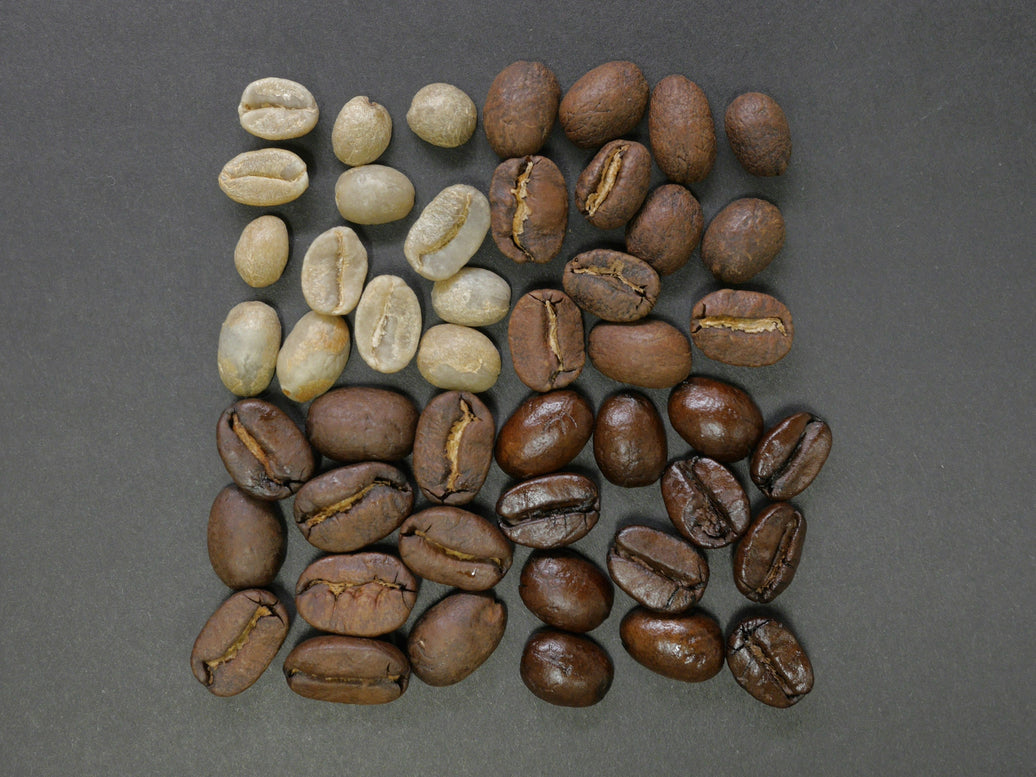
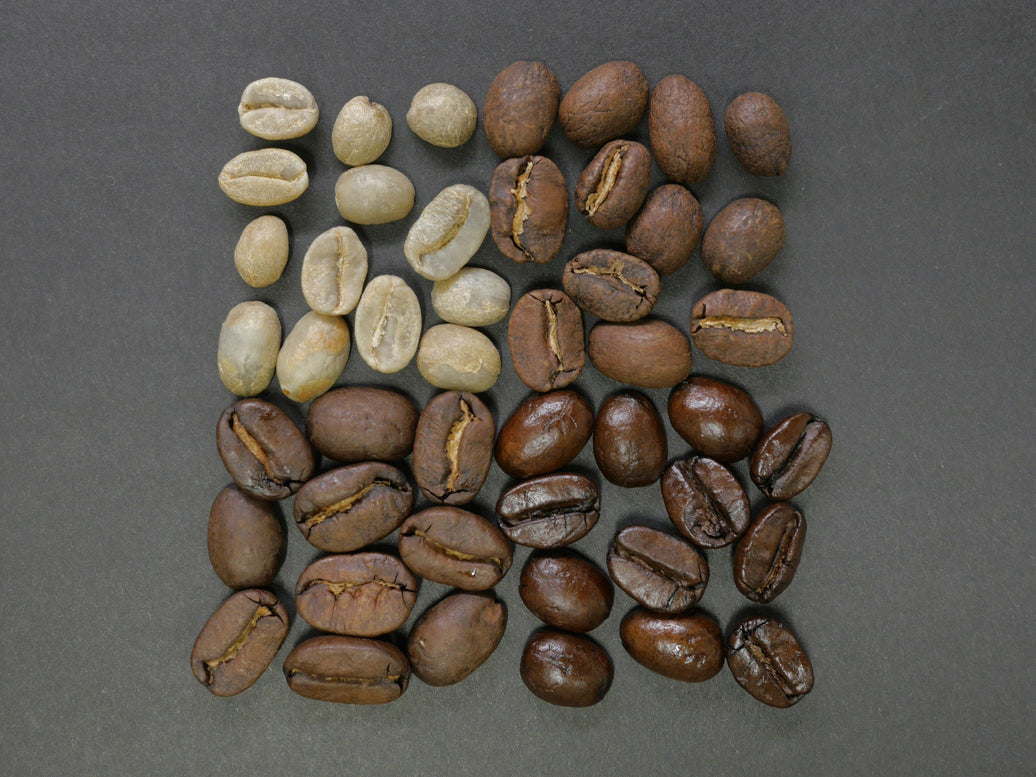
Medium roast coffee is roasted longer than light roast but generally not as long as dark roast. The beans are typically medium brown and often have a relatively dry surface.
This roast level aims to balance the coffee’s natural characteristics with the flavors developed during roasting.
Depending on the beans, medium roast coffee may offer:
-
Balanced flavor: A combination of origin characteristics and roasted flavors.
-
Caramel-like notes: Some coffees have flavors reminiscent of caramel or brown sugar.
-
Chocolate and nut notes: These may be noticeable depending on the beans and roast profile.
-
Moderate perceived acidity: Often less bright than a light roast but more noticeable than some dark roasts.
-
Versatility: A practical choice for many everyday brewing methods.
Medium roast is a useful starting point if you want coffee that is neither extremely bright nor intensely smoky.
What Is Dark Roast Coffee?
Dark roast coffee is roasted longer or developed further than medium roast. The beans usually have a dark brown color and may develop an oily surface, depending on the roasting profile.
As roasting progresses, the coffee's flavor can become more dominated by roasted characteristics, such as dark chocolate, toasted flavors, smoke, or bitterness.
Dark roast coffee may appeal to you if you enjoy:
-
Deep, pronounced roasted flavors.
-
Smoky or bittersweet characteristics.
-
Coffee that remains noticeable in milk-based drinks.
-
A less bright-tasting cup.
-
A bold flavor profile for your morning routine.
Dark roast is not automatically better or stronger than medium roast. It simply offers a different balance of flavors.
Medium Roast vs. Dark Roast: Key Differences
| Feature | Medium roast | Dark roast |
|---|---|---|
| Bean color | Medium brown | Dark brown, sometimes oily |
| Flavor | Balanced, often caramel-like or nutty | Deep, roasted, often smoky or bittersweet |
| Bitterness | Usually less pronounced | Often more pronounced |
| Perceived acidity | Often more noticeable | Often less noticeable |
| Origin flavors | May be easier to distinguish | Can be less prominent |
| Common uses | Drip, pour-over, French press, espresso | Drip, espresso, French press, cold brew |
| Best for | Drinkers who enjoy balance | Drinkers who prefer deep roasted flavors |
These are general tendencies rather than fixed rules. The bean variety, origin, processing, roast profile, freshness, and brewing technique all influence the final cup. The Specialty Coffee Association discusses how roast level affects coffee flavor in its guide, Coffee Decoded: Why Is Roast Level So Important to Consumers?.
Which Tastes Better: Medium Roast or Dark Roast?
Neither roast is universally better. The right choice depends on what you enjoy drinking.
Choose medium roast if you prefer:
-
A balanced everyday cup.
-
Caramel-like, nutty, or chocolate-like flavors.
-
Coffee with noticeable origin characteristics.
-
A versatile option for different brewing methods.
-
A flavor profile that is not dominated by intense roasted notes.
Choose dark roast if you prefer:
-
Deep, bold roasted flavors.
-
Smoky or bittersweet characteristics.
-
Coffee that pairs well with milk or cream.
-
A less bright-tasting cup.
-
The flavor profile commonly associated with French or Italian roast styles.
A simple tip: If you’re unsure, try the same brewing method with both roasts. Keep the coffee-to-water ratio consistent and compare the aroma, taste, and finish.
Does Medium Roast Have More Caffeine Than Dark Roast?
This is one of the most common questions about coffee roast levels.
You cannot reliably determine a cup’s caffeine content from the roast label alone.
Caffeine depends on the coffee variety, the quantity of coffee used, the serving size, and the brewing method. Darker roasting changes the beans’ moisture content and density, so measuring by scoops can produce different results from measuring by weight.
Here’s what to remember:
-
By flavor: Dark roast often tastes more intense because of its pronounced roasted character.
-
By caffeine: A bold taste does not automatically mean more caffeine.
-
By measurement: Weighing your coffee gives you a more consistent starting point than relying only on scoops.
If caffeine content matters to you, pay attention to your serving size and total intake rather than choosing a roast based on assumptions about caffeine.
Which Roast Is Less Bitter?
Medium roast often tastes less intensely roasted than dark roast. Dark roast can have more noticeable bitterness, smoky flavors, and a heavier roasted character.
However, the roast level is only one factor.
Your coffee can taste bitter because of:
-
Grinding too finely for your brewing method.
-
Brewing for too long.
-
Using too much coffee relative to water.
-
Leaving brewed coffee on a hot plate.
-
Using dirty brewing equipment.
If your coffee tastes too bitter, try a slightly coarser grind or a shorter brew time.
If your coffee tastes sour or sharply acidic, it may be under-extracted. A slightly finer grind or longer extraction may help.
Adjust one variable at a time to find the balance you prefer.
Best Brewing Methods for Medium Roast Coffee
Medium roast is a versatile choice for several brewing methods.
1. Drip coffee
Start with a medium grind and a coffee-to-water ratio of around 1:16. For example, use 20 grams of coffee with 320 grams of water.
This is a practical starting point for a balanced everyday cup.
2. Pour-over
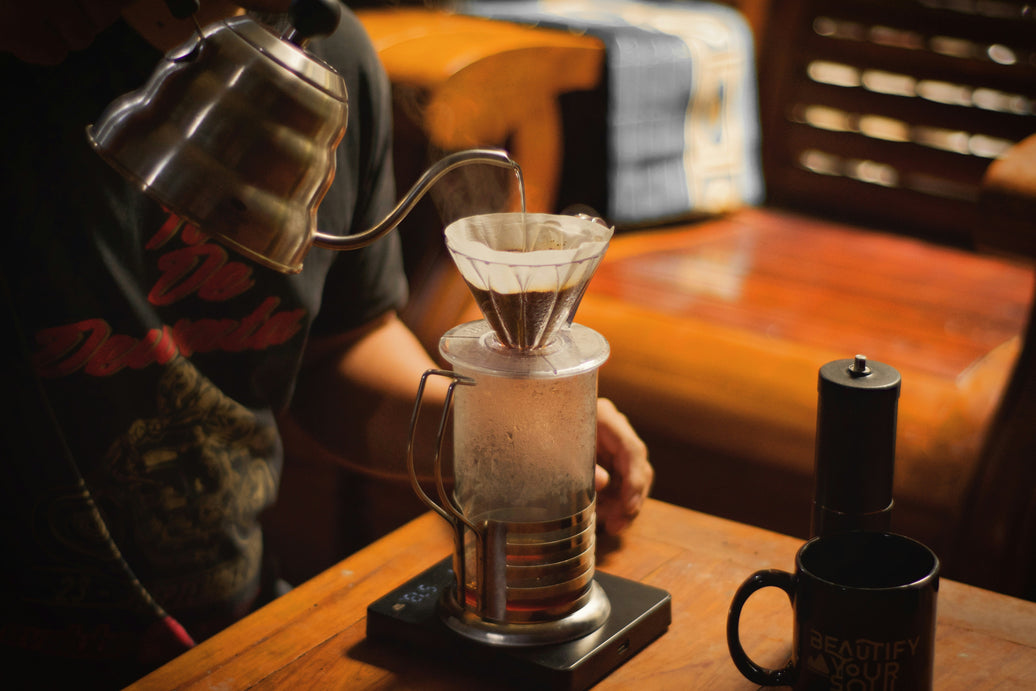
Pour-over brewing gives you control over water flow and extraction. Try a medium to medium-fine grind, depending on your brewer.
This method can help you explore the coffee’s different flavor characteristics.
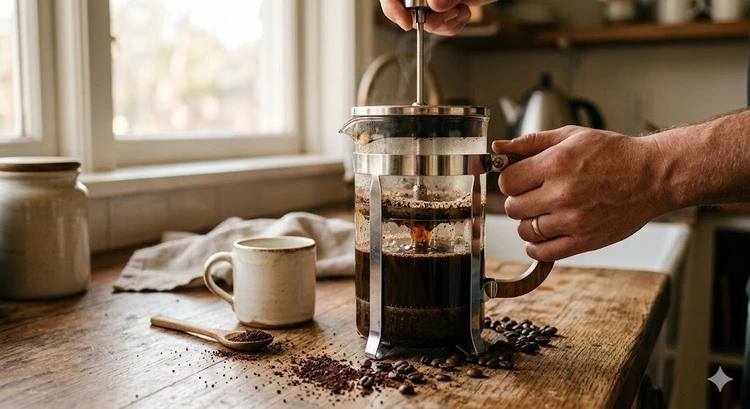
3. French press
Use a coarse grind and start with a steeping time of around four minutes. Medium roast can provide a balanced cup with a fuller body.
4. Espresso
Medium roast can work well for espresso. Adjust the grind, dose, and extraction time according to the flavor you want.
Best Brewing Methods for Dark Roast Coffee
Dark roast can be brewed using many of the same methods. The key is adjusting the recipe to avoid excessive bitterness.
1. Espresso
Dark roast is a common choice for traditional-style espresso. Its roasted flavors can remain noticeable in cappuccinos and lattes.
2. Drip coffee
Start with a medium grind and adjust the coffee-to-water ratio until you achieve your preferred strength.
If the coffee tastes harsh, try a coarser grind or a slightly shorter brewing time.
3. French press
A coarse grind and a controlled steeping time can produce a full-bodied cup. Pour the coffee after pressing instead of leaving it with the grounds.
4. Cold brew
Dark roast can be used for cold brew if you enjoy deeper roasted flavors. Start with a coarse grind and steep in cold water for approximately 12–18 hours, then adjust the concentrate with water or milk to taste.
How to Choose Between Medium and Dark Roast Coffee
Use these simple questions to narrow down your choice.
1. How do you like your coffee to taste?
If you enjoy balanced, rounded flavors, start with medium roast. If you prefer deep, smoky, or bittersweet notes, try dark roast.
2. Do you usually add milk?
Both roasts can work with milk. Dark roast may provide a more pronounced roasted flavor in a latte or cappuccino, while medium roast can offer a more balanced taste.
3. How do you brew coffee?
Both roasts can work in drip machines, French press, and espresso machines. Choose a grind suitable for your equipment and adjust the recipe to taste.
4. Are you exploring a new coffee?
Start with a smaller bag if possible. Trying a new roast before buying a larger size helps you discover what you like without committing to too much coffee.
Explore Your Next Coffee With Arvea Coffee
If you’re comparing medium and dark roast coffee, exploring different styles is one of the best ways to discover your preferences.
Arvea Coffee offers coffee options for different tastes and brewing routines, including Blonde Coffee, House Blend Coffee, French Roast Coffee, and Italian Roast Coffee.
You can explore the available selections, compare the roast styles, and choose a coffee format that suits your preferred brewing method.
Whether you prefer a balanced cup or deep roasted flavors, start with what you enjoy and make each cup your own.
Explore the collection at Arvea Coffee: https://arveacoffee.com/
Why Try Different Roast Levels?
Trying different roasts can help you understand what you enjoy most in your daily coffee.
Medium roast may be a good starting point if you like balance and versatility. Dark roast may be a better fit if you prefer more pronounced roasted flavors.
You can also compare the same roast using different brewing methods. A French press, drip brewer, and espresso machine can produce noticeably different results from the same coffee.
The best approach is to experiment with small changes, keep your recipe consistent, and let your own taste guide your choice.
Frequently Asked Questions
1. What is the main difference between medium roast and dark roast coffee?
Medium roast generally offers a balance of origin and roasted flavors. Dark roast tends to emphasize deeper roasted, smoky, or bittersweet characteristics.
2. Is medium roast coffee stronger than dark roast?
Dark roast often tastes more intensely roasted, but perceived strength depends on the coffee-to-water ratio and brewing method. Flavor intensity does not directly indicate caffeine content.
3. Which has more caffeine, medium roast or dark roast?
Roast level alone is not a reliable way to predict caffeine content. The amount of coffee used, bean type, serving size, and brewing method all matter.
4. Is dark roast more bitter than medium roast?
Dark roast often has more pronounced roasted bitterness, but brewing technique also affects bitterness. Over-extraction can make either roast taste harsh.
5. Which roast is better for French press?
Both medium and dark roast can work well in French press. Choose medium for a balanced profile or dark for deeper roasted flavors, and use a coarse grind.
6. Which roast is better for espresso?
Both medium and dark roast can be used for espresso. Dark roast is common in traditional-style espresso, while medium roast can offer a balance of roasted and origin-specific flavors.
7. Which roast is better for beginners?
Medium roast is a useful starting point for people who want a balanced flavor. However, if you already know you enjoy bold, smoky coffee, dark roast may be the better choice for you.
8. How should I store medium and dark roast coffee?
Keep coffee in an airtight container in a cool, dry place away from heat, moisture, and direct sunlight. Grind whole beans shortly before brewing when possible.
Final Thoughts
Medium roast vs. dark roast coffee comes down to personal preference. Medium roast often provides a balanced flavor, while dark roast offers a deeper and more pronounced roasted character.
Neither is universally better. Consider the flavors you enjoy, choose a suitable grind, and use a consistent brewing recipe to get the most from your coffee.
Ready to find your next favorite cup? Explore Arvea Coffee and discover a coffee that fits your taste and daily routine.



















Leave a comment