

Best Coffee for French Press: What Grind Should You Use?
French press coffee is loved for its rich aroma, full-bodied texture, and simple brewing process. Unlike many drip coffee makers, a French press uses a metal mesh filter that allows more of the coffee’s natural oils and fine particles to remain in your cup.
But there is one detail that can make a big difference: choosing the right coffee grind size for French press brewing.
Whether you are a beginner or an experienced coffee drinker, understanding grind size, roast level, coffee-to-water ratio, and brewing time can help you make a more balanced and flavorful cup at home.
In this guide, we will explain which coffee works best for a French press, how coarse your grounds should be, and how to avoid common brewing mistakes.
What Is the Best Grind Size for French Press Coffee?
The best starting point for French press coffee is a coarse, consistent grind, similar in texture to coarse sea salt or rough breadcrumbs.
French press coffee steeps directly in hot water before a metal mesh plunger separates the grounds from the finished drink. Because the filter allows some fine particles through, using grounds that are too fine can produce a muddy texture and make plunging more difficult.
Here is a simple guide:
-
Coarse grind: A great starting point for French press brewing.
-
Medium-coarse grind: Worth trying if your coffee tastes weak or under-extracted.
-
Medium grind: May produce more sediment, depending on your grinder and French press filter.
-
Fine grind: Usually unsuitable for a traditional French press because more particles can pass through the mesh.
The ideal grind can vary with your beans, grinder, and brewing technique. Start coarse, taste your coffee, and make small adjustments.
Why Grind Size Matters for French Press
Grind size affects how quickly water extracts flavor from coffee grounds.
Smaller particles expose more surface area to water, while larger particles generally extract more slowly. Because French press coffee steeps for several minutes, choosing a consistent grind helps you control the flavor and texture.
1. It Helps Control Bitterness
Coffee that tastes harsh or excessively bitter may be extracting too quickly or for too long. If your French press coffee tastes bitter, try grinding a little coarser or shortening the brewing time.
2. It Reduces Grit and Sediment
Very fine particles can pass through the metal filter and settle at the bottom of your cup. A more consistent coarse grind can help reduce this sediment.
3. It Helps Create a Balanced Cup
A grind that is too coarse may produce weak, sour, or underdeveloped coffee. A grind that is too fine may contribute to a muddy or harsh cup.
The goal is to find the balance that brings out the flavors you enjoy.
What Type of Coffee Is Best for French Press?
French press brewing works with many coffee styles. Your choice depends on whether you prefer a smooth, mellow cup or something bold and intense.
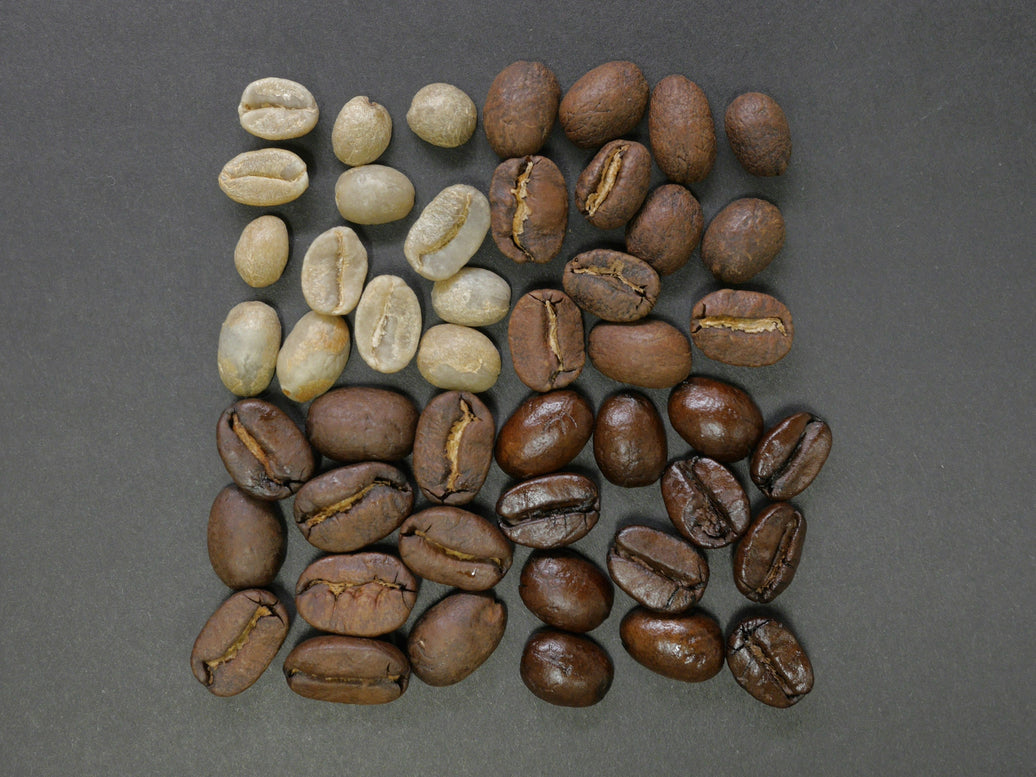
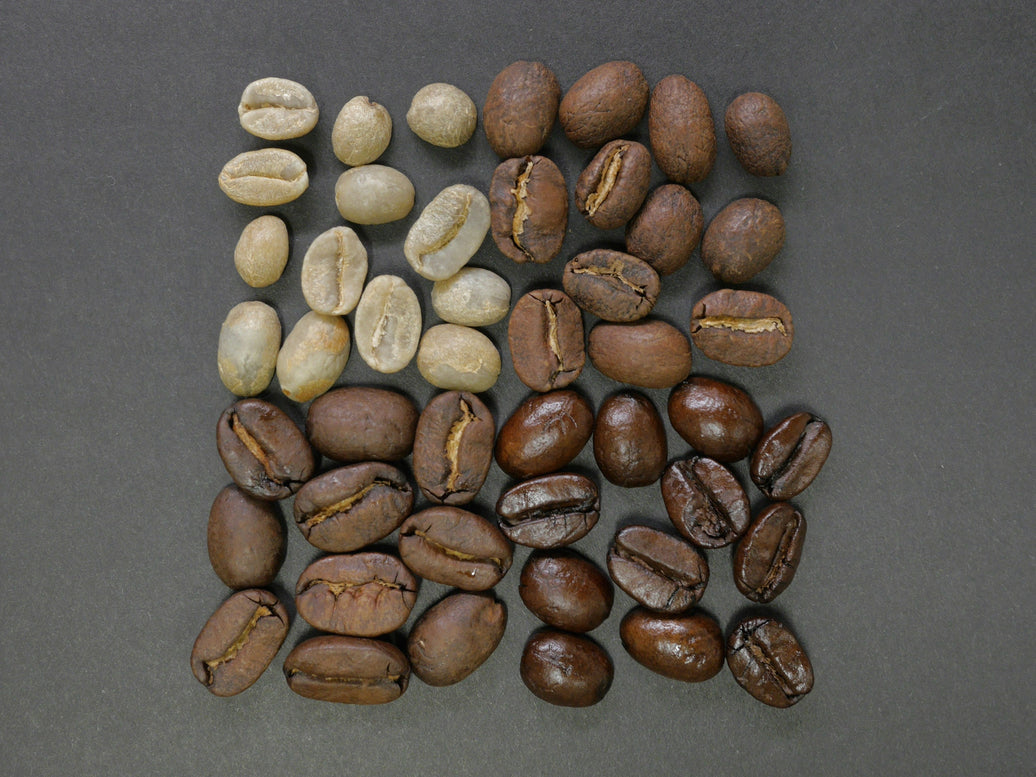
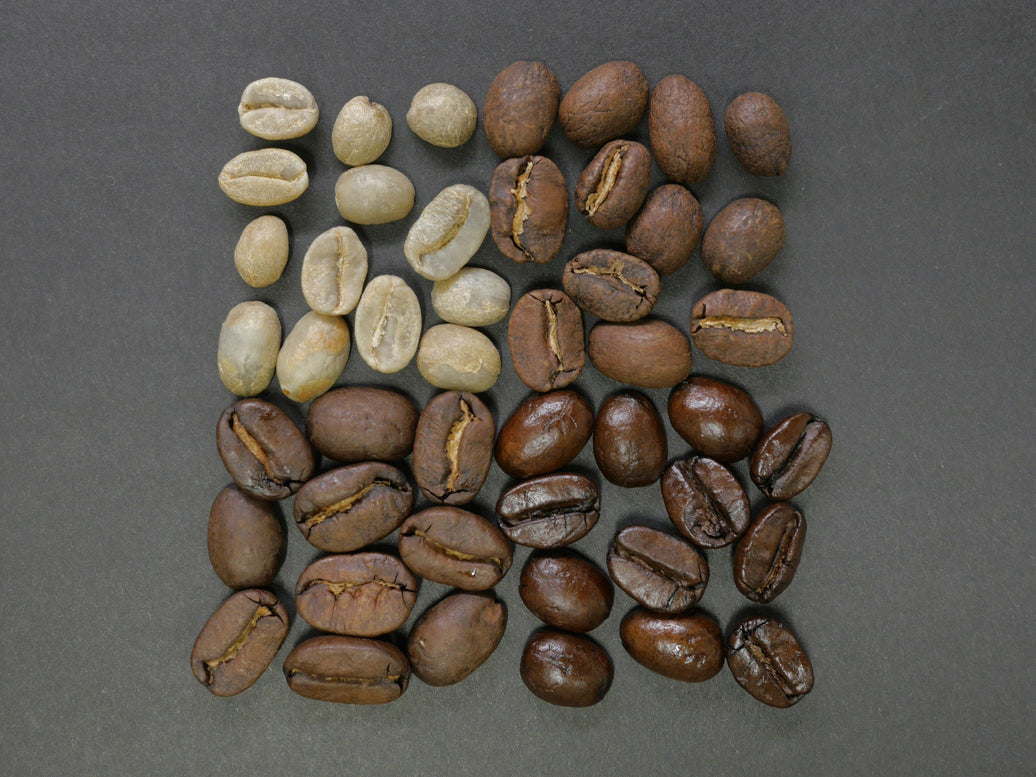
Medium Roast Coffee
Medium roast coffee is an excellent starting point for many French press drinkers. Depending on the beans, it can offer a balance of sweetness, acidity, body, and flavors such as chocolate, nuts, or caramel.
If you are new to French press brewing, a medium roast is a practical place to begin.
Dark Roast Coffee
Dark roast coffee can create a bold, rich cup with deeper roasted flavors. Some coffees feature notes of dark chocolate, toasted nuts, or caramelized sweetness.
If you enjoy a stronger-tasting coffee, consider a dark roast. Remember that a bold flavor does not automatically mean more caffeine.
Light Roast Coffee
Light roast coffee can also work beautifully in a French press. It may highlight brighter, fruitier, or more delicate flavor notes, depending on its origin and processing.
If your light roast tastes sour or weak, try grinding slightly finer, using hotter water, or adjusting your brewing time.
Single-Origin Coffee and Coffee Blends
Single-origin coffees can highlight characteristics associated with a particular growing region or coffee lot. Blends combine beans to create a particular flavor profile or balance.
Neither option is automatically better for French press brewing. Choose based on your preferred taste, and use grind size and brewing technique to get the best from your coffee.
How to Make French Press Coffee at Home
You do not need complicated equipment to make an enjoyable French press. A French press, fresh coffee, hot water, and a few minutes are enough to get started.
What You Need
-
A French press
-
Fresh coffee beans or coarse-ground coffee
-
A grinder, preferably a burr grinder, if using whole beans
-
Hot water
-
A kitchen scale, if available
-
A timer
A Simple French Press Coffee Recipe
For a balanced starting recipe, try the following:
-
Coffee: 30 grams
-
Water: 480 grams, approximately 480 milliliters
-
Grind: Coarse
-
Water temperature: Approximately 200°F (93°C)
-
Steeping time: About 4 minutes
This is a starting recipe rather than a strict rule. Adjust the coffee-to-water ratio according to your taste and the coffee you use.
Step 1: Preheat Your French Press
Rinse the French press with hot water, then discard the water.
Preheating helps reduce heat loss when you add your brewing water.
Step 2: Grind Your Coffee
Grind your beans to a consistent coarse texture. If you buy pre-ground coffee, look for a product specifically intended for French press brewing.
Grinding just before brewing can help preserve the coffee's aroma.
Step 3: Add the Coffee and Water
Add the ground coffee to the French press. Pour in the hot water, making sure the grounds are evenly saturated.
Step 4: Let the Coffee Steep
Place the lid on the French press with the plunger raised. Let the coffee steep for about four minutes.
If you prefer a different flavor balance, experiment with the steeping time in small increments.
Step 5: Press Slowly
Push the plunger down gently and steadily. If it is unusually difficult to press, your grind may be too fine or your filter may need cleaning.
Step 6: Pour and Enjoy
Pour the coffee into your cup or a separate serving vessel after plunging. Avoid leaving the finished coffee sitting on the grounds, as the flavor can continue to change.
French Press Coffee Grind Size Chart
Use this simple chart to troubleshoot your brew.
| What you notice | Possible reason | What to try |
|---|---|---|
| Bitter or harsh coffee | Grind may be too fine or extraction too high | Grind coarser or reduce steeping time |
| Sour or weak coffee | Extraction may be too low | Grind slightly finer or steep a little longer |
| Gritty coffee | Too many fine particles | Use a more consistent grind and plunge gently |
| Weak but pleasant coffee | Coffee-to-water ratio may be too low | Use a little more coffee |
| Plunger is difficult to push | Grounds may be too fine or filter may be clogged | Check the grind and clean the filter |
| Coffee tastes flat | Beans may be stale or brewing variables may need adjustment | Try fresher beans and measure your recipe |
Change one variable at a time so you can understand what improves your cup.
Whole Bean vs. Pre-Ground Coffee for French Press
Both whole bean and pre-ground coffee can work in a French press. The best choice depends on convenience and how much control you want over brewing.
Whole Bean Coffee
Whole bean coffee lets you grind specifically for your brewing method. A burr grinder can produce more consistent grounds than many blade grinders, giving you greater control over extraction and sediment.
It is a good option for people who enjoy experimenting with their coffee.
Pre-Ground Coffee
Pre-ground coffee is convenient, especially when you want to prepare coffee quickly. The important detail is choosing a grind suitable for your equipment.
Coffee ground for espresso is much finer than the coarse grind generally used for French press brewing. If you use pre-ground coffee, check the packaging or product description before purchasing.
How to Choose Coffee for Your French Press
Before choosing your next bag, consider these four factors.
1. Your preferred flavor: Choose medium roasts for a balanced starting point, darker roasts for deeper roasted flavors, or lighter roasts for brighter flavor profiles.
2. Freshness: Look for coffee with clear freshness information and store it in an airtight container away from heat, light, moisture, and strong odors.
3. Grind options: If you buy whole beans, grind them shortly before brewing. If you buy ground coffee, select a coarse grind when available.
4. Brewing consistency: Use the same coffee-to-water ratio and steeping time for several brews before making adjustments.
Discover Coffee for Your Next French Press
Finding your preferred French press coffee is part of the enjoyment of brewing at home. Some people love a bold, roasted flavor, while others prefer a smoother, more balanced cup.
At Arvea Coffee, you can explore coffee options suited to different preferences, from classic blends to darker roasts and flavored coffees.
Consider exploring Arvea's House Blend Coffee for an everyday option, or French Roast Coffee if you prefer deeper roasted flavors. You can also explore other options in the collection to discover which flavor profile best matches your morning routine.
For French press brewing, choose whole beans when available and grind them to a coarse consistency before brewing. If purchasing ground coffee, make sure the grind is suitable for your French press.
Explore the collection at Arvea Coffee and find a coffee that fits your personal taste.
Frequently Asked Questions
What is the best grind size for French press coffee?
Coarse, consistent grounds are a reliable starting point. They help reduce sediment and make it easier to separate the grounds from the finished coffee.
Can I use regular ground coffee in a French press?
Yes, but the grind matters. If regular ground coffee is finely ground for drip machines or espresso, it may produce more sediment in a French press. Coarse-ground coffee is generally a better starting point.
Is coarse coffee better than fine coffee for French press?
Coarse coffee is usually preferred because the French press uses a metal mesh filter and a relatively long steeping time. Very fine grounds can create a gritty cup and make plunging more difficult.
How long should French press coffee steep?
About four minutes is a common starting point. Adjust the time to your taste, coffee roast, and grind size.
What is the ideal coffee-to-water ratio for French press?
A practical starting range is approximately 1:15 to 1:17 by weight. For example, 30 grams of coffee with 480 grams of water gives a ratio of 1:16.
Should I use medium or dark roast for French press?
Both can work well. Medium roast is a useful starting point for a balanced flavor, while dark roast is worth trying if you prefer deeper roasted notes. Your preferred flavor matters more than following a universal roast rule.
Why does my French press coffee taste bitter?
Possible causes include a grind that is too fine, a long steep, stale coffee, or a brewing ratio that does not suit your taste. Try changing one variable at a time.
Can I use whole bean coffee in a French press?
Absolutely. Grind the beans to a coarse consistency just before brewing for greater control over the grind and freshness.
Final Thoughts
Great French press coffee starts with the right grind, but the beans, water temperature, brewing ratio, and steeping time all contribute to the result.
Start with coarse grounds, a 1:16 coffee-to-water ratio, and a four-minute steep. Taste your coffee, make small adjustments, and keep track of what works for you.
Most importantly, choose coffee that matches your preferences. Whether you enjoy a smooth everyday blend or the deeper flavor of a dark roast, the right combination can make your daily coffee ritual more enjoyable.
Explore your next coffee at Arvea Coffee.




















Leave a comment