

How Much Coffee Is Too Much? A Guide to Caffeine
Coffee is one of the world's most popular drinks. Whether you enjoy a cup in the morning, sip coffee while working, or take an afternoon break with your favorite blend, coffee can be an enjoyable part of your daily routine.
But how much coffee is too much?
The answer depends on how much caffeine your coffee contains, how sensitive you are to it, your health, and how well you sleep. While many healthy adults can enjoy moderate amounts of caffeine without problems, consuming too much may lead to unwanted effects such as anxiety, headaches, restlessness, and difficulty sleeping.
In this guide, we'll explain daily caffeine recommendations, how to recognize when you've had too much coffee, and how to build a coffee routine that works for you.
1. How Much Coffee Is Too Much?
According to the U.S. Food and Drug Administration (FDA), up to 400 milligrams of caffeine per day is an amount not generally associated with negative effects for most healthy adults.
However, this is a general reference, not a target everyone needs to reach. Some people experience side effects after consuming much less caffeine.
It's also important to understand that the number of cups you drink doesn't tell the whole story. A small cup of brewed coffee and a large, strongly brewed coffee can contain very different amounts of caffeine.
The amount depends on factors such as:
-
Serving size.
-
Coffee beans and their caffeine content.
-
Brewing method.
-
Coffee-to-water ratio.
-
Other caffeinated drinks or products you consume.
For some people, two cups may be comfortable. Others may need to limit themselves to one smaller serving or choose decaf.
The best approach is to consider your total caffeine intake and pay attention to how your body responds.
2. How Much Caffeine Is in a Cup of Coffee?
Caffeine content varies considerably from one coffee to another. The following figures are approximate examples, not guaranteed amounts for every drink.
| Drink | Approximate caffeine amount |
|---|---|
| 8 oz brewed coffee | Often around 80–100 mg |
| 12 oz brewed coffee | Can contain roughly 110–250 mg |
| 8 oz decaf coffee | Often around 2–15 mg |
| 8 oz black tea | Often around 40–50 mg |
| 12 oz cola | Often around 35–45 mg |
Actual amounts can fall outside these ranges. Check available product information when you need a more accurate estimate.
Notice how quickly caffeine can add up. A large coffee in the morning, another at lunch, and an energy drink in the afternoon may contribute much more caffeine than you realize.
If you want to manage your intake, track the size of each drink and consider caffeine from all sources, including tea, chocolate, energy drinks, supplements, and certain medications.
3. How Many Cups of Coffee Can You Drink a Day?
There is no single number of cups that works for everyone because cups vary in size and caffeine concentration.
For most healthy adults, the FDA's general reference is up to 400 mg of caffeine per day. Depending on the coffee, that might represent approximately two to four ordinary servings, but large or particularly strong coffees can contain substantially more caffeine.
Use this simple approach:
-
One cup: May be enough to enjoy coffee and feel more alert.
-
Two cups: May fit comfortably into some adults' routines, depending on serving size and strength.
-
Three or more cups: Pay closer attention to the caffeine content, particularly if you also consume tea, energy drinks, or other caffeinated products.
-
Any amount that causes symptoms: May be too much for you, even if your total intake is below 400 mg.
You don't need to drink several cups to enjoy coffee. Choose an amount that suits your preferences and does not interfere with your sleep or well-being.
4. What Are the Signs You're Drinking Too Much Coffee?
Your body may give you clues when your caffeine intake is higher than you tolerate comfortably.
Common signs include:
Feeling jittery or restless
Too much caffeine may make you feel shaky, restless, or unusually energetic when you would prefer to feel calm.
Increased anxiety
Some people become more anxious or nervous after drinking coffee, especially when consuming larger amounts.
Difficulty sleeping
Caffeine can make it harder to fall asleep or stay asleep. You may notice that you feel tired the following morning after drinking coffee too late in the day.
A racing heartbeat or palpitations
Caffeine can affect heart rate and cause palpitations in some people. If you experience persistent or concerning symptoms, seek medical advice. Chest pain, fainting, or severe breathing difficulties warrant urgent medical attention.
Digestive discomfort
Coffee and caffeine can contribute to stomach discomfort, increased stomach acid, or heartburn in some individuals.
Headaches
Caffeine may trigger headaches in some circumstances. Regular consumers who suddenly reduce their intake may also experience withdrawal headaches.
If you notice these symptoms, consider reducing your caffeine intake and observing whether they improve. Persistent or severe symptoms deserve medical evaluation.
5. Can Drinking Too Much Coffee Affect Your Sleep?
Yes. Sleep disruption is one of the most important reasons to monitor your caffeine intake.
Caffeine blocks certain adenosine receptors in the brain, temporarily reducing feelings of sleepiness. Its effects can continue for several hours after consumption.
This means a late-afternoon coffee may still affect your sleep at night, even if you no longer feel especially energized.
If you have trouble falling asleep, try these adjustments:
-
Drink caffeinated coffee earlier in the day.
-
Reduce the size of your afternoon serving.
-
Switch to decaf later in the day.
-
Avoid using coffee as a substitute for adequate sleep.
-
Pay attention to whether your sleep improves after changing your routine.
People differ in how quickly they process caffeine. If you are particularly sensitive, you may need to stop drinking it well before bedtime.
6. Is It Possible to Become Dependent on Caffeine?
Regular caffeine consumption can lead to tolerance, meaning you may notice less of an effect from the same amount over time.
Some people respond by drinking increasingly larger servings. However, more caffeine is not necessarily better, and increasing your intake may make side effects more likely.
Regular use can also lead to withdrawal symptoms when you suddenly stop or substantially reduce your intake. These may include:
-
Headaches.
-
Tiredness or sleepiness.
-
Irritability.
-
Difficulty concentrating.
-
Low energy for a short period.
If you want to cut back, gradually reducing the number or size of your servings may be more comfortable than stopping abruptly.
You can still enjoy coffee as a daily ritual without continually increasing the amount you drink.
7. Who Should Be More Careful About Caffeine?
Although many healthy adults tolerate moderate caffeine consumption, some people need additional caution.
People who are sensitive to caffeine: You may experience anxiety, palpitations, or sleep disruption at lower amounts.
People who have sleep difficulties: Caffeine timing and total intake may need adjustment.
People taking certain medications: Some medications can affect caffeine metabolism or interact with its effects. Ask a healthcare professional or pharmacist if you're unsure.
People with certain medical conditions: Conditions that affect heart rhythm, anxiety, blood pressure, or digestion may influence what amount is appropriate.
People who are pregnant or breastfeeding: Caffeine recommendations differ from those for the general adult population. During pregnancy, U.S. government guidance commonly advises keeping intake below 200 mg per day; discuss your individual needs with your healthcare professional.
Children and teenagers should not follow adult caffeine recommendations, and caffeinated energy drinks are not recommended for them.
8. Does Dark Roast Coffee Have More Caffeine?
Not necessarily.
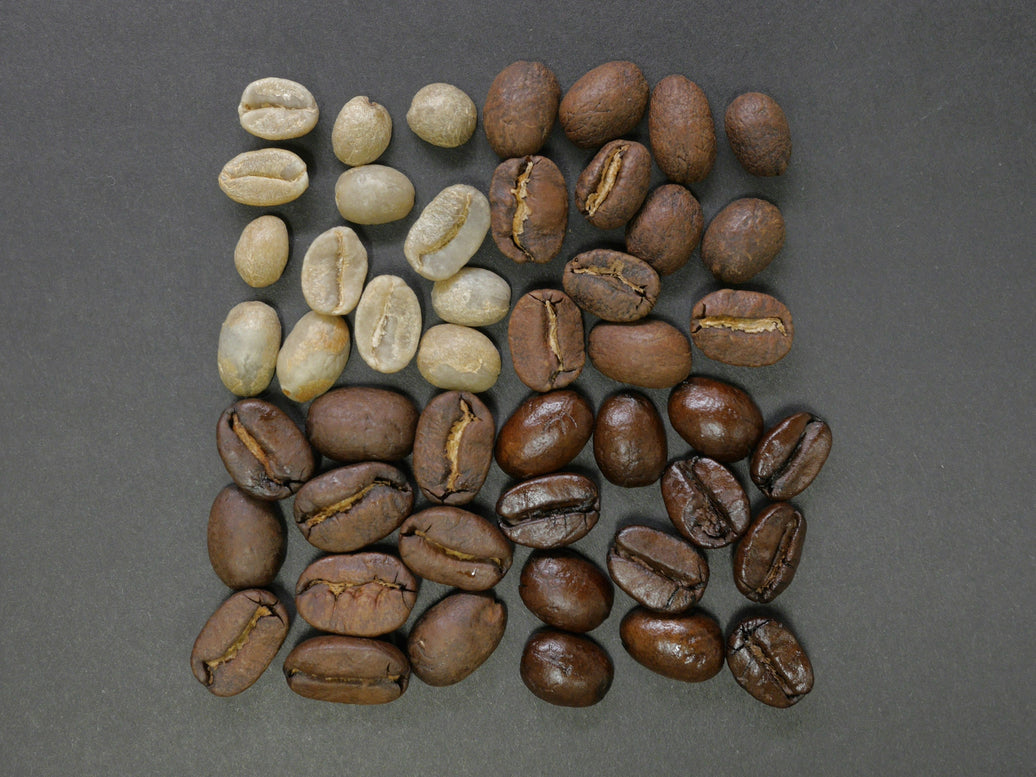
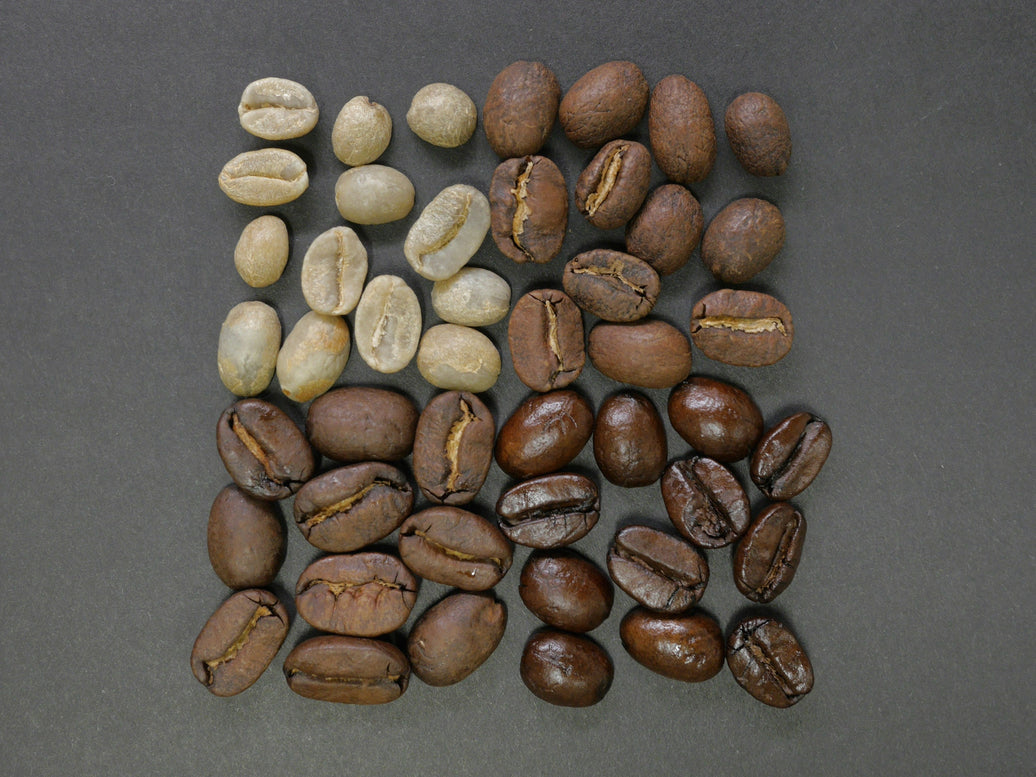
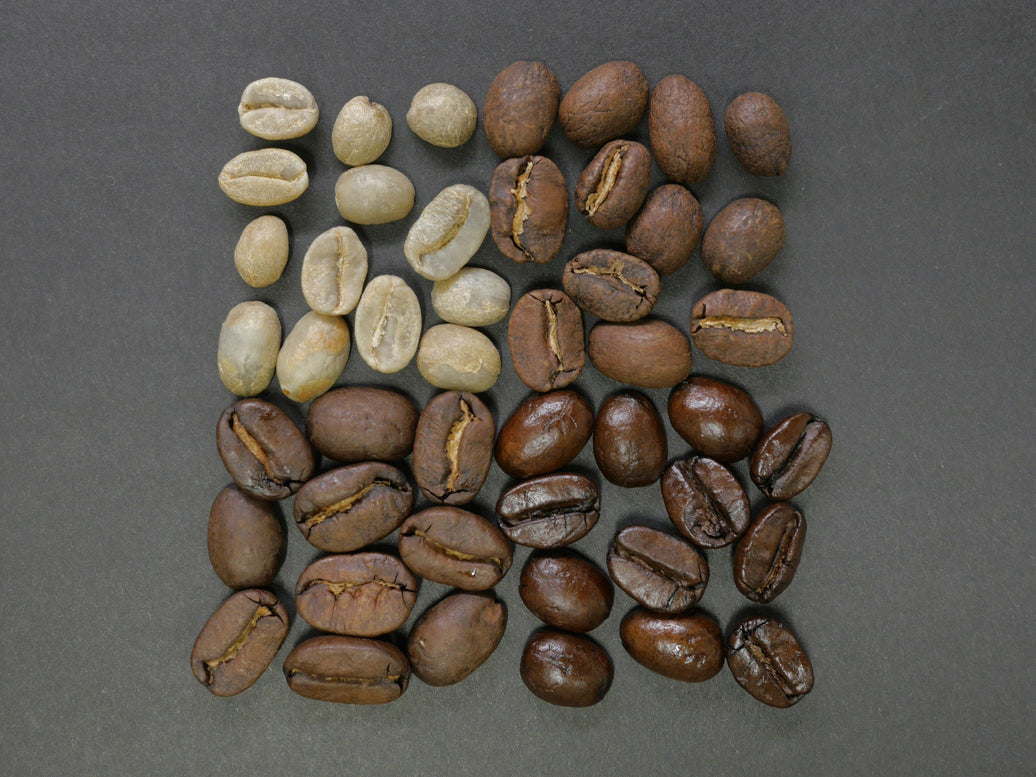
Dark roast coffee generally has a deeper roasted flavor, while blonde or lighter roasts have a different flavor profile. However, roast level alone does not reliably determine the caffeine in your finished drink.
Caffeine content depends on several factors, including the beans, how much coffee you use, the brewing method, and the serving size.
For example, a large cup of coffee can contain more caffeine than a small cup, even if the smaller cup tastes stronger.
If you're trying to reduce caffeine, consider using a smaller serving, adjusting the amount of coffee you brew, or choosing decaf rather than relying on roast color alone.
9. How to Enjoy Coffee Without Consuming Too Much Caffeine
You don't have to give up coffee to build a more balanced routine. A few simple changes can help you enjoy it while paying attention to your caffeine intake.
Choose a reasonable serving size. Start with an amount that feels comfortable rather than automatically ordering the largest drink.
Keep track of your total intake. Include tea, energy drinks, chocolate, supplements, and other caffeine sources.
Drink coffee earlier if sleep is a problem. Moving your last caffeinated serving earlier may help you rest better.
Try decaf when you want the ritual. Decaf allows you to enjoy the taste of coffee with considerably less caffeine, although it is not completely caffeine-free.
Avoid increasing caffeine to compensate for poor sleep. Persistent tiredness may need a different solution.
Listen to your body. If you feel jittery or anxious after a particular serving, consider reducing the amount.
The goal is to find a routine that you enjoy and can maintain comfortably.
10. Find Your Favorite Coffee With Arvea Coffee
Enjoying coffee is about more than caffeine. Flavor, aroma, roast preference, and brewing style all contribute to the experience.
At Arvea Coffee, you can explore a range of coffee options to find one that suits your personal taste.
-
Arvea Blonde Coffee: Worth exploring if you enjoy a lighter roast profile.
-
Arvea Breakfast Blend: An option for a familiar everyday coffee routine.
-
Arvea House Blend: A versatile choice to explore as an everyday favorite.
-
Arvea French Roast: An option for those who enjoy deeper roasted flavors.
-
Arvea Italian Roast: Another style to consider if you prefer a bold roasted profile.
-
Arvea Vanilla Hazelnut Coffee: A flavored option when you want something different.
You can explore these options and other available products at Arvea Coffee.
Remember that choosing a lighter or darker roast does not guarantee a particular caffeine level. If you're monitoring your intake, pay attention to serving size and brewing strength as well as the style of coffee you choose.
The best coffee routine is one that combines flavors you enjoy with an amount of caffeine that suits your individual needs.
Frequently Asked Questions
1. Is 400 mg of caffeine a day too much?
The FDA cites 400 mg per day as an amount not generally associated with negative effects for most healthy adults. Some people need considerably less because of individual sensitivity, health conditions, or medications.
2. Is drinking three cups of coffee a day healthy?
It depends on the size and strength of the coffee, your total caffeine intake, and your individual response. Three small servings may contain less caffeine than two large, strong servings.
3. What happens if I drink too much coffee?
Possible effects include jitteriness, anxiety, headaches, digestive discomfort, sleep disruption, and a racing heartbeat. Severe symptoms require prompt medical attention.
4. Does decaf coffee contain caffeine?
Yes. Decaffeinated coffee generally contains much less caffeine than regular coffee, but small amounts usually remain.
5. Can I drink coffee every day?
Many healthy adults can enjoy coffee daily in moderation. Pay attention to caffeine intake, sleep quality, and any unwanted effects.
6. Is coffee on an empty stomach bad for you?
Not necessarily. Some people tolerate it well, while others experience heartburn, stomach discomfort, or jitters. Adjust your routine based on how you respond.
7. How can I reduce my caffeine intake without headaches?
Try reducing the size or number of caffeinated servings gradually. A slower reduction may help minimize withdrawal symptoms.
8. Which Arvea Coffee should I choose if I want less caffeine?
You could explore decaffeinated options if they are available in the store. For any coffee, check the product details or ask the supplier for caffeine information if you need a reliable estimate.
Final Thoughts
How much coffee is too much depends on your individual needs, the amount of caffeine in each serving, and how your body responds.
For most healthy adults, the FDA's general reference of up to 400 mg of caffeine per day provides a useful starting point. But you should not treat that figure as a goal, especially if you experience anxiety, sleep problems, or other side effects at lower amounts.
Enjoy coffee in a way that fits your lifestyle: choose flavors you love, keep an eye on serving sizes, consider decaf when appropriate, and prioritize adequate sleep.
Whether you prefer a lighter roast, an everyday blend, or a bold cup, Arvea Coffee offers options to explore as part of your daily coffee ritual.
Discover your next favorite at https://arveacoffee.com/.
Health note: This article is for general educational purposes and is not a substitute for personalized medical advice.


















Leave a comment