


What Makes Coffee Taste Smooth? 7 Things That Matter
Have you ever wondered why some coffee tastes smooth, rich, and balanced while other coffee tastes bitter, sour, or harsh? The secret is not always the beans. Roast level, grind size, brewing technique, water quality, freshness, and coffee-to-water ratio can all influence the taste of your cup.
If you want coffee that is easy to enjoy every morning, learning what makes coffee taste smooth can help you choose better beans and improve your brewing routine.
In this guide, we’ll explore seven important factors that influence coffee flavor, explain how to reduce unwanted bitterness, and help you discover a coffee that matches your taste.
What Does Smooth Coffee Mean?
Smooth coffee is a term people often use to describe a cup that tastes balanced, pleasant, and easy to drink. It may have gentle bitterness, a rounded mouthfeel, and flavors that work well together without an unpleasant sour or harsh finish.
Smoothness is subjective. Some coffee drinkers prefer chocolate-like flavors, while others enjoy bright, fruity coffee. A coffee that tastes smooth to one person may taste too mild to someone who prefers a bold, intense cup.
The goal is to find the right combination of beans and brewing methods for your personal preferences.
1. Choose the Right Coffee Roast
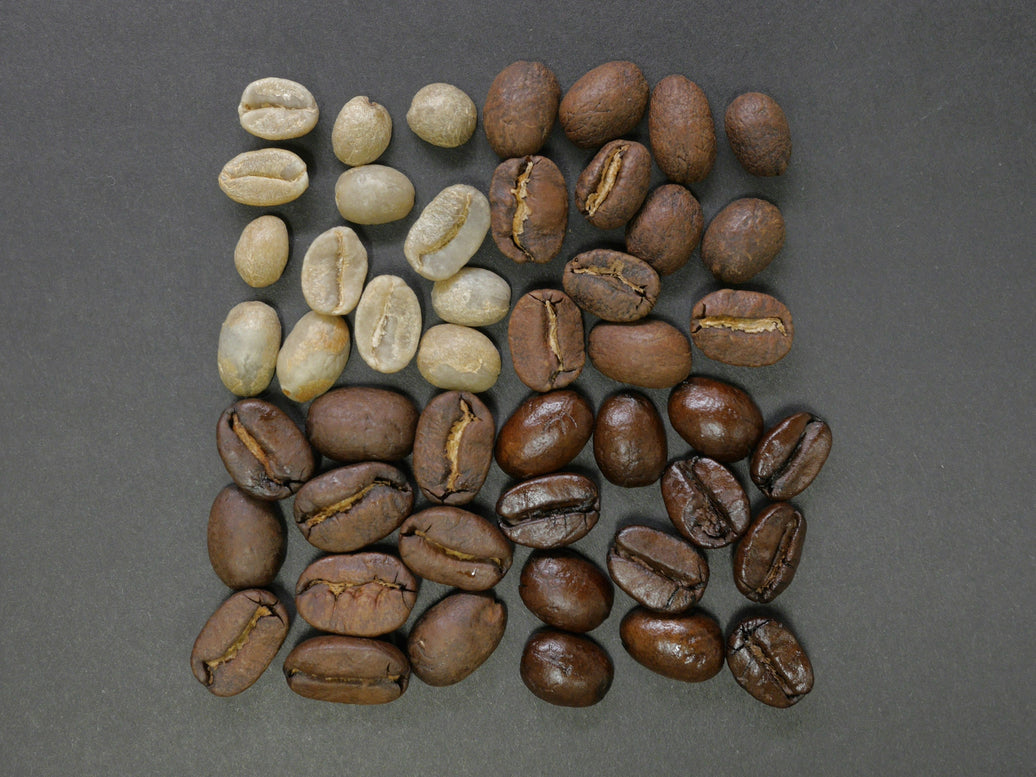
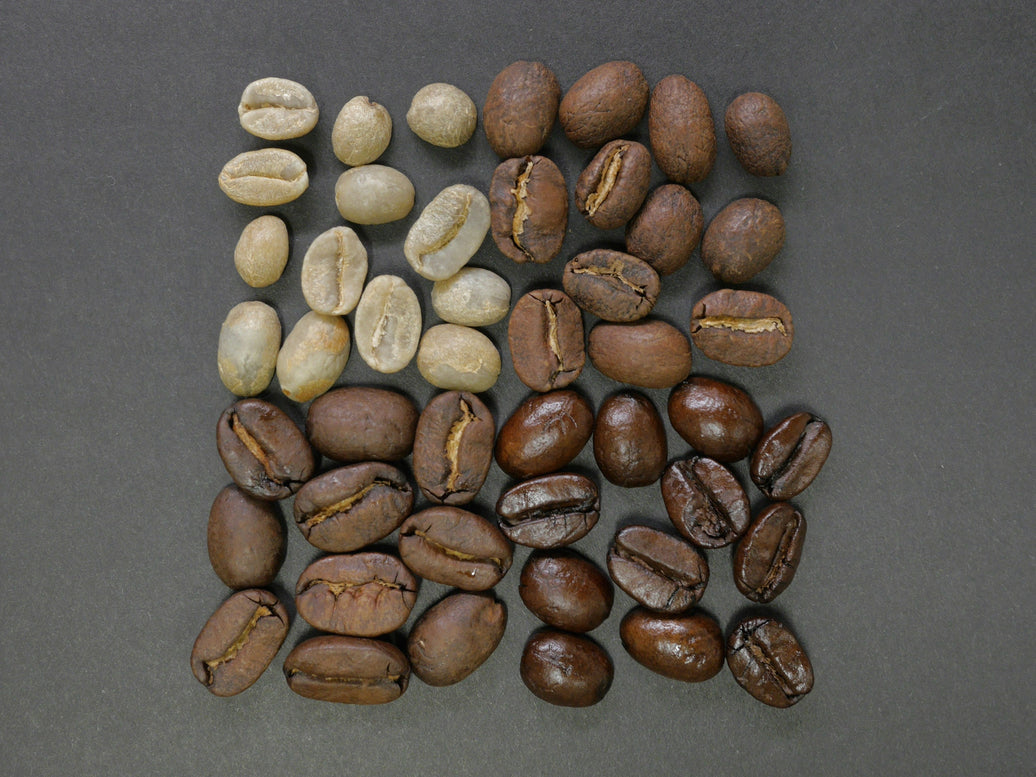
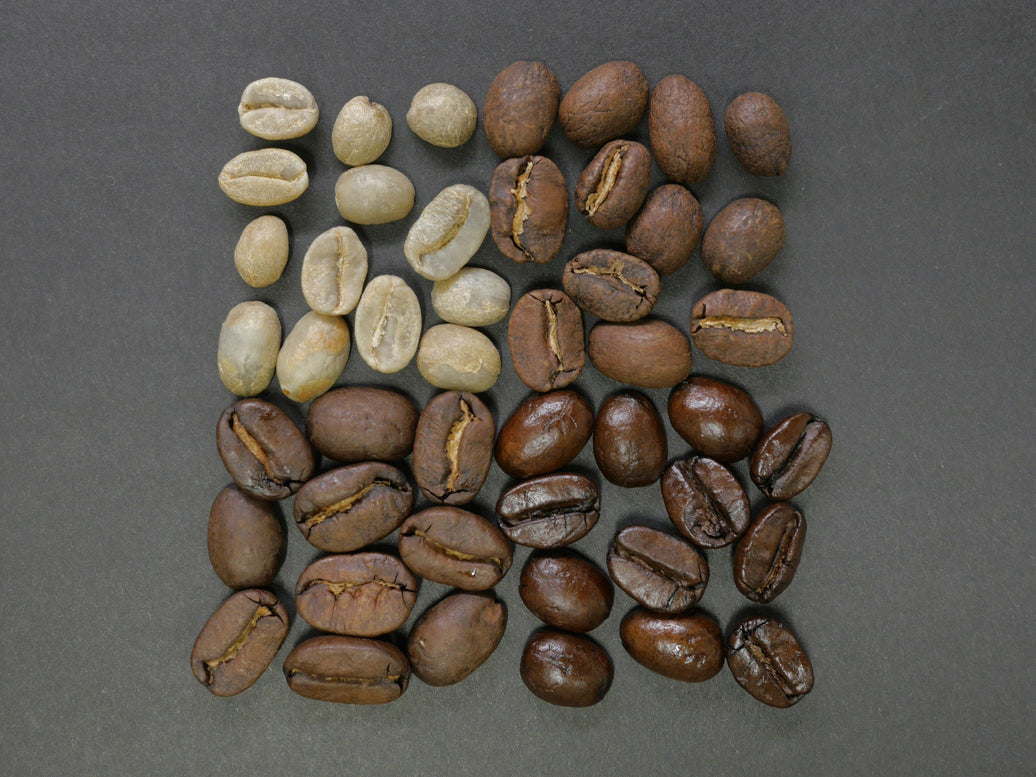
Roast level is one of the biggest influences on coffee flavor. During roasting, heat creates new flavor compounds and changes the characteristics of the beans.
Medium roast coffee
Medium roast is a useful starting point if you want balanced coffee. Depending on the beans, you may notice caramel-like, nutty, chocolatey, or mildly fruity notes.
It can offer a middle ground between the brighter characteristics of lighter roasts and the pronounced roasted flavors of darker coffee.
Dark roast coffee
Dark roast often has deeper roasted, smoky, or bittersweet flavors. Some people find these characteristics rich and satisfying, while others prefer a less intense roast.
If dark coffee tastes too bitter to you, try a medium roast and compare the results using the same brewing method.
Light roast coffee
Light roast may have more noticeable acidity and delicate fruit or floral characteristics. It can taste refreshing and complex, but it may not be the first choice for someone who prefers deep, low-brightness flavors.
Arvea Coffee tip: If you are exploring different flavor profiles, browse the available coffee selections at Arvea Coffee. Comparing Blonde Coffee, House Blend Coffee, French Roast Coffee, and Italian Roast Coffee can help you discover which style you enjoy most.
2. Use the Correct Coffee Grind Size
Grind size affects how quickly water extracts flavor from coffee grounds. Using a grind that suits your brewing equipment can help you avoid an unbalanced cup.
If the grind is too fine for your brewing method, extraction may become excessive or uneven, potentially creating harsh flavors. If it is too coarse, the coffee may taste weak or sour because not enough flavor has been extracted.
Use this quick guide:
| Brewing method | Starting grind size |
|---|---|
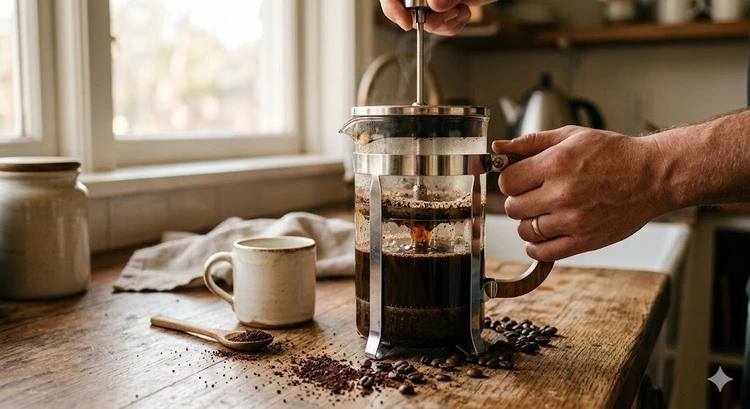
| French press | Coarse |
| Cold brew | Coarse |
| Drip coffee maker | Medium |
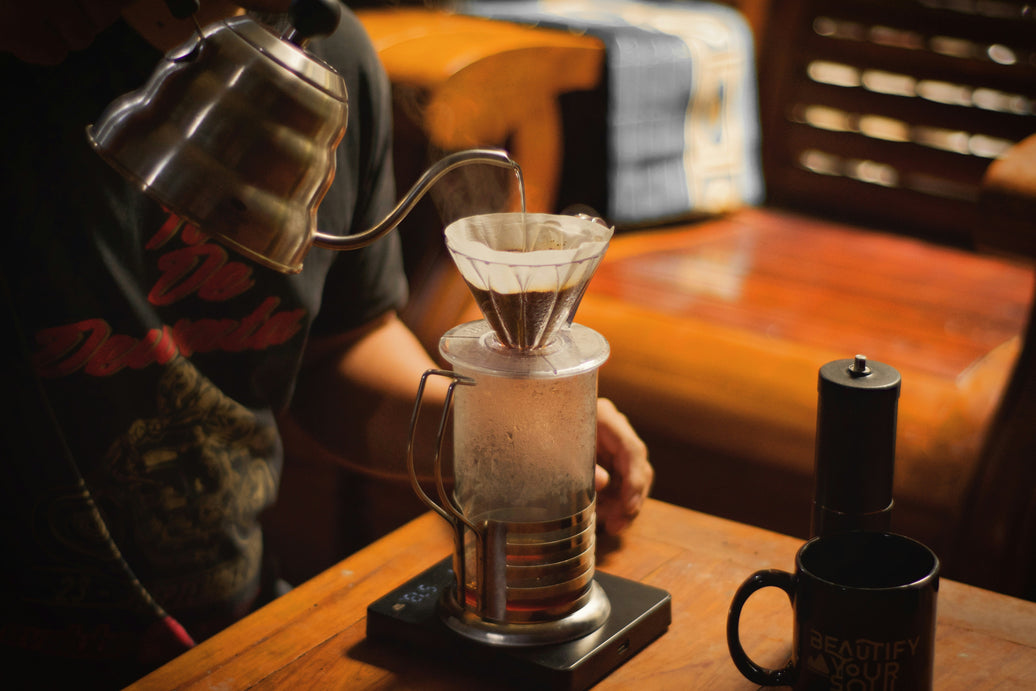
| Pour-over | Medium to medium-fine |
| Espresso | Fine |
These are starting points rather than strict rules. Your grinder, brewer, and preferred taste may require adjustments.
If your coffee tastes unpleasantly bitter, try grinding a little coarser. If it tastes sharply sour or underdeveloped, try grinding slightly finer.
3. Get the Coffee-to-Water Ratio Right
Using too much or too little coffee can change how your cup tastes.
A useful starting ratio for many drip coffee and pour-over recipes is 1 gram of coffee to 16 grams of water.
For example:
-
10 grams of coffee with 160 grams of water.
-
20 grams of coffee with 320 grams of water.
-
30 grams of coffee with 480 grams of water.
If the coffee tastes too intense, try using slightly less coffee. If it tastes weak, increase the coffee amount gradually.
Remember that strength and extraction are different. A concentrated cup may taste intense without necessarily being over-extracted. Adjusting the ratio and grind separately helps you understand what is changing.
4. Pay Attention to Water Quality
Coffee is mostly water, so the water you use matters.
Water with strong chlorine odors or unpleasant mineral flavors can affect the final cup. Very hard or very soft water can also change how coffee extracts and tastes.
For a more consistent result:
-
Start with clean, good-tasting drinking water.
-
Try filtered water if your tap water has a strong flavor.
-
Keep your coffee maker clean and free of mineral buildup.
-
Use the same water source when comparing different coffees.
You do not necessarily need expensive bottled water. The important thing is using water that tastes good and works consistently with your brewing equipment.
5. Brew at a Suitable Temperature
Water temperature affects how quickly flavor compounds are extracted from coffee grounds.
For many hot-brewing methods, a starting range of approximately 195–205°F (90–96°C) can work well. However, the ideal settings depend on the coffee, brewing method, grind size, and recipe.
If your coffee tastes sour or weak, review the grind size and brewing time before making large temperature changes. If it tastes harsh, consider whether your extraction is too high or your coffee is particularly dark-roasted.
Recent research discussed by the Specialty Coffee Association highlights an important point: when brew strength and extraction are controlled, changing the water temperature alone within the tested range had relatively little effect on the sensory profile of drip coffee. Temperature matters partly because it changes extraction, so it is best considered alongside your other brewing variables.
6. Keep Your Coffee Fresh
Freshness can make a noticeable difference in aroma and flavor. Over time, coffee loses aromatic compounds, and exposure to oxygen, moisture, heat, and light can accelerate quality loss.
To help preserve freshness:
-
Store coffee in an airtight container.
-
Keep it in a cool, dry place away from direct sunlight.
-
Avoid storing your everyday coffee in a warm or humid location.
-
Buy an amount you can reasonably use while it retains its preferred flavor.
-
Grind whole beans shortly before brewing when possible.
Whole beans generally retain their aroma longer than ground coffee because grinding exposes more surface area to air.
If you enjoy experimenting with different coffees, buy sizes that suit your consumption so you can enjoy each bag while it is still fresh.
7. Choose Beans That Match Your Taste
Even perfect brewing cannot make every coffee taste the same. Bean variety, growing conditions, processing, and roasting all contribute to the cup's flavor.
Here are some broad flavor preferences to consider:
| If you prefer… | Try exploring… |
|---|---|
| Balanced everyday coffee | Medium roast or a balanced blend |
| Deep, roasted flavor | Dark roast |
| Bright, fruity characteristics | Lighter roasts |
| Chocolate-like notes | Coffees described with cocoa or chocolate notes |
| A fuller-bodied cup | French press or other immersion brewing |
| A lighter-feeling cup | Filter brewing with a suitable grind |
Flavor descriptions are guides, not guarantees. The best approach is to sample different coffees and keep track of which characteristics you enjoy.
Find Your Smooth Coffee Match With Arvea Coffee
If you are looking for a coffee to enjoy as part of your daily routine, Arvea Coffee offers different coffee styles to explore.
You can compare available options such as House Blend Coffee, Blonde Coffee, French Roast Coffee, and Italian Roast Coffee to find a flavor profile that suits your preferences.
Consider how you prepare your coffee, whether you prefer a lighter or darker roast, and which flavors you enjoy most. Selecting a suitable coffee and pairing it with the right grind and brewing recipe can help you get a more satisfying cup.
Explore the available selections at Arvea Coffee and start discovering your preferred flavor profile.
How to Make Coffee Taste Smoother at Home
You do not need expensive equipment to improve your coffee. Start with a simple routine:
-
Measure your coffee and water rather than guessing.
-
Use a grind size suitable for your brewer.
-
Start with a consistent coffee-to-water ratio.
-
Use clean, good-tasting water.
-
Keep your equipment clean.
-
Store coffee away from heat, light, moisture, and excess air.
-
Change one brewing variable at a time.
If your coffee tastes bitter, try a coarser grind or a shorter brew time. If it tastes sour, try a slightly finer grind or allow more extraction. If it tastes too strong but otherwise balanced, adjust the coffee-to-water ratio.
Making one change at a time helps you identify which adjustment actually improves the taste.
Common Mistakes That Can Make Coffee Taste Harsh
Even good beans can produce an unpleasant cup if the brewing process is inconsistent.
Grinding too finely
A grind that is too fine for your brewer can contribute to excessive extraction or uneven flow. Match the grind to the method.
Using too much coffee
An overly concentrated recipe can make flavors feel intense. Measure the coffee and water, then adjust the ratio to your taste.
Leaving brewed coffee on a hot plate
Coffee that sits for a long time can develop stale or harsh flavors. Transfer it to a suitable insulated carafe if you need to keep it warm.
Ignoring equipment cleaning
Old coffee oils and mineral buildup can affect flavor. Clean your brewer and grinder according to the manufacturer's instructions.
Expecting every coffee to taste the same
A light roast and a dark roast naturally offer different flavor profiles. Choose coffee based on the characteristics you enjoy instead of expecting one roast to imitate another.
Frequently Asked Questions
1. What makes coffee taste smooth instead of bitter?
Smooth-tasting coffee usually comes from a combination of suitable beans, an appropriate roast, the right grind size, a balanced brewing ratio, and consistent extraction. Some bitterness is natural in coffee, but harsh bitterness can often be reduced by adjusting your brewing method.
2. Which coffee roast tastes the smoothest?
There is no universal answer. Many people enjoy medium roasts for their balanced flavor, while others prefer dark roasts for deeper roasted notes or light roasts for their brighter characteristics.
3. Is medium roast coffee less bitter than dark roast?
Medium roast often has less pronounced roasted bitterness than dark roast. However, bean characteristics and brewing technique can make a significant difference.
4. Does grinding coffee fresh make it taste better?
Grinding shortly before brewing can help preserve aroma because ground coffee has more surface area exposed to air. The grind size must also match your brewing method.
5. What is the best coffee-to-water ratio for smooth coffee?
A ratio around 1:16 is a useful starting point for many drip and pour-over recipes. You can adjust it based on your taste and brewing equipment.
6. Does water quality affect coffee flavor?
Yes. Water that has a strong unpleasant taste or unsuitable mineral characteristics can influence extraction and flavor. Start with clean, good-tasting water.
7. How can I make coffee less bitter without adding sugar?
Try adjusting the grind size, brewing time, coffee-to-water ratio, and roast level. Cleaning your equipment and avoiding prolonged heating can also help.
8. How do I choose coffee for a smoother daily cup?
Start by identifying whether you prefer balanced, bright, chocolatey, or dark roasted flavors. Then choose a coffee that fits your taste, use the correct grind, and refine your brewing recipe.
Final Thoughts
Smooth coffee is not about one perfect bean or one secret brewing trick. It comes from finding the right balance between roast level, grind size, coffee-to-water ratio, water quality, freshness, and extraction.
Start with a consistent recipe, experiment with different roast styles, and make small adjustments until you find a cup you genuinely enjoy.
Ready to discover your next favorite coffee? Explore Arvea Coffee and find an option that fits your taste and daily coffee routine.
























Leave a comment