

Best Coffee for Cold Brew: Beans, Roast & Grind Guide
Cold brew coffee has become a favorite for people who enjoy a refreshing, smooth coffee drink without the need for hot brewing. Whether you drink it over ice, add milk, or enjoy it black, cold brew is easy to customize at home.
But what is the best coffee for cold brew?
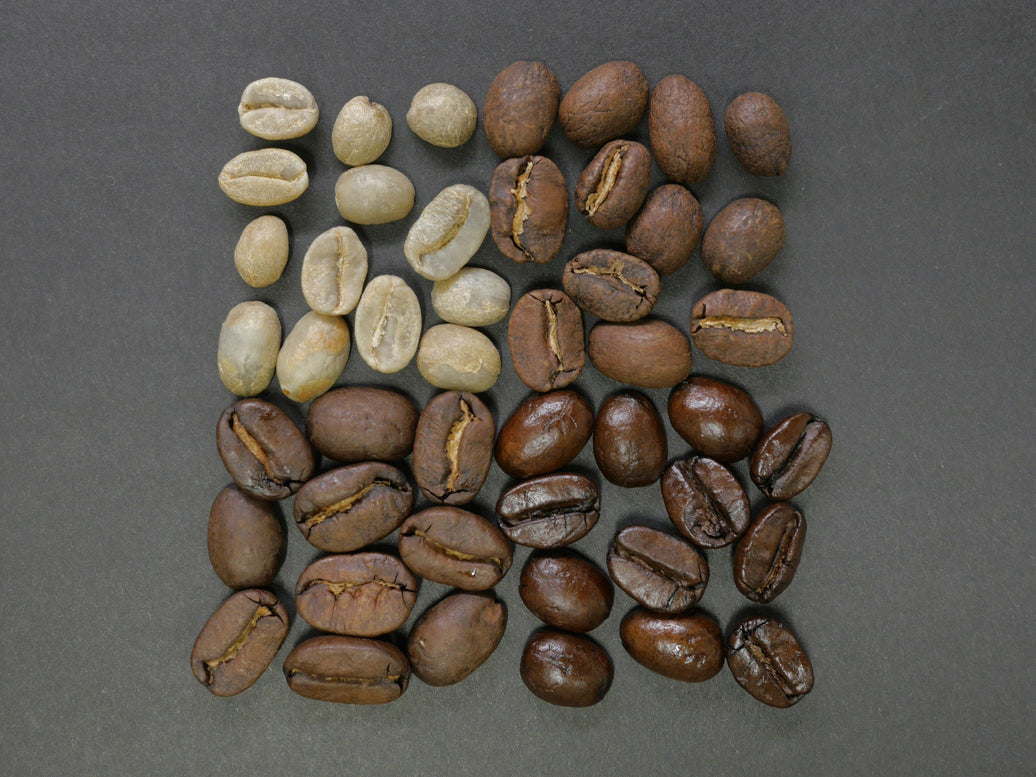
The answer depends on your taste preferences, the roast level you enjoy, and how you prepare your coffee. Medium and medium-dark roasts are useful starting points, while a coarse grind and a suitable steeping time help you achieve a balanced result.
In this guide, you will learn how to choose coffee beans for cold brew, which grind size to use, how long to steep your coffee, and how to prepare a refreshing batch at home.
What Is Cold Brew Coffee?
Cold brew coffee is made by steeping ground coffee in cool or room-temperature water for an extended period, usually around 12 to 24 hours depending on the recipe and brewing conditions.
Unlike iced coffee, which is commonly brewed hot and then cooled, cold brew relies on a longer extraction process without hot water.
This difference creates a distinct flavor profile. Cold brew often tastes smooth and rounded, although its flavor depends on the beans, grind size, brewing ratio, steeping time, and filtration method.
Cold brew can be served in several ways:
-
Black over ice
-
With milk or cream
-
With a splash of vanilla syrup
-
Diluted with water if brewed as a concentrate
-
With a dairy-free alternative, such as oat or almond milk
The best version is the one that matches your personal taste.
What Is the Best Coffee for Cold Brew?
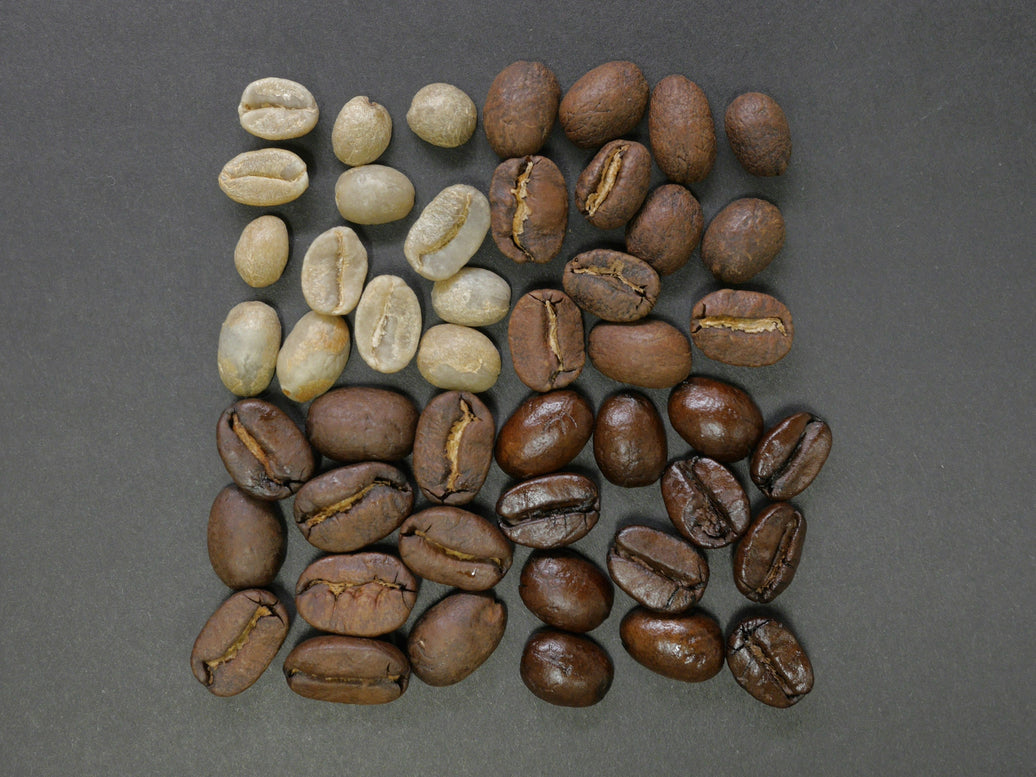
There is no single coffee bean that works best for everyone. However, coffees with balanced sweetness, good body, and flavors you already enjoy are excellent places to start.
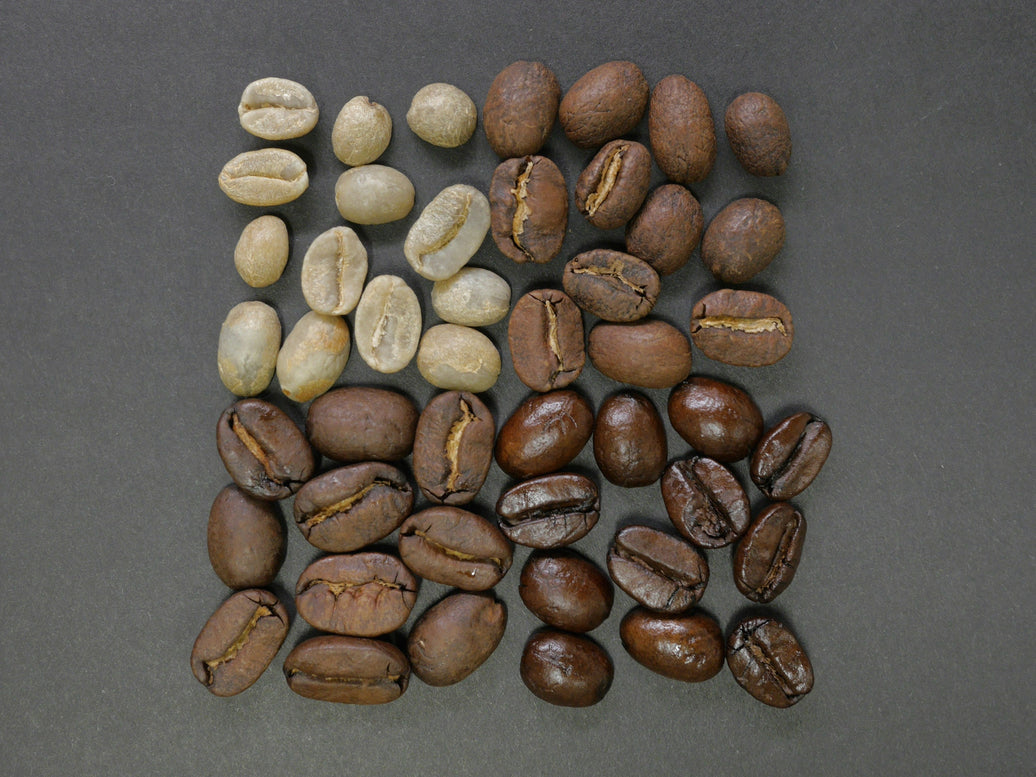
1. Medium Roast Coffee
Medium roast coffee is a versatile choice for cold brew. Depending on the beans, it can offer chocolate, caramel, nutty, or gently fruity flavors.
A medium roast is especially useful if you want a balanced cold brew that you can drink black or customize with milk.
Best for: Everyday cold brew, balanced flavor, and first-time brewers.
2. Medium-Dark Roast Coffee
Medium-dark roast coffee can produce a fuller-bodied cold brew with deeper roasted flavors. You may notice chocolate, toasted nuts, or caramel-like notes depending on the coffee.
Its more pronounced flavor can work particularly well in cold brew served with milk.
Best for: Rich flavor, creamy cold brew, and a fuller-bodied drink.
3. Dark Roast Coffee
Dark roast coffee is a good option if you enjoy bold, roasted flavors. It can create a strong-tasting cold brew with smoky, bittersweet, or dark-chocolate characteristics.
However, a darker roast does not automatically mean more caffeine. The caffeine content depends on factors such as the beans, coffee quantity, and preparation method.
Best for: Bold cold brew and people who prefer deeper roasted flavors.
4. Light Roast Coffee
Light roast coffee can also make cold brew. Depending on the beans, the finished drink may highlight fruity, floral, or brighter flavor notes.
Light roasts sometimes need adjustments to the grind, ratio, or steeping time to achieve the flavor you want.
Best for: Experimenting with delicate, fruity, or more distinctive coffee flavors.
What Grind Size Is Best for Cold Brew?
A coarse grind is a reliable starting point for cold brew coffee. The grounds should look similar to coarse sea salt.
Cold brew steeps for many hours, so consistent coarse grounds make it easier to strain the coffee and reduce excessive sediment.
Here is a quick comparison:
-
Coarse grind: Recommended starting point for most traditional cold brew recipes.
-
Medium-coarse grind: Can work well, especially with shorter steeping times.
-
Medium grind: May extract faster but can leave more sediment.
-
Fine grind: Generally less suitable for traditional cold brew because it can make filtering difficult and produce a muddy cup.
If your cold brew tastes weak, try adjusting the coffee-to-water ratio or steeping time before making a dramatic change to the grind.
If it tastes harsh or has too much sediment, try a coarser and more consistent grind.
For additional guidance, see the Food Network's cold brew coffee guide.
What Is the Best Coffee-to-Water Ratio for Cold Brew?
The coffee-to-water ratio determines how concentrated your cold brew will be.
A useful starting point is approximately 1 part coffee to 8 parts water for a concentrate, or 1 part coffee to 12–15 parts water for a less concentrated drink. These are starting ranges rather than fixed rules.
Cold Brew Ratio Chart
| Style | Coffee | Water | How to serve |
|---|---|---|---|
| Concentrate | 100 g | 800 g | Dilute with water or milk |
| Balanced batch | 60 g | 900 g | Serve over ice; adjust to taste |
| Lighter batch | 50 g | 750 g | Serve over ice or with milk |
Use a kitchen scale for the most consistent results. Remember that a concentrate is not necessarily ready to drink as-is; dilute it according to your taste and the strength of your recipe.
If you prefer a stronger drink, start with a little more coffee. If the flavor is too intense, add water or milk.
How to Make Cold Brew Coffee at Home
You do not need an expensive coffee machine to make cold brew. A clean glass jar, coffee grounds, water, and a strainer are enough to get started.
Ingredients
-
60 grams of coarse-ground coffee
-
900 grams of cool or room-temperature water
-
Ice, milk, or sweetener, if desired
This recipe makes a relatively mild batch that you can serve over ice and adjust to your preferences.
Step 1: Choose Your Coffee
Start with a medium or medium-dark roast if you want a balanced flavor. If you prefer bolder roasted notes, experiment with a dark roast.
Fresh, good-quality coffee matters more than choosing a particular roast simply because it is labeled for cold brew.
Step 2: Grind the Coffee
Grind the beans to a coarse consistency. If you are using pre-ground coffee, choose a coarse grind when available.
A consistent grind helps with extraction and makes filtering easier.
Step 3: Combine Coffee and Water
Place the coffee grounds in a clean jar or cold brew container. Add the water and stir gently until all the grounds are wet.
Cover the container.
Step 4: Let It Steep
Allow the coffee to steep for approximately 12–18 hours as a starting point. The ideal time will vary with the grind size, water temperature, and recipe.
For a more predictable routine, steep the covered mixture in the refrigerator. You may need a longer steep than you would at room temperature.
Avoid assuming that a longer steep always produces better flavor. Taste and adjust the next batch.
Step 5: Strain the Coffee
Strain the mixture through a suitable coffee filter or fine-mesh strainer. For a cleaner cup, filter it a second time if necessary.
Removing the grounds stops the long immersion process and helps reduce sediment.
Step 6: Serve and Enjoy
Pour the cold brew over ice. Add water if it is too strong, or add milk for a creamier drink.
You can also experiment with vanilla, cinnamon, or a small amount of sweetener to create your preferred flavor.
Cold Brew vs. Iced Coffee: What's the Difference?
Although both drinks are served cold, they are prepared differently.
Cold brew is made by steeping coffee in cool water over many hours. It often has a smooth, rounded flavor and can be prepared as a concentrate.
Iced coffee is generally brewed using hot water and then chilled or poured over ice. It can retain more of the bright, aromatic characteristics associated with hot-brewed coffee.
Neither method is automatically better. If you enjoy a slow-steeped drink, cold brew may be right for you. If you prefer the flavor of traditionally brewed coffee served cold, iced coffee may be a better fit.
Common Cold Brew Mistakes to Avoid
Even a simple brewing method can produce disappointing results if a few important details are overlooked.
Using Coffee Grounds That Are Too Fine
Fine grounds can make the finished drink muddy and difficult to filter. Start with coarse grounds for a traditional cold brew recipe.
Using Too Little Coffee
If the finished drink tastes watery, your recipe may use too much water relative to the coffee. Increase the coffee quantity slightly and compare the results.
Steeping for Too Long
A longer steep is not always better. Excessive steeping can contribute to an unpleasant or astringent flavor, depending on the coffee and brewing conditions.
Forgetting to Filter Properly
Fine particles left in the finished drink can create an undesirable texture. Use a suitable strainer or coffee filter and take your time.
Choosing Coffee Only by Roast Level
A dark roast is not automatically the best cold brew, and a light roast is not automatically unsuitable. Your preferred flavor profile should guide your choice.
Leaving Cold Brew Unrefrigerated for Extended Periods
For a safer, more consistent routine, brew and store your cold brew in a clean, covered container in the refrigerator. Follow food-safety practices and discard it if you notice anything unusual.
How to Store Homemade Cold Brew
Once your coffee has been strained, transfer it to a clean, covered container and refrigerate it promptly.
For the best flavor:
-
Keep the container covered.
-
Avoid repeatedly leaving the coffee at room temperature.
-
Use clean equipment when pouring.
-
Prepare smaller batches if you do not drink cold brew regularly.
-
Follow reliable food-safety guidance and discard coffee if you notice unexpected changes in smell or appearance.
Flavor can gradually change during storage, so making a fresh batch regularly is a good habit.
Find Your Next Favorite Cold Brew With Arvea Coffee
Choosing the right coffee is an important part of creating a cold brew you look forward to drinking. Some coffee lovers prefer rich, dark flavors, while others enjoy a more balanced cup or something with a sweeter flavor profile.
At Arvea Coffee, you can explore different coffee options and discover what suits your daily routine.
Consider exploring Arvea Cold Brew Coffee for your cold coffee routine, or browse the House Blend Coffee and French Roast Coffee options if you want to experiment with different flavor styles. Always check each product's description and available grind options to find the best fit for your brewing method.
For homemade cold brew, choose whole beans when available and grind them coarsely before brewing. If you prefer convenience, look for ground coffee suitable for cold brew.
Explore the collection at Arvea Coffee and find your next coffee to enjoy over ice.
Frequently Asked Questions
What is the best roast for cold brew?
Medium and medium-dark roasts are useful starting points because they can produce balanced, full-bodied flavors. Dark and light roasts can also work, depending on your taste preferences.
Should cold brew coffee be coarse or fine ground?
Coarse-ground coffee is generally recommended for traditional cold brew. It helps make filtering easier and reduces excess sediment.
How long should cold brew steep?
Approximately 12–18 hours is a useful starting range, although the ideal time depends on your grind, water temperature, and recipe.
Is cold brew stronger than regular coffee?
Cold brew concentrate can be highly concentrated, but the caffeine in a finished serving depends on how much coffee was used, the extraction method, and how much water or milk is added. Cold brew is not always higher in caffeine than every hot coffee.
Can I make cold brew with dark roast coffee?
Yes. Dark roast can produce a bold, rich cold brew. Start with a moderate steeping time and adjust the recipe according to the flavor you prefer.
Can I use regular ground coffee for cold brew?
Yes, although the grind matters. Coarse-ground coffee is generally easier to strain and is a better starting point than very fine grounds.
Is cold brew less acidic than hot coffee?
Cold brew often has a different acidity profile and may taste less acidic than hot-brewed coffee. However, the actual acidity depends on the beans and brewing method, and cold brew is not guaranteed to be suitable for everyone with acid sensitivity.
Can I heat cold brew coffee?
Yes. You can gently warm strained cold brew if you prefer a hot drink. Its flavor may differ from coffee brewed directly with hot water.
Final Thoughts
The best coffee for cold brew is one that matches your taste, but a medium or medium-dark roast, a coarse grind, and a consistent coffee-to-water ratio are excellent starting points.
Begin with a simple recipe, steep your coffee for around 12–18 hours, strain it thoroughly, and adjust the strength to your liking. With a little experimentation, you can create a refreshing drink that fits your routine.
Whether you enjoy cold brew black, over ice, or with milk, choosing coffee you genuinely enjoy is the most important step.
Explore your next coffee at Arvea Coffee.





















Leave a comment