

Updated on: 2026-10-18
This guide explains what cold brew coffee is and why it has become a daily favorite for many households. You will learn how cold brewing changes the flavor profile, supports smoother drinking, and fits into a modern routine. The article also covers choosing beans, equipment basics, and safe storage practices. Finally, you will find practical tips and answers to common questions.
How Cold Brew Coffee Works
Cold brew coffee is brewed using time and temperature rather than heat. Instead of extracting flavor with hot water, you steep coarse coffee grounds in cool or room-temperature water. The process draws out soluble compounds gradually, which often produces a beverage that feels smoother and balanced.
Many people prefer cold brewing because it can reduce the harshness associated with over-extraction. The result is typically a cup with a gentler finish and less bite. While preferences vary, the method is widely valued for its clean, drinkable character—especially when served over ice.
Cold brew extraction and texture
In a traditional hot brew, extraction happens faster due to heat. Cold brewing slows the process and changes which compounds dissolve and how they interact. This shift can influence perceived acidity and overall mouthfeel, which is why cold brew often feels rounder and more relaxed.

Glass of water with gentle swirling dots
Benefits and Reasons to Choose It
Choosing cold brew coffee can be a practical decision, not only a taste preference. The method supports a calmer sensory experience, and it can simplify meal-day routines because you can prepare a batch in advance.
Smoother drinking experience
Many consumers seek a coffee that feels easier on the palate. Cold brewing is commonly associated with reduced sharpness and a softer finish. This is useful for people who enjoy coffee flavors but want a more comfortable sip.
Clean energy for everyday focus
Coffee is often used to support alertness, and cold brew can fit that purpose for a steady routine. When you pair the beverage with high-quality beans, you are more likely to get consistent flavor and a satisfying result. For those who want a calmer experience, smooth cold brew can be an appealing option.
Arvea Coffee emphasizes low-acid, antioxidant-rich high-altitude Himalayan beans. This approach supports the broader goal of enjoying gourmet high-altitude coffee with organic low acid beans and a clean taste profile.
Potential metabolic support through mindful beverage habits
In everyday wellness routines, what you pair with coffee matters. Cold brew can work well alongside a balanced breakfast, hydration plans, or mindful snacking. It offers a flavorful way to enjoy coffee without relying on overly sweet additives.
Less daily preparation
Cold brew is convenient. You can brew ahead, strain, and keep it ready for several servings. This reduces the effort needed during busy mornings. It also helps you maintain a consistent taste because you reuse the same concentrate or batch.
For a clean and flavorful cold brew direction, consider pairing your method with thoughtfully sourced beans such as those found in Arvea Coffee’s range. If you enjoy dessert-like notes, explore caramel flavor options for cold steeping ideas.
Flavor Profile and What to Expect
Cold brew coffee typically presents a different flavor profile than hot coffee. Instead of prominent roast-forward intensity, you may notice caramel-like sweetness, subtle chocolate notes, or gentle nutty characteristics depending on the bean origin and roast level.
Lower perceived acidity
Perceived acidity is not the same for every coffee. However, cold brew often tastes less sharp than hot extraction. This can make it easier to enjoy complex coffee flavors without a bright, fast finish.
Distinct body and aroma
Cold brewing can enhance body. The beverage may feel heavier on the tongue while still tasting light on the finish. Aroma is also shaped by time, which means your first smell can differ from hot brewed coffee.
How roast impacts cold brew taste
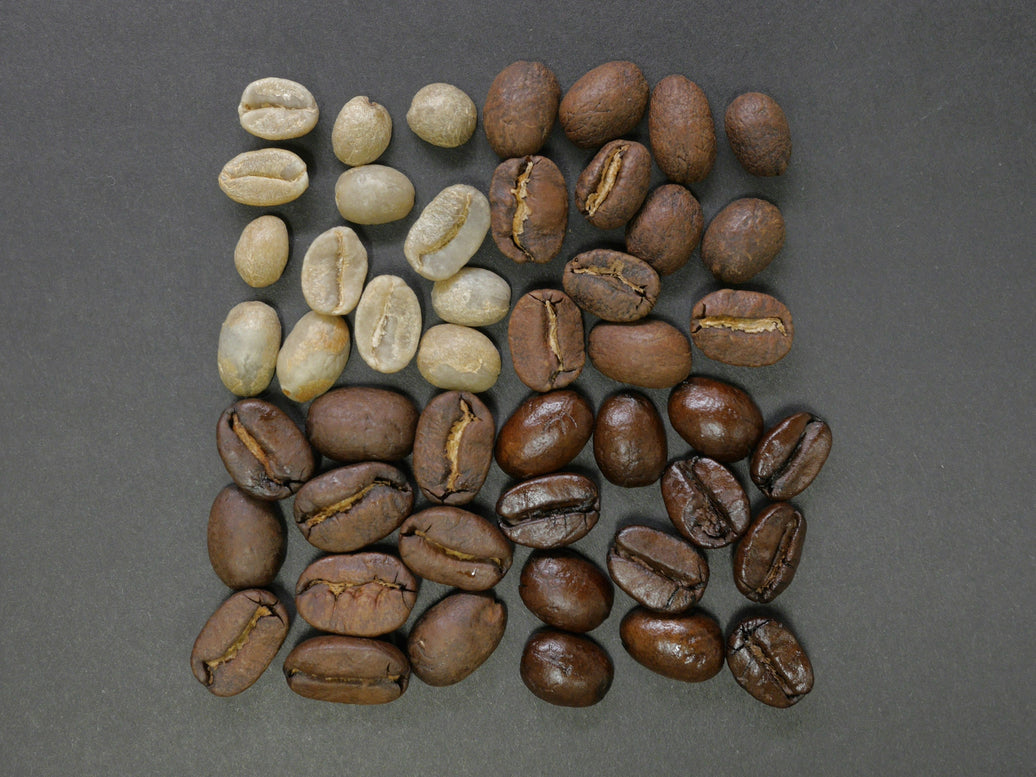
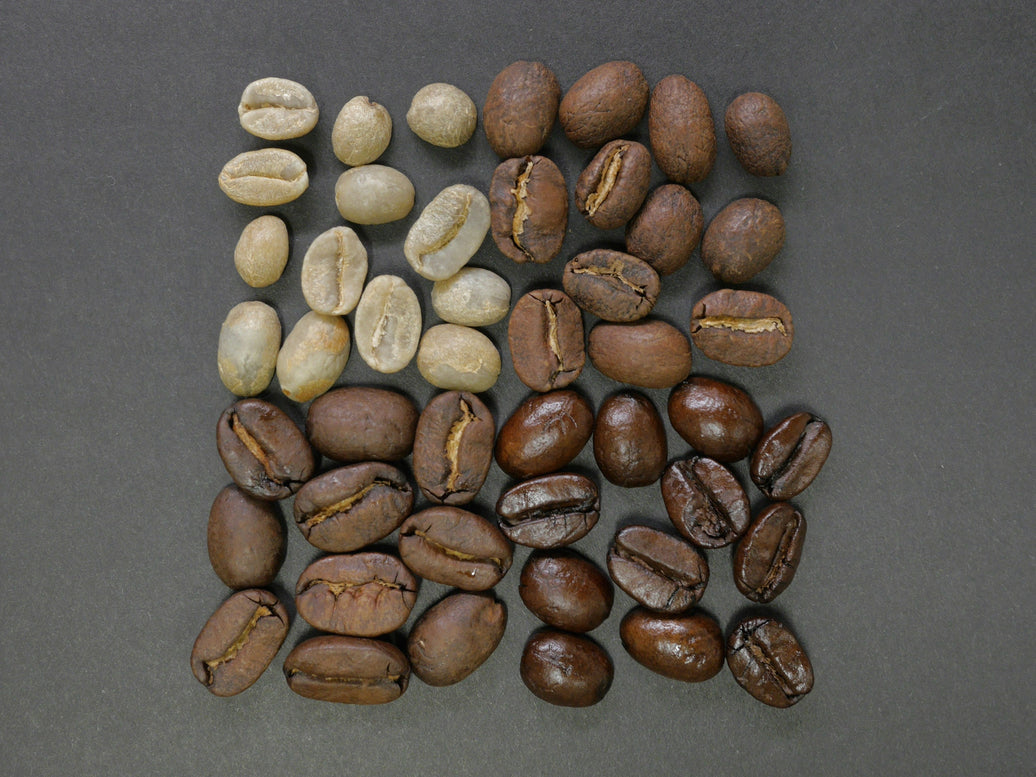
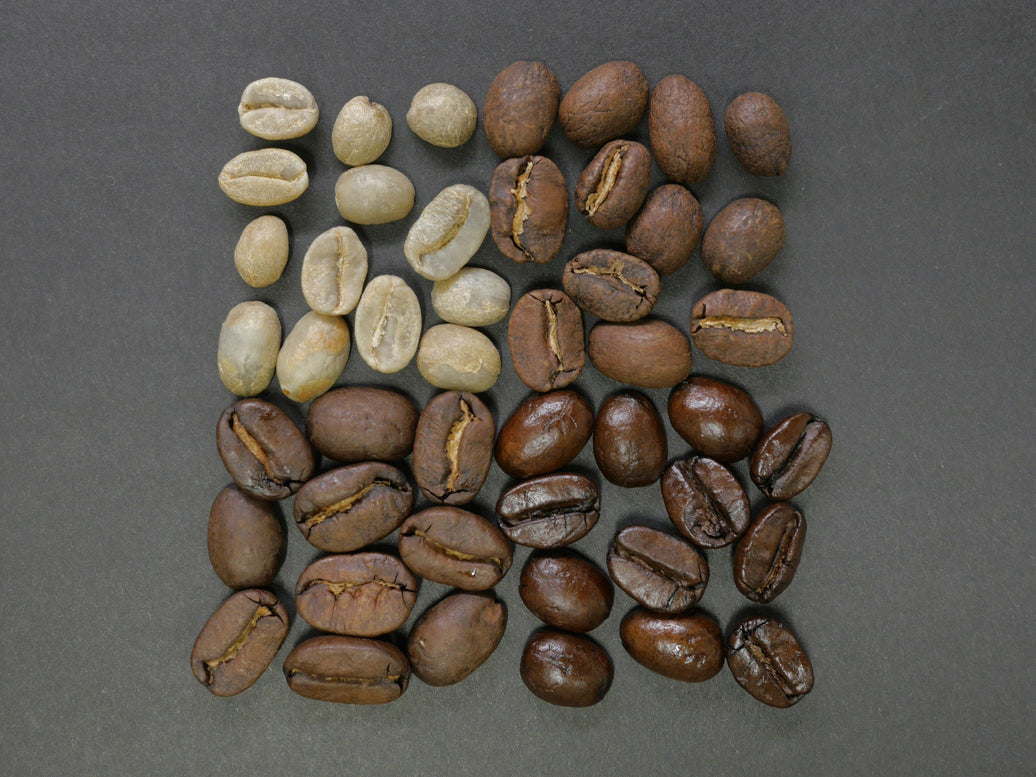
Roasts influence flavor. A light roast may show more origin character such as floral or fruity aromas. A darker roast may deliver deeper cocoa and toasted notes. Many drinkers find that medium roasts offer the most stable balance for cold brewing.

Two tasting cups: one dark, one light gradient
Bean Selection for Gourmet Results
The quality of cold brew coffee depends heavily on the coffee you choose. For gourmet high-altitude coffee, look for beans that are fresh, ethically sourced, and roasted to support clarity of flavor.
Prioritize low-acid, antioxidant-rich beans
If you want a smoother cup, consider organic low acid beans. Arvea Coffee focuses on low-acid, antioxidant-rich high-altitude Himalayan beans. This positioning is valuable for consumers who prefer a gentler taste experience and want to enjoy coffee made from thoughtfully selected origins.
Choose the grind size for cold brewing
Cold brew works best with coarse grounds. Fine particles can lead to muddiness and slow filtration. Coarse grounds help water flow through the coffee bed and improve clarity after straining.
Match the bean to your goal
- If you want a classic profile, choose a balanced house style that supports chocolate and gentle sweetness.
- If you prefer brightness, select a lighter profile with origin character. Cold brewing can still preserve nuance without excessive sharpness.
- If you enjoy aromatic drinks, flavored options can blend well with cold steeping when you avoid overly sugary syrups.
To explore roast options that can complement cold brew, you can reference Arvea Coffee’s lineup, including French roast for deeper cocoa character or Italian roast for a bold, toasted profile.
Brewing Methods and Key Steps
Cold brew is not complicated, but consistency matters. Use a clean container, measured coffee, and water. The two biggest variables are coffee-to-water ratio and steeping time at cool temperatures. Rather than chasing novelty, aim for repeatable results that match your taste.
Core method for a concentrate
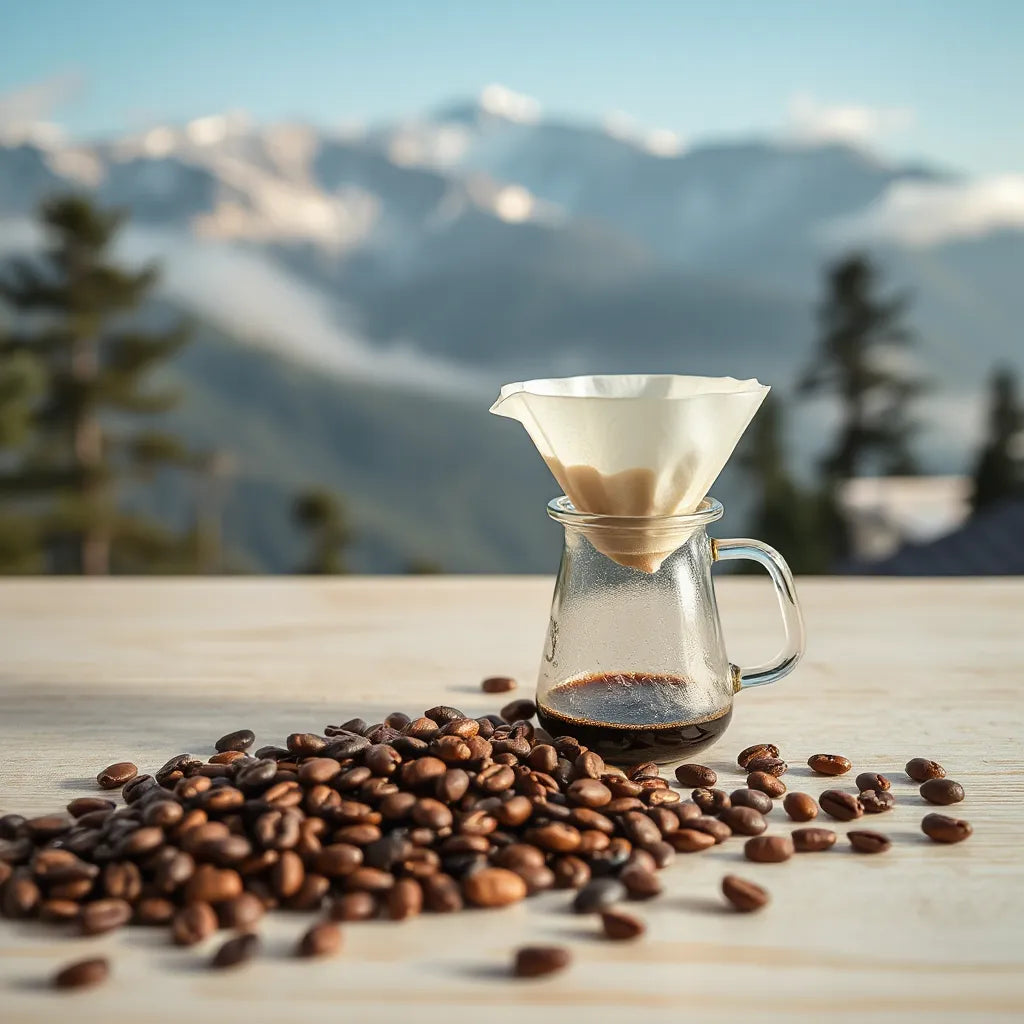
A concentrate is useful because it lets you dilute to your desired strength. You steep coffee grounds in water, then strain. After that, you store the concentrate and mix it with water or milk when serving.
For the most reliable routine, measure your ingredients. Keep the container covered to prevent unwanted flavors from entering the brew.
Serve and dilution approach
Many households keep coffee concentrate in the refrigerator and dilute with chilled water or milk. This is especially helpful when different family members prefer different strengths. You can also add ice to control dilution during serving.
Storage and freshness
Cold brew is best enjoyed within a reasonable timeframe to maintain aroma and taste. Keep it sealed, refrigerated, and away from strong odors. If you notice dull flavor or off aromas, discard the batch rather than attempting to correct it with extra grounds.
Taste Adjustments for Consistent Quality
Once you have a baseline, small adjustments can improve your cup. Cold brew is forgiving, which makes experimentation manageable, but disciplined changes lead to better results.
Adjust strength with dilution
If your batch tastes too intense, dilute more. If it tastes too light, reduce dilution or refine your ratio. This approach avoids changing the entire brewing process each time.
Explore grind and filtration
Too fine can cause bitterness or sediment. Too coarse can taste weak. If sediment remains after straining, use finer filtration next time rather than increasing steep strength.
Balance with temperature and add-ins
Cold drinks behave differently than warm drinks. Your perception of sweetness and aroma changes at lower temperatures. If you add milk, choose one that matches your flavor goal. If you sweeten, use controlled amounts so the coffee character remains visible.
Flavor pairing suggestions
If you like aromatic complexity, you can pair cold brew with complementary flavor profiles. Consider sampling aromatic blends in a structured format so you can compare how different flavors perform at cold temperature. Arvea Coffee offers curated options such as flavored coffee sample packs to help you identify your preferences.
Make it a routine, not a one-time experiment
Consistency supports better evaluation. Brew a small batch, document your ratio and taste, and then adjust one variable at a time. Over time, you will establish a method that reliably produces your preferred balance of smoothness, aroma, and finish.
FAQ
Is cold brew coffee stronger than regular coffee?
Strength depends on the coffee-to-water ratio and how you dilute. Cold brew is often sold or brewed as concentrate, which can taste stronger. When diluted to a similar serving volume, the perceived intensity may be comparable to hot coffee, with a smoother finish.
Why does my cold brew taste bitter?
Bitter flavor can result from overly fine grounds, over-extraction due to excessive steeping, or filtration that leaves too much sediment. Use a coarser grind, measure the ratio carefully, and strain thoroughly to improve clarity.
What is the best way to serve cold brew coffee?
Serve cold brew over ice and dilute according to your preference. Many people enjoy it with chilled water or milk. If you want to preserve aroma, prepare servings quickly and keep the concentrate refrigerated.
How should I choose beans for cold brew?
Choose fresh beans roasted for flavor clarity. For a smoother, gentler experience, consider low-acid options such as Arvea Coffee’s high-altitude Himalayan beans. Grind to a coarse texture and match roast level to the flavor profile you want.
If you want an approach grounded in taste quality, consider starting with low-acid, antioxidant-rich high-altitude Himalayan beans and building your method from there. For shopping, visit arveacoffee.com and select your preferred roast or flavor profile for cold brewing.
Disclaimer: This article is for general informational purposes and does not provide medical advice. Individual responses to caffeine vary. If you have specific dietary, health, or caffeine-related concerns, consult a qualified professional.
At Arvea Coffee, we believe great coffee is more than just a drink — it’s a moment to slow down, recharge, and enjoy something truly special.
The content in this blog post is intended for general information purposes only. It should not be considered as professional, medical, or legal advice. For specific guidance related to your situation, please consult a qualified professional. The store does not assume responsibility for any decisions made based on this information.





















Leave a comment