

How to Make Espresso at Home: A Beginner's Guide
Can You Make Espresso at Home?
Yes.
You don't need to be a professional barista to make good espresso at home.
With an espresso machine, a quality grinder, fresh coffee, a scale, and a little practice, you can learn how to pull consistent espresso shots in your own kitchen.
The key is understanding a few variables:
-
Coffee dose
-
Grind size
-
Water temperature
-
Pressure
-
Extraction time
-
Espresso yield
-
Coffee freshness
Once you understand these basics, making espresso becomes much easier.
What Is Espresso?
Espresso is a concentrated coffee beverage made by forcing hot water through finely ground coffee under pressure.
Because espresso uses a relatively small amount of water compared with brewed coffee, it produces a concentrated drink with intense flavor and a characteristic crema when conditions are right.
Espresso is also the foundation of many popular drinks, including:
-
Latte
-
Cappuccino
-
Americano
-
Flat white
-
Macchiato
-
Mocha
What You Need to Make Espresso at Home
You don't need a huge collection of equipment.
For a good starting setup, you'll want:
1. Espresso Machine
Your machine provides the pressure and temperature control needed to extract espresso.
2. Espresso Grinder
A quality burr grinder is especially important because espresso requires precise grind adjustment.
3. Fresh Coffee
Choose coffee you enjoy and preferably use reasonably fresh beans.
4. Digital Scale
A scale helps you measure both the coffee dose and espresso output.
5. Tamper
A tamper compresses the coffee grounds evenly inside the portafilter.
6. Timer
A timer helps you monitor extraction time and make adjustments.
What Grind Size Is Best for Espresso?
Espresso generally requires a fine grind.
However, "fine" is only a starting point.
The correct grind depends on your machine, coffee, dose, basket, and desired extraction.
If your espresso runs too quickly, you will generally want to try a finer grind.
If it runs too slowly, try a slightly coarser grind.
This process of adjusting your recipe to improve the flavor is often called dialing in. The Specialty Coffee Association describes dialing in as adjusting variables such as dose and grind to optimize the flavor of a coffee brew.
How Much Coffee Should You Use for Espresso?
A practical starting point for a double espresso is around:
18–20 grams of coffee
The Specialty Coffee Association's published discussion of espresso preparation found that many surveyed baristas were using 18–20 gram doses for espresso, with an average output around 36.5 grams.
For a beginner recipe, try:
18g coffee → 36g espresso
That's approximately a 1:2 brew ratio.
You can adjust this later depending on the coffee and your taste.
What Temperature Should Espresso Water Be?
A useful starting point is approximately:
195–205°F (90.5–96°C)
The Specialty Coffee Association's historical espresso reference range uses 195–205°F, while its survey of contemporary barista practices found an average around 200°F.
Your machine may automatically control the temperature, so you may not need to adjust it manually.
How to Make Espresso at Home Step by Step
Step 1: Preheat Your Espresso Machine
Turn on your espresso machine and allow it to reach its operating temperature.
A warm machine helps maintain more consistent brewing conditions.
You can also run a little water through the group head before preparing your shot.
Step 2: Grind Your Coffee
Measure approximately 18 grams of coffee.
Grind it finely for espresso.
Place the grounds into your portafilter.
If the shot runs extremely fast, your grind may need to be finer.
If it barely flows or takes too long, try grinding slightly coarser.
Step 3: Distribute the Grounds
Before tamping, distribute the coffee evenly inside the portafilter.
An uneven coffee bed can contribute to uneven water flow.
Try to create a level surface before tamping.
Step 4: Tamp the Coffee
Place the portafilter on a stable surface and tamp the grounds evenly.
The goal is a flat, consistent coffee puck.
You don't need to obsess over using an exact amount of tamping force.
Consistency is more important.
Step 5: Lock in the Portafilter
Insert the portafilter into the espresso machine and lock it securely into place.
Place your cup or shot glass underneath.
Step 6: Start the Extraction
Start the espresso machine and your timer.
Watch how the espresso flows.
You want a controlled, steady extraction rather than an extremely fast stream or almost no flow.
Step 7: Stop Around Your Target Yield
For the beginner recipe, start with:
18g coffee in → approximately 36g espresso out
This gives you a starting ratio of roughly 1:2.
The SCA's survey of barista practices found 1:2 to be the average espresso brew ratio among respondents.
Step 8: Taste and Adjust
Taste your espresso.
This is where the real learning begins.
If it tastes sour, sharp, thin, or underdeveloped, you may need to adjust your grind or other brewing variables.
If it tastes extremely bitter, dry, or harsh, you may be extracting too much.
Change one variable at a time so you know what made the difference.
How Long Should Espresso Take?
A useful starting point is approximately:
25–30 seconds
for an 18g dose producing around 36g of espresso.
The SCA's discussion of espresso preparation reports that many surveyed baristas averaged around 25–30 seconds, although espresso practices vary.
Don't treat time as an absolute rule.
The most important goal is a delicious, balanced shot.
Why Is My Espresso Coming Out Too Fast?
If your espresso reaches your target yield much too quickly, try:
-
Grinding finer
-
Checking your coffee dose
-
Improving puck preparation
-
Making sure the portafilter is properly locked in
-
Using fresh coffee
Start by making a small grind adjustment.
Why Is My Espresso Coming Out Too Slowly?
If the espresso barely flows or takes much longer than expected, try:
-
Grinding slightly coarser
-
Checking your dose
-
Making sure the coffee isn't packed excessively high
-
Improving distribution
-
Checking your machine and basket
Again, make one adjustment at a time.
Why Does My Espresso Taste Sour?
Sour espresso can sometimes indicate under-extraction.
Possible adjustments include:
-
Grinding slightly finer
-
Increasing extraction time
-
Adjusting your dose
-
Adjusting your yield
-
Checking water temperature
Don't automatically assume that sourness means the coffee itself is bad.
Your recipe may simply need dialing in.
Why Does My Espresso Taste Bitter?
If your espresso tastes excessively bitter or dry, you may be extracting too much.
Try:
-
Grinding slightly coarser
-
Reducing extraction time
-
Adjusting the yield
-
Reviewing your dose
-
Checking water temperature
Small changes can make a surprisingly large difference.
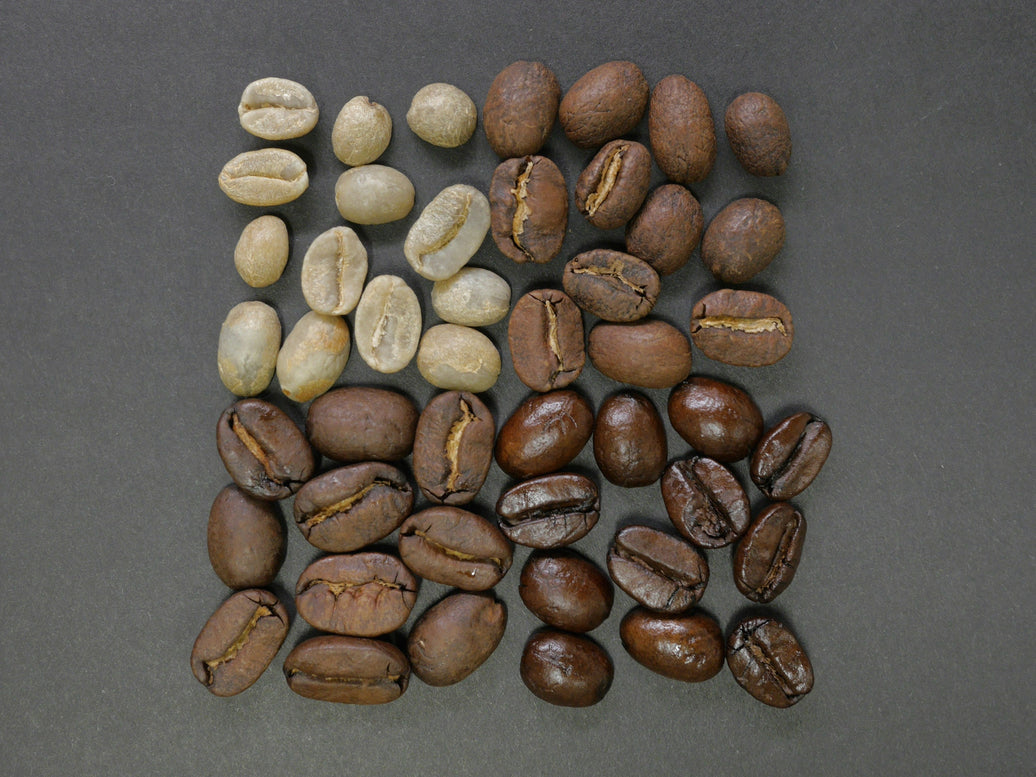
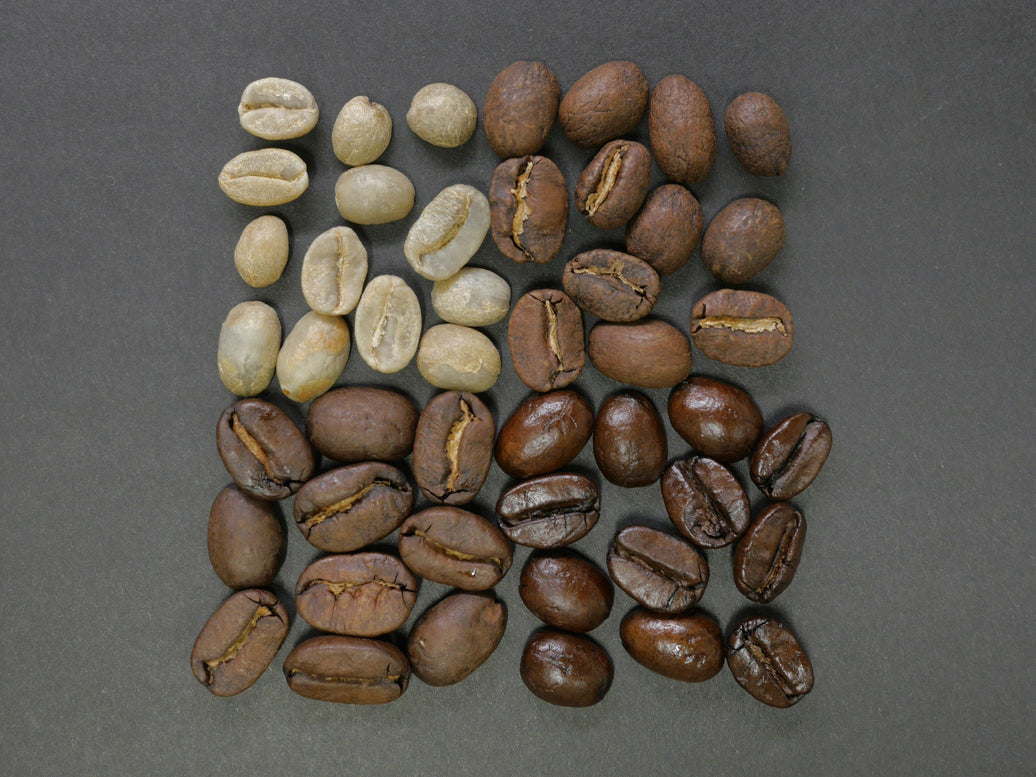
What Coffee Is Best for Espresso?
There isn't one universally "best" coffee for espresso.
The best choice depends on your preferred flavor.
For a balanced espresso
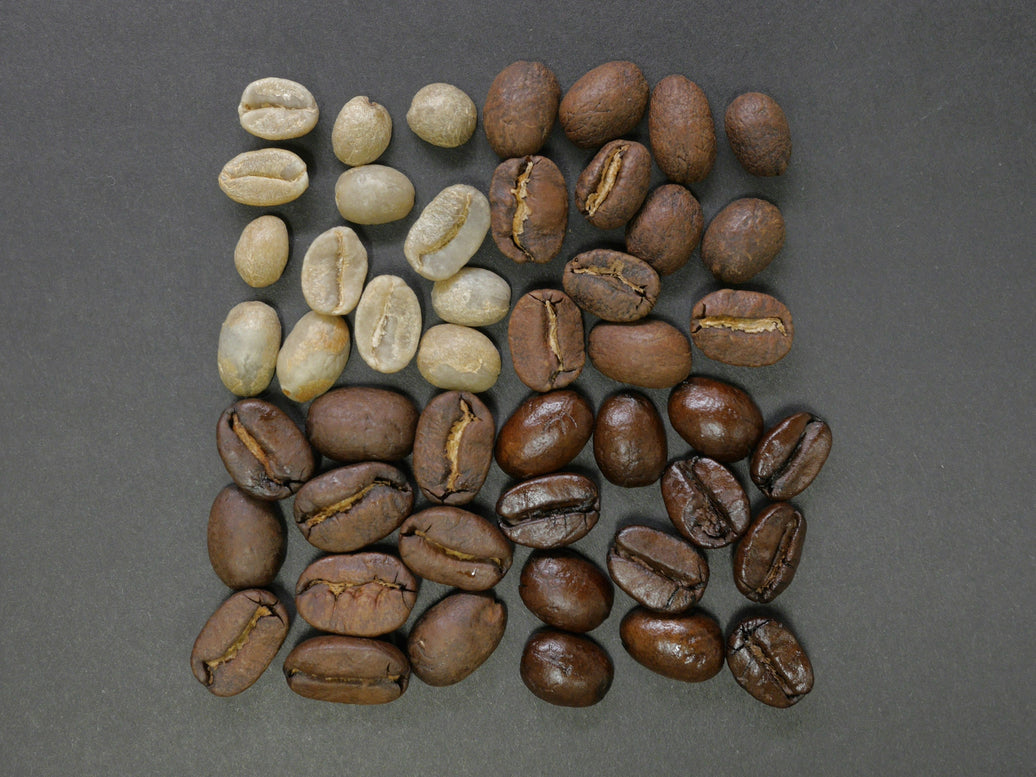
Try a medium or medium-dark roast.
For a deeper, bolder espresso
Try a darker roast.
For a brighter espresso
Some lighter roasts can produce more fruit-forward or acidic flavors, although they may require more careful dialing in.
The most important thing is choosing coffee that matches your taste and using a grind appropriate for espresso.
Arvea Coffee offers coffee selections with Espresso grind options on several products, making it possible to choose an espresso-ready grind without necessarily grinding the coffee yourself. Shop Arvea Coffee
Whole Bean vs Pre-Ground Espresso Coffee
Whole Bean
Whole bean coffee gives you maximum control.
You can grind the coffee immediately before brewing and adjust the grind whenever you need to dial in the shot.
Best for:
Coffee enthusiasts who own an espresso grinder.
Pre-Ground
Pre-ground espresso coffee is convenient and can be useful if you don't have a suitable grinder.
Best for:
Beginners who want a simple setup.
If you're serious about improving your espresso, investing in a good grinder can be one of the most useful upgrades.
Espresso Machine vs Espresso Pods
Traditional espresso machines allow you to control:
-
Grind size
-
Dose
-
Yield
-
Extraction time
-
Coffee selection
Pods and capsules are generally more convenient and require less preparation.
Neither option is automatically better for everyone.
If you enjoy experimenting with coffee and learning the brewing process, a traditional espresso machine gives you much more control.
If convenience is your priority, capsules can be easier.
How to Make an Americano With Espresso
Once you've made an espresso shot, making an Americano is easy.
Basic method:
-
Pull one or two espresso shots.
-
Add hot water.
-
Adjust the water amount to your preferred strength.
-
Enjoy.
An Americano gives you the flavor of espresso in a longer, less concentrated drink.
How to Make a Latte at Home
To make a simple latte:
-
Pull one or two espresso shots.
-
Steam or heat milk.
-
Add the milk to the espresso.
-
Add a small amount of foam.
-
Serve immediately.
You can experiment with dairy or non-dairy milk depending on your preference.
How to Make a Cappuccino at Home
A cappuccino generally uses espresso combined with steamed milk and more foam than a traditional latte.
Start with:
Espresso + steamed milk + milk foam
The exact proportions can vary depending on the style you prefer.
7 Tips for Better Espresso at Home
1. Use a Good Grinder
Grind consistency is extremely important for espresso.
2. Weigh Your Coffee
A scale gives you repeatable results.
3. Use Fresh Coffee
Fresh coffee can provide better aroma and flavor.
4. Keep Your Equipment Clean
Coffee oils and residue can affect flavor.
5. Don't Change Everything at Once
Adjust one variable at a time.
6. Keep Notes
Write down your dose, grind setting, yield, and extraction time.
7. Taste Every Shot
Your taste is the final judge.
Beginner Espresso Recipe
Save this recipe as your starting point:
Coffee: 18g
Grind: Fine
Target output: 36g espresso
Starting ratio: 1:2
Water temperature: Around 195–205°F
Starting extraction time: Around 25–30 seconds
Then adjust the recipe based on flavor.
Remember: these numbers are a starting point, not a guarantee that every coffee will taste best using exactly the same recipe.
Espresso Troubleshooting Chart
| Problem | Possible Adjustment |
|---|---|
| Espresso runs too fast | Grind finer |
| Espresso runs too slowly | Grind coarser |
| Sour taste | Consider finer grind or longer extraction |
| Bitter/dry taste | Consider coarser grind or shorter extraction |
| Weak espresso | Review dose and yield |
| Uneven flow | Improve distribution and puck preparation |
| Inconsistent shots | Check grinder, dose, distribution, and machine consistency |
Frequently Asked Questions
Can a beginner make espresso at home?
Yes. With a basic espresso machine, grinder, scale, and fresh coffee, beginners can learn to make espresso at home.
What grind size is best for espresso?
Espresso generally requires a fine grind. You'll usually need to adjust it based on how quickly the shot flows and how it tastes.
How much coffee do I need for a double espresso?
A useful starting point is around 18–20 grams.
How long should an espresso shot take?
Approximately 25–30 seconds is a useful starting point for a traditional-style shot, but the ideal time varies by coffee and recipe.
What temperature should espresso water be?
Around 195–205°F is a useful starting range.
Is whole bean coffee better for espresso?
Whole bean coffee gives you more control because you can grind immediately before brewing and adjust the grind as needed.
Can I use regular coffee beans for espresso?
Yes. "Espresso" is primarily a brewing method, not a specific type of coffee bean. Many different coffees and roast levels can be used for espresso.
Why does my espresso taste bitter?
Over-extraction is one possible reason. Try adjusting your grind, extraction time, yield, or dose rather than changing everything at once.
Final Thoughts
Learning how to make espresso at home is a process of experimentation.
Start simple:
18g coffee → fine grind → approximately 36g espresso → around 25–30 seconds.
Then taste your shot and adjust.
Once you understand the relationship between grind size, dose, extraction time, and yield, you can begin creating espresso that matches your personal taste.
Whether you're making a straight espresso, Americano, latte, or cappuccino, good coffee starts with choosing beans you enjoy.
Ready to explore espresso-ready coffee?



















Leave a comment