

What Is French Roast Coffee? A Complete Guide to Flavor, Roast Level, and Brewing

If you enjoy coffee with a bold aroma, deep roasted flavors, and a rich taste, French roast coffee may be worth exploring.
French roast is one of the darkest common coffee roast styles. Its beans are roasted for longer than light and medium roasts, developing a dark brown appearance, pronounced roasted aromas, and a flavor profile that can include smoky, bittersweet, and caramelized notes.
But what exactly makes French roast coffee different? Is it stronger than other coffee roasts? Does dark roast contain more caffeine? And what is the best way to brew it at home?
In this guide, we'll explore everything you need to know about French roast coffee, from its flavor and roasting process to brewing tips that help you enjoy a balanced cup.
Whether you're a longtime coffee enthusiast or simply looking for something new to try, understanding French roast can help you choose coffee that matches your personal taste.
What Is French Roast Coffee?
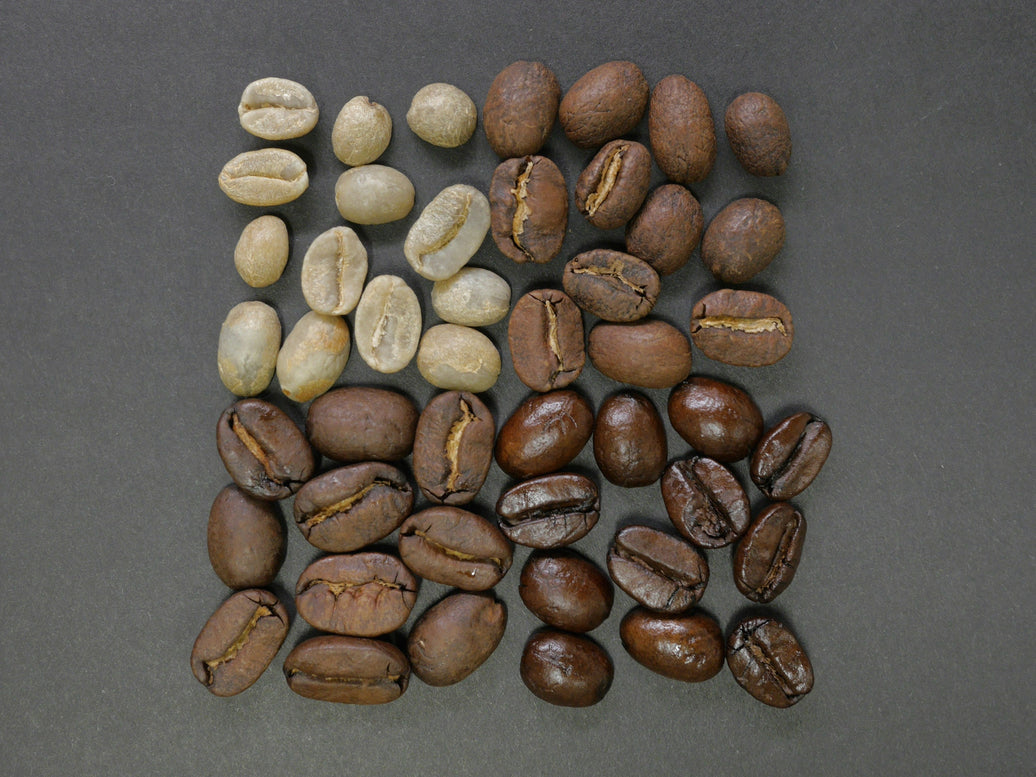
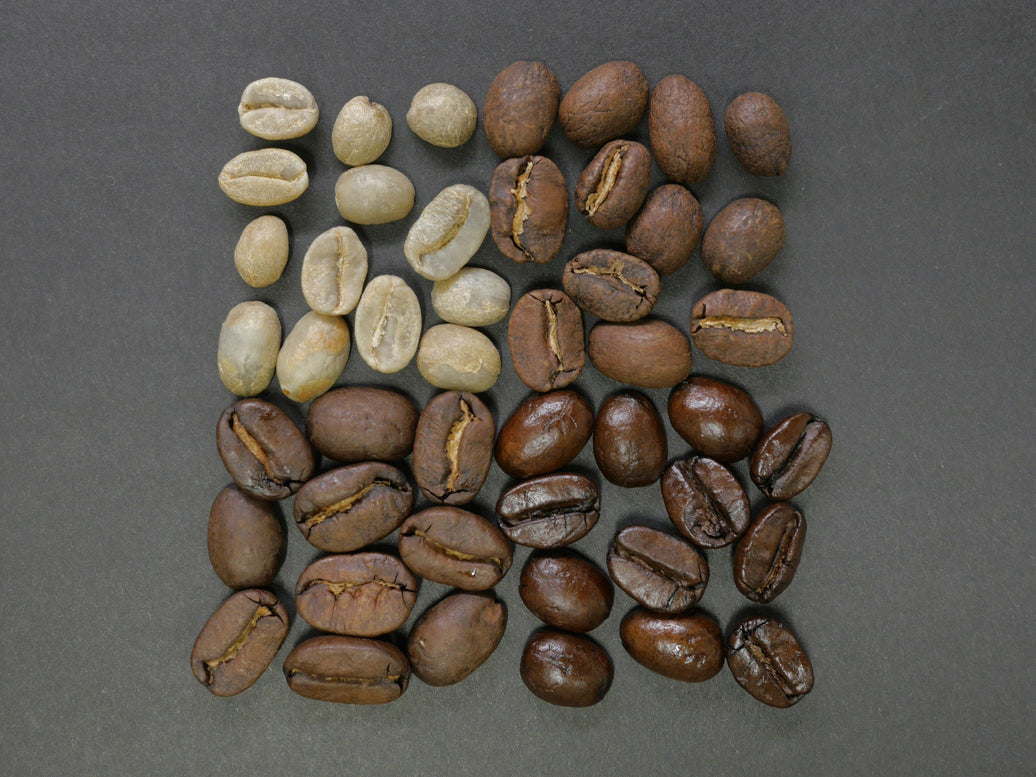
French roast coffee is a dark-roasted coffee characterized by beans that have been roasted until they develop a deep brown color, a pronounced roasted aroma, and often a slightly oily surface.
During roasting, green coffee beans undergo physical and chemical changes that develop their aroma, color, and flavor. As roasting continues, the beans become darker and their original flavor characteristics may become less prominent compared with the flavors produced by roasting.
French roast typically emphasizes bold, roasted flavors rather than the brighter acidity often associated with lighter roasts.
Depending on the beans and roasting process, a French roast may have notes of:
-
Dark chocolate
-
Toasted nuts
-
Smoky wood
-
Bittersweet caramel
-
Roasted cocoa
-
Subtle charred or earthy flavors
These characteristics vary by coffee origin, bean quality, and roasting technique. Not every French roast will taste the same.
The simple definition: French roast is a very dark roast style for people who enjoy pronounced roasted flavors and a bold coffee experience.
What Does French Roast Coffee Taste Like?
French roast coffee is known for its deep, intense roasted character.
Because the beans spend more time in the roaster, their original acidity and delicate origin-specific notes may become less noticeable. In their place, flavors associated with the roasting process become more prominent.
1. Bold and Roasted
French roast often has a strong roasted aroma and a flavor profile that feels intense and familiar to people who enjoy dark coffee.
2. Smoky and Bittersweet
Some French roasts develop smoky, charred, or bittersweet characteristics. These notes can be appealing if you prefer a darker flavor profile, although excessive burnt flavors may not suit everyone.
3. Dark Chocolate and Toasted Notes
Depending on the beans, French roast can suggest dark chocolate, roasted nuts, or deep cocoa flavors.
4. Less Noticeable Bright Acidity
French roast often has less perceived acidity than a lighter roast of the same coffee. However, acidity depends on several factors, including origin, processing, roast development, and brewing.
If you prefer coffee that tastes bold and roasted rather than bright and fruity, French roast may be a good style to explore.
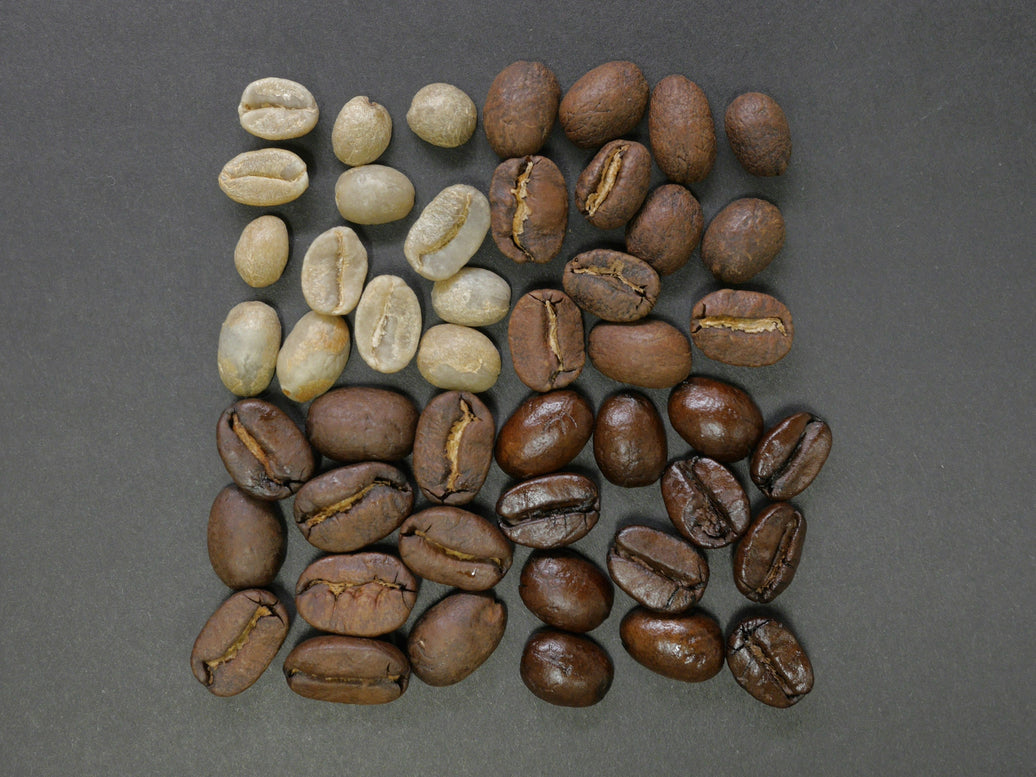
French Roast vs. Light Roast vs. Medium Roast
One of the easiest ways to understand French roast is to compare it with other common roast levels.
| Feature | Light roast | Medium roast | French roast |
|---|---|---|---|
| Bean color | Light brown | Medium brown | Very dark brown |
| Surface | Usually dry | Usually dry | May appear oily |
| Flavor | Often bright and delicate | Often balanced | Bold and roasted |
| Acidity perception | Often more noticeable | Moderate, depending on coffee | Often less noticeable |
| Original bean characteristics | Often more apparent | Balanced with roast flavors | Often less prominent |
| Typical taste notes | Fruity, floral, citrus | Chocolate, nuts, caramel | Smoky, dark chocolate, bittersweet |
These are general tendencies, not absolute rules. Coffee flavor depends on the bean, origin, processing, roasting profile, freshness, and brewing method.
Which Roast Should You Choose?
Choose light roast if you enjoy brighter flavors and want to explore the distinctive characteristics of different coffee origins.
Choose medium roast if you prefer a balance of sweetness, acidity, and roasted flavor.
Choose French roast if you enjoy a darker, more pronounced roasted taste with smoky or bittersweet notes.
There is no universally best roast. The best choice is the coffee you enjoy drinking.
Is French Roast Coffee Stronger Than Regular Coffee?
The word "strong" can mean several different things when it comes to coffee.
It might refer to the intensity of flavor, the concentration of brewed coffee, or the amount of caffeine in a serving. These are not the same thing.
Flavor Strength
French roast often tastes bolder and more intensely roasted than light or medium roast coffee. That doesn't automatically mean it contains more caffeine.
Caffeine Content
Dark roast coffee is not necessarily higher in caffeine than light roast coffee.
When measured by weight, caffeine differences between roast levels are generally modest, and the bean type and serving size also matter. Because roasting changes the beans' mass and volume, comparisons can differ depending on whether you measure by weight or scoop.
Brewed Coffee Strength
The concentration of your finished coffee depends on the amount of coffee used, the amount of water, and the extraction process.
If you want a stronger-tasting cup, you can adjust your coffee-to-water ratio rather than assuming that a darker roast will always provide more caffeine.
Does French Roast Coffee Have More Caffeine?
Not necessarily.
The roast level alone does not reliably tell you how much caffeine is in your cup. The type of coffee bean, serving size, brewing method, and amount of coffee used all influence caffeine content.
For example, a cup made with a larger amount of coffee may contain more caffeine than one made with a smaller dose, regardless of whether the beans are light or dark roasted.
If caffeine content is important to you, consider your serving size and preparation method rather than relying on roast color alone.
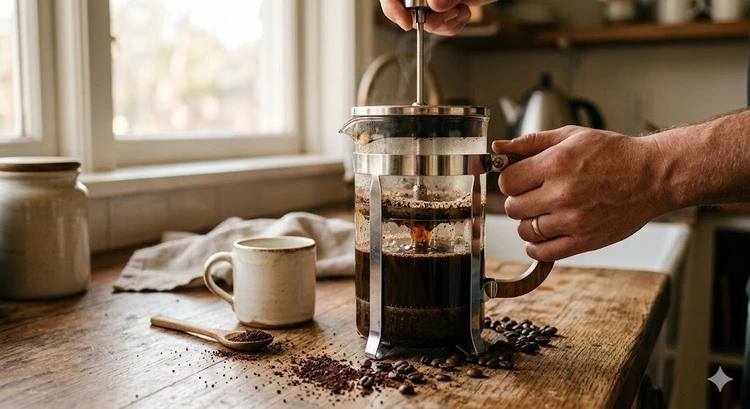
How to Brew French Roast Coffee at Home
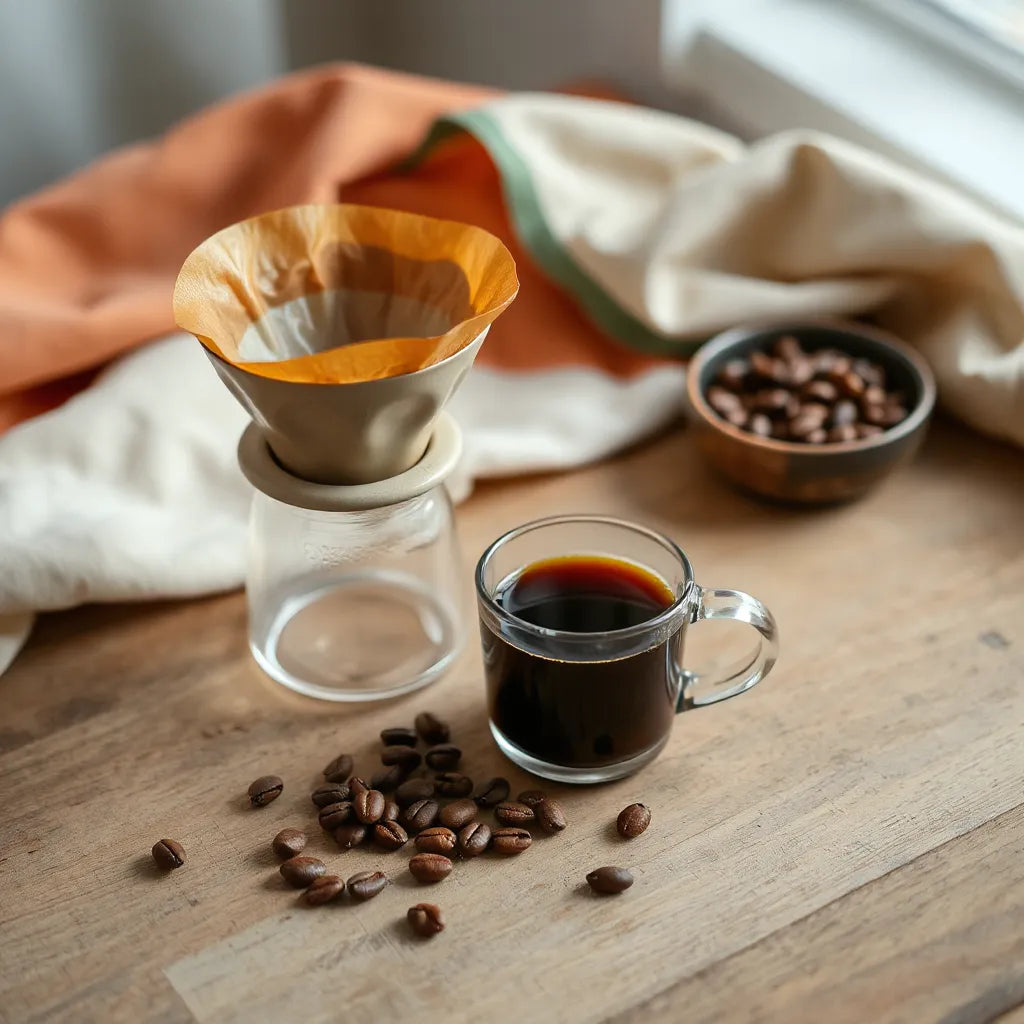
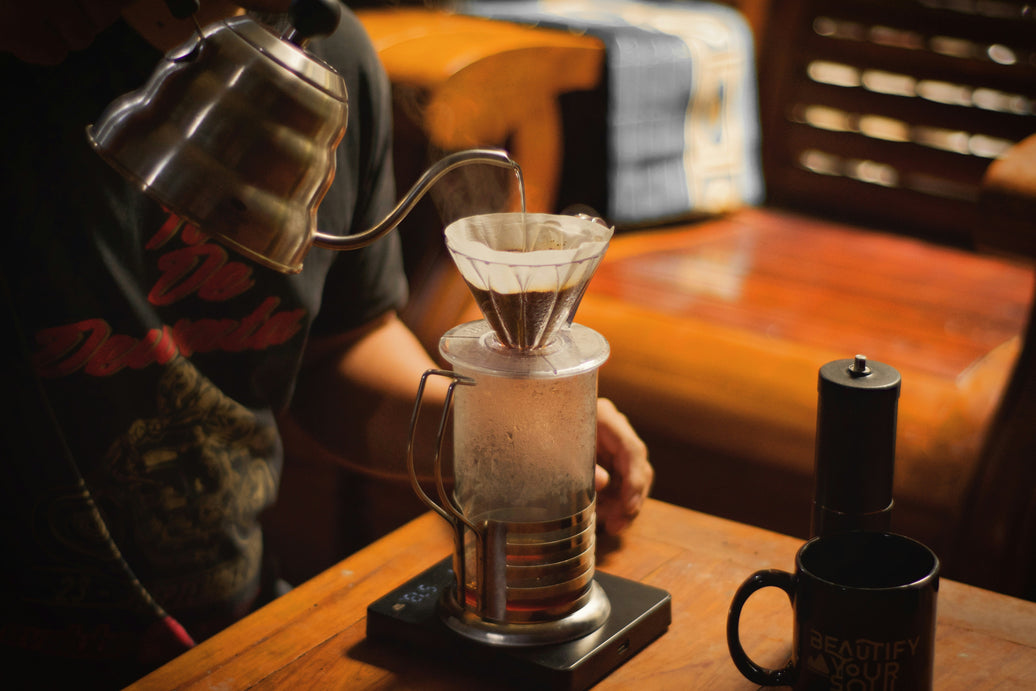
French roast can be prepared using several brewing methods. The key is to choose an appropriate grind size, measure your coffee and water, and adjust the recipe according to taste.
Step 1: Choose Your Brewing Method
French roast works with many common brewing methods, including:
-
Automatic drip coffee makers
-
French press
-
Pour-over
-
Moka pot
-
Espresso machines
Your equipment and personal preference will determine which method works best for you.
Step 2: Select the Right Grind Size
Start with a grind suited to your brewer.
| Brewing method | Suggested starting grind |
|---|---|
| French press | Coarse |
| Drip coffee maker | Medium |
| Pour-over | Medium to medium-fine, depending on brewer |
| Moka pot | Fine, but generally coarser than espresso |
| Espresso | Fine |
Dark-roasted beans can be more brittle than lighter-roasted beans, so they may grind differently. Use your brewer's recommended starting point and adjust as needed.
Step 3: Measure Your Coffee and Water
For many ordinary brewed coffee methods, a ratio between 1:15 and 1:18 is a useful starting point.
For example, try:
-
15 grams of coffee with 240 grams of water for a more concentrated recipe.
-
15 grams of coffee with 255 grams of water for a slightly lighter recipe.
These are starting points rather than fixed rules. You can adjust the ratio to suit your taste and equipment.
Step 4: Pay Attention to Water Temperature
For many hot-brewing methods, water around 195–205°F (90–96°C) is a common starting range.
If your French roast tastes excessively bitter or harsh, experiment with a slightly lower temperature or a shorter brewing time. Change one variable at a time so you can identify what improves the flavor.
Step 5: Taste and Adjust
Taste the coffee before adding milk or sweetener.
If it tastes too intense, try using slightly less coffee relative to water. If it tastes flat or weak, adjust the ratio or grind size.
A good cup should suit your preferences rather than follow a rigid recipe.
Is French Roast Coffee Good for Espresso?
Yes. French roast can be used for espresso, especially if you enjoy a darker, more pronounced roasted flavor.
Some espresso drinkers prefer dark roasts because they can produce flavors associated with dark chocolate, toasted nuts, and bittersweet caramel. Depending on the coffee and recipe, French roast may also work well in milk-based drinks.
However, a dark roast is not automatically the best espresso roast for everyone. Lighter and medium roasts can also make excellent espresso.
When preparing French roast espresso, start with a fine grind and follow your machine's instructions. Adjust the grind, dose, and extraction time to find a balanced result.
Is French Roast Coffee Good With Milk?
French roast can pair well with milk, cream, and plant-based alternatives.
Its pronounced roasted flavor can remain noticeable in milk-based drinks, making it a popular choice for people who enjoy a bold coffee taste.
You can try French roast in:
-
Lattes
-
Cappuccinos
-
Café au lait
-
Iced coffee with milk
-
Homemade coffee drinks with your preferred sweetener
If you prefer black coffee, French roast can also be enjoyed on its own. The best preparation depends on your personal taste.
Is French Roast Coffee Less Acidic?
French roast is often perceived as less acidic than a lighter roast of the same coffee, but roast level does not tell the whole story.
Perceived acidity and measured chemical acidity are different things. Coffee origin, processing, brewing conditions, and other factors can influence both.
If you prefer coffee with a less bright, less tangy flavor, French roast may appeal to you. However, it should not automatically be considered suitable for everyone with acid sensitivity or digestive discomfort.
How to Store French Roast Coffee
Proper storage helps maintain coffee quality and aroma.
Follow these simple guidelines:
-
Store coffee in an airtight container.
-
Keep it away from heat, moisture, and direct sunlight.
-
Avoid leaving the bag open for extended periods.
-
Grind beans shortly before brewing when practical.
-
Buy an amount you can enjoy while the coffee is still fresh.
French-roasted beans may have an oily surface, so keeping your grinder and brewing equipment clean is particularly helpful.
Common Mistakes When Brewing French Roast
Even a good dark roast can taste disappointing if the brewing recipe is not suitable.
Using water that is too hot for your recipe: Excessive heat or an unsuitable extraction process can contribute to harsh flavors. Experiment with temperature and brewing time.
Grinding too finely: A grind that is too fine for your brewer can slow water flow and affect extraction.
Using too much coffee: An overly concentrated brew can taste intense without necessarily tasting balanced.
Ignoring freshness: Coffee aroma changes over time, especially after grinding.
Assuming all dark roasts taste the same: Different beans and roasting profiles can produce very different results, even at a similar roast level.
Small changes in grind size, water temperature, and coffee-to-water ratio can help you discover a more enjoyable cup.
Frequently Asked Questions About French Roast Coffee
Is French roast the darkest coffee roast?
French roast is among the darkest common roast styles, but it is not the only dark roast. Some roasting traditions use labels such as Italian roast for similarly dark or even darker roasting profiles.
Is French roast bitter?
French roast often has pronounced roasted and bittersweet flavors. Whether it tastes bitter depends on the beans, roasting process, freshness, and brewing technique.
Is French roast coffee good for beginners?
It can be. If you enjoy bold, smoky, or dark chocolate-like flavors, French roast may be a good starting point. If you prefer bright and fruity coffee, a light or medium roast may suit you better.
Can I use French roast for cold brew?
Yes. French roast can be used to make cold brew. Start with a recipe designed for your preferred concentration, then adjust the steeping time and dilution according to taste.
Does French roast contain less caffeine?
Not necessarily. Caffeine content depends on the beans, serving size, measurement method, and brewing process. Roast color alone is not a reliable indicator.
What is the difference between French roast and Italian roast?
Both are commonly used to describe dark roast styles. Exact definitions vary among roasters, but Italian roast is often associated with an especially dark, heavily roasted profile. The names are not universally standardized.
Final Thoughts: Discover the Roast That Suits You
French roast coffee offers a distinctive experience for people who enjoy bold, dark, and pronounced roasted flavors. Its deep color and smoky or bittersweet characteristics make it different from the brighter profiles often associated with light roasts and the balanced flavors common in medium roasts.
Understanding roast levels, choosing the right brewing method, and adjusting your coffee-to-water ratio can help you discover what you enjoy most.
At Arvea Coffee, we believe every coffee ritual should be an opportunity to slow down and appreciate the details.
Whether you prefer a bold dark roast or a smoother, more balanced cup, explore the world of coffee and find the flavor that fits your everyday moments.
Arvea Coffee — Elevate Your Everyday.



















Leave a comment