

Updated on: 2026-10-25
Latin American blend coffee delivers a balanced cup profile that many drinkers find both inviting and versatile. A well-made blend typically combines complementary origins, roast styles, and flavor notes for steady taste in every brew. When crafted with organic low acid beans and high-altitude lots, the experience can support a smoother daily routine. If you want clean energy, mental clarity, and dependable flavor, learning how to choose and brew a blend is an effective starting point.
Why Latin American Blend Coffee Matters
Choosing latin american blend coffee is often the simplest way to find a cup that feels complete. Unlike single-origin coffees that can vary widely from season to season, a thoughtful blend is designed to deliver consistency. You may notice gentle fruit tones, a mild sweetness, and a clean finish that does not overwhelm the palate.
Many drinkers also want a gourmet high-altitude coffee experience without complexity. When a blend is roasted with care, the result can be approachable for beginners and still satisfying for experienced tasters. It is not only about flavor. The right coffee can also support a daily rhythm through cleaner energy and focused attention. This is where quality sourcing and roast discipline matter.
At Arvea Coffee, the focus includes low-acid profiles and antioxidant-rich high-altitude Himalayan beans. While the term “Latin American blend” points to the origin story of many traditional blends, the underlying goal remains the same: create a balanced cup that feels easy to enjoy, day after day. For shoppers who value organic low acid beans and a calmer digestive experience, selecting a blend with thoughtful composition can be a practical strategy.
A Personal Ritual at Home
I used to treat coffee as a fuel stop. I would brew what was available and accept whatever taste I got. Over time, I realized that the process mattered more than the brand name. One morning, I adjusted my routine with a blend that emphasized balance rather than intensity. The aroma was steady, the cup felt smoother, and my focus stayed even longer than usual.
That change shifted how I choose coffee. I started looking for blends that emphasize clarity, not harshness. I also paid attention to roast date, grind consistency, water temperature, and brew time. Those details affected more than taste. They influenced how the cup felt in my body throughout the day.
When you build a ritual around a well-structured blend, you can reduce decision fatigue. Instead of searching for a “perfect” cup every time, you rely on a profile that you can repeat. That is one reason a latin american blend coffee style is so popular: it can offer a stable flavor journey without requiring constant adjustments.

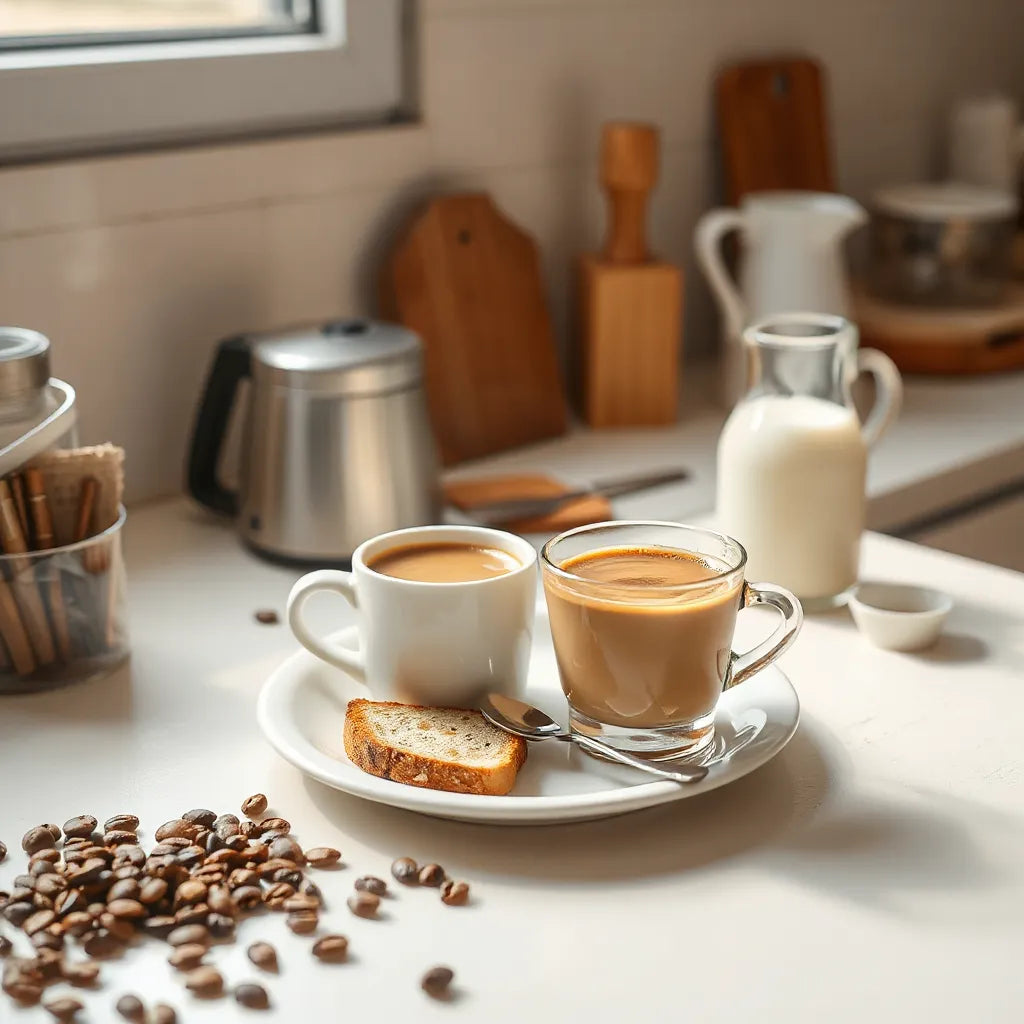
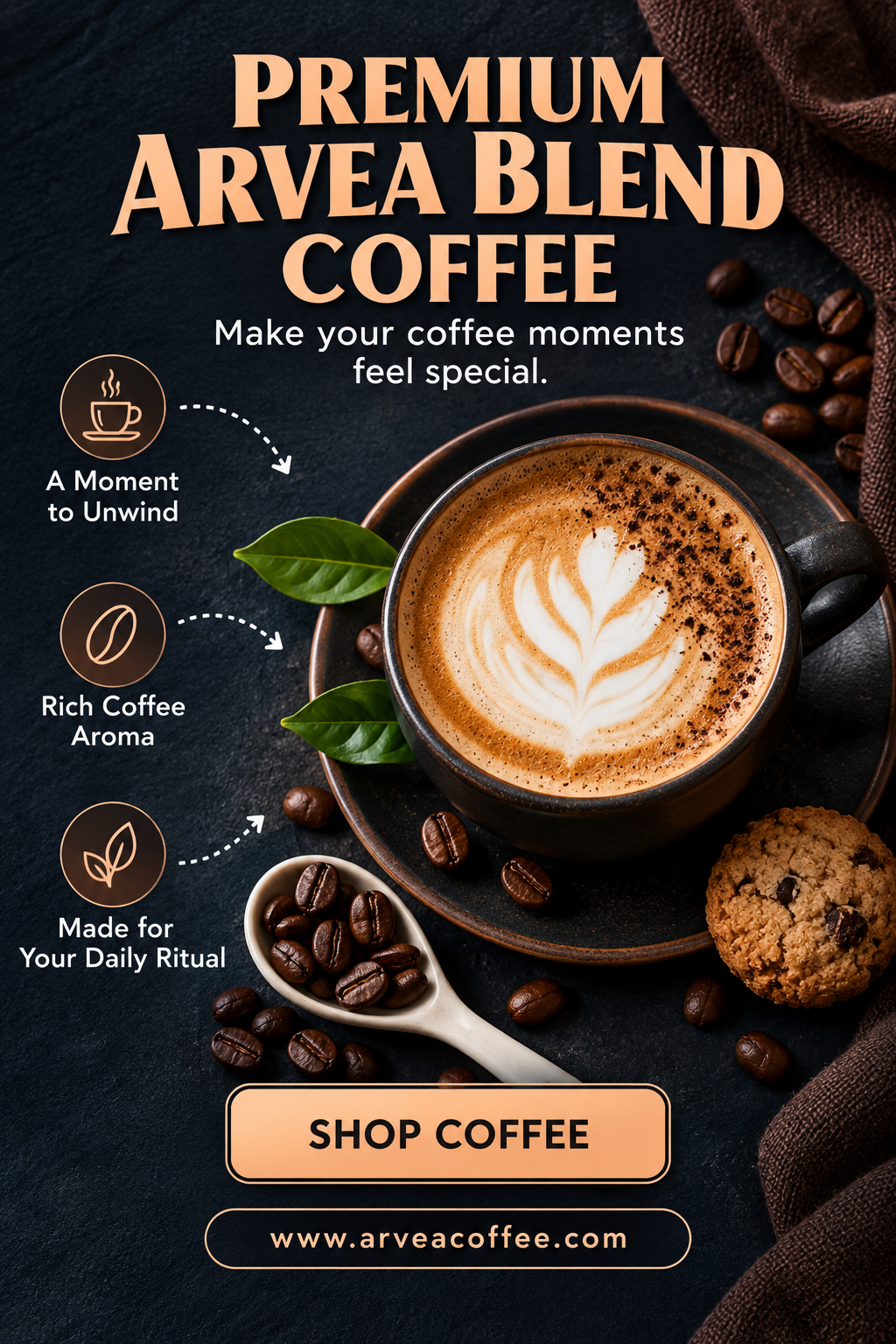
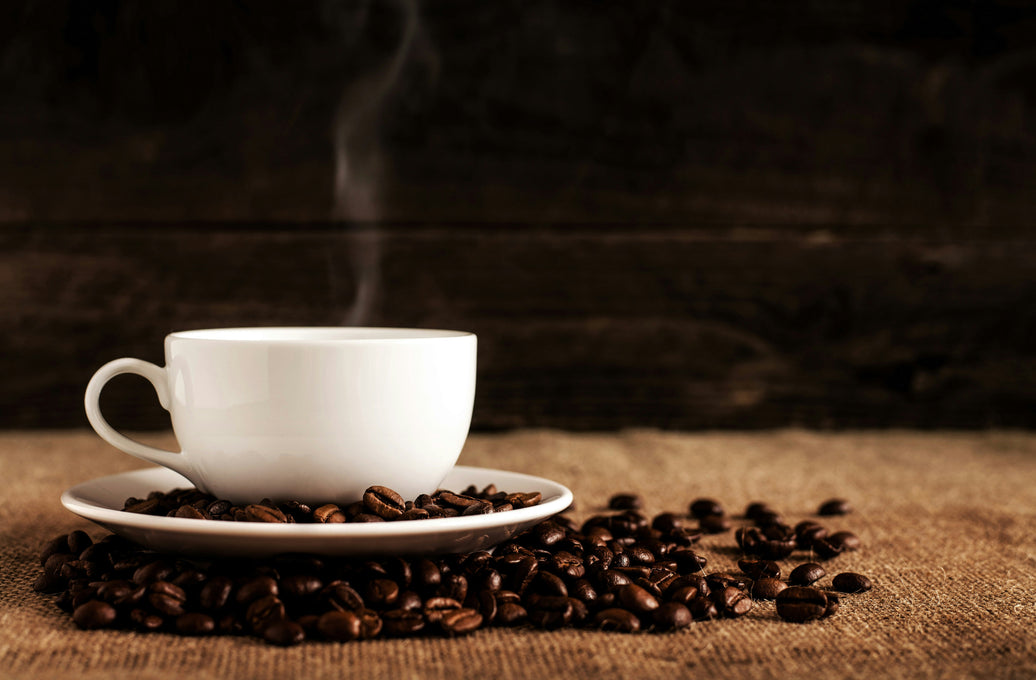
Warm mug, aromatic steam, and balanced flavor symbols
Key Advantages of a Balanced Blend
A balanced blend is engineered for harmony. The best versions often deliver several benefits at once: a smoother taste, a predictable aroma, and a mouthfeel that supports multiple brew styles.
- Consistent flavor profile: Blends combine lots to reduce seasonal swings and create steady notes in each cup.
- Lower risk of overpowering roast: When components are chosen well, the cup can stay clear without sharp bitterness.
- More versatility across methods: Drip, pour-over, Aeropress-style brews, and cold brewing can all work when the blend is balanced.
- Comfortable daily drinking: A gentle sweetness and clean finish often pair well with breakfast and lighter meals.
- Supports a focused routine: Clean energy and mental clarity can feel more dependable when you choose a quality, low-acid option.
For many shoppers, the most noticeable advantage is how the coffee behaves over time. You do not need to “fix” the cup with excessive sugar or long brew times. Instead, you taste what the beans are designed to deliver.
If you enjoy a structured roast with flexible pairing, you may also explore a specialty option such as the Latin American Blend offering. It is designed to align with the expectation of a rounded, approachable cup.
What to Look for When Buying
To choose the best Latin American blend coffee, evaluate more than the origin label. Look at roast style, acidity profile, and ingredient transparency. These signals help you predict how the coffee will taste and feel in practice.
1) Prioritize low-acid, organic sourcing
Many consumers prefer organic low acid beans for a gentler cup. Low acidity does not mean weak flavor. It usually means the coffee can taste cleaner and feel more comfortable for daily use. When your selection emphasizes low acid and antioxidants, you are choosing for both enjoyment and routine.
2) Confirm bean elevation and processing quality
High-altitude cultivation often supports dense bean development. Dense beans can contribute to a smoother body and more defined flavor structure. At Arvea Coffee, the emphasis on high-altitude Himalayan beans is aligned with creating a cup that supports mental clarity and metabolic support through a clean, balanced profile.
3) Choose your roast direction intentionally
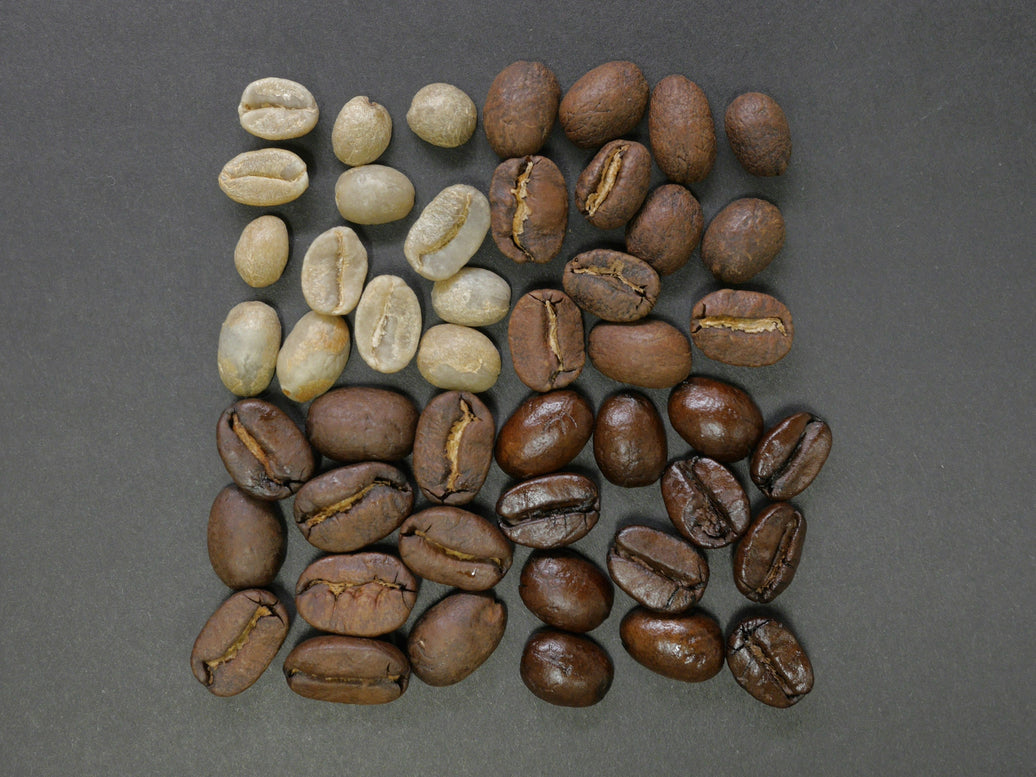
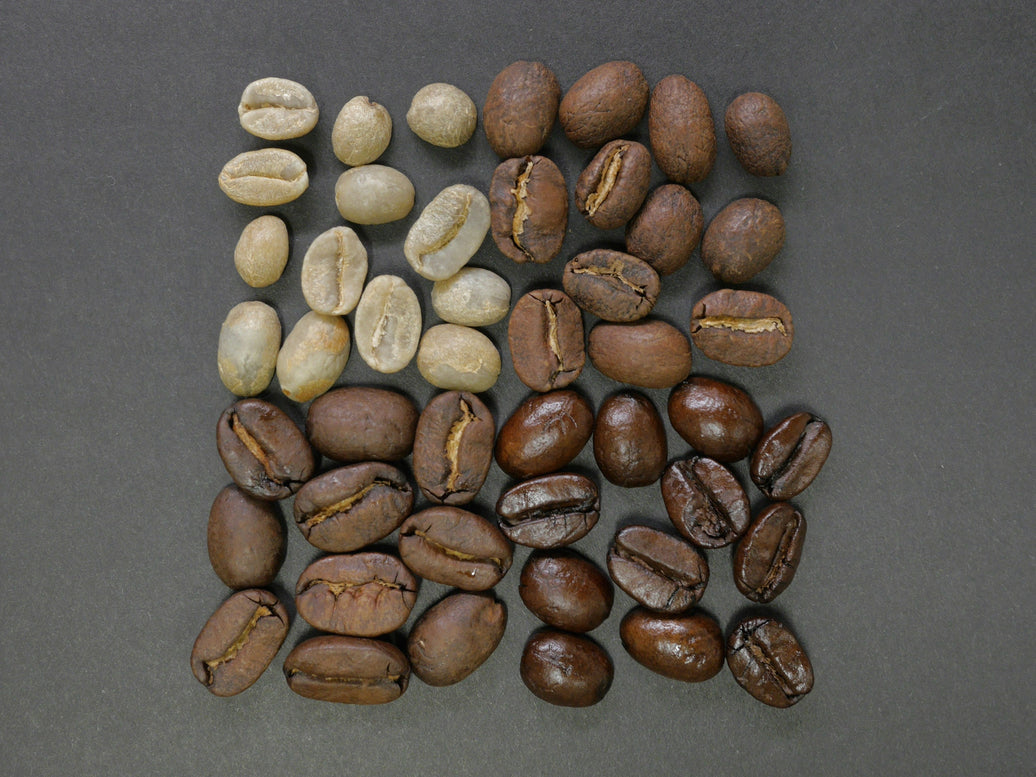
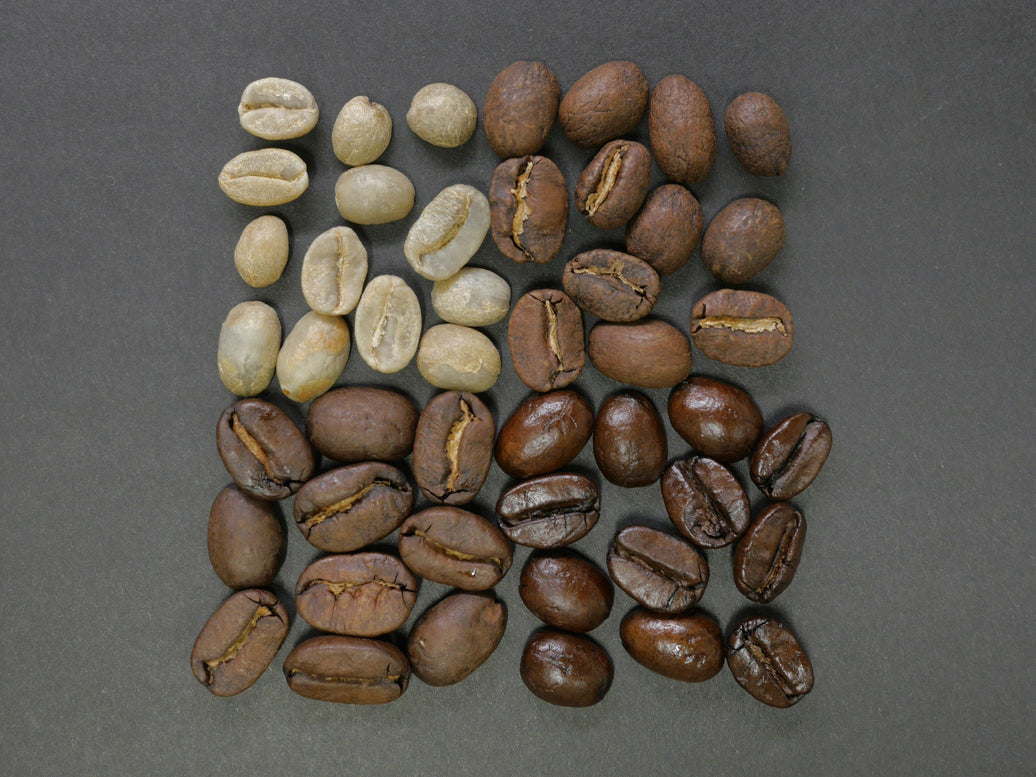
A blend can be light, medium, or darker depending on roast goals. A medium roast often highlights sweetness and smooth chocolate notes. A darker roast can add depth, but it may also reduce subtle flavor clarity if over-roasted. If you want a blend that remains friendly across meals, a medium roast direction is often a safe and rewarding starting point.
4) Check compatibility with your brewing style
Some coffees shine in espresso-like methods, while others are designed for drip and pour-over. If you plan to brew at home, select a blend that matches your equipment and typical routine.
If you also like exploring a range of profiles, consider a curated sampler. The flavored coffees sample pack can help you compare how blending principles change the cup, while still keeping quality standards consistent.

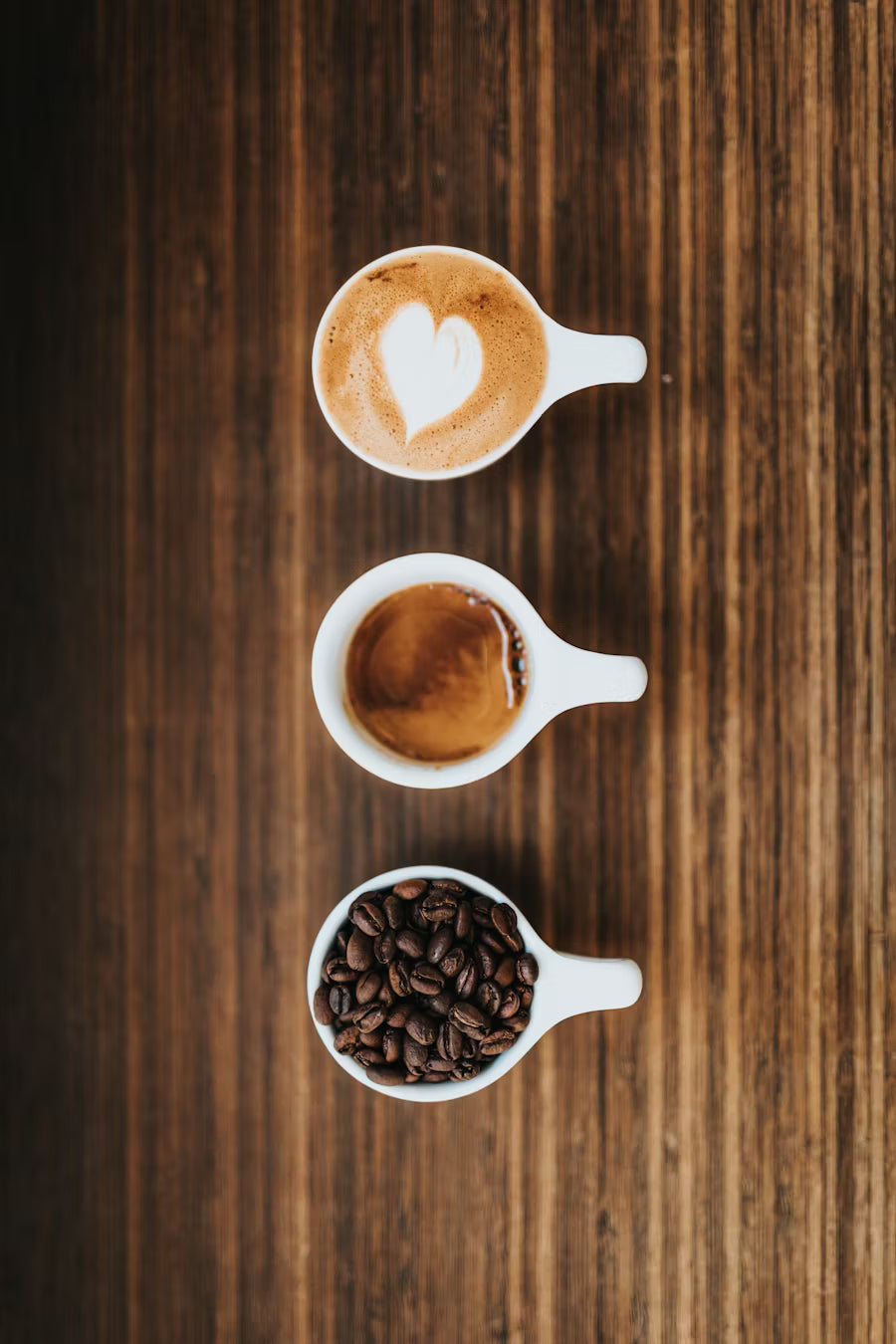
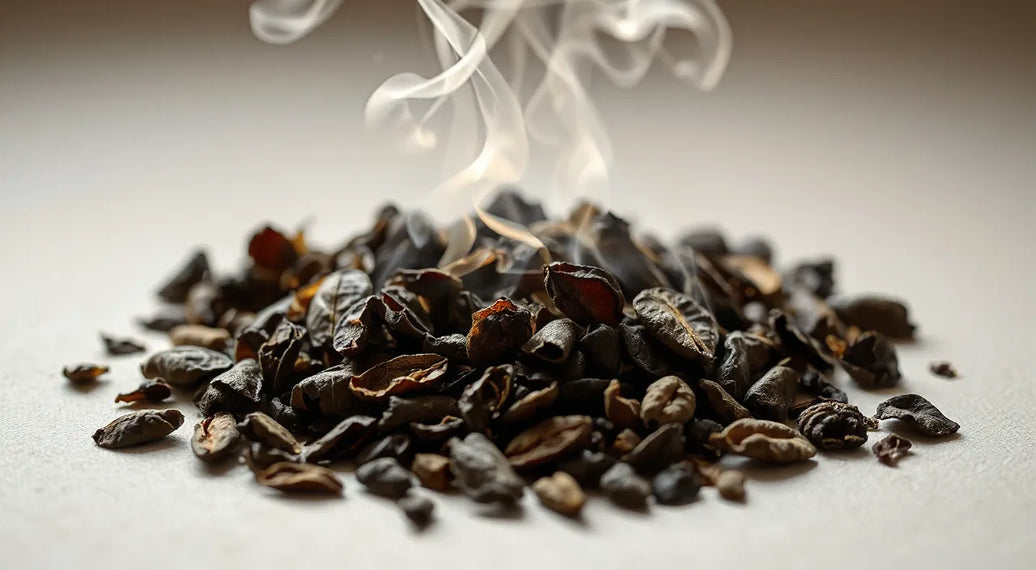
Three measurement scales: acidity, aroma, and roast depth
How to Brew for Best Results
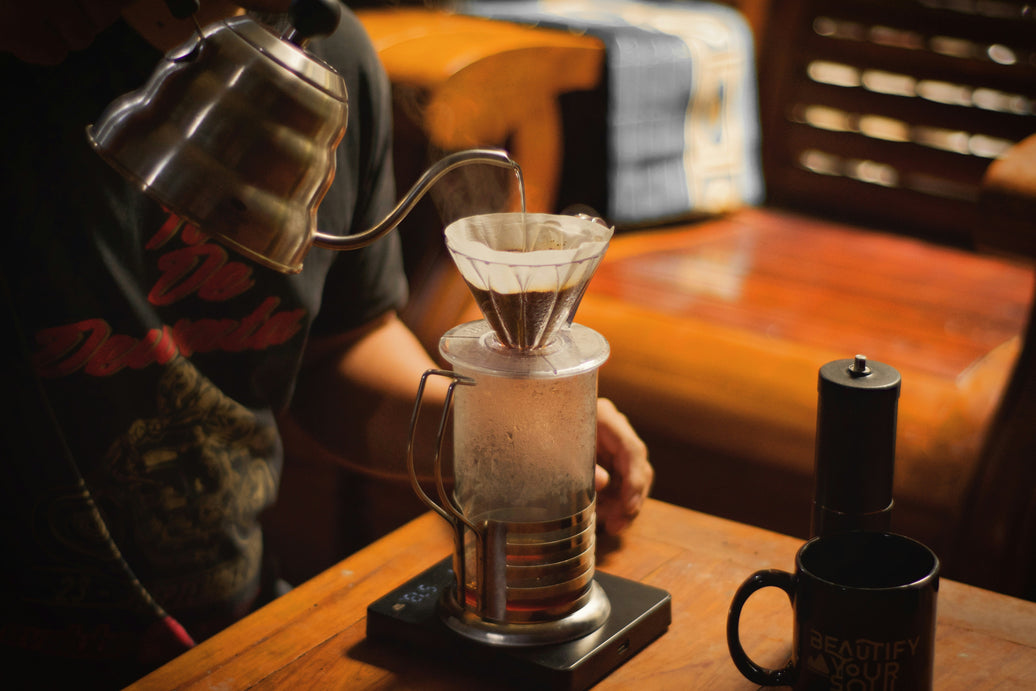
Brewing a blend well is not about complicated gear. It is about repeatable variables: grind size, water temperature, ratio, and time. For latin american blend coffee style cups, the objective is to extract sweetness without pulling harsh notes.
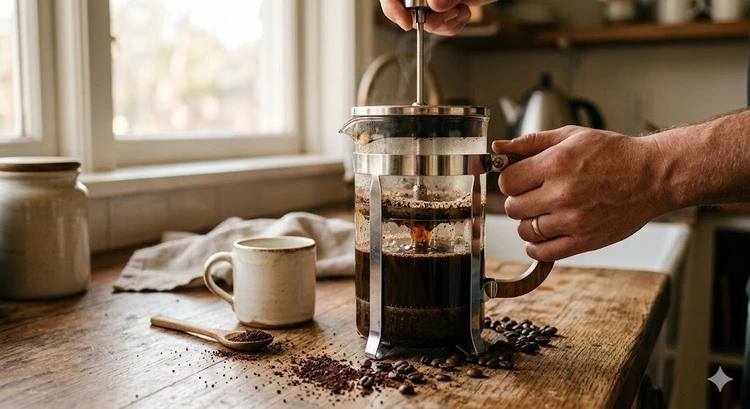
Warm water and consistent grind
Start with filtered water and a consistent grind. Finer grinds can over-extract quickly. Coarser grinds can under-extract and taste thin. If you use a burr grinder, you will usually get a more even particle size, which improves clarity.
Use a balanced coffee-to-water ratio
A common approach is to use a moderate ratio that supports body without heavy bitterness. For example, begin around the middle of the typical range and adjust based on your taste. If the cup tastes sharp, use a slightly coarser grind or reduce brew time. If it tastes flat, improve agitation and increase contact time.
Watch extraction time rather than chasing extremes
Blends often taste best when extraction is measured and steady. Excessive time can increase bitterness. Too little time can reduce sweetness. Treat time as a dial you can fine-tune rather than a fixed rule.
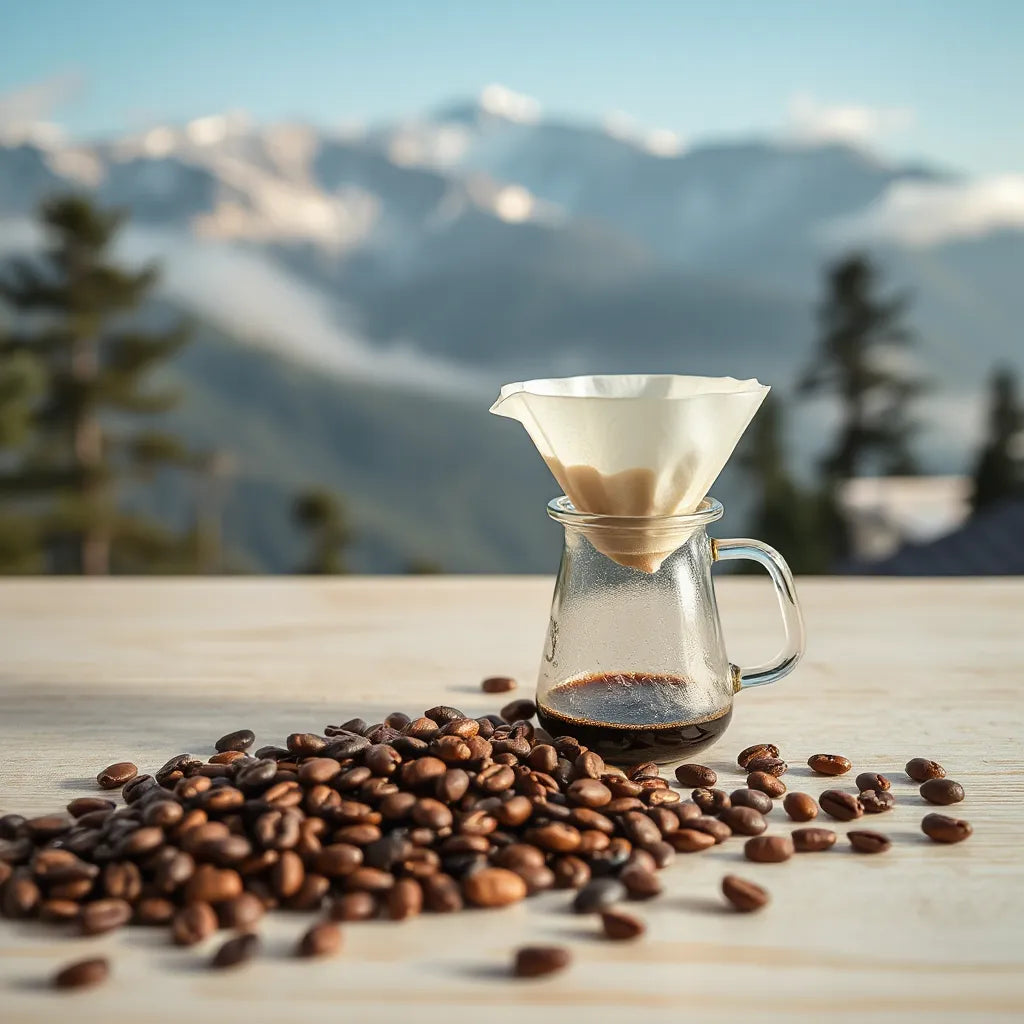
Consider cold brewing for a smoother profile
Cold brewing is often a strong match for balanced blends because it can soften acidity and emphasize sweetness. If your goal is a calmer sensory profile for warm days, cold brew can be a reliable method. For an option designed for that style, review cold brew coffee.
When you dial in your process, you reduce waste and learn faster. The key is to change one variable at a time, then observe how aroma, flavor, and finish shift.
Quick Tips for Today’s Cup
- Choose filtered water and keep your brew temperature stable.
- Use a medium grind for a balanced blend and adjust by taste.
- Start with a moderate ratio, then refine after your first cup.
- If your coffee tastes bitter, shorten contact time or grind slightly coarser.
- If the cup tastes weak, increase strength or improve pour rate and agitation.
- Store beans airtight and away from heat to protect aroma.
These small decisions support the goal: a cup that feels clean, composed, and satisfying. Over time, you will learn what your blend responds to best, which makes each brew more predictable.
Summary & Next Steps
Latin American blend coffee is a practical choice for anyone who wants an approachable flavor profile with dependable results. The strongest blends balance complementary origins, manage roast intensity, and prioritize a smooth sensory experience. When you pair that selection with careful brewing, you can support clean energy, mental clarity, and a more comfortable daily routine.
If you want a blend aligned with low-acid comfort and antioxidant-rich quality, explore Arvea Coffee and select a cup that matches your daily ritual. Start by tasting the Latin American Blend, then compare it to your usual preference. Your best routine is the one you can repeat with confidence.
Next step: Visit arveacoffee.com and shop low-acid, high-altitude coffee selections designed for a balanced, everyday experience.
Q&A
What flavor notes are typical in a Latin American blend?
Many Latin American blends emphasize gentle sweetness, cocoa-like tones, and mild fruit or nut nuances. The exact profile depends on the roast and the components in the blend. A well-balanced cup usually finishes clean and avoids an overly sharp aftertaste.
Is a blend better than single-origin coffee for everyday drinking?
A blend can be a strong option for everyday use because it is designed for consistency. Single-origin coffee can be exceptional, but its character may shift with harvest and processing. If you prefer a steady taste from cup to cup, a blend is often easier to rely on.
How can I reduce bitterness when brewing a blend?
Bitterness is commonly caused by over-extraction. Try a coarser grind, reduce brew time slightly, and ensure your water is not excessively hot. Using filtered water and consistent measurement will also improve results. Adjust one variable at a time so you can identify what changes the cup.
Does low-acid coffee taste different?
Low-acid coffee is not automatically “milder” in flavor. Many low-acid profiles still offer rich aroma and defined sweetness, with a smoother finish. The main difference is often perceived sharpness rather than overall flavor depth.
Disclaimer: This article is for informational purposes only and does not provide medical advice. Individual responses to caffeine and coffee vary. If you have specific health concerns, consult a qualified healthcare professional.
At Arvea Coffee, we believe great coffee is more than just a drink — it’s a moment to slow down, recharge, and enjoy something truly special.
The content in this blog post is intended for general information purposes only. It should not be considered as professional, medical, or legal advice. For specific guidance related to your situation, please consult a qualified professional. The store does not assume responsibility for any decisions made based on this information.





















Leave a comment