

Light Roast vs Dark Roast Coffee: What's the Difference?
When you're shopping for coffee, one of the first things you'll notice is the roast level.
You may see:
Light Roast
Medium Roast
Dark Roast
But what does roast level actually mean?
And more importantly:
Does light roast or dark roast taste better?
The answer depends on your personal preference.
Roasting has a major influence on coffee flavor. Specialty Coffee Association research describes roast level as one of the strongest drivers of the sensory characteristics of brewed coffee. In general, lighter roasts tend to preserve more bright, fruity, and floral characteristics, while darker roasts tend to emphasize roasted, bittersweet, and deeper flavors.
Let's break down the difference so you can choose the right coffee for your taste.
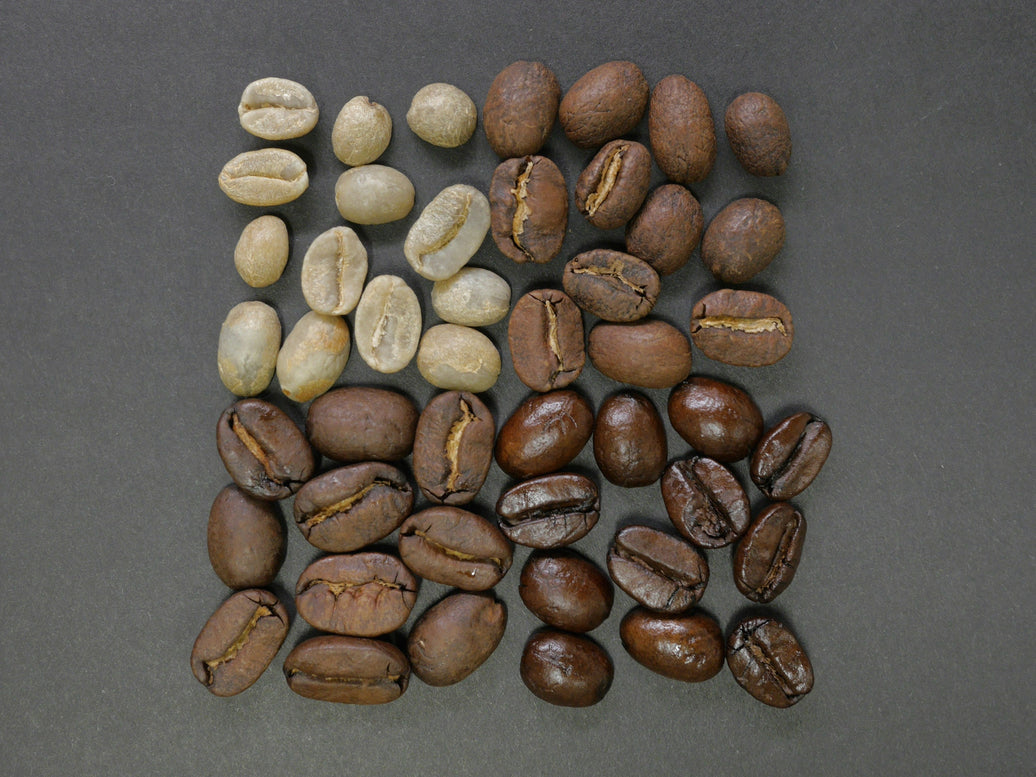
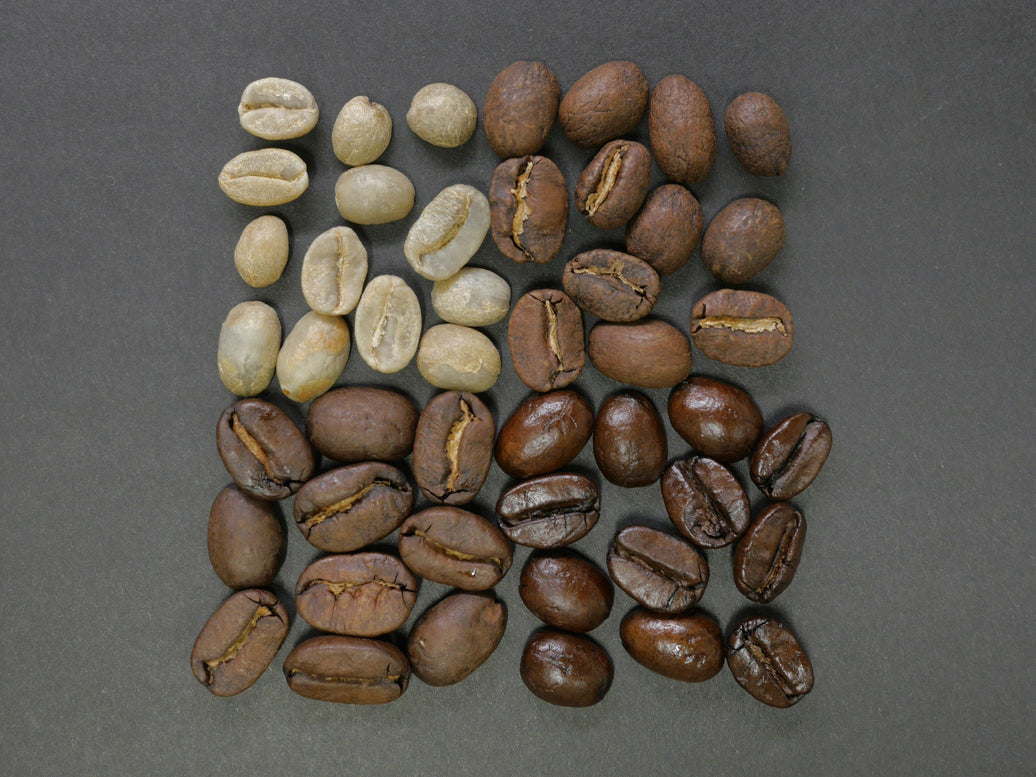
Light Roast vs Dark Roast at a Glance
| Feature | Light Roast | Dark Roast |
|---|---|---|
| Color | Light brown | Dark brown |
| Flavor | Bright, fruity, floral | Bold, roasted, bittersweet |
| Acidity | Often more noticeable | Often less prominent |
| Bitterness | Generally lower | Generally higher |
| Roasted flavor | Lower | Higher |
| Body | Often lighter | Often heavier |
| Origin character | Often more noticeable | More roast character |
| Best for | Bright, complex flavors | Bold, rich flavors |
| Good starting point | Pour over, filter | French press, espresso, drip |
These are general tendencies—not rules.
The exact flavor depends on the coffee, roast profile, origin, processing, brewing method, and recipe.
What Is Light Roast Coffee?
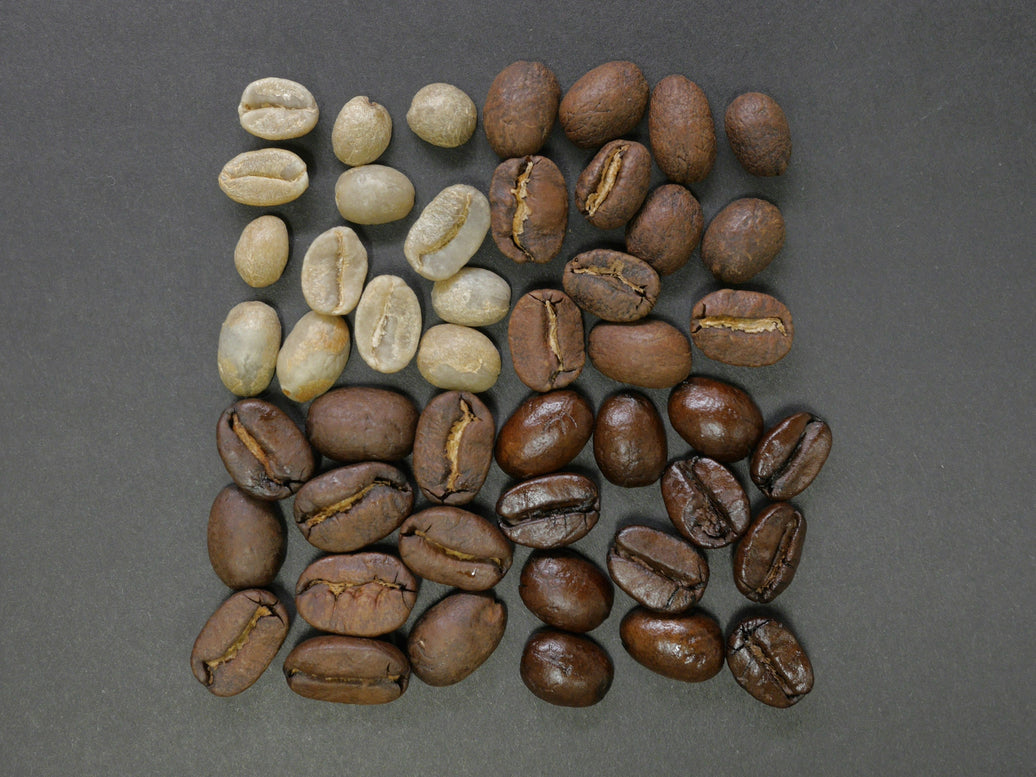
Light roast coffee is roasted to a lighter degree than medium or dark roast coffee.
The beans generally remain lighter in color and retain more of the characteristics associated with the original green coffee.
Light roasts can feature flavors such as:
-
Citrus
-
Berries
-
Floral notes
-
Stone fruit
-
Tea-like flavors
-
Honey
-
Sweet fruit
SCA research has found that lighter roast profiles can be associated with higher perceived acidity and fruit-related characteristics, while darker roasting shifts the sensory profile toward more roasted and bitter characteristics.
What Is Dark Roast Coffee?
Dark roast coffee is roasted further, creating a darker bean and a more developed roasted flavor profile.
Dark roasted coffees commonly feature flavors such as:
-
Dark chocolate
-
Cocoa
-
Toast
-
Roasted nuts
-
Caramelized flavors
-
Smoky notes
-
Bittersweet flavors
The roasting process creates many compounds that influence the coffee's aroma, color, body, and taste.
If you enjoy a strong, bold cup with a pronounced roasted character, dark roast may be a good place to start.
How Does Roast Level Change Coffee Flavor?
Roasting transforms green coffee.
During roasting, heat triggers chemical reactions that create many of the aromas and flavors we associate with coffee.
As the roast progresses, the sensory profile changes.
Lighter roast
More emphasis on:
Fruit + floral + acidity + origin character
Medium roast
Often balances:
Sweetness + acidity + body + roast character
Dark roast
More emphasis on:
Roasted + bittersweet + cocoa + deeper flavors
The Specialty Coffee Association's research found that increasing roast darkness generally increased perceptions of bitterness and roasted characteristics while reducing perceived acidity and fruitiness.
Light Roast Coffee Flavor
If you enjoy coffee that tastes bright and lively, light roast may be your style.
You might notice:
Fruity
Berry, apple, citrus, or stone fruit.
Floral
Tea-like or floral aromas.
Bright
A noticeable acidity that can make the coffee feel lively.
Complex
Different flavors may emerge as the coffee cools.
Origin-driven
The characteristics of the underlying coffee may be more noticeable.
Light roast coffee can be particularly interesting for people who enjoy tasting differences between origins.
Dark Roast Coffee Flavor
Dark roast is often chosen by people who prefer a bold and intense flavor profile.
You may notice:
Chocolate
Dark chocolate or cocoa.
Roasted
Toast, roasted nuts, or deeper roast flavors.
Bittersweet
More noticeable bitterness can accompany darker roasting.
Smoky
Some dark roasts may have smoky or charred characteristics.
Full flavor
Dark roast can feel especially bold when brewed as a concentrated beverage.
Is Light Roast More Acidic?
Often, light roasts are perceived as having more acidity than dark roasts.
That doesn't mean they're necessarily more acidic in every chemical sense.
Coffee acidity is complex, and different acids contribute differently to flavor.
SCA research has found roast level can influence perceived acidity and other sensory characteristics.
If you don't enjoy bright or citrus-like coffee, you may prefer a medium or dark roast.
If you love fruity and vibrant coffee, light roast may be worth exploring.
Is Dark Roast More Bitter?
Generally, darker roasting tends to increase the perception of bitterness and roasted characteristics.
SCA research has identified roasting as a major contributor to coffee bitterness and found darker roast profiles associated with greater perceived bitterness.
However, dark roast does not automatically mean burnt coffee.
A well-developed dark roast can taste rich, sweet, chocolatey, and balanced.
The quality of the beans and roasting process still matters.
Does Light Roast Have More Caffeine?
This question causes a lot of confusion.
People often say:
"Light roast has more caffeine."
Or:
"Dark roast has more caffeine."
The truth is more complicated.
The caffeine difference between roast levels is generally much less important than:
-
How much coffee you use
-
How you measure the beans
-
Serving size
-
Brewing method
-
Coffee variety
If you weigh equal amounts of beans, the caffeine difference between roast levels isn't the simple dramatic distinction many people assume.
For everyday brewing, focus more on flavor and serving size than choosing a roast solely for caffeine.
Light Roast vs Dark Roast: Which Is Stronger?
"Strong" can mean several different things.
It could mean:
-
More intense flavor
-
More bitterness
-
More caffeine
-
Heavier body
-
Higher concentration
These aren't the same thing.
A dark roast may taste stronger because its roasted flavors are more intense.
But that doesn't automatically mean it contains dramatically more caffeine.
Similarly, a light roast can produce a very intense cup depending on the brewing recipe.
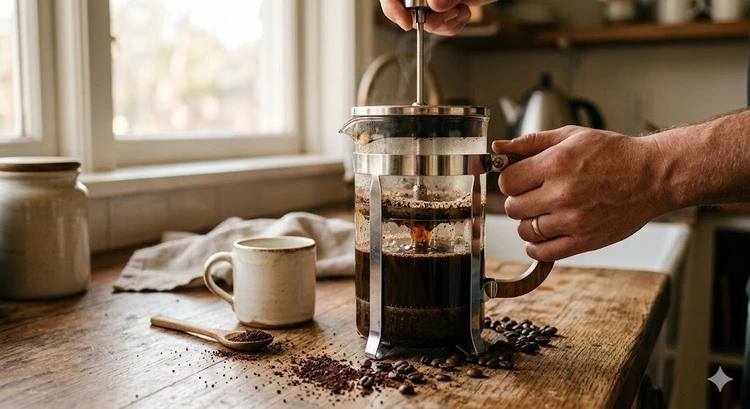
Light Roast vs Dark Roast for French Press
French press works well with many roast levels.
Light roast
Can produce:
-
Bright acidity
-
Fruitier flavors
-
More noticeable origin character
Dark roast
Can produce:
-
Rich body
-
Chocolate flavors
-
Roasted notes
-
Bittersweet character
If you prefer a smooth and bold French press, try a medium or dark roast.
If you want a brighter and more complex cup, try a light roast.
Light Roast vs Dark Roast for Pour Over
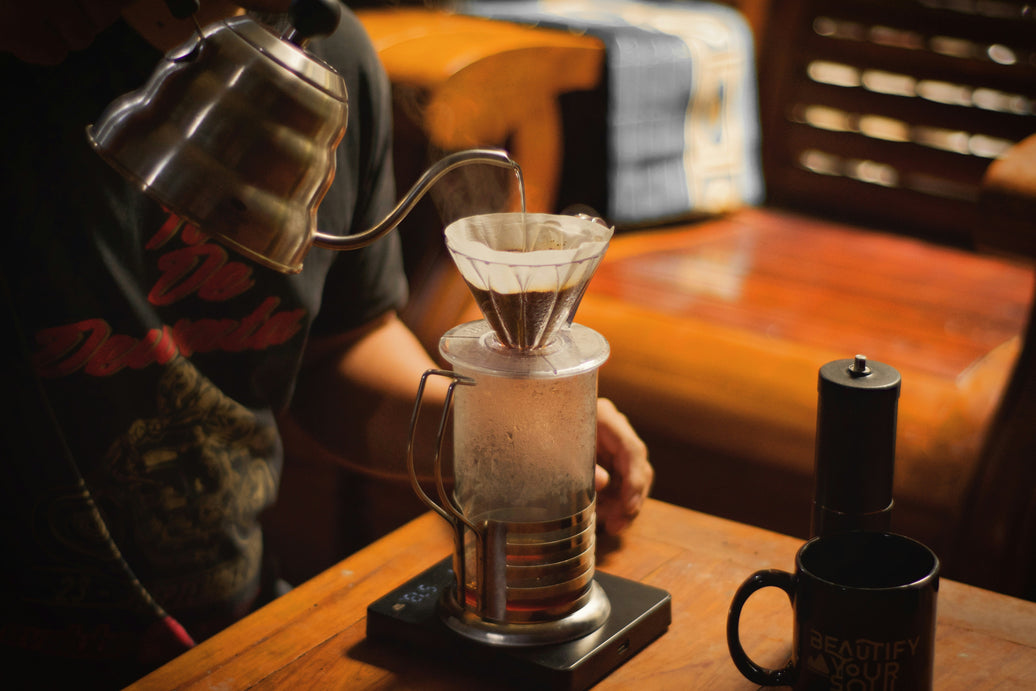
Pour-over brewing is particularly popular with lighter roasted coffees because it can highlight detailed flavor differences.
Light roast pour over
You may notice:
-
Citrus
-
Berry
-
Floral notes
-
Sweetness
-
Bright acidity
Dark roast pour over
You may notice:
-
Cocoa
-
Toast
-
Roasted nuts
-
Bittersweet flavors
-
More roast character
Your grind size, water temperature, pouring technique, and recipe will also affect the result.
Light Roast vs Dark Roast for Espresso
Espresso can work beautifully with both.
Light roast espresso
Can produce:
-
Fruit
-
Citrus
-
Floral flavors
-
Higher perceived acidity
-
Complex flavor
It may also require more careful dialing-in.
Dark roast espresso
Can produce:
-
Chocolate
-
Cocoa
-
Roasted nuts
-
Bittersweet flavors
-
Heavy roasted character
Dark roast has traditionally been popular for espresso, especially for people who enjoy classic bold espresso flavor.
But modern espresso drinkers use everything from light to dark roasts.
Light Roast vs Dark Roast for Cold Brew
Cold brew can be made with different roast levels.
Light roast cold brew
Can produce:
-
Fruitier flavors
-
Brightness
-
Floral notes
-
More delicate characteristics
Dark roast cold brew
Can produce:
-
Chocolate
-
Cocoa
-
Roasted flavors
-
Richer character
If you're making cold brew for milk-based drinks, a medium or dark roast can provide a bold flavor that holds up well.
Which Roast Is Less Bitter?
If you want less bitterness, a light or medium roast may be a good starting point.
But bitterness doesn't come only from roast level.
Brewing can also affect bitterness.
For example:
-
Over-extraction
-
Excessively fine grinding
-
Very long brewing
-
High concentration
can all influence how bitter a cup tastes.
So if your dark roast tastes too bitter, don't automatically blame the beans.
Check your brewing recipe too.
Which Roast Is Smoother?
"Smoother" is subjective.
However, people who describe coffee as smooth often enjoy flavors such as:
-
Chocolate
-
Caramel
-
Nuts
-
Low sharpness
-
Balanced bitterness
-
Medium body
If that sounds like you, a medium or medium-dark roast may be a good place to explore.
If you prefer bright, fruit-forward coffee, a lighter roast may be more appealing.
Which Roast Should Beginners Choose?
If you're new to coffee, medium roast is often a comfortable starting point.
Why?
It can offer a balance between:
Acidity
Sweetness
Body
Roasted flavor
From there, you can explore lighter or darker coffees.
If you like:
Fruit + brightness → Light roast
Balance + sweetness → Medium roast
Chocolate + boldness → Dark roast
How to Choose Your Perfect Roast
Ask yourself a few questions.
Do you like fruity flavors?
Try:
Light roast
Do you like chocolate and caramel?
Try:
Medium roast
Do you like bold, roasted flavors?
Try:
Dark roast
Do you add milk or cream?
A medium or dark roast may provide a strong flavor base.
Do you drink black coffee?
Try several roast levels side by side to see which flavors you prefer.
Light Roast vs Dark Roast: Taste Test
Want to discover your preference?
Try a simple tasting experiment.
Choose:
One light roast
One medium roast
One dark roast
Brew all three using the same method.
Keep the:
-
Coffee dose
-
Water amount
-
Water temperature
-
Brewing method
as consistent as practical.
Then compare:
Aroma
Which smells best?
Acidity
Which feels brighter?
Sweetness
Which tastes naturally sweeter?
Bitterness
Which has more bitterness?
Body
Which feels heavier?
Finish
Which flavor stays with you?
You may quickly discover that you have a favorite roast level.
Does Roast Level Matter More Than Coffee Origin?
Both matter.
Coffee flavor is influenced by many factors, including:
-
Origin
-
Variety
-
Processing
-
Growing conditions
-
Roast
-
Brewing
-
Extraction
However, SCA research has found roast level to be an especially powerful driver of sensory differences.
That's why two coffees from the same origin can taste dramatically different when roasted differently.
Why Two "Light Roasts" Can Taste Different
Here's an important point:
There isn't one universally precise definition of "light roast" used consistently by every roaster.
SCA research notes that roast-level terminology can vary between producers, and coffees labeled with the same roast category can differ.
So don't judge a coffee entirely by the words:
Light
Medium
or
Dark
Look at the actual flavor description too.
For example:
Light roast + berry + floral
will tell you more about what to expect than "light roast" alone.
How Brewing Changes Roast Flavor
The roast isn't the only factor.
Your brewing method can change what you experience.
The same beans can taste different when prepared as:
-
Espresso
-
French press
-
Pour over
-
Drip
-
Cold brew
SCA research has shown that brewing variables can meaningfully change sensory characteristics even when the coffee itself remains the same.
That's why experimenting is so useful.
Light Roast vs Dark Roast Coffee Chart
| If You Prefer... | Try |
|---|---|
| Fruity | Light roast |
| Floral | Light roast |
| Citrus | Light roast |
| Bright acidity | Light roast |
| Balanced flavor | Medium roast |
| Caramel | Medium roast |
| Chocolate | Medium to dark |
| Cocoa | Medium to dark |
| Bold roasted flavor | Dark roast |
| Bittersweet flavor | Dark roast |
| Smoky notes | Dark roast |
| Heavy roast character | Dark roast |
These are general flavor tendencies, not guarantees.
Common Myths About Light and Dark Roast
Myth #1: Dark roast always has more caffeine
Not necessarily.
Serving size and brewing method can matter more than roast label alone.
Myth #2: Light roast isn't strong
A light roast can have an intense flavor profile.
"Strong" and "dark" aren't the same thing.
Myth #3: Dark roast is always burnt
A quality dark roast can be rich, chocolatey, sweet, and balanced.
Myth #4: Light roast is always sour
A well-brewed light roast can be sweet, fruity, floral, and balanced.
Myth #5: One roast level is objectively better
There isn't a universal winner.
Your taste determines the winner.
How to Brew Light Roast Coffee
If you're new to light roast coffee, start with a method that allows you to taste its character.
Pour over is a popular choice.
Try:
Coffee: 20g
Water: 300g
Ratio: 1:15
Grind: Medium to medium-fine starting point
Water: Around 195–205°F
Then adjust based on taste.
If it tastes too sour or under-extracted:
Try a slightly finer grind or longer extraction.
If it tastes harsh or bitter:
Try a slightly coarser grind or shorter extraction.
How to Brew Dark Roast Coffee
Dark roast can work particularly well with:
-
Drip coffee
-
French press
-
Espresso
-
Moka pot
-
Cold brew
Start with your normal recipe and adjust based on taste.
If the coffee becomes overly bitter:
-
Try a slightly coarser grind
-
Reduce extraction time
-
Check your water temperature
-
Check your coffee-to-water ratio
Which Roast Is Right for You?
Here's the easiest way to decide.
Choose Light Roast If You Want:
Bright
Fruity
Floral
Citrusy
Complex
Origin-forward
Choose Medium Roast If You Want:
Balanced
Smooth
Sweet
Caramel-like
Moderate body
Choose Dark Roast If You Want:
Bold
Rich
Chocolatey
Roasted
Bittersweet
Heavy roast character
Explore Different Coffee Roasts With Arvea
Finding your favorite roast is part of the fun of drinking coffee.
If you enjoy bright and flavorful coffees, you may prefer lighter roast profiles.
If you like balanced and approachable flavors, medium roasts can be a great starting point.
And if you prefer bold, rich, roasted flavors, dark roast may be your style.
Arvea Coffee offers a variety of coffees and roast profiles, giving you the opportunity to explore different flavors and find the coffee that fits your routine.
Explore Arvea Coffee and discover your next favorite roast.
Frequently Asked Questions
Is light roast or dark roast coffee better?
Neither is universally better. Light roast tends to emphasize brighter, fruity, and floral characteristics, while dark roast generally emphasizes roasted, bittersweet, and deeper flavors.
Is light roast coffee more acidic?
Light roasts often have more noticeable perceived acidity, but coffee acidity is complex and depends on the coffee and brewing process.
Is dark roast coffee more bitter?
Generally, darker roasting increases the perception of bitterness and roasted flavors, although brewing can also have a major effect.
Does dark roast coffee have less caffeine?
Don't choose roast level solely for caffeine. The amount of coffee used, serving size, coffee variety, and brewing method all influence caffeine intake.
Which roast is best for beginners?
Medium roast is a good starting point if you want a balance of sweetness, acidity, body, and roasted flavor.
Which roast is best for espresso?
Both light and dark roasts can work for espresso. Dark roasts can provide classic chocolatey and roasted flavors, while lighter roasts can produce brighter and more complex espresso.
Which roast is best for French press?
All roast levels can work. Medium and dark roasts are popular for bold, rich French press coffee, while light roasts can produce a brighter cup.
Which roast is best for cold brew?
All roast levels can be used. Dark and medium roasts can create rich, chocolatey cold brew, while light roasts can highlight fruitier flavors.
Why does my light roast taste sour?
Light roasts naturally tend to emphasize acidity, but unpleasant sourness can also come from under-extraction. Try a slightly finer grind, longer brew time, or appropriate water temperature.
Why does my dark roast taste bitter?
Dark roasting can increase bitter and roasted characteristics, but excessive extraction can also make coffee bitter. Check your grind size, brew time, temperature, and ratio.
Final Thoughts
Light roast and dark roast coffee are not competitors.
They're simply different flavor experiences.
If you love:
Fruit, floral notes, brightness, and complexity → try light roast.
If you love:
Balance, sweetness, caramel, and moderate body → try medium roast.
If you love:
Chocolate, boldness, roasted flavors, and bittersweet character → try dark roast.
And remember:
The best roast is the one that tastes best to you. ☕
Don't be afraid to try something different. Your favorite coffee may be one roast away.


















Leave a comment