

How Coffee Roasting Changes Flavor: A Complete Guide
Coffee beans do not develop their familiar aroma, color, and rich flavor naturally while sitting on the tree. Much of what makes coffee taste like coffee happens during roasting.
The roasting process transforms green coffee beans into the fragrant brown beans we grind and brew every day. Depending on the roast level, coffee can taste bright and fruity, balanced and sweet, nutty and chocolatey, or bold and smoky.
But what actually happens when coffee beans are roasted? And how do you choose the right roast for your taste?
In this guide, we’ll explore how roasting changes coffee flavor, explain the differences between light, medium, and dark roasts, and help you find a coffee you’ll enjoy at home.
1. What Is Coffee Roasting?
Coffee roasting is the process of heating green coffee beans to develop their aroma, color, and flavor.
Before roasting, green coffee beans have a relatively mild, plant-like smell and do not resemble the coffee we drink. Heat triggers chemical reactions that create the complex aromas and flavors associated with brewed coffee.
During roasting, several changes occur:
-
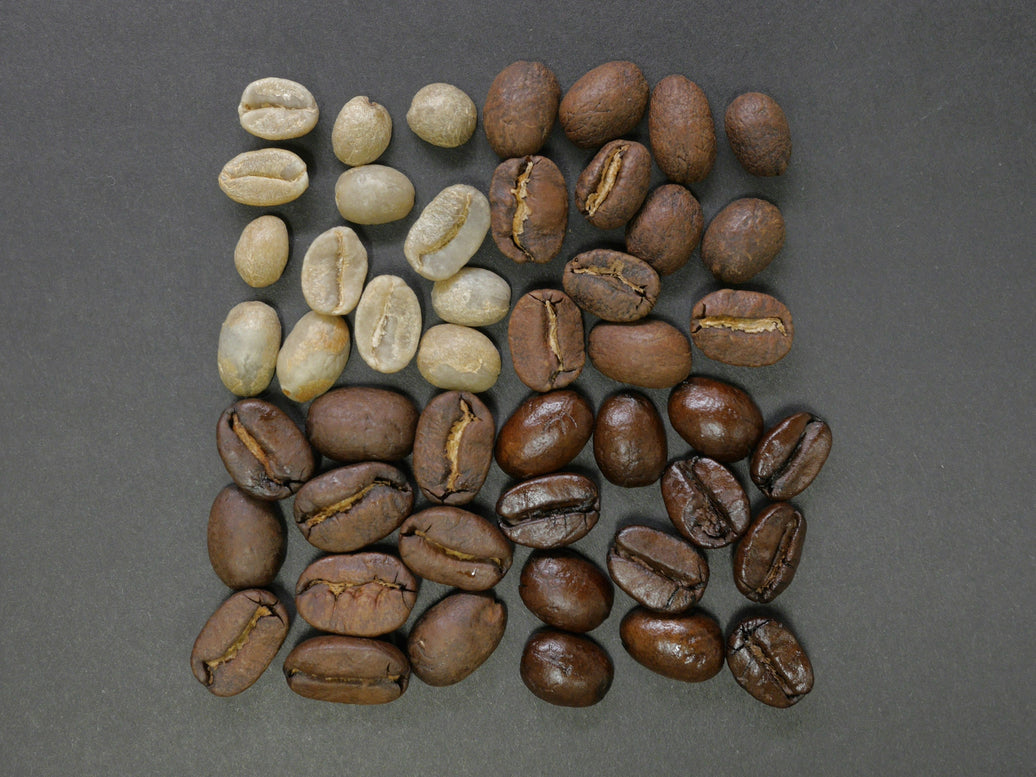
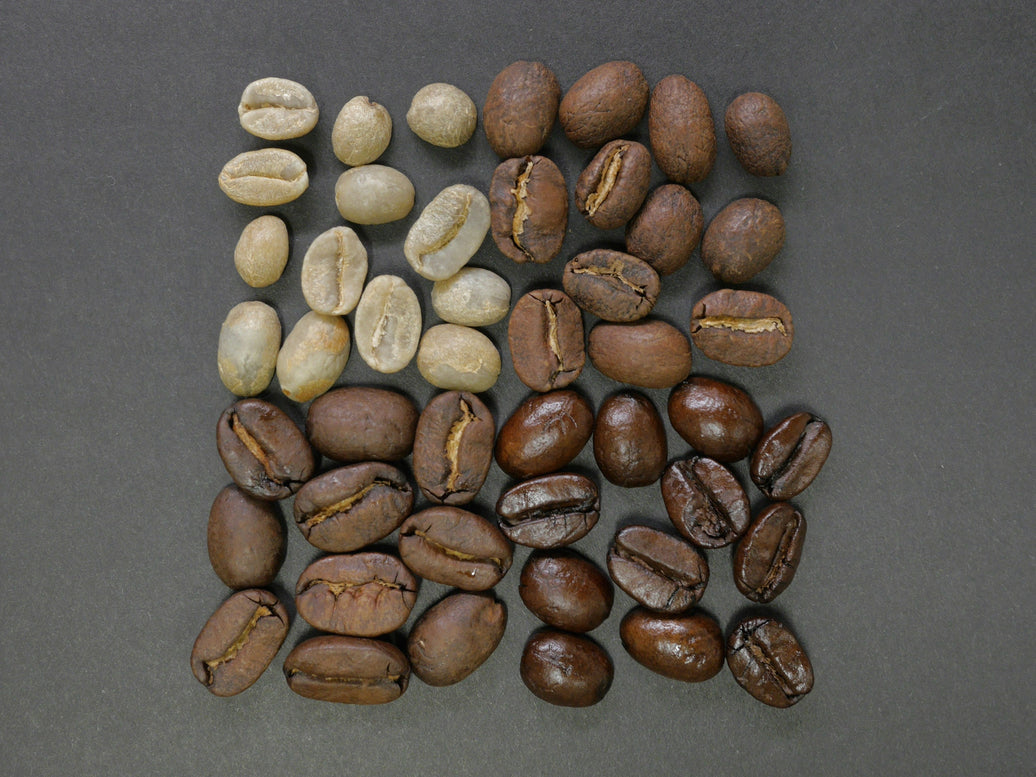
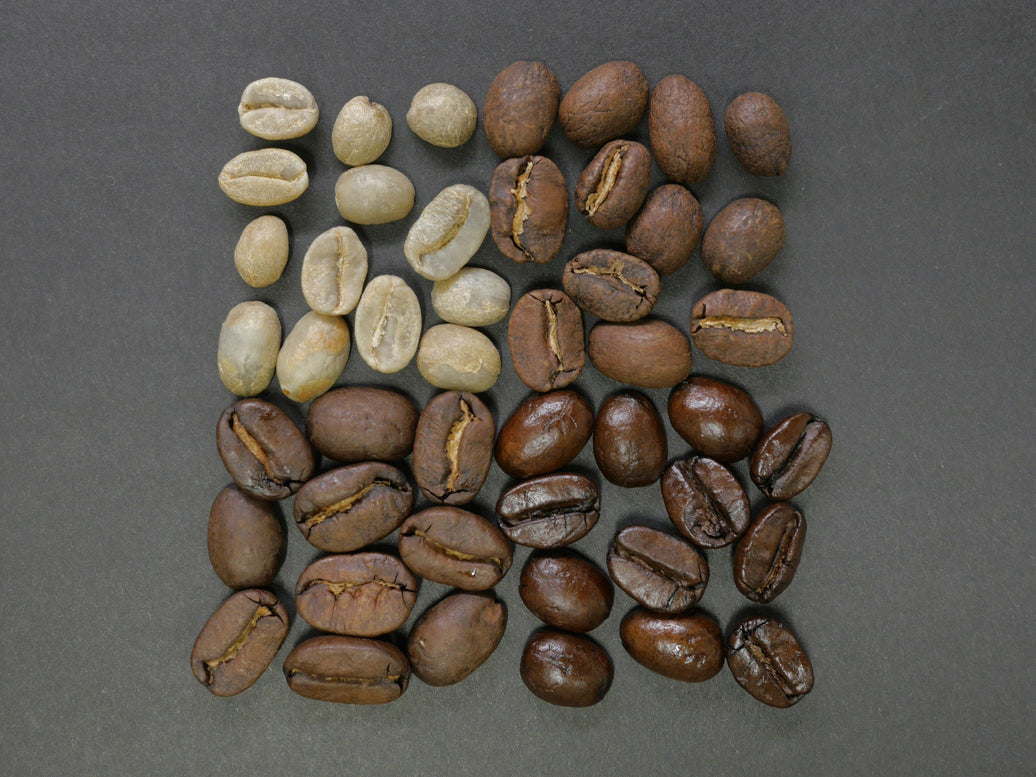
Color changes: Green beans gradually turn yellow, tan, and brown.
-
Moisture decreases: Heat removes much of the beans’ remaining moisture.
-
Aroma develops: Chemical reactions create compounds responsible for coffee’s recognizable smell.
-
Flavor changes: Sugars, acids, and other compounds transform, affecting sweetness, bitterness, and acidity.
-
Bean structure changes: The beans expand and become more porous and brittle, making them easier to grind.
One important process is the Maillard reaction, which occurs when amino compounds and sugars react under heat. It contributes to the brown color and complex aromas associated with roasted foods, including coffee.
Roasting is not simply about making beans darker. It is about developing a flavor profile that brings out desirable characteristics of the coffee. The Specialty Coffee Association explains that roast degree is a major influence on the sensory experience of brewed coffee.
2. How Roast Level Changes Coffee Flavor
The roast level is one of the easiest ways to understand what a coffee might taste like. Although every coffee is different, light, medium, and dark roasts tend to have recognizable characteristics.
Light roast coffee
Light-roasted beans are generally roasted for less time and retain more of the distinctive characteristics associated with their origin and processing.
Common flavor characteristics include:
-
Bright or lively acidity
-
Fruity or floral notes in some coffees
-
Delicate sweetness
-
A lighter perceived body
-
More noticeable origin-specific flavors
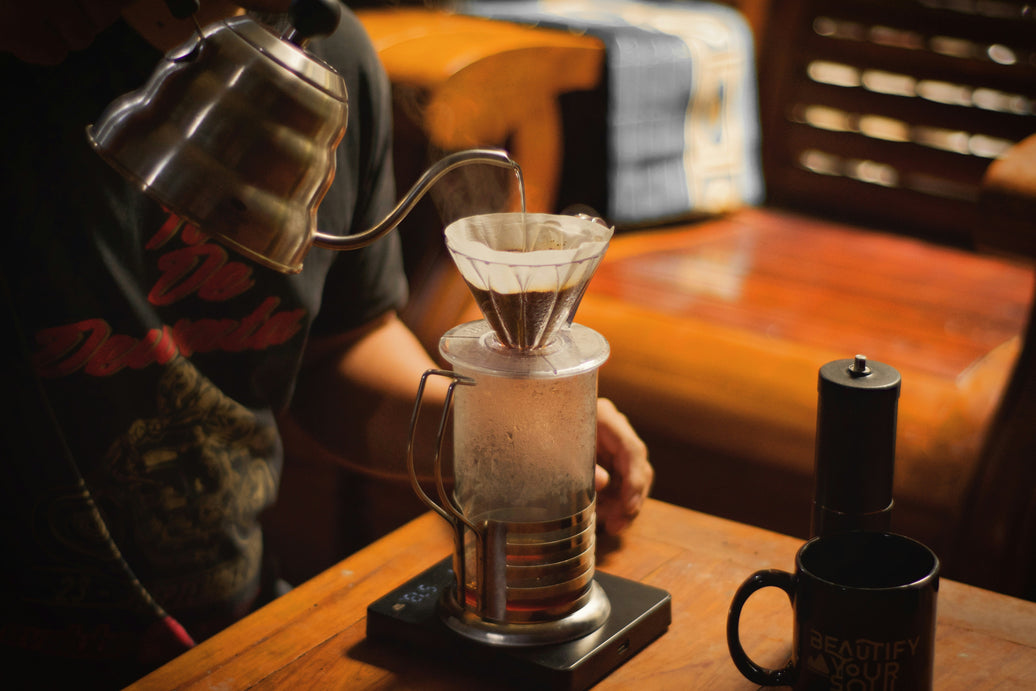
Light roasts can be a good choice for people who enjoy exploring subtle differences between coffees. They may work especially well with pour-over brewing, although the right recipe depends on the beans and your personal preference.
Medium roast coffee
Medium roasts offer a balance between the coffee’s original characteristics and the flavors developed during roasting.
Depending on the beans, you may notice:
-
Caramel-like sweetness
-
Nutty or chocolate-like notes
-
Balanced acidity
-
A rounded, approachable flavor
-
Medium body
Medium roasts are a useful starting point if you are unsure which roast you prefer. They can work well with drip coffee makers, pour-over brewers, and many other brewing methods.
Dark roast coffee
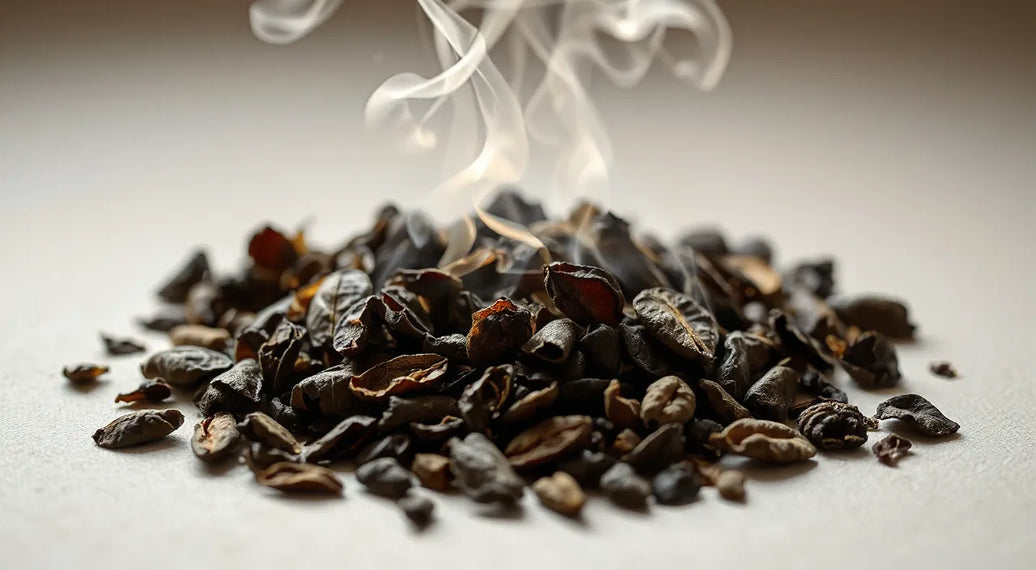
Dark-roasted beans are exposed to more roasting development, producing deeper brown colors and more pronounced roast-derived flavors.
Common characteristics include:
-
Bold roasted flavors
-
Bitterness that may be more noticeable
-
Lower perceived acidity
-
Smoky or bittersweet notes in some coffees
-
A fuller or heavier impression in some preparations
Dark roasts may appeal to people who prefer a strong-tasting cup or enjoy coffee with milk. However, dark does not automatically mean better, stronger in caffeine, or higher quality.
Remember: These descriptions are general tendencies, not guarantees. Coffee origin, variety, processing, roasting technique, and brewing all influence the final taste.
3. What Happens Inside Coffee Beans During Roasting?
Roasting involves several stages, each contributing to the beans’ physical and chemical development.
Stage 1: Drying
Green coffee beans contain moisture. Early in roasting, heat raises the beans’ temperature and drives off much of this water.
The beans begin changing color, and their structure starts to change. At this point, they have not yet developed the complete aroma and flavor expected from finished roasted coffee.
Stage 2: Browning and flavor development
As roasting continues, chemical reactions produce brown pigments and a wide range of aromatic compounds.
These reactions contribute to flavors and aromas that may remind you of:
-
Toasted bread
-
Nuts
-
Chocolate
-
Caramel
-
Roasted grains
Which notes become noticeable depends on the coffee itself and how it is roasted. Not every bean will naturally taste like chocolate or caramel, even if those descriptions appear in a tasting guide.
Stage 3: First crack
As heat and internal pressure build, coffee beans can produce an audible cracking sound known as first crack.
This is an important milestone for many roasting methods. The beans have expanded, and their internal structure has changed substantially.
Roasters use temperature, time, appearance, sound, and other measurements to decide how to continue developing the roast.
Stage 4: Roast development
After first crack, the roaster controls how much additional development the beans receive.
Ending the roast sooner generally preserves more of the coffee’s brighter characteristics. Continuing the roast typically develops more roast-derived flavors, although the outcome depends on the entire roasting profile.
Roasting for too long or applying heat poorly can create harsh, burnt, or less balanced flavors. The goal is controlled development, not simply reaching the darkest possible color.
Stage 5: Cooling and resting
Once the desired roast is reached, the beans need to be cooled quickly to stop the roasting process.
Freshly roasted coffee also releases carbon dioxide, a process known as degassing. Allowing time for the beans to rest can help them behave more consistently during brewing. The ideal resting time depends on the roast, coffee, and brewing method.
4. Does Darker Coffee Always Taste Stronger?
Not necessarily. The word “strong” can mean several different things.
Someone might use it to describe intense flavor, a bitter taste, a heavy body, or a high caffeine content. These are not the same thing.
For example:
-
Flavor intensity: A dark roast may taste more intensely roasted or bittersweet.
-
Bitterness: Darker roasting often increases perceived bitterness, but brewing also matters.
-
Body: Body describes the weight or texture of coffee in your mouth. Roast level and brewing method can both influence it.
-
Caffeine: Roast level alone is not a reliable way to determine how much caffeine is in your cup. Serving size, bean type, dose, and brewing method also matter.
If you want a more intense cup, consider the amount of coffee you use, your grind size, and your brewing ratio instead of choosing a roast based only on its color.
5. Light Roast vs. Dark Roast: Which Should You Choose?
The best roast depends on what you enjoy drinking.
| If you prefer… | Try exploring… |
|---|---|
| Bright, fruity, or delicate flavors | Light roast |
| Balanced sweetness and approachable flavor | Medium roast |
| Bold, roasted, bittersweet flavors | Dark roast |
| Coffee with milk or cream | Medium or dark roast |
| Comparing the character of different origins | Light or medium roasts |
| A more pronounced roasted taste | Dark roast |
Use this table as a starting point, not a strict rule. A well-developed dark roast can still taste balanced, while a light roast can taste unpleasant if it is poorly roasted or incorrectly brewed.
6. How Brewing Changes the Flavor of Roasted Coffee
Even when two cups use the same coffee beans, they can taste different because of the brewing process.
Here are a few variables to adjust.
Grind size
The grind affects how quickly water extracts flavor from the coffee.
-
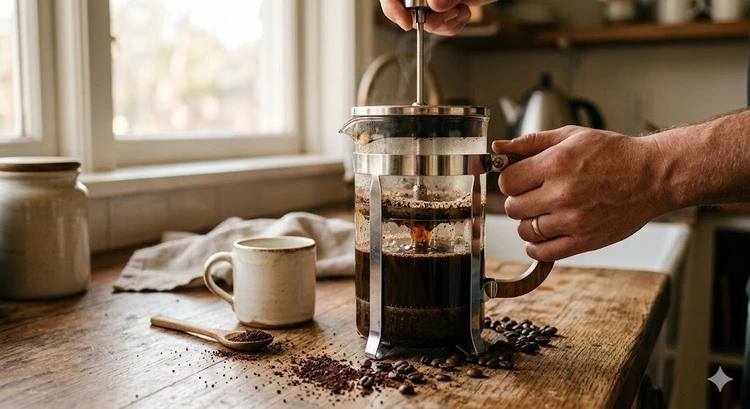
A coarse grind is commonly used for French press and cold brew.
-
A medium grind often works well for many drip coffee makers.
-
A fine grind is typically used for espresso.
The right grind depends on your equipment and recipe. If your coffee tastes harsh or bitter, try adjusting the grind and brewing time before assuming the roast is the problem.
Water temperature
Hotter water can extract coffee compounds more quickly, but temperature interacts with grind size, contact time, and the coffee itself.
If your cup tastes unbalanced, make one adjustment at a time. Avoid changing the grind, temperature, and coffee dose all at once, because it becomes difficult to identify what improved the result.
Coffee-to-water ratio
Using more coffee relative to water generally produces a more concentrated beverage. Using less coffee usually produces a weaker one, although extraction also affects flavor.
Start with a consistent recipe, then adjust according to taste.
Freshness and storage
Store coffee in a cool, dry place in an airtight container, away from sunlight, heat, and strong odors. Whole beans generally retain their aromas better than ground coffee because grinding increases the surface area exposed to air.
Freshness matters, but the very first day after roasting is not always the best time to brew. Coffee often benefits from a suitable resting period.
7. Finding a Roast That Fits Your Taste With Arvea Coffee
Choosing a roast is easier when you begin with the flavors you already enjoy.
At Arvea Coffee, you can explore different coffee styles and find an option that suits your daily routine. If you prefer a lighter-tasting cup, consider exploring Arvea Blonde Coffee. If you enjoy a more traditional, balanced everyday cup, House Blend may be worth trying. For a more pronounced roasted profile, you can explore Italian Roast or French Roast.
You can browse the available coffee selections and choose a grind style that fits your brewing equipment.
Explore Arvea Coffee: https://arveacoffee.com/
If you are new to specialty coffee, start with one roast that sounds appealing and pay attention to its aroma, acidity, sweetness, bitterness, and body. You may discover that your favorite coffee is not the darkest or lightest option, but the one that creates the balance you enjoy most.
8. Common Coffee Roasting Mistakes and Misunderstandings
Mistake 1: Assuming darker means higher quality
Dark color is not proof of superior quality. Good coffee depends on the quality of the green beans, careful roasting, proper storage, and good brewing.
Mistake 2: Thinking all light roasts taste sour
Light roasts can have more noticeable acidity, but sourness can also result from under-extraction. Adjusting the grind, temperature, or brewing time may improve the cup.
Mistake 3: Believing dark roast always has more caffeine
Caffeine content depends on several factors, including the quantity of coffee used and the brewing method. Roast color alone cannot reliably tell you how much caffeine you are drinking.
Mistake 4: Ignoring brewing technique
Even excellent roasted beans can taste disappointing if the coffee-to-water ratio, grind, or extraction is unsuitable.
Mistake 5: Choosing coffee based only on the label
Terms such as light, medium, and dark provide useful clues, but they do not fully describe the coffee. When available, look for tasting notes, origin details, and brewing recommendations as well.
Frequently Asked Questions
Does roasting create coffee flavor?
Yes. Roasting triggers chemical reactions that develop many of coffee’s characteristic aromas and flavors. The beans’ origin, variety, and processing also influence the final result.
Which roast is least bitter?
Light and medium roasts often have less pronounced roast bitterness than very dark roasts. However, bitterness also depends on the coffee itself and how it is brewed.
Is light roast more acidic than dark roast?
Light roasts often retain more noticeable acidity, while darker roasts tend to have lower perceived acidity and more pronounced roasted flavors. The exact experience varies by coffee and brewing method.
Does roasting remove caffeine?
Roasting does not simply eliminate caffeine. Caffeine content in the final cup depends on multiple factors, including the bean, dose, and brewing method. A roast label alone is not enough to predict caffeine content.
How long should coffee rest after roasting?
There is no single resting time for every coffee. Some coffees are ready relatively soon, while others benefit from additional degassing before brewing. The ideal time depends on the roast and preparation method.
Can I use dark roast for espresso?
Yes. Dark roast can work well for espresso, particularly if you enjoy a pronounced roasted flavor. Medium and lighter roasts can also make espresso; they may simply require different grind settings and recipes.
Final Thoughts: Roasting Is Where Coffee Flavor Comes Alive
Coffee roasting transforms green beans into the aromatic coffee we know and love. The level of roast influences color, acidity, bitterness, sweetness, and the flavors we perceive, but it is only one part of the complete coffee experience.
Light roasts can offer brighter characteristics, medium roasts can provide balance, and dark roasts can deliver a deeper roasted profile. None is automatically the best choice for everyone.
The most useful approach is to experiment, brew consistently, and discover which flavors you enjoy.
Ready to explore coffee for your next cup? Visit Arvea Coffee at https://arveacoffee.com/ and find a roast that fits your taste and routine.






















Leave a comment