

Why Does My Coffee Taste Sour? 10 Common Causes & How to Fix It
Why Does My Coffee Taste Sour?
You wake up, make your favorite coffee, take the first sip—and something is wrong.
Instead of tasting smooth, balanced, sweet, or flavorful, your coffee tastes sharp, sour, acidic, thin, or almost like an unripe fruit.
So, why does coffee taste sour?
One of the most common explanations is under-extraction. This happens when the brewing process doesn't extract enough of the coffee's soluble compounds to create a balanced cup.
However, sourness isn't always a brewing mistake.
Coffee naturally contains acids, and acidity can be a desirable part of coffee flavor. The difference is important: pleasant acidity can taste bright, fruity, citrusy, or lively, while unpleasant sourness can taste sharp, harsh, or unbalanced.
Research from the Specialty Coffee Association shows that brewing conditions and extraction can substantially affect perceived sourness.
The good news is that sour coffee is usually easy to troubleshoot.
Let's look at the most common causes.
Sour Coffee vs. Good Coffee Acidity
Before changing your recipe, it's important to understand the difference between acidity and sourness.
Pleasant acidity can taste like:
-
Citrus
-
Lemon
-
Orange
-
Berries
-
Apple
-
Stone fruit
-
Wine-like brightness
Unpleasant sourness can taste like:
-
Sharp vinegar
-
Unripe fruit
-
Sour candy
-
Thin lemonade
-
Sharp or unpleasant acidity
Coffee professionals often use "acidity" as a positive flavor characteristic.
The Specialty Coffee Association's specialty-coffee vocabulary includes descriptors such as citrus, grapefruit, lime, orange, apple, berry, and other fruit characteristics.
So don't automatically assume that an acidic-tasting coffee is bad.
If you enjoy the brightness, that's part of the coffee's character.
1. Your Coffee Is Under-Extracted
This is the first thing to investigate when your coffee tastes unpleasantly sour.
Extraction is the process of water dissolving soluble compounds from ground coffee.
When too little is extracted, the resulting cup can taste sour, sharp, thin, or underdeveloped.
The SCA's brewing research describes lower-extraction coffee as tending toward sour or underdeveloped characteristics, while higher extraction can move sensory perception toward bitterness.
What causes under-extraction?
Common causes include:
-
Grind that's too coarse
-
Water that's too cool
-
Brewing time that's too short
-
Poor contact between water and coffee
-
Uneven extraction
The good news is that each one can be adjusted.
2. Your Grind Is Too Coarse
If the coffee grounds are too large for your brewing method, water can pass through or around them without extracting enough flavor.
This can result in a sour or weak cup.
Try grinding slightly finer.
For example:
Pour over: Medium to medium-fine
Drip: Medium
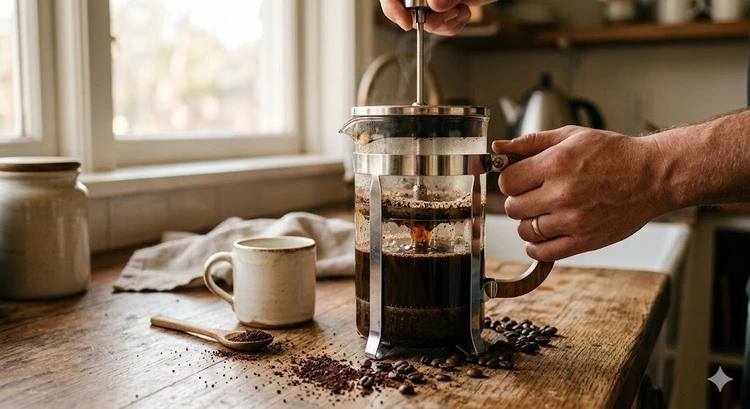
French press: Coarse
Cold brew: Coarse to extra-coarse
Espresso: Fine
Don't make a huge adjustment immediately.
Move your grinder slightly finer, brew again, and taste the difference.
3. Your Water Is Too Cool
Water temperature affects how quickly coffee extracts.
If your brewing water is too cool for your recipe and coffee, extraction can be slower, potentially contributing to an under-extracted cup.
For many hot brewing methods, a useful starting range is around:
195–205°F (90–96°C)
You don't necessarily need to use the hottest possible water.
Instead, aim for consistency and adjust based on taste.
If your coffee tastes sour:
Try increasing your brewing temperature slightly and compare the result.
4. Your Brew Time Is Too Short
Coffee needs enough contact time with water to develop a balanced flavor.
If water passes through the coffee too quickly, you may not extract enough from the grounds.
This can happen with:
-
Pour over
-
Drip coffee
-
AeroPress
-
Espresso
-
Other brewing methods
Example
If your pour-over normally finishes extremely quickly and tastes sour, your grind may be too coarse.
Try grinding slightly finer and see whether the brew takes longer and tastes more balanced.
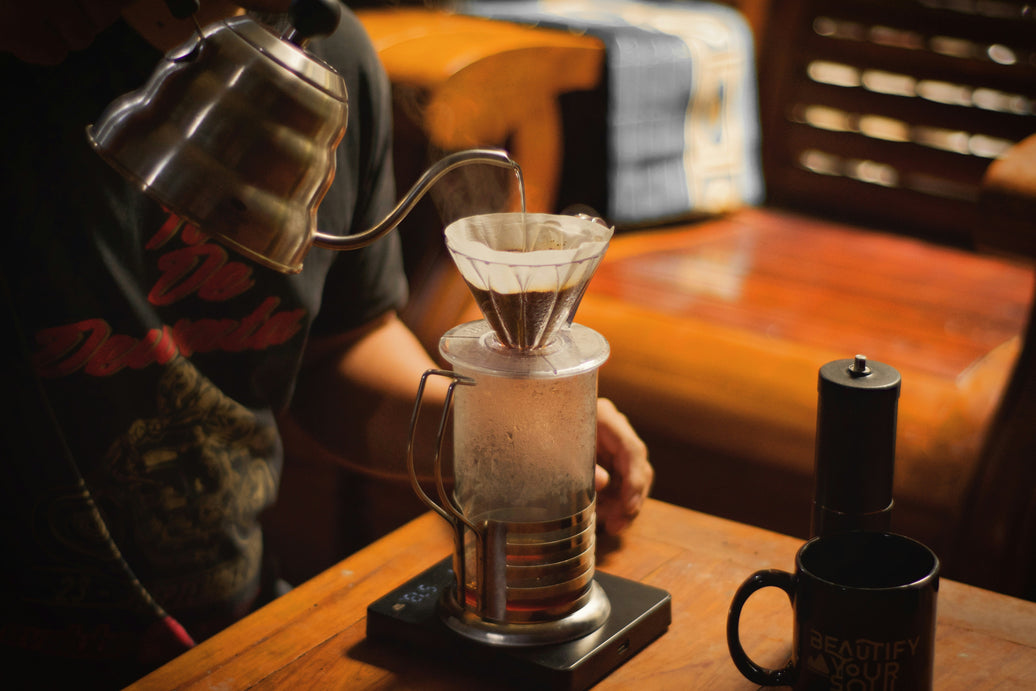
5. Your Pouring Technique Is Uneven
For pour-over coffee, the way you add water matters.
If some grounds become saturated while others remain relatively dry, extraction can become uneven.
Try this:
-
Wet all the coffee grounds during the bloom.
-
Allow the coffee to bloom.
-
Pour slowly and consistently.
-
Use gentle circular movements.
-
Avoid pouring aggressively against the filter.
-
Keep the coffee bed reasonably even.
The goal isn't to make the process complicated.
The goal is consistent contact between water and coffee.
6. You're Using Too Little Coffee
Coffee-to-water ratio affects the strength of the final beverage.
If you're using too little coffee for the amount of water, your drink may taste weak and thin.
That doesn't automatically mean it will taste sour, but a weak brew can make acidity feel more prominent.
Try a simple starting ratio
For filter-style coffee, try:
20g coffee + 300g water
That's approximately a 1:15 ratio.
Then adjust according to your preference.
If you want more strength, use slightly more coffee.
If you want a lighter cup, use slightly more water.
7. Your Coffee Beans Are Naturally Bright or Fruity
Not every sour-tasting coffee is poorly brewed.
Coffee variety, origin, processing, roast level, and other factors influence flavor.
Some coffees naturally have pronounced fruit-like acidity.
You might taste:
-
Lemon
-
Orange
-
Grapefruit
-
Berry
-
Apple
-
Stone fruit
This can be a desirable characteristic.
The SCA notes that coffee's acids contribute to a wide range of sensory experiences beyond simply "sour."
Here's the test:
If you adjust your brewing recipe and the coffee remains bright but tastes clean, sweet, fruity, and balanced, the acidity may simply be part of that coffee's profile.
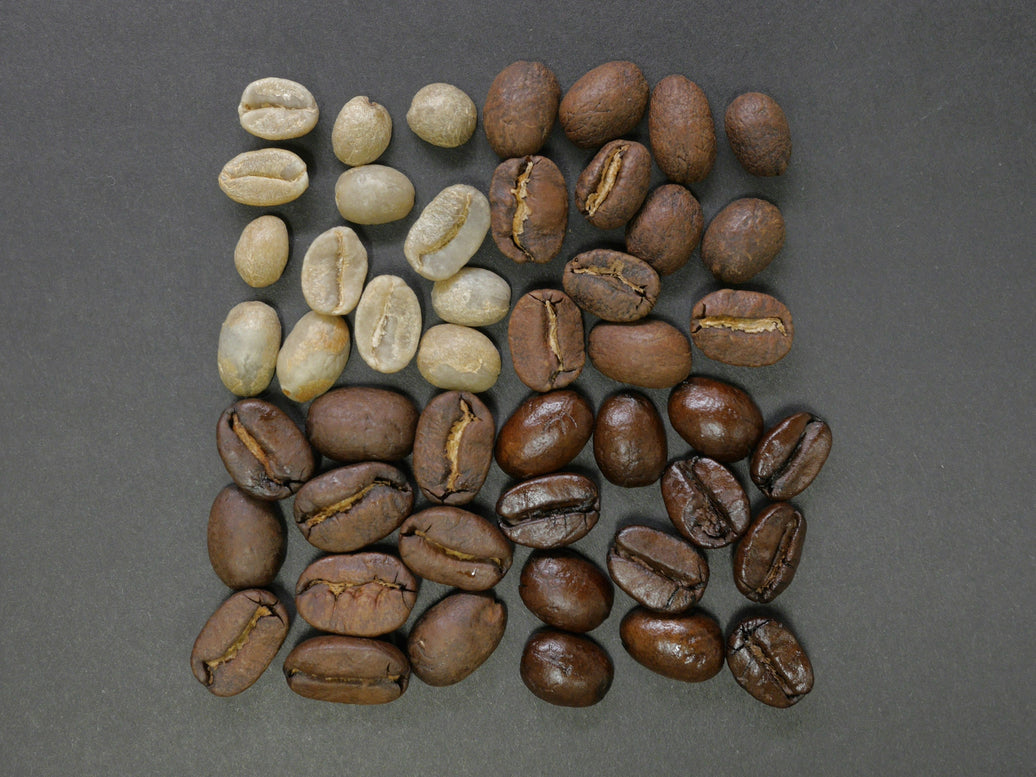
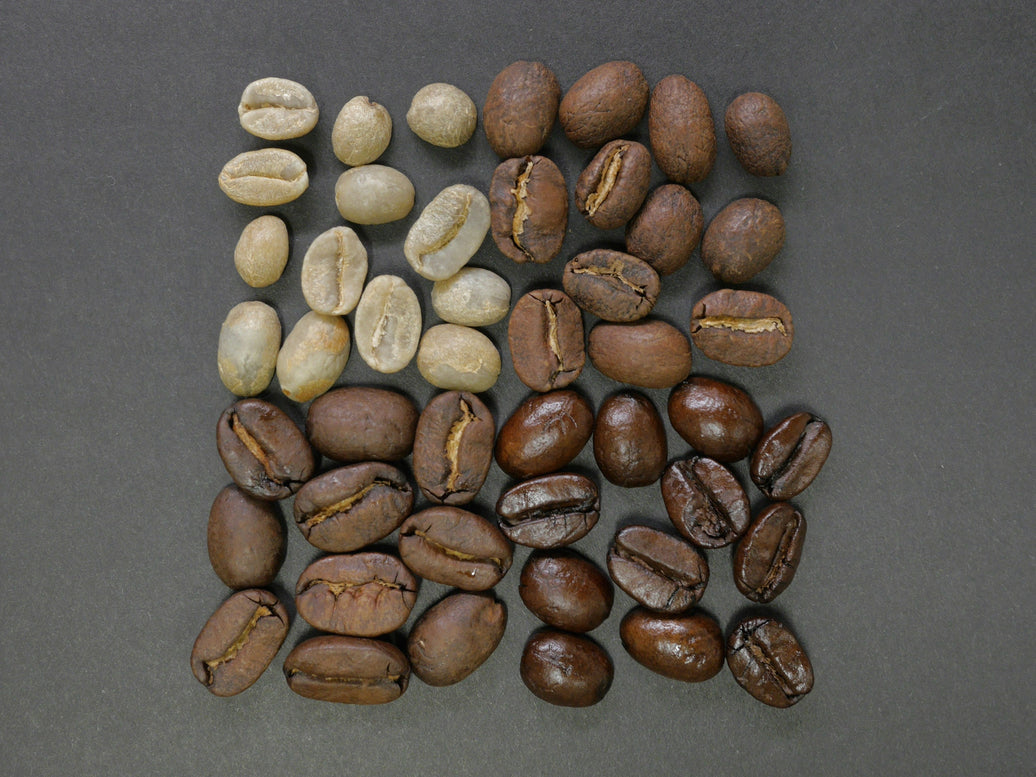
8. Your Roast Level Isn't Right for Your Taste
Roast level can influence the flavor profile you experience.
Generally, lighter roasted coffees can emphasize brighter and more fruit-forward characteristics, while darker roasts tend to emphasize more roasted and bitter characteristics.
Recent SCA research found roast level to be a major driver of sensory differences in coffee.
If you don't enjoy bright coffee, you may prefer:
-
Medium roast
-
Medium-dark roast
-
Dark roast
If you enjoy fruity and vibrant flavors, a lighter roast may be worth exploring.
9. Your Coffee Bed Is Channeling
Channeling occurs when water finds easier pathways through the coffee bed rather than flowing evenly through all the grounds.
This can create uneven extraction.
The result can sometimes be confusing because one cup may contain both sour and bitter characteristics.
Some areas may be under-extracted while others are over-extracted.
To reduce channeling:
-
Use an even grind
-
Avoid large clumps
-
Distribute grounds evenly
-
Use consistent pouring
-
Avoid excessively aggressive agitation
-
Keep your brewing technique consistent
For espresso, proper distribution and a consistent puck are particularly important.
10. Your Coffee Is Too Fresh After Roasting
Fresh coffee is great—but extremely fresh coffee may not always brew the way you expect.
Coffee releases carbon dioxide after roasting.
If you're brewing coffee immediately after roasting, that gas can interfere with water contacting the coffee evenly.
This is one reason coffee can benefit from a short resting period after roasting.
If your coffee tastes unusually sharp, uneven, or difficult to extract despite using a good recipe, freshness could be one variable worth considering.
How to Fix Sour Coffee Quickly
If you're standing in the kitchen wondering what to change, start here.
Sour coffee troubleshooting:
1. Grind slightly finer
This is often the easiest first adjustment.
2. Increase water temperature slightly
Stay within a sensible range for your brewing method.
3. Increase brew time
Allow the water more time to interact with the grounds.
4. Check your ratio
Make sure you're not using far too much water.
5. Improve water distribution
Especially important for pour-over brewing.
6. Check your beans
The coffee may naturally have a bright flavor profile.
7. Try a different roast
A medium or darker roast may suit your taste better.
Sour Coffee Troubleshooting Chart
| Problem | Possible Cause | First Thing to Try |
|---|---|---|
| Very sour | Under-extraction | Grind finer |
| Sour + weak | Too little coffee | Increase coffee slightly |
| Sour + watery | Too much water | Reduce water |
| Sour + fast brew | Grind too coarse | Grind finer |
| Sour + cool brew | Water too cool | Increase temperature |
| Sour + inconsistent | Uneven extraction | Improve distribution |
| Fruity but pleasant | Natural acidity | No fix needed |
| Sour + bitter together | Uneven extraction/channeling | Improve consistency |
Remember that this is a starting guide—not a universal rule. Coffee behaves differently depending on the bean, roast, grinder, brewer, water, and recipe.
How to Fix Sour Coffee by Brewing Method
Drip Coffee
If your drip coffee tastes sour:
-
Try a slightly finer grind
-
Check your water temperature
-
Verify your coffee-to-water ratio
-
Make sure your machine is clean
-
Check whether your brew is finishing unusually quickly
Pour Over
For sour pour-over coffee:
-
Grind slightly finer
-
Make sure all grounds are properly saturated
-
Use a consistent pouring pattern
-
Check your water temperature
-
Avoid pouring too quickly
A balanced pour-over should have enough extraction to bring sweetness and body into balance with its acidity.
French Press
French press coffee is usually brewed with a coarse grind.
If your French press tastes sour:
-
Check your water temperature
-
Make sure your steeping time isn't too short
-
Make sure the grounds are fully saturated
-
Consider a slightly finer grind
Don't jump to an extremely fine grind because that can create a different set of problems.
Espresso
Espresso can be particularly sensitive to grind size and extraction.
If your espresso tastes sour:
-
Try grinding slightly finer
-
Check your shot time
-
Check your dose
-
Make sure your coffee puck is evenly distributed
-
Check water temperature
-
Make sure the machine is clean
Make one adjustment at a time.
Cold Brew
Cold brew behaves differently from hot brewing.
Because the water is much cooler, extraction happens differently, and cold brew can have a different sensory profile.
SCA research has found meaningful sensory differences between hot and cold brewing, including differences in perceived sourness.
If your cold brew tastes unpleasantly sour:
-
Check your coffee-to-water ratio
-
Use a suitable coarse grind
-
Give the coffee enough contact time
-
Make sure the grounds are fully saturated
-
Experiment with the steeping time
Should You Grind Coffee Finer or Coarser?
This is one of the easiest rules to remember:
Coffee tastes sour?
Try slightly finer.
Coffee tastes bitter?
Try slightly coarser.
But don't treat this as an absolute law.
Extraction is affected by multiple variables, including grind size, temperature, brew time, agitation, water chemistry, and brew ratio.
The best approach is to change one variable at a time.
Why Your Coffee Can Taste Sour and Bitter at the Same Time
This can seem impossible.
How can coffee be sour and bitter?
The answer may be uneven extraction.
For example, channeling can cause some coffee grounds to receive too much water while others receive too little.
That can produce a cup containing contrasting flavors.
If your coffee tastes both:
Sharp + bitter + dry
focus on improving extraction consistency rather than simply making the coffee finer or coarser.
Does More Coffee Make Coffee Less Sour?
Not necessarily.
Adding more coffee changes the brew ratio and can make the beverage stronger.
But strength and extraction aren't exactly the same thing.
If the underlying problem is under-extraction, simply adding more coffee may not solve it.
Instead, look at:
-
Grind size
-
Brew time
-
Temperature
-
Water distribution
-
Ratio
-
Extraction consistency
This gives you a much better chance of actually fixing the problem.
How to Make Coffee Taste Smoother
If your goal is a smoother cup rather than a bright, acidic cup, experiment with:
1. A medium roast
This may provide a more balanced flavor profile for your palate.
2. A slightly finer grind
This can help if your current coffee is under-extracted.
3. A consistent brewing temperature
Consistency makes troubleshooting easier.
4. A balanced coffee-to-water ratio
Start around 1:15 for filter coffee and adjust to taste.
5. Fresh, properly stored coffee
Keep your beans protected from air, moisture, heat, and light.
6. Clean brewing equipment
Old coffee residue can interfere with flavor.
A Simple Recipe to Troubleshoot Sour Coffee
Try this as a starting point for a basic pour-over.
What you'll need
Coffee: 20g
Water: 300g
Ratio: 1:15
Water: Around 195–205°F
Grind: Medium to medium-fine
Step 1: Add coffee
Place 20g of freshly ground coffee into your filter.
Step 2: Bloom
Add enough water to fully wet the grounds.
Wait approximately 30–45 seconds.
Step 3: Pour
Continue pouring slowly and evenly.
Step 4: Finish brewing
Allow the water to pass through the coffee bed.
Step 5: Taste
Now evaluate the cup.
If it's still unpleasantly sour:
Try a slightly finer grind first.
If it becomes bitter:
Back off slightly.
This process helps you find the right balance for your coffee.
The Best Way to Troubleshoot Coffee
Don't change everything at once.
Instead, use this process:
Brew → Taste → Change One Variable → Brew Again
For example:
Cup #1: Original recipe
Cup #2: Slightly finer grind
Cup #3: Slightly higher temperature
Cup #4: Slightly longer brew time
Eventually, you'll discover what your coffee prefers.
And you'll learn something even more valuable:
How your own coffee equipment behaves.
Choose Coffee Based on Your Taste
If you don't enjoy sour or highly acidic coffee, look for descriptions such as:
-
Smooth
-
Balanced
-
Nutty
-
Chocolatey
-
Caramel
-
Rich
-
Full-bodied
If you enjoy brighter coffee, look for:
-
Fruity
-
Citrus
-
Berry
-
Floral
-
Bright
-
Vibrant
There is no universally correct flavor profile.
The best coffee is the one that matches your taste.
Explore Premium Coffee From Arvea
Once your brewing technique is dialed in, experimenting with different roasts, blends, and flavor profiles is one of the best ways to discover what you enjoy.
Arvea Coffee offers a variety of coffee options for different brewing styles and taste preferences.
Whether you prefer a smooth morning cup, a bold roast, a flavorful blend, or coffee prepared for espresso or cold brewing, exploring different coffees can help you find your ideal cup.
Discover Arvea Coffee and find your next favorite brew.
Frequently Asked Questions
Why does my coffee taste sour?
The most common brewing-related reason is under-extraction. Your grind may be too coarse, your brewing time too short, your water too cool, or your brewing process may be uneven.
How do I make sour coffee less sour?
Start by grinding slightly finer. If that doesn't help, check your water temperature, brew time, coffee-to-water ratio, and pouring technique.
Is sour coffee bad?
Not necessarily. Coffee naturally contains acids, and pleasant acidity can be an important part of coffee flavor. The issue is whether the coffee tastes pleasantly bright or unpleasantly sour.
Does coarse coffee make coffee sour?
It can. If the grind is too coarse for your brewing method, water may not extract enough flavor from the grounds, potentially resulting in a sour or weak cup.
Does hotter water make coffee less sour?
Increasing water temperature can increase the rate of extraction, which may help an under-extracted coffee. However, temperature should be considered alongside grind size, brew time, and other brewing variables.
Should I grind finer if my coffee tastes sour?
Usually, that's a good first experiment. Grind slightly finer, brew again, and taste the result.
Why does my coffee taste sour and bitter?
Uneven extraction can sometimes create contrasting flavors. Channeling or inconsistent brewing may cause some grounds to be under-extracted while others are over-extracted.
Is light roast coffee more sour?
Light roasts can emphasize brighter, fruitier characteristics, but roast level alone doesn't determine whether a coffee will taste unpleasantly sour. Brewing technique and the coffee's specific characteristics also matter.
Can old coffee taste sour?
Stale coffee can taste flat or unpleasant, but sourness is not exclusively a freshness problem. Check extraction first if your coffee suddenly tastes sour.
Final Thoughts
If you're wondering “Why does my coffee taste sour?”, don't throw the coffee away immediately.
Start with the basics:
Check the grind.
Check the water temperature.
Check the brew time.
Check the ratio.
Check your pouring technique.
Then taste again.
In many cases, a small adjustment can turn a sharp, sour cup into a much more balanced and enjoyable coffee.
And remember:
Acidity isn't automatically a problem.
Bright citrus, fruit, and berry flavors can be part of what makes coffee exciting.
The goal isn't to remove every trace of acidity.
The goal is to find the balance that tastes best to you.
☕ Better brewing starts with better understanding.





















Leave a comment