


Coffee Before a Workout: What You Should Know
Have you ever enjoyed a cup of coffee before heading to the gym, going for a run, or starting your morning workout? For many people, coffee is a familiar part of getting ready to exercise.
Coffee contains caffeine, a natural stimulant that may help you feel more alert and reduce the sensation of fatigue. Research suggests that caffeine can improve performance in certain types of physical activity, although the effects vary depending on the person, the amount consumed, and the type of exercise.
But is coffee before a workout a good idea? When should you drink it, how much is appropriate, and what should you know before making it part of your fitness routine?
In this guide, we'll explore the science behind coffee and exercise, practical timing tips, and ways to enjoy your favorite coffee while keeping your workout goals in mind.
1. Is Coffee Before a Workout a Good Idea?
For many healthy adults, drinking a moderate amount of coffee before exercise can be a reasonable choice.
The main reason is caffeine. It acts on the central nervous system and blocks certain adenosine receptors, which can temporarily reduce feelings of sleepiness and fatigue.
Research reviewed by the National Institutes of Health suggests that caffeine may improve endurance performance and some types of sustained, high-intensity activity. However, not everyone experiences the same benefit, and caffeine is not equally effective for every exercise.
Potential benefits may include:
-
Feeling more alert before exercising.
-
Reduced perception of fatigue during some activities.
-
Possible improvements in endurance performance.
-
Greater readiness to begin a workout.
Coffee is not essential for a successful workout. You can exercise effectively without caffeine, and good training, adequate sleep, nutrition, and hydration remain important.
2. How Does Caffeine Affect Exercise Performance?
Caffeine influences the brain and nervous system, which can change how alert you feel and how you perceive physical effort.
During certain types of exercise, caffeine may help you feel that an activity is less difficult than it otherwise would. Research has found benefits in some endurance activities, such as running and cycling, and in certain sports involving repeated periods of intense effort.
However, the effects depend on the individual and the activity.
| Type of exercise | What research suggests |
|---|---|
| Distance running | Caffeine may improve endurance performance for some people |
| Cycling | Some studies find performance benefits |
| Team sports | It may help with repeated intense efforts |
| Weight training | Results vary; benefits are not guaranteed |
| Short sprints | Evidence is less consistent for some short, intense activities |
| Casual walking | Caffeine may increase alertness, but it is not necessary |
These are general findings, not promises of improved performance. Your training experience, sleep, fitness level, caffeine tolerance, and workout conditions all matter.
3. When Should You Drink Coffee Before a Workout?
Timing can influence how caffeine affects you.
Many studies examining caffeine and exercise have administered caffeine approximately 30–60 minutes before activity, with around 60 minutes being a commonly studied interval. The ideal timing depends on the source of caffeine and how quickly your body responds.
For a practical routine, you might try the following:
Morning workout: If you enjoy coffee before exercising, have a modest serving with enough time to notice how it affects you.
Gym session after work: Consider whether afternoon caffeine will affect your sleep later that night.
Long endurance workout: Some people find caffeine helpful before sustained activities, but test your routine during ordinary training rather than trying something new before an important event.
Evening workout: Be especially careful if caffeine keeps you awake. A workout may finish well before bedtime, but caffeine's effects can last for hours.
There is no requirement to drink coffee before exercise. If you feel good without it, there is no need to add caffeine to your routine.
4. How Much Coffee Should You Drink Before Exercise?
There is no single amount that works for everyone.
The caffeine content of coffee varies depending on serving size, brewing method, beans, and coffee-to-water ratio. A large cup may contain much more caffeine than a small cup, even if both are simply described as regular coffee.
For many people who want to try coffee before exercise, starting with a small or moderate serving is a sensible approach.
Pay attention to:
-
How much caffeine your drink contains.
-
Whether you experience jitters or anxiety.
-
How your stomach feels during exercise.
-
Whether your sleep is affected afterward.
-
How you feel during and after your workout.
The FDA cites 400 milligrams of caffeine per day as an amount not generally associated with negative effects for most healthy adults. This is a general daily reference, not a recommended pre-workout dose or a target to reach.
Sports-performance studies sometimes use higher, body-weight-based doses, but these are not necessary for everyone and may increase the risk of unwanted effects. You should not assume that more caffeine will produce a better workout.
5. Should You Drink Coffee on an Empty Stomach Before Exercise?
It depends on your digestive comfort and the type of workout you plan to do.
Some people drink coffee before breakfast and feel perfectly comfortable. Others experience heartburn, nausea, stomach discomfort, or shakiness.
Exercise itself can also affect digestive comfort, especially during running or other vigorous activities.
If coffee on an empty stomach makes you uncomfortable, consider these options:
-
Try a smaller serving.
-
Have coffee with a light snack if that suits your routine.
-
Allow time to see how your body responds before beginning vigorous exercise.
-
Avoid experimenting with unfamiliar drinks immediately before an important workout.
For longer or more demanding workouts, appropriate food and fluid intake may also matter. Coffee alone does not provide all the nutrients or fluids you may need for exercise.
6. Does Coffee Help With Weight Loss During Exercise?
Coffee is sometimes promoted as a weight-loss aid because caffeine can influence alertness and certain metabolic processes. However, it is important not to overstate what coffee can do.
Drinking coffee before exercise does not automatically cause meaningful or lasting weight loss.
Body weight is influenced by many factors, including overall food intake, physical activity, sleep, health, and long-term habits. Caffeine's effects on metabolism are not a substitute for a balanced eating pattern and consistent activity.
If your goal is weight management, focus on sustainable habits rather than relying on coffee as a shortcut.
You can enjoy coffee before exercise if you tolerate it well, but it should be one small part of a broader routine rather than the foundation of a weight-loss plan.
7. Can Coffee Help You Feel Less Tired During a Workout?
Caffeine can temporarily reduce the feeling of fatigue, which is one reason some athletes use it before training.
However, feeling less tired does not mean your body no longer needs rest. Caffeine may mask sleepiness without correcting the underlying causes of fatigue.
If you consistently feel exhausted before exercising, consider whether you are getting enough sleep, eating adequately, allowing recovery time, and managing your training workload.
Avoid using coffee to push through severe fatigue, illness, dizziness, or unusual symptoms. If you experience concerning symptoms during exercise, stop and seek appropriate medical advice.
8. Coffee, Hydration, and Exercise: What Should You Know?
Hydration is important before, during, and after physical activity. Coffee contributes fluid, and moderate caffeine consumption does not automatically cause dehydration in habitual coffee drinkers.
Nevertheless, coffee should not be your only hydration strategy during demanding exercise.
For a practical approach:
-
Drink water regularly throughout the day.
-
Consider your workout duration and intensity.
-
Pay attention to heat and humidity.
-
Replace fluids during longer workouts as appropriate.
-
Follow your body's thirst cues and your individual hydration needs.
Long or intense sessions, particularly in hot weather, may require more deliberate fluid planning. Coffee cannot replace appropriate hydration or a balanced nutrition plan.
9. Are There Risks to Drinking Coffee Before a Workout?
Yes. Although many healthy adults tolerate moderate caffeine intake, coffee can cause unwanted effects in some people.
Jitters and anxiety
Caffeine may make you feel shaky, restless, or anxious. These effects can be especially uncomfortable before intense exercise.
Increased heart rate or palpitations
Caffeine can affect heart rate and may cause palpitations in some people. If you have a heart condition or have been advised to limit caffeine, speak with a healthcare professional before using it around exercise.
Stomach discomfort
Coffee can increase stomach acid and contribute to heartburn or digestive discomfort. Vigorous exercise may make these symptoms more noticeable.
Sleep disruption
A late-day workout paired with caffeinated coffee may leave caffeine in your system close to bedtime. Poor sleep can undermine recovery and future training.
Too much caffeine
Remember to count caffeine from all sources, including coffee, tea, energy drinks, and pre-workout supplements.
Avoid combining several stimulant-containing products simply because you want extra energy. If you are pregnant, take medications, or have a health condition that may be affected by caffeine, ask your healthcare professional for individualized advice.
10. Which Coffee Should You Choose Before a Workout?
The best choice depends on your taste preferences, caffeine needs, and how your body responds to coffee.
Here are some coffee styles to explore:
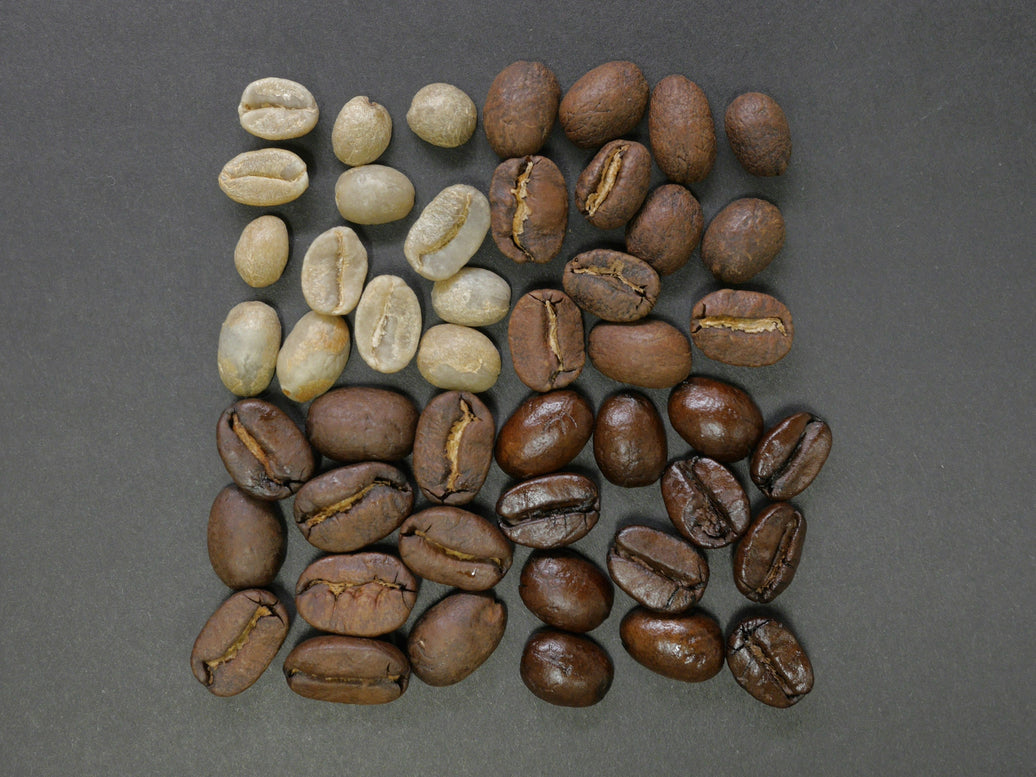
Blonde roast: A lighter roasted flavor profile for those who prefer a less intensely roasted taste.
Breakfast blend: An option to explore if you enjoy coffee as part of your morning routine.
House blend: A familiar everyday style that may fit naturally into your routine.
French roast: A deeper roasted flavor for those who prefer a bolder cup.
Italian roast: Another option for people who enjoy a pronounced roasted character.
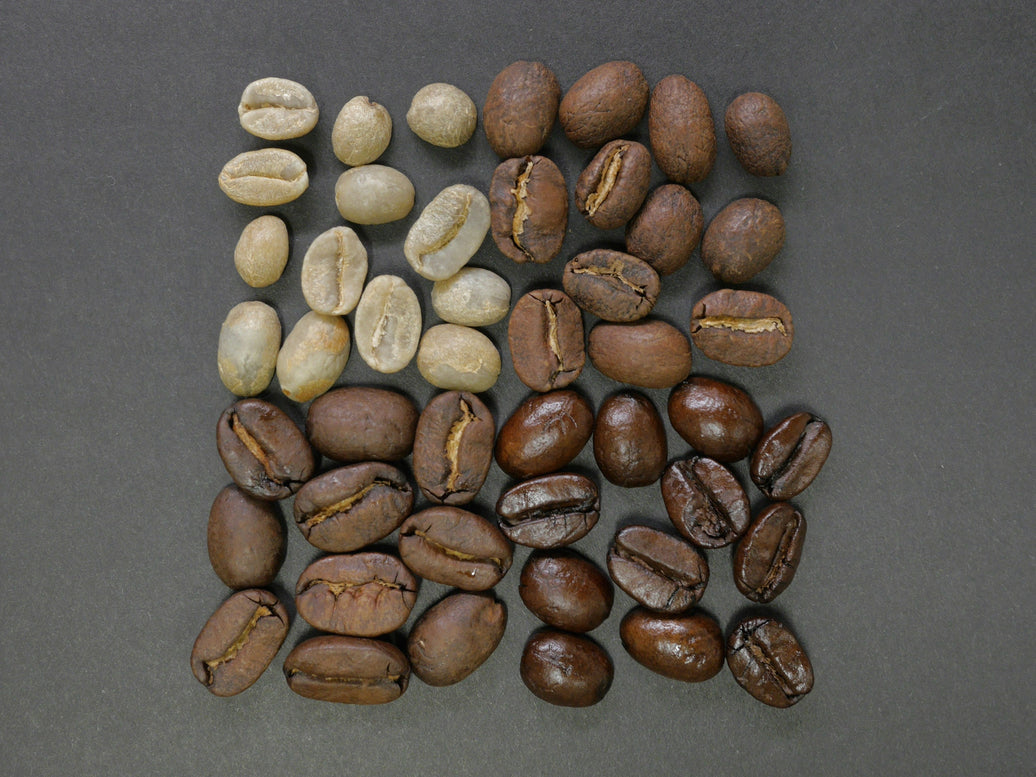
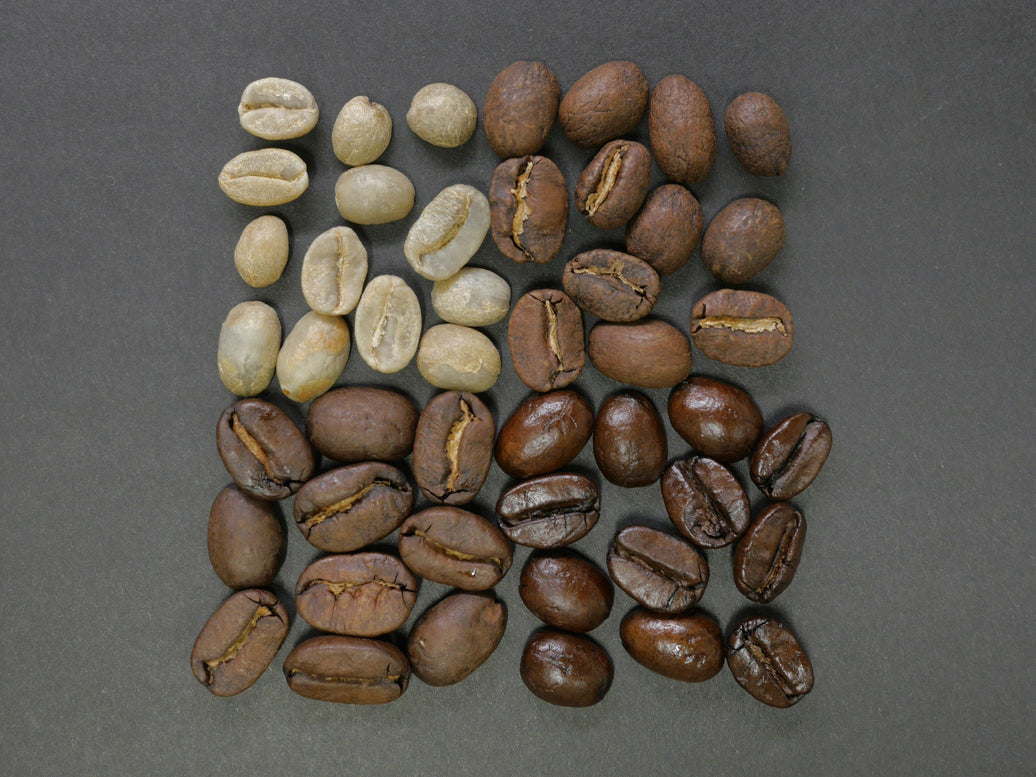
Keep in mind that roast level alone does not reliably tell you how much caffeine a cup contains. The serving size and brewing method also matter.
If you are new to drinking coffee before exercise, focus on finding a serving that tastes good and feels comfortable rather than trying to maximize caffeine.
11. Make Coffee Part of Your Routine With Arvea Coffee
A workout routine can involve more than exercise alone. For many people, small daily rituals help make the experience more enjoyable, and preparing a favorite coffee can be one of them.
At Arvea Coffee, you can explore different coffee styles to find one that suits your preferences.
-
Arvea Blonde Coffee: Explore this option if you enjoy a lighter roast profile.
-
Arvea Breakfast Blend: Consider it for your morning coffee routine.
-
Arvea House Blend: An everyday option to explore.
-
Arvea French Roast: A choice for people who enjoy deeper roasted flavors.
-
Arvea Italian Roast: Another option if you prefer a bold roasted profile.
-
Arvea Vanilla Hazelnut Coffee: A flavored option when you want something different.
You can browse the available selections at Arvea Coffee.
Choose a coffee based on the taste you enjoy, then consider serving size and brewing strength if caffeine intake is important to you. Your coffee routine should support your lifestyle, not become something you feel you must have before every workout.
Frequently Asked Questions
1. Is it good to drink coffee before a workout?
For many healthy adults, moderate caffeine intake before exercise can be reasonable. Research suggests it may improve endurance or certain aspects of performance, but results vary.
2. How long before a workout should I drink coffee?
Around 30–60 minutes beforehand is a commonly studied interval. Individual responses vary, so test your timing during regular training.
3. How much coffee should I drink before the gym?
Start with a modest serving if you choose to try coffee. Caffeine content varies by drink, and larger amounts may increase the risk of jitters, anxiety, digestive discomfort, or sleep disruption.
4. Does coffee help with weight loss during exercise?
Coffee does not guarantee weight loss. Sustainable weight management depends on a range of factors, including nutrition, activity, sleep, and long-term habits.
5. Can I drink coffee before exercising without eating?
Some people tolerate it well, while others experience nausea, heartburn, or shakiness. Choose the approach that feels comfortable for you.
6. Does dark roast coffee contain more caffeine?
Not necessarily. Roast level mainly describes the roasting profile. Caffeine content also depends on the beans, serving size, and brewing method.
7. Is coffee before exercise safe for everyone?
No. Individual sensitivity, medications, pregnancy, and certain health conditions can affect whether caffeine is appropriate. Seek personalized medical advice if you are unsure.
8. Can I drink coffee after a workout?
Yes, if it suits your preferences and does not interfere with sleep or cause unwanted symptoms. After exercise, prioritize appropriate food, fluids, and recovery.
Final Thoughts
Coffee before a workout may help some people feel more alert and perform better during certain types of exercise. Caffeine has been studied for its potential effects on endurance, fatigue, and physical performance, but the benefits vary and are not guaranteed.
If you choose to drink coffee before exercise, start with a moderate serving, consider your timing, and pay attention to how you feel. Avoid excessive caffeine, protect your sleep, and remember that hydration, nutrition, recovery, and consistent training remain essential.
Whether you enjoy a lighter roast, an everyday blend, or a bold cup, Arvea Coffee offers options to explore as part of your daily routine.
Discover your next favorite coffee at https://arveacoffee.com/.
Health note: This article is for general educational purposes and is not a substitute for personalized medical advice.


























Leave a comment