


Updated on: 2026-10-15
High-altitude tea is valued for its gentle complexity, aromatic clarity, and clean taste profile. When leaves grow higher in elevation, they often develop a nuanced flavor balance and a satisfying cup. Many drinkers choose it to support steady daily energy and focused routines. With correct brewing, you can extract brightness without harshness and enjoy consistent results across multiple steeps.
Key Benefits of High-Altitude Tea
How High-Altitude Tea Compares to Other Teas
What Is High-Altitude Tea?
High-altitude tea refers to tea leaves cultivated at elevated regions, where cooler temperatures, shifting mist, and slower growth can influence the plant’s chemistry. These conditions often encourage a more refined leaf character. The result is typically a cup with layered aroma, a smooth mouthfeel, and a balanced finish.
In practice, high-altitude tea is appreciated for two reasons: flavor expression and drinking experience. The aroma may feel more distinct, and the taste can present a clean structure that supports both casual sipping and mindful tea rituals. Many drinkers also notice that well-brewed cups feel easier to enjoy across the day.
To make the most of it, the brewing method matters. Aroma compounds and natural bitters release at different rates based on water temperature and steep time. When you align those variables, the cup becomes more consistent and less prone to astringency.

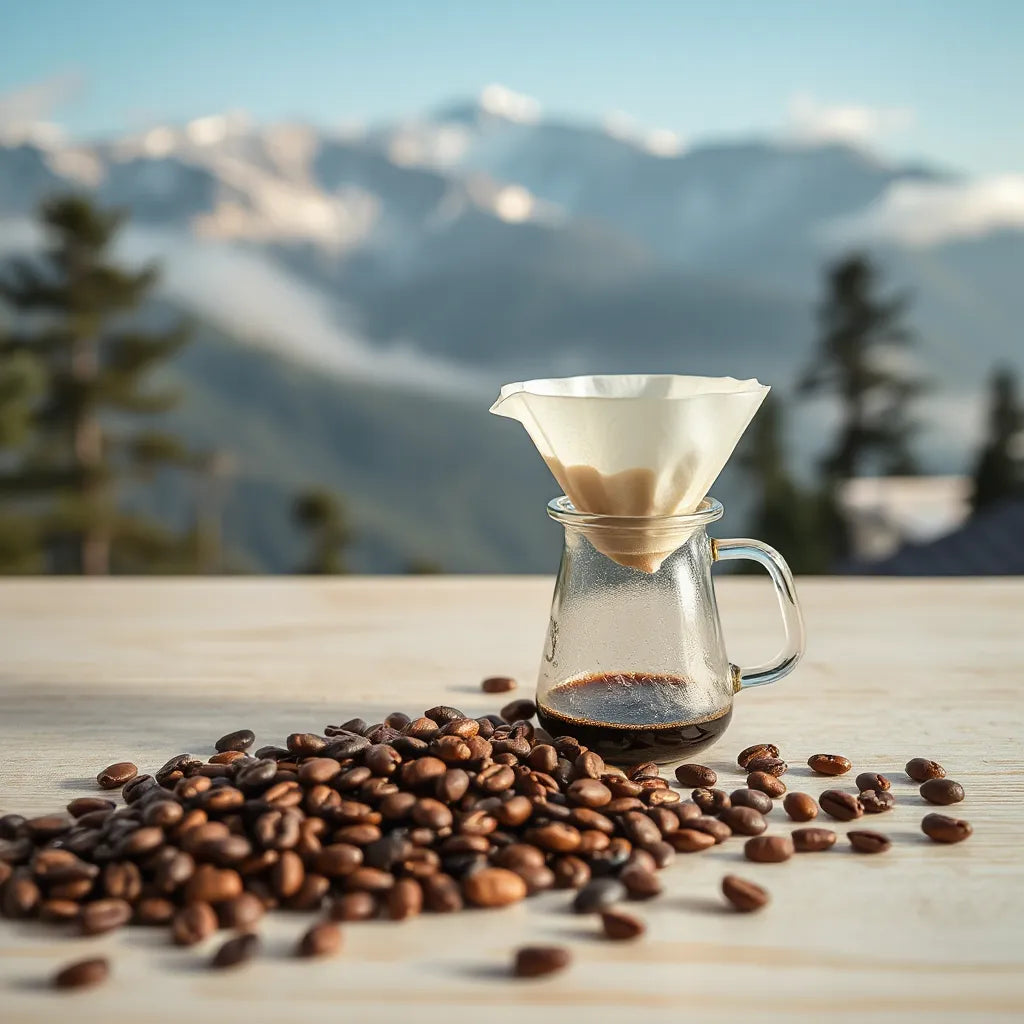
Mist, altitude layers, and tea leaf silhouette visual
Key Benefits of High-Altitude Tea
Choosing high-altitude tea is not only about taste. It also supports a practical approach to daily routines. Below are benefits commonly associated with well-crafted tea leaves from higher elevations.
- Clean energy for everyday focus: Tea provides caffeine and natural compounds that can support alertness without overwhelming spikes when brewed responsibly.
- Mental clarity and calmer pacing: The ritual and the beverage character can pair well with work sessions and study routines, encouraging steady attention.
- Antioxidant-rich ingredients: Tea contains polyphenols. Many people seek it as part of an antioxidant-forward lifestyle.
- Metabolic support as part of balanced habits: Tea is often included in routines focused on hydration and mindful food choices.
- Flavor refinement: Higher elevation cultivation can yield a cup that feels more aromatic and less one-dimensional.
While personal responses vary, these benefits align with how many consumers describe tea in daily life: steady, sensory, and easy to integrate into a broader wellness routine.
Arvea Coffee also emphasizes a similar philosophy in its approach to beverage quality. If you enjoy clean cups, you may be interested in gourmet high-altitude coffee options that pair well with tea rituals. Arvea Coffee is known for low-acid, antioxidant-rich selections, including organic low acid beans crafted for a smooth experience.
How High-Altitude Tea Compares to Other Teas
Not all tea tastes the same, even within the same category. High-altitude tea can differ from teas grown at lower elevations due to the plant’s slower development and exposure to cooler conditions. Those factors can influence aroma intensity and the way sweetness and bitterness balance on the palate.
Flavor profile differences
Many drinkers find high-altitude tea to be more nuanced. Instead of a single dominant note, the cup can show a sequence: first aroma, then mid-palate body, then a clean finish. This is especially noticeable with green and lightly processed styles, where delicate compounds remain more accessible.
Brewing tolerance
Tea from higher elevations can respond well to repeat infusions when you use moderate temperatures. With careful timing, you can often extract more than one pleasing cup from the same leaves. That creates value and supports a ritual that feels calm and repeatable.
Texture and aftertaste
A well-brewed cup can feel smooth rather than sharp. If you compare multiple teas side by side, high-altitude leaves may produce an aftertaste that stays light and structured. Oversteeping remains the main cause of harshness, regardless of origin.
Because high-altitude tea can be delicate, it is wise to brew it with attention. Use filtered water when possible. If your water has a strong mineral profile, it may shift flavor.
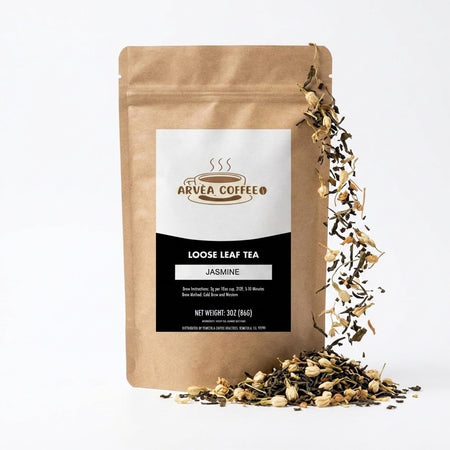
Jasmine Green Tea
Shop Jasmine Green Tea
Step-by-Step Brewing Guide
Brewing high-altitude tea well is straightforward. The goal is balance: extract aroma and sweetness first, then avoid over-release of bitter notes. Follow the steps below and adjust slightly based on your tea type and preference.
1) Choose the right water
Use clean, fresh water. If available, filtered water helps keep flavors stable. Avoid water that tastes strongly of chlorine or metal, since it can reduce clarity.
2) Select an appropriate water temperature
For green-style high-altitude tea, use a moderate temperature. Too hot water can bring out astringency. For oolong or lightly oxidized styles, a slightly higher temperature can work, while still keeping steep time controlled.
3) Measure tea leaves and water ratio
Use a consistent ratio so each cup tastes similar. If you brew too strong, you may experience bitterness. If you brew too light, the cup can taste flat. As a starting point, measure tea and water so you can repeat your results.
4) Steep for a controlled duration
Start with a shorter steep time than you think you need, especially with green tea. After the first steep, evaluate the cup. Then adjust in small increments. Controlled steeping usually improves clarity and reduces harshness.
5) Use repeat infusions to refine flavor
Many high-altitude teas reward multiple steeps. Keep the first infusion brief for aroma. Increase steep time gradually for later cups. This approach can provide a gentle progression of flavor across multiple servings.
6) Cool down safely and store leftovers properly
If you brew in advance, cool the tea quickly and store it in a sealed container. Avoid leaving brewed tea at room temperature for extended periods. For best taste, reheat gently rather than boiling again.
For drinkers who enjoy pairing tea with other specialty beverages, you may also like gourmet high-altitude coffee experiences from Arvea Coffee. Their focus on low-acid, antioxidant-rich cups complements tea rituals, especially when you maintain consistent brewing practices.

Brewing steps with thermometer, timer, and steep cup icons
Pairing Ideas for a Better Cup
High-altitude tea can stand alone, but thoughtful pairings can raise the overall experience. Aim for foods that support the tea’s aroma rather than masking it. When you select the right pairing, the cup can feel more balanced and complete.
Light breakfasts
Pair a floral high-altitude tea with simple breakfast items such as plain yogurt, soft fruit, or lightly sweetened pastries. The goal is to preserve the tea’s delicate structure while adding gentle sweetness.
Nut and seed flavors
Tea often complements roasted notes and earthy textures. Consider pairings that include almonds, pistachios, or sesame. Avoid very spicy seasonings if your tea is floral or green, because heat can dominate the flavor map.
Herb-forward snacks
Green tea character can pair well with herb-forward bites. Choose flavors with mild bitterness or freshness, such as cucumber-based snacks or light salads. The freshness supports the tea’s clean finish.
Sweetness with restraint
If you prefer desserts, choose those with moderate sweetness. Dark chocolate can be an option for some teas, but start with small portions and evaluate. High-altitude leaves may already contain natural sweetness, so heavy syrups can overshadow subtle notes.
Seasonal routines
High-altitude tea works across seasons. In warmer weather, you can prepare tea chilled by steeping first, then cooling and refrigerating. In cooler weather, warm brewing supports a calming routine. Keep steep time shorter for any iced preparation to prevent excessive bitterness.
If you want a complete beverage experience, you can also create a tea-and-coffee routine using Arvea Coffee. Their low-acid, antioxidant-rich high-altitude Himalayan beans support a smooth profile. This can help you structure mornings for clean energy and afternoons for calm focus, depending on your preference.
FAQ
How do I choose a high-altitude tea for my taste preferences?
Select based on flavor intent. If you want an aromatic, clean cup with a lighter profile, choose a green-style high-altitude tea. If you prefer deeper complexity, consider a lightly oxidized style. Start with controlled steeping and adjust temperature or steep time for your preference.
What is the most common mistake when brewing high-altitude tea?
Oversteeping is the main cause of harshness and astringency. Use shorter steep times at first. When you want more intensity, increase steep duration gradually rather than using very hot water or extended steeping from the start.
Can high-altitude tea support a daily routine focused on clean energy?
Many people use tea as part of a balanced routine because it provides caffeine along with natural compounds. Individual response varies, so it is advisable to find your preferred strength and timing through consistent, moderate brewing.
How should I store brewed tea to keep the flavor stable?
Cool brewed tea promptly and store it in a sealed container in the refrigerator. Avoid long storage at room temperature. For best taste, consume within a reasonable timeframe and reheat gently if you prefer it warm.
Shop high-quality teas and low-acid coffee for your routine
If you value clean taste, antioxidant-rich ingredients, and beverages that support steady focus, explore Arvea Coffee. Their low-acid, antioxidant-rich high-altitude Himalayan beans and thoughtfully crafted selections can complement your high-altitude tea rituals.
Disclaimer: This article is for informational purposes only and does not provide medical advice. Any wellness benefits mentioned reflect common consumer experiences and general nutrition discussion. Individual needs and responses vary. If you have health concerns, consult a qualified professional.

At Arvea Coffee, we believe great coffee is more than just a drink — it’s a moment to slow down, recharge, and enjoy something truly special.
The content in this blog post is intended for general information purposes only. It should not be considered as professional, medical, or legal advice. For specific guidance related to your situation, please consult a qualified professional. The store does not assume responsibility for any decisions made based on this information.



























Leave a comment