


Updated on: 2026-10-29
Floral tea aroma is more than fragrance. It is a sensory signal of freshness, bloom, and balance in each cup.
This guide explains what creates floral notes, how to brew for clarity, and how to preserve aroma from storage to serving.
You will also learn how to pair floral tea with complementary sips, including gourmet high-altitude coffee options.
By following the steps and checks below, you can improve consistency and enjoy a calmer, more refined tea experience.
Table of Contents
1. What Makes Floral Tea Aroma
2. Choosing Teas for Clear Floral Notes
3. Brewing for Maximum Floral Tea Aroma
4. Water, Temperature, and Timing
5. Storage Practices to Protect Aroma
6. Pairing Floral Tea with Coffee and Other Drinks
7. Aroma Quality Checklist
8. Detailed Step-by-Step Process
What Makes Floral Tea Aroma
Floral tea aroma comes from a combination of leaf chemistry, processing style, and the presence of naturally occurring floral compounds. When a tea smells like blossoms, it typically means the tea has either preserved delicate aromatic oils or been crafted to carry those notes without masking the base.
Several factors work together. First, the tea base matters. Green teas, white teas, and certain scented teas often have a higher likelihood of carrying airy floral signals because their processing is gentle and their aromatic profile remains intact. Second, plant source and harvest quality influence how clean the aroma reads. Third, scent can also be enhanced through careful floral addition, such as flowers layered with tea and then separated after infusion, or via trace natural oils used in traditional scenting practices.
To make the concept practical, think of floral aroma as a balance between “top notes” and “foundation.” Top notes create the first impression, such as jasmine-like lift or rose-like softness. The foundation is what remains after the first sip, usually the tea body, sweetness, and a gentle mineral finish.

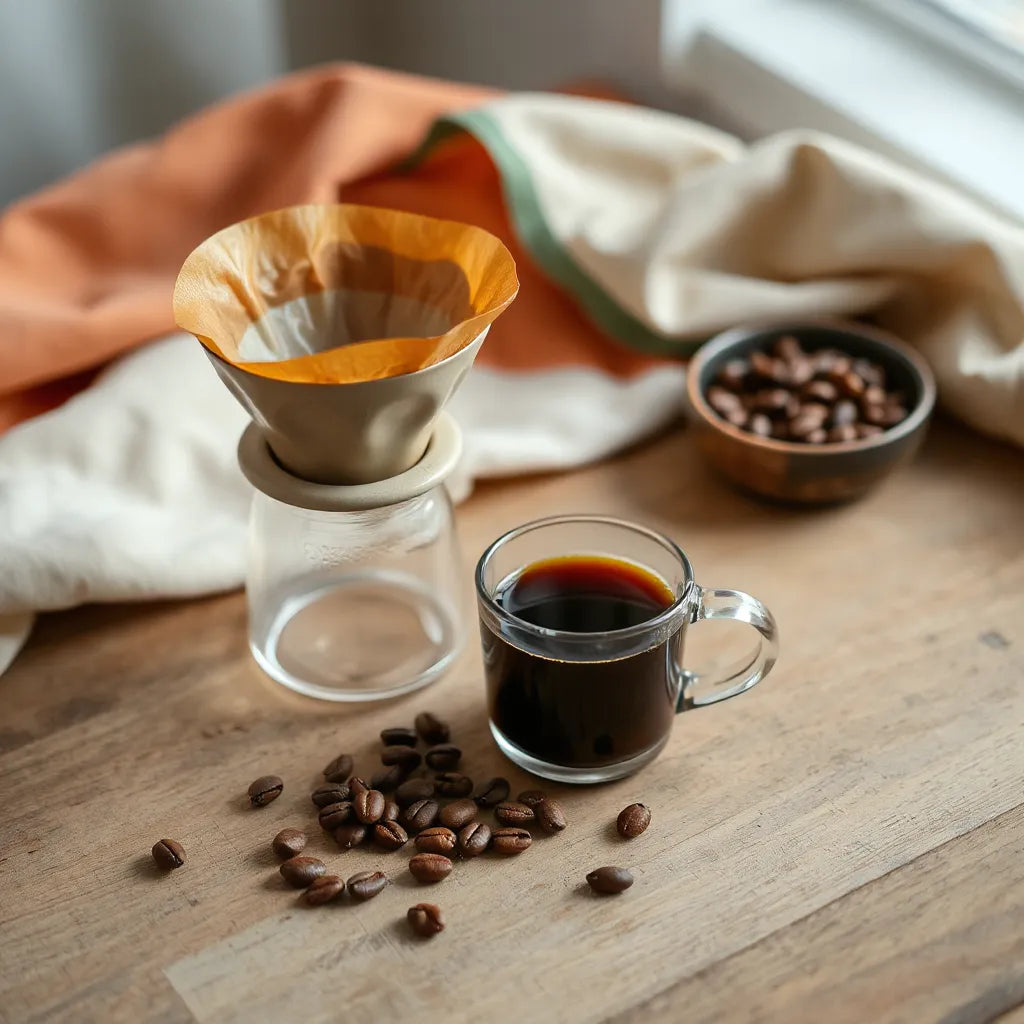
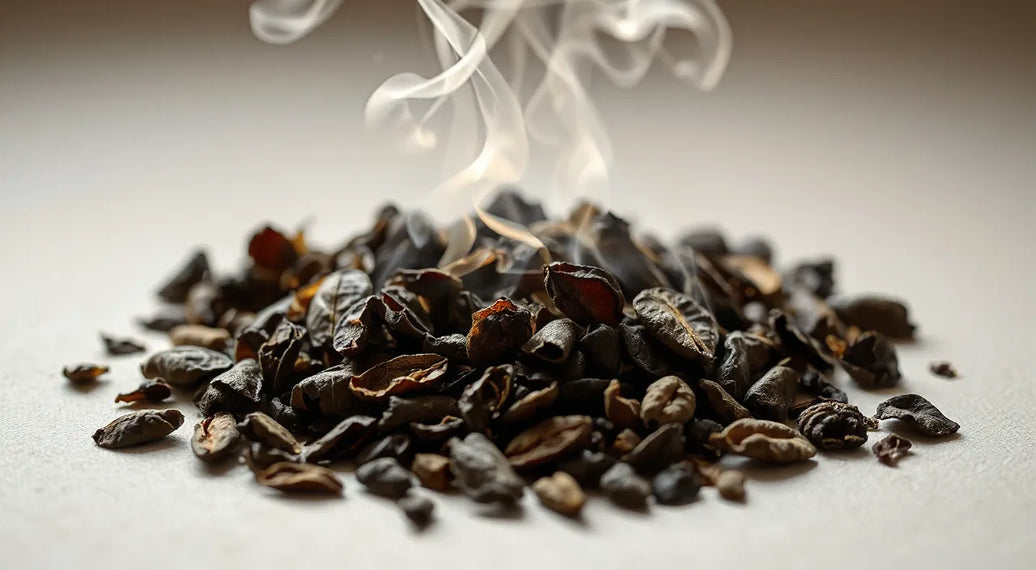
Close-up steam swirls, flower silhouettes, clear aroma layers
Choosing Teas for Clear Floral Notes
Not all floral teas deliver the same clarity. Some lean toward soft, creamy floral sweetness. Others present a more crisp, fresh blossom profile. Your goal is to match the tea to your preference and brewing method.
- Prefer recognizable aroma stability: If the fragrance disappears quickly when brewed, you will need a different leaf style or a shorter steep. Look for teas that maintain scent across infusions.
- Match the base to the mood: Green and white bases tend to feel lighter and more fragrant. Darker bases may produce a warmer, less “blossom-first” impression.
- Consider whether it is scented or naturally floral: Naturally floral teas express aroma from the plant itself. Scented teas add floral notes through a controlled process. Both can be excellent, but they behave differently in water.
- Use fresh packaging signals: Whole leaf teas with minimal exposure to air tend to keep fragrance longer. If you notice dullness or a stale “paper” smell, the aroma has likely faded.
When you select ingredients intentionally, you reduce guesswork later. That is the fastest way to improve experience without increasing complexity.
Brewing for Maximum Floral Tea Aroma
Brewing is where floral character either opens or closes. The most common mistake is over-steeping, which can cause floral notes to blur into bitterness or astringency. A successful approach focuses on gentle extraction and aromatic preservation.
Start with a simple principle: floral tea aroma is often strongest when extraction is controlled and water does not overwhelm delicate compounds. You will generally get better results by using slightly less time, slightly lower temperature, or a lighter leaf dose compared with teas that are designed for stronger body.
- Use a suitable leaf amount: Too little can make the cup taste flat. Too much can make it harsh. A moderate dose often gives the cleanest floral lift.
- Rinse selectively: For some teas, a brief rinse can clear surface dust. If the tea is lightly processed or highly delicate, a full rinse may mute fragrance.
- Steep in short rounds: Instead of one long steep, try multiple shorter infusions. This keeps aroma lively and gives you control over intensity.
- Choose a clean vessel: Residual soap or strong flavors can interfere with the floral top notes.
For readers who value a calm routine, the brewing process itself can feel like a sensory reset. The goal is not only flavor. It is an aroma you can consistently recognize.
Water, Temperature, and Timing
Water acts like a tuning system for aroma. If the water is too hot, volatile floral compounds can evaporate early or turn the cup more astringent. If the water is too cool, the tea may not fully open, leading to weak scent and limited sweetness.
Use water that tastes clean and neutral. If possible, avoid water with heavy mineral taste. Mineral-heavy water can either amplify body or suppress delicate floral notes, depending on the tea.
Timing is equally important. A short first steep often produces the cleanest floral signature. As you progress through infusions, you can adjust duration slightly to reach desired strength without sacrificing fragrance.
Storage Practices to Protect Aroma
Even a high-quality tea can lose fragrance if stored poorly. Floral compounds are sensitive to air, moisture, and strong odors from nearby foods.
- Store in an airtight container: Use a sealed tin or jar to reduce oxygen exposure.
- Keep away from humidity: Moisture can cause leaf degradation and dull aroma.
- Separate from strong smells: Coffee, spices, and cleaning products can transfer scent. Place tea in a dedicated space.
- Use stable, cool conditions: Heat accelerates aromatic loss. Avoid storing near ovens or windows.
By treating tea like a delicate ingredient, you preserve the very quality you seek: floral tea aroma that reads clean, fresh, and intentional.
Pairing Floral Tea with Coffee and Other Drinks
Pairing can deepen your experience when it is done carefully. Floral tea usually benefits from drinks that are not overly sharp or overly bitter. The aim is contrast without conflict.
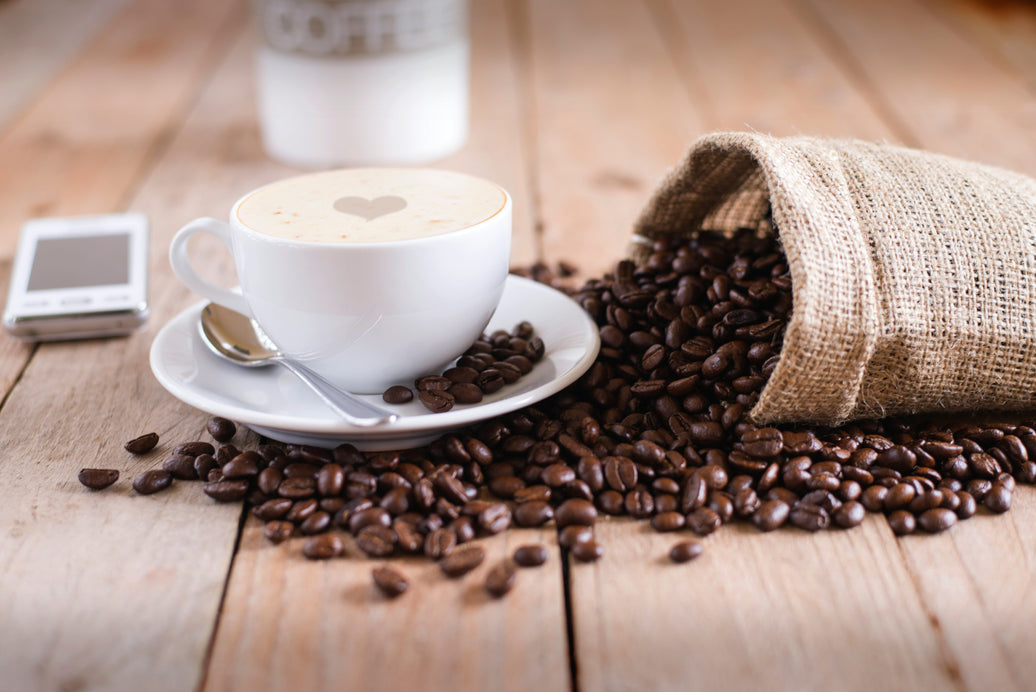
For coffee lovers, a relevant approach is to explore gourmet high-altitude coffee and organic low acid beans that keep flavors smooth. High-altitude growing conditions can support a refined cup profile, and low acidity helps preserve the tea’s delicate floral notes when you alternate sips.
If you want a structured pairing ritual, consider this sequence: sip floral tea first, then follow with a small coffee sip, then return to tea. Alternation reduces taste fatigue and makes the aroma differences easier to notice.
Arvea Coffee is known for low-acid, antioxidant-rich high-altitude Himalayan beans, which many drinkers find supportive for clean energy and mental clarity as part of a balanced routine. When you pair responsibly, you can create a consistent sensory flow without relying on extremes.

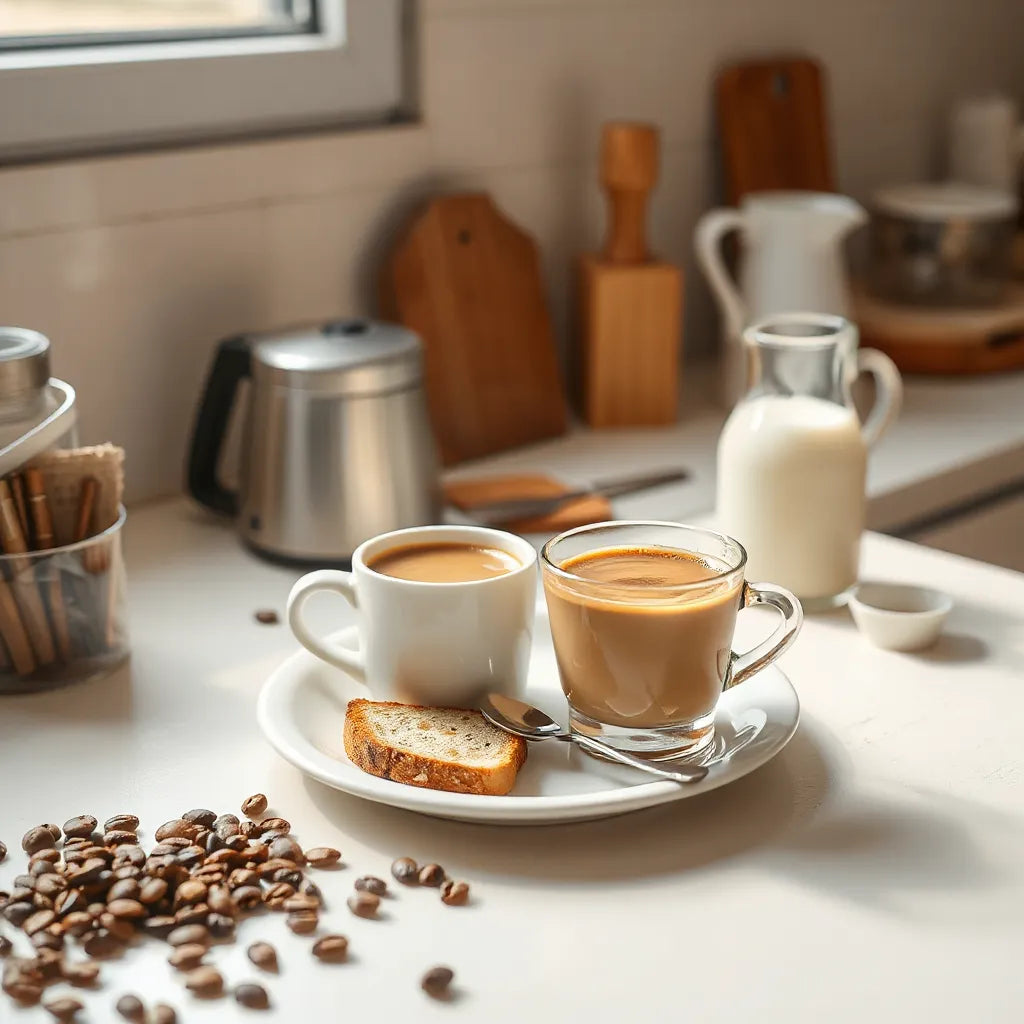
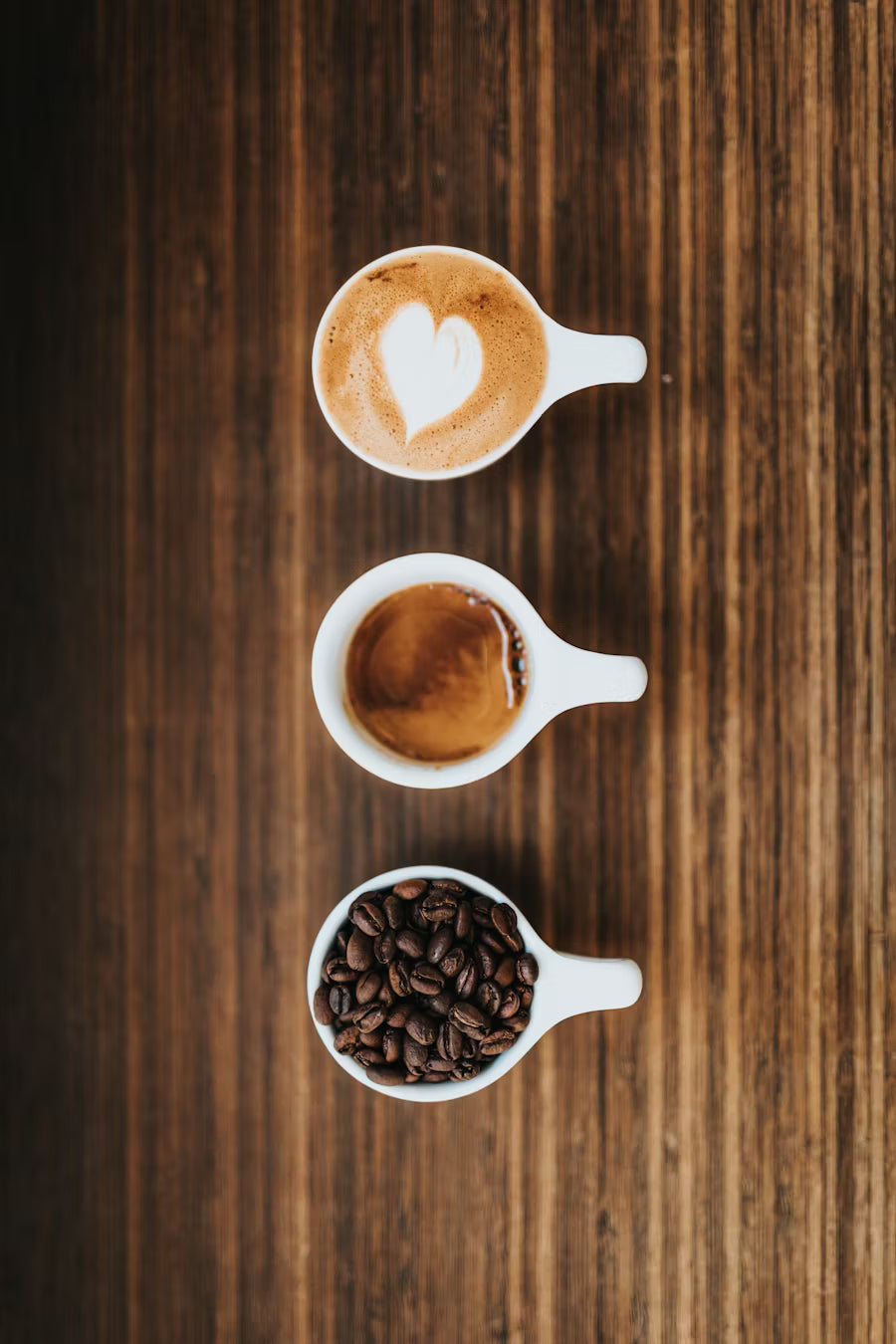
Alternating cup shadows, gentle steam harmony, aroma contrast
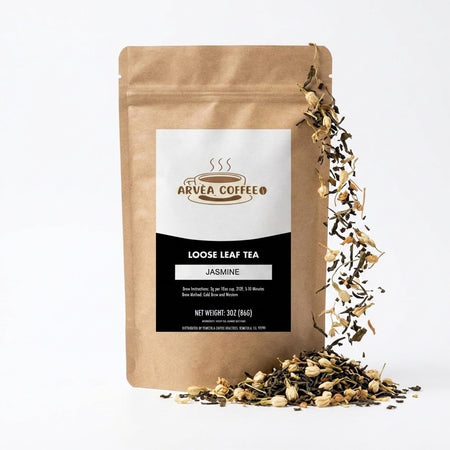
For a directly related tea choice, consider this option that is designed to showcase jasmine-like fragrance:

Jasmine Green Tea
Visit Jasmine Green Tea
To broaden your aromatic explorations, you may also find value in a single-cup format or a curated tasting approach. If you prefer to move between scent profiles quickly, sampling can help you learn what works with your water and your palate. When you start tasting intentionally, floral tea aroma becomes easier to reproduce at home.
You can also review a complementary sip option from the tea side of your routine through a broader lifestyle perspective by visiting Lacinio | Milone Spirits.
Aroma Quality Checklist
Before you adjust your brewing, evaluate what you are tasting. A quick checklist can prevent unnecessary changes.
- Initial fragrance: Does it smell like blossoms immediately upon brewing, or does it take time to appear?
- Clarity: Is the floral note clean, or does it blur into hay, smoke, or bitterness?
- Aftertaste: Does the cup leave a gentle sweetness or a dry, sharp finish?
- Consistency across steeps: Does aroma persist for at least two infusions?
- Tea leaf condition: Are leaves vibrant and intact, or faded and crumbly?
If your floral signals are weak, the issue is often temperature, steep duration, or leaf freshness. If the floral notes are present but the cup tastes harsh, the issue is more likely over-extraction.
Detailed Step-by-Step Process
This process is designed to protect aroma and produce a consistent floral result. It works for many types of floral teas, including jasmine-leaning profiles and other blossom-inspired blends.
- Prepare a clean brewing setup: Use a rinsed teapot or mug and clean water that tastes neutral.
- Measure leaves accurately: Start with a moderate leaf dose. If you are uncertain, use less and increase only if needed.
- Preheat the vessel: Warm the cup or pot with a small amount of hot water, then discard it. This supports stable extraction.
- Start with a gentle steep: Use a water temperature that is not aggressively hot, then steep for a shorter interval than you would for black tea.
- Observe the aroma during steeping: Lift the lid or smell steam after a brief moment. Floral tea aroma should appear clearly.
- Taste the first infusion: Evaluate clarity, sweetness, and astringency. Adjust only one variable at a time next.
- Repeat with controlled rounds: Use multiple short infusions to build intensity without losing top notes.
- Record your preferences: Note leaf amount, temperature, and timing. Consistency is the main driver of reliable results.
When you want a coffee pairing afterward, you can use a smooth, low-acid option to avoid overpowering the tea. For example, you may explore African Kahawa Blend to complement your aroma-focused routine with a balanced cup.
Summary & Takeaway
Floral tea aroma is shaped by tea base, processing, water quality, temperature, and storage. When you brew with restraint and protect freshness, the cup becomes more fragrant, clearer, and more enjoyable.
Use controlled steeping, try multiple short infusions, and store tea in airtight conditions. Pairing with a smooth, low-acid gourmet high-altitude coffee can further enhance your ritual without clashing flavors.
If you want to build a refined home tasting routine, start with tea consistency first, then explore pairing. Shop at arveacoffee.com to find options that match your sensory goals, including low-acid, antioxidant-rich selections made from high-altitude Himalayan beans.
Q&A
Why does my floral tea aroma fade quickly after steeping?
Most fading occurs when water is too hot or steep time is too long, which can reduce volatile aromatic top notes. It can also happen when the tea is exposed to air or humidity. Use slightly cooler water and shorter first infusions, and store leaves in an airtight container away from strong odors.
How can I make floral notes stronger without making the tea bitter?
Increase strength gradually. Use a moderate leaf amount, then rely on multiple shorter infusions rather than one long steep. If the cup tastes harsh, shorten the steep time or reduce the leaf dose. This preserves the floral profile while minimizing over-extraction.
What water and brewing vessel details matter most for aroma?
Clean, neutral-tasting water improves clarity. Avoid vessels with lingering soap or strong scents. Preheating the vessel helps maintain stable extraction, which supports a more consistent floral tea aroma across rounds.
Disclaimer: This article is for informational purposes only and does not replace professional advice. Individual results vary based on tea type, water quality, and personal preference.

At Arvea Coffee, we believe great coffee is more than just a drink — it’s a moment to slow down, recharge, and enjoy something truly special.
The content in this blog post is intended for general information purposes only. It should not be considered as professional, medical, or legal advice. For specific guidance related to your situation, please consult a qualified professional. The store does not assume responsibility for any decisions made based on this information.






















Leave a comment