

Best Coffee Grind Size for Every Brewing Method
Have you ever brewed coffee that tasted too bitter, too sour, too weak, or just not quite right?
Your coffee grind size could be the reason.
Grinding coffee isn't just about making beans smaller. The size of the coffee particles affects how water moves through the grounds and how much flavor is extracted during brewing.
The right grind depends heavily on your brewing method.
In this guide, we'll explain the most common coffee grind sizes and show you which grind works best for different brewing methods.
Coffee Grind Size Explained
Coffee grind size generally falls into three broad categories:
-
Coarse
-
Medium
-
Fine
There are also variations within these categories.
For example:
Extra coarse → Coarse → Medium-coarse → Medium → Medium-fine → Fine → Extra fine
The goal is to match the grind size to your brewing method.
Coffee Grind Size Chart
Here's a simple starting guide:
| Brewing Method | Recommended Starting Grind |
|---|---|
| Cold Brew | Extra Coarse to Coarse |
| French Press | Coarse |
| Percolator | Medium-Coarse |
| Drip Coffee | Medium |
| Chemex | Medium-Coarse |
| Pour Over | Medium to Medium-Fine |
| AeroPress | Medium to Fine |
| Moka Pot | Fine |
| Espresso | Fine |
| Turkish Coffee | Extra Fine |
These are starting points rather than strict rules.
Your specific grinder, coffee, water, equipment, and personal taste can require adjustments.
What Does Coarse Grind Mean?
Coarse coffee grounds have relatively large particles.
They often resemble rough grains of sea salt.
Coarse grounds allow water to move through the coffee more slowly during certain brewing methods.
They're commonly used for:
-
French press
-
Cold brew
-
Some percolators
If you use a coarse grind for a brewing method that requires faster extraction, your coffee may taste weak or under-extracted.
What Does Medium Grind Mean?
Medium coffee grounds have a texture somewhere between coarse and fine.
They are commonly used for:
-
Automatic drip coffee
-
Some pour-over methods
-
Certain brewing systems
Medium is often a useful starting point for everyday drip coffee.
What Does Fine Grind Mean?
Fine coffee grounds are much smaller than medium grounds.
They resemble fine sand.
Fine grounds are commonly used for:
-
Espresso
-
Moka pot
-
Some AeroPress recipes
Because there is more surface area exposed to water, fine grounds can extract more quickly.
That is why grind size needs to match the brewing method.
Best Grind Size for French Press
Recommended starting point: Coarse
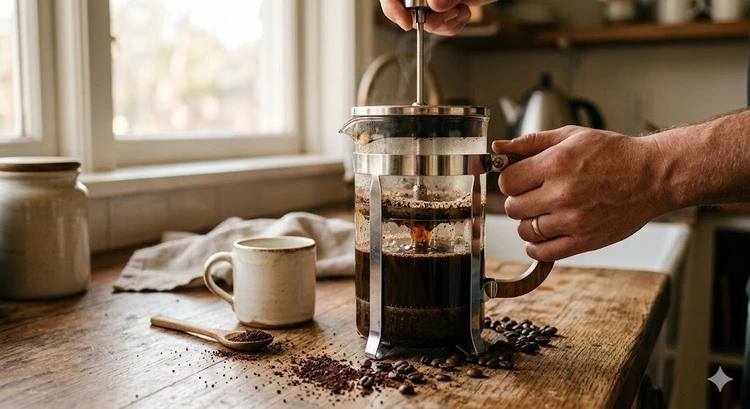
French press coffee generally works well with a coarse grind.
A coarse grind can make it easier to separate the coffee grounds from the finished brew when using the press.
If your French press coffee tastes weak, you can experiment with:
-
A slightly finer grind
-
More coffee
-
A longer brewing time
If it tastes overly bitter, try:
-
A slightly coarser grind
-
A shorter brewing time
-
Adjusting your coffee-to-water ratio
Best Grind Size for Cold Brew
Recommended starting point: Coarse to extra coarse
Cold brew generally benefits from a relatively coarse grind.
Cold brewing takes much longer than many hot brewing methods, so the grind should be chosen with the brewing process in mind.
A coarse grind can also make filtering easier.
If your cold brew tastes too weak, experiment with the coffee-to-water ratio or brewing time before making dramatic changes to the grind.
Best Grind Size for Drip Coffee
Recommended starting point: Medium
Automatic drip coffee makers commonly work well with a medium grind.
If the coffee tastes:
Too bitter: Try slightly coarser.
Too weak or sour: Try slightly finer.
You can also adjust the amount of coffee you use.
Best Grind Size for Pour Over
Recommended starting point: Medium to medium-fine
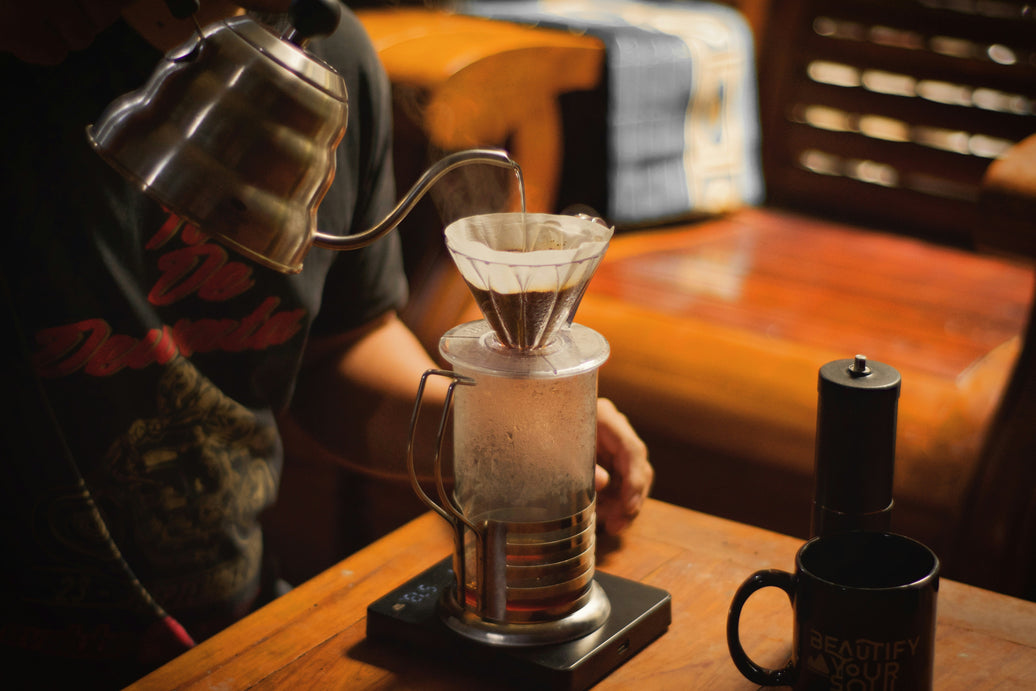
Pour-over coffee gives you significant control over brewing.
The ideal grind depends on your specific brewer and recipe.
If water passes through the coffee too quickly, you may need a finer grind.
If water drains too slowly, try a coarser grind.
Your goal is to find a grind that produces a balanced extraction.
Best Grind Size for Espresso
Recommended starting point: Fine
Espresso requires a fine grind.
Espresso machines force water through a compact bed of coffee under pressure, so grind size plays a particularly important role.
If espresso runs too quickly, the grind may need to be finer.
If it runs too slowly, you may need a slightly coarser grind.
Espresso often requires small adjustments.
Best Grind Size for Moka Pot
Recommended starting point: Fine
Moka pots generally work well with a fine grind, although it shouldn't necessarily be as fine as a typical espresso grind.
If your coffee tastes harsh or bitter, experiment with your grind and brewing process.
Best Grind Size for AeroPress
Recommended starting point: Medium to fine
One of the interesting things about the AeroPress is that you can experiment with different grind sizes.
A medium-fine grind is a useful starting point for many recipes.
However, AeroPress recipes vary considerably.
Changing grind size, water temperature, coffee dose, and brewing time can all change the final cup.
Best Grind Size for Chemex
Recommended starting point: Medium-coarse
Chemex brewing commonly works well with a medium-coarse grind.
Because Chemex filters are relatively thick, grind size can affect how quickly water flows through the coffee.
If your coffee drains too quickly, try a slightly finer grind.
If it drains too slowly, try going slightly coarser.
Why Does Grind Size Matter?
Coffee brewing is essentially an extraction process.
Water moves through the coffee grounds and extracts compounds that contribute to the coffee's flavor and aroma.
The size of the grounds affects how quickly this happens.
Finer grounds
More surface area is exposed to water.
Extraction can happen more quickly.
Coarser grounds
Less surface area is exposed.
Extraction generally happens more slowly.
That's why choosing the right grind for your brewing method matters.
What Happens If Your Coffee Is Ground Too Fine?
If your coffee is too fine for your brewing method, you may experience:
-
Bitter flavors
-
Harshness
-
Slow water flow
-
Over-extraction
This doesn't mean fine coffee is bad.
Fine coffee is exactly what you want for methods such as espresso.
The issue is using the wrong grind for the brewing method.
What Happens If Your Coffee Is Ground Too Coarse?
If your coffee is too coarse, you may notice:
-
Weak flavor
-
Sour or sharp flavors
-
Thin body
-
Fast water flow
Again, coarse isn't bad.
It's useful for brewing methods such as French press and cold brew.
The key is matching the grind to the brewing process.
How to Fix Coffee That Tastes Bitter
If your coffee tastes overly bitter, consider trying:
-
A slightly coarser grind
-
A shorter brewing time
-
A different coffee-to-water ratio
-
Slightly lower water temperature
-
Different beans or roast level
Change one thing at a time.
That makes it easier to determine what caused the improvement.
How to Fix Coffee That Tastes Sour
If your coffee tastes excessively sour or sharp, you may want to experiment with:
-
A slightly finer grind
-
A longer brewing time
-
A different coffee-to-water ratio
-
Slightly higher water temperature
The goal is balance—not simply making the coffee stronger.
How to Choose a Coffee Grinder
A good grinder can make experimenting with coffee much easier.
When choosing a grinder, look for:
-
Adjustable grind settings
-
Consistent particle size
-
Easy cleaning
-
A setting appropriate for your brewing method
A burr grinder is a popular option for people who want more control over grind size.
You don't need an expensive professional grinder to start.
The most important thing is having enough control to produce the grind your brewing method requires.
Should You Grind Coffee Before or After Brewing?
Coffee should generally be ground before brewing.
However, grinding as close to brewing as practical can help preserve the coffee's aromatic qualities.
For whole bean coffee, one simple routine is:
Measure → Grind → Brew → Enjoy
This also makes it easier to adjust your grind from one brew to the next.
Does Roast Level Affect Grind Size?
Roast level and grind size are separate variables, but they can interact during brewing.
Light, medium, and dark roasts can behave differently during extraction.
Instead of assuming that one grind size works for every coffee, use the recommended grind as a starting point and adjust based on taste.
The Golden Rule of Coffee Grinding
Here's the simplest rule to remember:
Coarse for slower extraction methods.
Medium for many drip methods.
Fine for faster extraction methods such as espresso.
But don't treat this as an unbreakable rule.
Your equipment and recipe matter too.
Quick Coffee Grind Cheat Sheet
☕ French Press
Coarse
🧊 Cold Brew
Coarse / Extra Coarse
☕ Drip Coffee
Medium
💧 Pour Over
Medium / Medium-Fine
☕ Chemex
Medium-Coarse
⚡ AeroPress
Medium / Fine
🔥 Moka Pot
Fine
☕ Espresso
Fine
🇹🇷 Turkish Coffee
Extra Fine
Match Your Arvea Coffee Grind to Your Brewing Method
When choosing your coffee, think about how you plan to brew it.
If you're making:
French Press: choose coarse.
Cold Brew: choose coarse.
Drip: start around medium.
Pour Over: start around medium to medium-fine.
Espresso: choose fine.
Choosing the appropriate grind can help you get more out of your coffee.
Explore the coffee options at Arvea Coffee and choose a grind that fits your preferred brewing method.
Frequently Asked Questions
What is the best coffee grind size?
There isn't one best grind size for every coffee. The best grind depends on your brewing method.
What grind size is best for French press?
A coarse grind is a good starting point for French press.
What grind size is best for espresso?
Fine is the standard starting point for espresso.
What grind size is best for cold brew?
Coarse to extra coarse is a common starting point for cold brew.
What grind size is best for drip coffee?
Medium is a common starting point for automatic drip coffee.
Why does my coffee taste bitter?
Your coffee may be over-extracted, although bitterness can have several causes. Try adjusting the grind, brewing time, temperature, or coffee-to-water ratio.
Why does my coffee taste sour?
Excessive sourness can sometimes indicate under-extraction. Experiment with a slightly finer grind or longer brewing time.
Is a burr grinder better for coffee?
A burr grinder can provide more consistent particle sizes and more control over grind size, which can be helpful when brewing different types of coffee.
Final Thoughts
Finding the right coffee grind size can completely change your brewing experience.
You don't need to memorize every setting.
Just remember:
French Press → Coarse
Cold Brew → Coarse
Drip → Medium
Pour Over → Medium-Fine
Espresso → Fine
Then experiment.
Your grinder is one of the most powerful tools you have for improving your coffee at home.
Find the grind that works for your coffee, your brewing method, and your taste.





















Leave a comment