


Coffee From the Himalayas: A Different Coffee Story
When you think about the Himalayas, coffee might not be the first thing that comes to mind.
The region is famous for its mountains, landscapes, cultures, and agricultural traditions. Yet coffee is also part of the broader story of coffee production in Himalayan and neighboring Asian regions.
For coffee lovers, coffee from the Himalayas offers another opportunity to explore how geography and production can influence what's in your cup.
But what actually makes Himalayan coffee interesting?
The answer isn't one single characteristic.
It's the combination of where the coffee grows, how it is cultivated and processed, how it is roasted, and how you brew it at home.
Where Is Himalayan Coffee Grown?
The Himalayas extend across a large geographic area, covering parts of several countries.
This means that "Himalayan coffee" shouldn't be thought of as one identical type of coffee.
Different growing areas can have different:
- Elevations
- Temperatures
- Rainfall patterns
- Soil conditions
- Coffee varieties
- Farming practices
- Processing methods
These differences can influence the characteristics of the finished coffee.
That's one reason coffee origin matters.
Why Does Geography Matter to Coffee?
Coffee is an agricultural product.
Just like grapes used for wine, coffee cherries can develop differently depending on their growing environment.
The combination of climate, elevation, sunlight, rainfall, soil, and agricultural practices can influence how coffee cherries develop.
After harvesting, processing and roasting add additional layers of character.
Think of coffee as a journey:
Growing → Harvesting → Processing → Drying → Roasting → Grinding → Brewing
Every stage can influence the final cup.
How Does Mountain Elevation Affect Coffee?
Elevation is one of the most discussed characteristics in coffee production.
In many coffee-growing environments, higher elevations are associated with cooler temperatures and slower coffee cherry development.
Slower development can influence the chemical compounds that contribute to coffee's aroma and flavor.
Coffee enthusiasts may notice characteristics such as:
- Bright acidity
- Greater perceived sweetness
- Floral aromas
- Fruit-like notes
- Complex flavor
- A lighter or more delicate body
But elevation isn't a guarantee of flavor quality.
A coffee's final profile depends on many factors beyond altitude.
What Does Coffee From the Himalayas Taste Like?
This is where things get interesting.
There is no single flavor profile for all coffee from the Himalayas.
Different coffees can taste very different depending on their growing area, variety, processing method, roast level, and preparation.
You might encounter descriptions such as:
Chocolate
Some coffees can have cocoa or chocolate-like characteristics.
Caramel
Roasting and the coffee's natural characteristics can contribute to caramel-like sweetness.
Fruit
Certain coffees can have noticeable fruit-like aromas or flavors.
Floral
Some coffees may have delicate floral characteristics.
Nutty
Nut-like notes can appear in certain coffees and roast profiles.
Spicy
Some coffees can have warm spice-like characteristics.
The important thing is to treat these descriptions as flavor notes, not ingredients added to the coffee.
What Influences the Flavor of Himalayan Coffee?
There are several major factors.
1. Coffee Variety
Different coffee varieties can naturally produce different characteristics.
2. Growing Environment
Temperature, rainfall, elevation, sunlight, and soil can influence coffee development.
3. Harvesting
Coffee cherries need to be harvested at appropriate stages of ripeness.
4. Processing
After harvesting, coffee cherries can be processed using different methods.
Common processing styles include:
- Washed
- Natural
- Honey
Processing can influence the aroma, sweetness, acidity, and body of the finished coffee.
5. Roasting
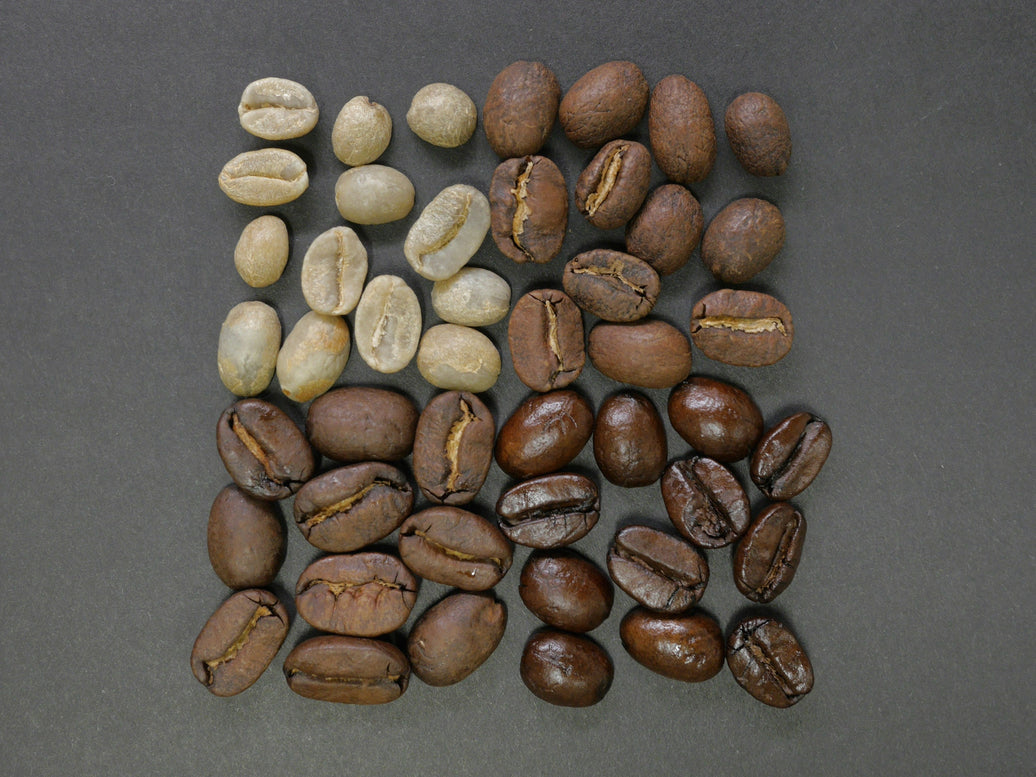
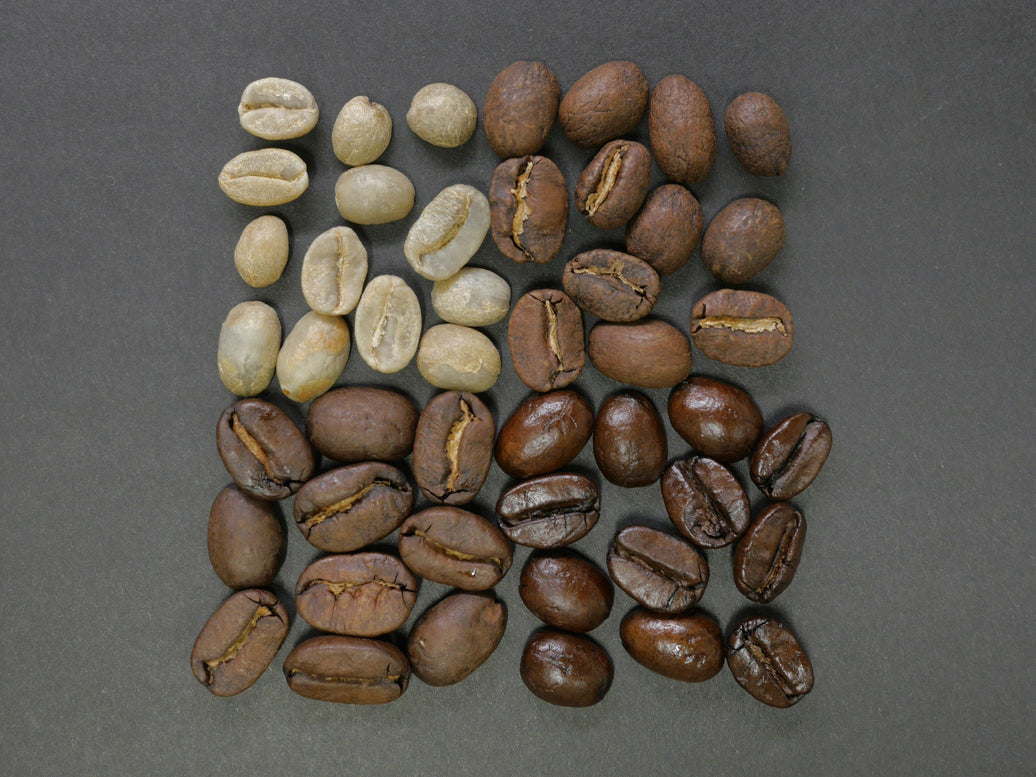
The roasting process transforms green coffee beans into the roasted coffee we recognize.
Roast level can dramatically change the final flavor.
6. Brewing
Even excellent coffee can taste very different depending on grind size, water temperature, brewing time, and coffee-to-water ratio.
Himalayan Coffee vs. Other Asian Coffee
Himalayan coffee is part of a much larger Asian coffee landscape.
Asia produces coffee across many countries and environments.
Different regions are known for different coffee traditions and flavor tendencies.
For example, some Asian coffees may be associated with:
- Full-bodied cups
- Earthy characteristics
- Herbal notes
- Spice
- Chocolate
- Fruit
- Sweetness
But geography alone doesn't determine flavor.
A specific coffee's processing and roasting can completely change how it tastes.
That's why coffee enthusiasts look at the specific coffee, rather than judging an entire continent or region by one flavor profile.
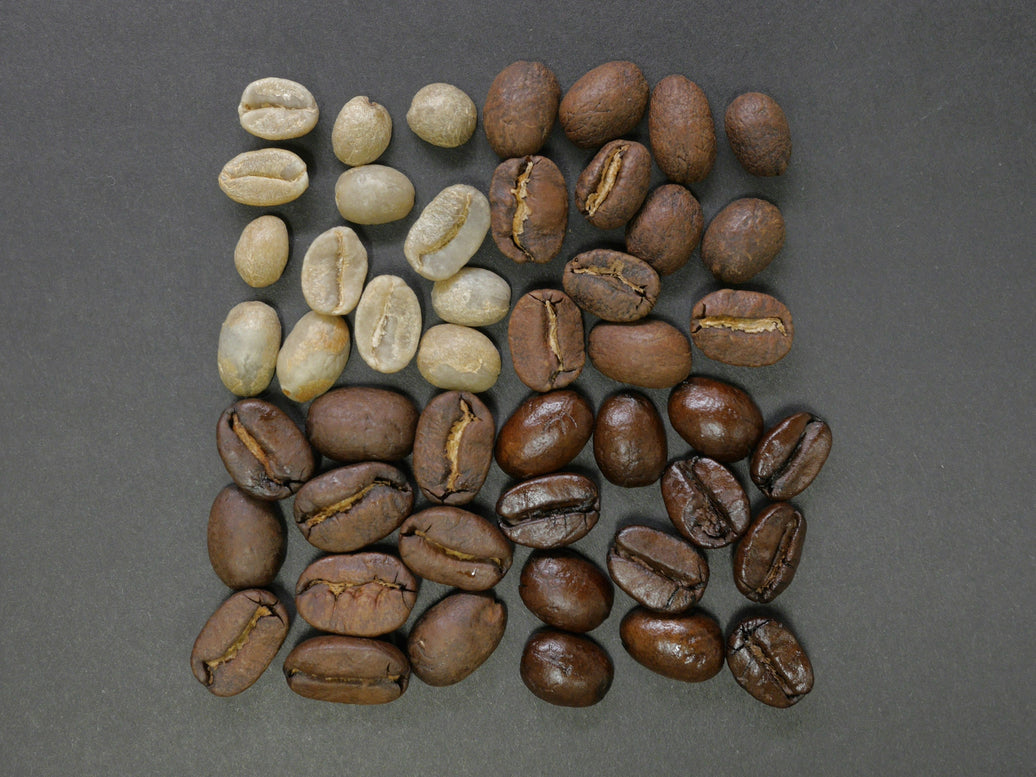
Light Roast vs. Dark Roast Himalayan Coffee
The roast level can change the way you experience coffee.
Light Roast
Light roasting generally preserves more of the characteristics associated with the original coffee.
You may notice:
- Brighter acidity
- More noticeable origin characteristics
- Fruit or floral notes
- Lighter body
Medium Roast
Medium roasting can provide a balance between origin characteristics and developed roasted flavors.
You may notice:
- Balanced acidity
- Sweetness
- Caramel-like notes
- Moderate body
Dark Roast
Dark roasting develops stronger roasted characteristics.
You may notice:
- Bold flavor
- Bitterness
- Smoky characteristics
- Dark chocolate-like notes
- Fuller body
There isn't a universally best roast.
Your personal preference matters most.
Whole Bean vs. Ground Coffee
If you're exploring a new coffee origin, consider trying it as whole bean if you have a grinder.
Whole beans allow you to grind your coffee immediately before brewing.
This gives you more control over:
- Freshness
- Grind size
- Brewing method
- Extraction
Ground coffee is still an excellent choice for convenience.
If you use a drip coffee machine every morning, buying coffee ground specifically for that method can save time.
What Grind Should You Use?
Your brewing method determines the grind.
| Brewing Method | Recommended Starting Point |
|---|---|
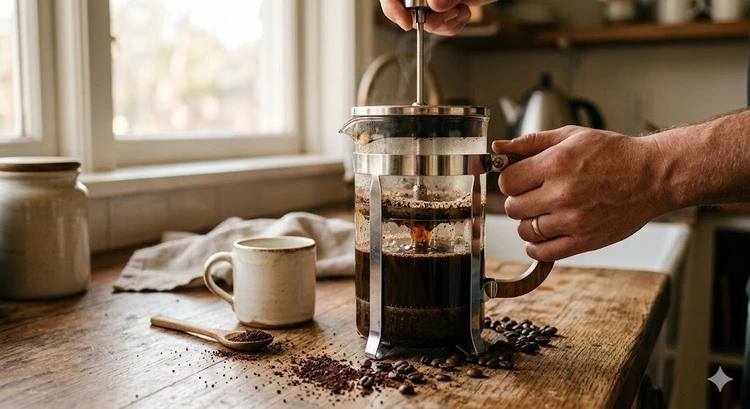
| French Press | Coarse |
| Cold Brew | Coarse |
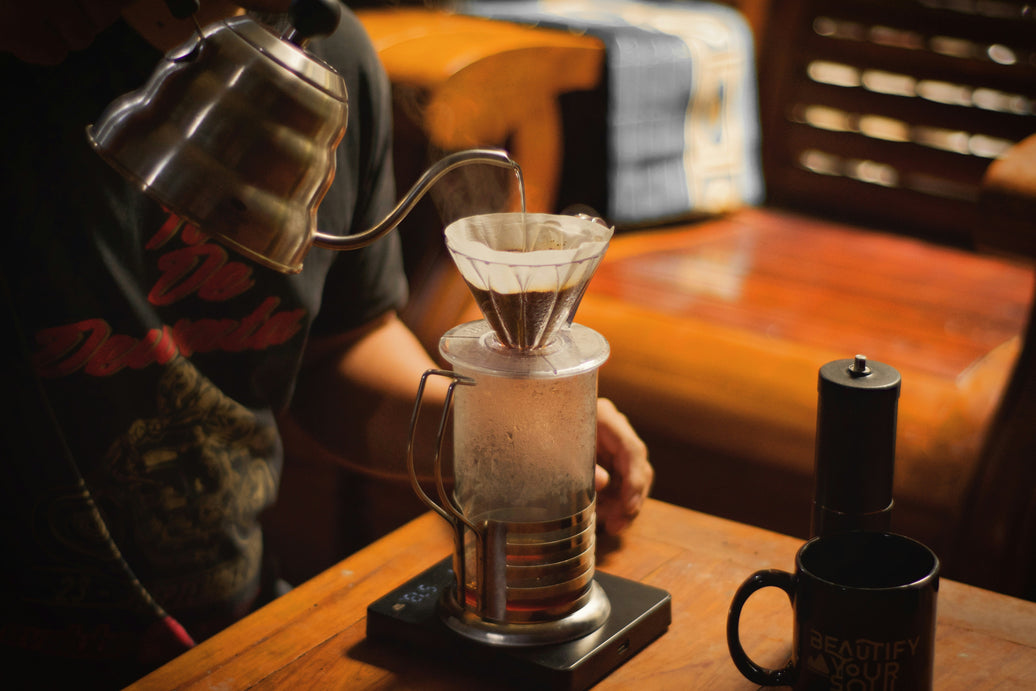
| Drip Coffee | Medium |
| Pour Over | Medium |
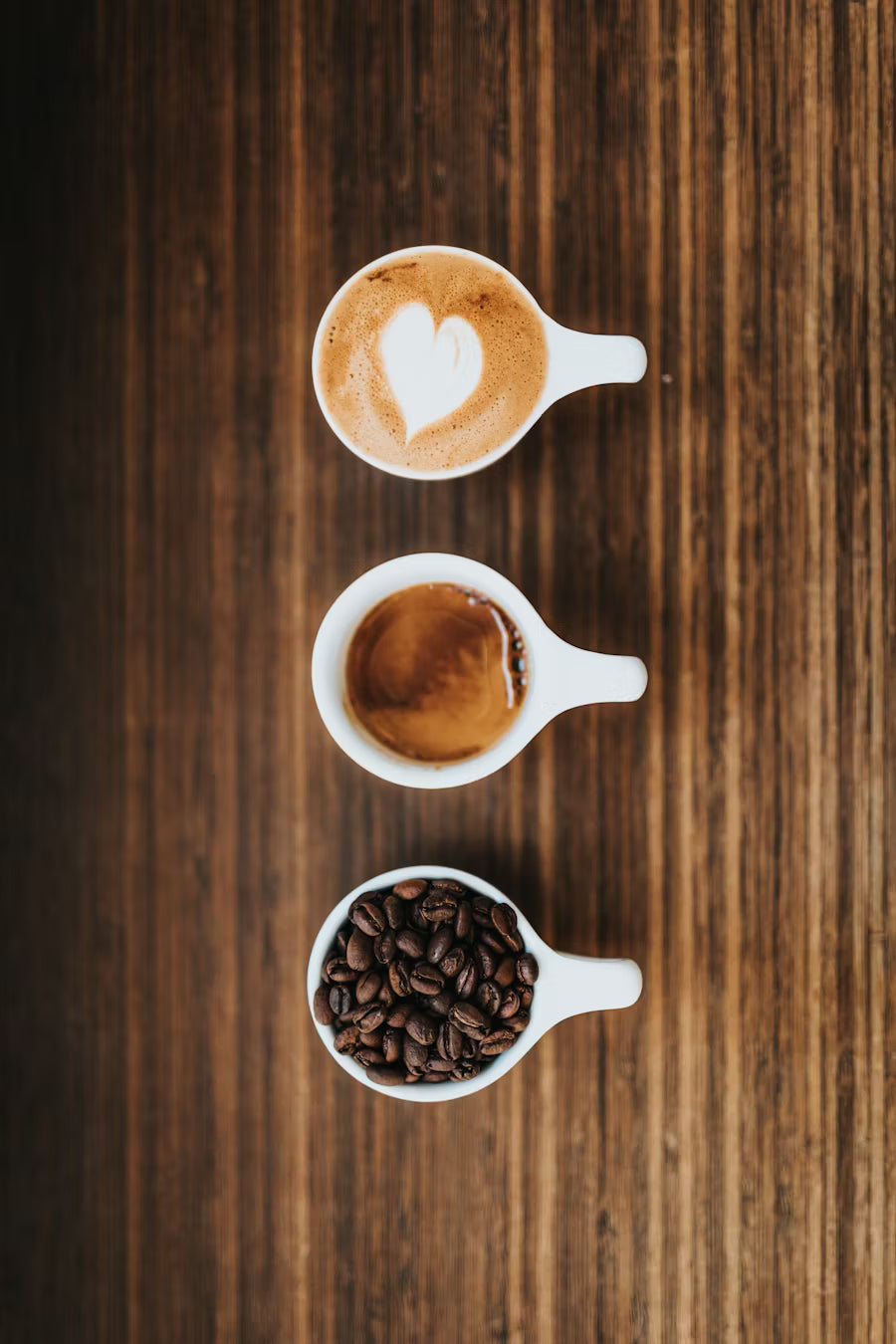
| Espresso | Fine |
These are starting points, not absolute rules.
Your grinder, coffee, equipment, water, and personal taste can all require adjustments.
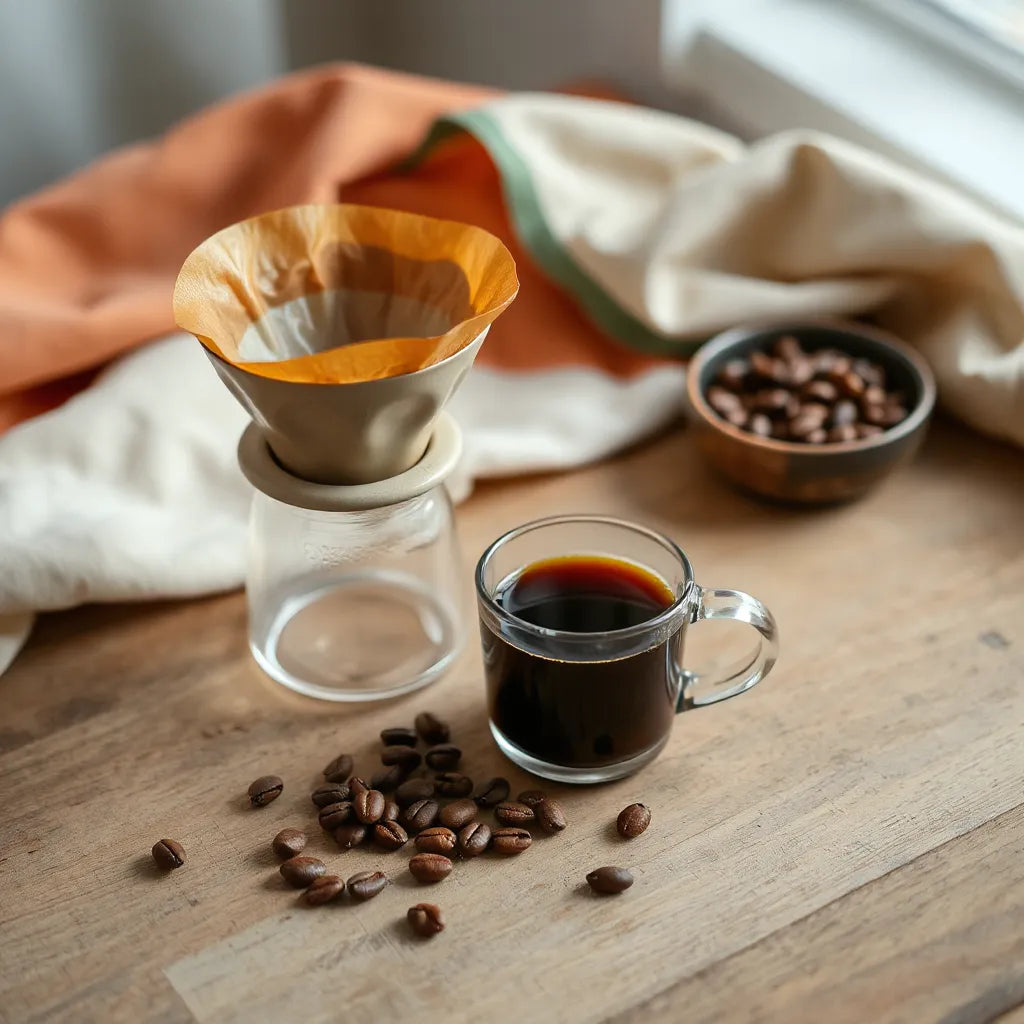
How to Brew Coffee From the Himalayas
One of the easiest ways to explore a coffee's character is to brew it simply.
Start with a clean brewing method and consistent measurements.
Step 1: Use fresh coffee
Freshly roasted coffee can provide a more aromatic experience.
Step 2: Grind appropriately
Match your grind to your brewing method.
Step 3: Use quality water
Water makes up most of your finished beverage, so it matters.
Step 4: Keep your ratio consistent
Start with a consistent coffee-to-water ratio.
Step 5: Taste and adjust
If your coffee tastes too strong, adjust the amount of coffee or water.
If it tastes weak, increase the coffee or adjust your brewing parameters.
The goal isn't to follow someone else's recipe forever.
The goal is to find the cup you personally enjoy.
Why Coffee Origin Matters to Coffee Lovers
For many people, coffee isn't just something they drink because they need caffeine.
It's a daily ritual.
The aroma when you open the bag.
The sound of grinding beans.
The smell of freshly brewed coffee.
The first sip in the morning.
Learning about where coffee comes from can make that experience even more interesting.
Understanding origin allows you to compare different coffees and discover what you actually enjoy.
Explore Coffee With Arvea
At Arvea Coffee, we believe discovering coffee should be enjoyable.
Our collection offers different coffees, roast profiles, grind options, and brewing choices so you can explore what works best for you.
Whether you prefer a bold dark roast, a balanced blend, espresso, cold brew, or whole bean coffee, there are different ways to build your perfect coffee routine.
If you're still discovering your preferences, sample packs can be an easy way to explore different coffees before choosing a favorite.
Ready to Explore?
Discover the Arvea Coffee collection and find your next favorite cup.
☕ Shop Arvea Coffee → https://arveacoffee.com/
Frequently Asked Questions
What is coffee from the Himalayas?
Coffee from the Himalayas refers broadly to coffee associated with growing regions in and around the Himalayan area. Individual coffees can vary significantly depending on their specific origin and production methods.
What does Himalayan coffee taste like?
There is no single Himalayan coffee flavor. Depending on the coffee, you may encounter chocolate, caramel, fruit, floral, nutty, spicy, or other characteristics.
Is Himalayan coffee strong?
Strength depends on factors such as the coffee-to-water ratio, brewing method, extraction, and roast. The geographic origin alone does not determine how strong a cup will taste.
Is Himalayan coffee acidic?
Coffee naturally contains acids, and perceived acidity varies among coffees. Roast level, origin, processing, and brewing can all influence how acidity is experienced.
Can Himalayan coffee be used for espresso?
Yes. Coffee can be prepared as espresso when it is appropriately roasted and ground for the espresso brewing process.
What is the best grind for Himalayan coffee?
There is no single grind specifically required for Himalayan coffee. Choose your grind according to your brewing method—for example, coarse for French press and fine for espresso.
Can I drink Himalayan coffee every day?
Coffee can be part of many people's daily routines. Individual caffeine tolerance varies, so it's important to consider your overall caffeine intake and personal circumstances.
Final Thoughts
Coffee from the Himalayas gives coffee lovers another origin to explore.
Its story begins with geography but doesn't end there.
Growing conditions, coffee variety, processing, roasting, grinding, and brewing all contribute to the final experience.
That's what makes coffee so fascinating.
Every bag has a story, and every brewing method can reveal something different.
Explore Arvea Coffee and start discovering your next favorite cup.
☕ Arvea Coffee — Discover Your Perfect Cup.























Leave a comment