

Coffee Grind Size Chart: Coarse, Medium, Fine & Espresso Explained

Have you ever wondered why your homemade coffee tastes bitter one day and weak the next? The secret might not be your coffee beans or brewing machine. It could be your coffee grind size.
Choosing the right grind size is one of the most important steps toward making a delicious cup of coffee. The size of your coffee grounds affects how quickly water extracts flavor, influencing the taste, strength, and balance of your brew.
In this complete coffee grind size guide, we'll explain the difference between coarse, medium, fine, and espresso grinds, show you which grind works best for each brewing method, and help you get more out of every cup.
Whether you enjoy French press, drip coffee, pour-over, or espresso, this coffee grind size chart will help you find the right starting point.
Coffee Grind Size Chart: Find the Right Grind for Your Brewing Method
Different brewing methods work best with different coffee grind sizes. Use this chart as a starting point when preparing your next cup.
| Grind size | Texture | Best brewing methods |
|---|---|---|
| Extra coarse | Large, chunky particles | Cold brew, depending on recipe |
| Coarse | Rough, sea-salt-like particles | French press, percolator |
| Medium-coarse | Coarse sand | Chemex, some pour-over methods |
| Medium | Regular sand | Drip coffee makers, flat-bottom pour-over |
| Medium-fine | Fine sand | Many cone-shaped pour-over brewers |
| Fine | Similar to table salt | Espresso, moka pot with adjustments |
| Extra fine | Very fine, powdery texture | Turkish coffee |
Remember: Grind size recommendations can vary depending on your equipment, coffee beans, recipe, and personal taste. Start with the suggested grind and make small adjustments until your coffee tastes balanced.
1. Extra Coarse Coffee Grind
Extra coarse coffee grounds have large, chunky particles. This grind is commonly used for cold brew recipes that require a longer steeping time.
Because the particles are large, water extracts flavor more slowly than it does from finer grounds under otherwise similar conditions.
Best for:
-
Cold brew coffee
-
Recipes with extended steeping times
Flavor tip: If your cold brew tastes weak or underdeveloped, try adjusting the steeping time or using a slightly finer grind. Change one variable at a time so you can identify what improves the flavor.
2. Coarse Coffee Grind
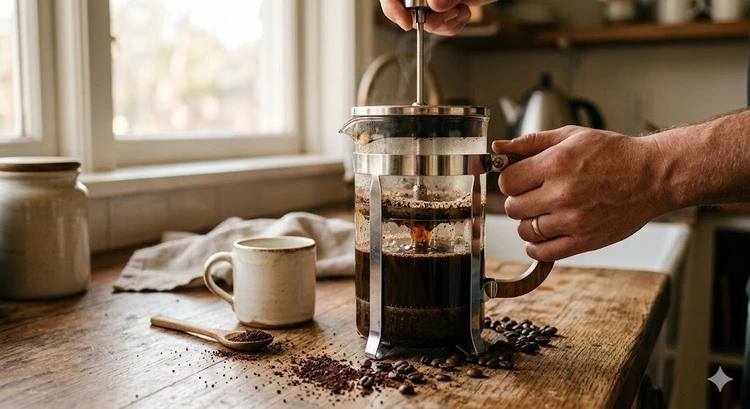
Coarse coffee grounds have a rough texture similar to sea salt. This is the traditional starting point for French press coffee.
The larger particles are easier to separate using a French press filter and can help produce a full-bodied cup without excessive fine sediment.
Best for:
-
French press
-
Traditional percolators
Flavor tip: If your French press coffee tastes sour or under-extracted, try a slightly finer grind. If it tastes harsh or excessively bitter, try a slightly coarser grind or adjust your brewing time.
3. Medium-Coarse Coffee Grind
Medium-coarse coffee grounds sit between coarse and medium. They resemble coarse sand and are useful for brewing methods that need a little more extraction than a typical French press recipe.
Best for:
-
Chemex
-
Some pour-over recipes
-
Certain manual brewing methods
Flavor tip: If your pour-over drains too quickly and tastes weak, a slightly finer grind may help. If the water drains too slowly, experiment with a coarser grind.
4. Medium Coffee Grind
Medium coffee grounds have a texture similar to regular sand. This is a versatile grind size and a good starting point for many automatic drip coffee makers.
It offers a useful balance between extraction speed and flavor development.
Best for:
-
Automatic drip coffee makers
-
Many flat-bottom pour-over brewers
-
General everyday brewing
Flavor tip: If your coffee tastes flat or sour, try a slightly finer grind. If it tastes harsh or overly bitter, try a slightly coarser grind and check your water temperature.
5. Medium-Fine Coffee Grind
Medium-fine coffee grounds are finer than regular sand but are not as fine as typical espresso grounds.
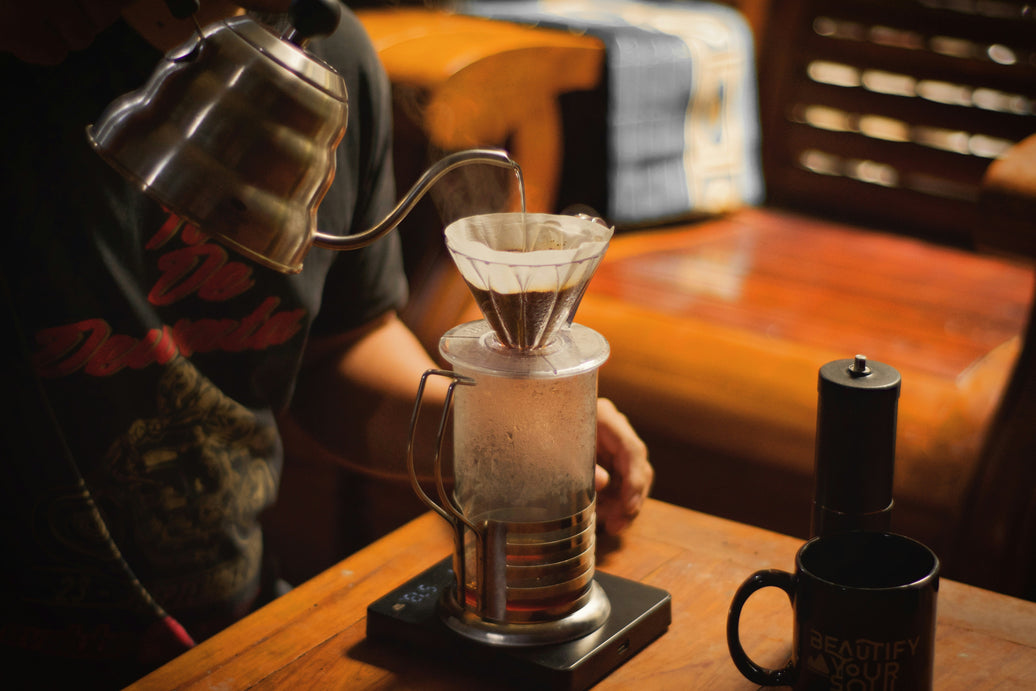
This grind is commonly used for cone-shaped pour-over brewers, including recipes that require a slower and more controlled flow of water.
Best for:
-
Many V60-style pour-over recipes
-
Some cone-shaped manual brewers
-
Pour-over recipes requiring greater extraction
Flavor tip: If your coffee tastes weak, try grinding slightly finer. If your brew stalls or tastes excessively bitter, move a little coarser and check your pouring technique.
6. Fine Coffee Grind
Fine coffee grounds resemble table salt. They provide a larger surface area for water to interact with, making them suitable for brewing methods that extract coffee quickly or use pressure.
Espresso generally requires a fine grind, but the ideal setting depends on your espresso machine, coffee beans, dose, and extraction time.
Best for:
-
Espresso machines
-
Moka pots, with adjustments for the specific brewer
Flavor tip: If espresso runs too quickly and tastes sour, try grinding finer. If it runs too slowly or tastes harsh, try grinding coarser. Adjust your grind gradually rather than making large changes.
7. Extra-Fine Coffee Grind
Extra-fine coffee grounds have a powdery consistency. They are traditionally used to prepare Turkish coffee, where the grounds remain in the coffee rather than being filtered out.
Best for:
-
Turkish coffee
-
Traditional unfiltered coffee recipes designed for very fine grounds
Flavor tip: Use a grind specifically suited to your brewing method. Extra-fine grounds are generally not suitable for standard drip coffee makers or French presses.
Why Does Coffee Grind Size Matter?
Coffee grind size affects how water extracts flavor from coffee grounds. The smaller the particles, the greater their surface area relative to their volume.
Under similar brewing conditions, finer grounds tend to extract flavor more quickly, while coarser grounds tend to extract more slowly.
Getting the right grind size helps you manage three important parts of your coffee experience.
1. Flavor and Balance
Coffee that is under-extracted may taste sour, sharp, or underdeveloped. Coffee that is over-extracted may taste harsh, bitter, or drying.
These flavors can have other causes, too, including water temperature, coffee freshness, and brewing time. Grind size is one of the easiest variables to test.
2. Brewing Time
The grind affects how quickly water passes through the coffee bed and how efficiently flavors are extracted.
A grind that is too fine for your brewing method may slow the flow of water. A grind that is too coarse may allow water to pass through too quickly.
3. Consistency
Using a consistent grind helps you repeat a recipe and understand why a cup tastes different from the last one.
A burr grinder is a useful investment if you want more control over grind consistency and brewing results.
How to Choose the Right Coffee Grind Size
Not sure where to start? Follow these simple steps.
Step 1: Identify your brewing method.
Determine whether you are using a French press, drip coffee maker, pour-over, espresso machine, moka pot, or cold brew recipe.
Step 2: Start with the recommended grind.
Use the chart above as your initial guide. Your brewer's instructions and recipe can provide more specific recommendations.
Step 3: Taste your coffee.
Pay attention to whether your coffee tastes sour, weak, bitter, harsh, or balanced.
Step 4: Adjust gradually.
If your coffee tastes sour or under-extracted, experiment with a slightly finer grind. If it tastes excessively bitter or harsh, try a slightly coarser grind. Consider brewing time and water temperature as well.
Step 5: Keep your recipe consistent.
Measure your coffee and water, and change only one variable at a time. This makes it easier to discover what works best for your taste.
Whole Bean Coffee vs. Pre-Ground Coffee
Should you buy whole bean coffee or pre-ground coffee? Both can make a good cup, but they offer different advantages.
Whole bean coffee allows you to grind your beans immediately before brewing and adjust the grind size for different methods. This flexibility makes it appealing to people who enjoy experimenting with coffee.
Pre-ground coffee is convenient because it is ready to use. The key is to choose a grind that matches your brewing equipment and store the coffee properly to help preserve its quality.
If you use several brewing methods at home, whole bean coffee and a reliable grinder can give you greater control over your coffee routine.
Common Coffee Grinding Mistakes to Avoid
Even good coffee beans can produce disappointing results when the grind is not suited to the brewing method.
Here are some common mistakes to watch for:
-
Using the same grind for every brewer: Espresso and French press usually need very different grind sizes.
-
Grinding too far in advance: Ground coffee generally loses freshness faster than whole beans because more surface area is exposed to air.
-
Ignoring brewing time: Grind size and contact time work together to affect extraction.
-
Changing too many variables at once: Adjusting grind size, water temperature, and brewing time simultaneously makes troubleshooting harder.
-
Assuming bitterness always means a fine grind: Roast level, water temperature, coffee quality, and brewing technique can also influence bitterness.
A few small adjustments can make a meaningful difference in your daily coffee ritual.
Frequently Asked Questions About Coffee Grind Size
What is the best coffee grind size?
There is no single best grind size for every brewing method. Coarse is a common starting point for French press, medium for many drip coffee makers, and fine for espresso.
Is coarse or fine coffee stronger?
Neither grind size automatically makes coffee stronger. Fine grounds can extract flavor more quickly under similar conditions, but the final strength also depends on the amount of coffee, amount of water, brewing time, and extraction.
What grind size should I use for a French press?
Start with a coarse grind. If the coffee tastes weak or sour, try a slightly finer grind or adjust the steeping time. If it contains too much sediment, check your grind consistency and pressing technique.
What grind size is best for espresso?
A fine grind is the usual starting point for espresso. The correct setting depends on your machine, coffee beans, dose, and desired extraction. Adjust gradually to achieve a balanced shot.
Can I use espresso-ground coffee in a drip coffee maker?
You can, but very fine espresso grounds may slow drainage and produce an unbalanced cup in many drip coffee makers. A medium grind is generally a better starting point.
Does grinding coffee fresh make a difference?
Grinding shortly before brewing helps preserve the coffee's aroma and gives you more control over grind size. Proper storage of both whole beans and ground coffee is also important.
Final Thoughts: Make Every Cup Count
The right coffee grind size can transform your brewing routine. From the coarse grounds used for French press to the fine grind required for espresso, understanding the differences helps you get more control over flavor, extraction, and consistency.
Start with the grind size recommended for your brewing method, taste the results, and make small adjustments until you find your preferred cup.
At Arvea Coffee, we believe that enjoying coffee is about appreciating the details, from the beans you choose to the way you prepare every cup.
Ready to elevate your coffee ritual? Explore Arvea Coffee and discover a coffee experience that fits your everyday moments.
Make every sip count. Make every moment yours.
Arvea Coffee — Elevate Your Everyday.





















Leave a comment