

How to Brew Coffee With Whole Beans: A Complete Beginner's Guide

There's something special about brewing coffee at home with freshly ground whole beans. From the rich aroma that fills your kitchen to the first satisfying sip, the experience can make an ordinary morning feel a little more special.
But how do you brew coffee with whole beans if you're just getting started?
The process is easier than you might think. You need quality coffee beans, a way to grind them, hot water, and a brewing method that suits your taste. With the right measurements and a few simple techniques, you can make flavorful coffee at home without complicated equipment.
In this beginner's guide, we'll explain how to grind whole coffee beans, measure the right amount of coffee, choose a brewing method, and avoid common mistakes that affect flavor.
Whether you enjoy a smooth pour-over, a full-bodied French press, or a convenient drip coffee maker, you'll learn how to get more out of every cup.
Can You Brew Whole Coffee Beans Without Grinding Them?
Yes, you can steep whole coffee beans in hot water, but it is generally less efficient than brewing with ground coffee.
Whole beans expose much less surface area to water than ground coffee does. As a result, flavor extraction happens more slowly and may be less consistent.
For most brewing methods, grinding your beans before brewing is the better choice. It allows water to reach more of the coffee's surface and gives you control over the grind size.
Freshly grinding your beans also lets you adjust the texture for different brewing methods, from coarse grounds for French press to fine grounds for espresso.
The simple rule: For the best control over flavor, grind your whole beans just before brewing.
What You Need to Brew Coffee With Whole Beans
Before you begin, gather a few basic items.
1. Whole bean coffee
Choose coffee you enjoy drinking. Roast level, origin, and processing can all influence flavor, so experiment to discover your preferences.
2. A coffee grinder
A burr grinder is a useful choice because it generally produces more consistent grounds than many basic blade grinders. A blade grinder can still work if that is what you have available.
3. Fresh water
Good-tasting water matters because coffee is mostly water. Filtered water can be helpful if your tap water has a strong taste or odor.
4. A brewing device
You can use an automatic drip coffee maker, French press, pour-over brewer, moka pot, or espresso machine.
5. A scale or measuring spoon
A digital kitchen scale helps you measure coffee and water consistently. Measuring spoons are a convenient alternative, although their results are less precise.
You don't need to buy everything at once. Start with the equipment you already own and improve your setup as you learn what you enjoy.
Step-by-Step: How to Brew Coffee With Whole Beans
Follow these steps to prepare a balanced cup of coffee at home.
Step 1: Choose Your Coffee Beans
Start with whole beans that match your preferred flavor profile.
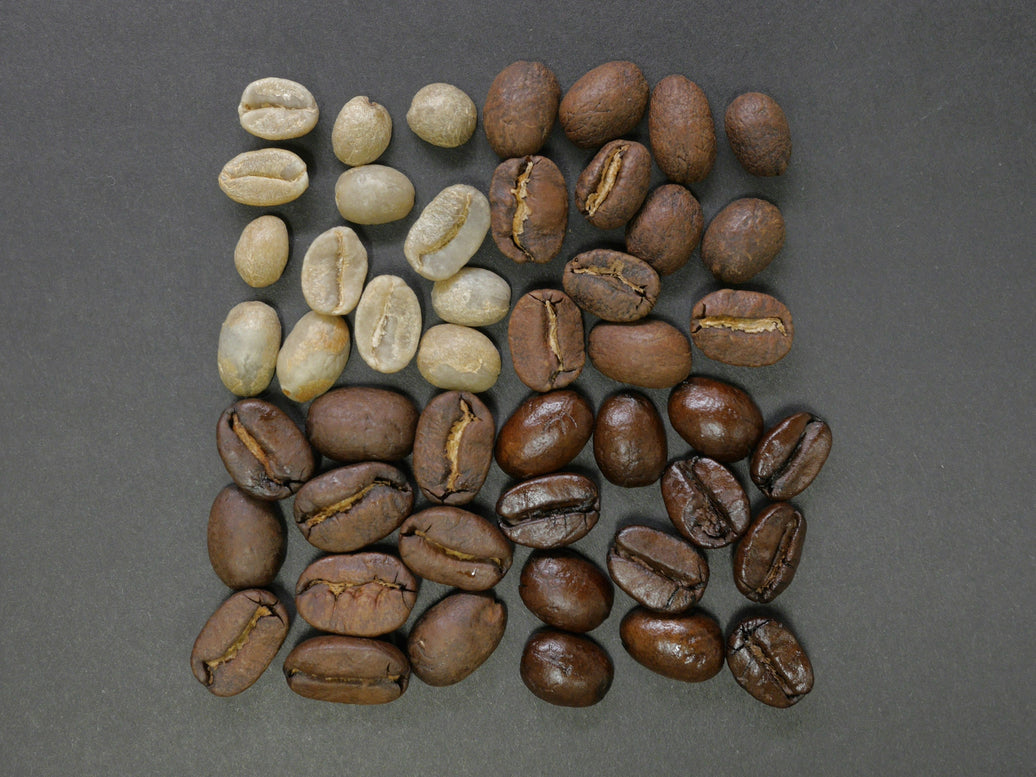
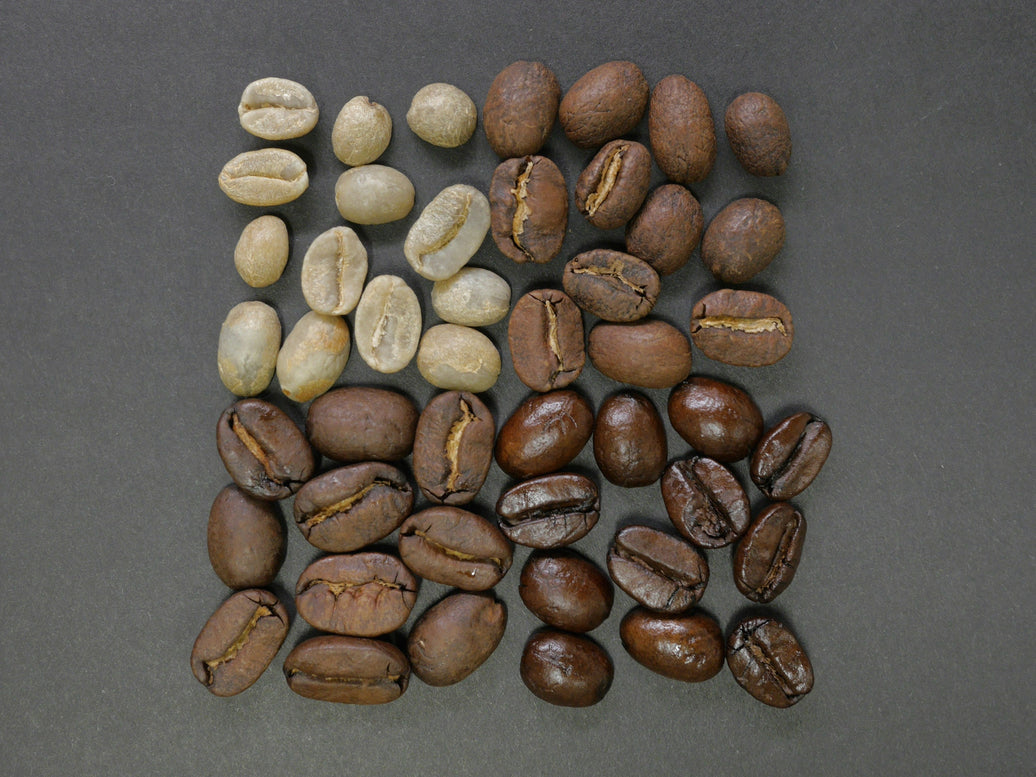
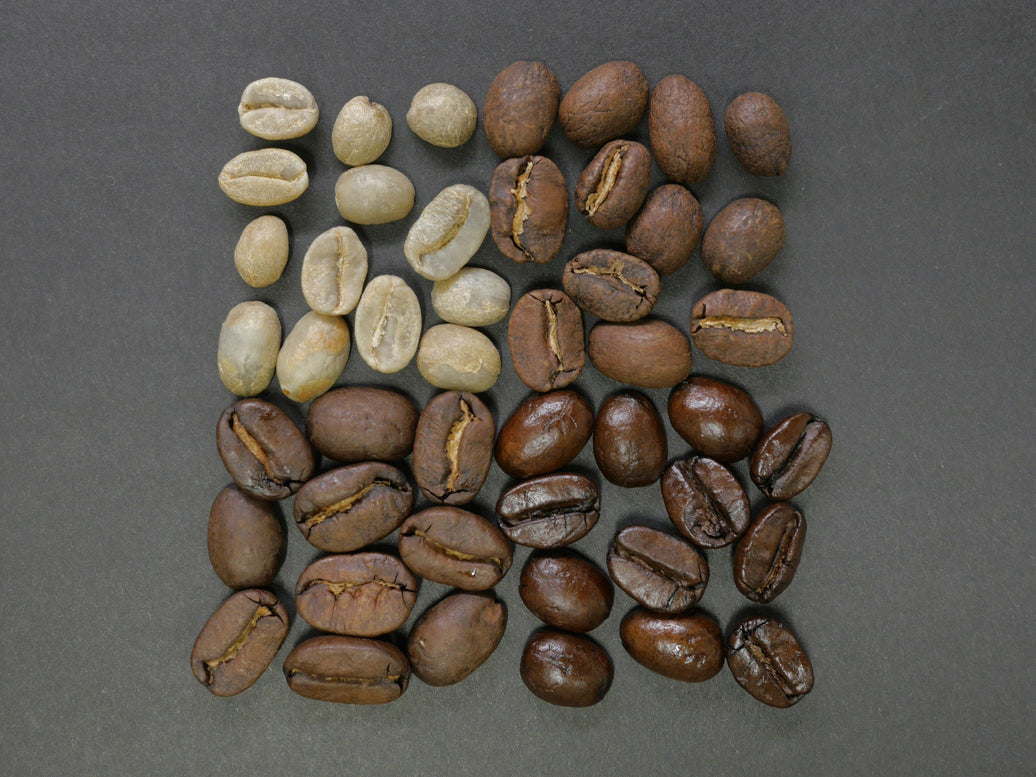
Light roasts often feature brighter, more delicate flavors. Medium roasts can offer a balanced combination of sweetness, acidity, and roast character. Dark roasts generally have more pronounced roasted flavors and may taste bolder or more bitter.
These are general tendencies, not strict rules. Coffee origin and processing also influence the flavor of the finished cup.
Store your beans in an airtight container away from direct sunlight, moisture, heat, and strong odors.
Step 2: Measure Your Coffee Beans
For an 8-ounce serving of brewed coffee, a useful starting point is approximately 14 grams of coffee with 237 grams of water.
This gives you a coffee-to-water ratio of roughly 1:17.
Use the following table as a starting guide.
| Water | Coffee at approximately 1:17 |
|---|---|
| 6 oz / 177 ml | 10–11 g |
| 8 oz / 237 ml | 14 g |
| 10 oz / 296 ml | 17–18 g |
| 12 oz / 355 ml | 21 g |
| 16 oz / 473 ml | 28 g |
These measurements are intended for ordinary brewed coffee, not espresso. You can adjust the ratio depending on your brewing method and taste preferences.
Step 3: Grind the Beans
Grinding is one of the most important steps in preparing coffee.
Different brewing methods work best with different grind sizes.
| Brewing method | Starting grind size |
|---|---|
| French press | Coarse |
| Automatic drip coffee maker | Medium |
| Pour-over | Medium to medium-fine, depending on brewer |
| Cold brew | Coarse to medium-coarse, depending on recipe |
| Espresso machine | Fine |
| Moka pot | Fine, but generally not as fine as espresso |
If your grind is too coarse for your recipe, the coffee may taste weak or under-extracted. If it is too fine, the water may flow too slowly or extract flavors that taste harsh.
Make small adjustments rather than changing everything at once.
Step 4: Heat Your Water
Water temperature affects how coffee flavors are extracted.
For many hot-brewing methods, a useful starting range is approximately 195–205°F (90–96°C).
If you don't have a thermometer, bring the water to a boil and allow it to cool briefly before brewing. The ideal temperature can vary with the roast, equipment, and recipe.
Avoid assuming that hotter water always produces better coffee. Your goal is balanced extraction, not simply maximum heat.
Step 5: Choose Your Brewing Method
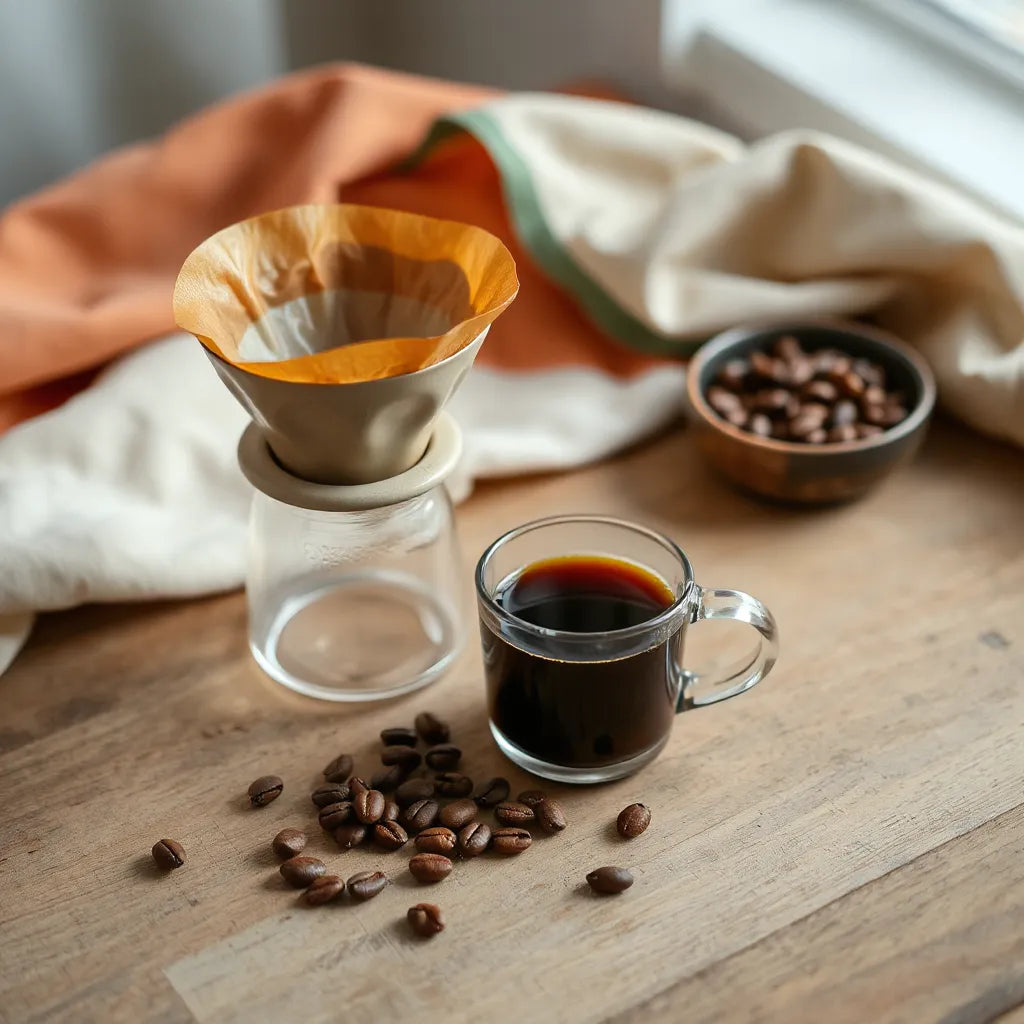
Place your freshly ground coffee in your chosen brewer and add the appropriate amount of water.
For an automatic drip coffee maker, follow the manufacturer's instructions.
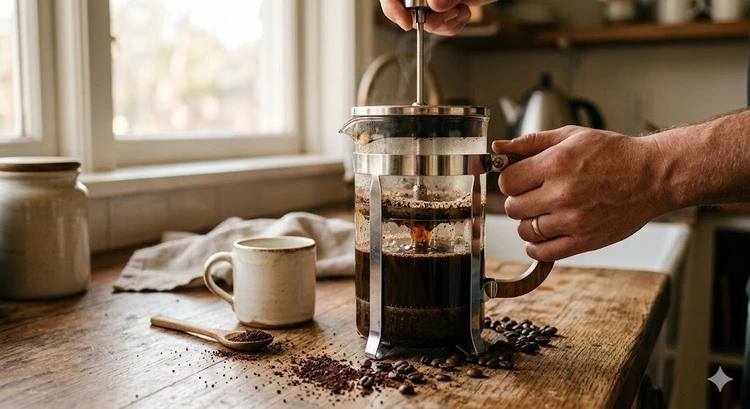
For a French press, add the grounds and water, allow the coffee to steep, and press the filter down slowly.
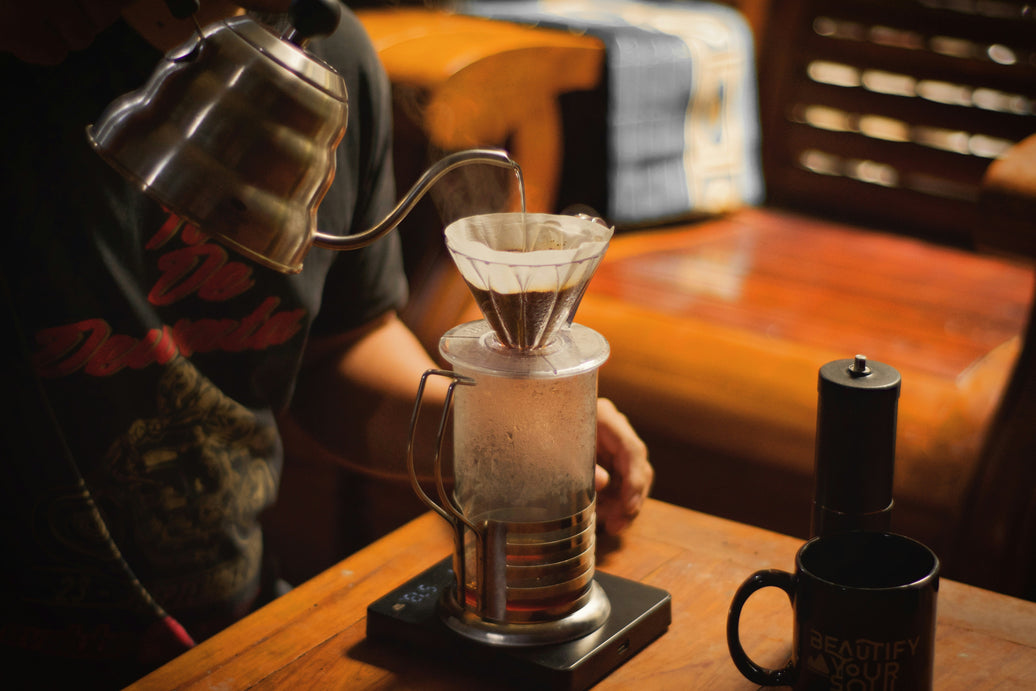
For pour-over, wet the grounds evenly and pour water in a controlled, steady manner.
For espresso, use an espresso-specific recipe and adjust the grind, dose, and extraction to suit your machine.
Each brewing method behaves differently, so use the appropriate instructions rather than expecting every method to follow the same process.
Step 6: Taste and Adjust
Once the coffee is ready, taste it before adding milk, cream, or sweeteners.
Ask yourself:
-
Does it taste balanced?
-
Is it too strong or too weak?
-
Does it taste sour, bitter, or harsh?
-
Would you prefer more sweetness, body, or brightness?
If the coffee tastes weak or sour, try adjusting the grind finer or increasing extraction time, where appropriate.
If it tastes harsh or excessively bitter, try a slightly coarser grind or a shorter brewing time.
Change one variable at a time so you can learn what improves your cup.
The Best Way to Brew Whole Bean Coffee at Home
There is no single brewing method that is best for everyone. The right choice depends on your schedule, equipment, and preferred flavor.
1. Automatic Drip Coffee Maker
An automatic drip coffee maker is a convenient option for everyday brewing.
Why choose it?
-
Simple preparation
-
Consistent results when the recipe is measured
-
Suitable for brewing multiple servings
-
Easy to use at home or in the office
Start with a medium grind and a ratio around 1:16 to 1:17. Adjust the recipe until the coffee tastes right to you.
2. French Press
A French press is a good choice if you enjoy coffee with more body and texture.
Why choose it?
-
Simple equipment
-
No paper filter required for many designs
-
A full-bodied brewing style
-
Easy to adjust steeping time and grind size
Start with coarse grounds and a ratio around 1:15 to 1:17. Steeping for about four minutes is a common starting point, but you can experiment with time and grind size.
3. Pour-Over Coffee
Pour-over brewing gives you more control over water flow and the way water passes through the grounds.
Why choose it?
-
Greater control over brewing technique
-
Easy to experiment with different recipes
-
Suitable for making individual servings
-
Can highlight delicate flavors in some coffees
Start with a medium to medium-fine grind, depending on your brewer, and a ratio around 1:16. Use a steady pouring technique and adjust based on the flavor.
4. Moka Pot
A moka pot produces concentrated coffee using steam pressure and is often used as a base for milk-based drinks.
Why choose it?
-
Compact equipment
-
A concentrated coffee result
-
Suitable for stovetop brewing
Use a grind suited to the moka pot rather than an extremely fine espresso grind. Follow your brewer's instructions and avoid overfilling the basket or using unsafe operating practices.
5. Cold Brew
Cold brew is a useful option if you prefer a chilled coffee drink or want to prepare coffee ahead of time.
Why choose it?
-
Can be prepared in advance
-
Served cold over ice
-
Can be made as ready-to-drink coffee or concentrate
Use a cold-brew recipe designed for your preferred result. Steeping time, grind size, and dilution affect the final flavor, so follow the recipe and refrigerate the finished coffee appropriately.
Common Mistakes to Avoid When Brewing Whole Bean Coffee
Even good coffee beans can taste disappointing if the preparation is inconsistent.
Using the Wrong Grind Size
The grind should match your brewing equipment. Espresso generally needs a much finer grind than French press.
Using Too Much or Too Little Coffee
Eyeballing measurements can make each cup taste different. Weighing coffee and water helps you repeat a successful recipe.
Grinding Too Far in Advance
Ground coffee generally loses aroma faster than whole beans because grinding exposes more surface area to air. For the best control over freshness, grind just before brewing when practical.
Using Poor-Tasting Water
Water with strong odors or unpleasant flavors can affect the finished coffee. Use water that tastes clean and suits your brewing equipment.
Ignoring Your Brewing Time
The time water spends interacting with coffee grounds influences extraction. If your coffee tastes unbalanced, consider grind size and brewing time together.
Changing Too Many Variables at Once
If you adjust the grind, water temperature, coffee dose, and brewing time simultaneously, it becomes difficult to identify what improved the flavor.
Make one small change, taste the result, and repeat as needed.
Whole Bean Coffee vs. Pre-Ground Coffee
Both options can produce enjoyable coffee, but they serve different needs.
Whole bean coffee
-
Lets you grind for different brewing methods
-
Gives you more control over grind size
-
Allows you to grind shortly before brewing
-
Requires a grinder and a little preparation
Pre-ground coffee
-
Convenient for busy mornings
-
Requires no grinder
-
Works well when the grind matches your brewer
-
May lose aroma faster after opening
If you enjoy experimenting with French press, pour-over, and espresso, whole beans offer greater flexibility. If convenience is your priority, pre-ground coffee can still be a practical choice.
The best option is the one that fits your routine and helps you enjoy your coffee.
How to Store Whole Coffee Beans Properly
Proper storage helps preserve the aroma and quality of your beans.
Follow these simple guidelines:
-
Keep beans in an airtight container.
-
Store them in a cool, dry place away from direct sunlight.
-
Avoid locations near ovens, stovetops, or other heat sources.
-
Keep moisture out of the container.
-
Buy an amount you can use while the coffee is still enjoyable and fresh.
Avoid leaving your beans exposed to air in an open bag. If your coffee comes in a suitable resealable package, close it securely after each use.
Frequently Asked Questions About Brewing Whole Bean Coffee
Can I make coffee from whole beans without a grinder?
Yes. You can steep whole beans in hot water, but extraction will generally be slower and less predictable than with ground coffee. Grinding the beans is the better option for most conventional brewing methods.
How many coffee beans do I need for one cup?
The number of beans varies by bean size and density. Instead of counting individual beans, weigh approximately 14 grams of whole beans for an 8-ounce serving as a starting point.
Should I grind whole beans before or after heating the water?
For most home brewing, grind your beans shortly before brewing. You can then heat your water and prepare your equipment while keeping the grounds exposed to air for less time.
What is the best grind size for whole bean coffee?
There is no universal grind size. Use coarse grounds for French press, medium grounds for many drip coffee makers, and fine grounds for espresso. Your specific equipment and recipe may require adjustments.
Is freshly ground coffee better than pre-ground coffee?
Freshly ground coffee offers greater control over grind size and can help preserve aroma. However, properly stored pre-ground coffee can also make a good cup when the grind suits your brewing method.
How do I make my whole bean coffee taste less bitter?
Try a slightly coarser grind if the current grind is too fine, review your brewing time, and check your water temperature. Roast level and bean characteristics can also affect bitterness.
Can I use whole bean coffee for iced coffee?
Absolutely. Brew your coffee using your preferred method and chill it, or use a cold-brew recipe designed for cold extraction. You can serve it over ice and adjust the concentration to taste.
Final Thoughts: Enjoy Better Coffee, One Cup at a Time
Learning how to brew coffee with whole beans gives you more control over your daily coffee experience. From choosing the right grind size to measuring your water and experimenting with brewing methods, small improvements can help you create a cup you genuinely enjoy.
Start with a simple recipe, keep your measurements consistent, and adjust according to your taste. Over time, you'll discover the brewing method and coffee profile that suit you best.
At Arvea Coffee, we believe that coffee is more than a daily habit. It's an opportunity to slow down, appreciate the details, and make an ordinary moment feel special.
Ready to elevate your coffee ritual? Explore the Arvea Coffee collection and discover a coffee experience for your everyday moments.
Arvea Coffee — Elevate Your Everyday.





















Leave a comment