


Updated on: 2026-09-28
Freshly roasted coffee captures flavor at its peak. Within days, the aromas rise, sweetness becomes more expressive, and extraction becomes more predictable. This guide explains how to choose, store, and brew coffee after roasting for better cups at home. You will also learn how to troubleshoot taste issues using practical sensory cues.
Why Freshly Roasted Coffee Changes the Cup
When coffee is freshly roasted, the balance of aroma and flavor is noticeably different from coffee that has sat in a warehouse for weeks. During roasting, complex compounds form and begin to develop. After roasting, those compounds stabilize while gases release. As a result, brewed coffee can taste brighter, more aromatic, and more nuanced.
A key reason is freshness-driven chemistry. Roasted beans gradually release carbon dioxide, which affects how water flows through the coffee bed during brewing. If the roast is too fresh, gas can push water through quickly and lead to thin extraction. If coffee rests long enough, water saturation becomes more even and sweetness is easier to perceive.
Another factor is aroma volatility. Fresh batches hold more top-note character, such as floral and fruity notes in many specialty roasts. Even small improvements in storage and brew parameters can preserve those aromas in the cup.
For shoppers, the practical question is simple: how do you turn high-quality roasting into consistent cup results? The answer is a combination of timing, storage discipline, and brewing control.
Essential Tips for Better Results
- Buy with a roast date mindset: choose coffee with a clear roast date and plan to brew soon after. Avoid purchasing only for “later.”
- Use airtight storage: keep beans sealed in a container that limits oxygen exposure. Oxygen accelerates staling.
- Store away from heat and sunlight: stable temperature protects flavor and reduces off-notes.
- Grind immediately before brewing: grinding increases surface area and releases aromas quickly.
- Adjust grind size rather than guessing: if coffee tastes sour, try a finer grind; if it tastes bitter or harsh, try a coarser grind.
- Measure dose and water: repeatability matters. Use a scale for consistent extraction.
- Track sensory signals: sweetness, acidity balance, and bitterness level provide faster guidance than taste alone.

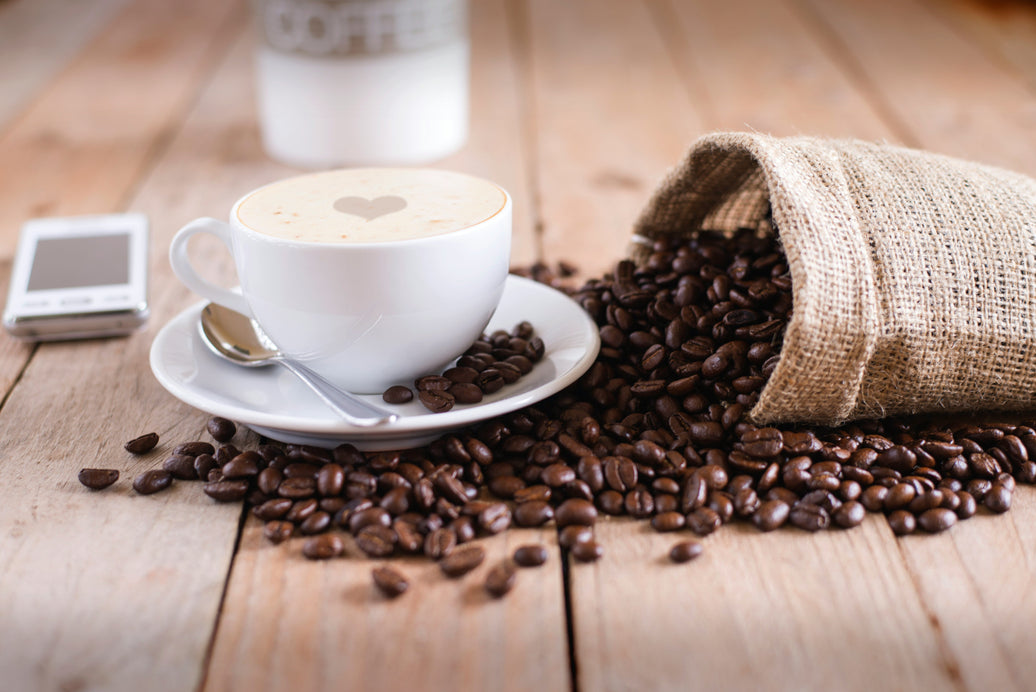
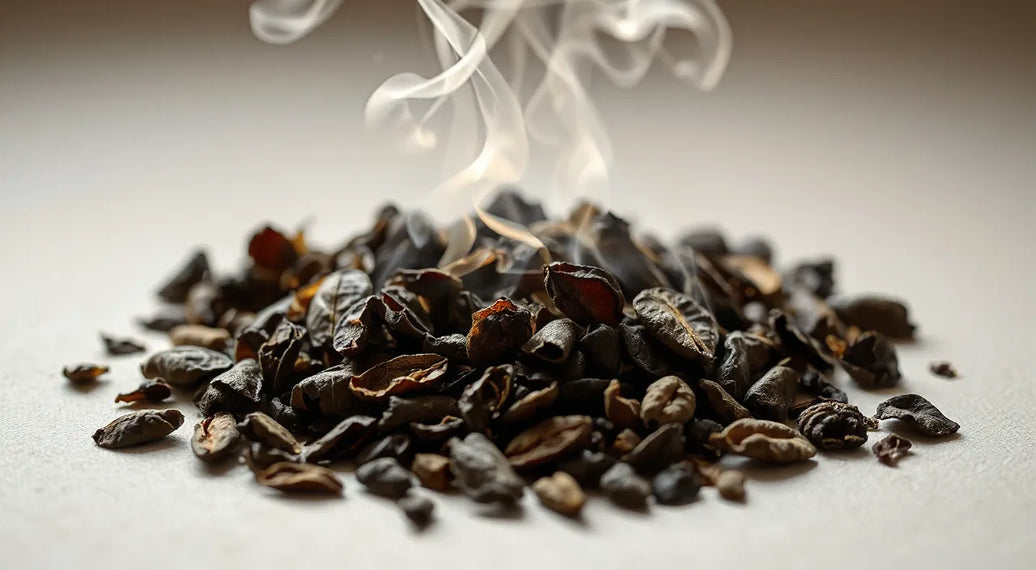
Fresh aroma cues: sealed container, venting steam lines, aroma swirl
Detailed Step-by-Step Process
Use the steps below to build a repeatable routine for brewing freshly roasted coffee. The goal is not perfection on day one. It is stable results across mornings, brewing styles, and bean batches.
Step 1: Select the right beans for your brewing method
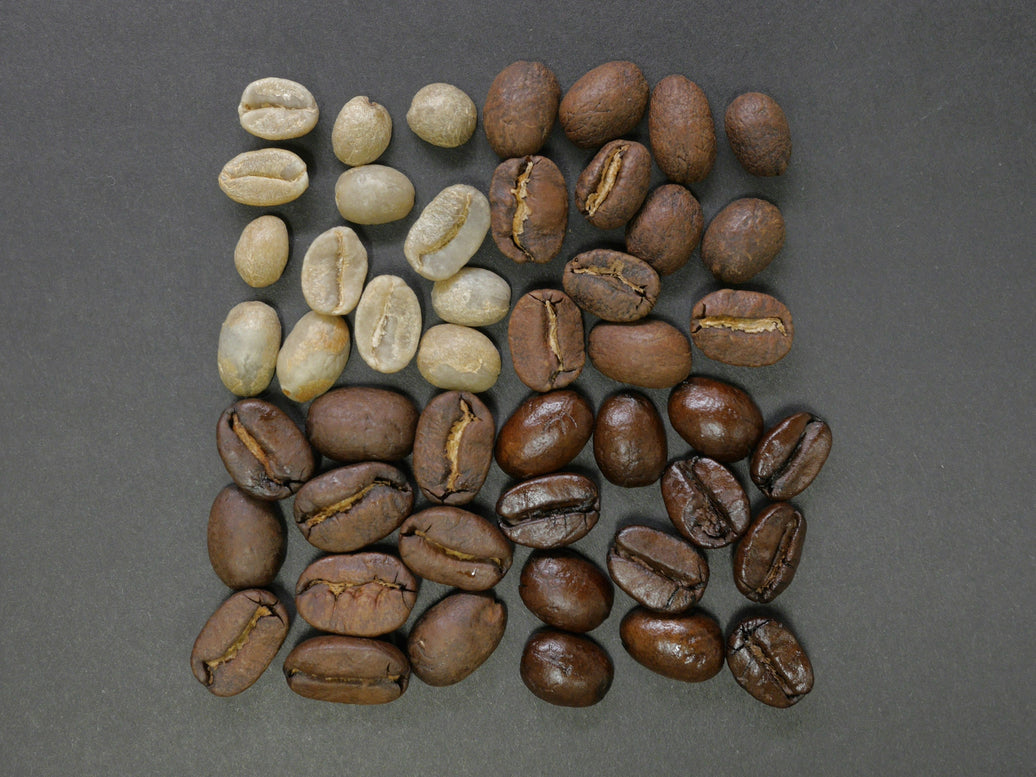
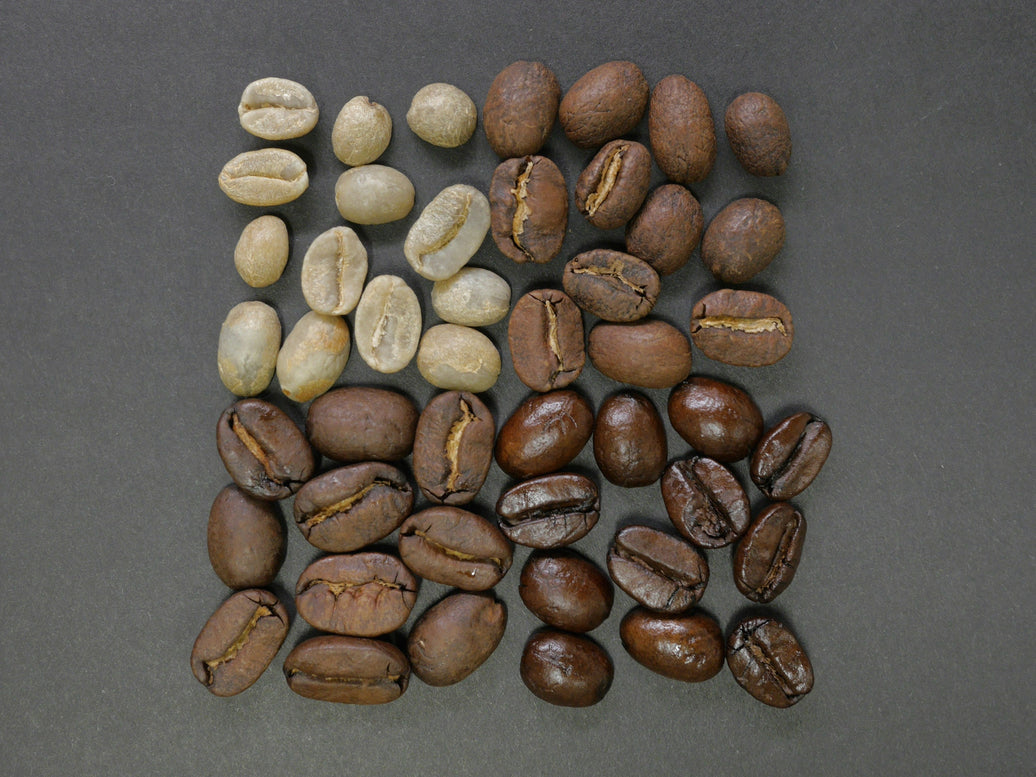
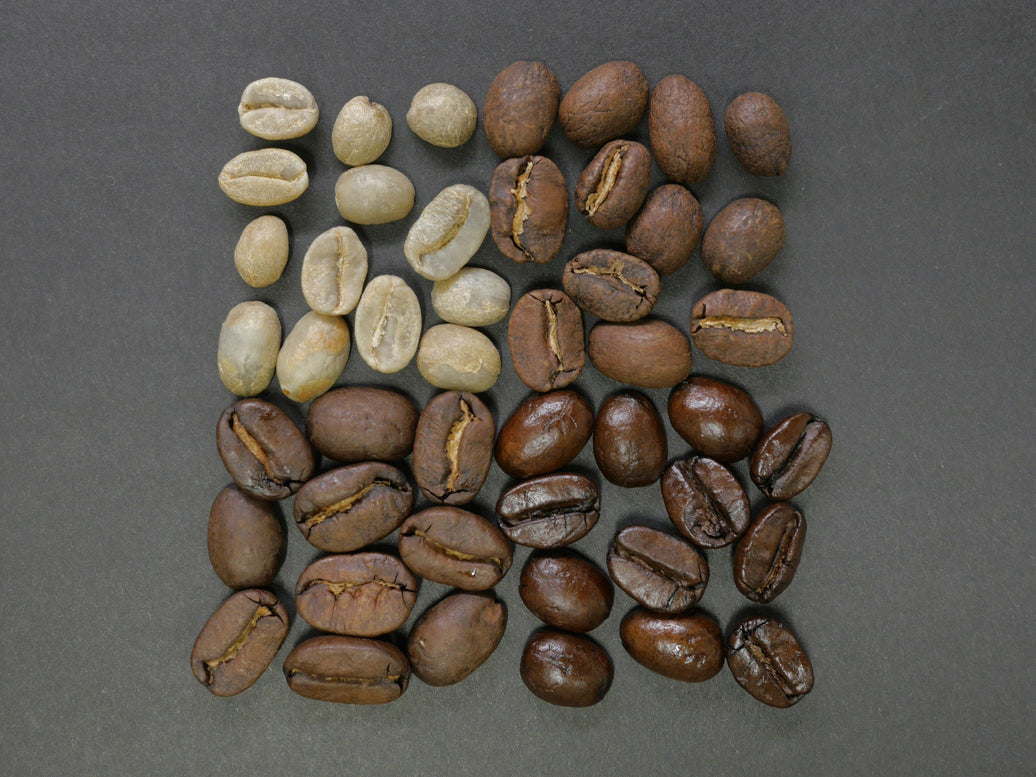
Different roasts and processing styles respond differently. Lighter roasts often highlight acidity and origin character, while medium and darker roasts can emphasize caramelized sweetness and body. Choose beans that match your preferred flavor profile and equipment.
If you frequently brew in a basic drip or pour-over setup, a medium roast can offer forgiving extraction. If you use a precise pour-over kettle or a controlled machine, you can explore lighter roasts for greater clarity.
Step 2: Plan your brewing window
Fresh beans can be wonderful soon after roasting, but they may require small adjustments early on. Think of the first period as a “settling phase.” Start brewing and note how the cup develops as the batch rests. Keep your grind adjustments small and your record simple.
When learning a new batch, do not change everything at once. Keep the same water temperature, dose, and brew time while adjusting only one variable.
Step 3: Grind for consistency
Set a grind size that aligns with your method. Then refine by taste. Consistent particle size helps water extract more evenly and prevents sudden changes in bitterness or sourness.
For example, a finer grind usually increases extraction and can improve perceived sweetness, but it can also raise harshness if the brew time is too long. A coarser grind tends to reduce extraction and can lower bitterness, but it can also create an underdeveloped cup if the brew is too short.
Step 4: Use a reliable water approach
Water quality affects extraction and aroma delivery. Use clean water without strong odors. If your water tastes harsh, consider filtering. The coffee-to-water ratio should remain constant while you adjust grind size.
Water temperature influences both extraction and balance. If you consistently see sourness, consider raising temperature slightly. If you see bitterness, consider lowering temperature or shortening contact time.
Step 5: Brew with controlled timing
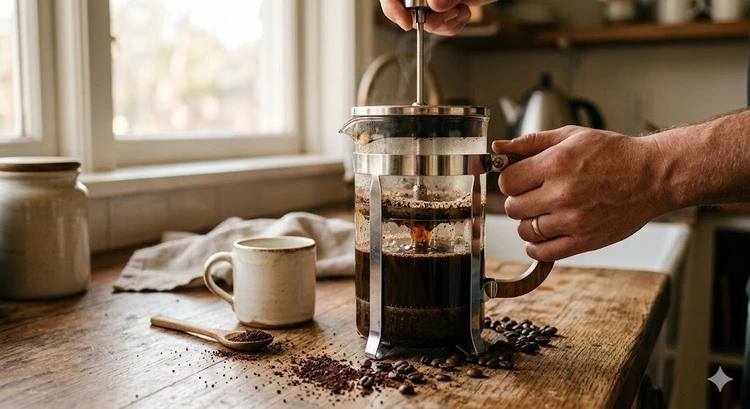
In many home methods, brew time becomes a silent variable. If your pour is slower or your agitation is different, the cup can change even when the recipe is the same. For pour-over, aim for steady pouring. For immersion methods, keep stirring consistent.
For practical accuracy, time your brew and record the duration. This creates a baseline for future adjustments.
Step 6: Evaluate the cup using three sensory checkpoints
Use a simple evaluation framework:
- Sweetness: does the coffee taste rounded and balanced?
- Acidity clarity: is acidity pleasant and clean, or sharp and thin?
- Bitterness control: is bitterness present but smooth, or aggressive and dry?
Then match those signals to the likely cause. Sour and thin often point to under-extraction, which can be corrected with a finer grind, longer contact time, or slightly higher temperature. Harsh and bitter often point to over-extraction, which can be corrected with a coarser grind or shorter brew.
Step 7: Repeat with one variable at a time
After your first brew with a batch, adjust only one parameter for the next attempt. Keep notes on dose, grind setting, water volume, and timing. With freshly roasted coffee, development in the early days can be real, so your goal is to learn your batch, not only your recipe.
Dialing in Brewing for Maximum Clarity
Dialing in does not require complex equipment. It requires attention to the factors you control. Freshly roasted coffee is often more aromatic, so small deviations become easier to detect.
Pour-over: emphasize even saturation
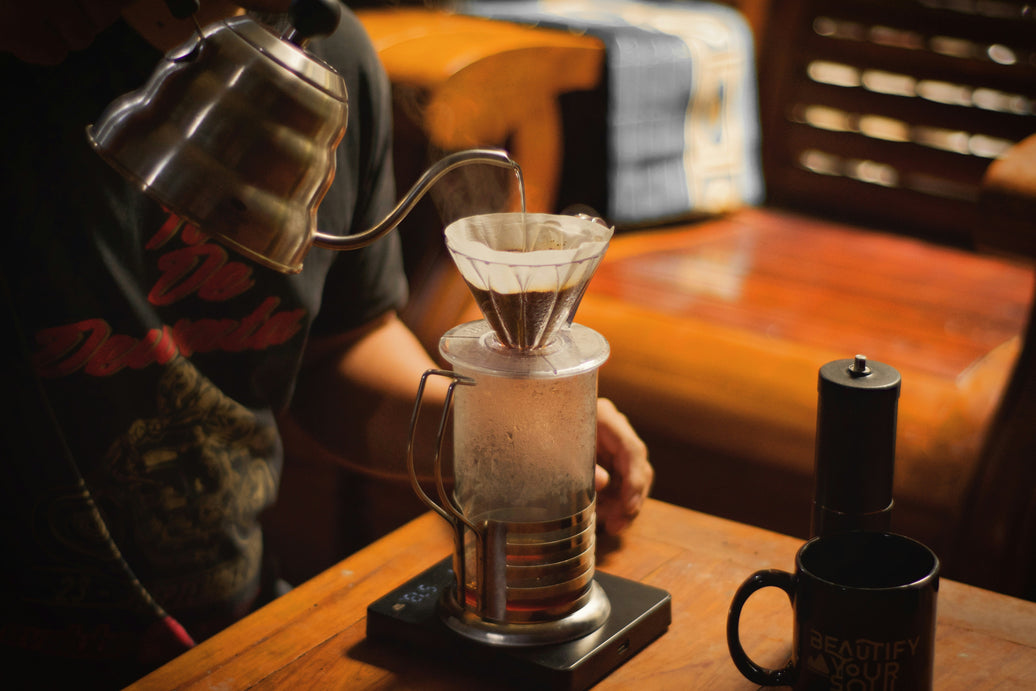
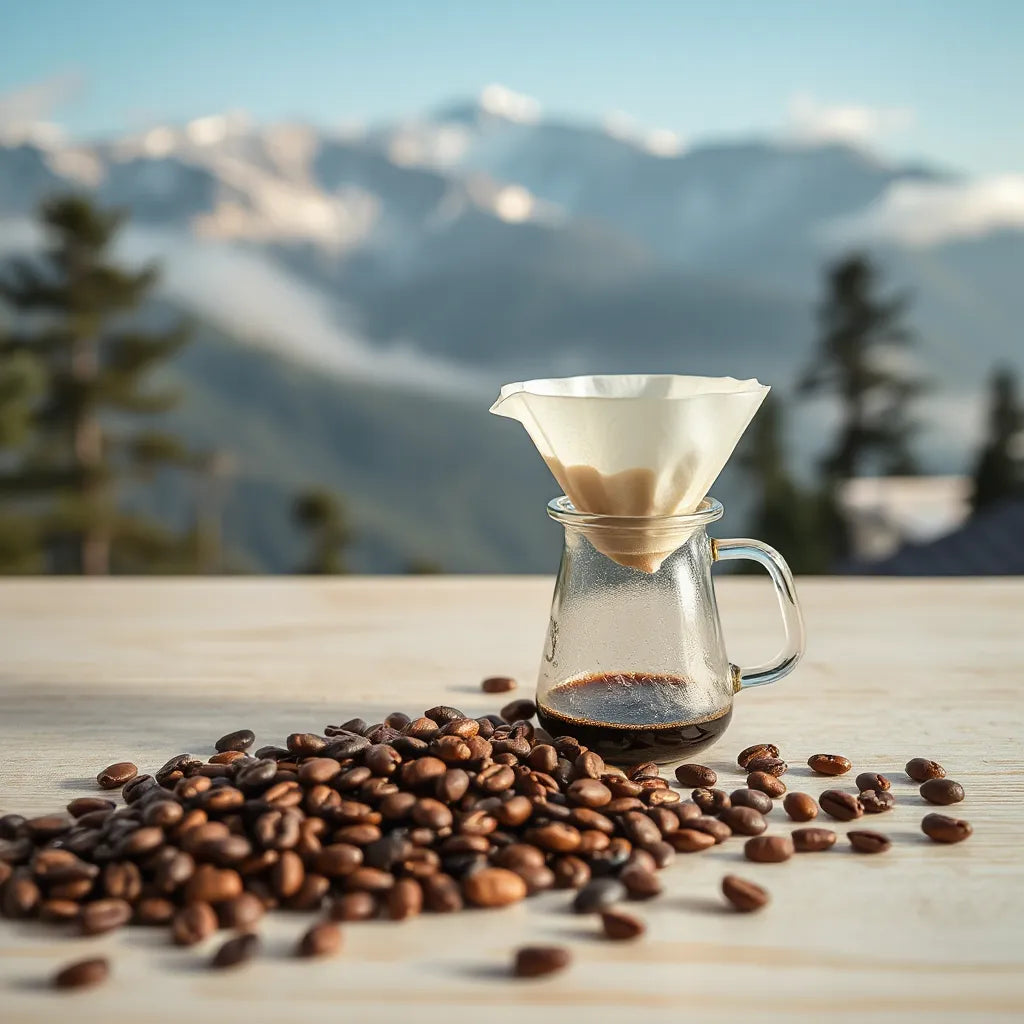
Pour-over can produce excellent clarity. With fresh beans, prioritize an even bed and avoid channeling. Start with a consistent bloom phase, then pour in steady increments. If the coffee tastes too light, make the grind slightly finer. If it tastes heavy and bitter, move slightly coarser.
Drip brewing: reduce variability
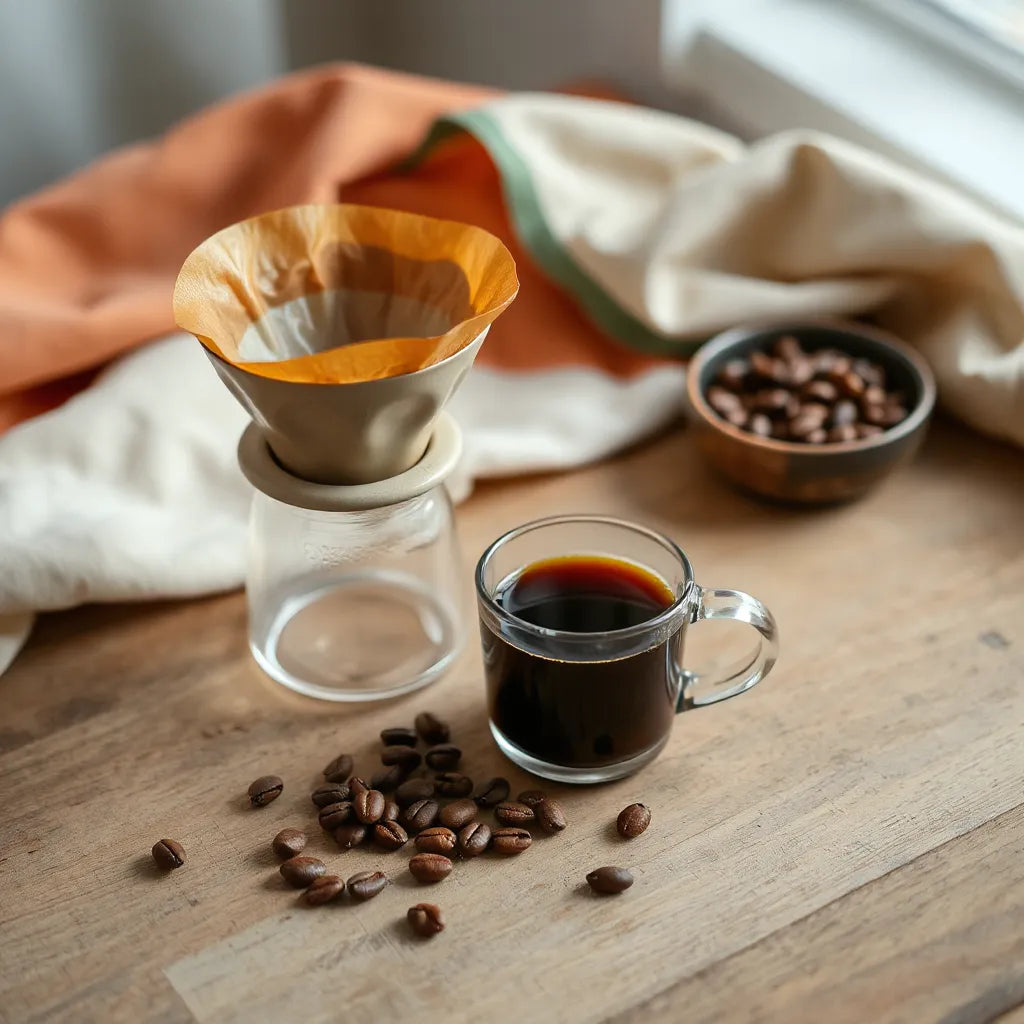
Auto-drip systems can still produce high-quality results. Use a fresh paper filter if appropriate, keep the machine clean, and ensure the water flow remains consistent. If your cups taste uneven, check the grind size and confirm your brew basket and filter fit correctly.
Espresso: manage gas release and extraction time
Espresso is sensitive to freshness. Early in a batch’s life, gas release can affect pressure stability and extraction. If shots taste sour or watery, refine grind size or dial in the dose. If shots taste bitter, reduce extraction intensity by adjusting grind or timing.
Cold brew: prioritize immersion stability
For cold brew, freshness still matters, but the process smooths out many extremes. Use a consistent grind suitable for long steeping. Then filter thoroughly. If your cold brew tastes flat, consider slightly increasing dose or adjusting grind size. If it tastes overly bitter, reduce dose or steeping time.

Dialing in: measurement scale, timer, water stream pattern overlays
Common Mistakes to Avoid
Many home brewers experience disappointment when trying coffee soon after roasting. The most common issues are usually correctable.
- Waiting too long after roasting: flavor compounds fade over time. If the roast date is far in the past, expect lower aroma intensity.
- Storing beans in open containers: oxygen exposure accelerates staling and can create muted flavors.
- Grinding far in advance: aroma escapes quickly after grinding, reducing perceived complexity.
- Changing multiple variables at once: when taste changes, do not assume the cause. Adjust one factor per attempt.
- Ignoring equipment cleanliness: oils build up and can create stale or metallic notes that overwhelm fresh flavor.
- Relying on vague brew timing: contact time influences bitterness and sourness. Use a timer whenever possible.
- Assuming all roasts behave identically: different roast levels and origins develop differently. Treat each batch as its own calibration.
If you want a practical way to explore flavor ranges while staying grounded in freshness, consider sampling offerings that emphasize roast visibility and consistent sourcing. You can also compare roast profiles by changing only the roast level while keeping your recipe stable.
To complement your brewing routine, you may explore blends and roast styles from Italian roast and French roast to understand how roast depth impacts body and perceived sweetness. If you prefer a lighter, more aromatic experience, consider a single-origin sample pack approach for batch-to-batch comparisons.
Summary & Takeaway
Freshly roasted coffee offers a distinct advantage: stronger aroma, clearer flavor structure, and a more responsive brewing profile. To convert that potential into consistent cups, choose beans with a clear roast date, store them airtight, grind right before brewing, and brew with measured dose, stable water, and controlled timing. When taste shifts, use sensory checkpoints to decide whether to refine grind size, temperature, or contact time.
With deliberate adjustments and simple notes, you will learn how each new batch behaves and you will build a repeatable method that supports better coffee every time.
Q&A Section
How soon after roasting should I brew?
You can brew soon after roasting, but you may need minor grind and timing adjustments in the first early period. If your coffee tastes thin or sour, adjust toward a finer grind or slightly longer contact. If it tastes overly heavy or bitter, adjust toward a coarser grind or slightly shorter contact. The best timing is the one that produces balanced sweetness and clean acidity for your specific method.
What is the best way to store beans for freshness?
Store beans in an airtight container away from heat, humidity, and direct light. Keep the bag sealed until opening, then transfer to a container that limits oxygen exposure. Avoid refrigeration or freezing unless your storage routine prevents moisture uptake and repeated temperature changes. The aim is to protect aroma volatility while slowing staling.
Does grind size matter more with freshly roasted coffee?
Grind size matters for any coffee. With freshly roasted coffee, it often feels more noticeable because aromatic compounds and extraction behavior can shift early in a batch. Small grind changes can correct under- or over-extraction quickly. If you maintain your dose and water ratio, adjusting grind becomes the most direct path to better balance.
Why does my coffee taste sour even when the roast seems good?
Sourness usually indicates under-extraction, which can occur when grind size is too coarse, brew time is too short, or water temperature is too low. It can also result from inconsistent pouring that prevents even saturation. Correct by moving to a slightly finer grind, extending contact time, or improving water stability while keeping other variables steady.
About the Author
Arvea Coffee is an expert team focused on coffee freshness, roast quality, and practical brewing education. Our approach emphasizes measurable parameters, sensory evaluation, and responsible sourcing to help customers get better results at home. Thank you for reading, and may your next cup be more aromatic, balanced, and satisfying.
Disclaimer: This article provides general brewing guidance based on common coffee science and home brewing best practices. Results can vary by bean origin, roast level, equipment, and water conditions. Always follow manufacturer instructions for your coffee maker and grinder.
The content in this blog post is intended for general information purposes only. It should not be considered as professional, medical, or legal advice. For specific guidance related to your situation, please consult a qualified professional. The store does not assume responsibility for any decisions made based on this information.





















Leave a comment