


From Bean to Cup: The Journey Behind Your Coffee
Every cup of coffee has a story.
Before coffee reaches your kitchen, the beans go through a journey that can involve farmers, processors, exporters, roasters, and coffee lovers.
The process starts with a coffee plant and eventually ends with the freshly brewed cup sitting in front of you.
Understanding this journey can also help you appreciate why things like origin, processing, roasting, grinding, freshness, and brewing matter.
So, how does coffee actually get from the farm to your kitchen?
Let's take a closer look.
Step 1: Coffee Starts as a Plant
Coffee begins with a coffee plant.
Coffee plants produce small fruits commonly called coffee cherries. Inside the fruit are usually two seeds—the coffee beans we eventually roast and brew.
Coffee plants grow in regions with suitable climates, soil, rainfall, temperatures, and elevation.
The growing environment can influence the characteristics of the coffee.
This is one reason coffee from different regions can taste noticeably different.
Step 2: Coffee Cherries Are Harvested
When the coffee cherries are ready, they are harvested.
Harvesting methods can vary depending on the farm, region, and production system.
Some coffee is selectively harvested, where ripe cherries are picked individually.
Other harvesting methods may collect larger quantities of cherries at once.
The goal is to get the harvested coffee ready for processing while maintaining quality.
Step 3: The Coffee Cherries Are Processed
After harvesting, the coffee fruit needs to be processed.
There are several processing methods, including:
- Washed processing
- Natural processing
- Honey processing
The processing method can influence the final characteristics of the coffee.
Washed Coffee
In washed processing, much of the fruit is removed before the coffee is dried.
This style is often associated with cleaner and more defined flavor characteristics.
Natural Coffee
With natural processing, the coffee cherries are dried with much of the fruit still around the seed.
This can contribute to distinctive fruity and sweet characteristics.
Honey Processing
Honey processing removes some of the fruit while leaving a portion of the sticky fruit layer around the seed during drying.
Different processing approaches can create different flavor experiences.
Step 4: Coffee Beans Are Dried
After processing, the coffee needs to be dried to an appropriate moisture level.
Drying is an important part of preparing coffee for storage and transportation.
Depending on the production method and location, coffee may be dried using raised beds, patios, mechanical dryers, or other systems.
Proper drying helps prepare the coffee for the next stages of its journey.
Step 5: Coffee Is Prepared for Transportation
Once processed and dried, coffee is prepared for storage and transportation.
At this stage, the coffee is not yet the dark, fragrant bean you see in your coffee bag.
It is generally referred to as green coffee.
Green coffee can then travel from its producing region to other parts of the world where it may be roasted.
Step 6: Coffee Travels to the Roaster
Green coffee may travel long distances before reaching a coffee roaster.
This part of the journey can involve:
- Producers
- Cooperatives
- Exporters
- Importers
- Logistics companies
- Coffee roasters
The coffee's origin remains an important part of its identity throughout this process.
For coffee lovers, knowing where the beans originated can add another layer to the experience.
Step 7: The Coffee Is Roasted
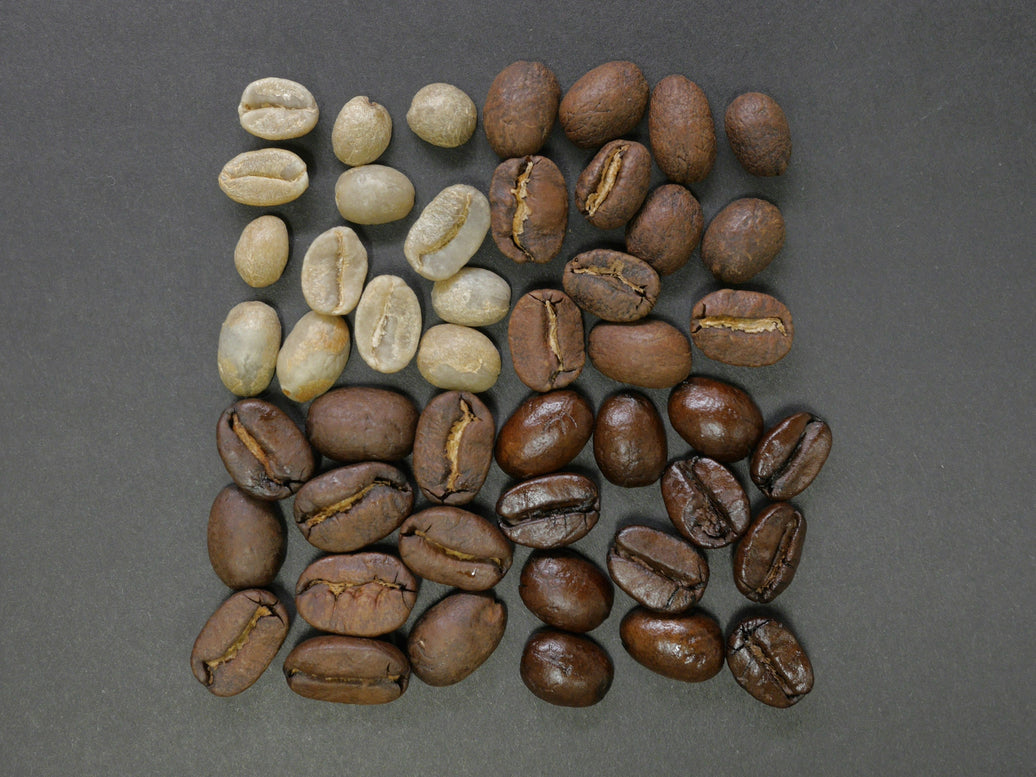
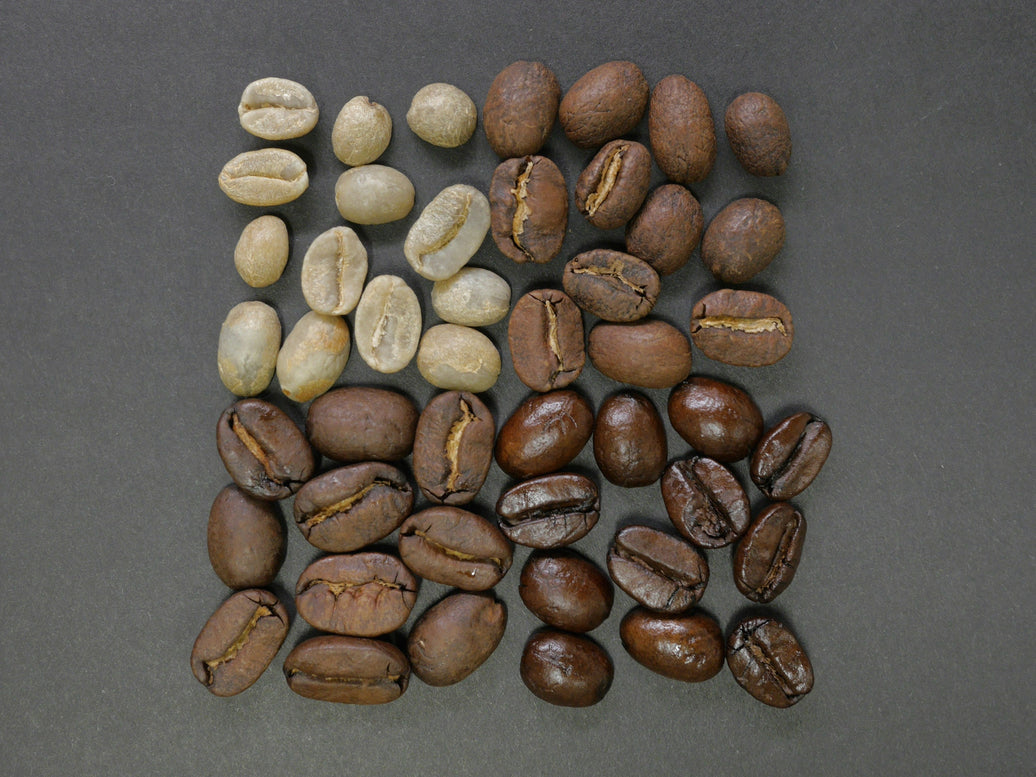
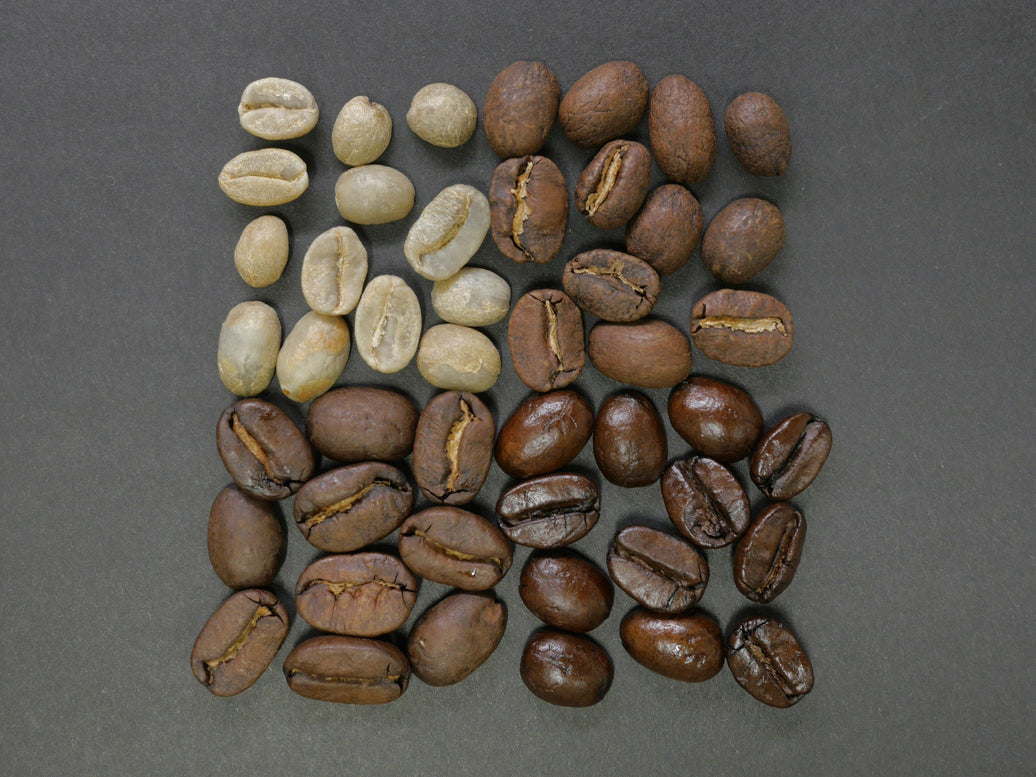
This is where green coffee begins to transform into the familiar roasted coffee bean.
Roasting uses heat to create major changes in the coffee's color, aroma, and flavor.
Different roast levels can produce noticeably different experiences.
Light Roast
Light roasts generally retain more of the characteristics associated with the original coffee and can highlight brighter or more delicate flavors.
Medium Roast
Medium roasts can offer a balance between origin characteristics and roast-developed flavors.
Dark Roast
Dark roasts generally develop deeper, more roasted flavors and can produce a bold cup.
There isn't one universally best roast.
The right roast depends on what you enjoy.
Step 8: Coffee Is Cooled and Prepared
After roasting, the coffee is cooled to stop the roasting process.
It can then be prepared for packaging as whole beans or ground coffee.
At this point, the coffee is much closer to the product you eventually purchase.
Step 9: Whole Bean or Ground Coffee?
Coffee can be sold as whole bean or ground coffee.
Whole Bean Coffee
Whole beans allow you to grind your coffee immediately before brewing.
For many coffee drinkers, this is a great option when freshness and control are priorities.
You can also adjust the grind size depending on your brewing method.
Ground Coffee
Ground coffee is convenient because it is ready to brew.
It can be a practical choice for busy mornings or anyone who doesn't own a grinder.
The key is choosing the appropriate grind size for your brewing method.
Step 10: Coffee Is Packaged
Once the coffee has been roasted and prepared, it is packaged.
Packaging helps protect the coffee from factors that can negatively affect freshness, including exposure to air, moisture, heat, and light.
Proper storage after you purchase the coffee is also important.
Keep your coffee in a cool, dry place and follow the storage recommendations provided with your coffee.
Step 11: Your Coffee Arrives at Your Kitchen
Now the journey becomes personal.
Your coffee has traveled from its growing environment to your kitchen.
This is where you decide how to prepare it.
You might choose:
- Drip coffee
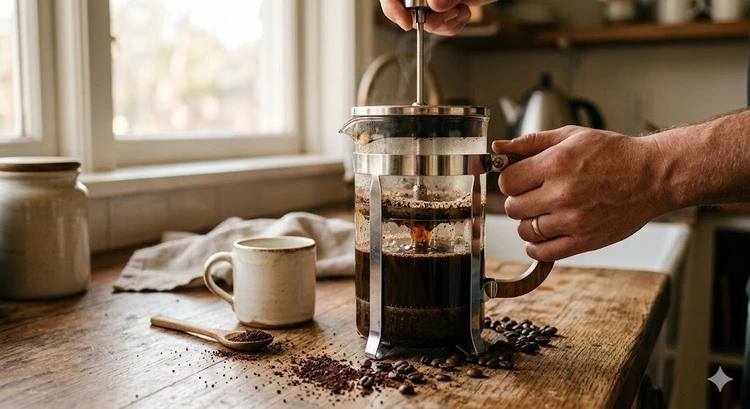
- French press
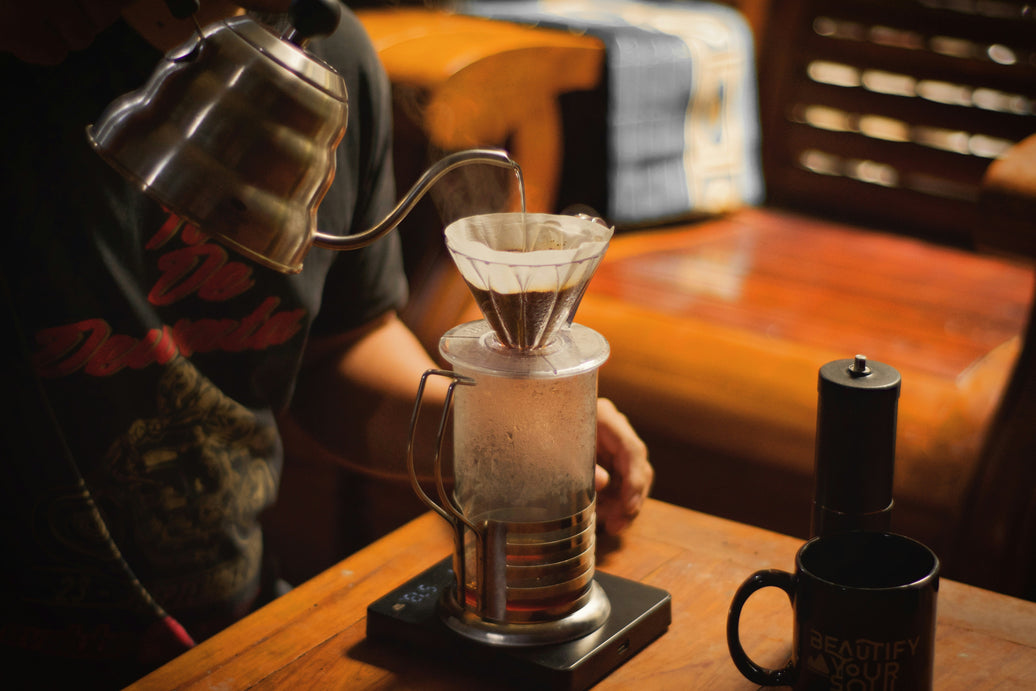
- Pour over
- Espresso
- Cold brew
- Another brewing method
The same coffee can taste different depending on how you brew it.
Step 12: Grinding the Coffee
If you're using whole beans, grinding is one of the most important steps before brewing.
Different brewing methods generally work best with different grind sizes.
| Brewing Method | Typical Grind |
|---|---|
| French Press | Coarse |
| Cold Brew | Coarse |
| Drip Coffee | Medium |
| Pour Over | Medium to medium-fine |
| Espresso | Fine |
These are starting points rather than strict rules.
Your grinder, coffee, water, and brewing method can all affect the ideal grind.
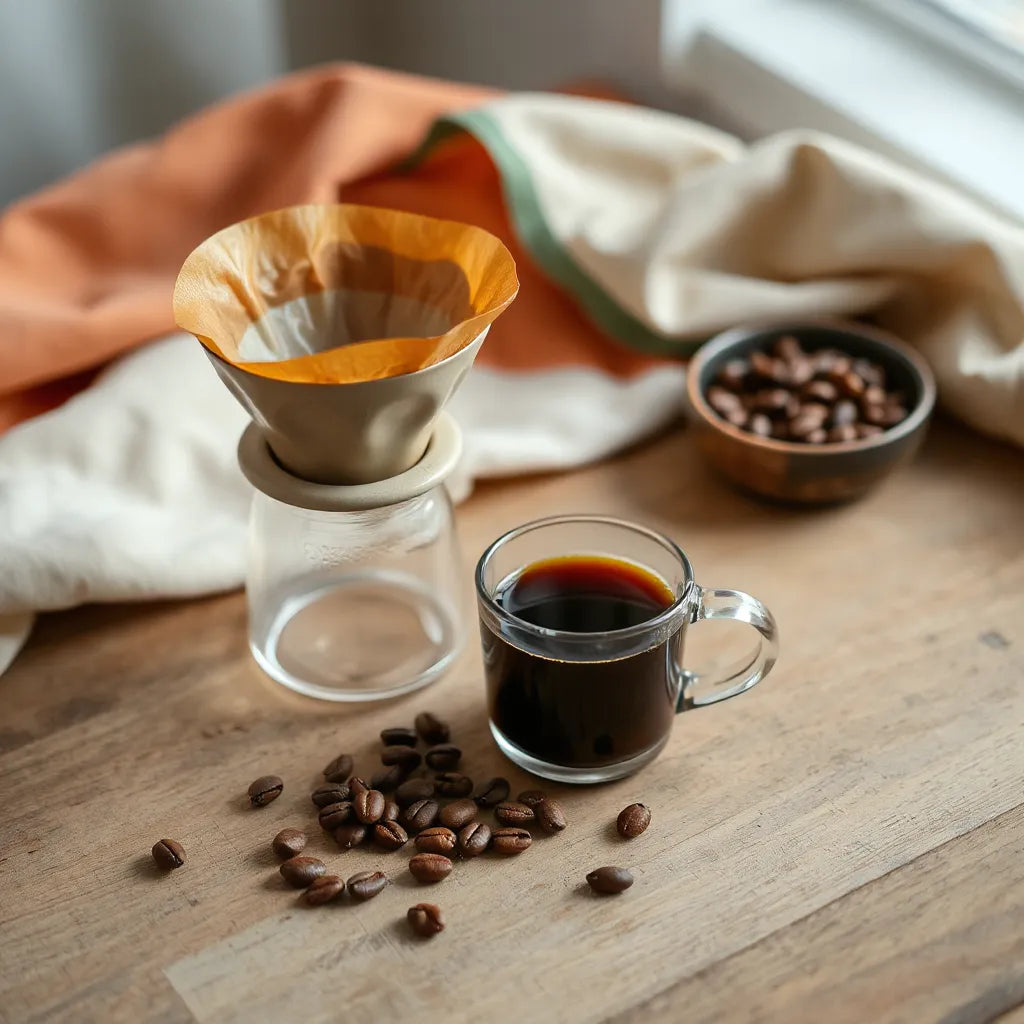
Step 13: Brewing Your Coffee
Now comes the final transformation—from roasted coffee grounds into your cup.
Brewing extracts soluble compounds and aromatic components from the coffee grounds using water.
Several variables can influence the final result:
- Coffee-to-water ratio
- Grind size
- Water temperature
- Brewing time
- Brewing method
- Coffee freshness
- Water quality
Small changes can make a noticeable difference.
If your coffee tastes too bitter, too sour, too weak, or too strong, adjusting one variable at a time can help you find a better balance.
Why Freshness Matters
Coffee doesn't stay exactly the same forever after roasting.
Exposure to oxygen, heat, moisture, and light can gradually affect its quality.
That's why proper storage matters.
For the best experience:
- Keep coffee sealed properly.
- Store it in a cool, dry location.
- Avoid unnecessary exposure to air.
- Buy quantities you can reasonably use while the coffee is at its best.
- If possible, grind whole beans shortly before brewing.
From Farm to Cup: Every Step Matters
A great cup of coffee isn't created by one step alone.
The final experience can be influenced by:
Growing → Harvesting → Processing → Drying → Transportation → Roasting → Grinding → Brewing
Each stage contributes to the journey.
That's what makes coffee so interesting.
A coffee bean can travel thousands of miles and pass through many hands before becoming the drink you enjoy at home.
Why Coffee Origin Matters
Coffee origin can give you useful information about the coffee you're buying.
Different growing regions can have different:
- Climates
- Elevations
- Soil conditions
- Coffee varieties
- Processing traditions
- Farming practices
These differences can contribute to different flavor experiences.
That's why exploring coffees from different origins can be a fun way to discover what you like.
How Arvea Coffee Fits Into the Journey
At Arvea Coffee, the journey doesn't end when the beans are roasted.
It ends when you brew a cup you genuinely enjoy.
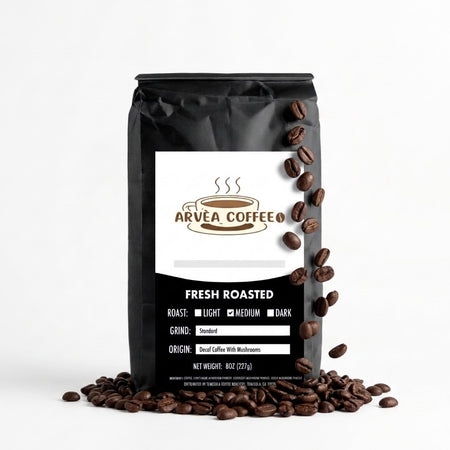
Whether you prefer a bold roast, a balanced blend, whole beans, ground coffee, espresso, or cold brew, choosing the right coffee for your brewing style can make your daily routine more enjoyable.
Explore the available coffee options and find something that fits your taste and brewing routine.
Frequently Asked Questions
How does coffee get from the farm to my cup?
Coffee typically goes through harvesting, processing, drying, preparation, transportation, roasting, packaging, grinding, and brewing before becoming your finished cup.
What is green coffee?
Green coffee refers to coffee beans that have been processed and dried but have not yet been roasted.
Does roasting change coffee flavor?
Yes. Roasting causes chemical and physical changes that contribute significantly to coffee's aroma, flavor, color, and body.
Is whole bean coffee better than ground coffee?
Not necessarily. Whole beans give you more control over when and how you grind the coffee, while ground coffee offers convenience.
What is the best grind size for coffee?
It depends on the brewing method. French press and cold brew commonly use coarse grounds, drip coffee often uses a medium grind, and espresso generally uses a fine grind.
How should I store coffee?
Keep coffee sealed and store it in a cool, dry place away from excessive heat, moisture, light, and air.
Why do coffees from different regions taste different?
Growing environment, coffee variety, processing, roasting, freshness, and brewing can all contribute to differences in flavor.
Final Thoughts
The next time you drink coffee, remember that your cup represents a much bigger journey.
It began with a coffee plant, continued through harvesting and processing, traveled through roasting and packaging, and finally reached your kitchen.
From bean to cup, every step can influence the final experience.
And once you understand that journey, every cup can become a little more interesting.
Your morning coffee has a story. Now you know how it gets to you.


























Leave a comment