


Himalayan Coffee vs Traditional Coffee
Coffee comes in thousands of different varieties, origins, roast levels, and flavor profiles.
So when you see something like Himalayan coffee, you may naturally wonder:
How is it different from the coffee I normally drink?
The answer isn't as simple as saying one is stronger, smoother, or better.
Coffee flavor is influenced by many factors, including where the coffee is grown, the coffee variety, processing method, roasting, grinding, and brewing.
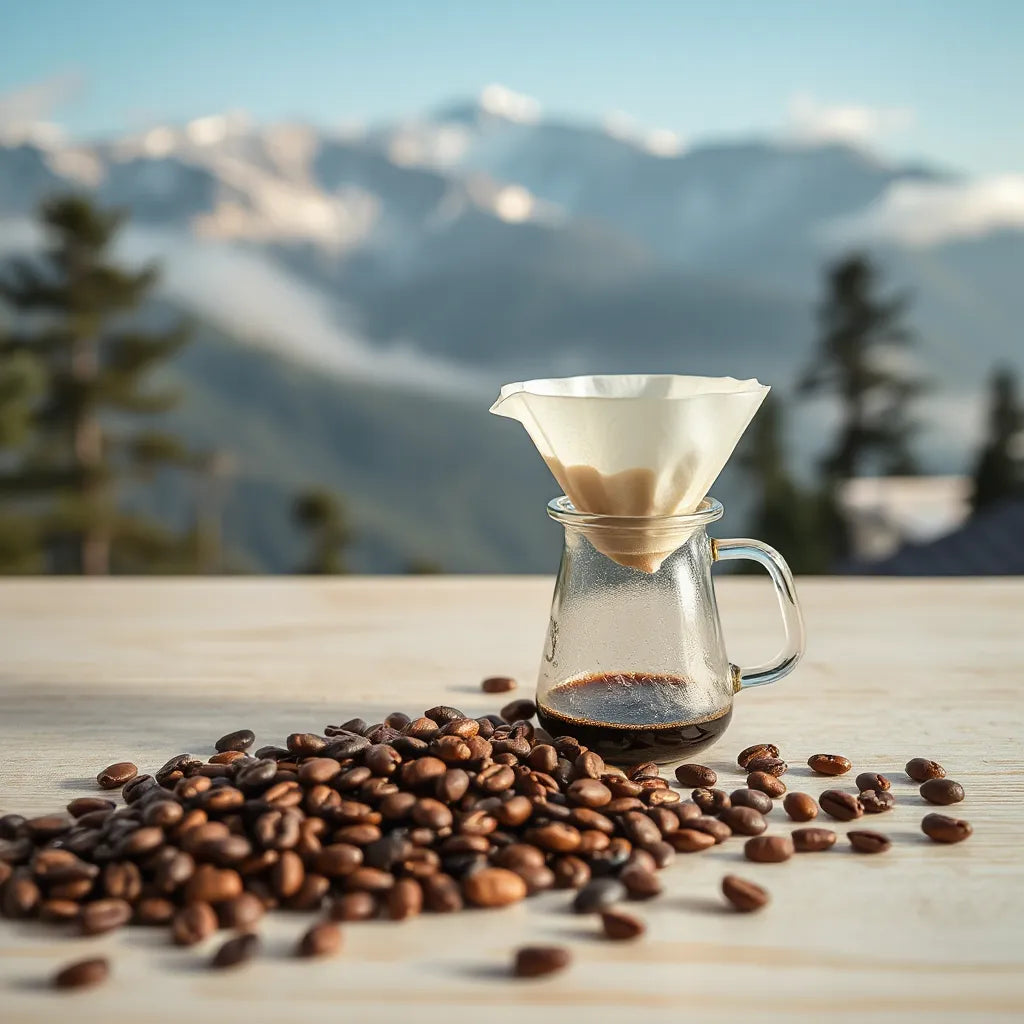
Himalayan coffee is interesting because of its connection to mountainous growing environments and the unique conditions found across the Himalayan and surrounding regions.
Traditional coffee, meanwhile, isn't a specific type of coffee. It can refer broadly to familiar coffees people drink every day, often without focusing heavily on origin.
Let's break down the differences.
What Is Himalayan Coffee?
Himalayan coffee broadly refers to coffee associated with growing regions in and around the Himalayan area.
Because the Himalayan region covers a large geographic area, there isn't one single Himalayan coffee flavor.
Individual coffees can differ based on:
- Growing location
- Elevation
- Climate
- Coffee variety
- Harvesting
- Processing
- Roasting
- Grinding
- Brewing
This means two Himalayan coffees can taste completely different from one another.
That's part of what makes exploring coffee origins so interesting.
What Does "Traditional Coffee" Mean?
Traditional coffee isn't a technical coffee-origin category.
When people say "traditional coffee," they might simply mean the coffee they're accustomed to drinking—such as a regular morning blend, medium roast, dark roast, or standard ground coffee.
Traditional coffee can come from many different countries and regions.
It can also be:
- Whole bean
- Ground
- Light roast
- Medium roast
- Dark roast
- Blend
- Single origin
- Espresso
- Cold brew
So the biggest difference is often how we think about the coffee, rather than a strict technical distinction.
Himalayan Coffee vs Traditional Coffee: Quick Comparison
| Feature | Himalayan Coffee | Traditional Coffee |
|---|---|---|
| Origin | Associated with Himalayan/Asian mountain regions | Can come from many regions |
| Growing environment | May include elevated or mountainous areas | Depends on specific origin |
| Flavor | Varies by coffee | Varies by coffee |
| Roast | Light, medium or dark | Light, medium or dark |
| Grind | Depends on brewing method | Depends on brewing method |
| Brewing | Espresso, drip, French press, pour over, cold brew | Same methods |
| Best choice | Depends on personal taste | Depends on personal taste |
The important takeaway is that origin doesn't determine everything.
Does Himalayan Coffee Taste Different?
It can.
Growing environment is one factor that can influence coffee characteristics.
Mountainous growing regions may have differences in:
- Temperature
- Elevation
- Rainfall
- Sunlight
- Soil
- Growing seasons
These environmental differences can influence how coffee develops.
But after harvesting, processing and roasting also have major effects on flavor.
For example, a coffee might have naturally interesting characteristics, but a very dark roast could emphasize roasted flavors and reduce some of the characteristics associated with its origin.
That's why it's useful to think about coffee as a complete process rather than focusing on one characteristic.
Flavor Comparison
When comparing Himalayan coffee with another coffee, don't ask only:
"Which one tastes better?"
Instead, ask:
"Which flavor profile do I prefer?"
You might enjoy coffee that is:
Smooth
You may prefer balanced blends or medium roasts.
Bold
A darker roast may be more appealing.
Bright
Some lighter roasted coffees may provide more noticeable acidity.
Sweet
You may enjoy coffees with caramel, chocolate, fruit, or honey-like flavor characteristics.
Complex
Single-origin coffees can be interesting when you want to explore how origin and processing affect flavor.
Your taste preferences should determine your choice.
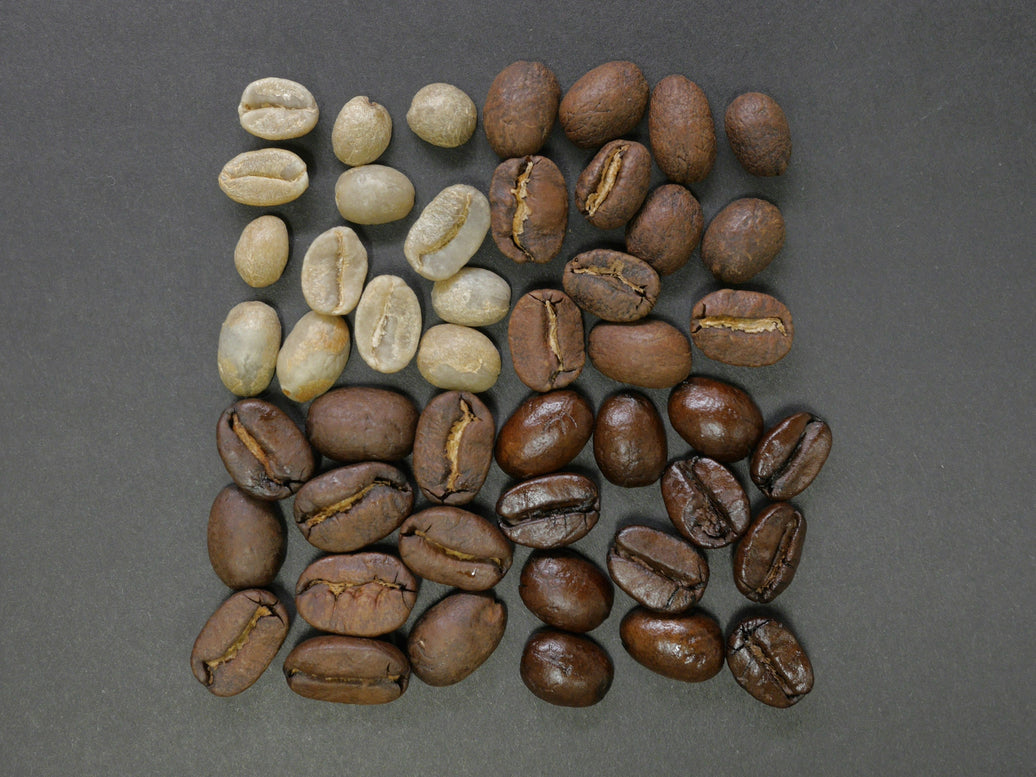
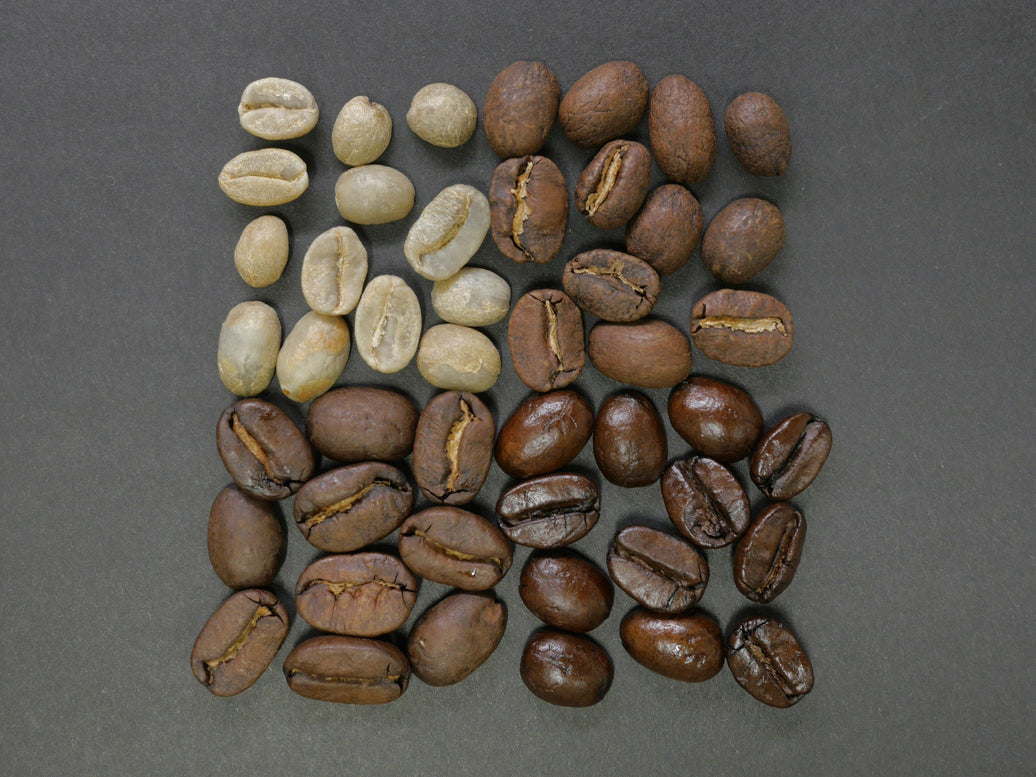
Himalayan Coffee and Roast Level
A common mistake is assuming the origin tells you exactly how the coffee will taste.
Roast level matters enormously.
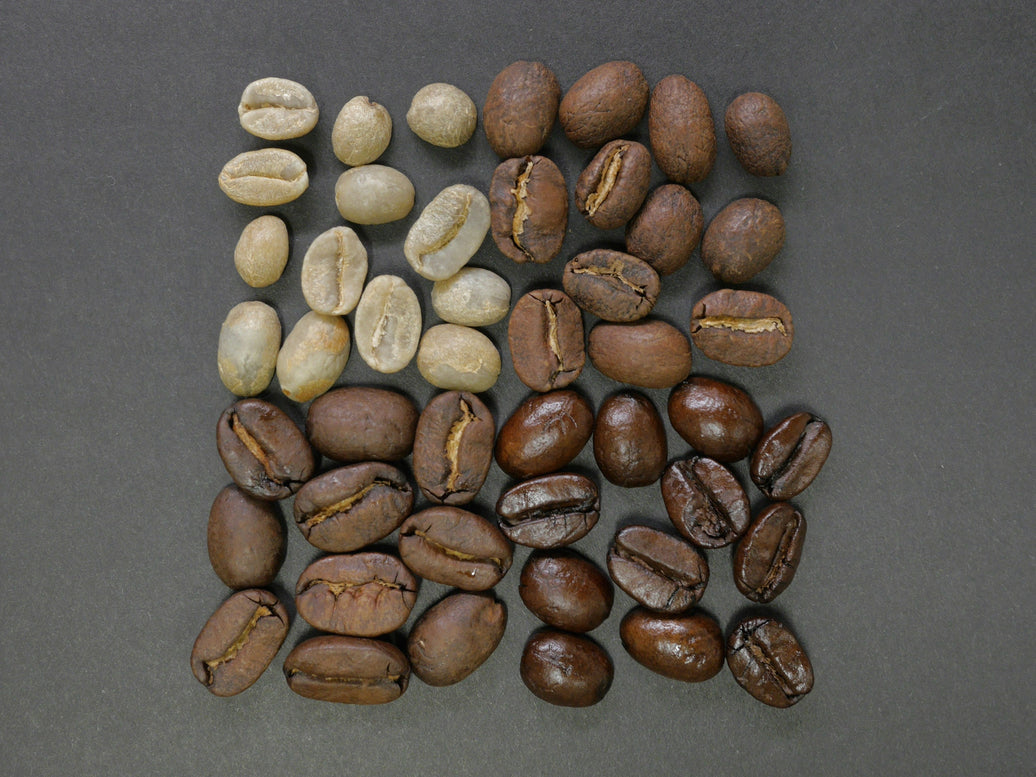
Light Roast
A light roast can preserve more characteristics associated with the original coffee.
It may be:
- Bright
- Fruity
- Floral
- Delicate
Medium Roast
A medium roast can provide a balance between origin characteristics and roasted flavors.
It may offer:
- Balanced acidity
- Sweetness
- Moderate body
- Caramel or chocolate-like notes
Dark Roast
A dark roast generally emphasizes developed roasted characteristics.
It may taste:
- Bold
- Smoky
- Rich
- Bittersweet
So a Himalayan coffee can taste very different depending on how it is roasted.
Himalayan Coffee vs Traditional Coffee: Which Has More Caffeine?
This is another common question.
The answer is:
Origin alone does not determine caffeine content.
Caffeine can be influenced by factors such as:
- Coffee variety
- Serving size
- Brewing method
- Coffee-to-water ratio
- Preparation
So you shouldn't assume that Himalayan coffee automatically contains more or less caffeine than another coffee.
Which Coffee Is More Bitter?
Bitterness is also more complicated than simply comparing origins.
Roast level, extraction, brewing temperature, brewing time, and coffee-to-water ratio can all affect how bitter your coffee tastes.
For example, over-extracted coffee can taste unpleasantly bitter regardless of where the beans were grown.
If your coffee tastes too bitter, try adjusting your brewing method before deciding that you don't like the coffee itself.
Whole Bean vs Ground Coffee
This applies to both Himalayan coffee and traditional coffee.
Whole Bean Coffee
Whole beans allow you to grind your coffee immediately before brewing.
Benefits include:
- Greater control
- Adjustable grind size
- Fresh grinding
- Flexibility between brewing methods
Ground Coffee
Ground coffee is convenient and easy to use.
It's a good choice if:
- You don't own a grinder
- You want faster preparation
- You want coffee already prepared for your brewing method
Neither option is automatically right for everyone.
Which Grind Should You Use?
Your brewing method should determine the grind.
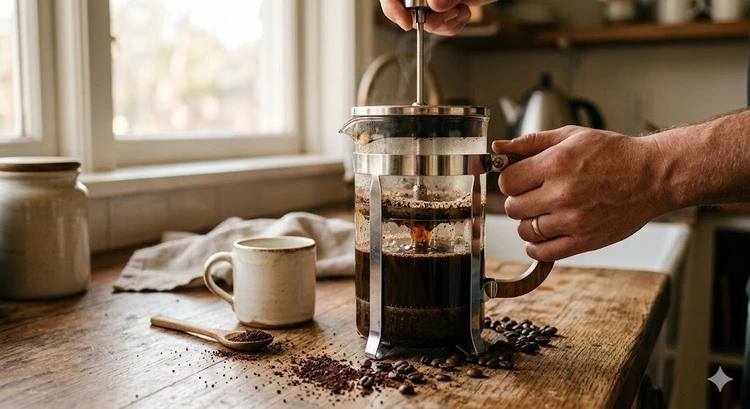
French Press
Coarse
Cold Brew
Coarse
Drip Coffee
Medium
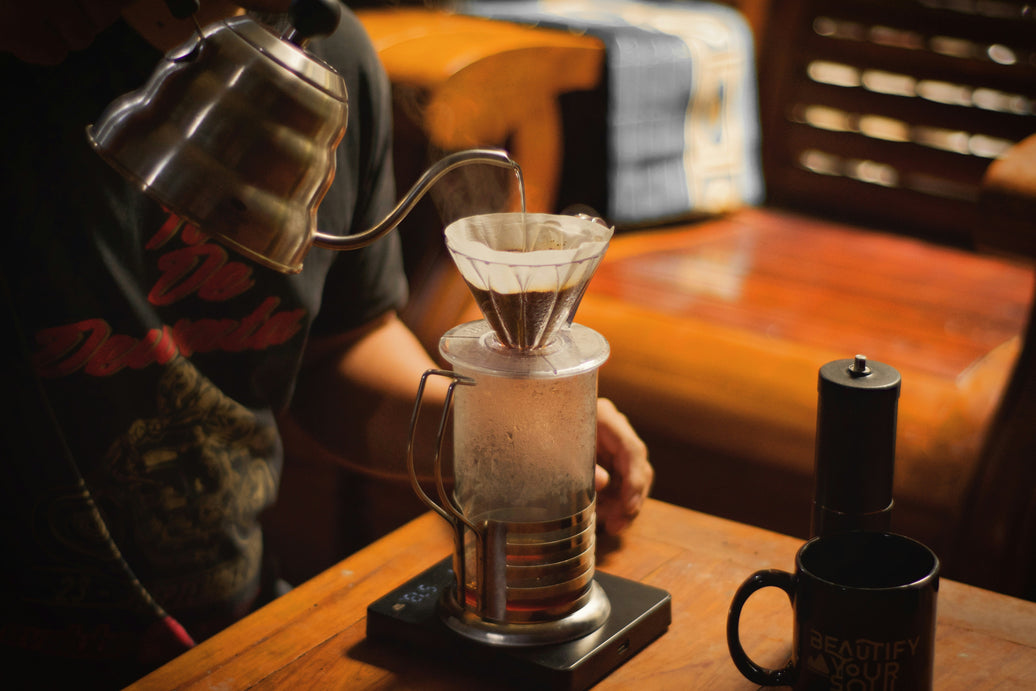
Pour Over
Medium
Espresso
Fine
If you're changing coffee origins but keeping the same brewing method, start with the same basic grind and adjust based on taste.
Himalayan Coffee vs Traditional Coffee for Espresso
Can Himalayan coffee be used for espresso?
Absolutely—provided the coffee is suitable for espresso and ground appropriately.
Espresso isn't a particular type of bean.
It's a brewing method.
The key is:
Coffee + appropriate roast + fine grind + espresso brewing parameters
If you enjoy espresso, experiment with different origins and roast levels to find what you prefer.
Himalayan Coffee vs Traditional Coffee for Cold Brew
Himalayan coffee can also be used for cold brew.
Cold brew generally benefits from a coarse grind and a brewing process that allows the coffee to extract slowly.
Different coffees can produce different cold-brew experiences.
A coffee with chocolate or caramel-like characteristics may create a very different cup from a coffee with brighter fruit characteristics.
The best approach is to experiment.
Which Coffee Should You Choose?
There isn't a universal answer.
Instead, think about what you already enjoy.
Choose a coffee based on origin if:
You enjoy discovering where your coffee comes from.
Choose based on roast if:
You already know you prefer light, medium, or dark coffee.
Choose based on brewing method if:
You primarily drink espresso, French press, pour over, drip, or cold brew.
Choose a sample pack if:
You don't know what you like yet.
Sampling several coffees can be one of the easiest ways to identify your preferred flavor profile.
Why Try Himalayan Coffee?
Trying coffee from a different region can make your daily routine more interesting.
Instead of drinking the same profile every morning, you can explore:
- Different origins
- Different roast levels
- Different processing styles
- Different grind sizes
- Different brewing methods
Himalayan coffee is especially interesting for people who enjoy discovering coffee connected to mountainous growing environments.
Discover Different Coffee Styles With Arvea
At Arvea Coffee, we make it easier to explore different coffee styles.
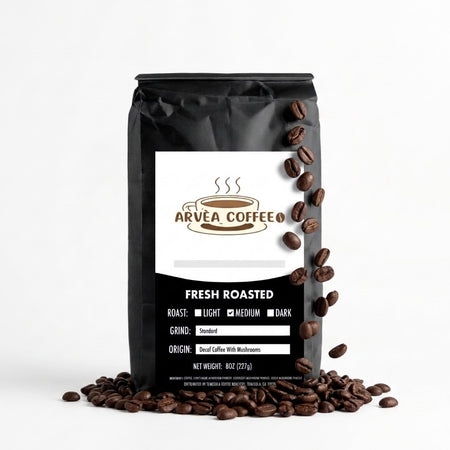
Our collection includes different roast profiles, blends, grind options, and coffee formats.
Whether you're looking for:
- Whole bean coffee
- Espresso
- Coarse grind
- Standard grind
- Cold brew
- Different roast styles
- Coffee sample packs
you can explore different options and find what fits your routine.
If you're unsure which profile you prefer, start by exploring different coffees rather than committing to one style immediately.
Start Your Coffee Journey
☕ Explore Arvea Coffee → https://arveacoffee.com/
Find a roast, grind, and coffee style that matches your taste.
Frequently Asked Questions
Is Himalayan coffee better than traditional coffee?
There isn't an objectively better choice. Himalayan coffee and other coffees can have different characteristics, and the best option depends on your personal preferences.
What makes Himalayan coffee different?
Its connection to Himalayan or surrounding mountain-growing regions is one distinguishing characteristic. Growing environment, coffee variety, processing, roasting, and brewing can all influence its final flavor.
Is Himalayan coffee stronger?
Not necessarily. Coffee strength depends on factors such as brewing method, coffee-to-water ratio, serving size, and extraction.
Is Himalayan coffee bitter?
It can be, but bitterness isn't determined solely by origin. Roast level and brewing technique can significantly influence bitterness.
Can Himalayan coffee be used in an espresso machine?
Yes. Coffee intended for espresso should be ground finely and brewed using appropriate espresso parameters.
Is Himalayan coffee good for cold brew?
It can be. Experimenting with different coffees is one of the best ways to find the cold-brew flavor you enjoy.
Should I choose whole bean or ground coffee?
Choose whole bean if you want to grind your coffee fresh and control the grind size. Choose ground coffee if convenience is more important.
Final Thoughts
Himalayan coffee isn't necessarily better or worse than other coffee.
It's simply another coffee story worth exploring.
Its growing environment, origin, variety, processing, roast, grind, and brewing method can all contribute to the final experience.
And that's what makes coffee exciting.
There are countless combinations to explore until you find the cup that feels right for you.
Explore Arvea Coffee and discover your next favorite.
☕ Arvea Coffee — https://arveacoffee.com/
























Leave a comment