


What Are Himalayan Coffee Beans?
If you're always looking for something new to put in your morning cup, Himalayan coffee beans are an interesting coffee to explore.
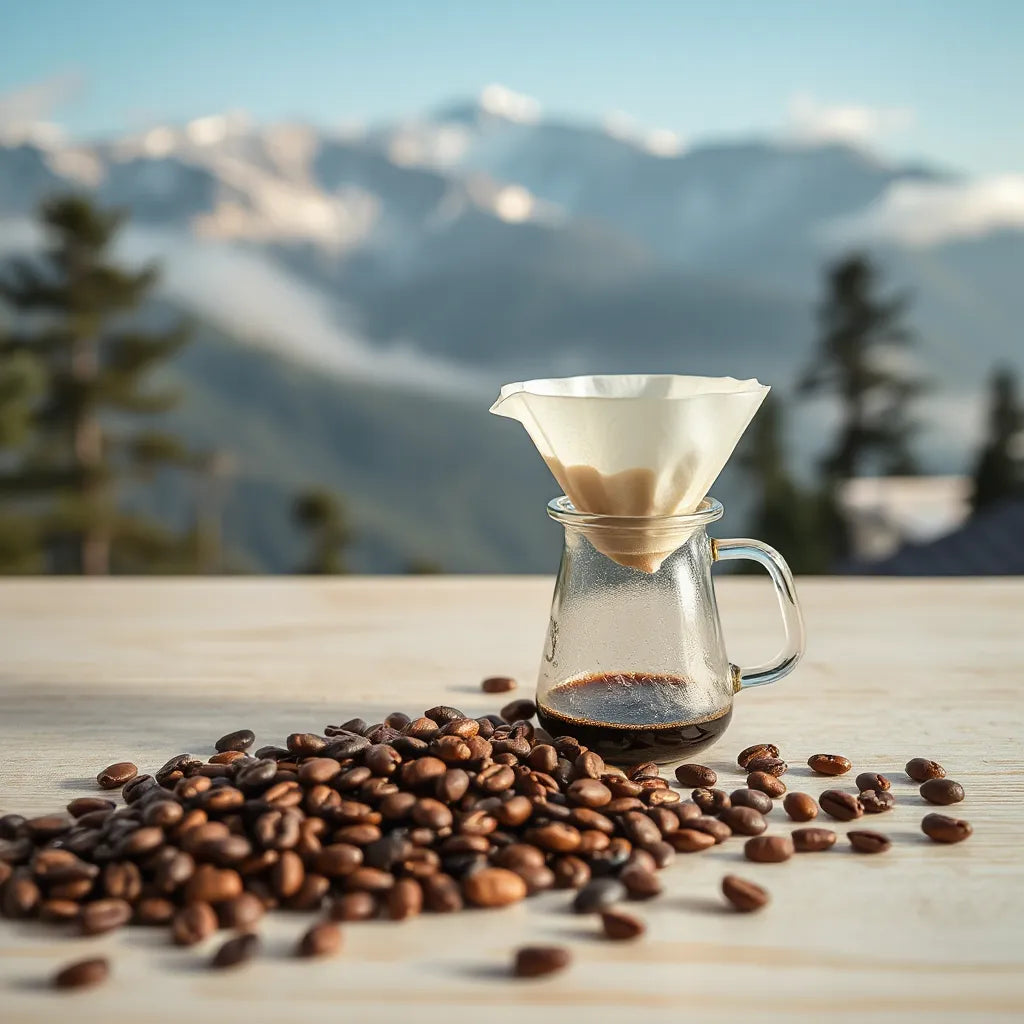
The Himalayas are best known for their dramatic mountains and unique landscapes, but coffee production can also be part of the broader story of coffee in the Himalayan and surrounding Asian regions.
Like coffee from any region, the final taste of Himalayan coffee can depend on many factors—including the coffee variety, growing environment, harvesting, processing, roasting, grinding, and brewing method.
That means there isn't one flavor that describes every Himalayan coffee.
Instead, the fun is discovering what a particular coffee has to offer.
Where Does Himalayan Coffee Come From?
The Himalayan region stretches across several countries and encompasses a wide range of climates and elevations.
Coffee-growing areas associated with the Himalayan region can have different environmental conditions from one another.
Factors such as:
- Elevation
- Temperature
- Rainfall
- Soil
- Sun exposure
- Coffee variety
- Farming practices
can all influence coffee production.
This is one reason coffee enthusiasts enjoy learning about where their coffee comes from.
The location is part of the story—but it's only one part.
Why Does Coffee Origin Matter?
Have you ever noticed that two coffees can taste completely different even when prepared using the same coffee maker?
Origin is one possible reason.
Coffee plants respond to their growing environment. Climate, soil, elevation, and agricultural practices can influence how coffee cherries develop.
After harvesting, processing and roasting introduce additional variables.
By the time the coffee reaches your kitchen, its final character reflects a long chain of decisions.
Farm → Processing → Roasting → Grinding → Brewing → Your Cup
Every step matters.
What Does Himalayan Coffee Taste Like?
One of the most common questions people ask is:
"What does Himalayan coffee taste like?"
The honest answer is that it depends on the specific coffee.
Coffee from different producers and growing areas can have very different characteristics.
You may encounter flavors and aromas described as:
- Chocolate
- Caramel
- Nuts
- Fruit
- Floral notes
- Spice
- Sweetness
- Bright acidity
- Smooth body
Flavor descriptions are also subjective.
A coffee that tastes "fruity" to one person might taste "sweet" or "bright" to another.
That's why tasting different coffees is often the best way to discover your own preferences.
Is Himalayan Coffee Strong?
"Strong" can mean several different things when people talk about coffee.
Someone might mean:
Strong flavor
or
High caffeine
or
Dark roast
These aren't necessarily the same thing.
A dark roast can have a bold roasted flavor without automatically having dramatically more caffeine than a lighter roast.
Similarly, brewing a larger amount of coffee with less water can produce a stronger-tasting cup.
So don't choose a coffee solely because you want something "strong."
Think about the flavor and brewing experience you actually want.
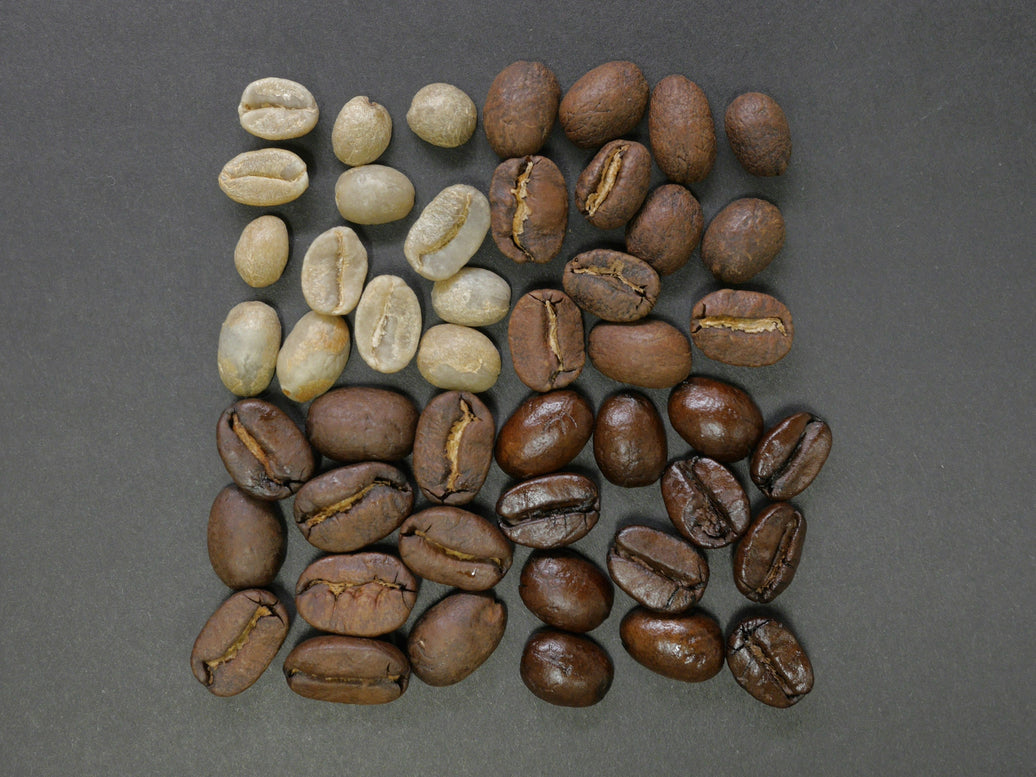
Himalayan Coffee and Roast Level
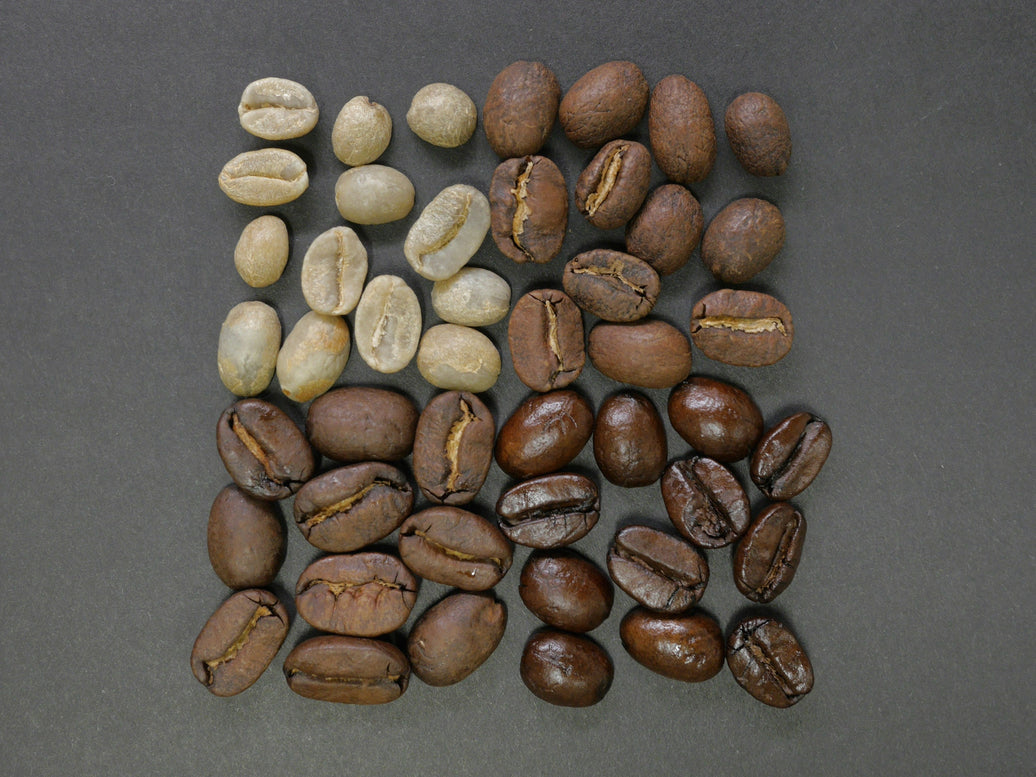
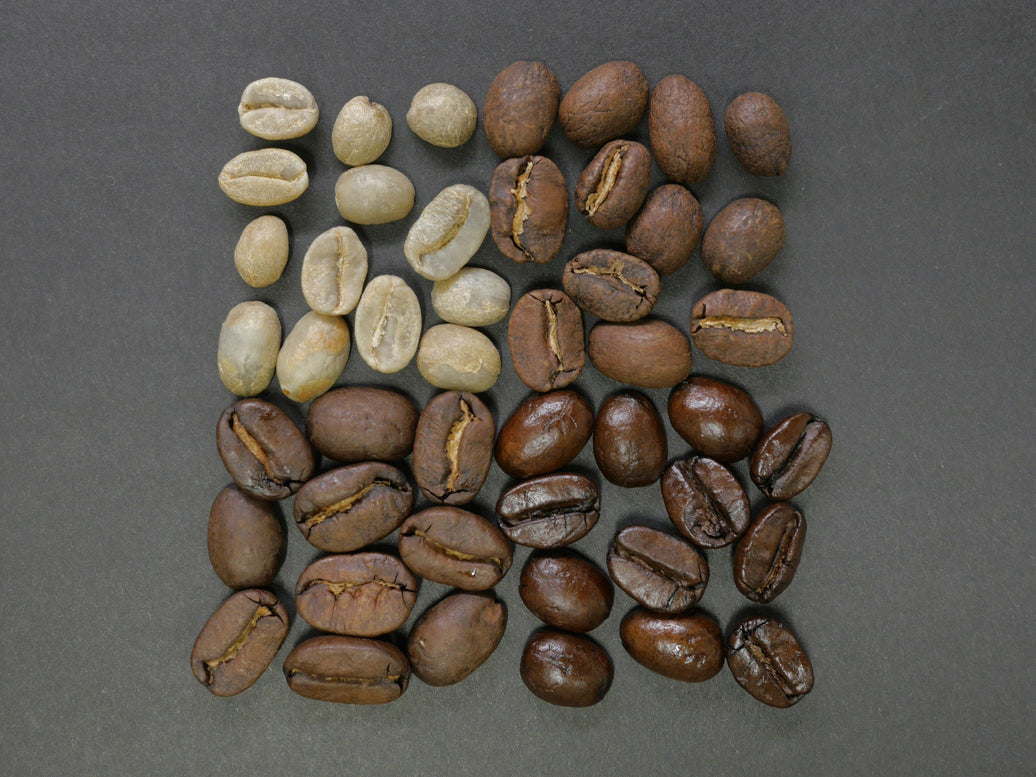
Roasting has a major influence on how coffee tastes.
Light Roast
Light roasts generally preserve more of the characteristics associated with the original coffee and can have brighter acidity and more noticeable flavor distinctions.
Medium Roast
Medium roasts can offer a balance between origin characteristics and roasted flavors.
Dark Roast
Dark roasts typically develop stronger roasted, smoky, or bittersweet characteristics.
There isn't a universally "best" roast.
The best roast is the one that matches your taste.
Whole Bean vs Ground Himalayan Coffee
Another decision you'll make when buying coffee is whether to choose whole beans or ground coffee.
Whole Bean
Whole beans are a great option if you have a quality grinder at home.
You can grind the coffee immediately before brewing and adjust the grind size according to your brewing method.
Ground Coffee
Ground coffee is convenient and makes preparation faster.
It's especially useful if you don't own a grinder.
For many people, convenience is just as important as having complete control over the brewing process.
Choosing the Right Grind Size
Your grind size should match your brewing method.
| Brewing Method | Typical Grind |
|---|---|
| French Press | Coarse |
| Cold Brew | Coarse |
| Drip Coffee | Medium |
| Pour Over | Medium |
| Espresso | Fine |
Using the wrong grind can make your coffee taste under-extracted or over-extracted.
For example, very fine coffee used in a French press can make the cup difficult to filter and may produce an unpleasant texture.
Likewise, an extremely coarse grind may not extract efficiently in an espresso machine.
How to Brew Himalayan Coffee
You don't need expensive equipment to enjoy good coffee.
A simple drip coffee maker can produce an excellent cup when you use fresh coffee, appropriate grind size, good water, and a consistent coffee-to-water ratio.
For a more hands-on experience, try:
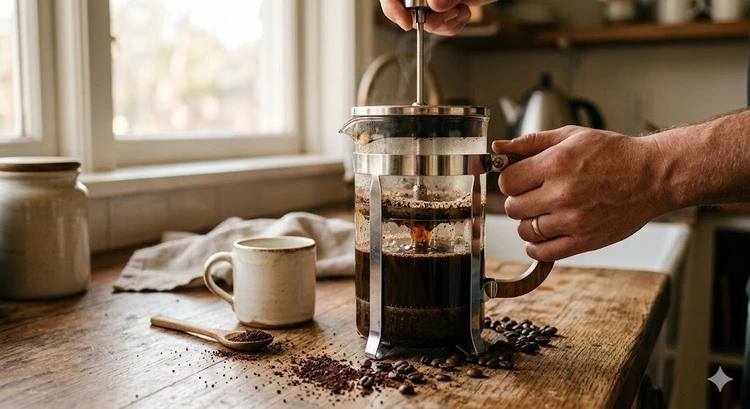
French Press
French press brewing is simple and produces a full-bodied cup.
Use a coarse grind and allow the coffee to steep before pressing.
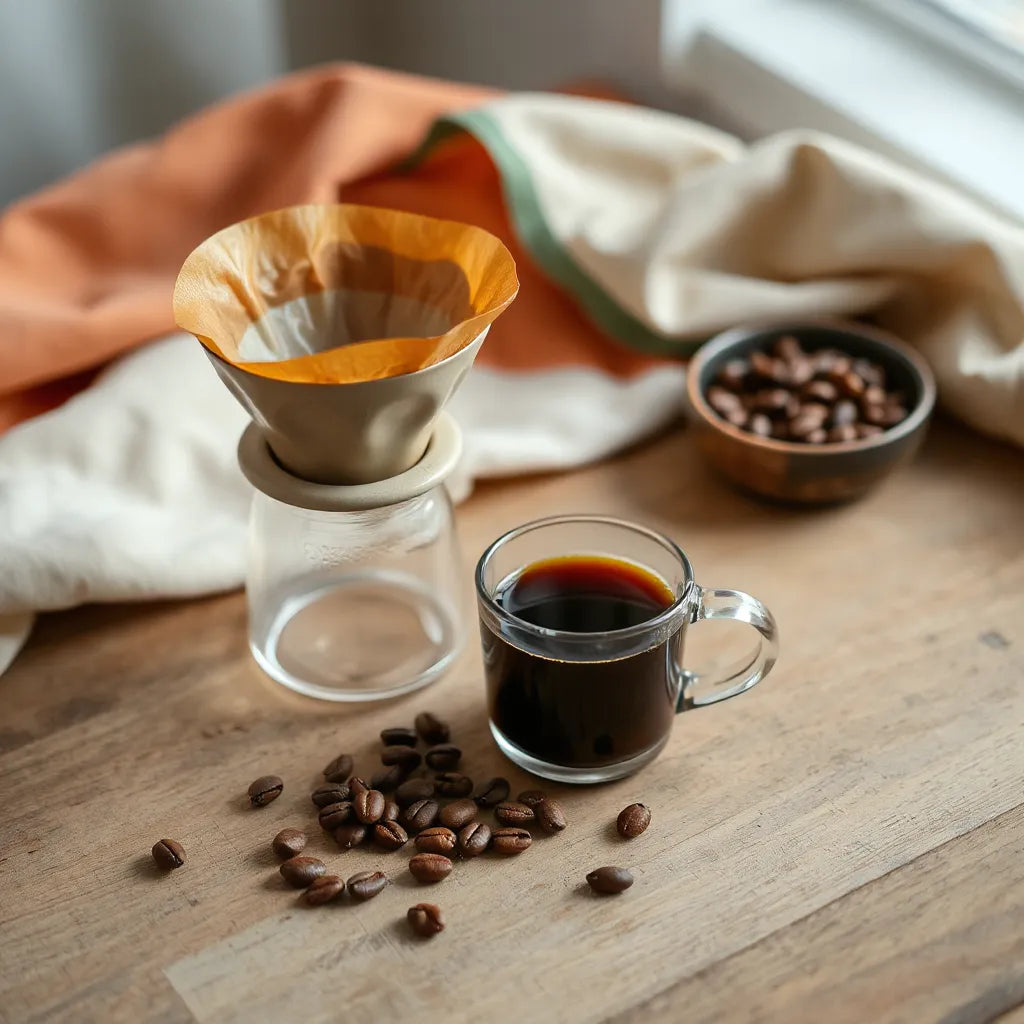
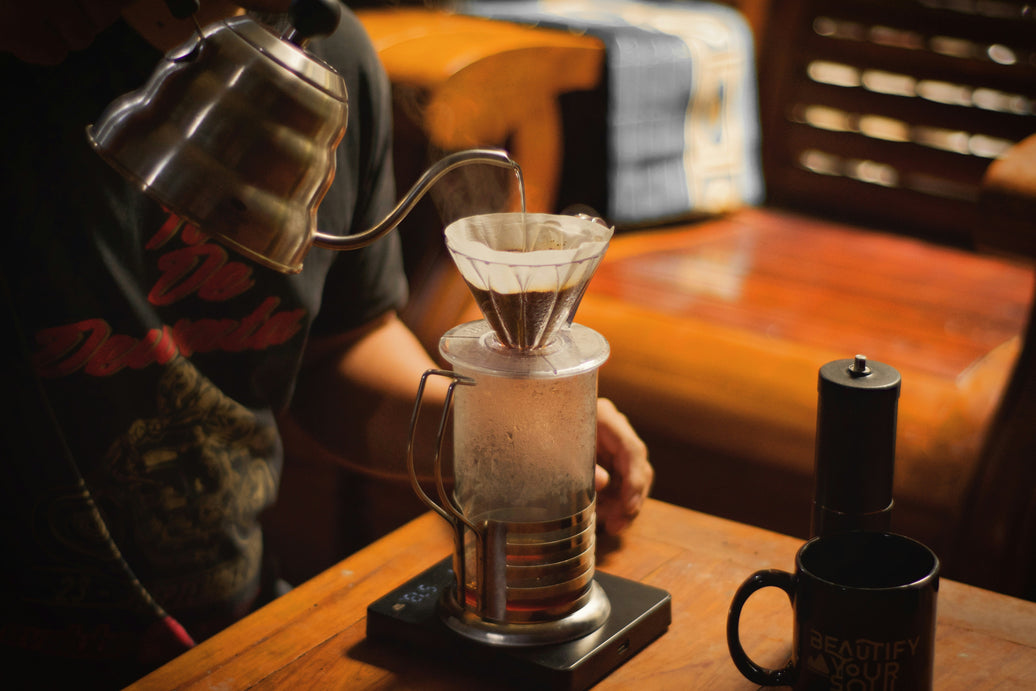
Pour Over
Pour over brewing gives you more control over water flow and extraction.
It's a popular choice for people who enjoy paying attention to the details of their coffee.
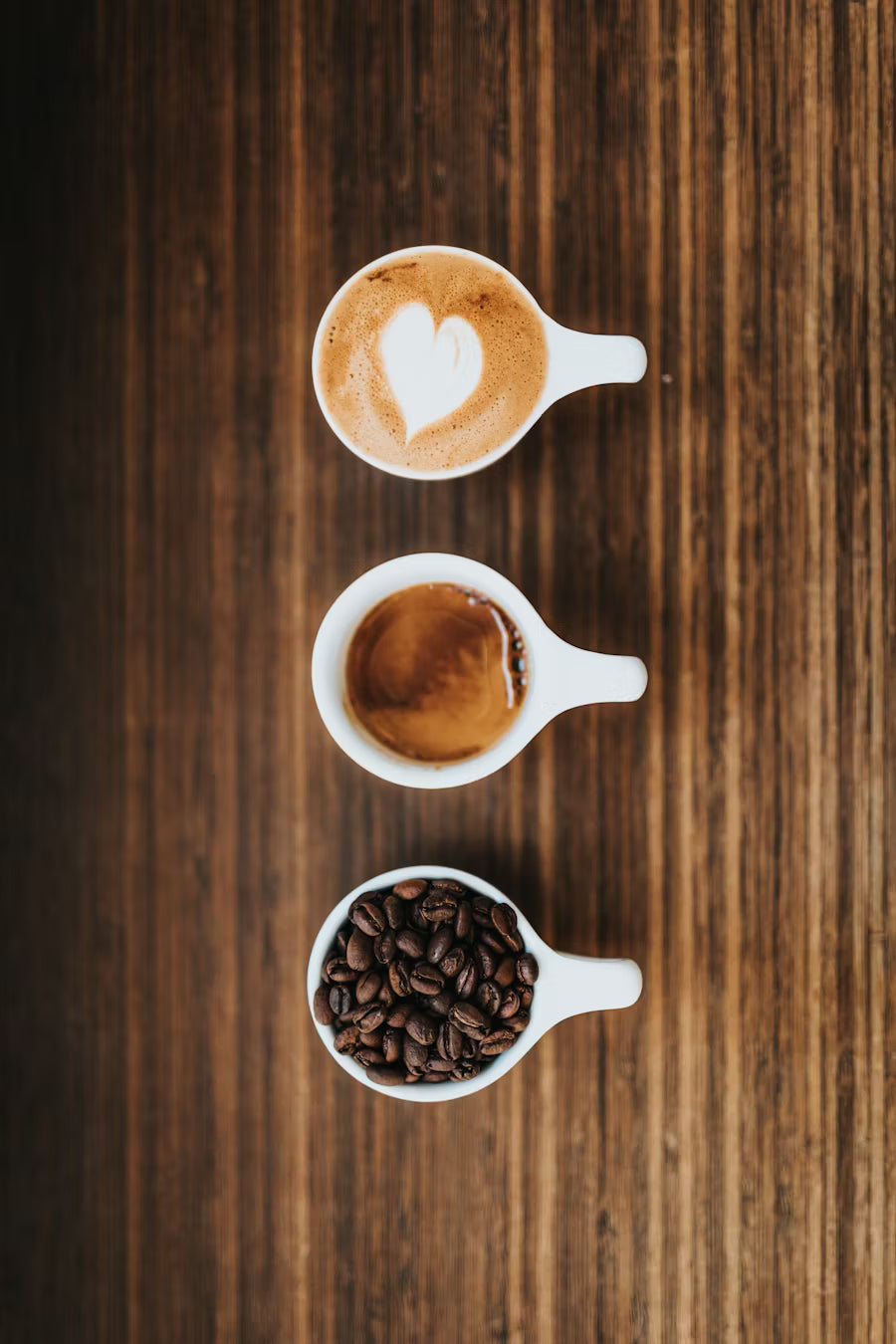
Espresso
Espresso uses finely ground coffee and pressure to produce a concentrated drink.
It's also the foundation of drinks such as lattes, cappuccinos, and Americanos.
Cold Brew
Cold brew uses time rather than hot water to extract coffee.
The result can be smooth and refreshing, particularly when served cold.
How to Store Himalayan Coffee Beans
Once you've purchased coffee, proper storage matters.
Keep your coffee:
- In an airtight container
- Away from direct sunlight
- Away from moisture
- Away from excessive heat
- In a cool, stable environment
Avoid repeatedly exposing your coffee to air.
If you're buying whole beans, grind only what you need whenever practical.
How to Choose Himalayan Coffee for the First Time
If you've never tried Himalayan coffee before, don't overthink it.
Start by considering three things:
1. Your preferred flavor
Do you prefer smooth and balanced coffee?
Or do you enjoy bold, roasted flavors?
2. Your brewing method
Do you use:
- Drip coffee?
- French press?
- Espresso?
- Pour over?
- Cold brew?
Your brewing method determines the appropriate grind.
3. Whole bean or ground
If you have a grinder, whole bean gives you greater flexibility.
If you want convenience, choose ground coffee matched to your brewing method.
Why Try Coffee From Different Origins?
One of the best things about coffee is the variety.
You can drink coffee from different regions and discover differences in:
- Aroma
- Body
- Acidity
- Sweetness
- Roast character
- Flavor notes
Trying different origins can help you understand what you actually enjoy rather than simply buying whatever coffee happens to be available.
That's why coffee sample packs can be particularly useful.
Instead of committing to a large bag of one coffee, you can compare several profiles and find your favorite.
Explore Coffee With Arvea
At Arvea Coffee, we're passionate about making coffee discovery enjoyable.
Our collection gives coffee lovers different ways to explore coffee, including different roast styles, blends, grind options, and sizes.
Whether you're looking for coffee for your everyday morning routine, espresso, French press, or cold brew, you can explore different options and find what fits your taste.
If you're not sure where to begin, a sample pack can be a simple way to explore several coffees.
Find Your Next Favorite Cup
Ready to explore?
Shop Arvea Coffee → https://arveacoffee.com/
Frequently Asked Questions
What are Himalayan coffee beans?
Himalayan coffee beans are coffee beans associated with coffee-growing regions in and around the Himalayan region. Their characteristics can vary considerably depending on origin, variety, processing, roasting, and preparation.
Is Himalayan coffee good?
Whether a coffee is "good" is ultimately subjective. Himalayan coffee can be an interesting choice for people who enjoy exploring coffees from different geographic regions and flavor profiles.
Does Himalayan coffee have more caffeine?
Not necessarily. Caffeine content depends on factors such as coffee variety, serving size, roast, and brewing method rather than simply whether the coffee is described as Himalayan.
What grind should I use for Himalayan coffee?
The grind should be selected based on your brewing method. Coarse works well for French press and many cold-brew methods, medium for drip and pour over, and fine for espresso.
Can I use Himalayan coffee for espresso?
Yes. The key is choosing coffee and a roast profile that you enjoy and using an appropriate espresso grind and brewing recipe.
Is whole bean coffee better than ground coffee?
Whole bean coffee gives you more control because you can grind it immediately before brewing. Ground coffee is more convenient. The better choice depends on your routine and equipment.
Final Thoughts
Himalayan coffee is more than a name on a coffee bag.
It's an invitation to explore how geography, growing conditions, processing, roasting, grinding, and brewing can influence the coffee in your cup.
If you're ready to try something different, explore the Arvea Coffee collection and discover the coffee that fits your taste.
Your next favorite cup could be waiting.























Leave a comment