

Updated on: 2026-09-28
Premium coffee blends are built to deliver balance, clarity, and repeatable flavor from cup to cup. A well-designed blend can smooth sharp edges, enhance sweetness, and highlight desirable aromatics. The right approach blends roast profiles, origin character, and roast freshness into a cohesive taste. With a simple evaluation framework, you can choose blends that match your brewing method and preferred flavor profile.
What Are Premium Coffee Blends?
Essential Tips for Choosing Blends
How Premium Blends Are Constructed
What Are Premium Coffee Blends?
Premium coffee blends are carefully composed combinations of beans from different origins, processed lots, and sometimes varying roast levels. The goal is not simply to average flavors. Instead, a skilled blender aims for a specific sensory outcome: balanced acidity, consistent sweetness, and a satisfying finish. When done correctly, a blend can feel more harmonious than single-origin coffee because the components reinforce one another.
Many drinkers initially choose blends for reliability. Roasting and sourcing can vary across seasons, yet a blend strategy can stabilize the drinking experience. For example, one component may provide cocoa-like depth, while another contributes brightness and floral aromatics. That structure helps the coffee perform across espresso, drip, pour-over, and cold brew.
Blend quality also depends on process discipline. Freshness, roast development, and component selection matter as much as the idea of mixing. In practice, premium coffee blends are built through repeated tasting, measurable cupping notes, and adjustment of ratios until the cup aligns with the intended profile.
Essential Tips for Choosing Blends
-
Match the blend to your brew style. Look for descriptors that align with your equipment. Espresso-centric blends often emphasize body and caramel sweetness, while pour-over friendly profiles prioritize clarity.
-
Prioritize freshness indicators. Choose roasts that are relatively recent. Freshness supports aroma and reduces stale or papery notes.
-
Use preference cues rather than vague claims. Terms such as chocolatey, nutty, bright, or aromatic provide more actionable guidance than generic labels.
-
Evaluate balance, not intensity. A premium blend should taste cohesive, with none of the components dominating unpleasantly.
-
Consider how sweetness presents itself. Some blends show sweetness up front, while others reveal it mid-palate. Brew parameters can affect this.
How Premium Blends Are Constructed
Understanding construction helps you recognize why certain blends feel smoother and more expressive. A premium blend typically uses a blend framework built around three roles: a foundation, a backbone, and a finishing component.
1) Foundation flavor
The foundation component often supplies body and sweetness. It can come from coffee lots with naturally lower perceived acidity and higher soluble solids, which supports a rounded mouthfeel. In many cases, this role is associated with nutty, caramel, and cocoa notes. The foundation also helps reduce harshness when brewed at higher strength.
2) Backbone and structure
The backbone provides the blend with texture and lasting flavor. It is usually selected for roast response and consistency. Even if the origin notes are subtle, the coffee should contribute a stable framework that remains present across multiple brew cycles.
3) Finishing aromatics
The finishing component brings top notes. This can include floral, citrus, or aromatic spice perceptions. The amount is typically tuned so that aromatics do not overshadow the overall balance. When proportion is correct, the cup feels layered rather than flat.
Roast development and blend compatibility
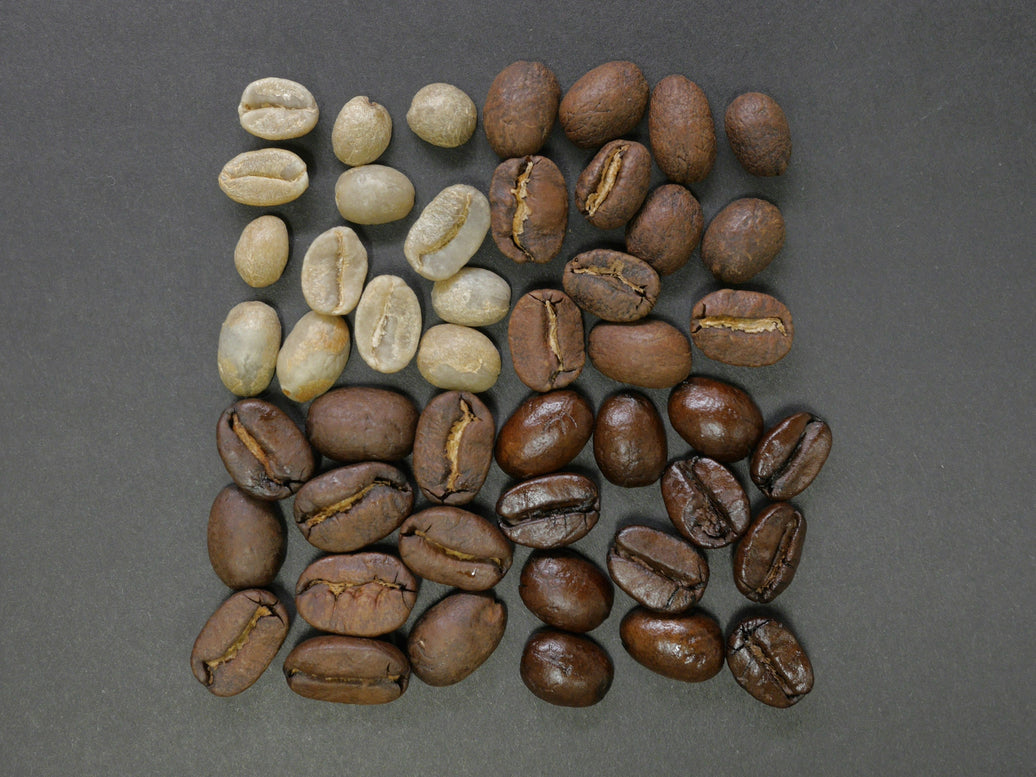
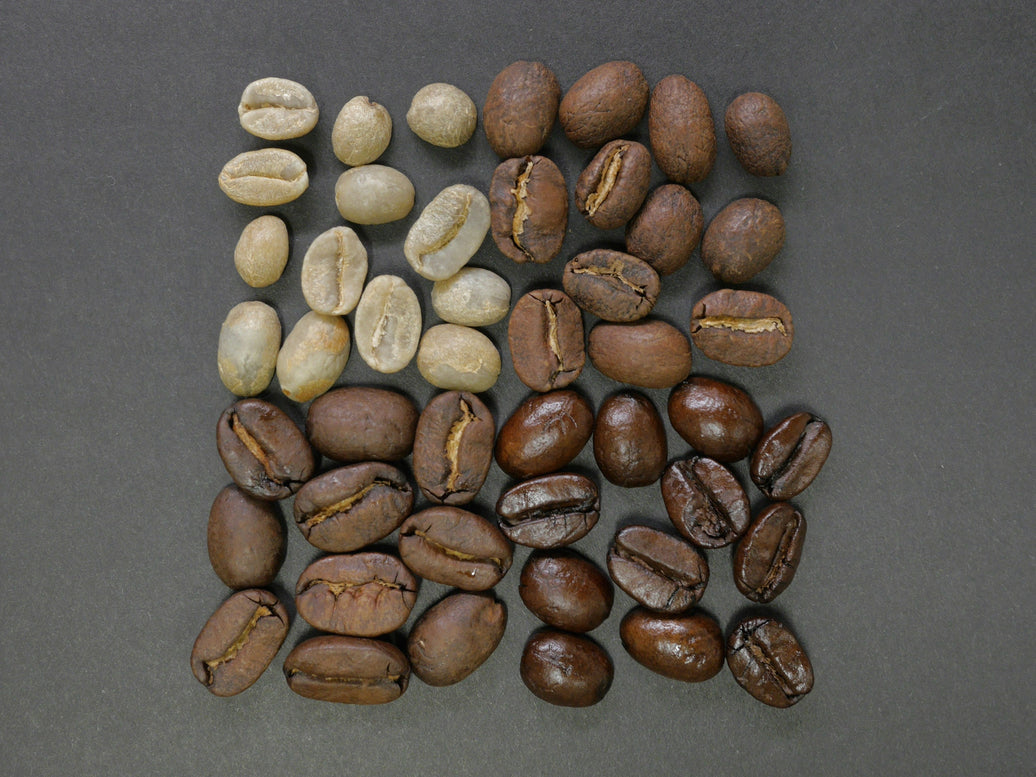
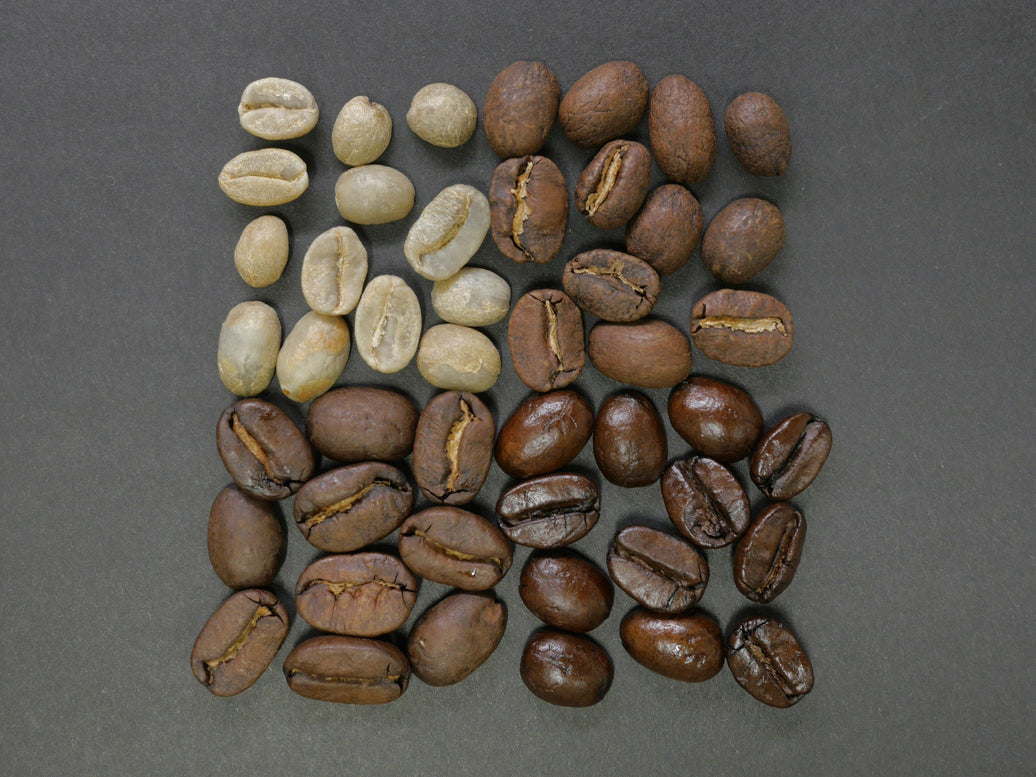
Roast development is central to how the blend tastes. A roast that is too light may highlight acidity without adding sweetness. A roast that is too dark can compress aromatics and increase bitterness. Premium blenders adjust roast curves and sometimes choose different roast levels for different components to preserve the best characteristics.

Three-component blend concept: base, backbone, finish layers
Blending ratios and repeatability
Ratios are rarely fixed forever. Seasonal crop variation, processing differences, and sourcing shifts can change how each component behaves. Premium operations re-taste and recalibrate ratios using cupping scores and sensory feedback. The best blends maintain their identity even when inputs evolve.
A Detailed Step-by-Step Process to Taste and Select
Selection becomes easier when you taste with structure. The following method helps you evaluate premium coffee blends efficiently, whether you are comparing two options or refining your own brewing technique.
Step 1: Smell the dry grounds
Before water contact, take note of aroma direction. Look for chocolate, toasted nuts, dried fruit, citrus, or spice-like impressions. Dry aroma can indicate whether the blend will feel sweet or bright in the cup.
Step 2: Observe the brew aroma immediately after extraction
Fresh blends often show a clear aromatic signature within the first minutes. If aroma is faint, it may be due to age or roast development that has reduced volatile compounds.
Step 3: Evaluate the first sip for balance
Assess how the blend begins. Is acidity pronounced? Does sweetness appear quickly? A premium balance tends to feel steady, not spiky. If the first sip is sharp, the blend may need a different grind size or a slightly higher brew temperature.
Step 4: Check mid-palate body and texture
The middle of the cup should feel coherent. If it tastes thin, you may need a finer grind, better extraction control, or a blend designed for body. If it tastes overly heavy or ashy, you may need to adjust brew time or choose a lighter roast profile.
Step 5: Assess the finish
Finish is a strong indicator of quality. A clean finish should leave pleasant residual flavors, such as cocoa, caramel, or nutty notes, without lingering bitterness.
Step 6: Compare across brew methods
Premium blends usually perform best when extraction matches the intended texture. For instance, a blend developed for espresso can still work in a drip machine, but the tuning differs. Use your preferred method consistently while comparing options.
If you want a practical starting point, consider exploring a blend that matches your flavor preference. For instance, those who enjoy dessert-like depth often gravitate toward chocolate and caramel expressions, while those who prefer clarity may favor brighter profiles. You can also use curated samplers to reduce guesswork and build a reference for your palate.
For example, you may compare a roasted-forward option such as French Roast or an aromatic profile like Vanilla Hazelnut to calibrate your taste. If you brew in volume and want variety, a sample approach can also help you identify which blend style suits your routine without overcommitting.

Tasting checklist: aroma, sip balance, mid-palate, finish
Step 7: Lock in brew parameters that support the blend
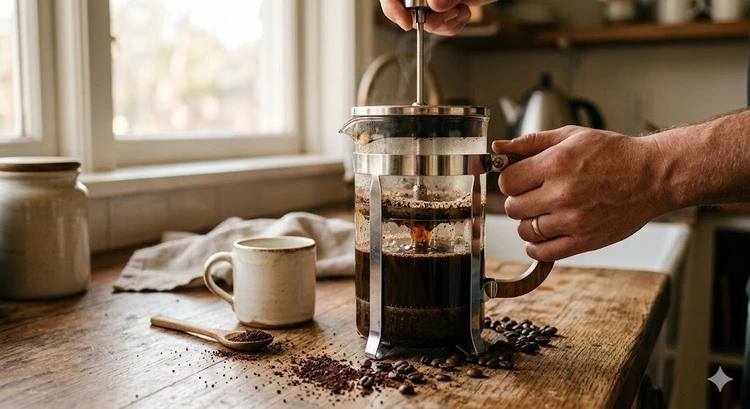
Premium coffee blends are designed to taste cohesive, but extraction still matters. Stabilize grind size, water temperature, and brew ratio. Even small changes can alter perceived acidity and sweetness. When you dial in a consistent recipe, you will better understand the blend itself.
Common Mistakes to Avoid
Many purchase decisions fail not because the blend is poor, but because the evaluation process is inconsistent. The following issues can lead to disappointing results.
Choosing based only on roast level
Two coffees labeled with similar roast intensity may taste different due to roast development strategy and bean selection. Instead of relying solely on “light,” “medium,” or “dark,” evaluate the aroma descriptors and how the blend balances sweetness and acidity.
Ignoring water quality
Water composition affects extraction and perceived clarity. If water tastes flat or has high mineral variability, the coffee can appear dull or harsh. Premium blends can tolerate minor variations, but they still respond to the brewing environment.
Using the same grind for every blend
Blends vary in density, solubility, and structural roast character. If you use the identical grind setting for each option, you may under-extract one blend and over-extract another. Adjust grind size in small increments when comparing coffees.
Skipping a structured tasting session
Quick sips are useful, but a structured process reveals differences in balance and finish. When you taste with consistent steps, you reduce bias and improve your ability to choose reliably.
Overlooking the role of freshness
Stale coffee can mask sweetness and flatten aromatics. Even a premium blend will not show its intended profile when roasted and stored beyond its optimal window. Prioritize recent roast dates when available.
Summary and Takeaway
Premium coffee blends deliver more than variety. They are engineered for balance, repeatable sensory structure, and satisfying sweetness. By understanding blend roles, you gain insight into how foundation flavors, backbone texture, and finishing aromatics come together. Use a methodical tasting approach to evaluate aroma, first sip balance, mid-palate texture, and finish. Avoid common errors such as choosing based only on roast level or skipping brew calibration.
If you want a practical way to explore your preferences, start with a small comparison and refine based on your brewing method. With consistent evaluation, you will be able to select blends that taste coherent and rewarding every time.
When you are ready to explore broader coffee experiences, you can also review options from Origin Trail Coffee.
Choose Your Next Blend with Confidence
Selecting premium coffee blends becomes simple when your criteria are clear. Decide what you want in the cup, confirm freshness, and taste with structure. Once you identify your preferred balance, you can buy with less uncertainty and build a reliable at-home coffee routine.
For further guidance on roast styles and flavor directions, consider browsing relevant options on Arvea Coffee and selecting a blend that aligns with your preferred brew style.
Q&A Section
How do premium coffee blends differ from single-origin coffee?
Premium blends combine multiple coffees to achieve a targeted flavor balance. Single-origin coffee highlights one growing region and can offer distinctive origin character. A well-built blend often smooths uneven flavor edges and provides repeatable sweetness across brew sessions.
Are premium coffee blends better for espresso than pour-over?
Many premium blends work well for espresso because they emphasize body and sweetness. However, pour-over can also showcase blends, especially those tuned for clarity and aromatics. The key is matching grind size and extraction to the roast development and intended texture of the blend.
What flavor notes usually indicate a high-quality blend?
Common quality indicators include a cohesive aroma, balanced acidity, a clear sweetness, and a clean finish. Instead of one dominant note, a premium blend typically presents layered flavors that remain stable from first sip to the final aftertaste.
How can I adjust brewing when a blend tastes too bitter or too sour?
If the coffee tastes too bitter, reduce extraction intensity by using a slightly coarser grind or shortening brew time. If it tastes too sour, increase extraction by using a slightly finer grind or extending brew time. Make one adjustment at a time to isolate the cause and refine results.
How often should I try new premium coffee blends?
A practical approach is to evaluate new blends occasionally, especially when you change your brew equipment or method. If you already have a preferred balance, incremental exploration every few weeks can help you maintain consistency while expanding your taste range.
Do flavored versions count as premium blends?
Flavored coffees can still be premium when the base roast is carefully selected and the flavoring process is consistent. In many cases, a well-composed base supports the added notes without masking the underlying structure. If the flavoring is dominant, the experience may feel less balanced, which is why tasting remains essential.
About the Author
Arvea Coffee
Arvea Coffee supports coffee education through practical roasting knowledge, blend evaluation, and customer-focused guidance. The team prioritizes balanced flavor design and encourages drinkers to explore brewing adjustments that reveal each blend’s strengths. Their approach reflects ongoing refinement based on sensory testing and consumer feedback. Thank you for choosing a more informed path to great coffee.
The content in this blog post is intended for general information purposes only. It should not be considered as professional, medical, or legal advice. For specific guidance related to your situation, please consult a qualified professional. The store does not assume responsibility for any decisions made based on this information.


























Leave a comment