

How to Make Pour Over Coffee: A Beginner's Guide
What Is Pour Over Coffee?
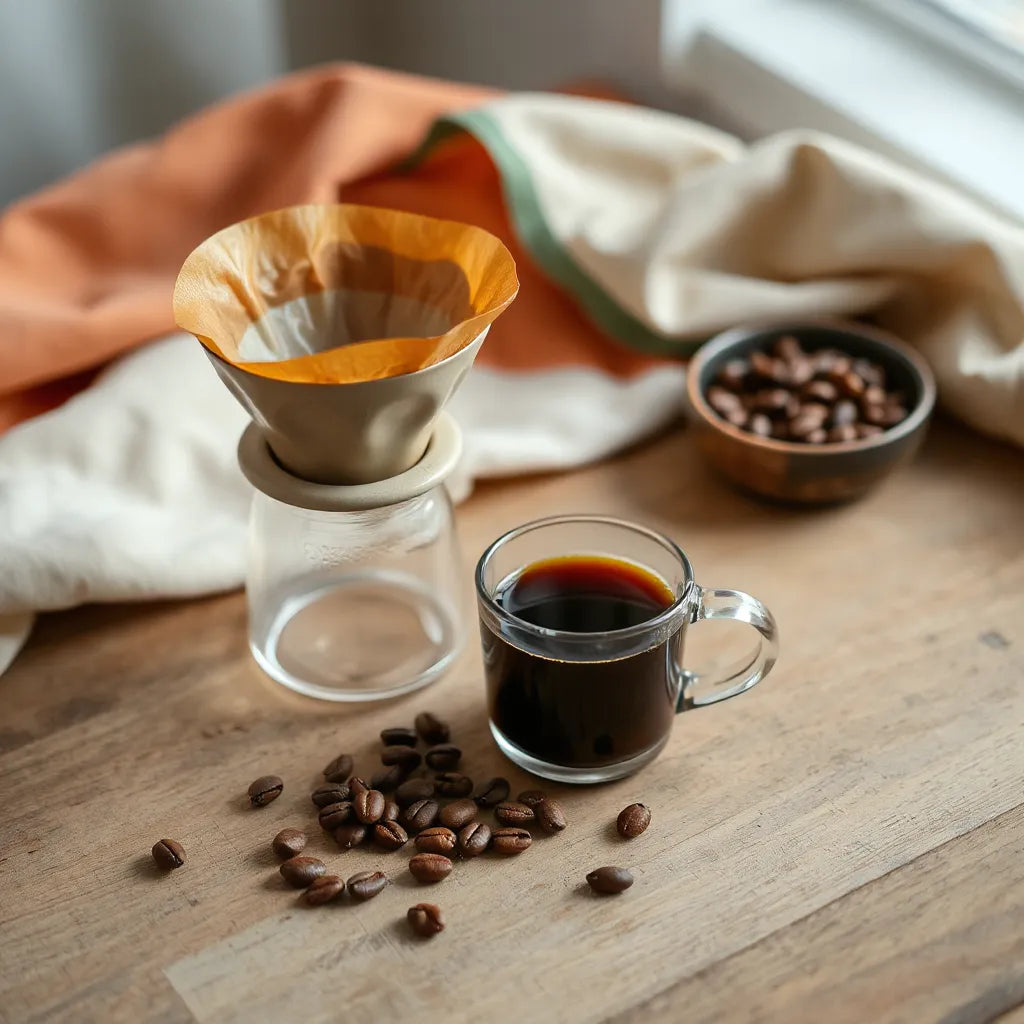
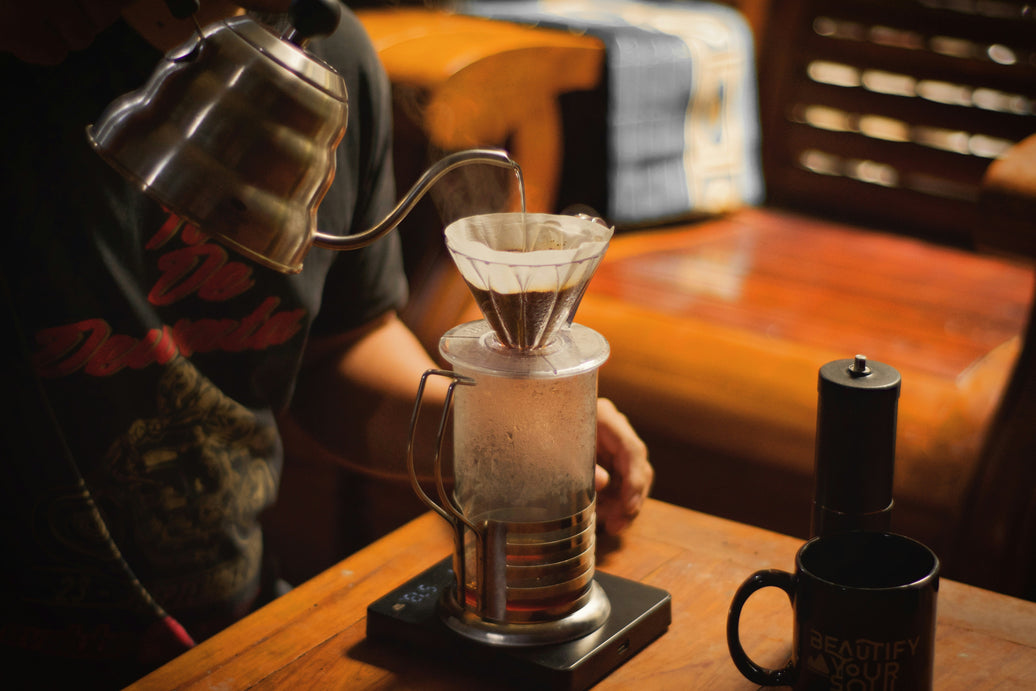
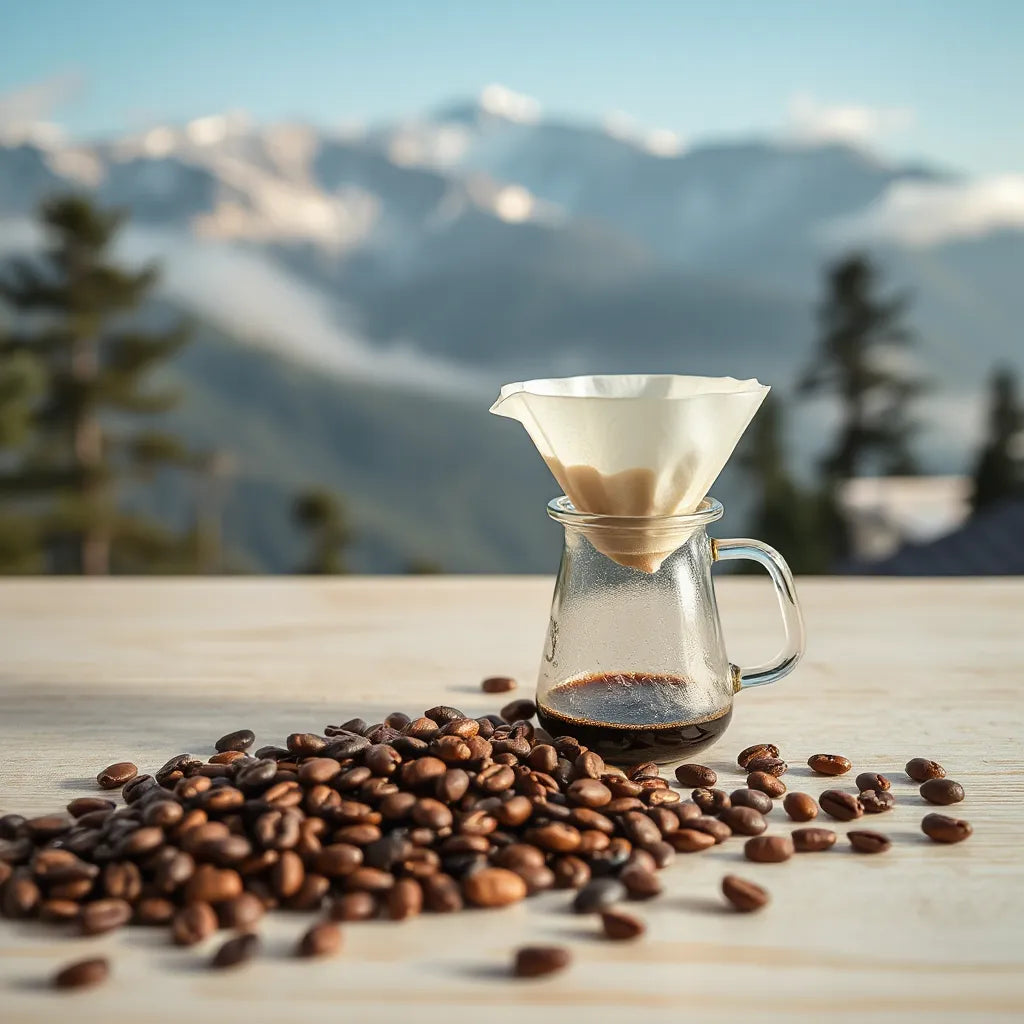
Pour over coffee is a simple brewing method where hot water is slowly poured over coffee grounds inside a paper filter. The water passes through the grounds and filter before collecting in a cup or carafe.
Unlike automatic drip coffee makers, pour over brewing gives you more control over the water flow, pouring speed, grind size, temperature, and brewing time.
The result can be a clean, flavorful cup that allows the characteristics of your coffee to stand out.
And you don't need expensive equipment to get started.
What You Need to Make Pour Over Coffee
To make pour over coffee at home, you'll need:
-
Pour-over dripper
-
Paper coffee filter
-
Fresh coffee
-
Coffee grinder
-
Digital kitchen scale
-
Kettle
-
Mug or coffee carafe
-
Fresh water
-
Timer
A gooseneck kettle can make it easier to control your pouring, but it isn't absolutely required for beginners.
What Is the Best Grind Size for Pour Over Coffee?
For most pour-over brewers, start with a medium to medium-fine grind.
The exact grind depends on your brewer, filter, coffee, and pouring technique.
A useful starting point is:
Pour Over = Medium to Medium-Fine Grind
If your coffee drains extremely quickly and tastes weak or sour, try grinding slightly finer.
If the water drains very slowly and the coffee tastes bitter or overly dry, try grinding slightly coarser.
What Is the Best Pour Over Coffee Ratio?
A good starting point is around 1 gram of coffee for every 15–17 grams of water.
For example:
| Coffee | Water | Starting Ratio |
|---|---|---|
| 15g | 225g | 1:15 |
| 20g | 300g | 1:15 |
| 20g | 320g | 1:16 |
| 25g | 400g | 1:16 |
For an easy beginner recipe, try:
20 grams of coffee + 300 grams of water
The Specialty Coffee Association's two-cup pour-over guideline uses 22 grams of coffee and 400 grams of water at about 200°F, with a 30-second bloom.
You can adjust the ratio later depending on how strong you like your coffee.
What Temperature Should Water Be for Pour Over Coffee?
Start around 195–205°F (90–96°C).
For a simple recipe, approximately 200°F is a good starting point.
Water that is too cool can make extraction difficult, while excessively hot water can change how the coffee extracts.
The exact temperature can be adjusted depending on the coffee and your taste.
How to Make Pour Over Coffee Step by Step
Step 1: Heat Your Water
Heat fresh water to approximately 200°F.
If you don't have a thermometer, bring the water close to a boil and allow it to sit briefly before brewing.
Step 2: Rinse the Paper Filter
Place the paper filter inside your pour-over dripper.
Pour some hot water through the filter.
This helps:
-
Preheat the brewer
-
Warm your mug or carafe
-
Remove some of the paper taste
Discard the rinse water before brewing.
Step 3: Grind Your Coffee
Measure approximately 20 grams of coffee.
Grind it around medium to medium-fine.
For the freshest possible cup, grind your beans immediately before brewing.
If you're using pre-ground coffee, choose coffee that is specifically prepared for pour-over or similar filter brewing.
Step 4: Add the Coffee
Place your ground coffee into the filter.
Give the dripper a gentle shake so the grounds form a relatively level bed.
Place everything on your scale and tare it to zero.
Step 5: Bloom the Coffee
Start your timer.
Slowly pour approximately 40–60 grams of water over the coffee, making sure all the grounds are wet.
Allow the coffee to bloom for about 30–45 seconds.
During blooming, the coffee grounds release trapped gases and begin saturating with water.
The SCA's example recipe uses a 30-second bloom before continuing the pour.
Step 6: Slowly Pour the Remaining Water
After the bloom, continue pouring slowly.
Use gentle circular movements and avoid pouring aggressively around the edges of the filter.
For a 20g coffee / 300g water recipe, gradually add water until your scale reaches approximately 300 grams.
Try to keep the coffee bed evenly saturated.
Step 7: Let the Coffee Drain
Once you've finished pouring, allow the water to pass through the coffee grounds.
Your total brewing time will depend on your brewer, grind size, dose, and technique.
As a starting reference, the SCA's two-cup pour-over example targets approximately 2:30–3:00 minutes.
Don't worry if your first few brews aren't exactly the same.
Focus on consistency and taste.
Step 8: Remove the Filter and Enjoy
Remove the filter and used coffee grounds.
Give the brewed coffee a gentle swirl.
Pour it into your favorite mug and enjoy.
Easy Pour Over Coffee Recipe
Here's a simple recipe you can save:
Coffee: 20g
Water: 300g
Grind: Medium to medium-fine
Water temperature: Around 200°F
Bloom: 30–45 seconds
Method: Slow, controlled circular pours
Quick Instructions
-
Heat 300g of water.
-
Rinse your paper filter.
-
Add 20g of freshly ground coffee.
-
Bloom with approximately 50g of water.
-
Wait 30–45 seconds.
-
Slowly pour the remaining water.
-
Allow the coffee to drain.
-
Swirl and enjoy.
Why Does My Pour Over Coffee Taste Bitter?
If your pour-over coffee tastes bitter, several things could be responsible.
Try:
-
Grinding slightly coarser
-
Using slightly cooler water
-
Reducing brewing time
-
Avoiding excessive agitation
-
Checking your coffee-to-water ratio
The goal isn't simply to make the coffee stronger. You're looking for a balanced cup.
Why Does My Pour Over Coffee Taste Sour?
Sour coffee can sometimes indicate that the coffee hasn't extracted enough.
Try:
-
Grinding slightly finer
-
Increasing brewing time
-
Using slightly hotter water
-
Making sure all the grounds are evenly saturated
Make small changes rather than changing everything at once.
Why Is My Pour Over Coffee Weak?
If your coffee tastes watery or weak, try:
-
Using more coffee
-
Using slightly less water
-
Grinding slightly finer
-
Improving your pouring technique
-
Making sure your coffee is reasonably fresh
Start with the 20g coffee / 300g water recipe and adjust from there.
Why Is My Pour Over Coffee Draining Too Slowly?
If the water takes too long to pass through the coffee bed, your grind may be too fine.
Try moving slightly coarser.
Other factors can also affect flow, including filter type, coffee particles, pouring technique, and agitation.
Whole Bean vs Ground Coffee for Pour Over
If you have a grinder, whole bean coffee is an excellent choice because you can grind the coffee immediately before brewing.
Freshly grinding allows you to control the grind size and adjust it when your coffee tastes too fast, too slow, too bitter, or too sour.
If convenience is more important, pre-ground coffee can still make a great cup.
The most important thing is finding coffee you enjoy and using a grind appropriate for your brewing method.
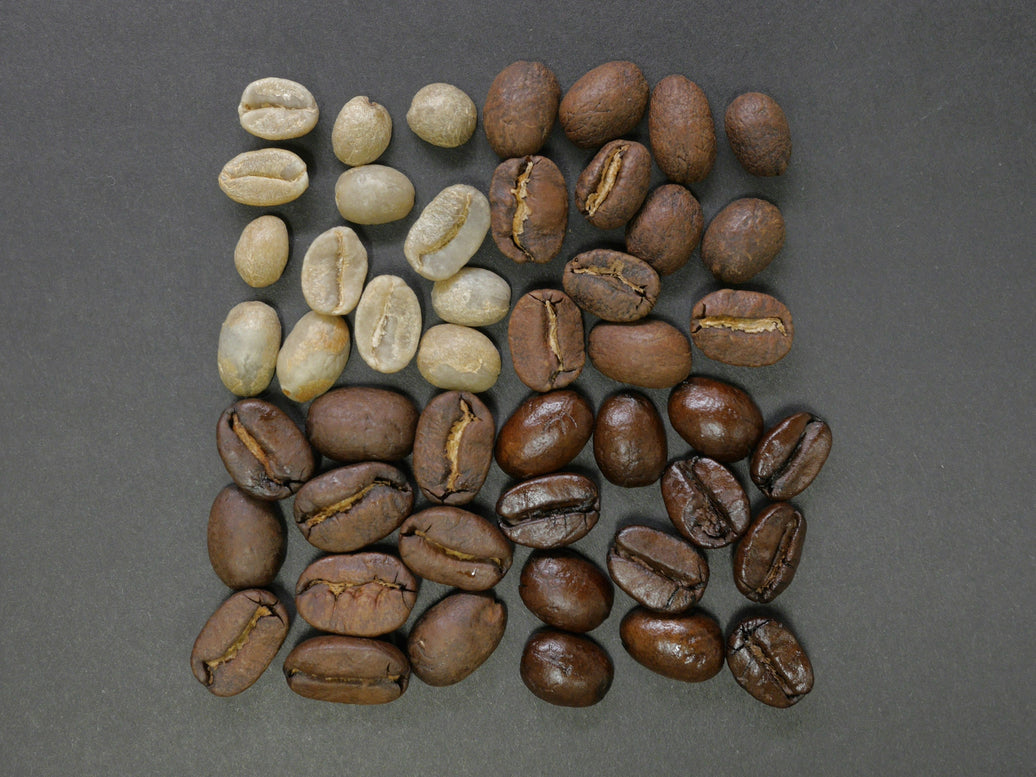
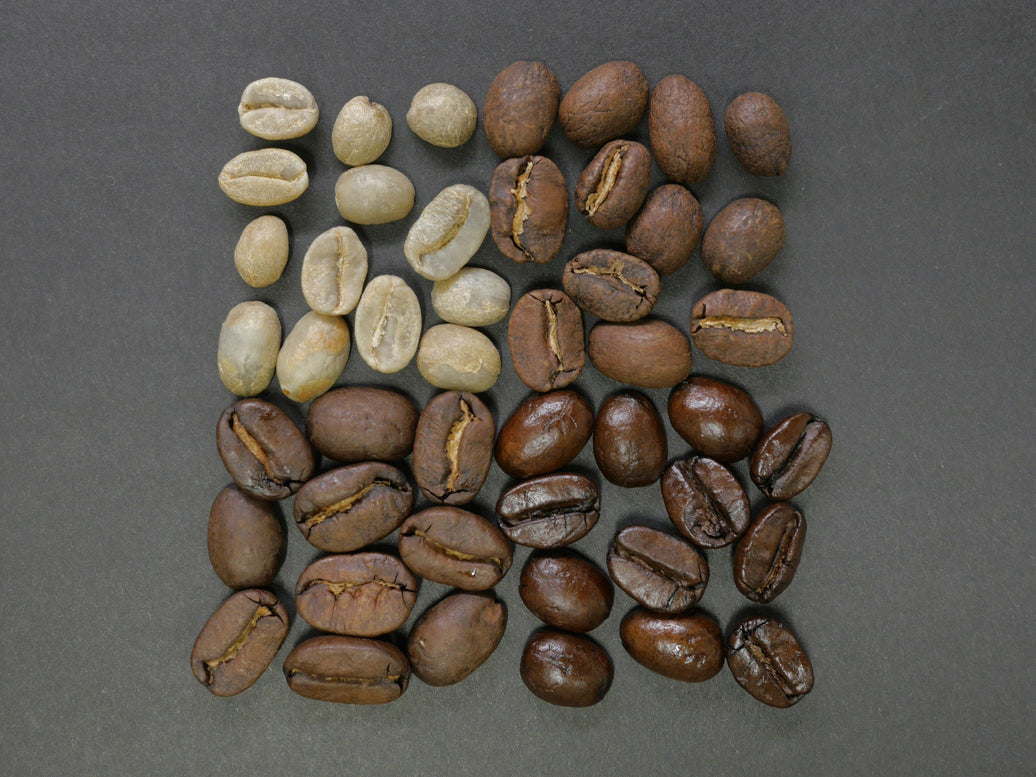
What Coffee Is Best for Pour Over?
There isn't one coffee that is universally best for pour over.
Your choice depends on the flavors you enjoy.
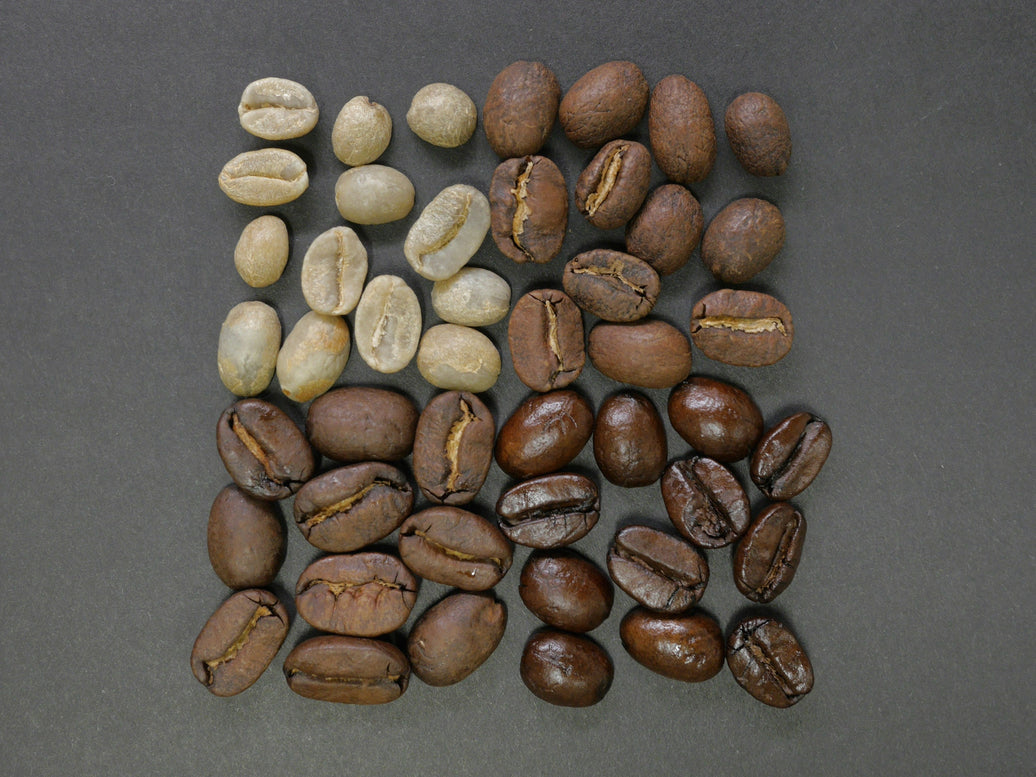
If you like lighter flavors:
Try a lighter roast with brighter or more delicate characteristics.
If you like balanced coffee:
A medium-style coffee can be a good starting point.
If you prefer stronger, deeper flavors:
Try a darker roast.
At Arvea Coffee, you can choose from different coffee styles and grind options depending on the product. For example, several Arvea coffees are available in Standard and Whole Bean options, while some products also offer additional grind choices.
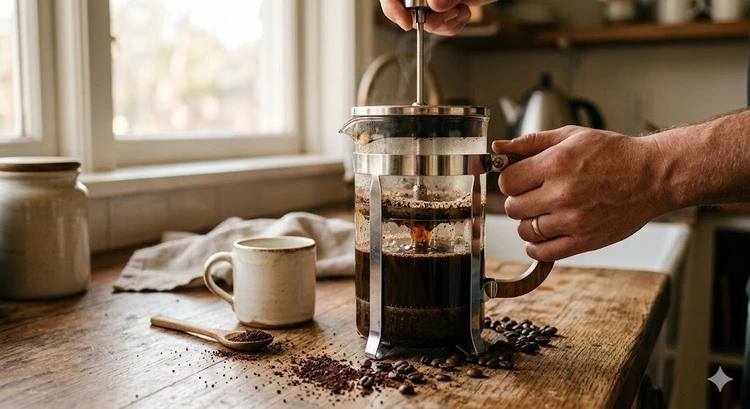
Pour Over vs French Press
Both methods can produce excellent coffee, but they create different experiences.
| Feature | Pour Over | French Press |
|---|---|---|
| Filter | Paper filter | Metal mesh |
| Grind | Medium / medium-fine | Coarse |
| Brewing style | Controlled pouring | Immersion |
| Cup | Clean and bright | Fuller and heavier |
| Control | High | Moderate |
| Sediment | Very little | More noticeable |
If you enjoy a cleaner cup and like controlling your brewing process, pour over is worth trying.
If you prefer a fuller-bodied coffee with more texture, French press may be a better choice.
5 Tips for Better Pour Over Coffee
1. Use Fresh Coffee
Fresh coffee can make a noticeable difference in aroma and flavor.
2. Grind Immediately Before Brewing
Grinding immediately before brewing gives you better control over freshness and grind size.
3. Use a Scale
A scale makes it much easier to repeat a recipe.
4. Pour Slowly and Consistently
Avoid dumping all the water into the filter at once.
Controlled pouring helps you manage the brewing process.
5. Change One Variable at a Time
If your coffee doesn't taste right, don't immediately change your grind, ratio, temperature, and pouring technique together.
Change one variable and taste the result.
This makes it much easier to discover your preferred recipe.
Frequently Asked Questions
Is pour over coffee difficult to make?
No. Pour over coffee may require a little practice, but the basic process is simple: add coffee to a filter, bloom the grounds, slowly pour hot water, and let it drain.
What grind size should I use for pour over coffee?
Start with a medium to medium-fine grind and adjust according to your brew time and taste.
How much coffee do I use for one cup of pour over?
A good starting point is around 20 grams of coffee for 300 grams of water.
How hot should water be for pour over coffee?
Approximately 195–205°F is a useful starting range, with around 200°F being an easy starting point.
Do I need a gooseneck kettle?
No. A gooseneck kettle gives you more control over pouring, but beginners can start with a regular kettle.
Should I use whole bean coffee?
If you have a grinder, whole bean coffee is a great option because you can grind it immediately before brewing.
Can I use dark roast coffee for pour over?
Yes. Any roast can be brewed using pour-over equipment. You may simply need to adjust your grind, temperature, or recipe according to the coffee and your taste.
Final Thoughts
Learning how to make pour over coffee doesn't require complicated equipment or a perfect technique.
Start with:
20g coffee + 300g water + medium/medium-fine grind + approximately 200°F water + 30–45 second bloom.
Then adjust your grind and recipe based on what you taste.
Once you find a combination you enjoy, you can repeat it every morning and gradually experiment with different coffees, roasts, and origins.
If you're ready to explore different coffee options for your next brew, visit:





















Leave a comment