


How to Make the Perfect Cup of Coffee at Home
You don't need an expensive coffee shop or complicated equipment to make a great cup of coffee.
With the right coffee beans, grind size, water, ratio, temperature, and brewing method, you can make an enjoyable cup right in your own kitchen.
The key isn't necessarily buying the most expensive equipment.
It's learning how a few simple variables affect your coffee.
In this guide, we'll walk through the process step by step.
1. Start With Coffee You Actually Enjoy
The first step is choosing the right coffee.
There are countless options available, including:
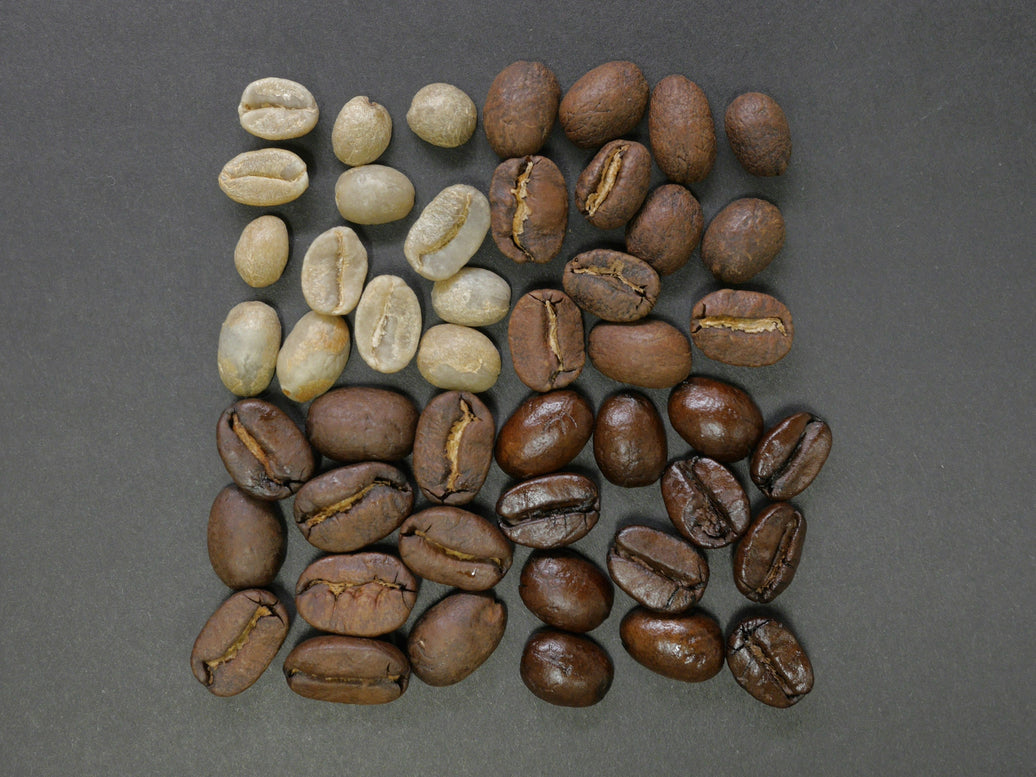
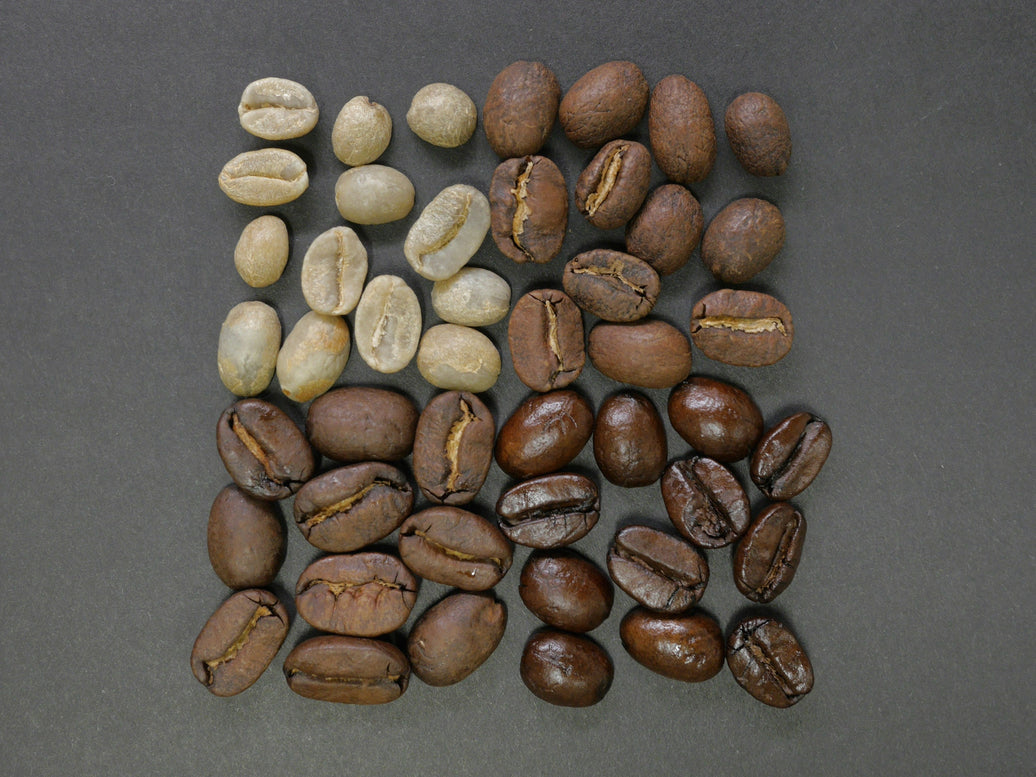
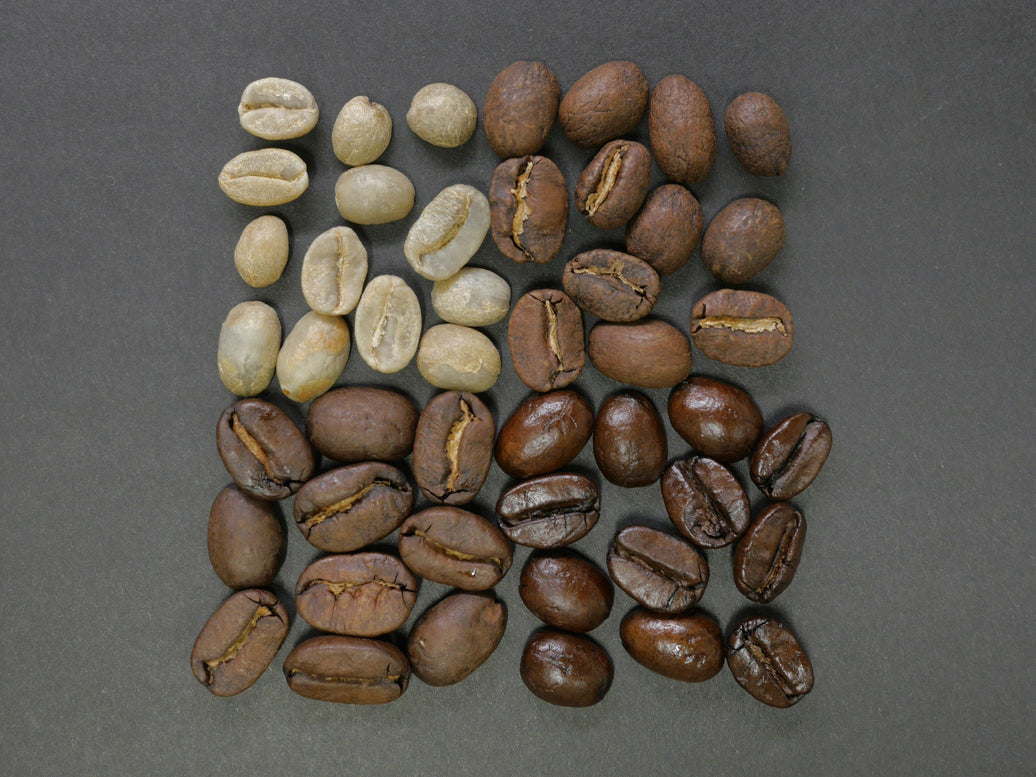
- Light roast
- Medium roast
- Dark roast
- Whole bean
- Ground coffee
- Single-origin coffee
- Coffee blends
- Espresso coffee
- Cold brew coffee
Don't automatically choose coffee because someone says it's "the best."
Instead, think about the flavors you enjoy.
Do you prefer coffee that is:
- Smooth?
- Bold?
- Rich?
- Bright?
- Chocolatey?
- Nutty?
- Fruity?
- Balanced?
Your personal taste should guide your choice.
2. Whole Bean vs Ground Coffee
If you have a coffee grinder, whole bean coffee can give you greater control over your brewing process.
You can grind the beans immediately before brewing and choose a grind size that matches your brewing method.
Ground coffee is more convenient because it is ready to use.
Both can make excellent coffee.
The most important thing is choosing coffee that you enjoy and storing it properly.
3. Use the Right Grind Size
Grind size has a major effect on brewing.
As a general starting point:
| Brewing Method | Grind Size |
|---|---|
| French Press | Coarse |
| Cold Brew | Coarse |
| Drip Coffee | Medium |
| Pour Over | Medium to Medium-Fine |
| Espresso | Fine |
If the grind is too fine for your brewing method, coffee can extract too quickly or become overly bitter.
If it's too coarse, the coffee may taste weak or under-extracted.
Use the table as a starting point and adjust based on taste.
4. Use Good Water
Coffee is mostly water.
That means the water you use can have a noticeable effect on your final cup.
If your tap water has a strong taste or odor, filtered water may produce a cleaner-tasting cup.
Avoid using water that has an unpleasant flavor.
You don't necessarily need expensive bottled water.
The goal is simply to start with clean, good-tasting water.
5. Get Your Coffee-to-Water Ratio Right
One of the easiest ways to improve coffee is to pay attention to how much coffee and water you're using.
A common starting point is around:
1 gram of coffee for every 15–18 grams of water.
For example, you might start with:
20 grams of coffee + 300 grams of water
Then adjust according to your taste.
If the coffee tastes too strong, use slightly more water.
If it tastes too weak, increase the amount of coffee or reduce the amount of water.
A digital kitchen scale can make this much easier.
6. Pay Attention to Water Temperature
Water temperature affects how coffee extracts during brewing.
For many brewing methods, water around 195–205°F (90–96°C) is a useful starting range.
You don't need to obsess over a single exact temperature.
Instead, use temperature as one of several variables you can adjust.
If your coffee tastes unpleasantly bitter, your brewing process may be extracting too much.
If it tastes overly sour or weak, you may need to adjust your brewing process.
7. Choose the Right Brewing Method
There's no single best way to make coffee.
Different brewing methods create different experiences.
Drip Coffee
Great for:
- Everyday coffee
- Convenience
- Making multiple cups
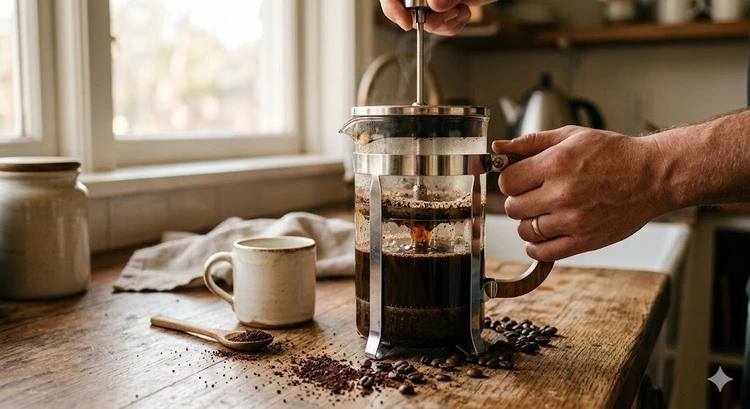
French Press
Great for:
- Full-bodied coffee
- Simple preparation
- Rich aroma
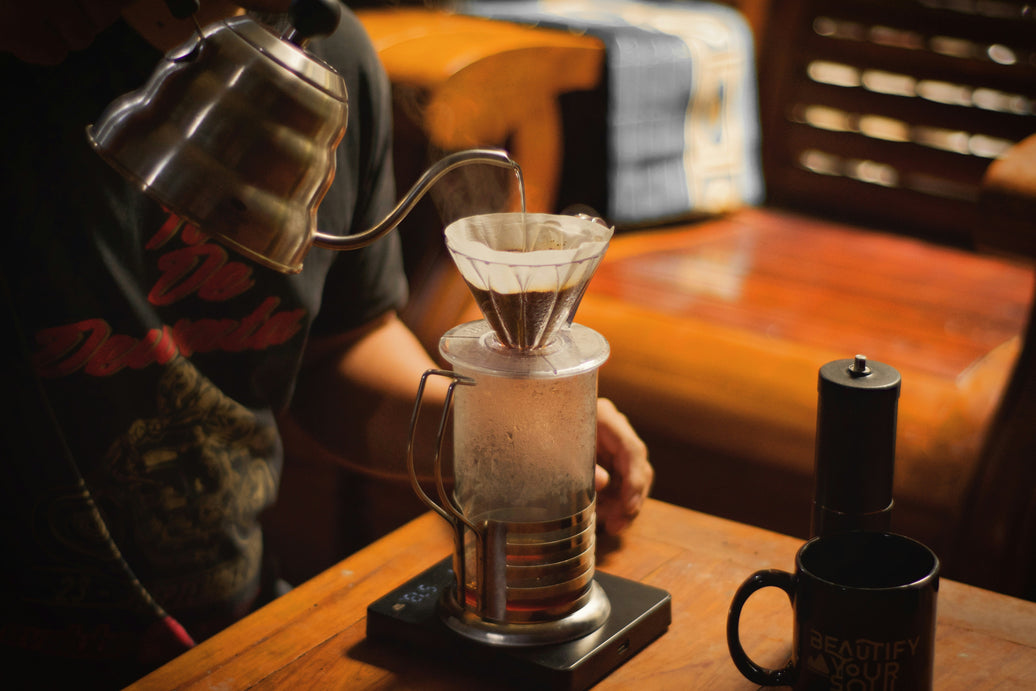
Pour Over
Great for:
- Control
- Experimenting with flavor
- Small batches
Espresso
Great for:
- Concentrated coffee
- Lattes
- Cappuccinos
- Americanos
Cold Brew
Great for:
- Smooth cold coffee
- Preparing coffee ahead of time
- Iced coffee drinks
Choose the method that fits your lifestyle.
8. Don't Ignore Brewing Time
Brewing time matters because it affects how much flavor is extracted from the coffee.
Different brewing methods require different brewing times.
If coffee is under-extracted, it may taste thin or sour.
If it is over-extracted, it can taste harsh or bitter.
Instead of changing everything at once, adjust one variable at a time.
Try changing:
Grind size → brewing time → coffee-to-water ratio → temperature
This makes it easier to understand what improves your cup.
9. Keep Your Coffee Equipment Clean
Even great coffee beans can taste disappointing if your equipment isn't clean.
Coffee oils and residue can build up over time.
Regularly clean:
- Coffee makers
- French presses
- Filters and filter holders
- Grinders
- Espresso equipment
- Travel mugs
A clean brewing setup helps you get a more consistent flavor.
10. Store Your Coffee Properly
Once you've found coffee you love, protect it.
Keep coffee:
- Sealed
- Dry
- Away from excessive heat
- Away from direct sunlight
- Protected from unnecessary exposure to air
If you're using whole beans, grinding only what you need before brewing can be a practical way to maintain freshness.
A Simple Recipe for Better Coffee
If you want an easy starting point, try this:
For one cup of drip or pour-over coffee:
Coffee: 20 grams
Water: 300 grams
Ratio: 1:15
Water temperature: Around 195–205°F
Grind: Medium to medium-fine
Method: Drip or pour over
Then taste the coffee.
Too strong?
Add a little more water.
Too weak?
Try a little more coffee.
Too bitter?
Try a coarser grind or adjust your brewing time.
Too sour?
Try a slightly finer grind or adjust your brewing process.
The goal is to find the combination that tastes best to you.
How to Make Coffee Taste Smoother
If your coffee tastes harsh or bitter, don't immediately assume you need different beans.
Try changing your brewing process.
Try these adjustments:
1. Use a slightly coarser grind.
2. Check your brewing time.
3. Make sure your coffee-to-water ratio isn't too concentrated.
4. Use clean, good-tasting water.
5. Make sure your equipment is clean.
6. Experiment with a different roast.
Small adjustments can make a surprisingly big difference.
How to Make Stronger Coffee
If you prefer a stronger cup, you have several options.
You can:
- Increase the amount of coffee
- Reduce the amount of water
- Adjust your grind
- Choose a darker roast if you enjoy its flavor profile
- Use a brewing method that produces a more concentrated cup
Remember that stronger flavor doesn't necessarily mean more caffeine.
Caffeine depends on several factors, including the coffee, serving size, brewing method, and preparation.
How to Make Less Bitter Coffee
Bitterness can come from several parts of the brewing process.
If your coffee tastes too bitter, try:
- Using a slightly coarser grind
- Reducing brewing time
- Checking your water temperature
- Adjusting your coffee-to-water ratio
- Trying a different roast
Make one change at a time so you can identify what actually helped.
The Best Coffee Routine for Busy Mornings
You don't need a complicated morning routine.
A simple routine can look like this:
Step 1: Choose your favorite coffee.
Step 2: Measure your coffee.
Step 3: Grind it appropriately.
Step 4: Heat clean water.
Step 5: Brew using your preferred method.
Step 6: Enjoy.
Once you've established your preferred coffee-to-water ratio and grind size, making consistently good coffee becomes much easier.
Try Different Coffees to Find Your Favorite
One of the best ways to understand your coffee preferences is to experiment.
Try different:
- Roast levels
- Origins
- Blends
- Grind sizes
- Brewing methods
You may discover that the coffee you thought you preferred isn't actually your favorite.
That's part of the fun.
Find Your Next Favorite Coffee With Arvea
Whether you prefer a bold morning roast, a smooth everyday blend, whole beans, ground coffee, espresso, or cold brew, the right coffee starts with understanding what you enjoy.
Arvea Coffee offers coffee options for different tastes and brewing styles, making it easy to explore and find a coffee that fits your routine.
Frequently Asked Questions
What is the best coffee-to-water ratio?
A useful starting point is around 1 gram of coffee for every 15–18 grams of water. Adjust it according to your personal taste.
What temperature should water be for coffee?
Around 195–205°F (90–96°C) is a useful starting range for many brewing methods.
What grind size should I use?
It depends on the brewing method. French press and cold brew commonly use coarse grounds, drip coffee generally uses medium grounds, and espresso uses a fine grind.
Is freshly ground coffee better?
Freshly grinding whole beans before brewing can give you more control over grind size and can help preserve the coffee's aromatic qualities.
Why does my coffee taste bitter?
Over-extraction, grind size, brewing time, temperature, coffee-to-water ratio, and the coffee itself can all contribute to bitterness.
Why does my coffee taste sour?
Sour or sharp flavors can sometimes indicate under-extraction. Try adjusting your grind size, brewing time, or other brewing variables.
Can I make great coffee without expensive equipment?
Absolutely. Good beans, appropriate grinding, clean water, a suitable brewing method, and consistent technique can take you a long way.
Final Thoughts
Making excellent coffee at home doesn't have to be complicated.
Start with coffee you enjoy.
Use the right grind.
Measure your coffee and water.
Use good-tasting water.
Pay attention to temperature and brewing time.
And most importantly, taste and adjust.
Your perfect cup isn't necessarily someone else's perfect cup.
It's the cup that makes you want another sip.
Start experimenting, find your favorite combination, and make every morning a little better.





















Leave a comment