


Updated on: 2026-10-03
Gourmet Flavored Coffee Beans paired with an Authentic Masala Chai Tea Blend can create a balanced ritual for both mornings and afternoons.
This guide explains how to choose quality ingredients, match flavor profiles, and brew for a clean cup.
You will also learn simple preparation techniques that support steady energy and focused taste.
By the end, you will know how to build a consistent drink at home using high-altitude, organic low acid beans and well-structured chai spices.
Table of Contents
- Pairing Foundations: Coffee and Masala Chai
- How to Choose Gourmet Flavored Coffee Beans and Chai
- Flavor Matching That Tastes Intentional
- Brewing Approach for Clean, Balanced Cups
- Step-by-Step: Build Your Signature Cup
- Health-Oriented Habits and a Better Daily Ritual
- Common Mistakes to Avoid
- Summary & Takeaway
Pairing Foundations: Coffee and Masala Chai
Gourmet Flavored Coffee Beans and an Authentic Masala Chai Tea Blend can work together when their roles are defined. Coffee provides structure, aroma, and a clean finish. Masala chai contributes warmth, spice depth, and a gently sweet impression. When the flavor balance is correct, the result is not a confused mixture. It is a layered drink where spice feels integrated and coffee tastes expressive.
The most reliable pairing is achieved by respecting intensity. Choose flavored coffee that reads as dessert-like rather than overwhelming. Choose masala chai that presents spice as a foundation, not as a sharp front note. Then, brew both components with controlled strength. A steady ratio and short extraction time help prevent bitterness, which is often what makes spice and coffee clash.
How to Choose Gourmet Flavored Coffee Beans and Chai
Selection determines whether the final cup tastes intentional. Begin with two quality signals: ingredient clarity and roast character. For gourmet high-altitude coffee, look for beans described as low acid and grown at elevation. Organic low acid beans tend to deliver a smoother cup, which supports chai spices without turning the drink harsh.
For flavored coffee beans, prioritize flavor that sounds cohesive. Notes such as vanilla, caramel, and nutty profiles usually blend well with chai spices like cardamom, cinnamon, and ginger. If the coffee flavor is extremely strong on the nose, it can dominate the chai and reduce complexity.
For masala chai, the key is balance across the spice blend. An Authentic Masala Chai Tea Blend should taste warm and rounded. It should not feel only hot or only sweet. If the chai contains both aromatic and grounding spices, it will complement coffee rather than compete with it.
- Prefer low acid, high-altitude coffee for smoother compatibility with spices.
- Choose chai blends that feel balanced, with spice aroma and a rounded finish.
- Match intensity: medium-flavored coffee with medium-spiced chai is a safe starting point.
- Buy from brands that provide consistent sourcing and roast standards.
If you want a chai-forward coffee routine, consider exploring Masala Chai as a reference point for spice character. For coffee pairing variety, you can also compare with a vanilla-hazelnut style that often integrates cleanly with chai.

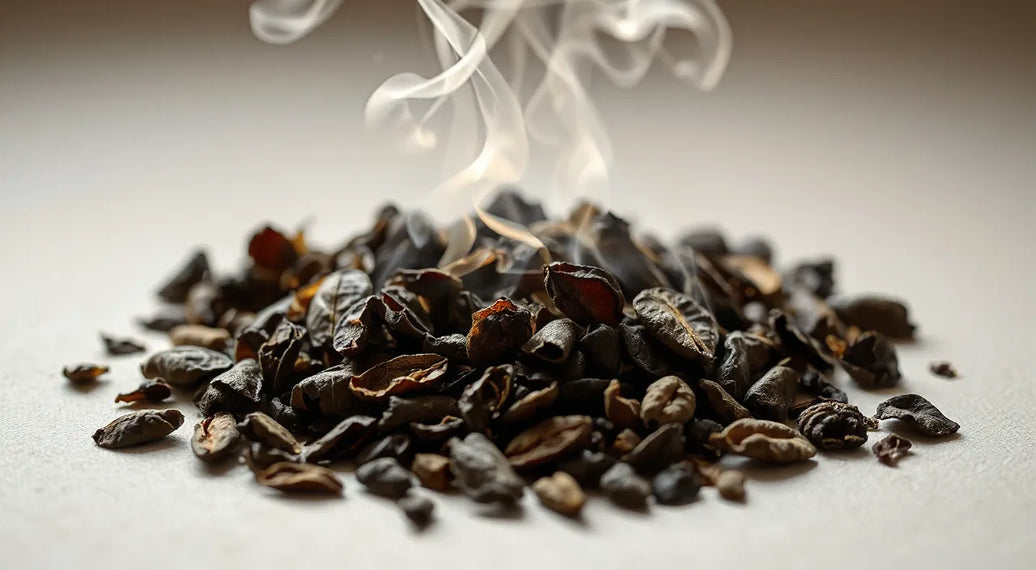
Balanced spice and coffee aroma in a steam swirl
Flavor Matching That Tastes Intentional
Flavor matching is less about exact recipes and more about aligning “front notes” and “back notes.” Coffee typically has front aroma notes and a back taste that can lean nutty, chocolatey, or caramel-like. Chai has bright aromatic spices that hit early, with a longer spice warmth that lingers.
To build harmony, choose coffee flavors that support spice rather than compete with it. Vanilla and hazelnut often soften chai’s spice edge. Caramel-like sweetness can help chai feel rounded. If you prefer darker coffee, aim for a profile that still tastes smooth and not overly smoky.
A useful method is to brew a small batch of coffee first. Taste it plain. Then brew chai separately. Note whether the coffee feels dry, bitter, or sharply roasted. If it does, reduce strength or use a coarser grind. After that, combine in small increments. This approach prevents the all-at-once problem, where one component overpowers the other.
Also consider mouthfeel. Chai often has a thicker perception due to spices and tea body. If you use a lighter coffee brew, it can feel thin by comparison. A slightly longer extraction, or a small amount of warming milk if desired, can create a unified texture.
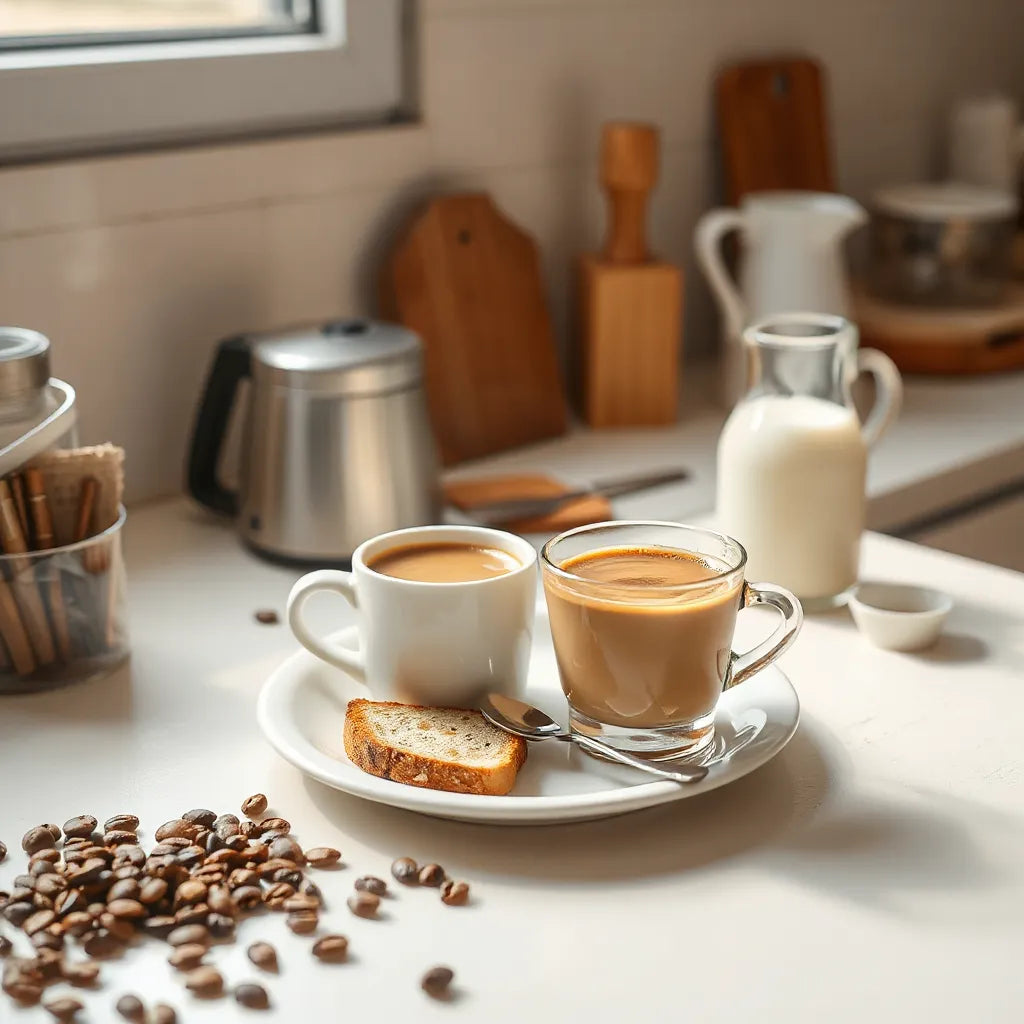
For a gentle twist, you can build a “chai-cupped coffee” style: steep chai first, then pour hot coffee over it. This technique keeps the spice aroma present while preserving coffee clarity.
Brewing Approach for Clean, Balanced Cups
Clean brewing matters because spice and coffee are sensitive to over-extraction. Over-extraction increases perceived bitterness and can make chai taste sharper. Under-extraction can mute chai warmth and make coffee taste thin.
Start by controlling grind size and water temperature. If your coffee tastes bitter, use a slightly coarser grind and reduce brew time. If chai tastes flat, allow a slightly longer steep, but avoid aggressive boiling that can exaggerate bitterness.
When combining coffee and chai, keep the total heat input consistent. A common mistake is boiling chai and then adding very hot coffee, which can create harshness. Instead, steep chai with controlled heat and use hot coffee at serving temperature.
- Use consistent water temperature for both components.
- Adjust grind size to fine-tune bitterness and clarity.
- Combine in stages to reach the desired spice-to-coffee ratio.
- Keep extraction times moderate to preserve sweetness and aroma.

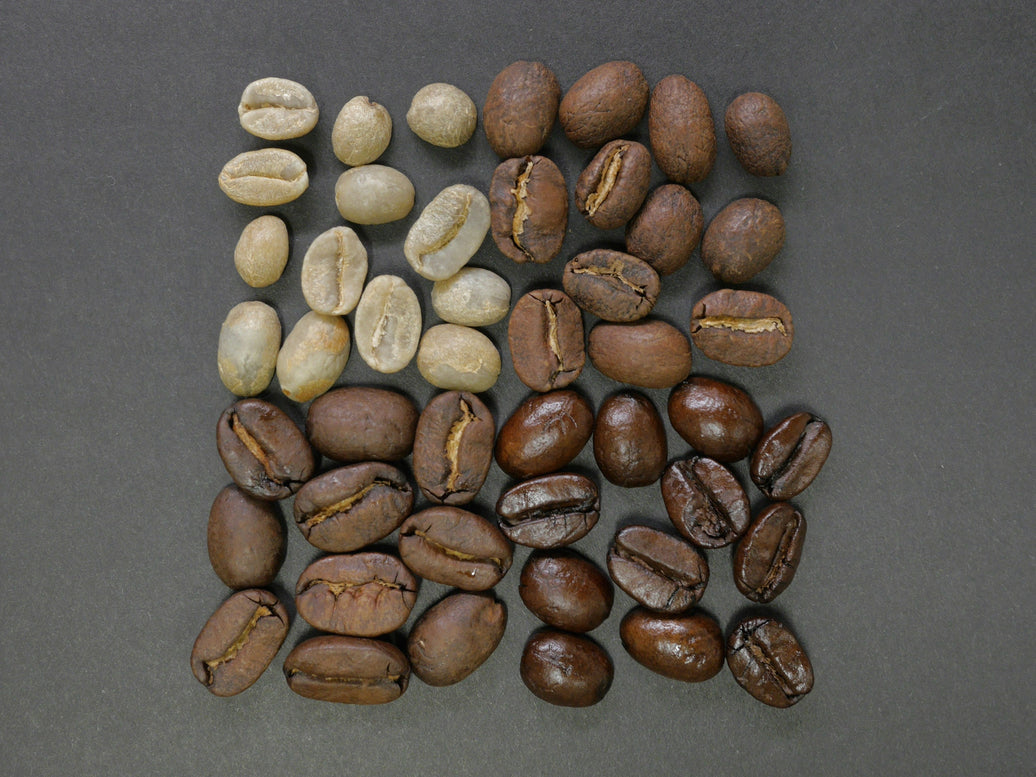
Layered pour of chai and coffee over warm spices
Step-by-Step: Build Your Signature Cup
The process below is designed to help you produce a stable result. It focuses on clear ratios, controlled extraction, and repeatable taste adjustments.
-
Prepare your chai base. Heat water to a gentle steaming point. Steep your Authentic Masala Chai Tea Blend until the aroma becomes clear and warm. Do not over-steep.
-
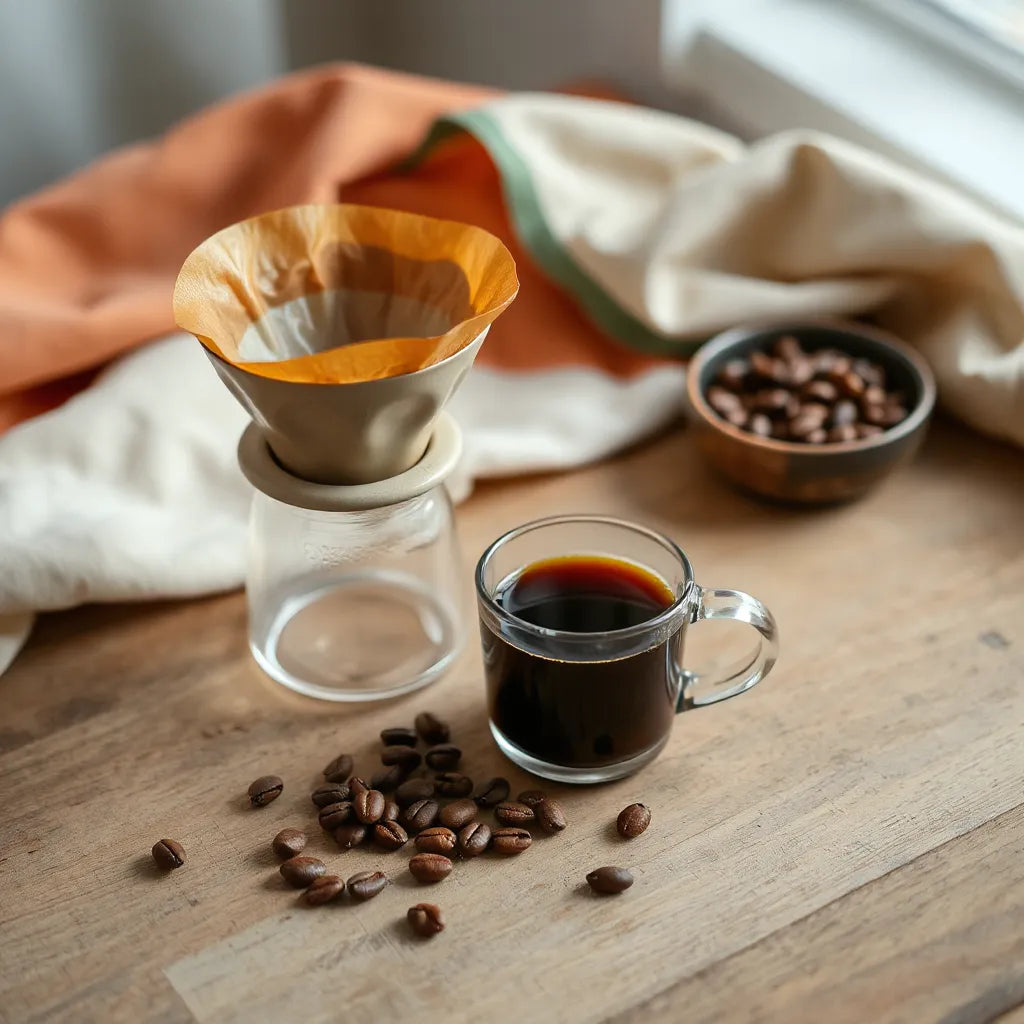
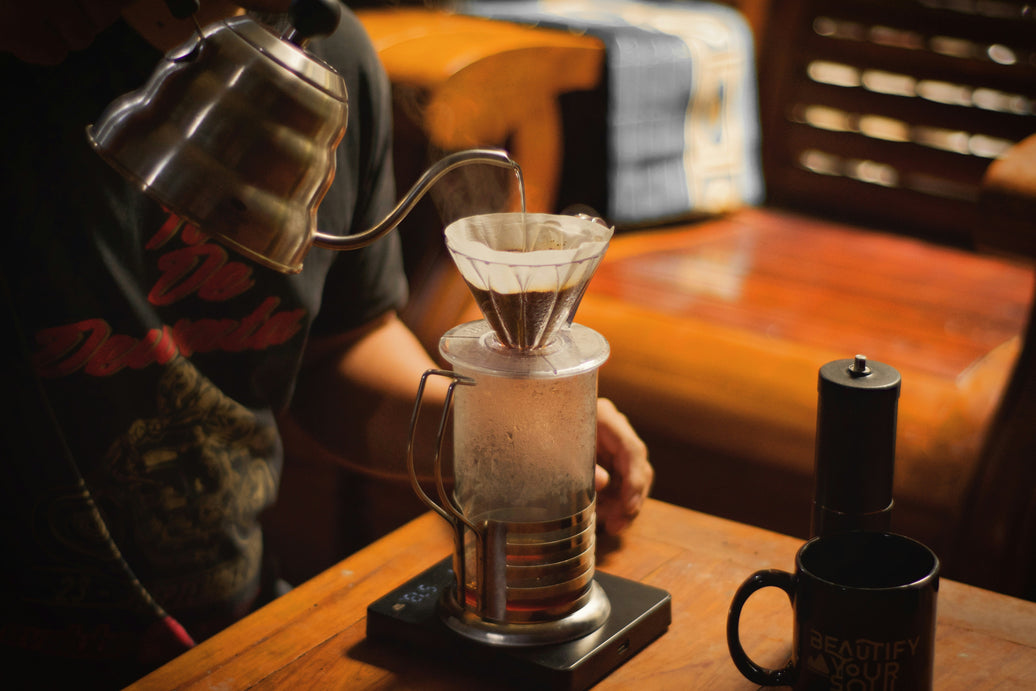
Brew your gourmet coffee separately. Use an approach that suits your equipment, such as a pour-over or a clean drip method. Choose a medium strength that tastes balanced when sampled alone.
-
Assess the chai intensity. Taste the chai base. If it is too bold, dilute slightly with hot water to reduce spice pressure.
-
Combine in controlled increments. Pour coffee into the chai base slowly. Stir once, then taste. Add more coffee if you want a stronger roasted backbone.
-
Refine bitterness with one adjustment. If the drink tastes too bitter, reduce coffee strength next time by using a coarser grind or a shorter extraction.
-
Balance sweetness and aroma. If you want a softer finish, add a small amount of sweetener or choose a naturally sweeter coffee profile in future batches.
-
Serve immediately. Aroma compounds fade quickly. Drinking soon helps you notice the intended layered flavor.
If you want a quick reference point for coffee blending ideas, you may compare flavor intensity with a curated set such as flavored coffee sample pack to identify which gourmet flavors harmonize best with chai spice warmth.
For readers who also enjoy tea craftsmanship, you can explore HANLY TEA to broaden your understanding of tea blends and infusion style. This can improve your ability to tune chai steeping and aroma clarity.
Health-Oriented Habits and a Better Daily Ritual
Many people want a drink that supports daily rhythm without creating unpleasant side effects. While personal tolerance varies, a considered approach can help. High-altitude coffee grown in Himalayan conditions is often associated with a smoother cup profile. When paired with a well-balanced masala chai blend, the resulting drink can feel comforting and structured.
There are practical reasons to emphasize low acid, antioxidant-rich coffee in your routine. Lower perceived acidity can support comfort for individuals who prefer gentler coffee. Antioxidants are commonly present in coffee, and they contribute to the beverage’s broader nutritional profile. In addition, caffeine can support alertness, which may improve focus during work or study sessions.
For metabolic support, the most reliable path is consistency rather than extreme claims. A drink that tastes satisfying encourages hydration and mindful routine building. Instead of relying on large quantities, aim for a cup you enjoy and can repeat steadily.
Consider building your routine around three habits:
Measure your inputs. Consistency is the simplest way to improve taste quality and reduce bitterness.
Choose smoother beans. Organic low acid beans can make spice blending easier.
Track how you feel. Adjust strength and timing based on your comfort and daily schedule.
When you treat coffee and chai as two components that deserve separate attention, you improve both flavor and the likelihood of a positive daily experience.
Common Mistakes to Avoid
Even experienced home brewers often encounter the same issues when combining coffee and masala chai. The most common problems are not complicated. They are avoidable with small adjustments.
Over-extraction. Long brewing times can amplify bitterness and make spice taste harsh.
Combining without tasting. Adding large amounts at once can lock in an unbalanced cup.
Ignoring roast character. Very dark or heavily smoky coffee can overpower spice complexity.
Skipping aroma checks. Aroma reveals balance early. If the chai smells sharp, adjust steeping time.
Another subtle issue is temperature shock. If one component is significantly hotter than the other, the aroma can flatten and the drink may taste more bitter than expected. Aim for a stable serving temperature for both components.
Finally, avoid making the drink “too spicy” by forcing longer steeping. Instead, choose a masala blend with the right spice structure. Then refine the cup using ratio rather than excessive steep time.
Summary & Takeaway
Gourmet Flavored Coffee Beans and an Authentic Masala Chai Tea Blend can create a refined, layered drink when you prioritize quality, balance, and controlled brewing. Start by selecting low acid, high-altitude coffee and a chai blend with rounded spice structure. Brew both components separately, taste them, and combine in increments to lock in the flavor ratio you prefer.
With a consistent approach, you will gain clean aromatics, a stable taste profile, and a comforting ritual that supports focused mornings. If you are ready to explore gourmet high-altitude coffee options designed for smooth drinking, visit Arvea Coffee and shop your next cup today.
Q&A
Can Gourmet Flavored Coffee Beans be used with chai without overpowering the spices?
Yes. The key is to start with a moderate-flavored coffee profile and brew it to a balanced strength. Then combine coffee and chai gradually, tasting after each addition. If the coffee dominates, use a slightly lighter coffee extraction or choose a warmer, naturally sweet flavor direction such as vanilla and nut-like notes.
What brewing method works best when combining coffee and masala chai?
Most methods work as long as you control extraction. Pour-over, drip brewing, and clean immersion can all produce consistent results. Brew the coffee separately and steep the chai base with controlled heat. This separation helps you adjust strength and prevents bitterness that can arise from over-extraction.
How can I keep the final cup smooth and not bitter?
Use organic low acid beans when possible, and avoid extended brew times. Choose a grind size that produces balanced extraction, then adjust with small changes rather than drastic ones. If bitterness appears, reduce coffee strength first, then refine chai steep duration only after the coffee profile is stable.
Disclaimer: This article is for informational purposes only and does not provide medical advice. Individual tolerance to caffeine and spices varies. If you have a health condition or dietary restrictions, consult a qualified professional before making changes to your diet.

At Arvea Coffee, we believe great coffee is more than just a drink — it’s a moment to slow down, recharge, and enjoy something truly special.
The content in this blog post is intended for general information purposes only. It should not be considered as professional, medical, or legal advice. For specific guidance related to your situation, please consult a qualified professional. The store does not assume responsibility for any decisions made based on this information.


























Leave a comment