

Updated on: 2026-10-02
Choosing the right breakfast blend comes down to one question that many shoppers ask too late: Light vs Medium Roast: Which is Breakfast Blend? Roast level shapes aroma, perceived smoothness, and how the coffee behaves with milk and sugar. It also influences how the cup develops across the morning, from the first sip to the last. This guide explains what light roast and medium roast truly change, how to select confidently, and how to align your blend choice with clean, balanced morning drinking.

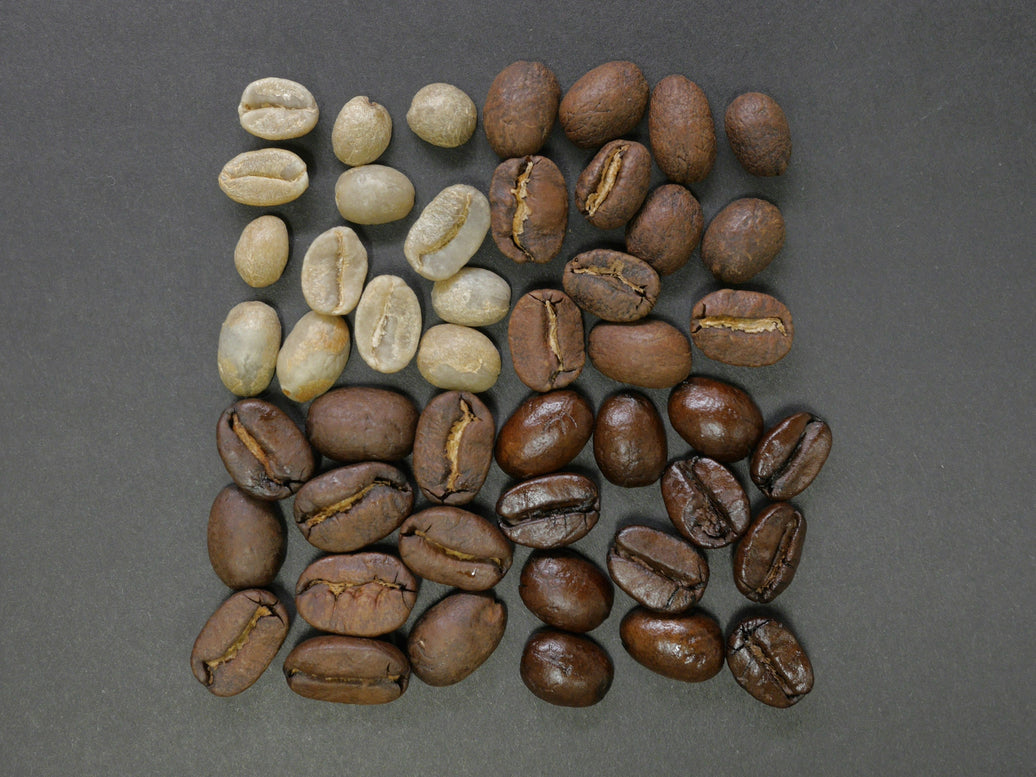
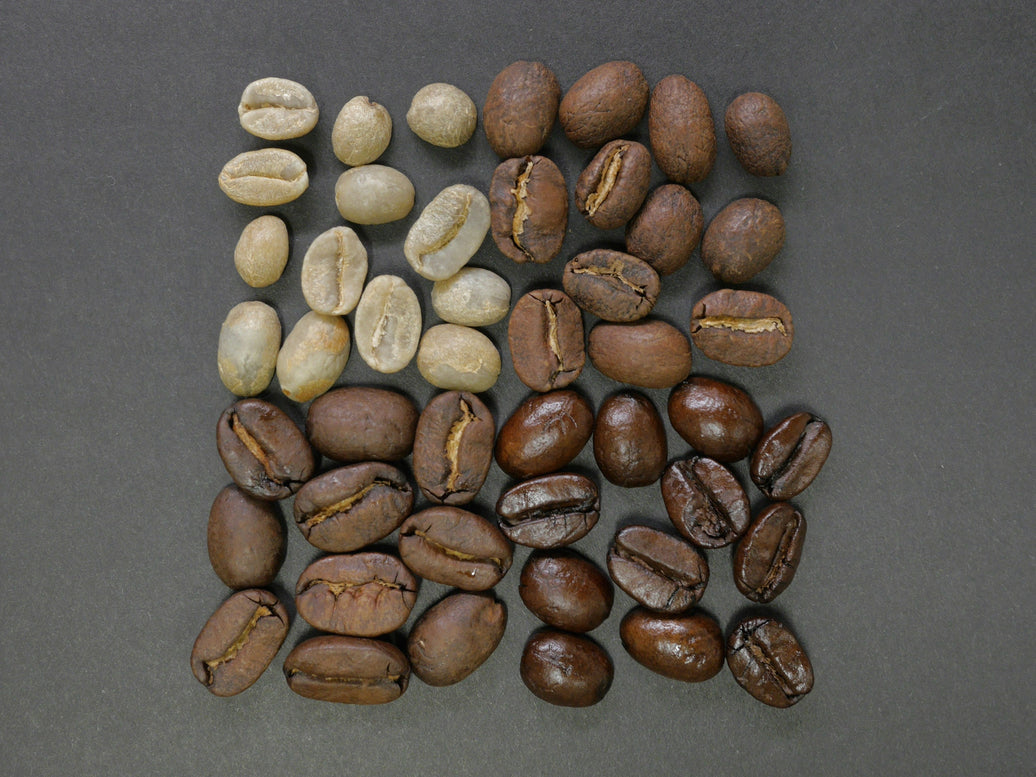
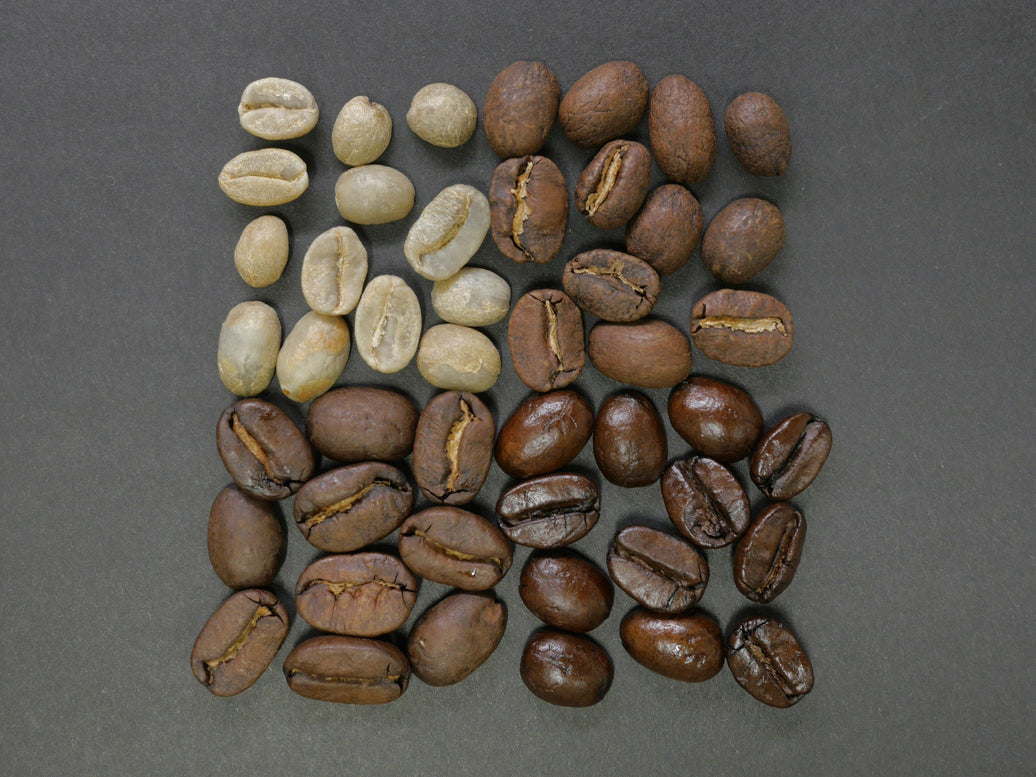
Roast spectrum showing light to medium transitions
Myths vs. Facts
-
Myth: Light roast is always more caffeinated.
Fact: The caffeine content is driven mainly by bean density, grind size, and brew method. Roast level can slightly shift density, but the difference is not a reliable way to decide a breakfast blend. -
Myth: Medium roast is always stronger and tastes “darker.”
Fact: Medium roast often delivers a fuller body and a more rounded flavor profile, yet strength depends on your brew ratio and extraction. A medium roast can be balanced, not necessarily harsh. -
Myth: Roast level determines quality, not the coffee itself.
Fact: Quality depends on sourcing, processing, and roasting skill. Roast level is the dial that changes expression, not the sole definition of excellence. -
Myth: Light roast always tastes sour.
Fact: Properly roasted light coffee can taste bright and nuanced rather than sharp. Sourness is more often linked to underdevelopment or extraction issues. -
Myth: Medium roast is always the safest morning option.
Fact: Many people prefer medium roast, but a light roast can be ideal for those who want origin clarity and lighter sweetness.
Step-by-Step Guide
A breakfast blend should be easy to drink every day, compatible with your usual brewing setup, and consistent in flavor. Use the steps below to select between light and medium roast with clear criteria.
-
Define your morning goal. If you want a bright, aromatic cup that feels crisp, choose light roast. If you want a rounder mouthfeel and gentle flavor that holds up with milk, choose medium roast.
-
Match roast to brewing method. With espresso-style extraction or strong drip settings, medium roast often provides stable balance. With pour-over or careful drip control, light roast can reward attention with clearer tasting notes.
-
Assess how you add ingredients. If you usually drink with milk, cocoa, or sweeteners, medium roast often blends more smoothly. If you drink black and prefer subtle fruit or floral aromatics, light roast can deliver more distinct origin character.
-
Evaluate your tolerance for perceived acidity. Roast level influences the cup’s character, but bean selection and roast design matter most. For shoppers who want an easier morning experience, low acid profiles are often a key factor.
-
Consider health-focused preferences without overpromising. Many customers look for a clean-tasting cup that supports steady energy habits. Look for coffee that emphasizes careful processing and antioxidant-rich farming, rather than bold medical promises.
-
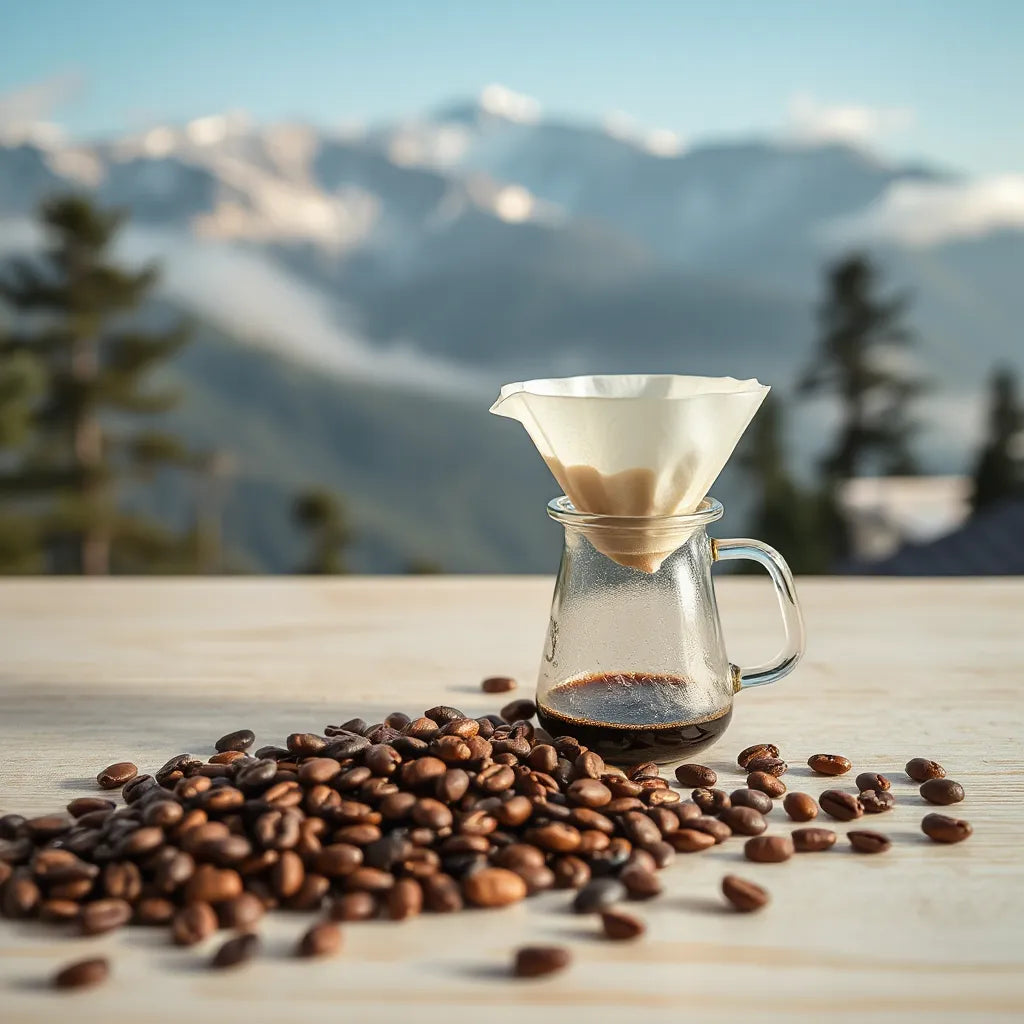
Choose a bean strategy that supports consistency. For a stable breakfast blend experience, high-altitude sourcing can help preserve delicate aromatics while supporting a balanced roast profile. When paired with thoughtful roasting, this can create a morning cup that feels both lively and smooth.
-
Run a controlled taste check. Brew both roast levels at the same ratio, with the same grind size and water temperature, if possible. Taste for aroma, sweetness, and how the flavor finishes. Select the one that feels most consistent for everyday use.
If you want an easy starting point, choose a cup that is designed for morning drinking and built around low-acid character. In many households, breakfast blend satisfaction comes from a roast profile that supports mental alertness habits without pushing the cup into sharpness. For shoppers exploring premium options, consider gourmet high-altitude coffee made with organic low acid beans and roasted to deliver a smooth, balanced sip.
To explore a morning-forward coffee approach, you can review options at Arvea Coffee. Many customers choose products that highlight low-acid, antioxidant-rich high-altitude Himalayan beans, which can complement both black brewing and milk-based drinks.

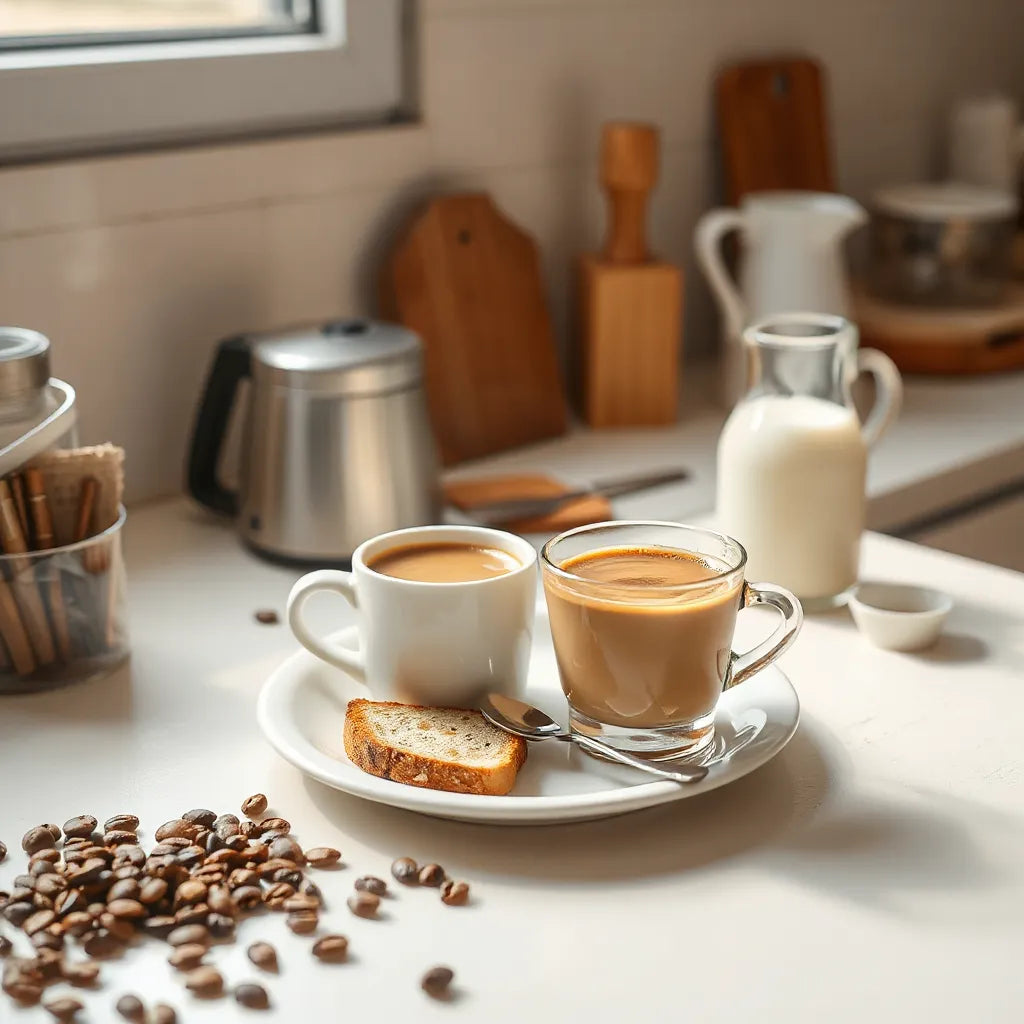
Two cup profiles: brightness versus rounded body
Frequently Asked Questions
Is a light roast better for breakfast than a medium roast?
It depends on your preference. Light roast often feels brighter, with clearer aroma expression. Medium roast tends to feel smoother and more rounded, which many people find ideal for daily breakfast routines.
Does medium roast hide origin flavor?
Medium roast typically reduces some of the most delicate origin notes while adding caramel-like depth and a fuller body. It does not erase origin character, but it changes how the cup presents sweetness and finish.
Which roast is more suitable for milk-based drinks?
Medium roast is often the more reliable choice for lattes and mochas because its body and balanced flavor tend to integrate with milk. Light roast can work well, especially with careful steaming and a gentler drink ratio, but medium is usually the simpler path.
Summary & Key Takeaways
Light roast is often the better fit when you want clarity, brighter aromatics, and a more origin-forward cup. Medium roast is typically the better fit when you want comfort, rounded body, and straightforward drinkability with milk. The best breakfast blend is not automatically the “lighter” or the “darker” choice. It is the roast level that matches your morning routine, your brewing method, and your preferred balance of sweetness and finish.
If you want a refined breakfast blend experience built around low acid character and antioxidant-rich high-altitude sourcing, explore the range at arveacoffee.com and choose the roast that best fits your daily ritual.
Q&A Section
How do I decide between light vs medium roast for my specific breakfast taste?
Start by choosing what you want to feel first in the cup. If the first sip should taste crisp and aromatic, select light roast. If the first sip should taste rounded and comforting, select medium roast. Then confirm by checking the finish: light roast often ends cleaner and brighter, while medium roast often ends smoother and more chocolate-leaning.
What brewing adjustments help each roast perform better?
For light roast, consider a slightly longer brew time or a more controlled extraction approach to prevent sharpness. For medium roast, focus on consistent grind size and avoid over-extraction, which can add bitterness. In both cases, using a stable water temperature and the same coffee-to-water ratio improves repeatability.
Why do breakfast blends with Himalayan beans appeal to many customers?
High-altitude cultivation can support a distinct flavor structure, often combining pleasant sweetness with a clean aroma profile. When paired with careful roasting, this can produce a breakfast cup that tastes balanced and easy to enjoy. Shoppers who prioritize low acid comfort may also appreciate roast designs focused on a gentler morning character.
Author
Specializing in coffee sourcing and roast profiling, the Author helps shoppers translate roast level into everyday taste outcomes. The focus is on practical selection, brewing guidance, and clear expectations for a consistent morning cup. With a background in quality-forward coffee education, the Author emphasizes balanced decision-making over hype. Thank you for reading, and may your next breakfast blend match your preferences precisely.
Disclaimer: This article provides general education about coffee roast characteristics and brewing preferences. It is not medical advice and does not make treatment or cure claims. Individual taste and tolerance vary; if you have specific health concerns, consult a qualified professional.

























Leave a comment