


Updated on: 2026-09-28
Choosing organic coffee options can improve both taste and transparency in your daily routine.
This guide explains how to read labels, compare roast styles, and match beans to your brewing method.
You will also learn practical ways to store coffee, avoid common sourcing mistakes, and build a repeatable purchase plan.
By the end, you will be able to select the right organic coffee with confidence and consistency.
How to Choose Organic Coffee Options by Profile
Label Reading: Certifications and What They Actually Mean
Brewing for Best Results: Grind, Water, and Timing
Organic Coffee Options: A Practical Guide to Better Purchases
Organic coffee options offer a structured path to selecting beans that fit your values and your palate. When you choose organic, you are typically prioritizing farming practices that aim to reduce synthetic chemical inputs and support a more careful growing process. However, “organic” is only one factor. Flavor depends on origin, roast style, freshness, and the way you brew.
This article helps you make disciplined decisions. You will learn how to evaluate roast level, understand common certifications, and choose an appropriate brewing approach. You will also find an easy workflow that turns shopping into a repeatable habit rather than a guessing exercise.
Essential Tips
- Start with your taste goal: bright and citrusy, chocolate-forward, or smooth and nutty.
- Choose freshness over novelty. Look for recent roast dates and buy in quantities you can use promptly.
- Check the grind type. Match it to your brewer to prevent under-extraction or bitterness.
- Use transparent labels. Prefer clear origin details and roasting information over vague descriptions.
- Store coffee correctly. Keep it sealed, away from heat, light, and humidity.
Detailed Step-by-Step Process
-
Define your brew method. Whole bean, pre-ground, espresso, drip, and cold brew each reward different grind and roast choices.
-
Pick a flavor direction. If you enjoy clean acidity, consider brighter roast profiles. For heavier sweetness, choose deeper roasts.
-
Verify organic claims. Confirm that the packaging communicates organic status clearly and includes recognizable certification marks when available.
-
Compare origin and blend type. Single-origin coffees emphasize terroir. Blends often balance body, sweetness, and drinkability.
-
Choose roast for extraction. Dark roasts can run faster in brewing and may taste smokier. Lighter roasts often need careful water temperature and contact time.
-
Plan your purchase size. Buy amounts aligned with how often you brew to keep beans tasting consistent.
-
Dial in once, then repeat. Record your grinder setting and brewing variables. Small adjustments create stable results across weeks.
Where “organic” meets real flavor
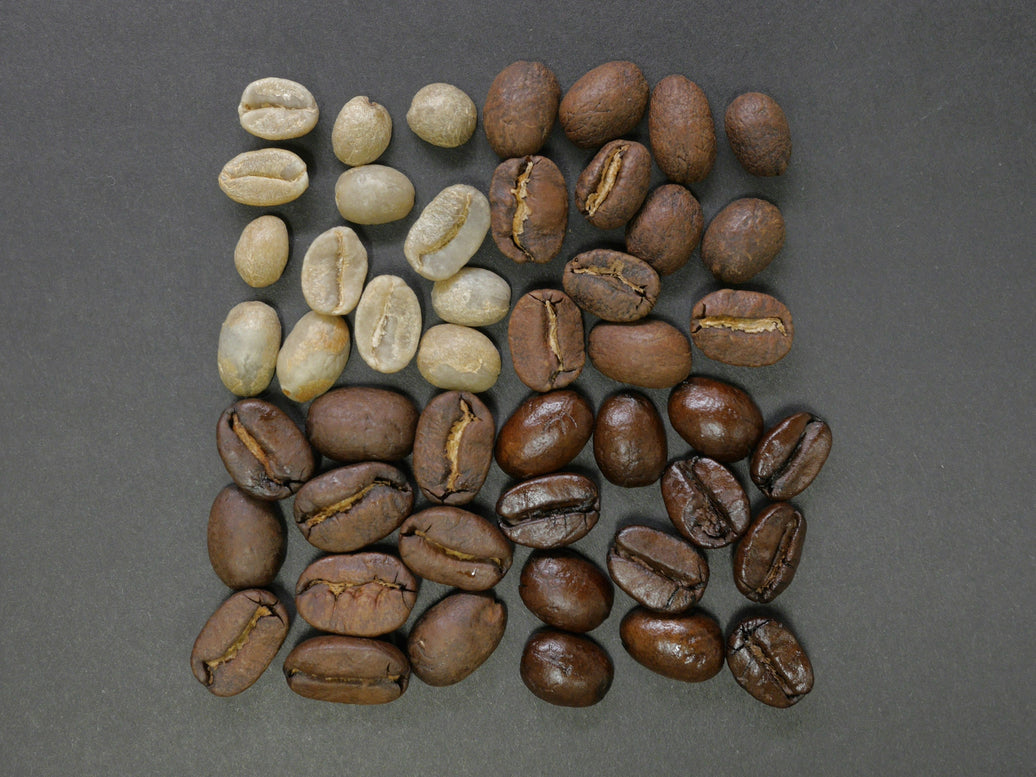
Even with certified organic practices, coffee still varies in sensory character. Your best outcomes come from matching organic sourcing with a roast that fits your brew style. For example, if you prefer a smooth cup with low edge, you will likely enjoy medium to medium-dark roasts. If you enjoy a more vivid cup, a lighter roast can highlight fruit-like notes.

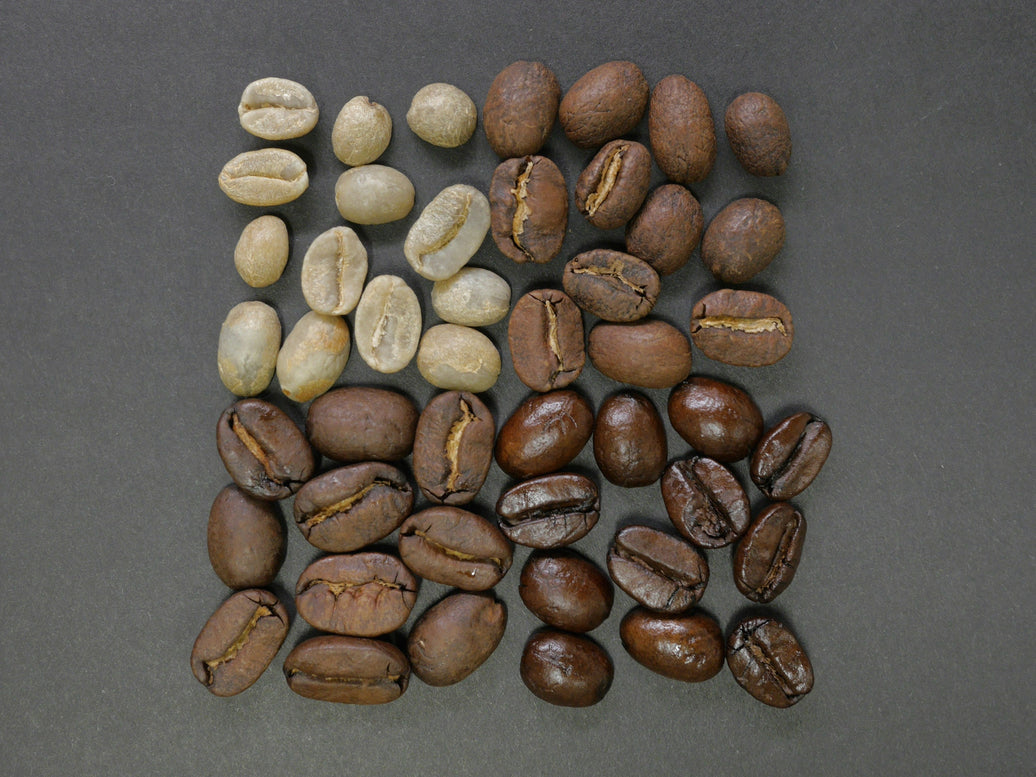
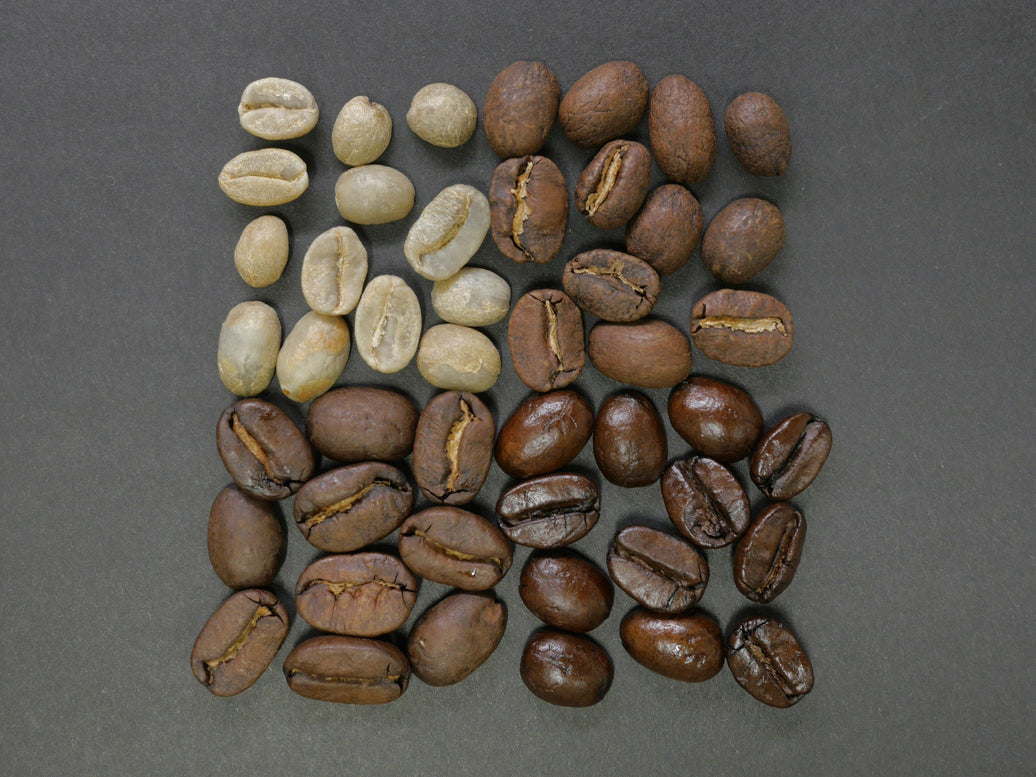
Roast levels shown by color scale and tasting notes
How to Choose Organic Coffee Options by Profile
Selecting among organic coffee options becomes easier when you treat taste as a map. Start with the primary flavor axis: acidity, sweetness, and body. Then select a roast level and brewing target that supports your preferred balance.
1) Bright and lively profiles
Look for coffees described with notes such as citrus, berry, or floral character. These profiles typically perform well when brewed with careful timing and adequate water contact. Lighter roasts can improve clarity, but they require consistency in grind size to avoid watery extraction.
2) Chocolate and caramel sweetness
If you prefer a cup that tastes like cocoa, toasted sugar, or baked goods, medium roasts are a common fit. Sweetness is supported by balanced extraction. In practical terms, you will generally achieve better results with drip systems or pour-over when the grind is uniform and the water is not overly aggressive.
3) Deep and smoky comfort
For drinkers who enjoy heavier body and roasted character, darker roasts can deliver comfort and reduced perceived acidity. However, darker roasts are more prone to tasting flat if brewed too aggressively. If your goal is steady boldness, use moderate grind consistency and controlled brew time.
Single-origin versus blends
Organic single-origin offerings tend to highlight a specific growing region. Blends are often designed to create a predictable everyday experience. If you want variety and exploration, rotate single-origin coffees. If you want reliability, keep a blend as your baseline and add one seasonal or origin-focused option for contrast.
When you want a straightforward starting point, sample formats can reduce risk. For example, a tasting approach using single-origin samples helps you compare flavor differences without committing to large quantities. This is especially useful when learning which organic flavor directions you enjoy most.
Label Reading: Certifications and What They Actually Mean
Organic labels can be informative, but they require interpretation. A smart reading process avoids vague assumptions. Begin by confirming that the product clearly states organic status and, where applicable, identifies the certifying body.
Look for clarity, not just marketing language
Effective labels often include one or more of the following:
- Clear wording that indicates the coffee is organic
- Certification marks associated with an established standard
- Information about processing and origin
- Roast date or packing date that supports freshness decisions
Understand how “organic” differs from “sustainable”
Organic farming typically focuses on specific agricultural practices and input restrictions. Sustainability claims may cover broader goals such as soil health, water management, or community programs. These can overlap, but they are not always the same. If you want both, prioritize certifications and production transparency rather than relying on general statements.
Watch for common sourcing gaps
Some products describe sensory tasting notes but provide minimal information about origin. If your objective is to make repeatable purchasing decisions, choose coffees that include details you can compare across bags. Origin information helps you predict how the coffee might develop in a familiar brew system.
Brewing for Best Results: Grind, Water, and Timing
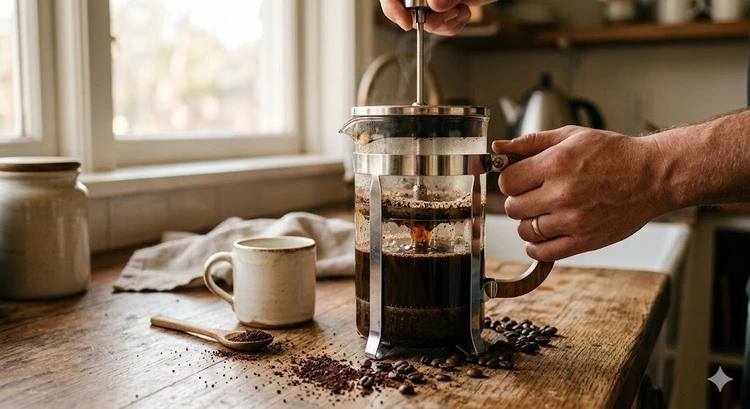
Organic coffee options can taste excellent when brewing variables are handled correctly. The brewing method influences extraction, which then shapes acidity, sweetness, and bitterness. Rather than treating brewing as an afterthought, treat it as the final step of sourcing.
Grind size and uniformity
Grind size changes contact time. Finer grounds increase surface area and can extract faster, while coarser grounds slow extraction. Uniform grind helps reduce channeling and improves consistency. If your coffee tastes sour, the likely issue is under-extraction. If it tastes harsh or overly bitter, the likely issue is over-extraction.
Water quality and temperature approach
Water quality affects flavor clarity. Use clean water and avoid mineral extremes. In general, moderate-to-warm water helps draw out sweetness without pushing excessive bitterness. If you adjust only one variable, adjust grind first, then refine time and water flow.
Timing matters across brew styles
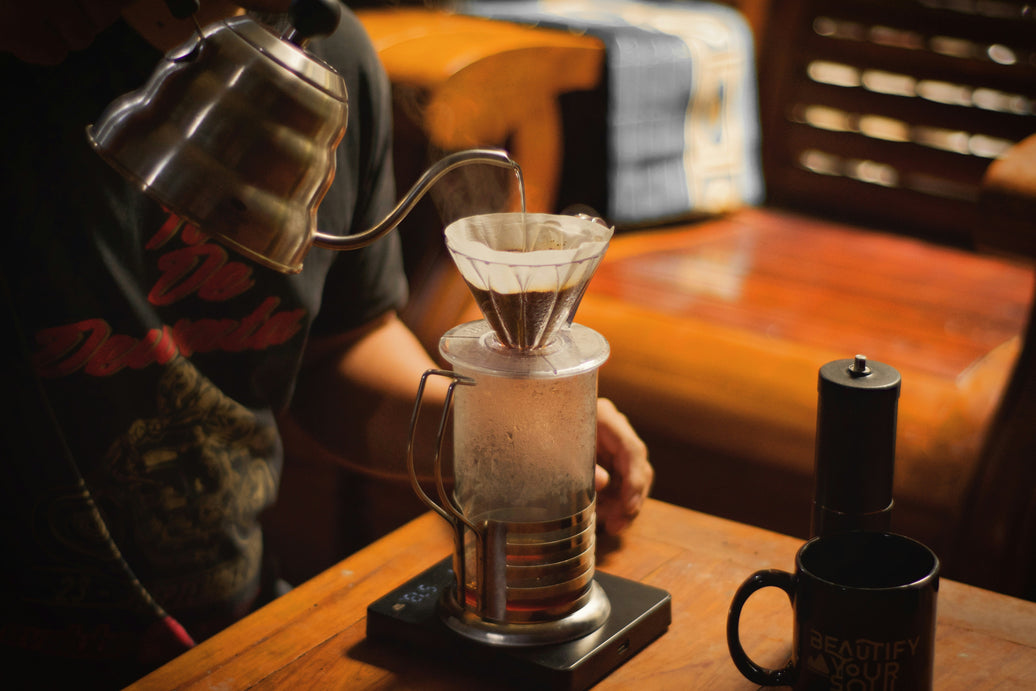
Drip and pour-over methods depend on flow rate and total brew time. Espresso depends on pressure and contact time. Cold brew depends on long steeping and filtration. Organic beans respond similarly to non-organic beans, meaning the core extraction principles remain consistent.
If you enjoy a smooth cold cup, consider cold brew options from reputable suppliers. For inspiration, you can explore cold brew selections to see how flavor character changes when extraction shifts from hot to slow cold steeping.

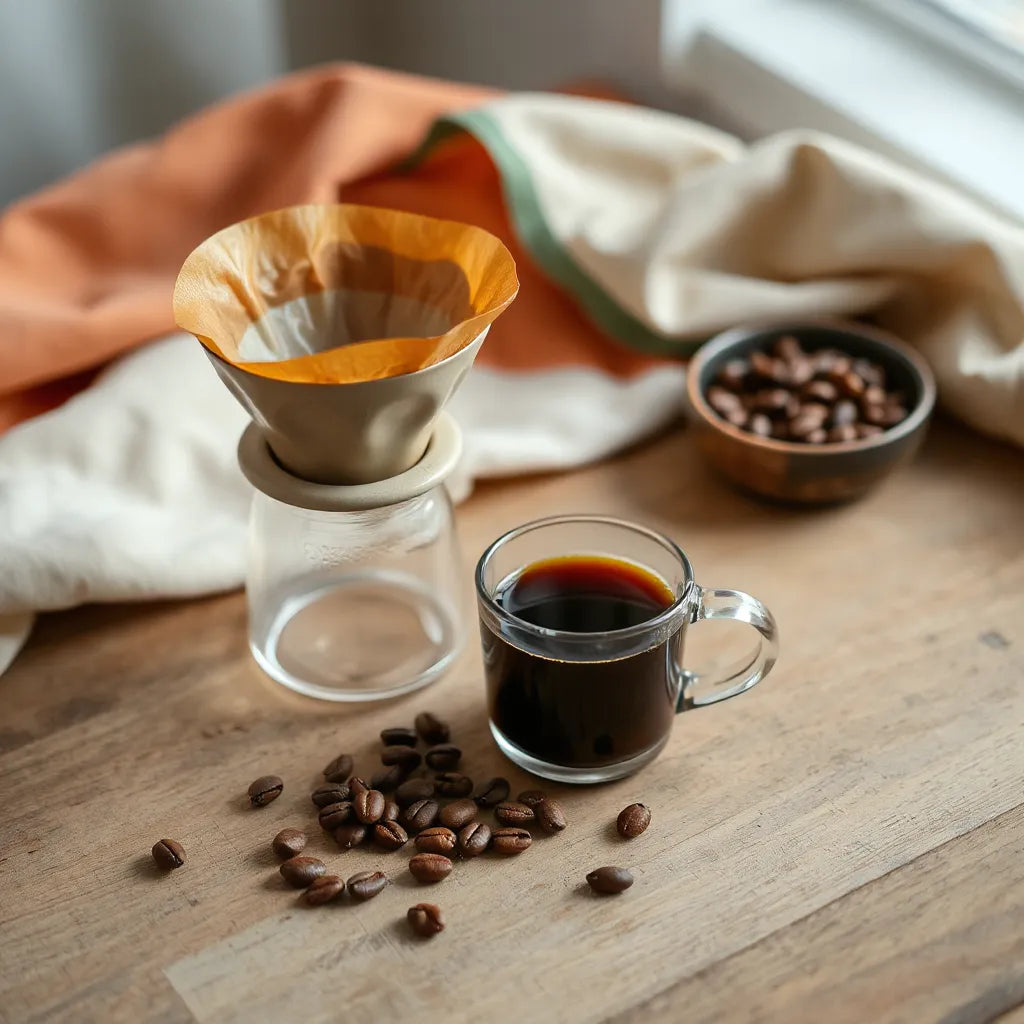
Brewing variables diagram with grinder, water, and timer
Storage and Freshness Practices
Freshness is one of the most controllable factors in coffee quality. Even excellent organic coffee options can taste dull if stored incorrectly. You want to protect the coffee from oxygen, heat, light, and moisture.
Use an airtight container
Once opened, keep beans in a container designed to limit air exposure. If you buy whole bean, grind only what you need for each brew session. Pre-ground coffee loses aroma faster because more surface area is exposed.
Avoid temperature swings
Refrigeration and freezing are sometimes debated. If you do refrigerate, prevent moisture exposure by sealing very well. In many households, simply keeping coffee in a cool, dark cabinet works best for consistent results.
Make consumption predictable
Establish a rotation schedule. If you brew daily, smaller bags may reduce waste and maintain flavor. If you brew a few times per week, buy quantities that match your real usage.
Common Mistakes to Avoid
- Choosing roast without matching brew method. A roast that tastes good in one method may underperform in another.
- Confusing organic with automatically better taste. Organic is a production standard, not a flavor guarantee.
- Skipping label checks. Certifications and origin information help you make more accurate comparisons.
- Overcorrecting every time you brew. Adjust one variable at a time, especially grind size.
- Buying too much at once. Aging beans lose aroma and sweetness, even when stored properly.
Summary & Takeaway
Organic coffee options become simpler when you follow a structured decision process. Confirm the organic status through clear labeling, choose a flavor direction based on roast and origin, and then refine your brewing method using consistent grind and timing. Finally, protect freshness with airtight storage and thoughtful purchase sizing.
When you treat sourcing, brewing, and storage as one system, you can build a reliable coffee routine that delivers both ethical alignment and consistent taste.
Q&A Section
What are the most important factors after choosing organic coffee options?
After organic sourcing, the most influential variables are roast level, freshness, and your brewing method. Flavor is shaped by extraction, which depends on grind size, water quality, and brew time. Origin information can also affect acidity and sweetness, so it is useful when you want consistent results.
Should I buy whole bean or pre-ground organic coffee?
Whole bean typically preserves aroma longer because it exposes less surface area to oxygen. If you use a grinder, whole bean is usually the better choice for maximum flavor clarity. Pre-ground can be convenient, but choose smaller packages and brew quickly after opening to maintain taste quality.
How can I tell whether a coffee will taste bright or smooth?
Roast level is a strong predictor. Lighter roasts often highlight acidity and clarity, while medium to darker roasts usually feel smoother and more chocolate-forward. You can also use tasting notes as a starting point, but rely on consistency across brewing rather than assuming a description guarantees your final cup.
What is a good approach if I want to test several organic coffees?
Use a sample strategy. Compare a few flavor profiles over multiple brews using the same brewing settings. This reduces variables and helps you identify which roast and origin combinations match your preference. Once you find a baseline, you can expand with new origins that resemble your favorite characteristics.
About the Author
Arvea Coffee brings practical expertise in coffee selection, roast understanding, and brewing-focused guidance. The team emphasizes transparent sourcing and consistent preparation methods so customers can learn what they enjoy and reproduce quality at home. If you want a smoother path to better cups, focus on method consistency and freshness discipline. Thank you for reading and choosing a thoughtful approach to coffee.
Disclaimer: This article is for educational purposes only and does not guarantee specific results. Coffee flavor and performance depend on variables such as brewing equipment, water composition, grind consistency, and personal preference.
The content in this blog post is intended for general information purposes only. It should not be considered as professional, medical, or legal advice. For specific guidance related to your situation, please consult a qualified professional. The store does not assume responsibility for any decisions made based on this information.























Leave a comment