

Updated on: 2026-10-01
Single origin coffee offers a clearer window into farm, variety, and processing decisions than blended roasts. When you choose beans from one growing region, you can taste more distinct sweetness, acidity, and aroma profiles. It also supports better traceability, which helps shoppers understand what they are brewing. With the right grind and water, single origin coffee can deliver a noticeably cleaner cup and a more consistent tasting experience.
Table of Contents
- What Single Origin Coffee Is
- Why Single Origin Coffee Tastes Different
- Myths vs. Facts
- Step-by-Step Guide to Brewing
- How to Taste and Select
- Frequently Asked Questions
- Summary & Key Takeaways
- Q&A Section
What Single Origin Coffee Is
Single origin coffee is made from beans sourced from a specific place, such as a country, region, farm, or cooperative. The key idea is focus: the roast and flavor are built around one origin rather than combining multiple sources. In many cases, roasters provide more detail on where the coffee was grown, how it was processed, and the flavor style you can expect.
This matters because coffee is sensitive to growing conditions. Soil type, altitude, rainfall patterns, and harvest timing all influence the chemical makeup of the green beans. After roasting, those differences show up in cup characteristics like sweetness, acidity balance, and aromatic notes. In short, a single origin selection helps you taste the “place” behind the cup.
Why Single Origin Coffee Tastes Different
Blends often smooth out variability by combining multiple origins. Single origin coffee instead highlights how one set of beans behaves during roasting. As a result, the cup can feel more vivid and structured, with clearer separation between aroma and flavor layers.
Flavor development is also tied to processing. Washed processing can produce a cleaner, brighter profile. Natural or honey processing can bring deeper fruit-like sweetness and heavier body. Even when two coffees are roasted to a similar degree, their underlying flavor architecture can remain distinct.
Finally, single origin coffee can improve your learning curve as a drinker. When you brew the same type repeatedly, you can notice how grind size, water temperature, and brew time affect the same flavor components. Over time, that feedback helps you dial in your preferences with less guesswork.

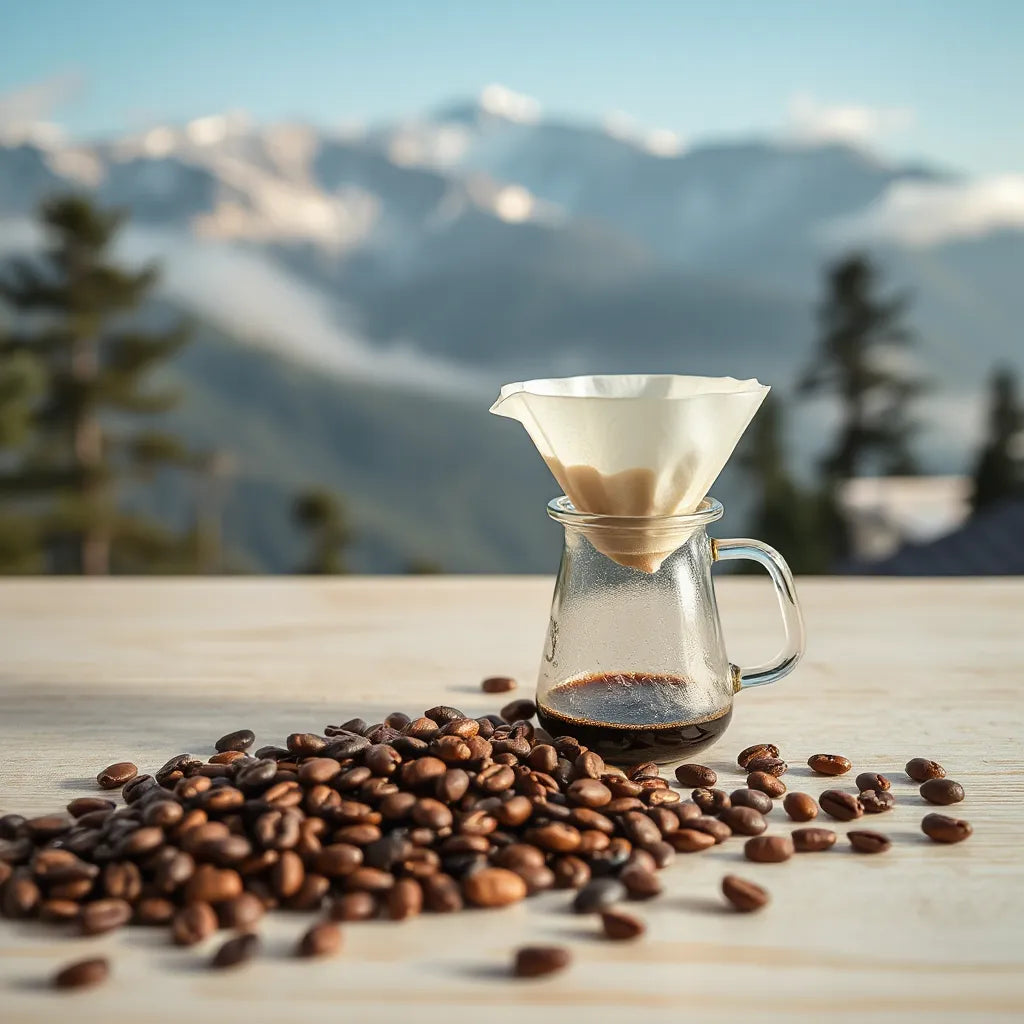
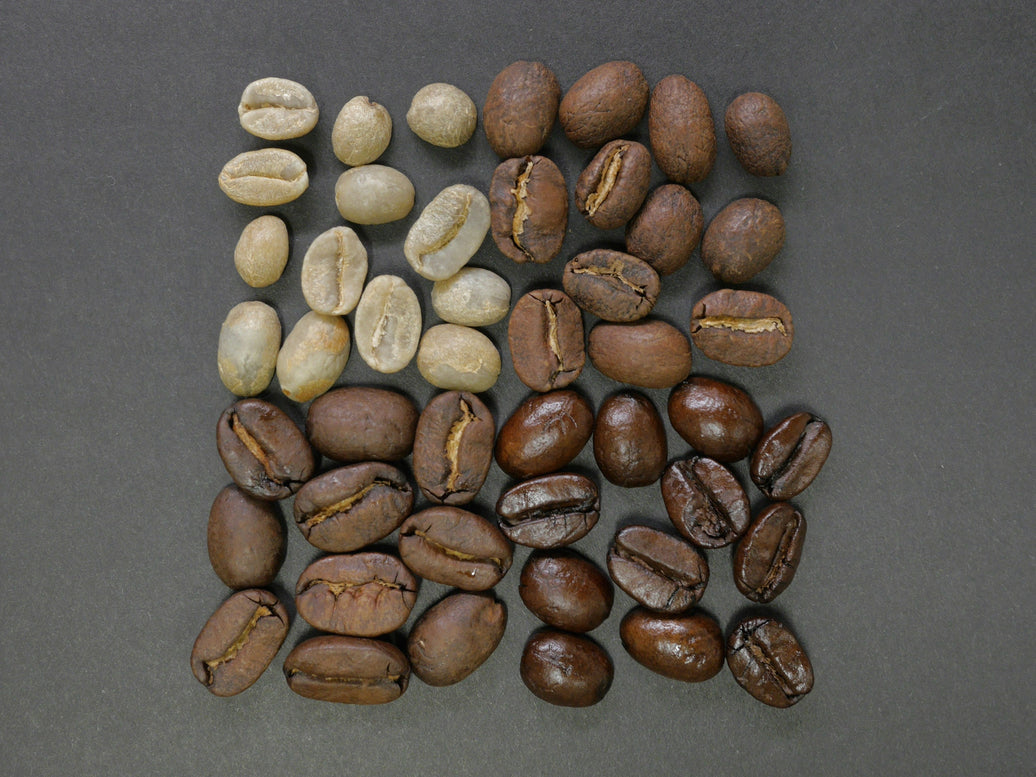
Visual map of one origin area
Myths vs. Facts
Myth: Single origin coffee is always light roast
Fact: It is not limited to one roast level. Single origin offerings can be roasted light, medium, or dark depending on the roaster’s goals and the bean’s natural characteristics.
Myth: It tastes “sour” by default
Fact: Acidity in coffee is not the same as sourness. Single origin coffees may show bright acidity, but good roasting and extraction usually produce a balanced, pleasant cup.
Myth: You cannot brew it at home
Fact: With basic equipment and consistent measurements, home brewing can produce excellent results. Precision is useful, but coffee is forgiving when you follow a repeatable method.
Myth: All single origin coffee is identical in flavor
Fact: Variations in variety and processing create distinct profiles. Two origins from different regions can taste like they come from different species, even when roasted similarly.
Step-by-Step Guide to Brewing
To get the most from single origin coffee, focus on three control points: grind, water, and extraction time. The goal is to draw flavors evenly without over-extracting bitterness.
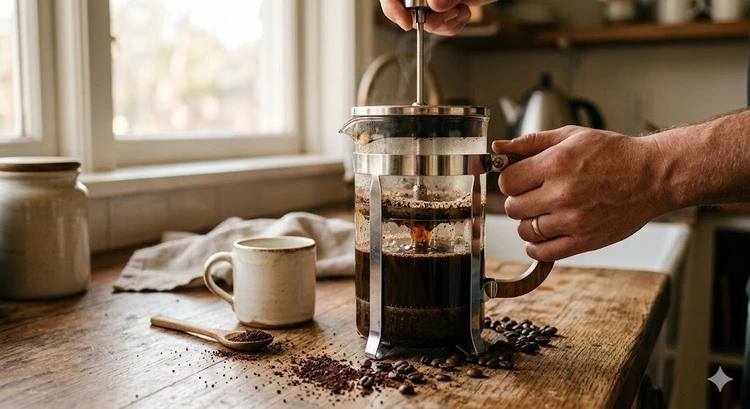
- Choose the brew method you will use consistently. Pour-over, espresso-style brewing, and immersion methods each highlight different aspects of origin character.
- Select a grind size matched to the method. For pour-over, use a medium-fine grind. For immersion, start with a medium grind and adjust if the cup tastes thin or harsh.
- Measure coffee and water by weight. A stable ratio helps you reproduce results. Begin with a common starting range, then adjust based on taste.
- Heat water to the right range for extraction. Water that is too cool can under-extract. Water that is too hot can increase harsh flavors.
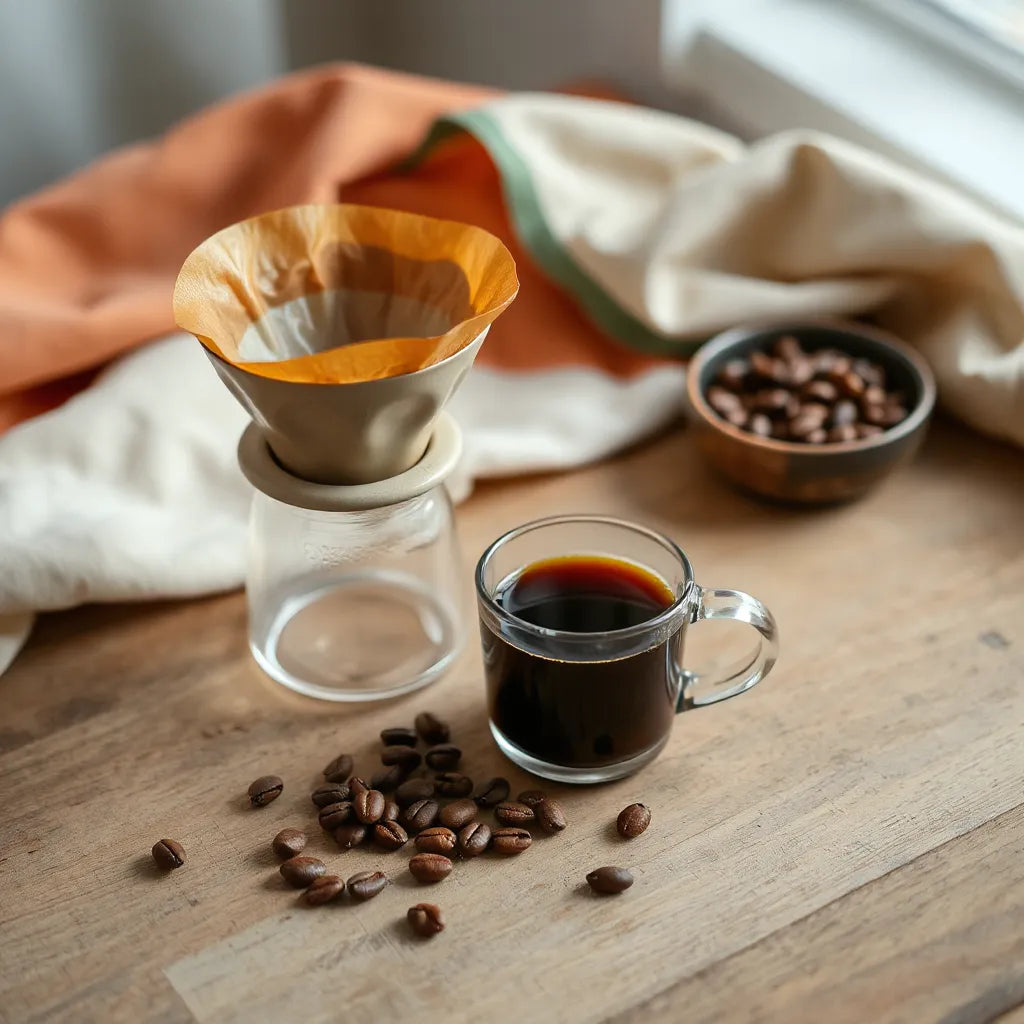
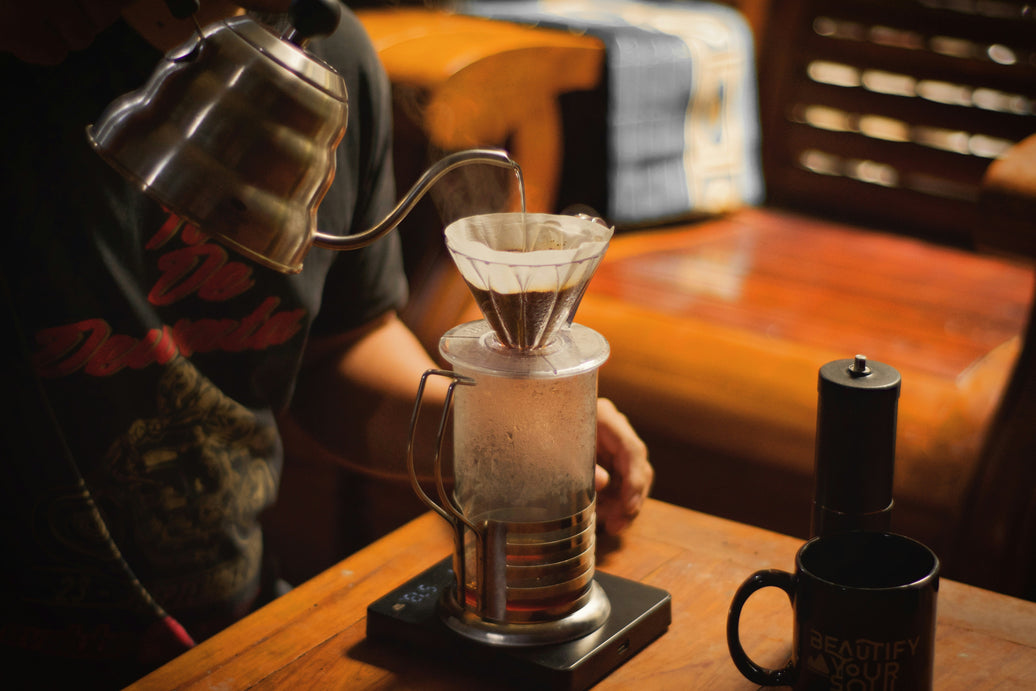
- Start brewing and control the flow. Keep timing consistent. If you use a pour-over, maintain a steady pour so the bed extracts evenly.
- Observe aroma during the brew. Early aroma cues can indicate whether extraction is on track. If the cup smells muted, grind may be too coarse or extraction too short.
- Taste and adjust one variable at a time. If the cup lacks clarity, try a finer grind or slightly longer brew time. If it tastes too strong or bitter, use a coarser grind or shorten contact time.
If you are building a broader tasting routine, consider how a consistent lineup changes your perception. Some shoppers pair single origin experiments with a reliable flavored or blended option to compare sweetness and body across profiles. For example, you can explore complementary roast styles using Italian roast as a contrast point when you taste new origins.

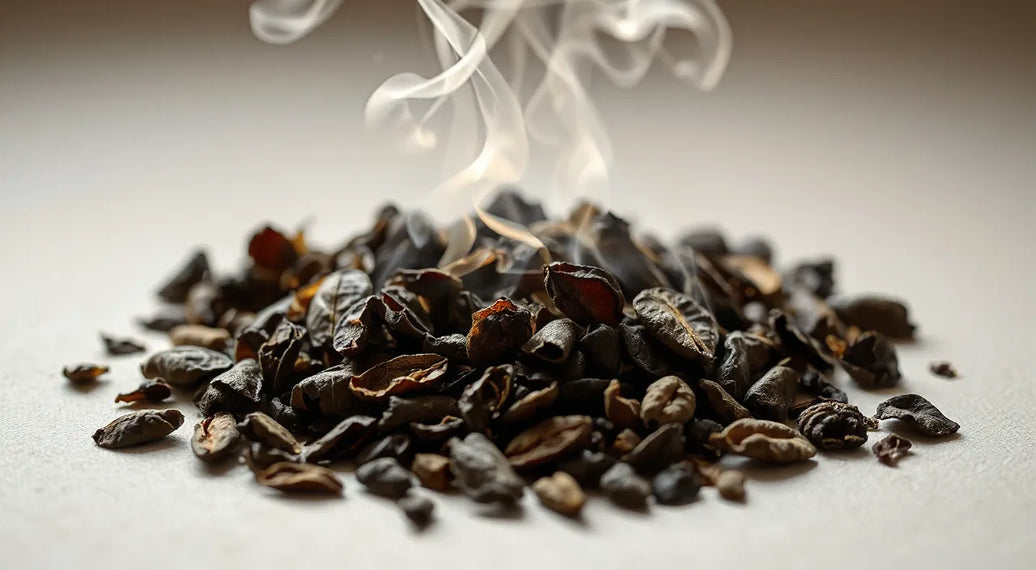
Brew timer, scale, and aroma steam visuals
How to Taste and Select
Selection begins before brewing. Start by reading the product details that describe origin, roast level, and processing method. If the listing includes harvest window, processing technique, or flavor notes, use them as guidance, not as guarantees. Coffee is seasonal and can vary across lots, even within the same origin.
When tasting, use a simple approach. First, evaluate aroma. Next, take small sips and note whether sweetness appears early or only at the end. Then, check body and finish: does the cup feel light and tea-like, or does it feel syrupy and heavy? Finally, judge balance. A high-quality cup typically tastes coherent rather than sharply separated into only one dimension such as acidity or bitterness.
To choose between similar origins, consider these practical factors:
- Flavor preference. If you enjoy bright, clean cups, look for processed styles known for clarity. If you prefer deeper sweetness, explore coffees described as having richer fruit or chocolate notes.
- Brewing method fit. Some origins respond better to pour-over because they show aromatics clearly, while others stand out in immersion brewing due to their heavier body.
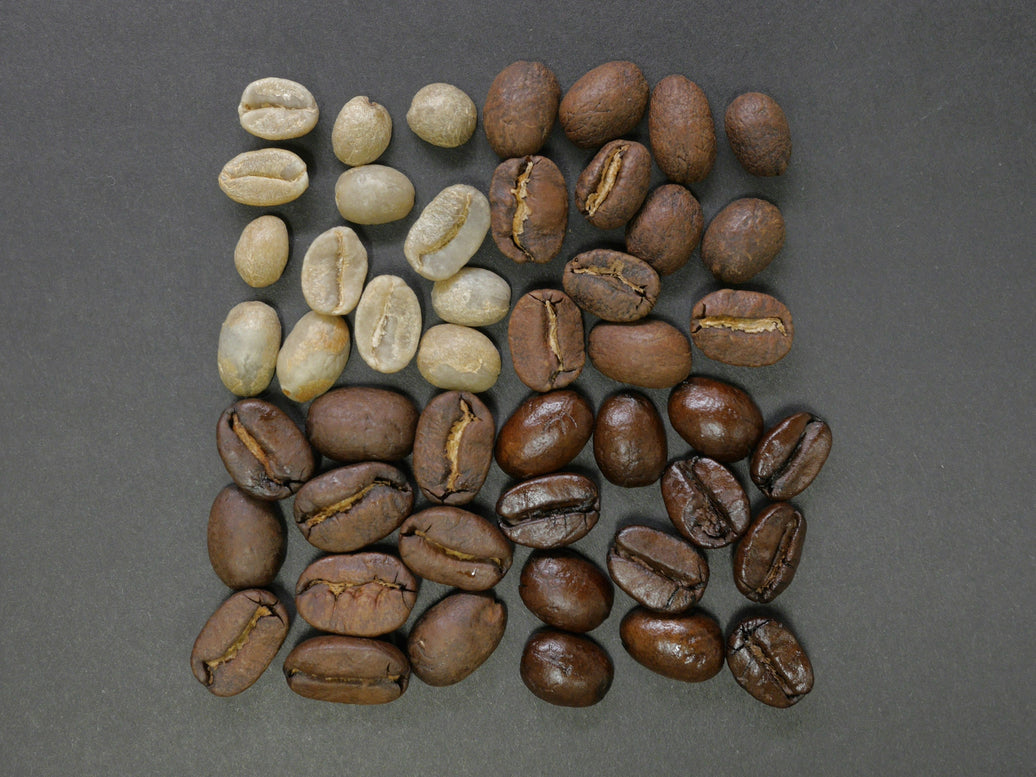
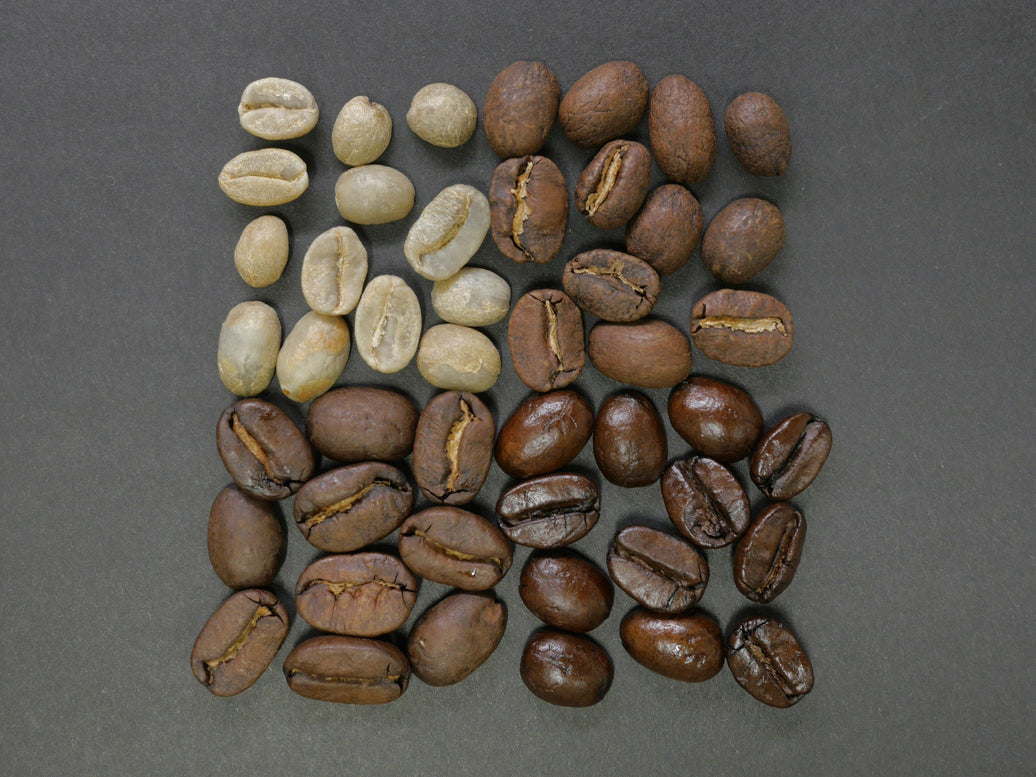
- Roast goals. Lighter roasts often preserve origin character. Medium roasts can round out flavors. Dark roasts may emphasize roast-derived notes over origin-driven nuance.
- Consistency needs. If you drink coffee daily, choose a single origin that your palate already enjoys and repeat the brew recipe. Frequent changes can make it harder to learn extraction variables.
For structured discovery, sampling packs can help you compare without committing to multiple full bags. If you want a curated way to explore, a single origin favorites sample pack can support side-by-side tasting across different regions and flavor styles.
You can also strengthen your sensory skills with guides that focus on tasting structure. For an example of a practical framework you can adapt at home, review Holiday Blend Coffee Tasting Guide for Cozy Flavor Notes and apply the same aroma and balance checklist to single origin cups.
Frequently Asked Questions
Is single origin coffee better than blended coffee?
Better depends on your goal. Single origin coffee often offers clearer regional character and can be ideal for learning and tasting. Blends can be more consistent and may provide a balanced cup that suits many preferences.
What brewing method works best for single origin coffee?
Pour-over and immersion methods are popular choices because they display aroma and texture clearly. Espresso-style brewing can also work well if you match grind size and dose to preserve sweetness.
How can I tell if I am under- or over-extracting?
If the cup tastes sharp, thin, or weak, extraction may be too low. If it tastes dry, harsh, or overly bitter, extraction may be too high. Adjust grind size and brew time in small increments.
Summary & Key Takeaways
Single origin coffee brings focus to farming and processing choices, making origin character easier to identify in the cup. With correct brewing controls and a simple tasting routine, you can unlock more sweetness, clearer aromatics, and a more consistent experience. If you are ready to explore responsibly and taste more precisely, start with one origin, brew it repeatedly, and then expand your range gradually.
If you want a straightforward entry point, consider building your tasting journey around a curated selection and a repeatable recipe.
Q&A Section
How should I store single origin coffee for best flavor?
Store coffee in an airtight container away from heat, light, and moisture. Keep it sealed after opening and use it within a reasonable timeframe for peak aroma. Avoid freezing unless your storage approach is well controlled, since temperature swings can affect flavor quality.
Do processing methods change the taste of single origin coffee?
Yes. Washed processing typically supports a cleaner, more distinct cup profile, while natural or honey processing often increases perceived sweetness and fruit-like notes. The final taste also depends on roast level and extraction, so use processing details as directional information.
Can I use a grinder I already own?
Yes. Many home grinders can produce excellent results with single origin coffee. Consistency is more important than brand. If your coffee tastes uneven, focus on maintaining a stable grind and verifying that the grinder does not drift significantly over time.
What is the most reliable way to compare two origins?
Compare one variable at a time. Use the same brew method, ratio, water quality, and grinder setting for both origins. Then adjust only one element based on your tasting goal, such as preference for sweetness or clarity.
Does roast date matter for single origin coffee?
It matters because freshly roasted coffee develops aroma and sweetness. However, quality also depends on storage conditions and how you brew. If a coffee tastes muted, try a small adjustment in grind size and extraction to bring out more flavor without forcing bitterness.
Where should I start if I am new to single origin coffee?
Start with a single origin that matches a flavor direction you already enjoy, such as bright and clean profiles or deeper, sweeter cups. Brew it using a repeatable recipe, take notes on aroma and balance, and then choose the next origin based on what you want to explore.
Are there any common tasting mistakes?
Yes. Do not rush the first sip, as aroma often develops during the cooling phase. Also avoid drinking multiple strong coffees back to back. Use water between tastings and keep your notes simple and consistent.
Should I add milk or sugar to single origin coffee?
You can, but it changes how you perceive origin character. If your goal is to taste terroir and processing differences, try the coffee black first. Once you understand the baseline profile, you can decide whether milk or sweeteners improve your enjoyment.
How does water quality affect single origin coffee?
Water influences extraction and clarity. Use clean water and avoid extreme mineral levels. If your coffee tastes flat or metallic, water may be the cause. Adjusting water can improve sweetness and reduce unwanted harshness.
What should I look for on a single origin coffee label?
Look for details on origin scope, processing method, and roast level. Flavor descriptors can help you choose, but evaluate the cup yourself. Lot-to-lot variation is normal, so use label information to plan, then rely on taste to confirm.
Can I brew single origin coffee for cold drinks?
Yes. Cold brew and iced pour-over can preserve sweetness and aroma, especially when grind size and steep time are calibrated to the coffee. Start with a recipe that matches the method and adjust based on how concentrated you prefer the final cup.
What is a practical next step for learning?
Choose one origin and one method, then repeat. After you can predict the cup style, add one new origin and compare side by side. This approach builds accurate taste memory and speeds up your dialing-in process.
About the Author
Arvea Coffee supports coffee education with expertise in sourcing, roasting, and flavor profiling. With a focus on helping customers taste with confidence, this guide reflects practical brewing principles used in professional coffee evaluation. Thanks for reading, and enjoy discovering the clarity and character that single origin coffee can bring to your daily cup.
The content in this blog post is intended for general information purposes only. It should not be considered as professional, medical, or legal advice. For specific guidance related to your situation, please consult a qualified professional. The store does not assume responsibility for any decisions made based on this information.



















Leave a comment