

Single-Origin vs Coffee Blends: What's the Difference?
When shopping for coffee, you may come across terms like single-origin coffee and coffee blend.
But what do they actually mean?
The biggest difference is where the coffee comes from.
Single-origin coffee comes from a defined geographic origin, while a coffee blend combines beans from two or more origins.
Neither option is automatically better. The right choice depends on the flavor profile, consistency, brewing method, and type of coffee experience you prefer.
Let's break down the difference so you can choose your next bag with confidence.
What Is Single-Origin Coffee?
Single-origin coffee is coffee sourced from a defined geographic area.
Depending on how the coffee is labeled, the origin may refer to a:
- Country
- Region
- Estate
- Farm
- Producer or group of producers
Because the beans come from a defined origin, single-origin coffee can give you a clearer opportunity to experience characteristics associated with that particular growing region.
For coffee drinkers who enjoy exploring different origins and flavor profiles, single-origin coffee can be a great choice.
What Is a Coffee Blend?
A coffee blend combines beans from multiple origins.
Coffee roasters may blend different coffees to create a particular flavor profile or a consistent experience.
For example, a blend may combine coffees that contribute different characteristics such as:
- Body
- Sweetness
- Acidity
- Aroma
- Chocolate-like notes
- Fruity notes
- Nutty notes
The goal is to create a balanced cup rather than highlight just one origin.
Single-Origin vs Blend Coffee: Key Differences
| Feature | Single-Origin Coffee | Coffee Blend |
|---|---|---|
| Origins | Defined geographic origin | Multiple origins |
| Flavor | Highlights origin characteristics | Designed for balance |
| Consistency | Can vary between harvests | Often designed for consistency |
| Exploration | Great for discovering origins | Great for dependable flavor |
| Variety | Origin-focused | Roaster-created profile |
| Best for | Coffee explorers | Everyday coffee drinkers |
| Espresso | Can work very well | Often excellent for espresso |
| French Press | Excellent | Excellent |
| Cold Brew | Can be excellent | Can be excellent |
The important thing to remember is that quality depends on much more than whether a coffee is single-origin or blended.
Bean quality, processing, roasting, freshness, brewing, and storage all matter.
Which Has Better Flavor?
This comes down to personal preference.
Single-origin coffee can allow you to experience characteristics associated with a particular origin.
A coffee blend, on the other hand, can be created to produce a balanced combination of flavors.
If you enjoy discovering how coffee tastes from different places, you may prefer single-origin coffees.
If you want a familiar, balanced cup that you can enjoy every morning, a blend may be the better choice.
Single-Origin Coffee Is Great for Exploring
One of the biggest advantages of single-origin coffee is the opportunity to explore different origins.
You can try coffees from different regions and compare:
- Aroma
- Sweetness
- Acidity
- Body
- Aftertaste
- Flavor notes
This can turn your normal morning coffee into a simple tasting experience.
You don't need to be a professional coffee taster.
Start with two different coffees and brew them using the same method. Then compare them side by side.
You may be surprised by how different they can taste.
Coffee Blends Are Great for Everyday Drinking
Coffee blends can be especially appealing if you want a reliable everyday coffee.
Instead of focusing on one origin, a blend can bring together different coffees to create a specific overall profile.
Blends can be a great option for:
- Morning coffee
- Office coffee
- Espresso drinks
- French press
- Drip coffee
- Cold brew
If you already know the type of flavor you enjoy, finding a blend that matches your preferences can make choosing coffee much easier.
Which Is Better for Espresso?
Both can work.
The key is choosing coffee that works well with your espresso setup and taste preferences.
Some coffee drinkers prefer blends for espresso because they enjoy a balanced cup that works well with milk and espresso-based drinks.
Others prefer single-origin espresso because it allows them to experience the characteristics of a particular coffee.
If you enjoy experimenting, try both.
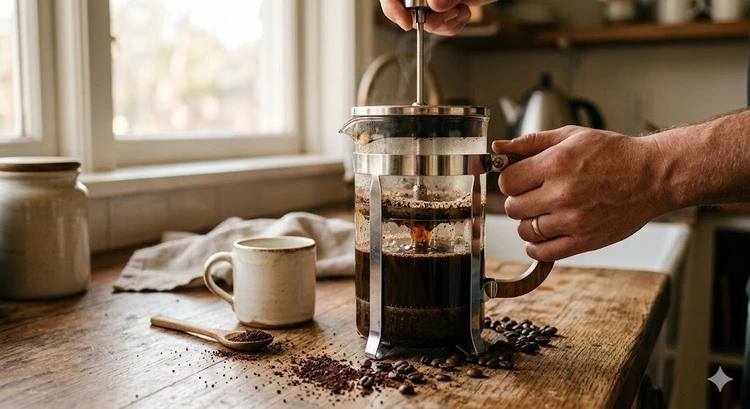
Which Is Better for French Press?
Both single-origin coffees and blends can work beautifully with a French press.
The French press emphasizes body and aroma, making it a great brewing method for exploring different coffees.
For a French press, start with a coarse grind and adjust according to your preferred taste.
If your coffee tastes weak, you may need to adjust your coffee-to-water ratio or brewing time.
If it tastes overly bitter, try adjusting your grind size or brewing process.
What About Cold Brew?
Both options can be used for cold brew.
Many people enjoy blends for cold brew because they can produce a balanced and approachable flavor.
Single-origin coffee can also make an interesting cold brew, particularly if you want to explore how a specific coffee's flavor changes when brewed cold.
For cold brew, a coarse grind is commonly used.
Which Should Beginners Choose?
If you're new to specialty or premium coffee, don't worry too much about choosing the "perfect" type.
Instead, think about what you want from your coffee.
Choose single-origin if you:
- Enjoy trying new flavors
- Want to explore coffee origins
- Like comparing different coffees
- Want to learn more about coffee
- Enjoy distinctive flavor profiles
Choose a blend if you:
- Want an approachable everyday coffee
- Prefer balanced flavors
- Want consistency
- Drink coffee regularly
- Don't want to spend too much time comparing origins
And remember—you don't have to choose only one.
Many coffee lovers enjoy both.
Can You Enjoy Single-Origin and Blends?
Absolutely.
Coffee isn't a competition between single-origin and blends.
You might enjoy a single-origin coffee on a weekend morning when you have time to slow down and appreciate the cup.
Then you might choose your favorite blend during a busy weekday when you simply want a great cup of coffee.
Having both options available can actually make your coffee routine more interesting.
How to Choose the Right Coffee for You
Before buying coffee, ask yourself five simple questions:
1. What flavors do I enjoy?
Do you prefer:
- Chocolate
- Caramel
- Nuts
- Fruit
- Bright acidity
- Rich and bold flavors
- Smooth and balanced flavors?
2. How do you brew?
Your brewing method matters.
Different coffees and grind sizes can work better for different brewing methods.
3. Do you enjoy experimenting?
If yes, single-origin coffees can give you more opportunities to explore different origins.
4. Do you want an everyday coffee?
A well-balanced blend may be a great place to start.
5. Do you want to try several coffees?
A coffee sample pack can be a convenient way to compare different options before committing to a larger bag.
Single-Origin vs Blend: There Is No Wrong Answer
The best coffee isn't necessarily the one with the most impressive label.
It's the coffee you genuinely enjoy drinking.
Single-origin coffee can give you an opportunity to explore the characteristics of a specific origin.
Coffee blends can provide carefully developed flavor combinations designed for an enjoyable everyday cup.
The fun is discovering what works for your taste.
Explore Different Coffee Styles With Arvea Coffee
At Arvea Coffee, you can explore different coffee styles and find the profile that fits your routine.
Whether you're looking for an everyday blend, a different roast, or an opportunity to explore new coffee flavors, start with the coffees that match your preferred brewing method and taste.
Explore Arvea Coffee and discover your next favorite cup.
Frequently Asked Questions
Is single-origin coffee better than a blend?
Not necessarily. Single-origin and blended coffees offer different experiences. The better option depends on your personal taste and what you want from your coffee.
Does single-origin coffee have more caffeine?
Not automatically. Caffeine content depends on factors such as the coffee variety, roast, brewing method, serving size, and preparation.
Are coffee blends lower quality?
No. A blend can be made from high-quality coffees. Blending is often used to create a particular flavor profile and balance.
Is single-origin coffee more expensive?
It can be, but not always. Price depends on factors including sourcing, quality, production, processing, roasting, and availability.
Which is better for espresso: single-origin or blend?
Both can work well. Choose based on the flavor profile you enjoy and how you drink your espresso.
Can I use single-origin coffee for cold brew?
Yes. Single-origin coffee can be used for cold brew, just as blends can.
Final Thoughts
The choice between single-origin vs blend coffee doesn't have to be complicated.
Choose single-origin when you want to explore a particular origin and discover different flavor characteristics.
Choose a blend when you want a balanced, approachable coffee that fits easily into your everyday routine.
And if you're curious, try both.
The best way to discover your favorite coffee is to taste, compare, and find what you enjoy most.
Your perfect cup starts with the right beans.
























Leave a comment