

What Is Single-Origin Coffee?
If you've spent any time looking at specialty coffee, you've probably seen the term single-origin coffee.
But what does it actually mean?
In simple terms, single-origin coffee refers to coffee sourced from a particular geographic origin rather than being intentionally combined from multiple origins.
The exact meaning of "single origin" can vary depending on how a coffee producer or roaster defines and communicates its sourcing.
The important idea is traceability.
Instead of simply seeing a general label such as "coffee blend," you can learn more about where the coffee comes from.
For coffee lovers, that makes single-origin coffee an interesting way to explore the relationship between place and flavor.
Why Does Coffee Origin Matter?
Coffee is an agricultural product.
That means where it is grown can influence how it develops.
Factors such as:
- Elevation
- Climate
- Soil
- Rainfall
- Sunlight
- Coffee variety
- Farming practices
- Processing
can contribute to the characteristics of the finished coffee.
After the beans are harvested, roasting and brewing add even more variables.
This is why coffee from one origin can taste very different from coffee grown somewhere else.
What Does "Single Origin" Actually Refer To?
Single-origin coffee doesn't necessarily mean coffee from one individual farm.
Depending on the coffee and how it is marketed, "single origin" may refer to a particular:
- Country
- Region
- Growing area
- Estate
- Farm
- Producer
That's why it's useful to read the information provided about a specific coffee rather than assuming every single-origin coffee has exactly the same level of traceability.
The more specific the origin information, the more you can learn about the coffee's story.
Single-Origin Coffee vs Coffee Blends
This is one of the most common questions.
What's the difference between single-origin coffee and a blend?
Single-Origin Coffee
Single-origin coffee focuses on coffee from a defined geographic source.
Its goal is often to showcase characteristics associated with that particular origin.
Coffee Blend
A blend combines coffees from multiple origins.
Roasters may create blends to achieve a particular flavor profile, balance, consistency, or brewing performance.
Neither approach is automatically better.
They simply offer different experiences.
Single-Origin vs Blend: Quick Comparison
| Feature | Single-Origin Coffee | Coffee Blend |
|---|---|---|
| Sourcing | Defined geographic origin | Multiple origins |
| Flavor focus | Highlights origin characteristics | Designed around a combined profile |
| Consistency | Can vary between harvests | Often formulated for consistency |
| Exploration | Great for exploring origins | Great for balanced flavor profiles |
| Best for | Origin-curious coffee drinkers | People seeking a particular profile |
The right choice depends on what you want from your coffee.
What Does Single-Origin Coffee Taste Like?
There isn't one single flavor that defines single-origin coffee.
That's because single-origin coffee can come from many different regions.
Depending on the origin, processing, roast, and variety, you might experience:
- Chocolate
- Caramel
- Citrus
- Berries
- Floral notes
- Nuts
- Spice
- Honey-like sweetness
- Bright acidity
- Full body
Flavor notes are descriptions used to help communicate what you may notice in a coffee.
They don't necessarily mean those ingredients have been added to the coffee.
Why Do Single-Origin Coffees Taste Different?
There are several reasons.
Geography
Different growing regions have different environmental conditions.
Coffee Variety
Different varieties can have different characteristics.
Processing
Washed, natural, and honey processing can produce different sensory profiles.
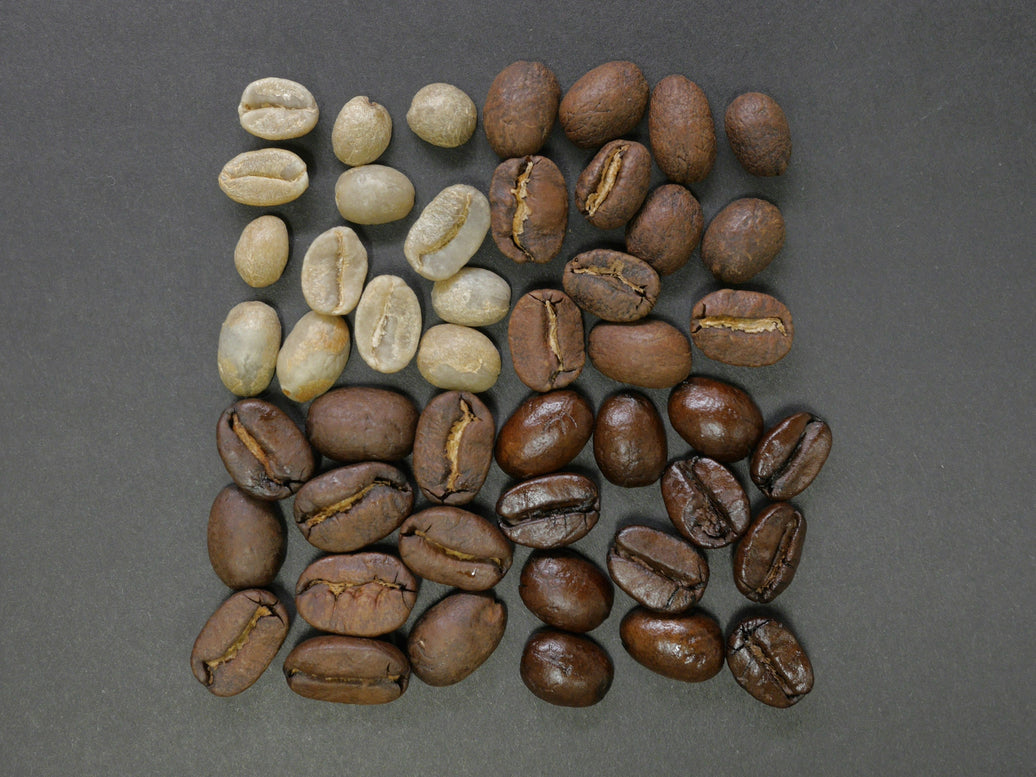
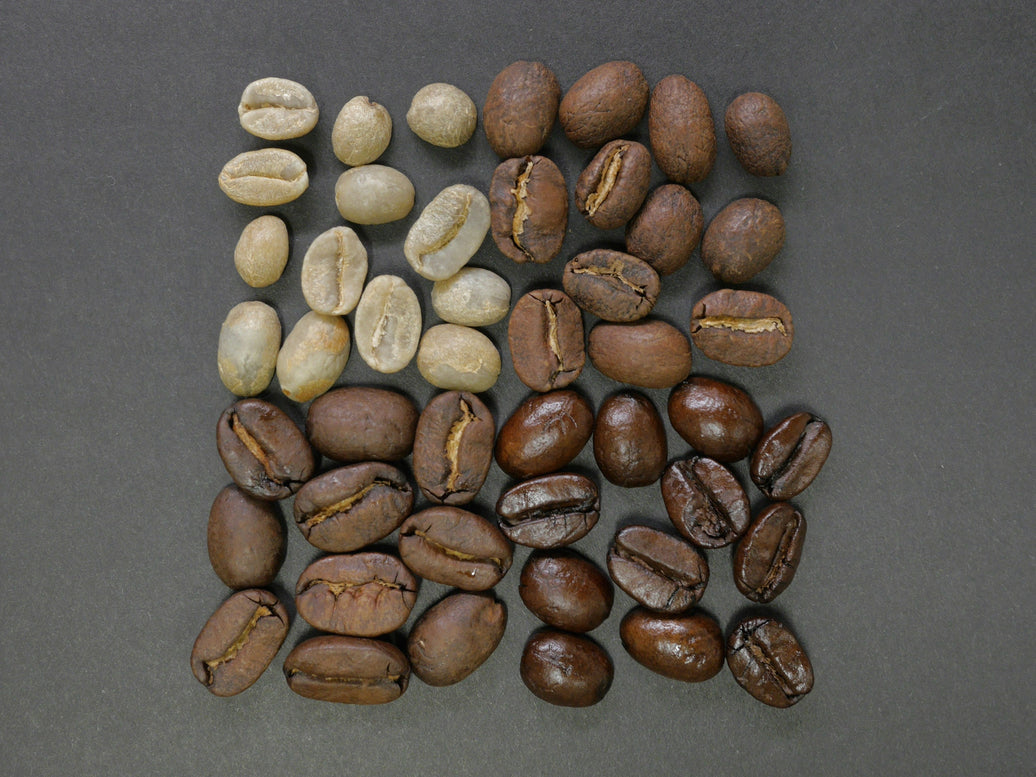
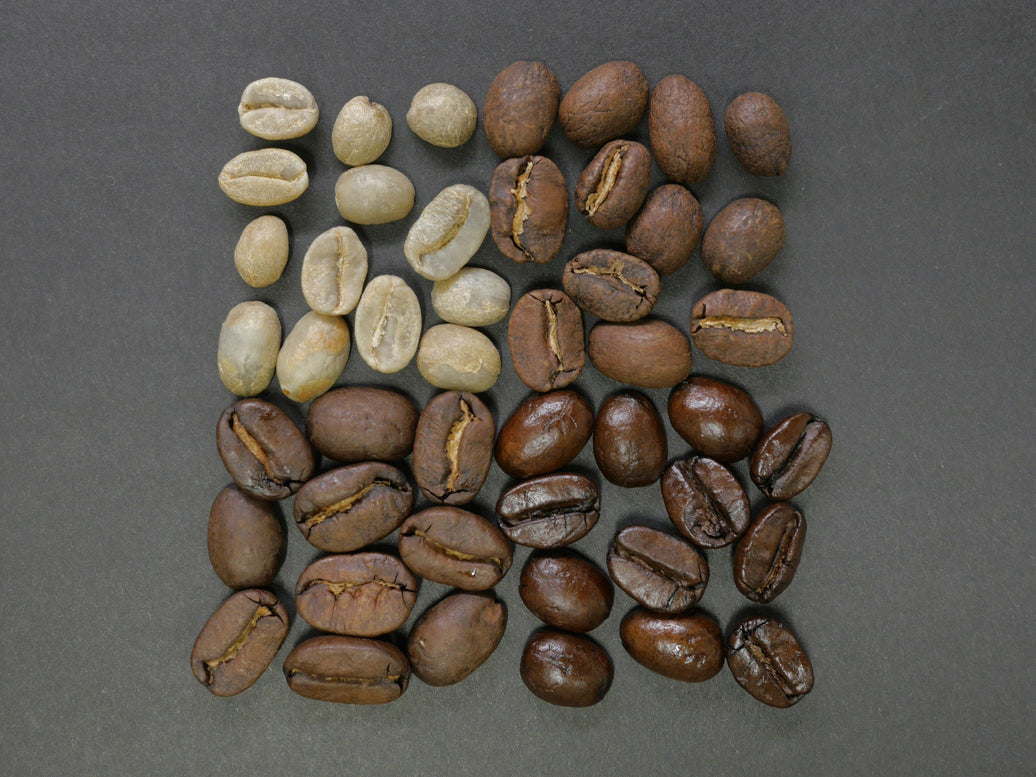
Roast
Light, medium, and dark roasting can dramatically change the final cup.
Brewing
Your brewing method determines how compounds are extracted from the coffee.
That's why the same coffee can taste different when prepared using a French press compared with an espresso machine.
Is Single-Origin Coffee Specialty Coffee?
Not automatically.
"Single origin" describes sourcing.
"Specialty coffee" is a separate concept involving quality and evaluation standards.
A coffee being labeled single-origin doesn't automatically mean it meets every definition or standard associated with specialty coffee.
This distinction is important because coffee terminology can sometimes become confusing.
Why Do Coffee Lovers Enjoy Single-Origin Coffee?
One major reason is exploration.
Imagine drinking two coffees from completely different parts of the world.
Even if you prepare them using the same equipment, you may notice differences in:
- Aroma
- Acidity
- Sweetness
- Body
- Flavor
- Finish
Single-origin coffee gives you a way to explore those differences.
It can turn your morning coffee into a small tasting experience.
Single-Origin Coffee for Beginners
If you're new to single-origin coffee, don't worry about understanding every coffee term immediately.
Start simple.
Step 1: Choose an origin
Try a coffee from a region you're curious about.
Step 2: Choose a roast
If you're unsure, a medium roast can be a useful starting point because it can offer a balance between origin characteristics and roasted flavors.
Step 3: Match your grind
Use:
Coarse for French press and many cold-brew methods.
Medium for drip and pour over.
Fine for espresso.
Step 4: Taste without overthinking
Ask yourself:
- Is it smooth?
- Is it bright?
- Is it sweet?
- Is it bold?
- Do I notice fruit?
- Do I notice chocolate?
- How does the aftertaste feel?
You don't need to be a professional coffee taster.
Your own preference is what matters.
Whole Bean vs Ground Single-Origin Coffee
Single-origin coffee can be purchased as either whole bean or ground coffee.
Whole Bean
Whole bean is ideal if you have a grinder.
It allows you to grind immediately before brewing and adjust your grind depending on the brewing method.
Ground
Ground coffee is convenient and saves preparation time.
If you don't have a grinder, choosing coffee already ground for your brewing method can make your morning routine much easier.
How Should You Brew Single-Origin Coffee?
There isn't one "correct" brewing method.
Try different methods and see how they affect the coffee.
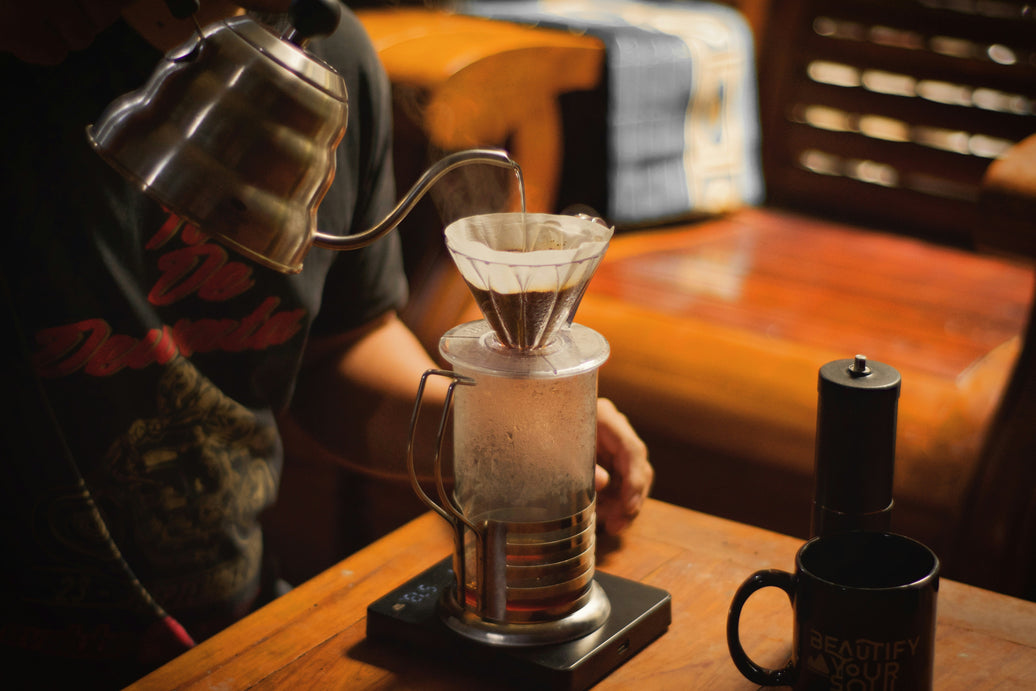
Pour Over
A great choice if you enjoy controlling the brewing process.
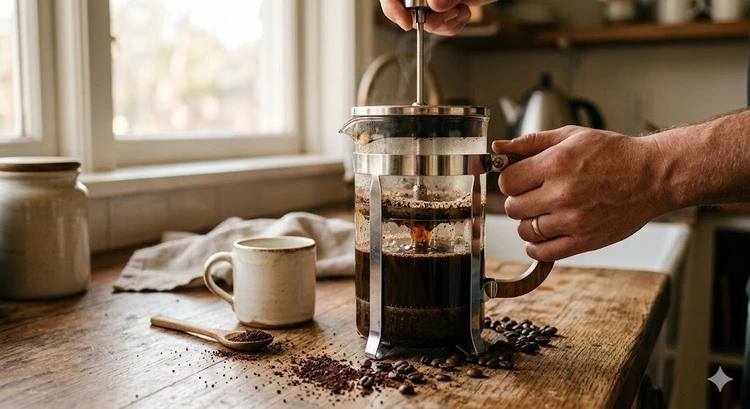
French Press
Produces a fuller-bodied cup and is relatively simple.
Drip Coffee
Convenient for everyday brewing.
Espresso
Produces a concentrated coffee and serves as the foundation for drinks such as lattes and cappuccinos.
Cold Brew
Uses a slower extraction process and is often served chilled.
Your brewing method can highlight different characteristics of the same coffee.
How to Compare Two Single-Origin Coffees
Want to learn more about your taste?
Try a simple coffee tasting.
Use the same:
- Brewing method
- Water
- Coffee-to-water ratio
- Grind size
- Brewing time
Then change only the coffee.
Taste them side by side.
Pay attention to:
Aroma: What do you smell?
Acidity: Is it bright or mellow?
Sweetness: Do you notice caramel, fruit, or chocolate-like qualities?
Body: Does it feel light, medium, or full?
Finish: What flavors remain after you swallow?
This simple exercise can teach you a lot about your personal coffee preferences.
Why Coffee Sample Packs Are Useful
If you don't know which origin or flavor profile you prefer, buying several large bags can become expensive.
That's where sample packs can be useful.
A sample pack lets you explore multiple coffees without immediately committing to a large quantity.
For someone beginning their coffee journey, it can be an easy way to discover:
- Favorite origins
- Favorite roast levels
- Favorite flavor profiles
- Preferred brewing styles
Arvea Coffee offers options designed for coffee discovery, making it easier to explore different profiles.
Explore Single-Origin Coffee With Arvea
At Arvea Coffee, coffee discovery is at the heart of the experience.
Our collection includes different coffee profiles, blends, roast styles, grind options, and sample selections.
If you're curious about single-origin coffee but aren't sure where to start, exploring several coffees can help you understand your own preferences.
Instead of asking:
"What is the best coffee?"
Try asking:
"What coffee do I enjoy the most?"
That's a much better question.
Discover Your Next Favorite
☕ Explore Arvea Coffee → https://arveacoffee.com/
Frequently Asked Questions
What does single-origin coffee mean?
Single-origin coffee generally means coffee sourced from a defined geographic origin rather than intentionally combining coffees from multiple origins.
Is single-origin coffee better than a blend?
Not necessarily. Single-origin coffee and blends serve different purposes. Single-origin coffees can highlight characteristics associated with a particular origin, while blends can be designed to create a specific flavor profile or level of consistency.
Is single-origin coffee stronger?
No. "Single origin" describes sourcing, not coffee strength. Strength depends on factors such as brewing method, coffee-to-water ratio, serving size, and extraction.
Does single-origin coffee have more caffeine?
Not necessarily. Caffeine content depends on factors such as coffee variety, preparation, serving size, and brewing method.
Is single-origin coffee always specialty coffee?
No. Single origin and specialty coffee describe different concepts. A coffee can be single-origin without automatically meeting every specialty-coffee quality definition.
What is the best single-origin coffee?
There is no universally best single-origin coffee. The best choice depends on your preferred flavor, roast, brewing method, and origin.
How should beginners try single-origin coffee?
Start with a coffee whose flavor profile sounds appealing and brew it using a method you're already comfortable with. A sample pack can also be a useful way to compare several coffees.
Final Thoughts
Single-origin coffee gives you an opportunity to explore the connection between place and flavor.
From the growing environment to processing, roasting, grinding, and brewing, every stage contributes to the coffee you eventually taste.
You don't need to be a coffee expert to appreciate those differences.
Start with one coffee.
Taste it.
Try another.
Over time, you'll begin to understand exactly what you like.
Discover your coffee journey with Arvea Coffee.
☕ Arvea Coffee — https://arveacoffee.com/



















Leave a comment