

Why Does My Coffee Taste Bitter? 10 Common Causes & How to Fix Them
Why Does My Coffee Taste Bitter?
Coffee naturally contains bitter-tasting compounds, so a little bitterness is not necessarily a problem. In fact, bitterness can be an important part of coffee's flavor.
But if your coffee tastes harsh, burnt, overly bitter, dry, or unpleasant, something in your coffee beans, roast, water, equipment, or brewing process may be pushing the flavor too far.
The Specialty Coffee Association explains that bitterness in coffee can come from several sources, including the coffee itself, roasting, brewing, concentration, and how long brewed coffee is held.
The good news? Bitter coffee is usually fixable.
Let's look at the 10 most common causes and what you can do about them.
1. Your Coffee Grind Is Too Fine
One of the most common reasons coffee becomes overly bitter is grinding the coffee too finely for your brewing method.
Smaller particles have more surface area exposed to water, which can increase extraction. If your brew extracts too much, the cup can become harsh or bitter.
Try this:
-
French press → use a coarse grind
-
Cold brew → use a coarse or extra-coarse grind
-
Drip coffee → use a medium grind
-
Pour over → start around medium to medium-fine
-
Espresso → use a fine grind
If your coffee suddenly tastes bitter after changing your grinder, try making the grind slightly coarser.
2. Your Coffee Is Brewing for Too Long
Brewing time matters.
Leaving coffee in contact with water for longer than necessary can increase extraction and change the balance of flavors.
This is particularly important for immersion methods such as French press and cold brew.
How to fix it
If your coffee tastes bitter:
-
Keep your coffee-to-water ratio consistent.
-
Reduce brewing time slightly.
-
Taste the result.
-
Adjust again if necessary.
Don't make several changes at once. Changing one variable at a time makes troubleshooting much easier.
3. Your Water Is Too Hot
Water temperature affects how quickly coffee is extracted.
Recent SCA research found that temperature strongly affects the rate of extraction, while the final extraction and brew strength are especially important to the resulting sensory profile.
If your coffee tastes harsh, you can experiment with slightly lower water temperatures or adjust your grind and brew time.
A practical starting point for many hot-brew methods is around 195–205°F (90–96°C), with the exact temperature depending on the method, coffee, and recipe.
Quick experiment
Make two cups using the same coffee and ratio.
For example:
-
Cup A → 205°F
-
Cup B → 195–200°F
Taste them side by side and see which gives you a better balance.
4. You Are Agitating the Coffee Too Much
Pouring aggressively, stirring excessively, or disturbing the coffee bed too much can change extraction.
This doesn't mean you should never stir or agitate your coffee. Some brewing methods intentionally use agitation.
The key is consistency.
For pour over
Try:
-
Gentle circular pours
-
Consistent pouring speed
-
Avoiding unnecessary stirring
-
Keeping the coffee bed reasonably even
Small changes in technique can make a noticeable difference.
5. Your Coffee-to-Water Ratio Is Off
Using more coffee doesn't automatically make coffee bitter.
Instead, the ratio changes the strength of your drink, while grind size, brew time, temperature, and other variables influence extraction.
If your coffee tastes extremely strong and unpleasant, check your recipe before changing everything else.
Easy starting point
For filter-style coffee, try approximately:
20g coffee + 300g water
That's a 1:15 coffee-to-water ratio.
From there, adjust according to your taste.
Want stronger coffee?
You can increase the coffee slightly.
Want a lighter cup?
Increase the water slightly.
6. Your Coffee Is Stale
Freshness can make a major difference.
Coffee gradually loses aromatic compounds after roasting, especially once the beans are exposed to oxygen.
If your coffee tastes flat, dull, or unpleasantly bitter, check how old it is and how it has been stored.
Keep coffee fresher longer
Store coffee:
-
In an airtight container
-
Away from direct sunlight
-
Away from heat
-
Away from moisture
-
At a stable room temperature
If possible, buy coffee in quantities you can reasonably use while it remains fresh.
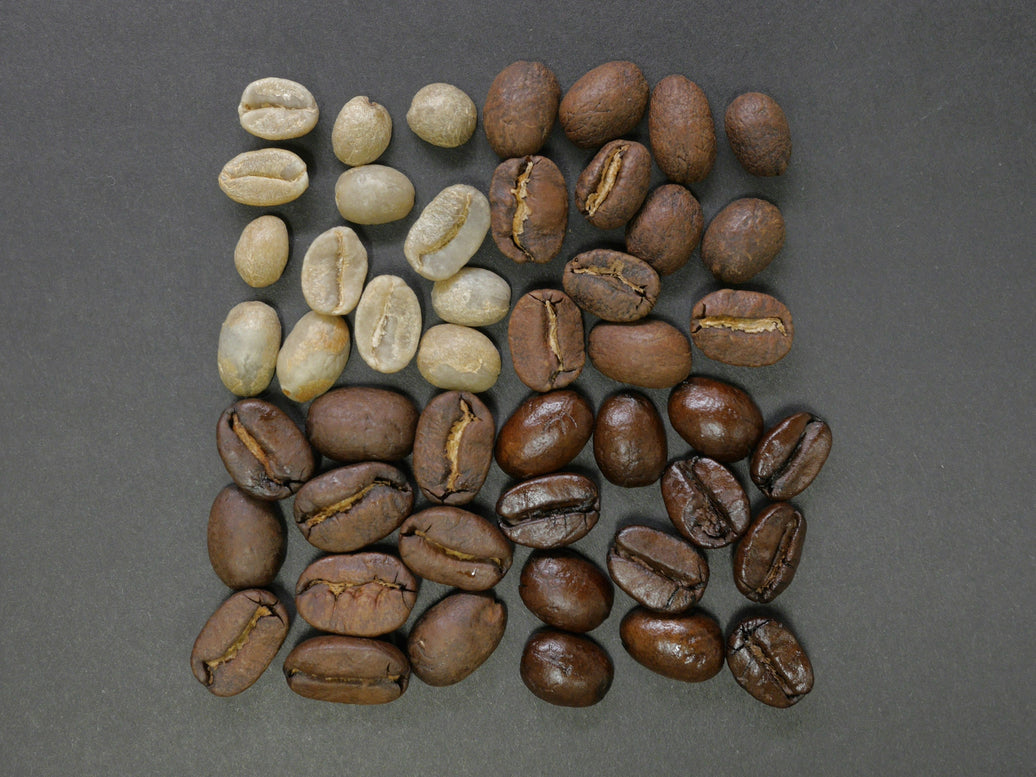
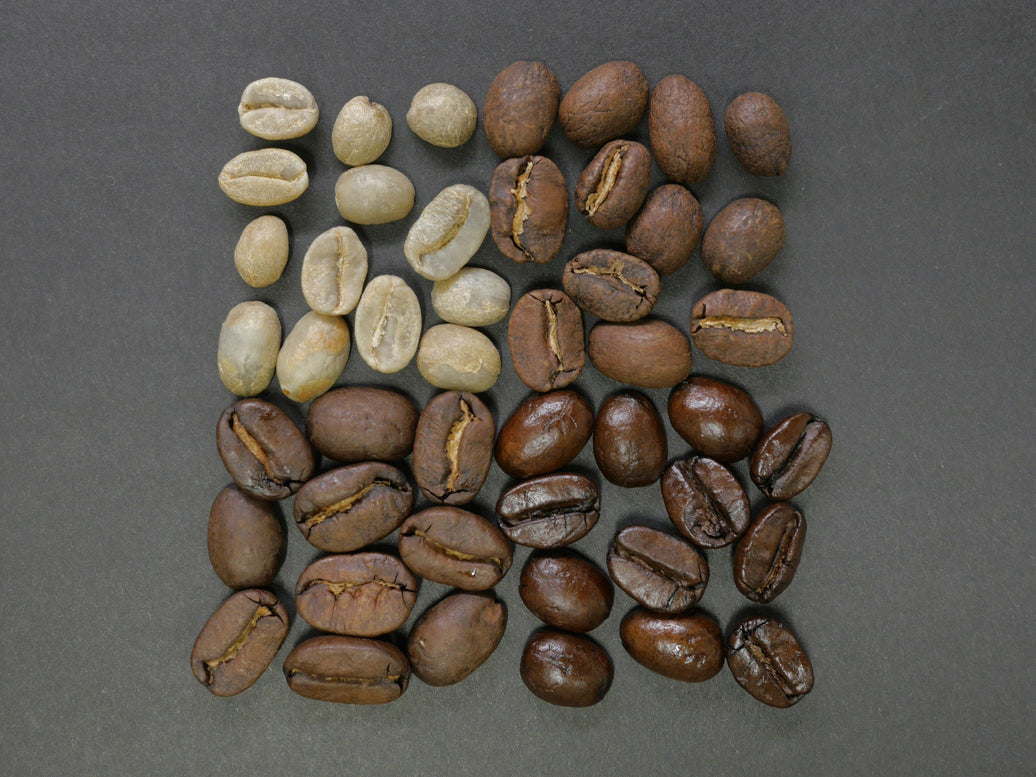
7. You're Using a Very Dark Roast
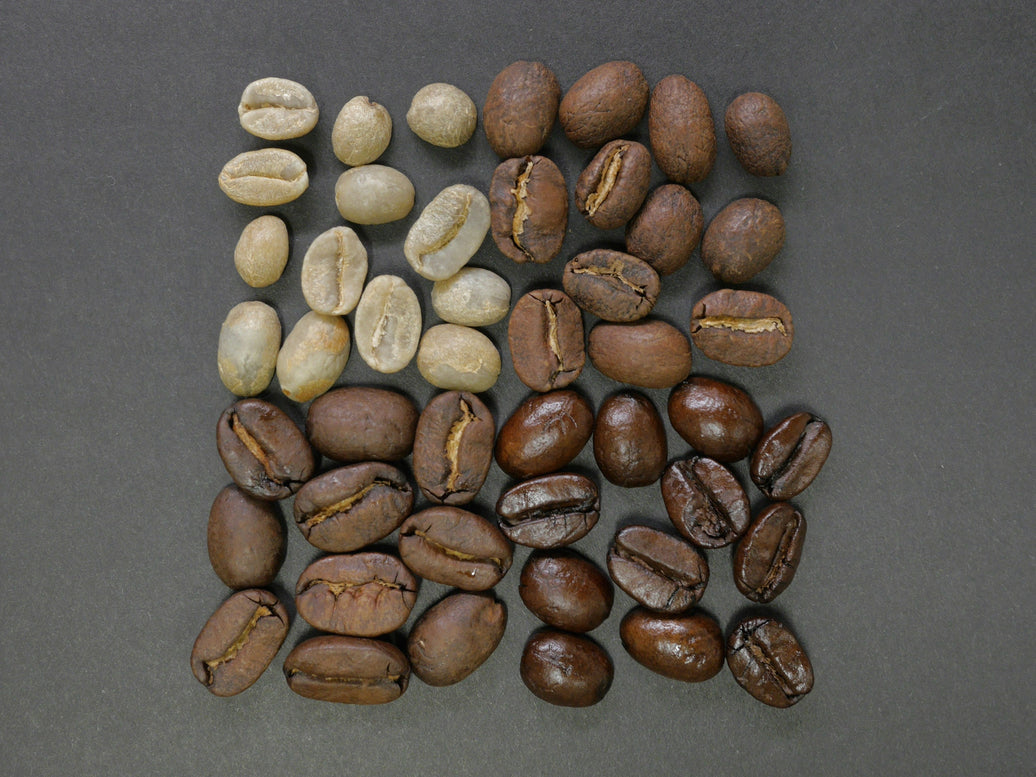
Roast level can strongly influence bitterness.
The SCA notes that roasting is one of the significant sources of bitterness in coffee because roasting creates compounds that contribute to bitter flavors.
Dark roasted coffee can have bold flavors such as:
-
Dark chocolate
-
Roasted nuts
-
Toast
-
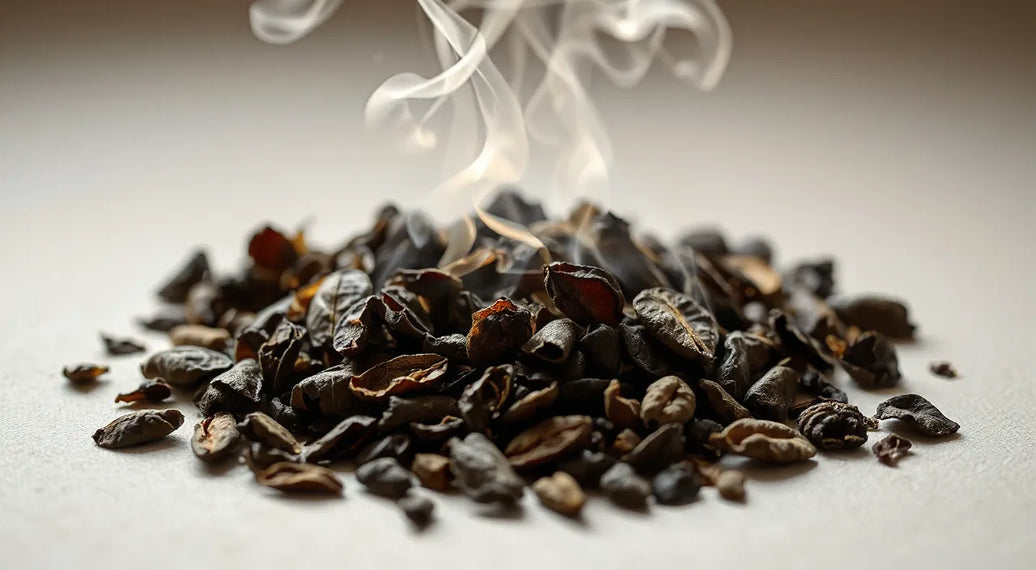
Smoky notes
-
Caramelized flavors
Some people love this profile.
But if you're sensitive to bitterness, a light or medium roast may be more enjoyable.
Try this
If your dark roast tastes too intense, try a lighter roast and compare the two using the same brewing method.
8. Your Coffee Equipment Is Dirty
Old coffee oils and residue can build up inside:
-
Coffee makers
-
French presses
-
Grinders
-
Espresso machines
-
Carafes
-
Filters and baskets
Those residues can affect the flavor of your next brew.
Simple cleaning routine
After brewing:
-
Empty the grounds.
-
Rinse removable parts.
-
Clean the carafe.
-
Clean the filter basket.
-
Regularly clean your grinder.
-
Follow your coffee machine's recommended cleaning schedule.
Clean equipment helps you taste the coffee rather than yesterday's coffee.
9. Your Water Quality Is Affecting the Taste
Coffee is mostly water, so the water you use matters.
Minerals and other characteristics of brewing water can influence extraction and flavor. The SCA notes that water chemistry plays an important role in coffee brewing.
If your coffee tastes strange even after adjusting your recipe, try filtered water.
You may notice a difference in:
-
Bitterness
-
Acidity
-
Clarity
-
Sweetness
-
Overall balance
Avoid assuming that bottled water is automatically better. Different waters have different mineral compositions.
10. You're Reheating or Holding Coffee Too Long
Freshly brewed coffee can change noticeably when it sits for a long time.
Heat and extended holding can contribute to unpleasant flavor changes.
The SCA specifically notes that coffee can develop more bitter flavors when it is held over time.
Better approach
Instead of making a huge batch and keeping it hot for hours:
Brew smaller amounts more frequently.
Your coffee will generally taste fresher.
Bitter vs. Sour Coffee: What's the Difference?
Knowing the difference between bitter and sour coffee can help you troubleshoot your recipe.
| Taste | What it may indicate |
|---|---|
| Very bitter | Excessive extraction, dark roast, concentration, or holding |
| Sour or sharply acidic | Insufficient extraction or an acidic flavor profile |
| Weak | Too much water or insufficient strength |
| Harsh/dry | Extraction or roast-related issue |
| Burnt/smoky | Very dark roast or roasting-related flavors |
| Flat/stale | Coffee freshness or storage issue |
This isn't an absolute diagnostic chart because coffee flavor is complex. But it gives you a useful starting point.
Classic brewing research has traditionally connected higher extraction with more bitter sensory characteristics and lower extraction with sour or underdeveloped flavors, although modern research emphasizes that the relationship is more nuanced than a simple “more extraction = bad” rule.
How to Fix Bitter Coffee Quickly
If you don't know what's causing your bitterness, use this simple checklist.
Step 1: Check your beans
Are they extremely dark roasted or stale?
Step 2: Check your grind
Try grinding slightly coarser.
Step 3: Check your brew time
Reduce the brewing time slightly.
Step 4: Check your water
Try clean, filtered water.
Step 5: Check your temperature
Experiment with slightly cooler brewing water.
Step 6: Clean your equipment
Remove old coffee oils and residue.
Step 7: Change only one thing at a time
This is important.
If you change grind, temperature, ratio, and brewing time simultaneously, you won't know what actually fixed the problem.
How to Fix Bitter Coffee by Brewing Method
Drip Coffee
Try:
-
Medium grind
-
Consistent coffee-to-water ratio
-
Clean machine
-
Fresh coffee
-
Appropriate brewing temperature
If the coffee is bitter, try a slightly coarser grind first.
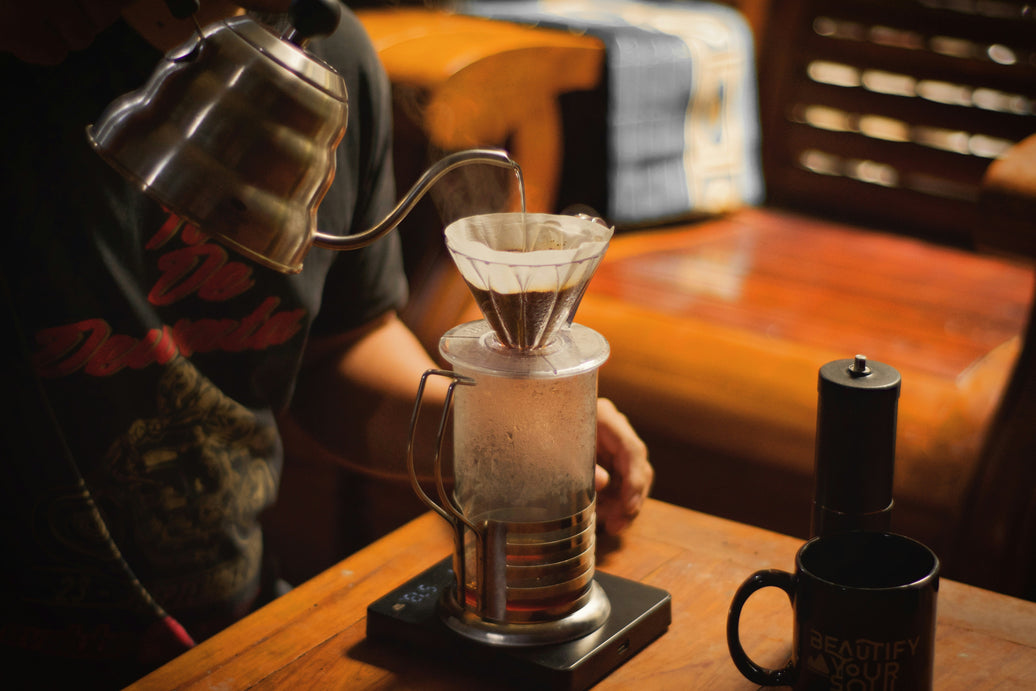
Pour Over
Try:
-
Medium to medium-fine grind
-
Controlled pouring
-
Consistent brew time
-
Fresh coffee
-
Clean equipment
If your pour-over tastes harsh, slightly coarsening the grind can be a useful first experiment.
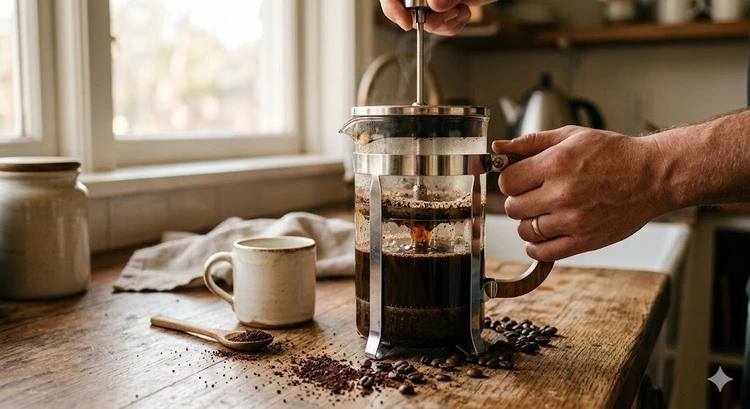
French Press
Try:
-
Coarse grind
-
Consistent coffee-to-water ratio
-
Controlled steeping time
-
Gentle plunging
If it tastes too bitter, try a slightly shorter steep or coarser grind.
Espresso
Espresso is particularly sensitive to grind size, dose, and extraction.
If the shot tastes excessively bitter:
-
Try a slightly coarser grind
-
Check your dose
-
Check your extraction time
-
Make sure your machine is clean
-
Use fresh coffee
Make one adjustment at a time.
Cold Brew
Cold brew requires patience because the coffee remains in contact with water for many hours.
If your cold brew tastes too strong or bitter:
-
Reduce steeping time
-
Use a slightly coarser grind
-
Dilute the finished concentrate
-
Check your coffee-to-water ratio
Cold brewing extracts coffee more slowly than hot brewing, but excessive extraction can still produce unpleasant flavors.
Whole Bean vs. Ground Coffee
If you're trying to improve the taste of your coffee, whole beans can give you more control.
You can grind them immediately before brewing and select the grind size for your specific method.
For example:
French press → coarse
Drip → medium
Pour over → medium to medium-fine
Espresso → fine
Cold brew → coarse
If you don't own a grinder, quality pre-ground coffee can still make excellent coffee when properly stored and matched to your brewing method.
How to Prevent Bitter Coffee
Instead of waiting until your coffee tastes bad, build a consistent brewing routine.
Use fresh coffee
Freshness matters.
Measure your coffee
A scale gives you more consistency than estimating with a spoon.
Match your grind to your brewer
Your grind should fit your brewing method.
Watch your brewing time
Don't let coffee brew indefinitely.
Use appropriate water
Good water can help your coffee taste cleaner and more balanced.
Keep equipment clean
Coffee oils and residue can accumulate quickly.
Experiment
Coffee is personal.
The “perfect” cup for one person may taste too strong or too light to someone else.
A Simple Beginner Recipe for Better Coffee
If you want a straightforward starting point, try this:
Coffee: 20g
Water: 300g
Ratio: 1:15
Water temperature: Around 195–205°F
Grind: Match to your brewing method
Then taste the coffee.
Too bitter?
Try:
Slightly coarser grind → shorter brew time → slightly lower temperature
Too sour?
Try:
Slightly finer grind → slightly longer brew time → slightly higher temperature
Too weak?
Try:
More coffee or less water
Too strong?
Try:
Less coffee or more water
Make one adjustment at a time.
The Most Important Rule: Taste and Adjust
There isn't one setting that makes every coffee taste perfect.
Coffee varieties, roast levels, processing methods, grinders, water, brewers, and personal preferences all differ.
That's why the best approach is to create a consistent starting recipe and then make small adjustments.
If your coffee tastes bitter, don't immediately assume the beans are bad.
Check your grind, brew time, temperature, ratio, freshness, water, and equipment first.
Find a Coffee You Enjoy
Once your brewing technique is dialed in, the next step is finding beans that match your preferred flavor profile.
If you enjoy bold, smooth, light, dark, flavored, blended, or single-origin coffees, exploring different roasts and origins can help you discover what you like most.
For premium coffee options, explore the selection from Arvea Coffee and find a roast or blend that fits your brewing style and personal taste.
Explore Arvea Coffee and discover your next favorite cup.
Frequently Asked Questions
Why does my coffee taste so bitter?
Common causes include excessive extraction, a grind that is too fine, a long brewing time, a very dark roast, stale coffee, dirty equipment, unsuitable water, or coffee that has been held hot for too long.
Does a finer grind make coffee more bitter?
It can. Finer grounds generally provide more surface area for water to interact with the coffee, which can increase extraction.
Does hotter water make coffee more bitter?
Hotter water can extract coffee more quickly. However, current research suggests that final extraction and brew strength are especially important to the resulting flavor, so temperature should be considered together with grind size and brew time.
Is dark roast coffee more bitter?
Dark roasting can create more bitter-tasting compounds, although bitterness depends on more than roast level alone.
How do I make coffee less bitter?
Start by trying a slightly coarser grind or shorter brewing time. You can also experiment with water temperature, coffee-to-water ratio, roast level, and water quality.
Why does my coffee taste bitter after sitting?
Coffee can develop unpleasant bitter flavors when it is held for an extended period, particularly when kept hot.
What is the best grind size for less bitter coffee?
There isn't one universal grind size. Match the grind to your brewing method and adjust based on taste. If your coffee is excessively bitter, trying a slightly coarser grind is a useful starting point.
Final Thoughts
Bitter coffee doesn't always mean bad coffee.
A little bitterness is a natural part of coffee's flavor. But when bitterness becomes harsh or unpleasant, your brewing process may need a small adjustment.
Start simple:
Fresh coffee → correct grind → consistent ratio → appropriate brew time → clean equipment → good water.
Once those fundamentals are right, you'll have a much easier time finding the flavor you love.
Your perfect cup may be only one small adjustment away.





















Leave a comment