


What Is Mountain-Grown Coffee?
Coffee is shaped by its environment.
Where a coffee plant grows can influence how its cherries develop and, together with processing, roasting, grinding, and brewing, contribute to the flavor that eventually reaches your cup.
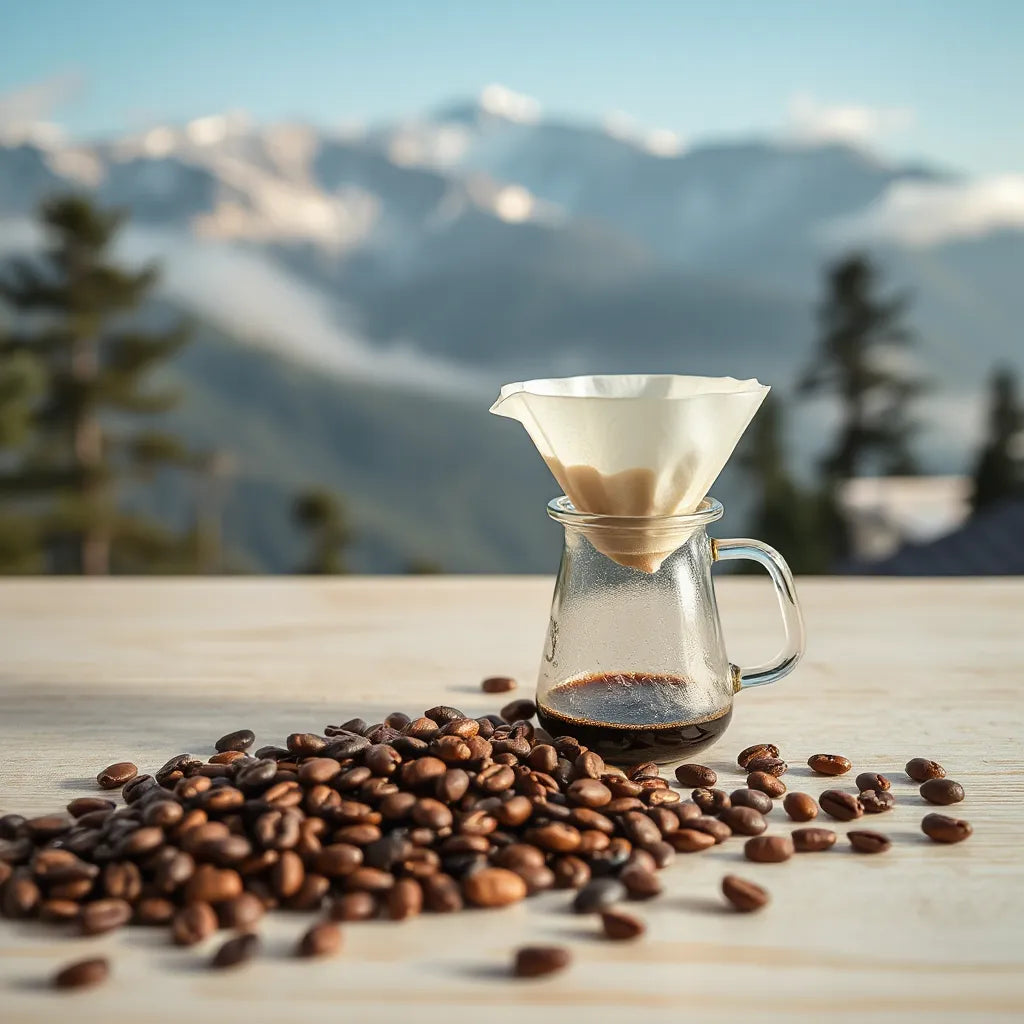
Mountain-grown coffee refers to coffee cultivated in elevated or mountainous growing regions.
These environments can have different temperatures, sunlight, rainfall, and growing conditions compared with lower-altitude areas.
For coffee lovers, that makes mountain-grown coffee particularly interesting to explore.
But there is an important point:
Higher elevation does not automatically mean better coffee.
Coffee quality is influenced by many factors working together.
Why Does Altitude Matter for Coffee?
One of the reasons altitude receives so much attention in coffee is temperature.
As elevation increases, temperatures generally become cooler. Cooler growing conditions can affect how coffee cherries develop.
Research reviewed by the Specialty Coffee Association has found consistent evidence connecting altitude and environmental conditions with differences in coffee sensory characteristics.
This doesn't mean every high-altitude coffee will taste the same.
Instead, altitude is one piece of a much larger puzzle.
How Can Mountain Conditions Affect Coffee Flavor?
Coffee flavor begins developing long before the beans are roasted.
The coffee plant grows cherries, and inside those cherries are the seeds that eventually become coffee beans.
During development, environmental conditions can influence the plant and the coffee cherries.
Some of the factors that can matter include:
- Elevation
- Temperature
- Sunlight
- Rainfall
- Soil
- Coffee variety
- Farm management
- Harvesting
- Processing
The interaction between genetics and growing environment can also influence how coffee characteristics are expressed.
That's why two coffees can taste different even when they come from similar regions.
Does Higher Altitude Mean Better Coffee?
Not necessarily.
This is one of the biggest misconceptions about high-altitude coffee.
Altitude can contribute to differences in coffee development and flavor, but it isn't a guarantee of quality.
Think of it like cooking.
Having excellent ingredients doesn't automatically guarantee an excellent meal.
The preparation matters too.
Coffee works in much the same way.
Growing environment + coffee variety + processing + roasting + brewing = final cup
Every stage can make a difference.
What Can High-Altitude Coffee Taste Like?
There isn't one universal flavor profile for high-altitude coffee.
Depending on the coffee, you may experience characteristics such as:
Brightness
Some coffees may have a noticeable and lively acidity.
Fruit-Like Notes
Certain coffees can have flavors that remind you of berries, citrus, stone fruit, or other fruits.
Floral Aromas
Some coffees may have delicate floral aromas.
Sweetness
Coffee can have naturally sweet characteristics that remind drinkers of caramel, honey, fruit, or chocolate.
Complexity
Some coffees can offer several noticeable flavors that develop as you drink them.
However, flavor descriptions depend on the individual coffee.
The same mountain region can produce coffees with very different flavor profiles.
How Does Climate Affect Coffee?
Climate plays an important role in agriculture, and coffee is no exception.
Temperature, rainfall, sunlight, and other environmental factors influence coffee plants throughout their development.
Research reviewed by the Specialty Coffee Association found that altitude and light exposure were among the environmental factors with the most consistent evidence of effects on coffee quality.
This is one reason coffee-growing regions can produce distinctive characteristics.
It also explains why coffee professionals pay attention to the environment where coffee is grown.
Mountain Coffee and the Himalayas
The Himalayan region is especially interesting from a coffee perspective because of its mountainous geography.
When people search for Himalayan coffee, they are often interested in the connection between coffee and mountain-growing environments.
The broader Himalayan and surrounding Asian coffee landscape includes different elevations, climates, growing conditions, and agricultural practices.
That means Himalayan coffee shouldn't be treated as one single flavor profile.
Instead, each coffee should be considered based on its specific origin, variety, processing method, roast, and preparation.
For coffee enthusiasts, that creates an opportunity to explore.
How Processing Changes Coffee Flavor
The coffee bean you grind at home started as a coffee cherry.
After harvesting, the coffee must be processed to remove the fruit surrounding the seed.
Different processing methods can influence the resulting coffee.
Some common approaches include:
- Washed processing
- Natural processing
- Honey processing
Processing can influence characteristics such as sweetness, fruitiness, acidity, body, and overall aroma.
This is another reason two coffees grown in mountainous environments can still taste completely different.
Roasting Has a Major Impact
Even after coffee has been grown and processed, the journey isn't over.
The beans still need to be roasted.
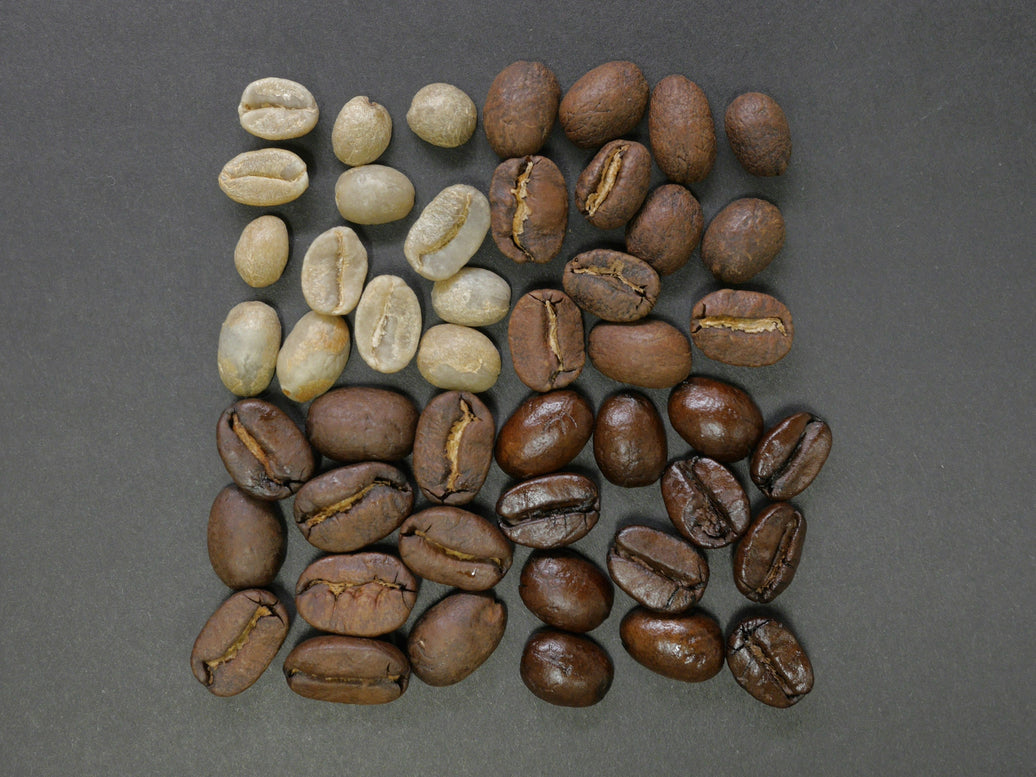
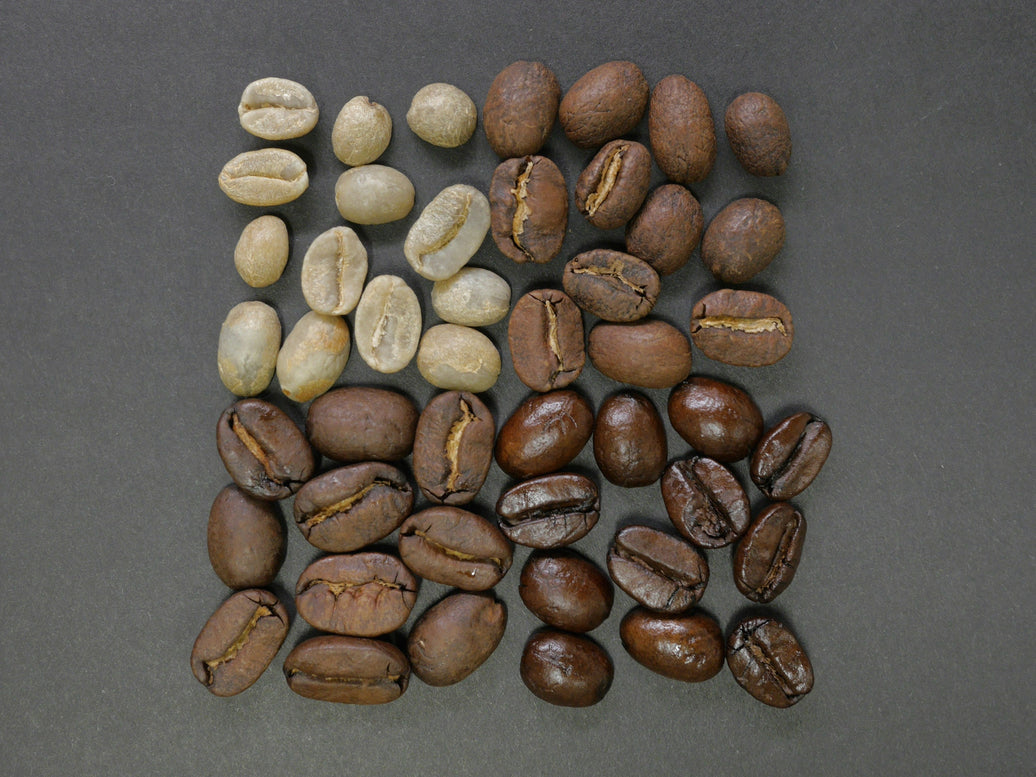
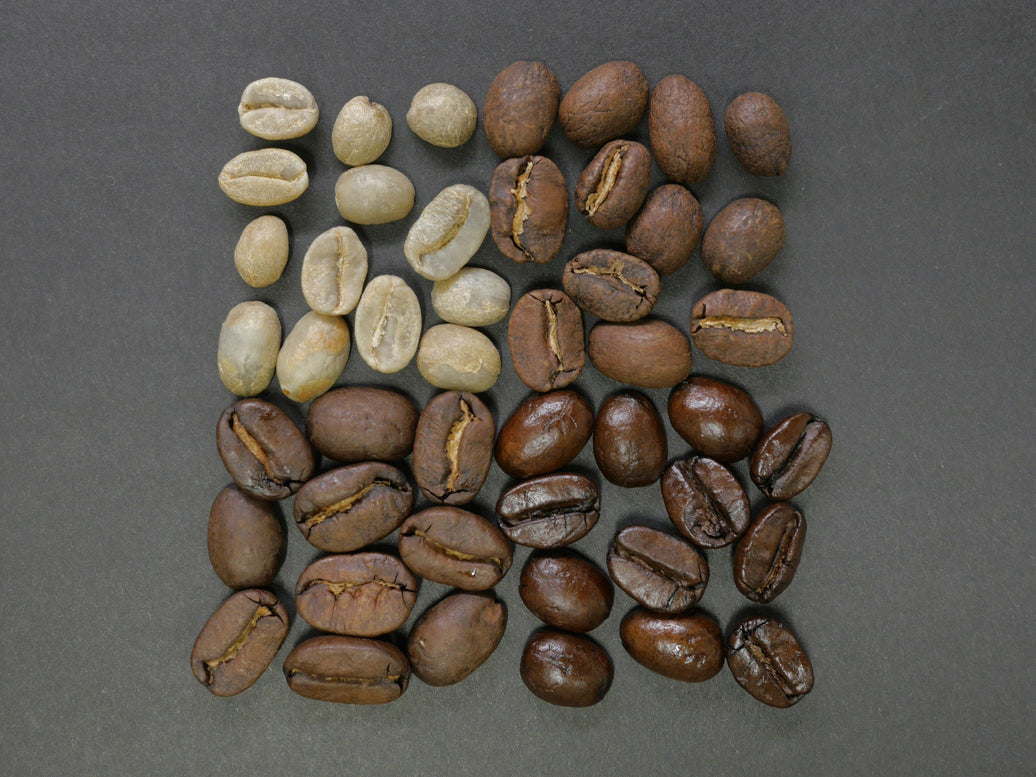
Roasting is one of the most transformative stages in coffee production.
The Specialty Coffee Association notes that cultivation, origin, variety, processing, altitude, brewing, extraction, and especially roast color can all influence coffee flavor.
Light Roast
Light roasts can highlight more of the coffee's origin characteristics and may have brighter acidity.
Medium Roast
Medium roasts can provide a balance between origin characteristics and developed roast flavors.
Dark Roast
Dark roasts generally emphasize more developed roasted flavors and can produce a bolder cup.
So even if two coffees come from similar elevations, roasting them differently can create very different experiences.
Why Freshness Matters
Once coffee has been roasted, freshness becomes another important part of the coffee experience.
A coffee's aroma and flavor can change over time.
The Specialty Coffee Association notes that coffee's sensory characteristics can gradually become less lively as coffee ages.
That's why proper storage matters.
Keep your coffee:
- Airtight
- Away from direct sunlight
- Away from moisture
- Away from excessive heat
If possible, buy amounts that fit your normal coffee consumption so your beans don't sit around for unnecessarily long periods.
Grind Size Can Change Your Coffee
You've chosen your mountain-grown coffee.
You've selected your roast.
You've stored it properly.
Now comes another important step:
Grinding.
The grind size affects extraction during brewing.
A basic starting guide is:
| Brewing Method | Starting Grind |
|---|---|
| French Press | Coarse |
| Cold Brew | Coarse |
| Drip Coffee | Medium |
| Pour Over | Medium |
| Espresso | Fine |
If the grind is too coarse or too fine for your brewing method, you may not get the flavor you're looking for.
That's why choosing the right grind is just as important as choosing the coffee itself.
How to Experience Mountain-Grown Coffee at Home
You don't need complicated equipment to appreciate coffee.
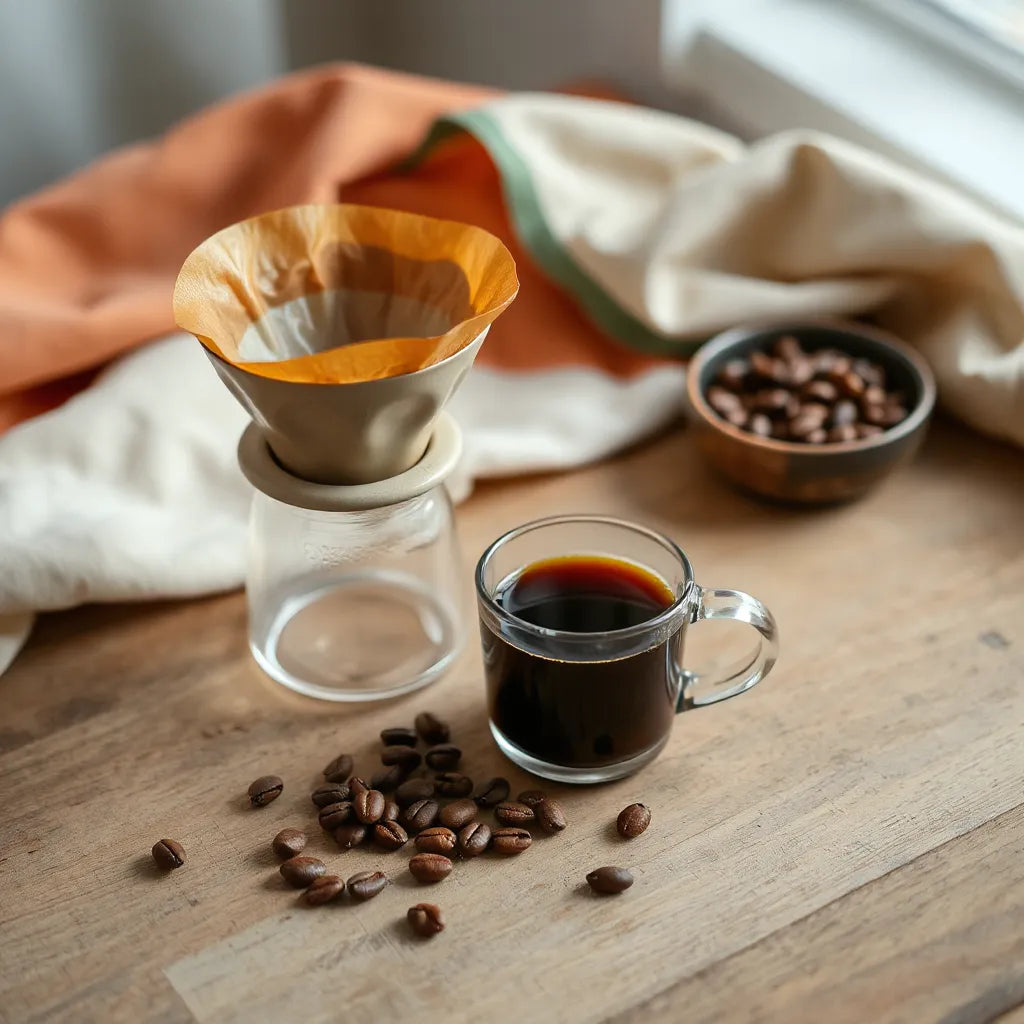
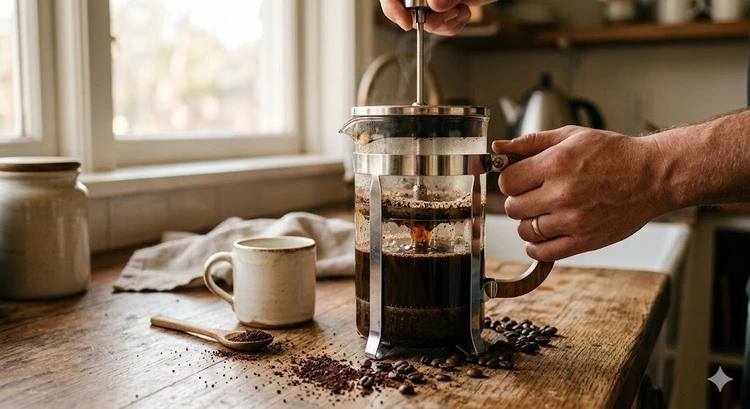
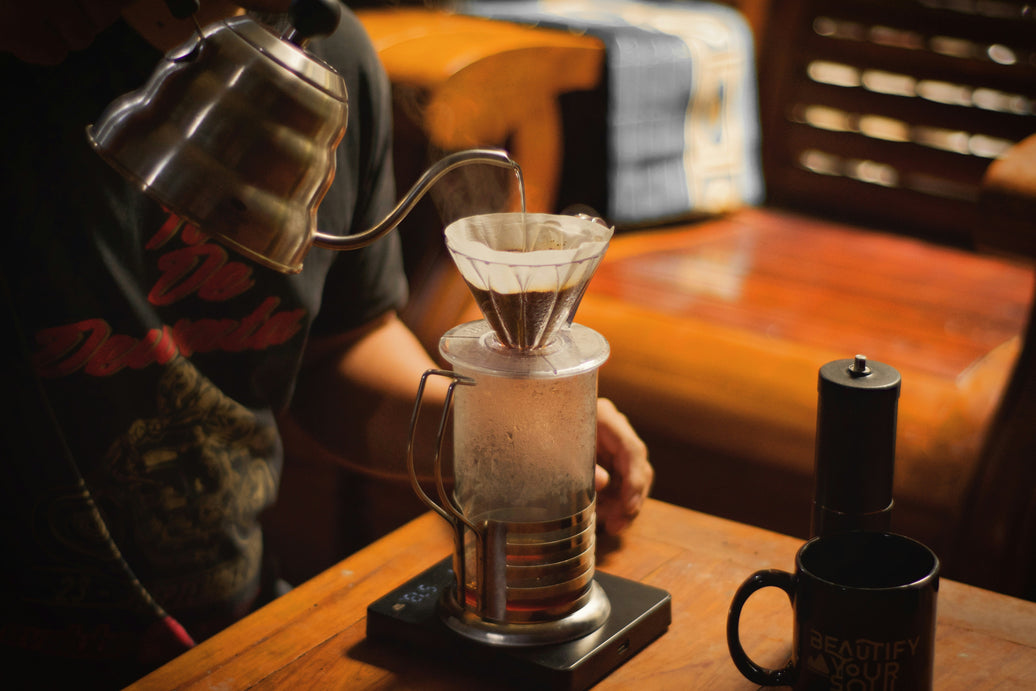
Start with a simple brewing method.
Step 1: Choose your coffee
Try a coffee from a region or growing environment that interests you.
Step 2: Match your grind
Choose a grind appropriate for your brewing method.
Step 3: Use consistent measurements
Measure your coffee and water so you can reproduce a cup you enjoy.
Step 4: Taste before changing everything
Pay attention to:
- Aroma
- Acidity
- Sweetness
- Body
- Aftertaste
- Overall balance
Step 5: Make small adjustments
Change one variable at a time.
Try a different grind size, water ratio, or brewing time.
This makes it easier to understand what changed the flavor.
Why Coffee Origin Is Worth Exploring
One of the most enjoyable parts of coffee is discovering how different origins can taste.
You might enjoy one coffee because it is:
Smooth and chocolatey.
Another might stand out because it is:
Bright and fruity.
Another might be:
Bold and roasted.
There isn't one correct answer.
Your favorite coffee is the coffee that matches your taste.
Mountain-grown coffee gives you another origin story to explore—and the Himalayas provide a particularly fascinating setting for that exploration.
Discover Coffee With Arvea
At Arvea Coffee, we believe coffee should be something you enjoy discovering.
Our collection includes different coffee styles, roast profiles, blends, grind options, and brewing choices.
Whether you prefer whole bean coffee, espresso, coarse grind, standard grind, cold brew, or something completely different, you can explore different options and build a coffee routine around your own preferences.
If you're still deciding what you like, exploring several coffees can be a great way to discover your favorite profile.
Find Your Next Favorite Cup
Explore the Arvea Coffee collection and discover a coffee that fits your taste.
☕ Shop Arvea Coffee → https://arveacoffee.com/
Frequently Asked Questions
What is mountain-grown coffee?
Mountain-grown coffee is coffee cultivated in elevated or mountainous growing environments. Its flavor can be influenced by elevation, temperature, coffee variety, processing, roasting, and brewing.
Does mountain-grown coffee taste better?
Not automatically. Mountain growing conditions can influence coffee development, but quality and flavor depend on many factors throughout the coffee's journey.
Why is high-altitude coffee popular?
High-altitude coffee is popular partly because growing conditions associated with elevation can contribute to distinctive sensory characteristics. However, altitude is only one factor in coffee quality.
What does high-altitude coffee taste like?
There is no single flavor profile. Depending on the coffee, you may experience fruit, floral, chocolate, caramel, spice, acidity, sweetness, or other characteristics.
Is Himalayan coffee mountain-grown coffee?
Some coffee associated with Himalayan regions is grown in mountainous or elevated environments. However, individual coffees should be evaluated based on their specific growing location rather than assuming every Himalayan coffee has the same characteristics.
What is the best way to brew mountain-grown coffee?
There is no single best method. French press, pour over, drip, espresso, and cold brew can all work well when the grind and brewing parameters are matched to the method.
Final Thoughts
Mountain-grown coffee tells a story that begins with the environment.
Elevation, temperature, sunlight, rainfall, coffee variety, processing, roasting, grinding, and brewing can all contribute to the final cup.
That's what makes coffee so fascinating.
You aren't simply drinking a roasted bean.
You're experiencing the result of an entire journey from plant to cup.
And if you're ready to explore that journey for yourself, start with Arvea Coffee.
☕ Discover Arvea Coffee — https://arveacoffee.com/



























Leave a comment